Calea Zacatechichi
The oracle of the Chontal
from €7.20
In Mongolia the drum is the shaman's mount; in Michael Harner's recordings, a steady beat and then a callback that brings you home. What a shaman drum carries, what you hear on a shamanic journey, and six drums kept in museums.
A Mongolian shaman without a drum is a “shaman on foot”: he has no mount yet to ride to the land of the spirits.
On the day his master hands him a drum brought to life, he becomes a “shaman on horseback”.
The oracle of the Chontal
from €7.20
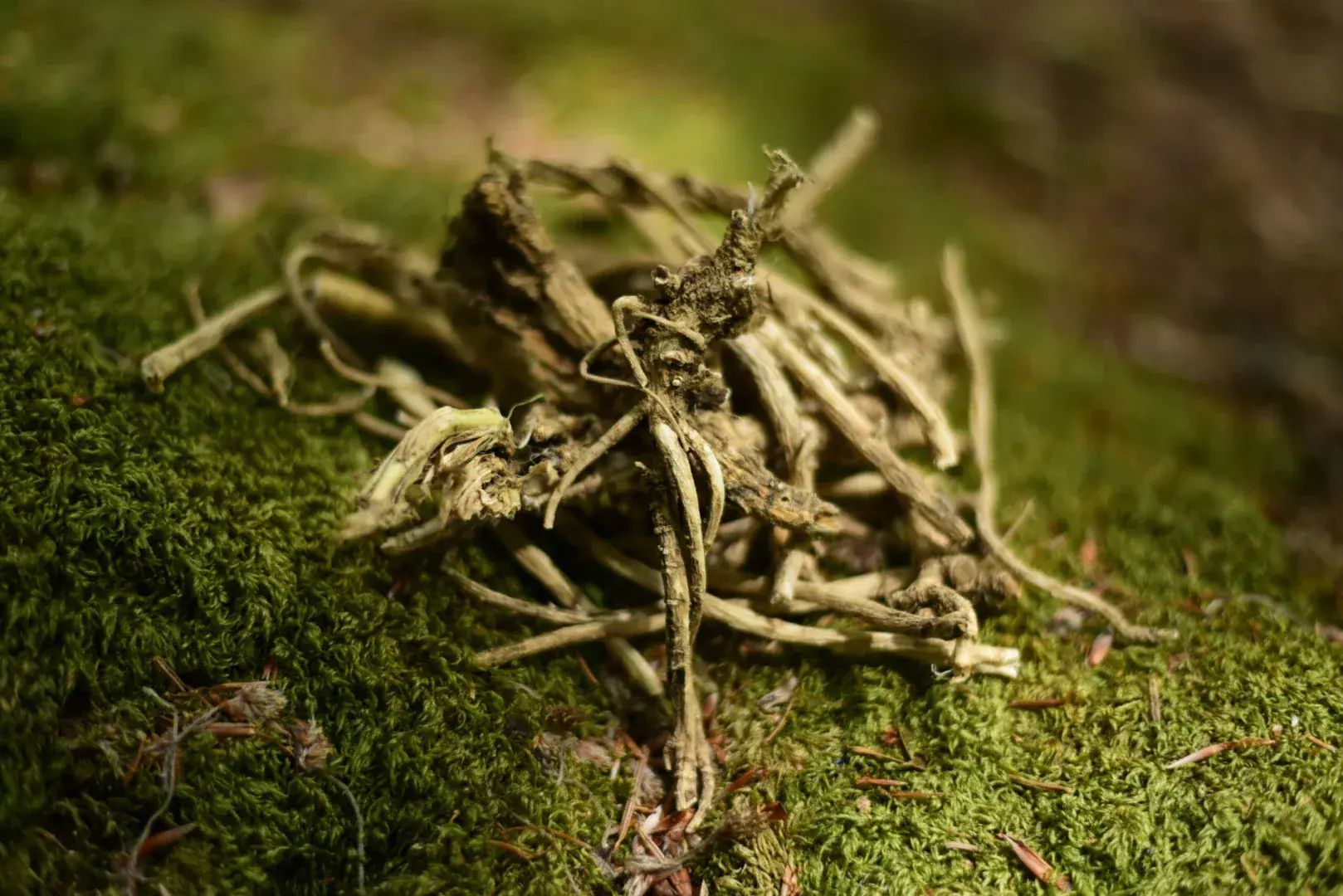
The root one honours by taking it
from €10.00
« A trustworthy shop. The herbs are fresh and well-packaged, which is crucial for rituals. Delivery is fast and reliable. Thank you so much for the consistent quality. »
« Good quality herbs, the seller knows their stuff. I took the herb 3 nights in a row with the jar shaking method, and i'll have to say its very effective! My dreams were longer, more coherent and i felt more stable in the dream. Will order more! »
In Michael Harner's method you sit or lie down in a quiet, dim room, eyes covered with a bandanna, headphones on.
Before the first beat, a clear intention and a starting point you know in ordinary reality. His foundation gives the Lower World as an example.
A single-headed frame drum, about five beats a second, no melody: 15 or 30 minutes on Harner's recordings.
The rhythm suddenly speeds up: that is the callback, which brings the journeyer back to ordinary reality.
Among the Sámi, the shaman, once he came to, would tell what he had seen and answer questions. A notebook by the bed keeps the account, with the date.
The shaman travels in spirit to other worlds, then comes back. The anthropologist Charles Stépanoff warns against picturing one single practice: under this heading, he writes, “ethnographic accounts tend to group extremely different behaviors”, one ritual officiant lying inanimate before an attentive audience, another recounting a dream in which he went to the moon, a third flapping his arms like a bird (Journeys into the Invisible, p. 143).
Michael Harner (1929-2018), author of The Way of the Shaman, originated, researched and developed Core Shamanism, which his foundation teaches today. It is not bound to any one culture, and consciousness is altered by “classic shamanic non-drug techniques such as sonic driving, especially in the form of repetitive drumming” (Foundation for Shamanic Studies).
In Mongolia, the anthropologist Laetitia Merli explains, a novice who has not yet received a drum from the master's hands is only a “shaman on foot”: he has no mount to ride to the land of the spirits. Once he has it, he becomes a “shaman on horseback”. The drum stands for the mount, deer or horse, of the shaman's soul; during the ritual it also receives the spirits (Muséum de Toulouse, in French).
Among the Darkhad of northern Mongolia, the skin is usually that of a doe under three years old that has not yet given birth, and the frame is larch, ideally from a tree struck by lightning. On the drum in the Toulouse museum, the handle stands for the horse's spine, the carved chevrons for its mane and tail, and the resonators along the rim for the mountain passes it crosses on the way to the spirit world. Before any use, the drum is warmed over the fire so that the tightened skin rings better.
From one people to the next, the basic form stays the same. The exhibition Trommeln der Schamanen, which brought nearly a hundred drums to the ethnographic museum of the University of Zurich in 2007, put it this way: from Lapland to Kamchatka and on to the Himalaya, they are always frame drums, a wooden hoop and a membrane of hide. The tree comes from the forest and the animal from the wild, so they are held everywhere to be living beings, half tamed and half wild (Völkerkundemuseum der Universität Zürich, in German).
Six drums kept in museums today, from Toulouse to Novokuznetsk.
| Drum | Where it is kept | What the sources say |
|---|---|---|
| Darkhad drum, northern Mongolia, 20th century | Muséum de Toulouse, inv. MHNT.ETH.2004.1.1.3 | Deer hide stretched over a bent band of wood, eight resonators, a beater of wood and fur; the face is black from being warmed at the hearth. Muséum de Toulouse |
| Sámi drum, Norway (Lule and Pite area), probably late 17th or early 18th century | Museo delle Civiltà, Rome, inv. MPE 4988 | Reindeer skin, bowl-shaped body, spruce beater; given in 1881 by the Museo Borgia in Velletri. Museo delle Civiltà |
| Anders Poulsen's goavddis, Torne Lappmark, made before 1650 according to its owner | RiddoDuottarMuseat, Karasjok, Norway | Poulsen learned to use it from his mother. Arrested for witchcraft in 1691, he was forced to hand it over and was sentenced to death in Vadsø in 1692. The National Museum of Denmark returned it in January 2022, the first object of Sámi heritage to come home from abroad. RDM |
| Two Sámi drums (Sámi goavdát/gievrieh) | Museum Europäischer Kulturen, Berlin | Among the oldest objects in the collection. The seizure and burning of most drums during forced Christianisation is seen today as a symbol of the colonisation of Sápmi. Staatliche Museen zu Berlin |
| Khakas (Sagai) drum, entered the Russian Ethnographic Museum in 1909 | DTCF faculty, Ankara University | Made at the request of the ethnographer Adrianov, it was never used in a ritual; the USSR gave it to Turkey in 1929. At the top of the painted face, the Sun on the right and the Moon on the left. Zherdieva and Yıldırım, 2024 |
| Shor drum (tyuyur), early 20th century | Novokuznetsk Museum of Local History | Cedar frame, red deer skin, a handle (mars) cut from birch; at the top, the sun and six spirits who help the shaman. Culture.ru |
According to the Sámi museum in Karasjok, 72 Sámi drums have survived; most of the others, seized between the 17th and the 19th centuries, were burnt (RDM). Skin, wood and drawings change from one people to the next, sometimes from one drum to the next.
Michael Harner's recordings, published by his foundation, last 15 and 30 minutes. He plays a traditional-style, single-headed frame drum in a steady rhythm of about five beats per second; both recordings end with a fast callback rhythm “to bring the journeyer back to ordinary reality” (Foundation for Shamanic Studies).
The same page gives its pointers: headphones, a comfortable volume, sitting or lying down in a quiet, dim or dark room, eyes covered with a bandanna, a clear intention and a departure point known in ordinary reality. It adds that shamanic drumming “is not music”: it is made for the journey.
In the Siberia and Lapland of old, the shaman journeyed before an audience. Among the Chukchi, the shaman collapsed and lay flat, his drum beside him, standing for the boat he travelled in. Sámi shamans collapsed beneath their drums, sometimes for several hours, while the audience sang and made sure no flies touched the body. When the shaman came to, he would relate what he had seen (Stépanoff, pp. 144-146).
The drum is still played in public. On Olkhon Island in Lake Baikal, the anthropologist Aleksandra Wierucka followed the Buryat shamans' Tajlagan in 2010: the ceremony opens with long rhythmic drumming, and at sunset the shamans sit in a single row and thank the spirits to the sound of many drums (Wierucka, 2013).
The plants below have traditions of their own, those of the dream and the night; their sources do not tie them to a drum journey.
Chontal · Mexico
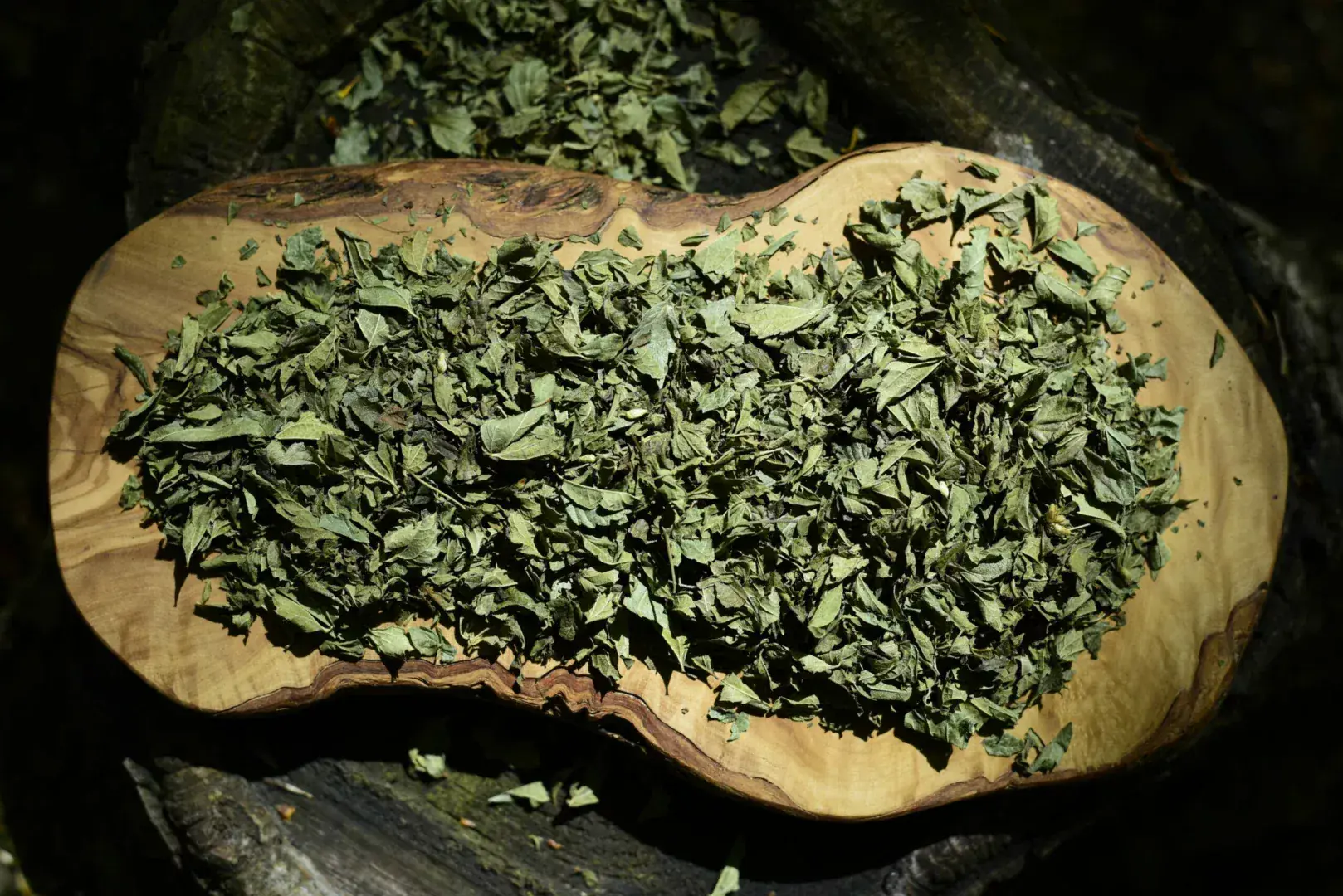
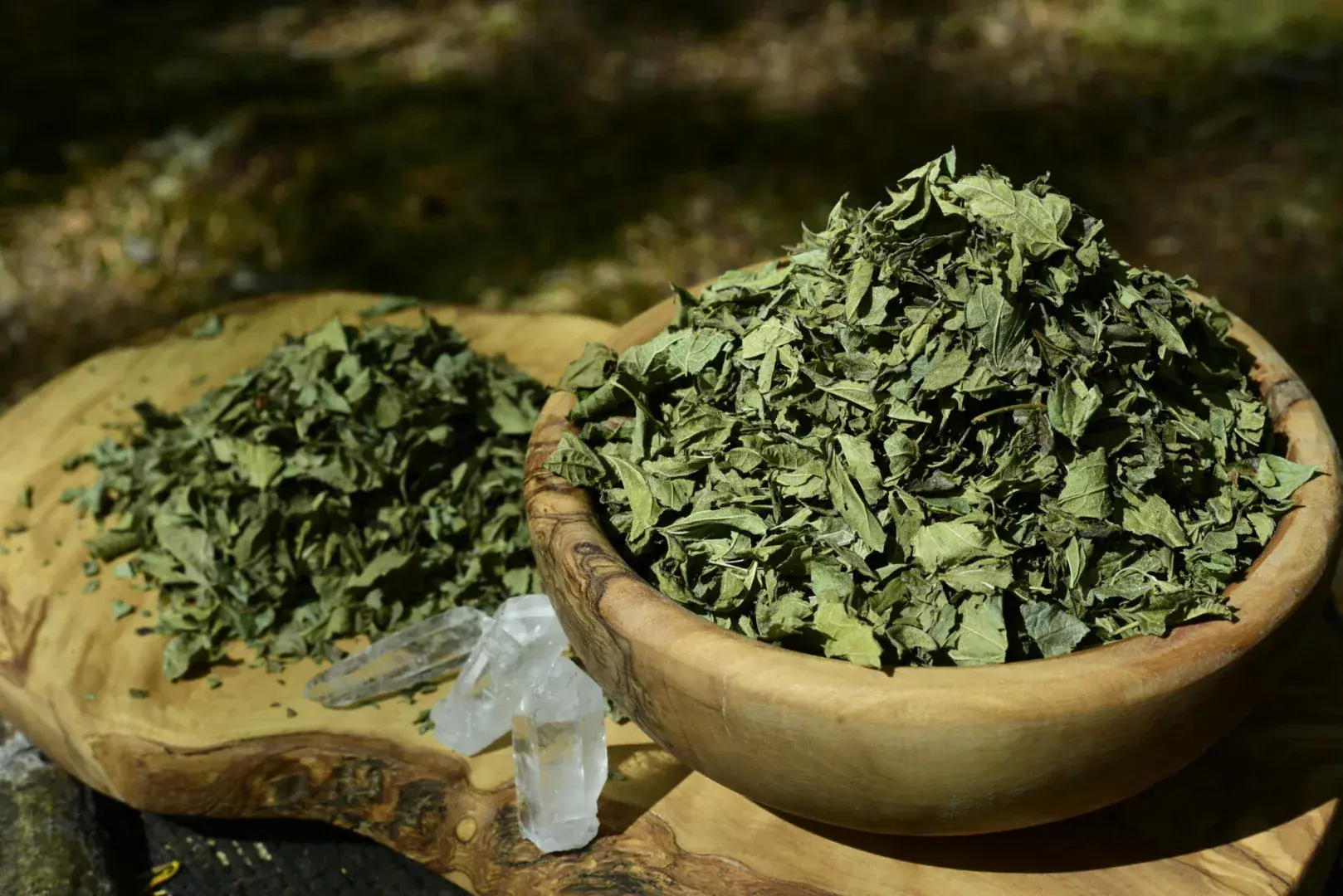
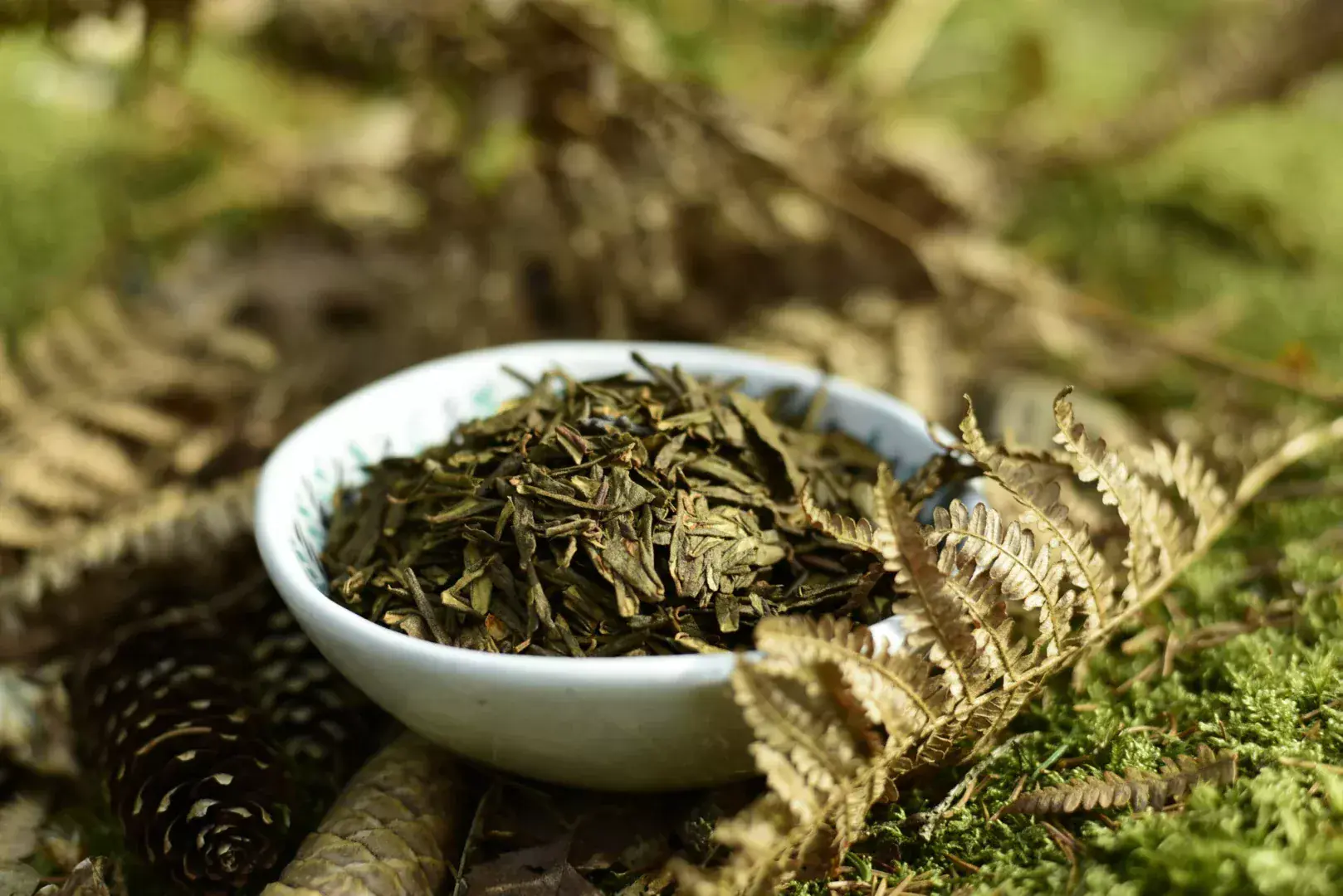
The Chontal use it “to obtain divinatory messages during dreaming” (Mayagoitia et al., 1986); ours comes from Puebla, as whole leaves.
Xhosa · South Africa
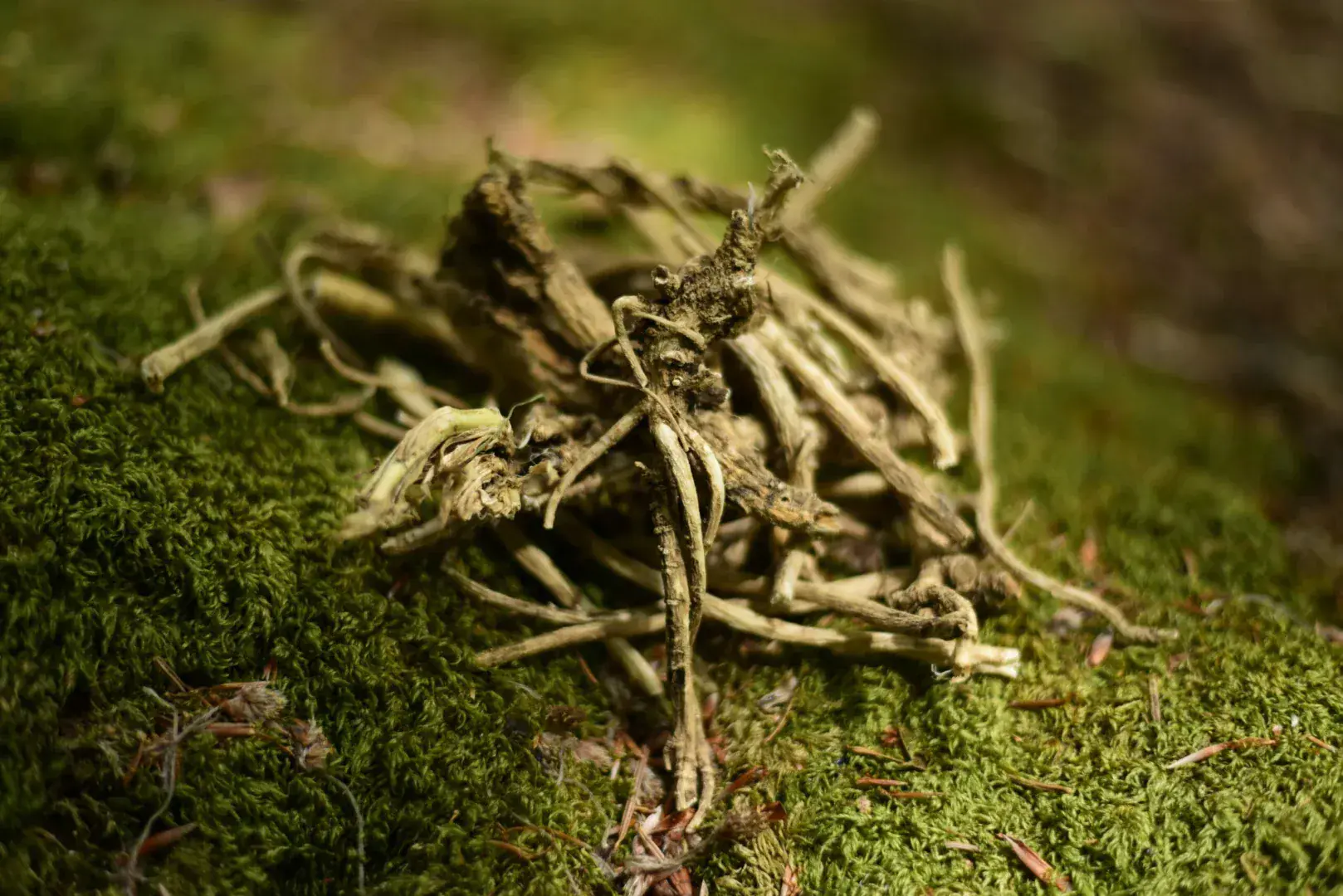
Its root, churned in water into a thick white froth, is drunk on an empty stomach by novice diviners to dream; tradition links it to the River People, the ancestors (Hirst, 2005).
Buryatia · Mongolia · Altai
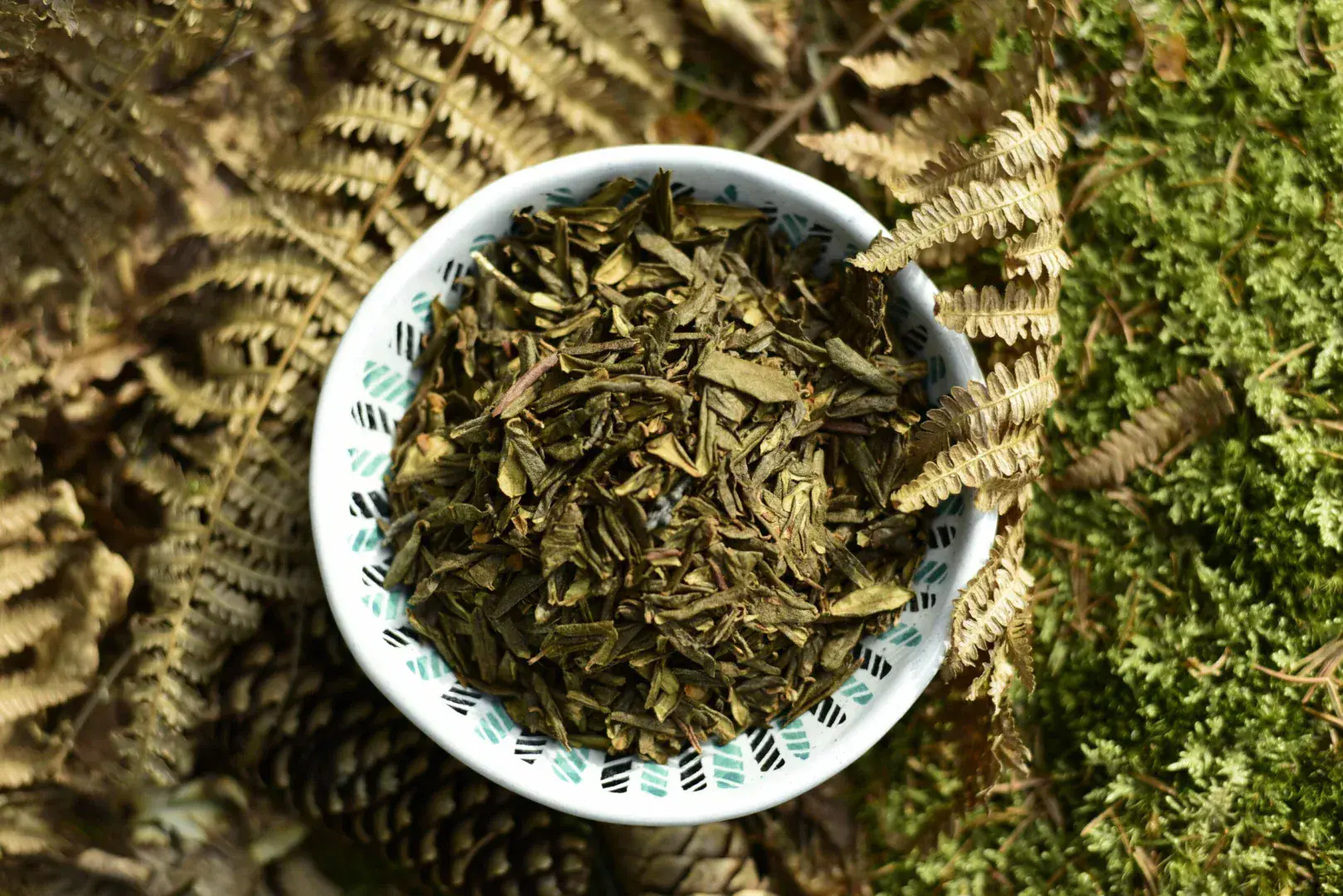
In Mongolia, Buryatia and the Altai, shamans traditionally drink a decoction of its leaves (Olennikov et al., 2021); ours are wild-harvested in the Baikal region.
Among the Xhosa, the drum is there too, in another place: during the diviners' umxhentso dance, a novice sometimes beats a drum over the singing and handclapping of the audience. Manton Hirst notes that Xhosa healers always see the plant in the dream exactly as they later find it, in a part of the landscape the dreamer knows well but where it has never been picked. One could take this for out-of-body travel, as among Siberian shamans; “apparently, however, that is not the case”, he writes (Hirst, 2005).
To go further: the Inner Journey collection, master plants, shamanic dreaming and the dream journal.
A journey in spirit to other worlds, and the return. Under this name, the anthropologist Charles Stépanoff reminds us, ethnographers group very different practices: a shaman lying motionless, another telling a dream, a third miming flight. Journeying to a recorded drum is the method of Michael Harner's Core Shamanism.
Michael Harner's recordings last 15 and 30 minutes, callback included. In older accounts it is longer: according to Charles Stépanoff, a Sámi shaman could lie journeying beneath his drum for several hours. On Olkhon Island, the Buryat Tajlagan lasts several hours and ends shortly before sunset.
On Harner's recordings, a steady beat of about five per second on a single-headed frame drum, then a fast rhythm that signals the return. Elsewhere the rhythm follows the story: among the shamans of northern Asia, Laetitia Merli writes, the beats grow more and more violent when the bargaining with the spirits is hard.
Almost always a wooden hoop and a hide, but the wood and the animal change with the people: larch and doe skin among the Darkhad, reindeer skin on the Sámi drum in Rome, cedar and red deer on the Shor drum in Novokuznetsk. Among the Yakuts, Harun Güngör reports, the drum is made of horse hide because it is held to be a horse (TDV İslâm Ansiklopedisi, in Turkish).
That is how Harner's method is practised, with a recording: his foundation advises headphones, a quiet, dark room, covered eyes, a clear intention, and not journeying when tired or within 24 hours of alcohol or mind-altering substances. In the old traditions of Siberia and Lapland, the journey took place before an audience that sang and watched over the shaman.
No. We sell plants: Calea of the Chontal, Undlela Ziimlophe of the Xhosa diviners, Sagan Dalya from Lake Baikal. In a drum, the skin, the wood and the drawings each mean something to the people who made it: the six drums on this page show how much they differ.
OTHER INTENTIONS · Ritual