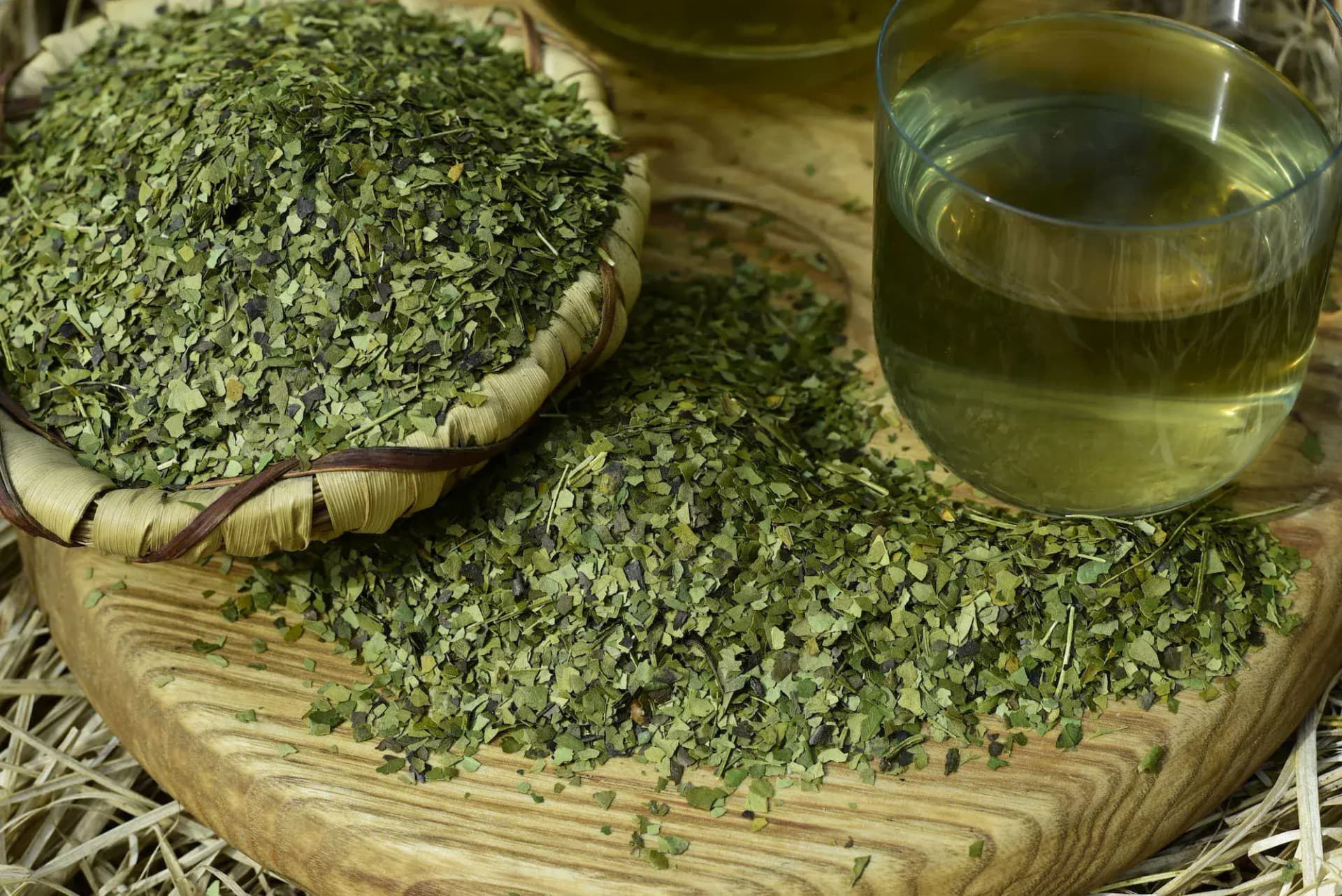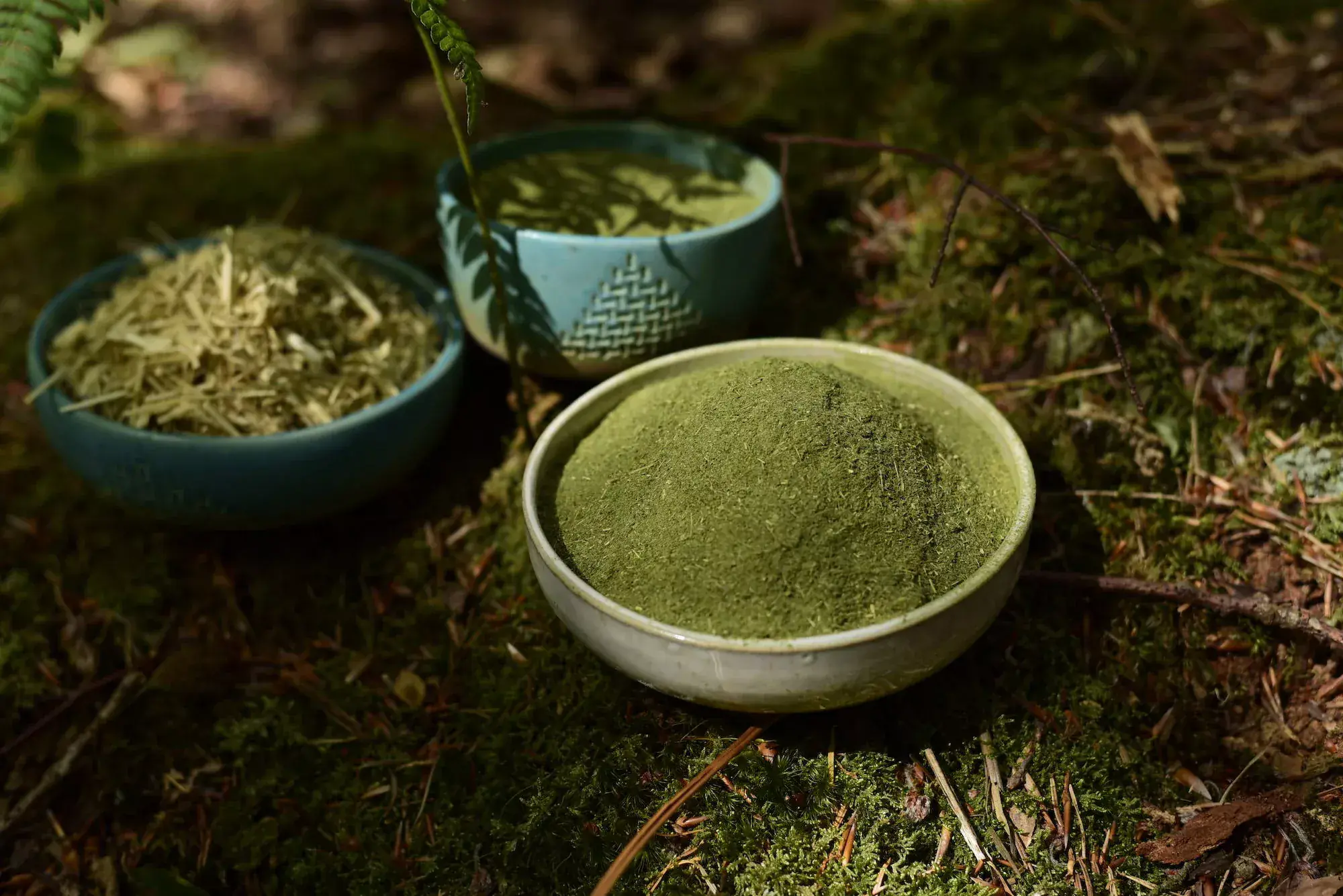
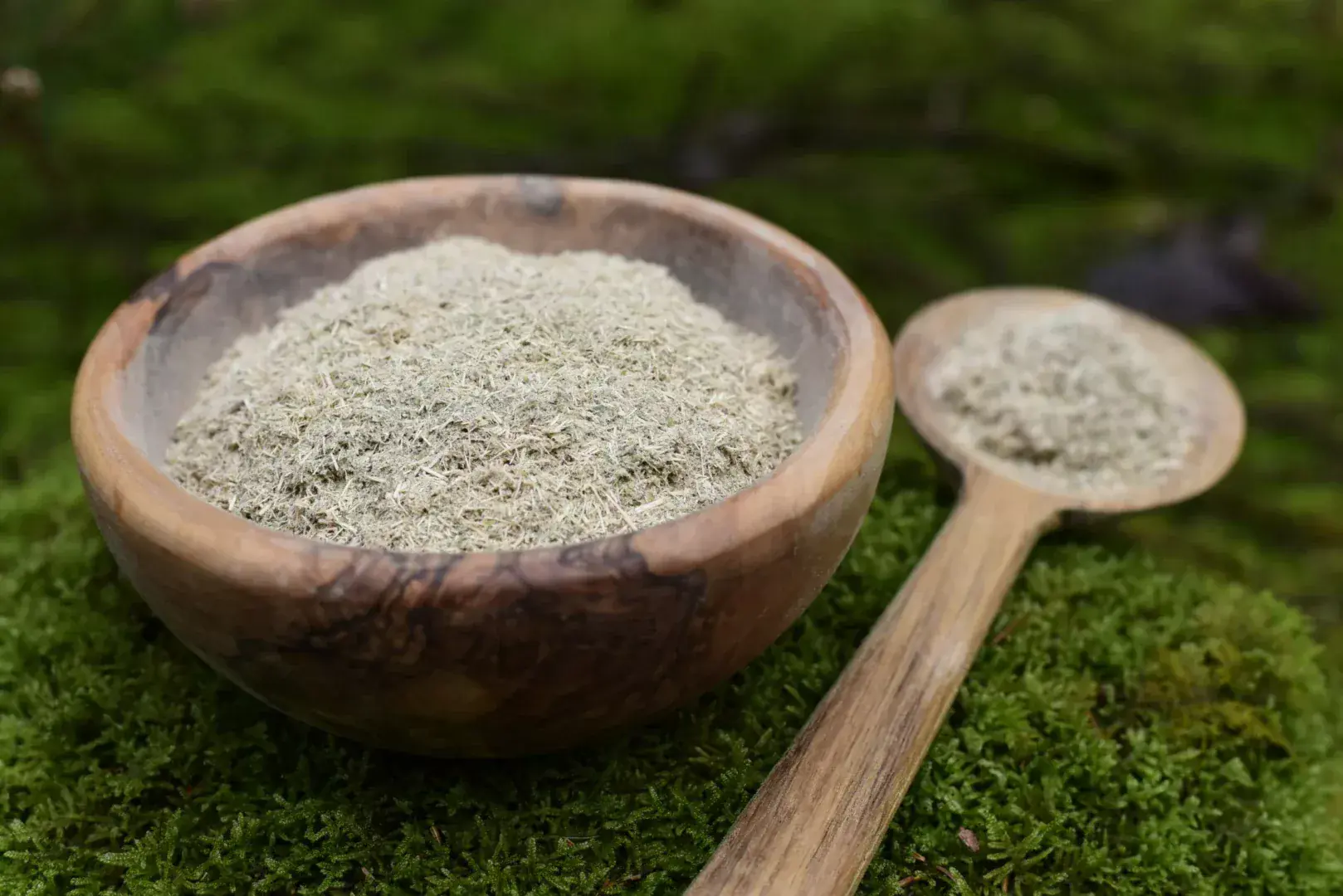
Bobinsana
The Mistress of the Heart
from €9.89
Four Amazonian master plants: Ajo Sacha, Chuchuhuasi, Bobinsana, Uña de Gato. Plants that teach, drunk as a decoction, at home, day after day.
4 plantsfrom €6.86
Three plants from the family, depending on what you are looking for.
The Mistress of the Heart
from €9.89
The ally of the dietas
from €7.77
The back that trembles
from €6.86
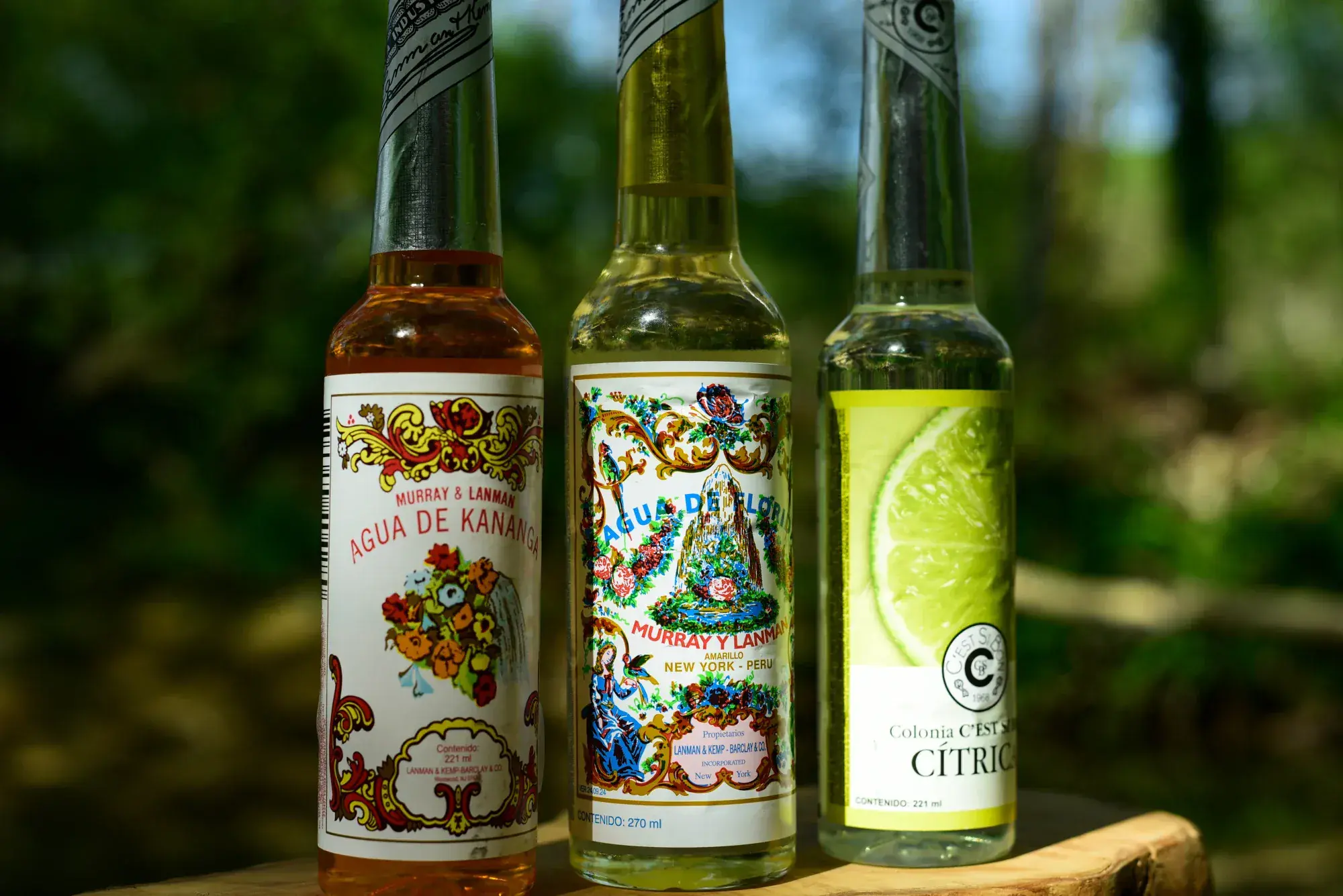
The space held by smoke, flask, and water.
Enter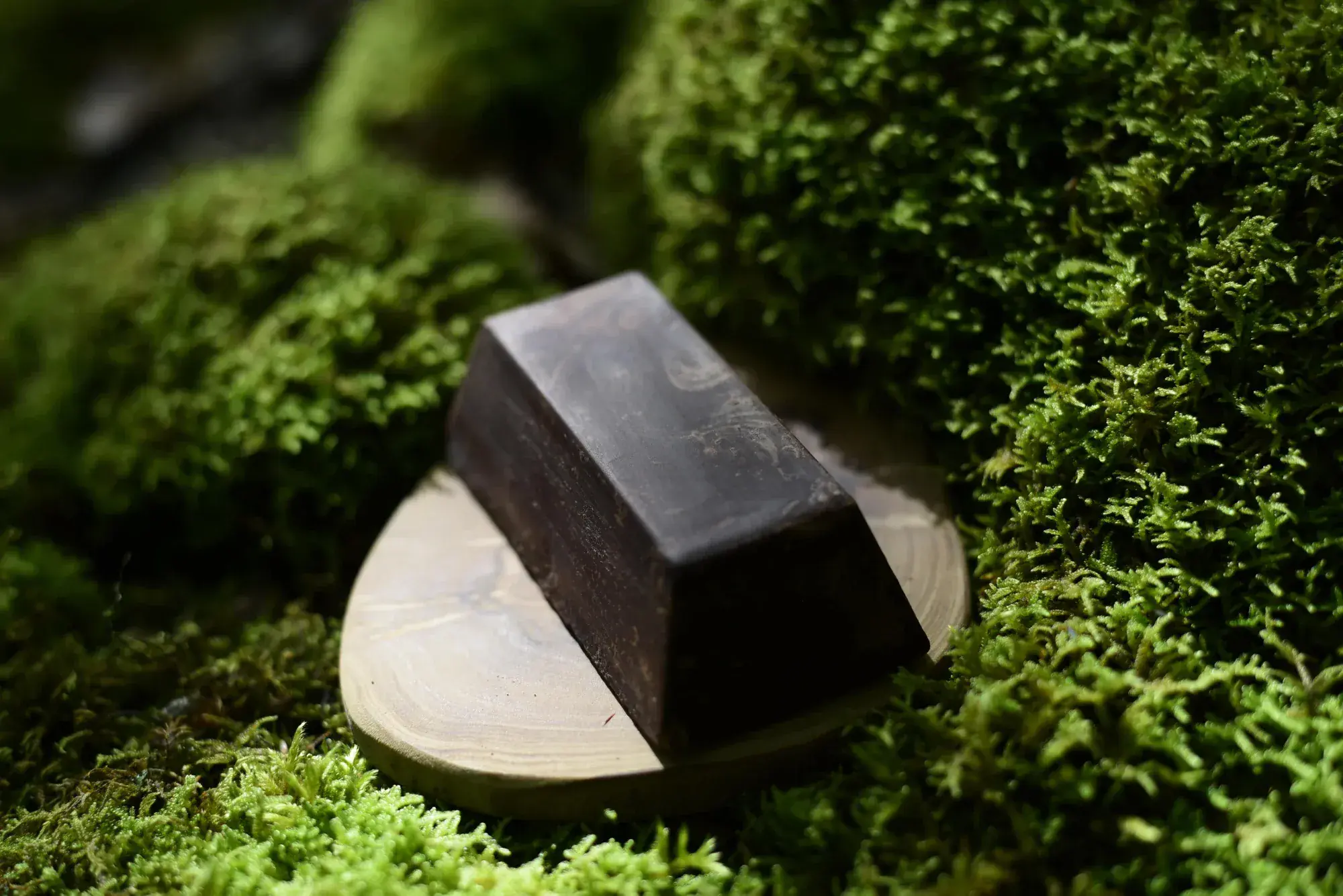
The heart that lets itself be crossed.
Enter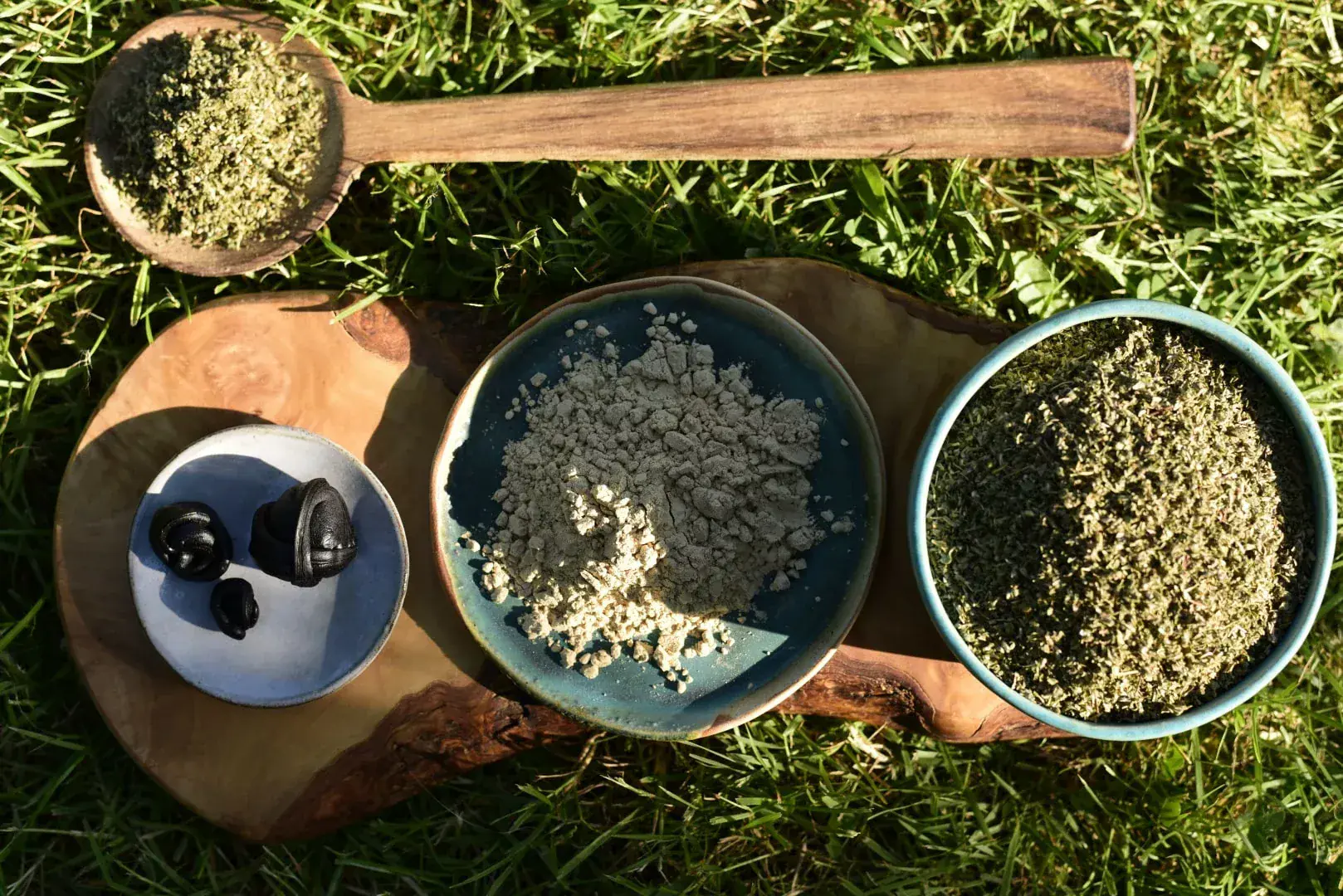
Sensuality as ritual.
Enter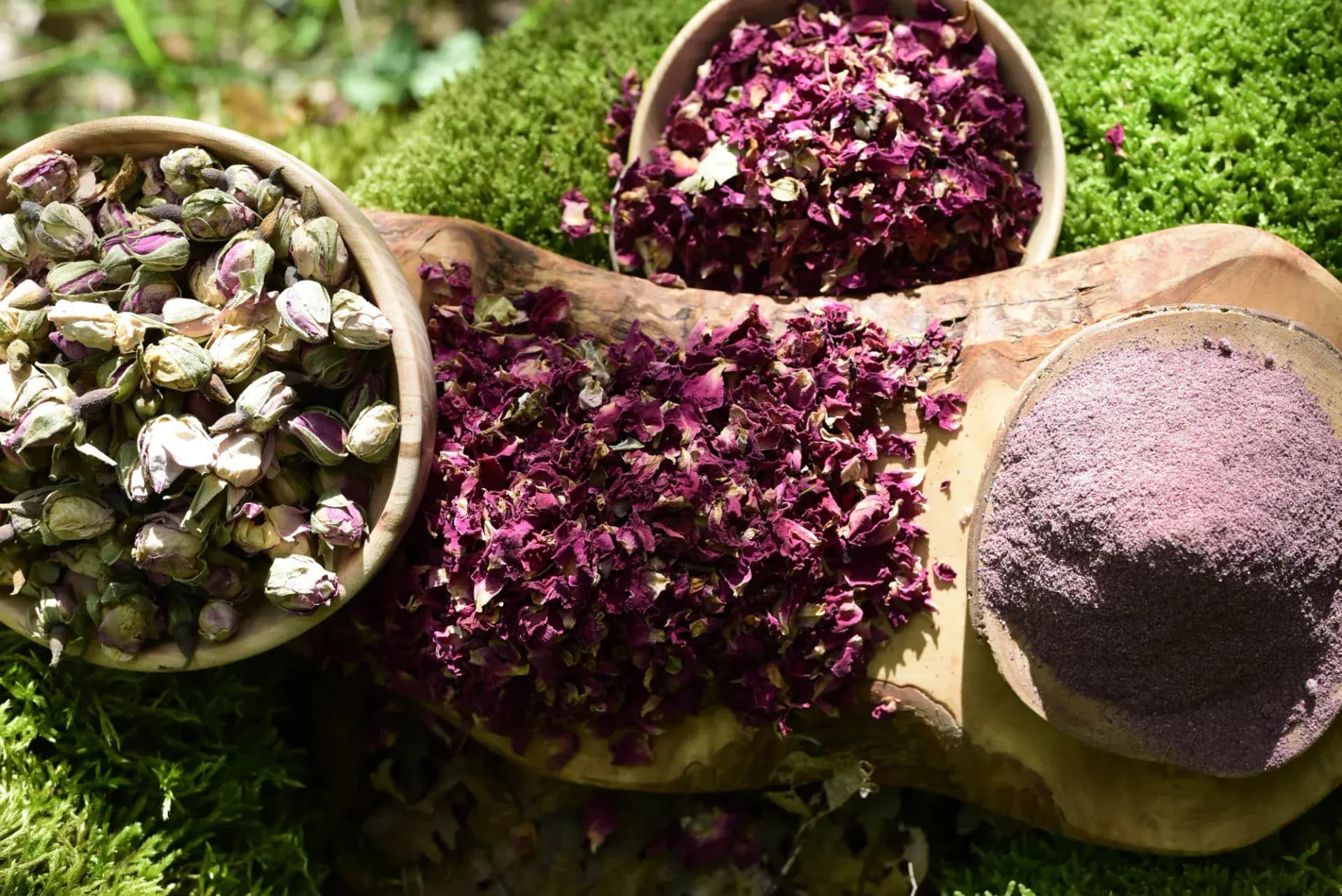
The feminine has its ally plants.
Enter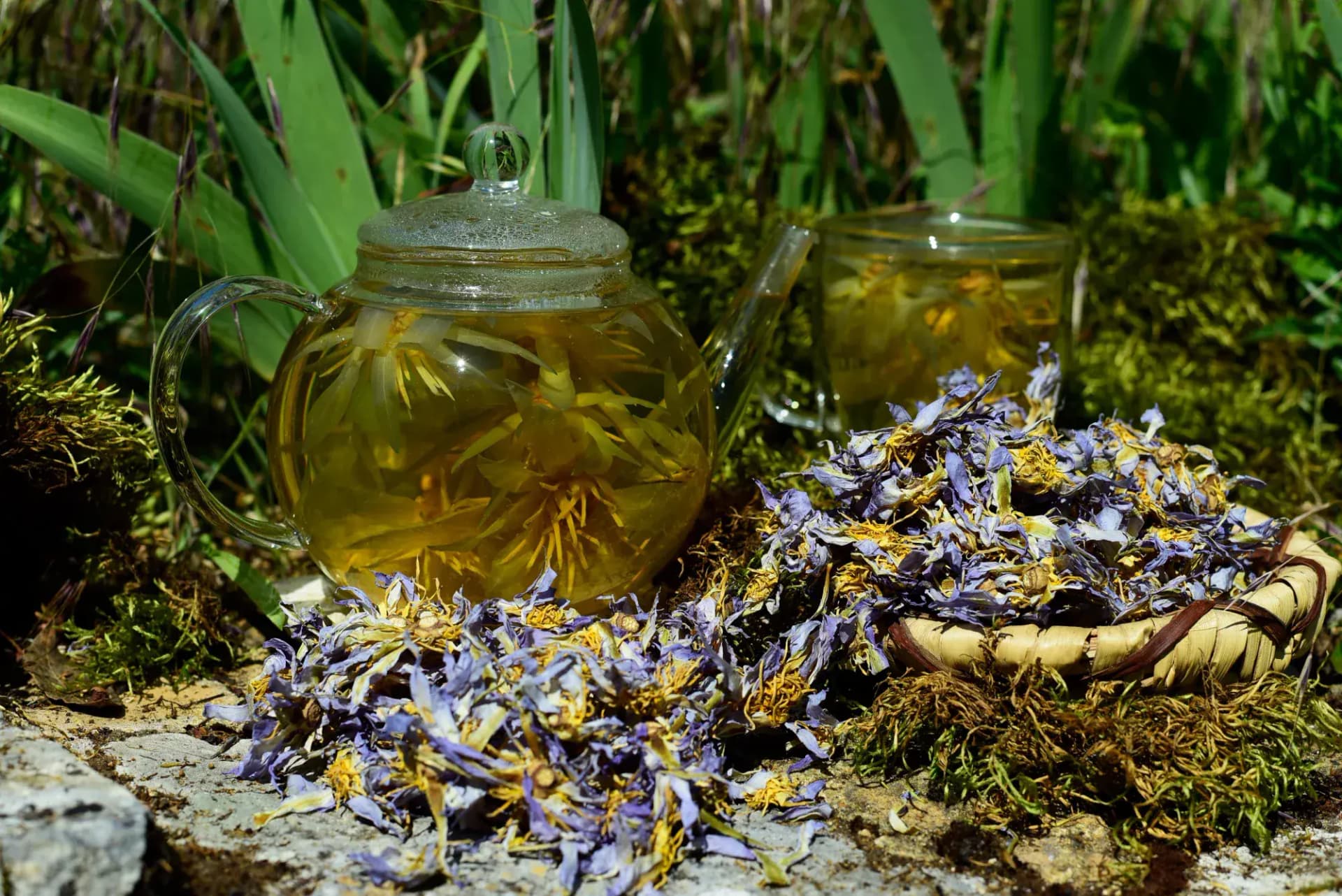
Traveling without tearing away.
Enter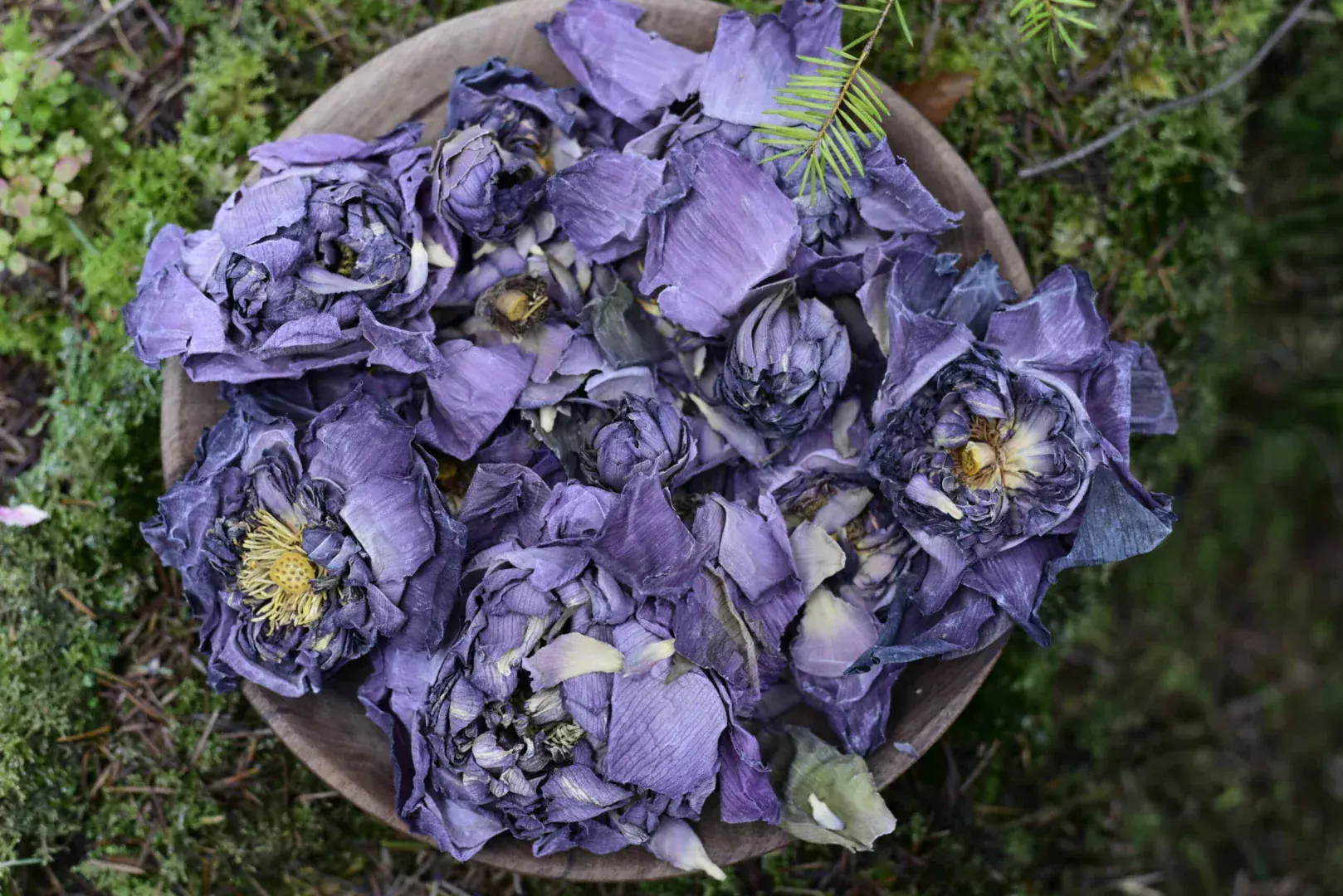
Lotus or water lily? Two families.
EnterAmong the Shipibo-Conibo of the Ucayali, some plants are maestras: they teach. The tradition receives them in a dieta; at INFUSE, you meet them in daily life, as a decoction, at any time of day.
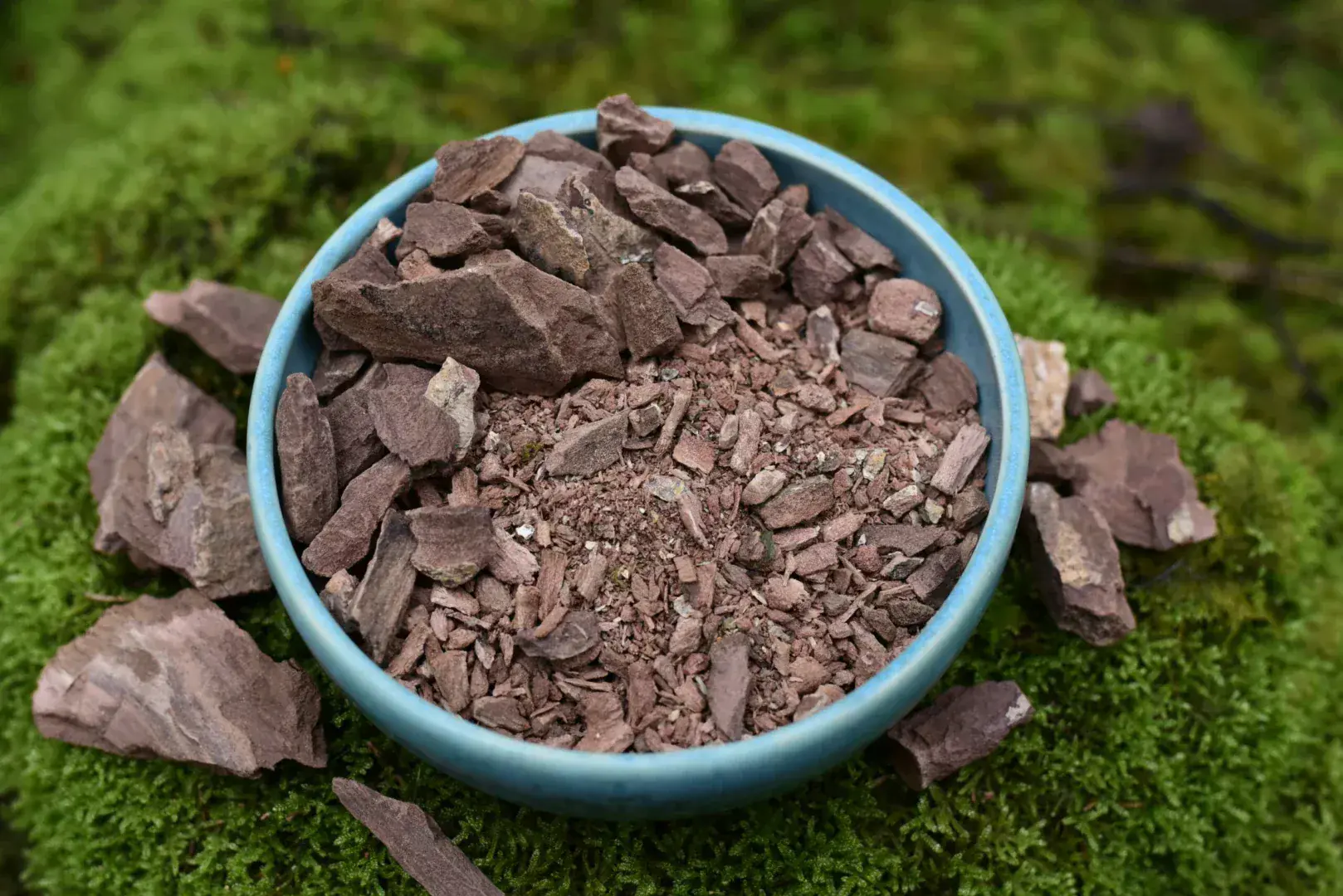
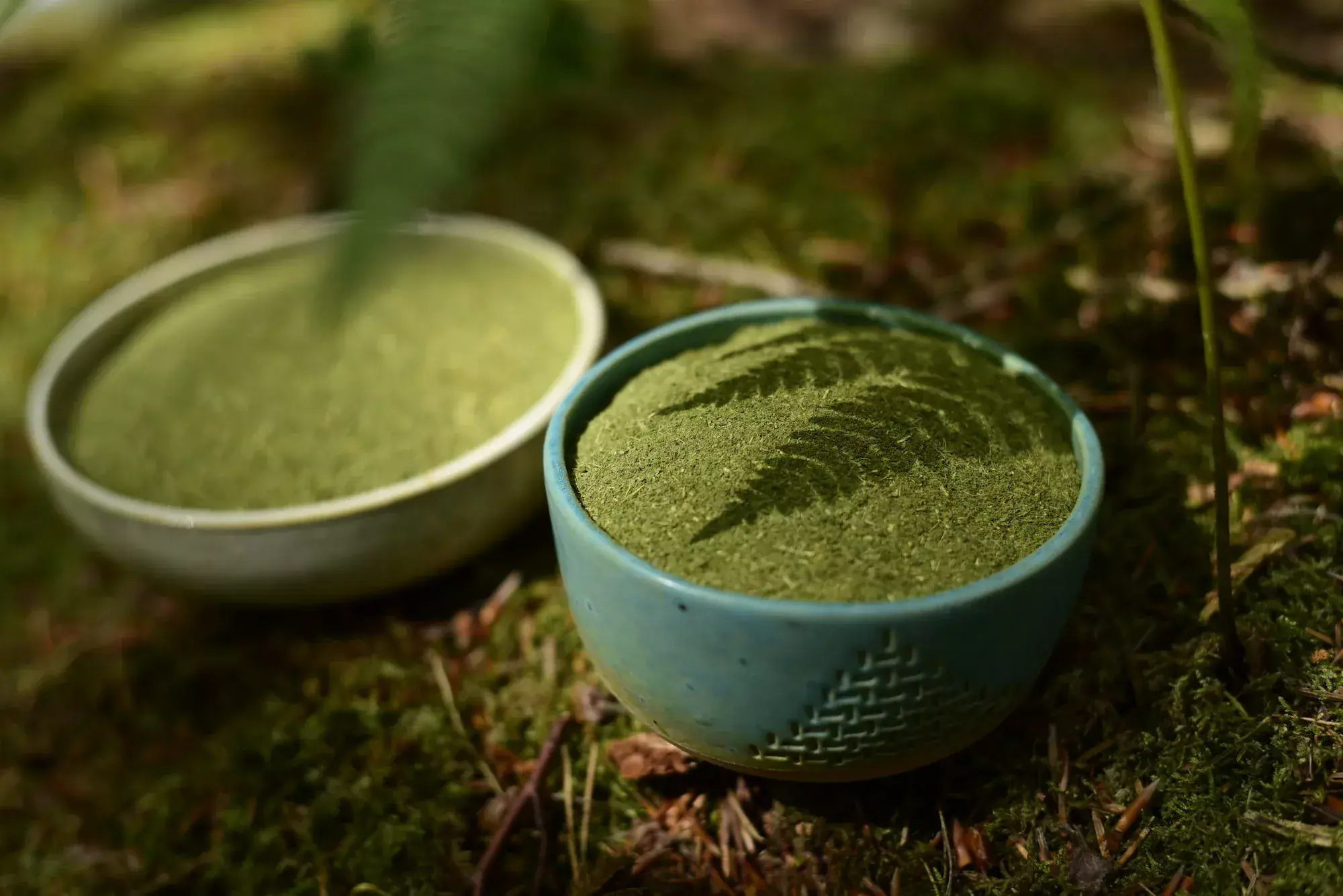
Ajo Sacha(Mansoa alliacea) is perceived as a masculine spirit, like a father, who guides with protection and strength; she cleanses us of all that no longer serves us. Bobinsana(Calliandra angustifolia) is a heart warrior, the companion of the weary heart. Chuchuhuasi(Maytenus krukovii) teaches resilience.

Among the Shipibo-Conibo of the Ucayali, in Peru, some plants are plantas maestras: teachers. Each has its own character and gifts, and each is ideally received in a dieta, a retreat of several weeks with the plant. At the end of the dieta, it is said, the plant gives its icaro, a received song that becomes the curandero’s tool.
The vegetalistas of Iquitos also speak of plants that teach (Luna, 1984). And many peoples have their plants of shamans and healers: the ubulawu roots of Xhosa diviners, Calea of the Chontal of Oaxaca, Sagan Dalya of the Buryat of Lake Baikal. All are received with an intention, often over several nights or several days.
Shipibo-Conibo · Peruvian Amazon
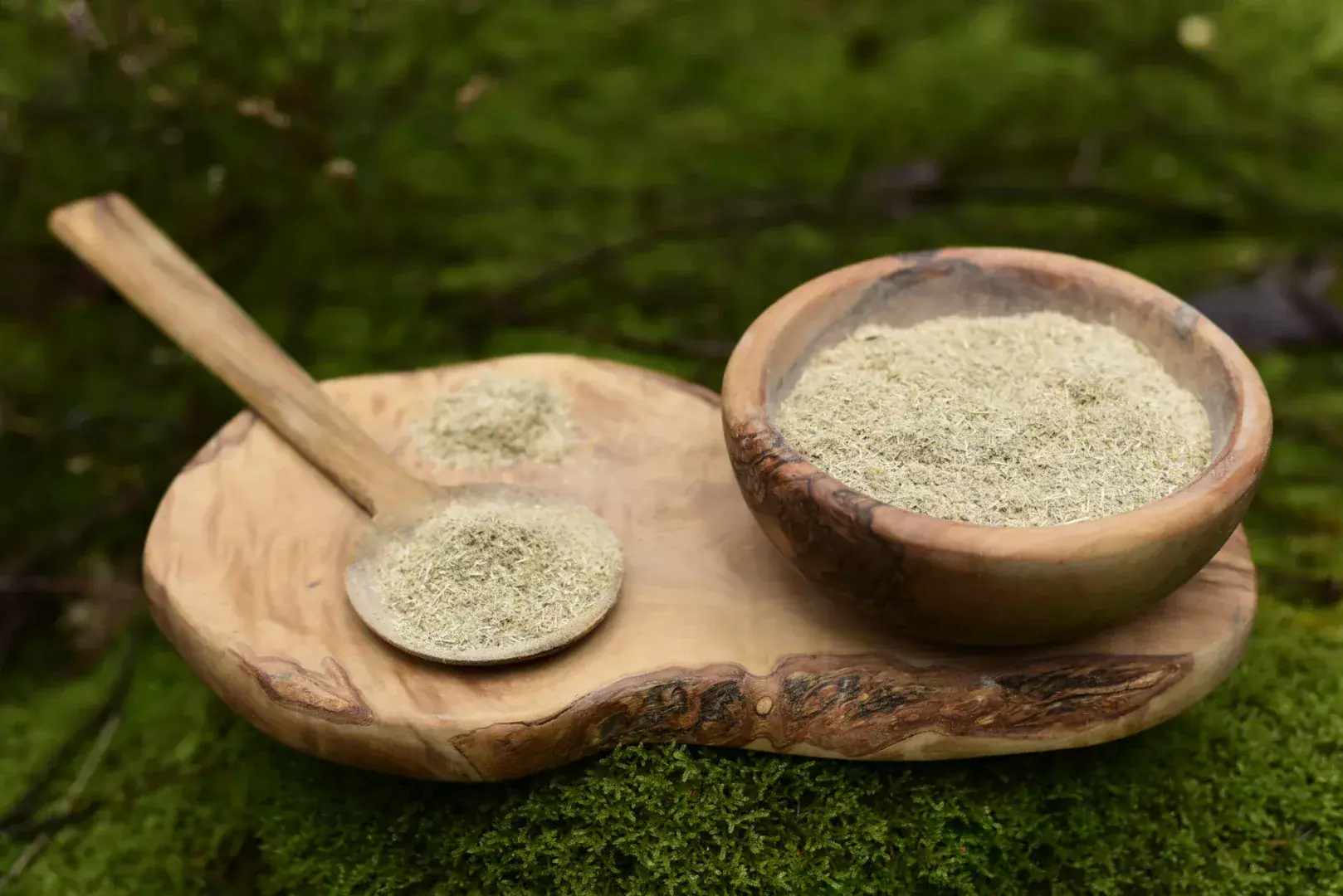
Often one of the first plants an apprentice diets. A decoction of the vine, for 7 to 21 consecutive days.
Shipibo-Conibo · Peruvian Amazon
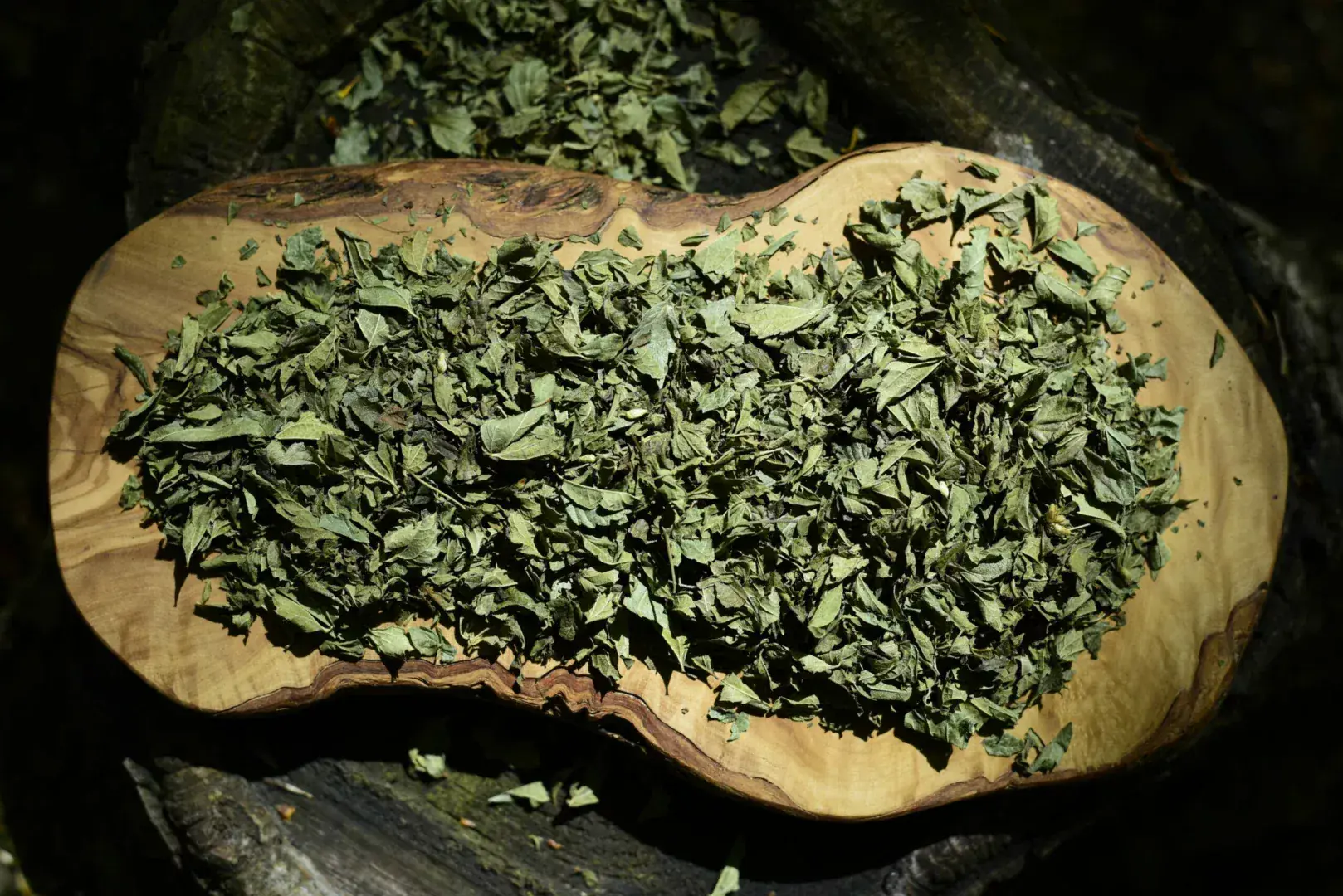
The Mermaid of the River, companion of the weary heart. A plant of Courage, drunk for 7 to 21 consecutive days.
Asháninka · Shipibo-Conibo · Cocama
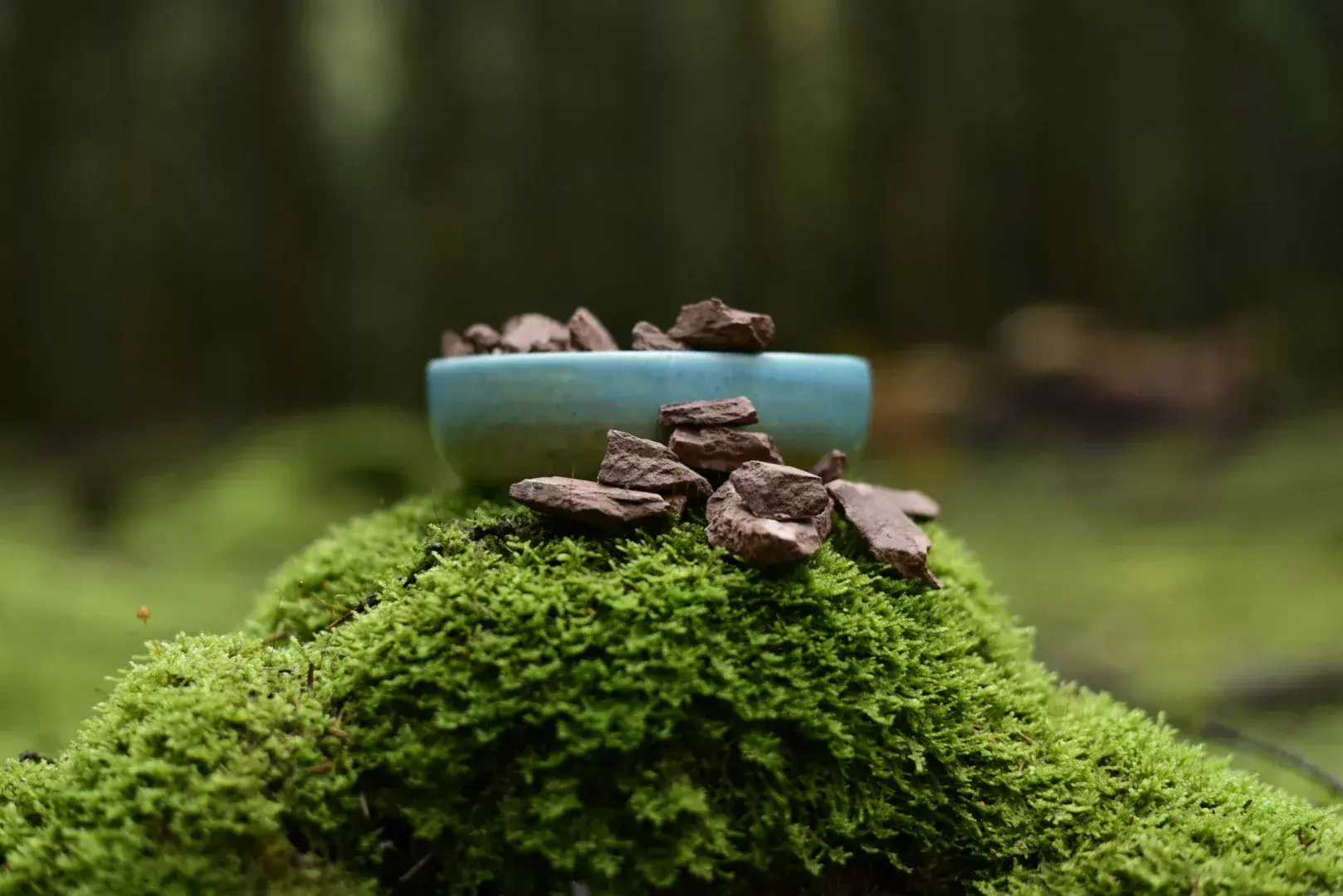
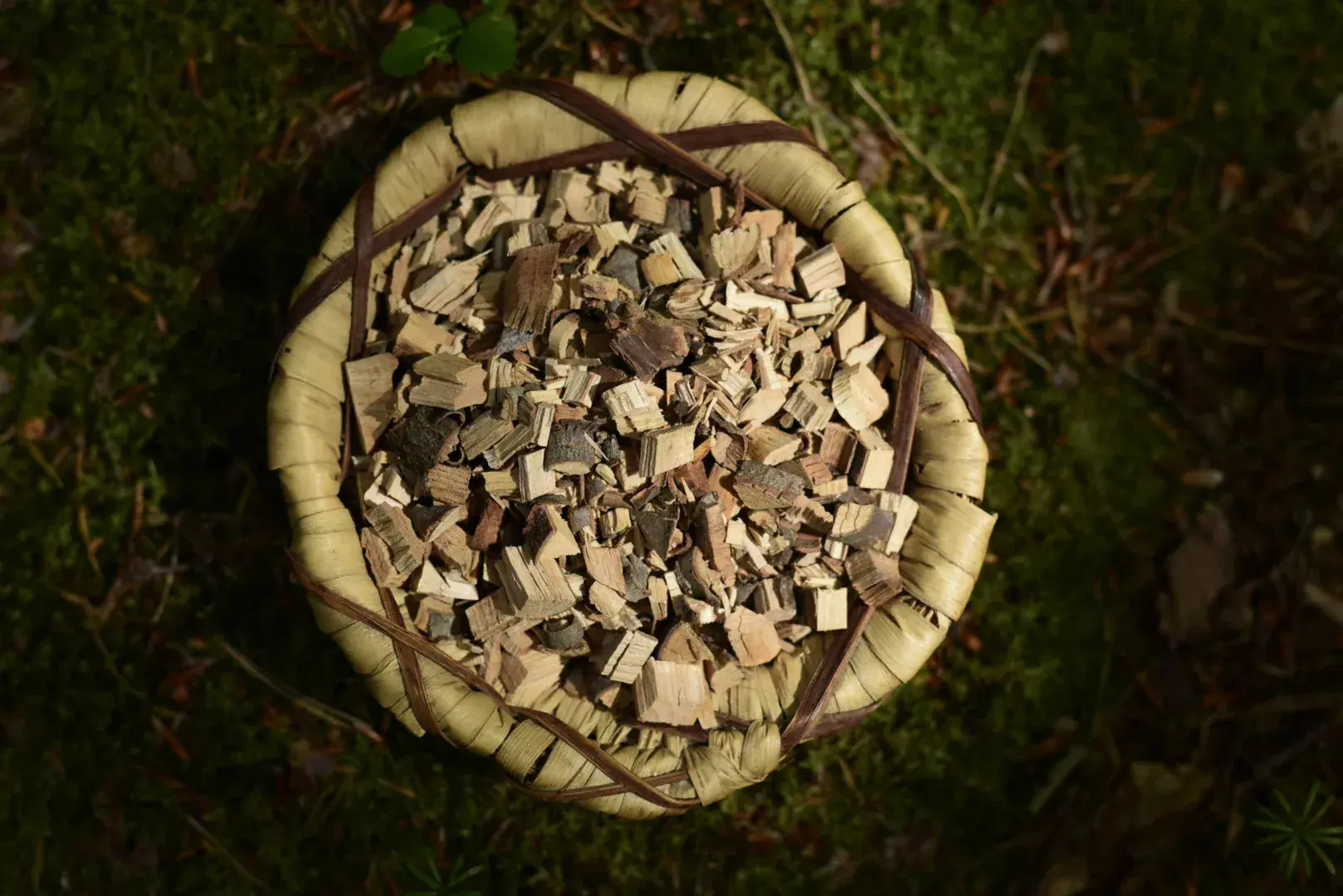
“The trembling back”. Its bark is drunk as a decoction before, during and after ceremonies.
Asháninka · Yanesha · Peru
Uña de gato, the life-giving vine of Peru, taken over two to three weeks.
Maya · Mesoamerica
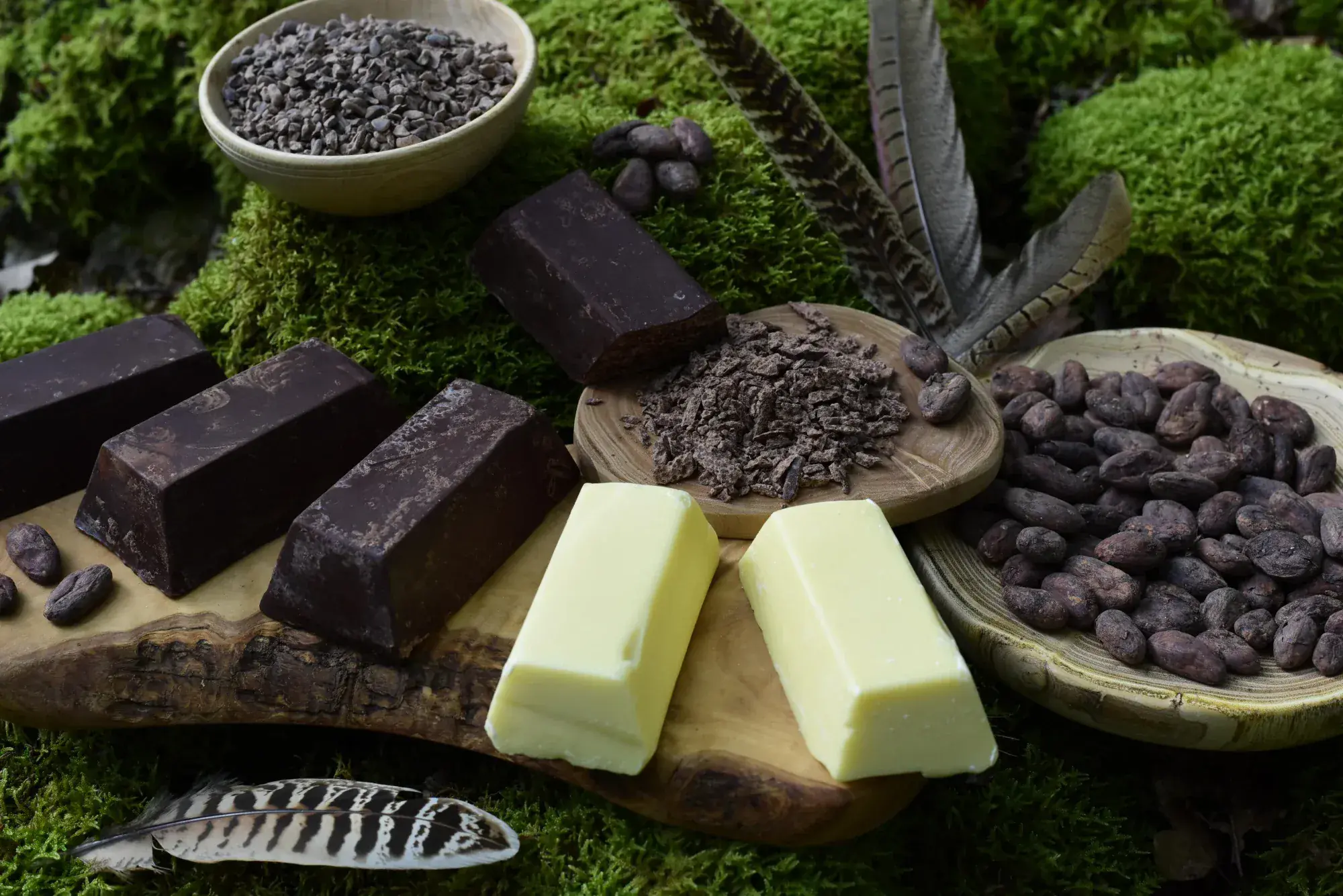
The Maya received it as a gift from the gods. 20 to 40 g, drunk in a circle.
Aztecs · Mexico
The herb of Tlaloc, burned as incense. The Aztecs trusted it to restore the tonalli, the strength of the soul.
Chontal · Oaxaca
Thle-pela-kano, the leaf of God, taken to receive messages in dreams. She awakens the Dreamer in you.
Xhosa · Zulu · South Africa
The great dream masters of the sangomas. 3 to 5 days with prayers, and the Dream Gates open up.
Zulu · Xhosa · South Africa
“The telephone to the spirits”: burned at the start of a consultation to call the ancestors.
Buryat · Lake Baikal · Mongolia
The White Wings, drunk as a tea with prayers and reverence.
Kichwa · Shuar · Achuar · Ecuador
Drunk together before dawn, at the hour when the night’s dreams are told.
Peruvian Amazon
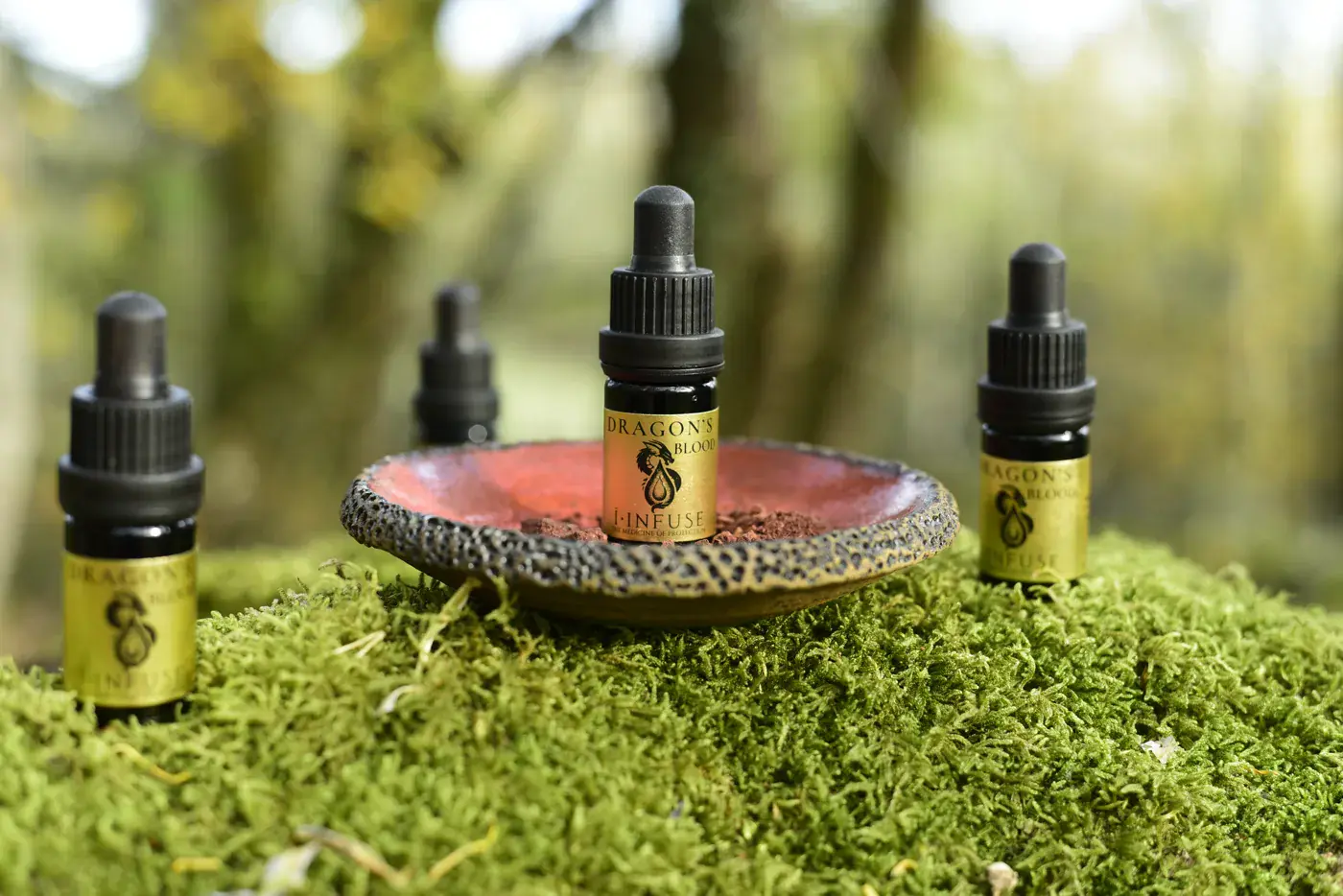
Sangre de drago, a resin of protection: one drop on the third eye.
Ecuador · Peru
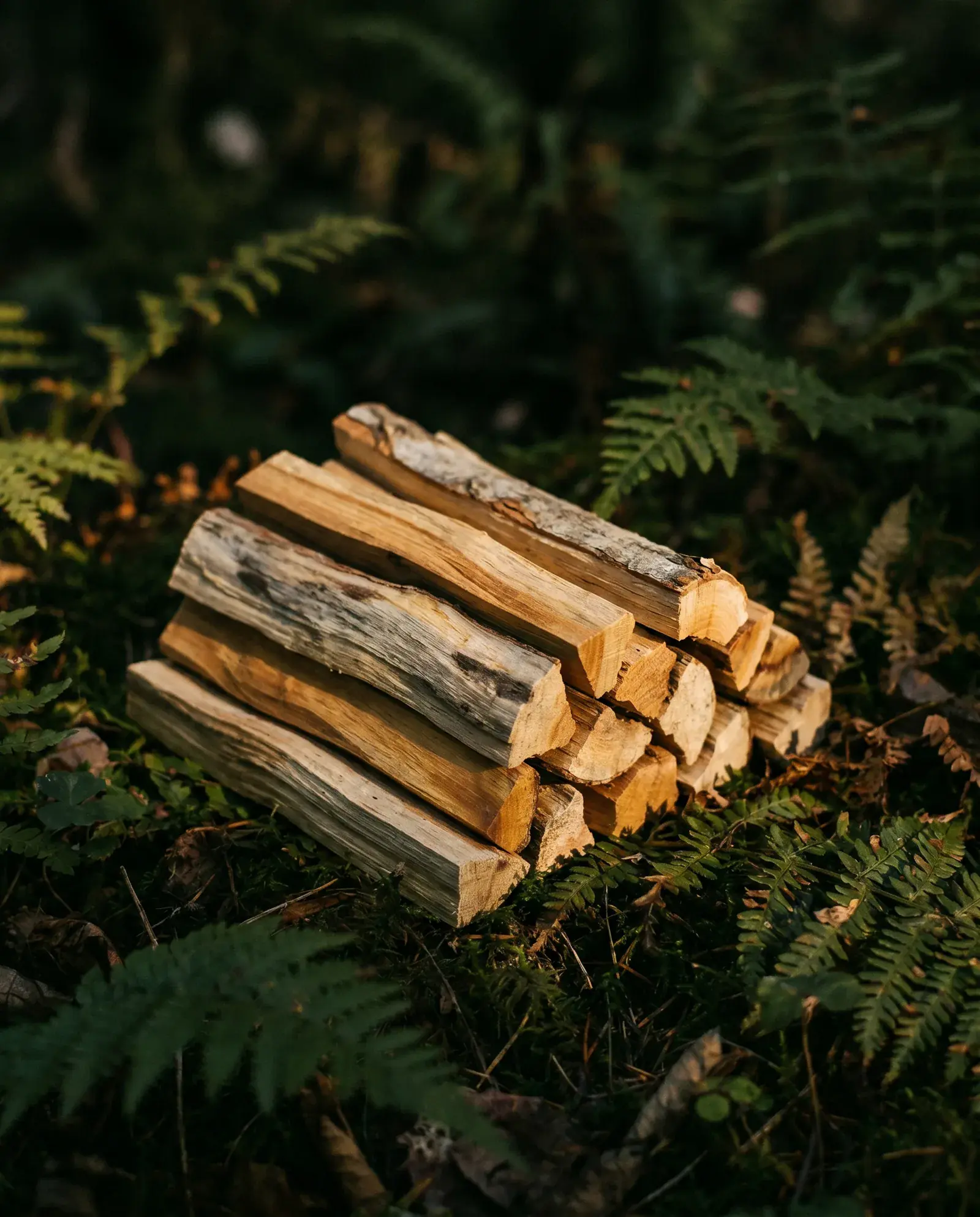
The holy wood: light the tip, blow out the flame, let it smoke.
In the tradition, the dieta is a way to meet the plant fully, away from whatever interferes: certain foods, sexuality, distractions. At INFUSE, you meet the plant in daily life: as a decoction, at home, once or twice a day, at any hour.
The retreat, step by step: our guide to the Amazonian shamanic dieta. The twelve plants of the Shipibo pantheon, one by one: the 12 Amazonian master plants. The plants prayed to every day: our sacred herbs. For the night: dream herbs.
Each people has its own. Shipibo curanderos work with plantas maestras such as ajo sacha and bobinsana; Zulu and Xhosa sangomas burn imphepho to call the ancestors and drink ubulawu roots to dream; the Chontal of Oaxaca take Calea to receive messages in their dreams.
Ajo sacha, bobinsana, chuchuhuasi and cat’s claw from the Amazon, cacao of the Maya, Yauhtli of the Aztecs, Calea of the Chontal, ubulawu roots and imphepho from South Africa, Sagan Dalya from Lake Baikal, guayusa from Ecuador, dragon’s blood and palo santo.
A plant that teaches. Among the Shipibo-Conibo, each planta maestra has its own character and gifts; it is received in a dieta, and it gives, so it is said, its song, the icaro.
At home, day after day, as a decoction. Ajo sacha: a handful of vine for two large cups, simmered covered for about thirty minutes, at any time of day. Chuchuhuasi: one to two tablespoons of bark for a litre of water, 30 to 40 minutes on a low heat. Ajo sacha and bobinsana are drunk for 7 to 21 consecutive days. In the Shipibo tradition, they are received in a dieta. Each product page gives the full preparation.
The herbs on this page are sold freely in France. The law differs from one country to the next: check yours before you order.
Pregnancy and breastfeeding: abstain, for lack of data. If you take any treatment: ask a doctor before any plant.
Ajo Sacha: a handful of vine for two large cups, about thirty minutes covered; the same material can be reused at least three times.
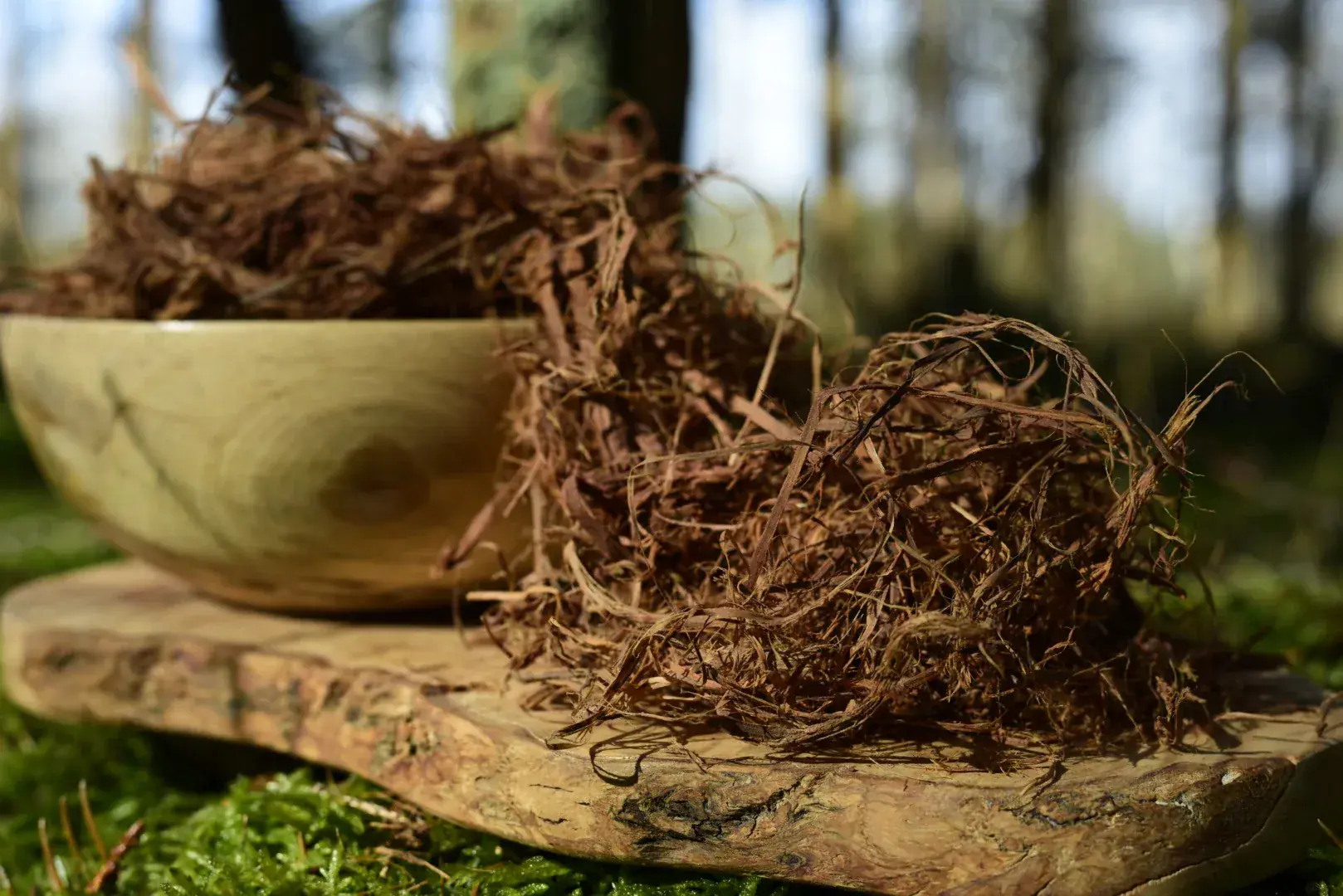
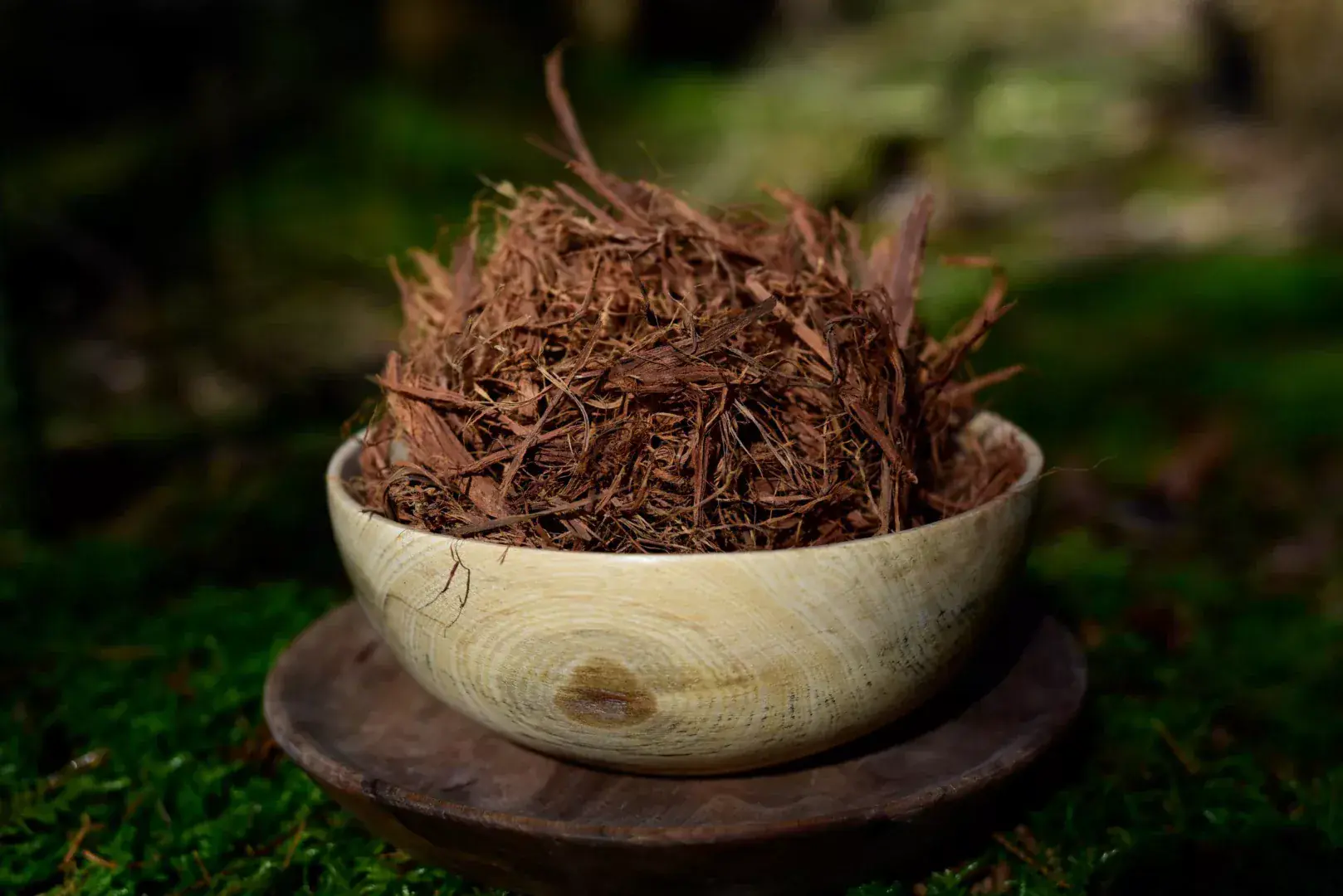
Chuchuhuasi: one to two tablespoons of bark for a litre of water, 30 to 40 minutes on a low heat, at any time of day.
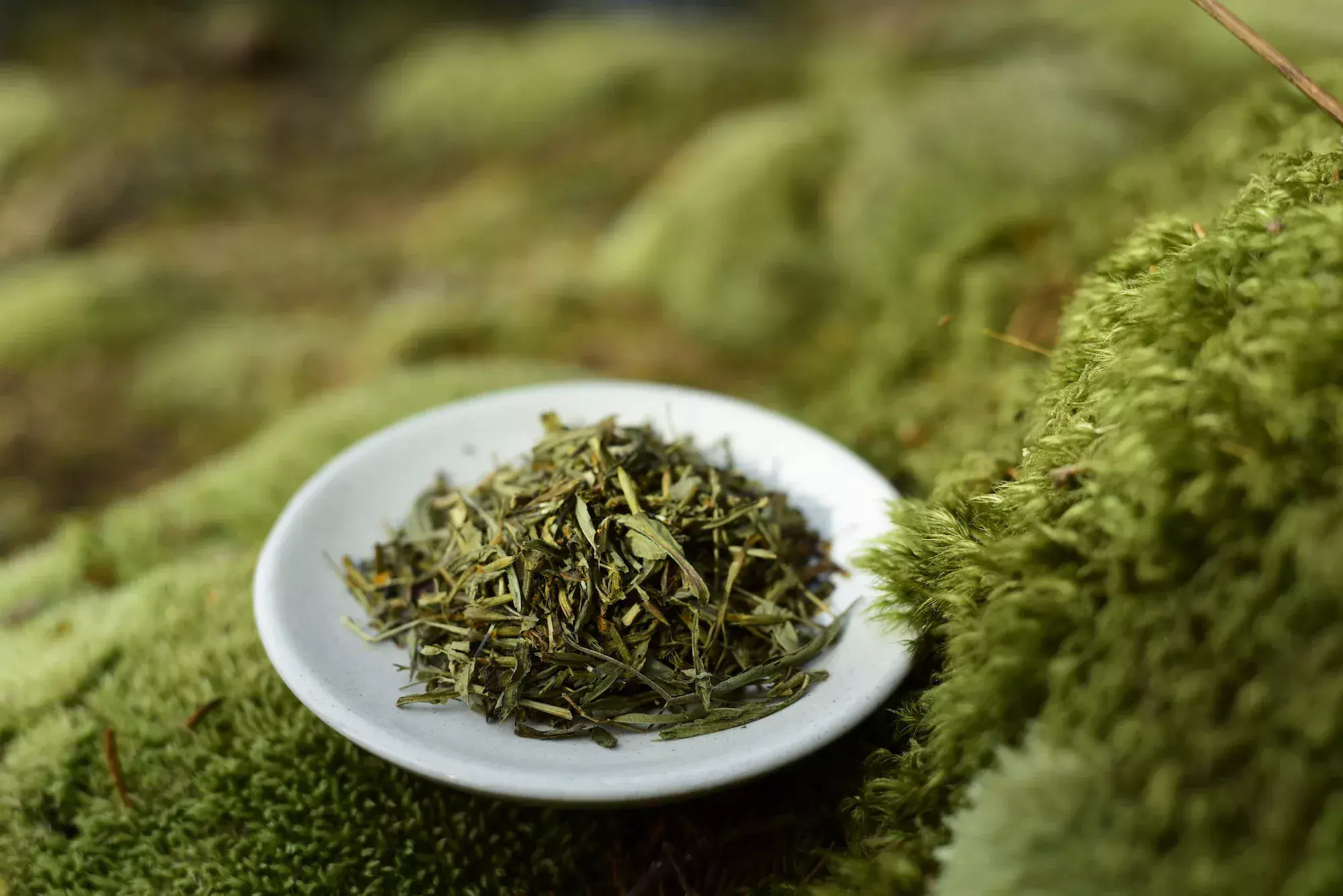
Bobinsana: for 7 to 21 consecutive days; you are invited to call upon the spirit of the plant while preparing and drinking it.
Uña de Gato: a handful of bark in four cups of cold water, brought to the boil then simmered for 20 to 30 minutes, over two to three weeks.
Voiced essays that extend these plants — traditions, gestures, lineages.