⊹ To weave around
To accompany Imphepho
Click a card to see why it pairs — and choose your form.
Read it through your world
The whole page is read through this lens.
✦ Imphepho · in one breath ✦
The incense of the ancestors — the active call to the lineage.
⊹ The path of the plant
⊹ Community voices
What the community murmurs.
Average · 176 reviews
including 174 left on our Etsy shop
Breakdown
Helps me sleep deeply and calms me down when I have an anxiety attack Pleasant taste Delicious to smoke in a glass pipe. Deep sleep guaranteed Psychoactive effects rather light but very present and pleasant Very mystical, floating and visions/introspective. I'm a fan. Impeccable quality
Nébuleuse
Ritual · left on our Etsy shop · 27 May 2025
I drink Impepho at night and I sleep within 20 minutes of taking it! Great for insomnia and does well with ashwaganda in a tea. Smoking Impepho brings in you people and I look forward to seeing how it works with other herbs that are smudged like Mexican Tarragon and Ditteany Crete. Who will come forward in deep meditation.
Arryelle Banahene
Ritual · verified purchase · 29 January 2025
Got it here in Europe, I'm thrilled, shipping super fast. Imphepho is essential for ancestral work as incense or tea. :)
Görres
Ritual · left on our Etsy shop · 22 September 2024
You only need to inhale this in its jar dry to know your in for a dreamy adventure with this tea. I drink it as a tea or burn it like sage before a journey or a healing. Has even helped my clients open up more with more vision during certain healing works when I burn in my therapy room. As a tea I slept well with beautiful dreams and woke feeling happy.
Dorit Phipps
Ritual · left on our Etsy shop · 2 February 2023
Order was exactly as described fast shipping and very very good quality I suffer from stage 3 insomnia and when I steep this as a tea it relaxes me so my body can relax and fall asleep I would recommend this to anyone who is having a hard time with sleeping or mild anxiety it's definitely helped me with those areas and I am speaking from my own personal experience. Thank you girl you're awesome!
Lindsey
Ritual · left on our Etsy shop · 9 November 2022
Smokes well and is very economical. Increased dream experiences take place after a few days and make you tired easily.
Andreas
Ritual · left on our Etsy shop · 7 February 2026
I am very happy with my first order. I had two cups of herb tea with it. Pleasant smell and taste if not excellent. I started experiencing lots of synchronicities. Now I understand that it’s truly magical. I didn’t notice any changes in my dreams. Maybe tonight ? Thank you for the great product. Bless you.
Yuji
Ritual · left on our Etsy shop · 25 October 2024
This is my first time using imphepho and it hasn't disappointed me. It is of high quality with a lovely aroma. I like to burn a little of this to clear the space around me and settle into meditation.
Lauri
Ritual · left on our Etsy shop · 26 June 2024
I love this tea, I’ve drank as a night cap and had a beautiful nights sleep, drifted off in a beautiful dream state, and I’ve also burnt while journeying, smell is amazing and certainly helped on my travel
Dorit Phipps
Ritual · left on our Etsy shop · 31 January 2023
The real deal!! great product fast shipping! Will do business with again!!!!!!!!!
zborekrq
Ritual · left on our Etsy shop · 9 September 2022
Took a little while to get here had my first smoke of it today in a joint with weed and tobacco and it is incredible Cam's the whole body gives you serenity
David
Ritual · left on our Etsy shop · 21 January 2026
Good quality. I'm already a dreamer, I dream every night. What I needed this to do was give me more information in my dreams and it did just that.
Crystal
Ritual · left on our Etsy shop · 26 July 2024
Ask the Forest about Imphepho
408 books digested, 97,512 indexed passages. She answers on lineages, synergies, cautions, ritual variations.
⊹ FREQUENT QUESTIONS ⊹
We answer.
What is imphepho (impepho)?
Imphepho (Helichrysum odoratissimum) is an aromatic plant from South Africa, of the Asteraceae family, with small silver-yellow flowers that dry without losing their colour — hence her name of everlasting. South African healers (sangoma) burn her as ceremonial incense to open the space and call the ancestors; she is nicknamed 'the telephone to the spirits'.
What is impepho good for? Its traditional uses
Imphepho is traditionally burnt to open a ceremonial space and call the presence of the ancestors. Xhosa healers burn her to bring on and clarify dreams (Bührmann 1984), and at the initiation of Zulu diviners, eating imphepho is held to be vital (Callaway 1991). Today she is also drunk as a light evening infusion. Mattresses were once stuffed with her (kooigoed, "stuff for the bed") for her soothing scent. She is a plant of occasional ritual use.
How do I use imphepho?
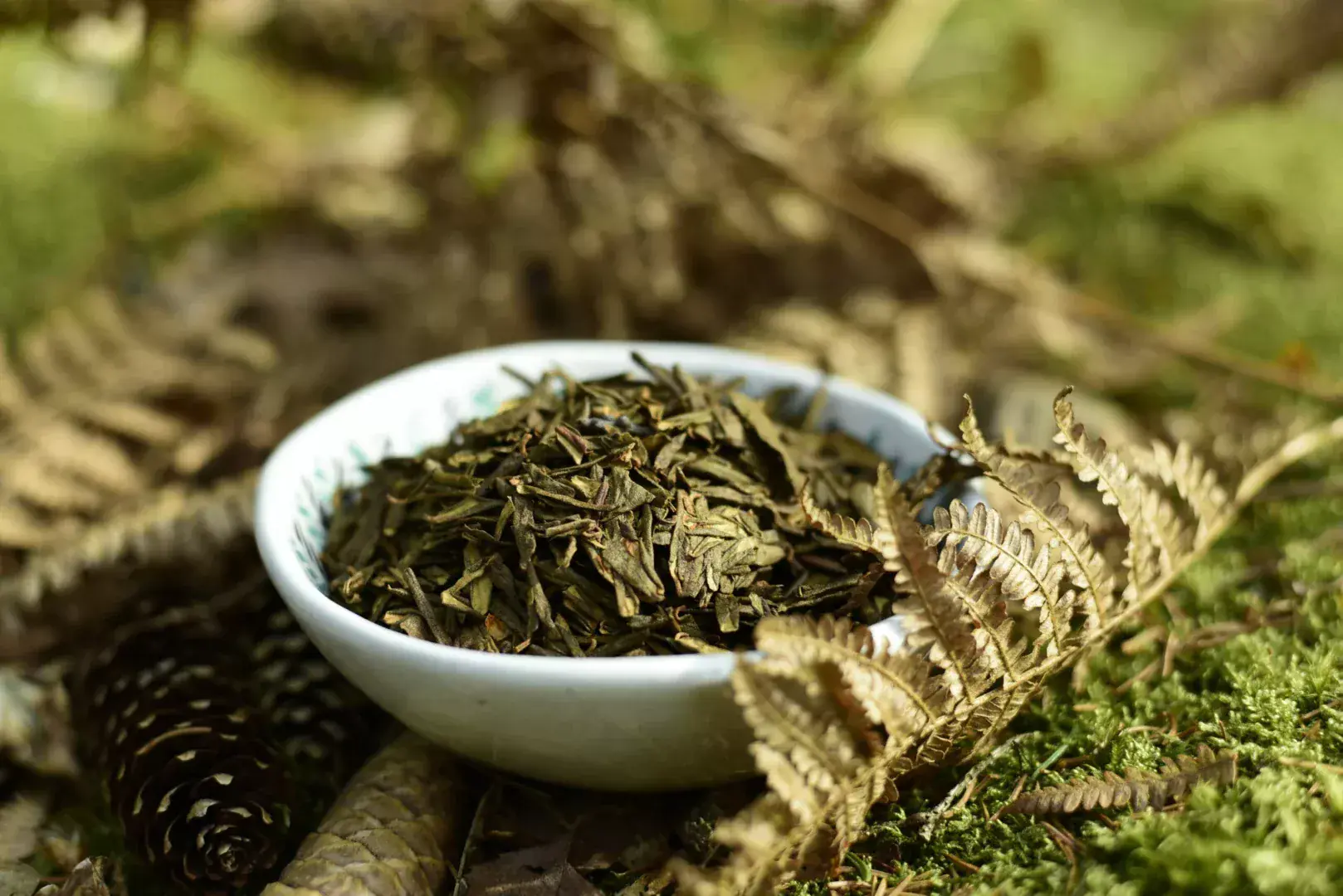
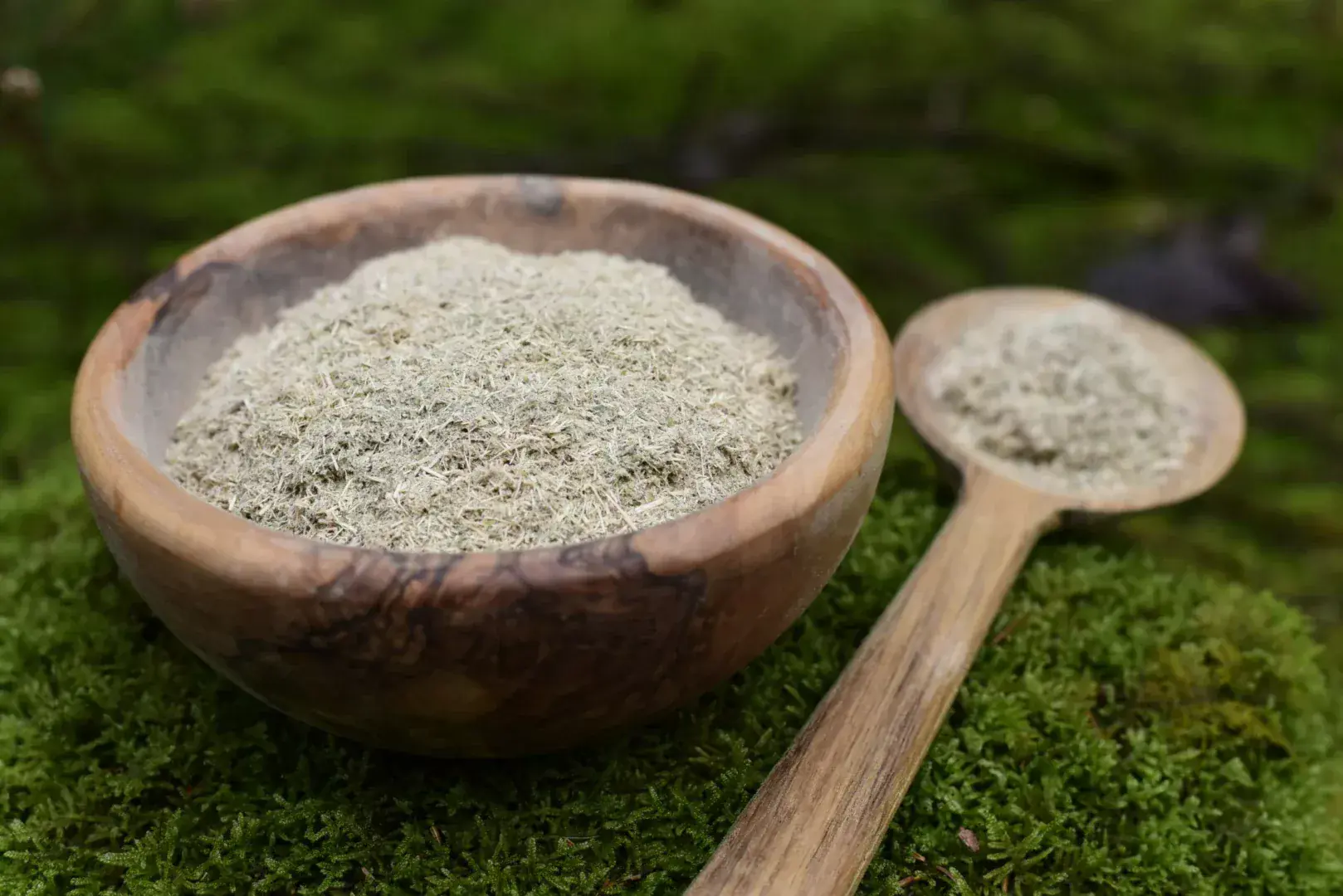
Three paths. In fumigation — burn a small quantity of dried plant on a charcoal or as a bundle, with intention. As an infusion — 1 teaspoon for a cup of hot water (90 °C), 7 to 10 minutes, in the evening, reusable up to 3 times. As a complement of a smoking blend — a small proportion. INFUSE offers the whole dried plant in 10g, 20g and 50g.
Is imphepho a sage or a smudge?
No. White sage belongs to the Native American practice of smudge — she cleanses, she expels. Imphepho belongs to the South African tradition — she invites. To burn imphepho is to call the ancestors by their name, not to close a circle by purification.
Does imphepho favour dreams?
Her documented link with dreams runs through the smoke: Xhosa healers burn imphepho to bring on and clarify dreams (Bührmann 1984), and Zulu diviners inhale her smoke to enter trance (Sobiecki 2008). The evening infusion is a use of today, with no old source behind it; many of our customers drink her for a peaceful sleep, and some for dream recall. A notebook by the bed helps you gather what comes.
How do I prepare an imphepho infusion?
Pour a cup of hot water (about 90 °C) over 1 teaspoon of dried plant, let her infuse for 7 to 10 minutes, then strain. The taste is earthy with subtle floral undertones and a light bitterness — adjust the quantity to your taste. The same plant can be re-infused up to 3 times before being composted. Best drunk in the evening.
Where does INFUSE's imphepho come from and how is she harvested?
Our imphepho is wild-harvested in South Africa, her area of origin. The vernacular name 'imphepho' in fact covers several species of Helichrysum used interchangeably, Helichrysum odoratissimum being the most used.
Does imphepho have use precautions?
A few markers. To be avoided in ingestion during pregnancy and breastfeeding, for lack of data. People allergic to Asteraceae (mugwort, daisy, ragweed) abstain. Any smoke remains smoke — limit prolonged inhalation in case of asthma. When in doubt, ask a health professional.
What is imphepho in English?
Imphepho (also impepho, mpepho) is the Zulu and Xhosa name for several South African everlastings of the genus Helichrysum, including Helichrysum odoratissimum. In English it is called everlasting.
Can you drink impepho? Should you boil it?
Yes, as a light tea: one teaspoon in a cup of water at 90 °C, 7 to 10 minutes, in the evening. For lack of data, avoid it during pregnancy and breastfeeding, and if you are allergic to the daisy family. No need to boil it: water just off the boil is enough.
Why drink imphepho at night?
For sleep and dreams: 6 of our 12 dreamers speak of calmer sleep, 5 of more vivid dreams. It is a use of our time; tradition burns it to clarify dreams and call the ancestors.
What do people who tried imphepho say?
Of 176 reviews published on INFUSE, 12 tell of a night: 6 calmer sleep, 5 more vivid dreams, 2 dreams richer in messages, 3 nothing in their dreams, and 1 tiredness. Crystal: 'give me more information in my dreams and it did just that'. Gloria: 'I wanted to experience lucid dreaming, didn't happen'.
How much is imphepho?
The price depends on the size: 10 g, 20 g or 50 g of whole dried plant, shown next to each size at the top of this page. A small pinch is enough for a fumigation; one teaspoon makes a cup, and the same plant can be re-infused up to three times.
Is imphepho legal?
Freely sold in France. Check the law in your country.
⊹ Chapter · Questions ⊹
Ask, answer, share.
One question, one answer — sometimes several voices. The community answers first; INFUSE steps in when it should.
Nobody has opened a thread yet about this plant. You can be the one — a real question, a use, a doubt, a detail.
Anonymous if you prefer.
In depthbotany · phytochemistry · history
For those who want to go below the page: botany, chemistry, then four voices, each one named. ◆ what the tradition left in writing, ◇ what research has measured, ● what our dreamers tell us, ☾ what the House says.
Botany
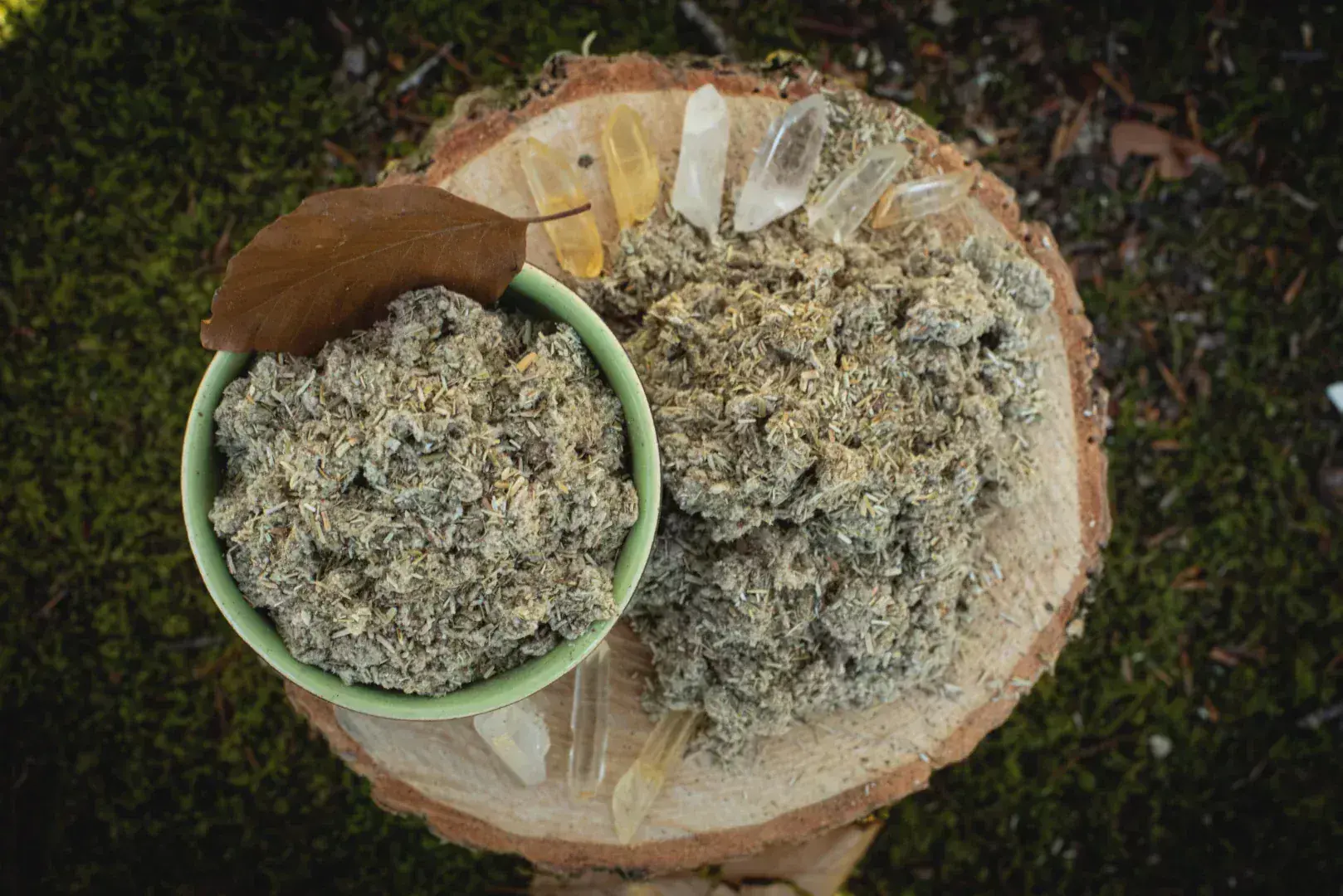
Helichrysum odoratissimum is a strongly aromatic perennial of the Asteraceae, up to 1.75 m tall, with small silvery, downy leaves and clusters of golden-yellow flower heads. The genus name joins the Greek hēlios, sun, and chrysos, gold; the epithet odoratissimum means "most fragrant". Native to South Africa, she grows in grassland, at the edges of fynbos and on open ground, across much of the country.
The name imphepho covers a use more than a single species: at least eight species of Helichrysum serve in rites of purification (Lourens et al. 2008), among them H. odoratissimum, H. petiolare, H. cymosum, and the H. aureonitens and H. decorum that Sobiecki records as imphepho or impepo in isiZulu. Healers tell these species apart in practice; trade often groups them. Schultes and Hofmann record South African Helichrysum, including in Zululand (Plants of the Gods, pp. 76-77).
The dry flower heads keep their colour for years: she belongs to the everlastings, the immortelles. A bunch gathered in summer stays bright long after — a fitting image for a plant that keeps the thread with the ancestors.
Phytochemistry (descriptive)
The genus Helichrysum has a rich chemistry: flavonoids (kaempferol, quercetin, luteolin), pyrones such as arzanol, phloroglucinols, sesquiterpenes and diterpenes, and essential oils (alpha-pinene, alpha-cedrene, neryl acetate). Rätsch reports phloroglucinol derivatives, coumarins and diterpenes in South African species (The Encyclopedia of Psychoactive Plants, pp. 562-563). Her unmistakable scent — a soft curry mixed with honey and musk — lives in these volatile terpenes.
◆ The documented tradition
Xhosa healers burn imphepho to induce and clarify dreams (Bührmann 1984). Zulu diviners, the izangoma, inhale its smoke to enter trance (Hutchings 1996), and eating imphepho is held to be essential to their initiation (Callaway 1991, both cited by Sobiecki 2008). It is also burnt to draw the attention of the ancestors (Cumes 2004, p. 13). These sources speak of several species of Helichrysum: the name imphepho covers a family of close plants.
◇ The studies
No study has measured its effect on dreams. The evening infusion, as our customers drink it, is a use of today.
Most available data concern the genus as a whole and remain preliminary, often in vitro: antioxidant activity from flavonoids and phenolic compounds, antimicrobial activity for some extracts, and, for H. odoratissimum, a sedative-type effect in mice that the authors link to the GABA system. These results shed light on the calming, night-time use of the plant; they are not a therapeutic promise.
● Our dreamers
Of 176 reviews published on INFUSE, 12 tell of a night (read one by one in September 2026; a review can say several things): 6 speak of calmer sleep, 5 of more vivid dreams, 2 of dreams richer in messages. 3 noticed nothing in their dreams, and one dreamer finds it makes him tired.
"I'm already a dreamer, I dream every night. What I needed this to do was give me more information in my dreams and it did just that." — Crystal
"I wanted to experience lucid dreaming, didn't happen. However it did produce a great night sleep." — Gloria
☾ The House
Drink Imphepho before bed and find freedom in your ability to rest; Imphepho will create a safe space from within for a deeply regenerative sleep. During the night, Imphepho has a tendency to bring forward potent dream messages and lucid dreaming, while supporting dream memory.
Why burn impepho? Smoke, trance and dreams
Here the written record is clear, and it runs through the smoke. The ethnobotanist Jean-François Sobiecki records that Zulu diviners (izangoma) inhale the smoke of imphepho to enter trance (Sobiecki 2008). The psychiatrist Vera Bührmann, who studied Xhosa healing, reports that healers burn impepho to induce and clarify dreams (Bührmann 1984). As one healer puts it, they burn it to bring the ancestors closer and to speak with them. And at the initiation of a Zulu diviner, eating imphepho is held to be vital (Callaway 1991).
The evening infusion "for dreams" is a use of our time; we have found no older source for it. Many of our customers drink her for a deep, peaceful sleep, and some speak of clearer dreams.
What is impepho used for? Lineage and uses
Imphepho is a ceremonial plant used across South Africa. Diviner-healers burn her to open the sacred space at the start of a consultation and to call the presence of the ancestors; the physician David Cumes, trained in this tradition, describes the burnt offering of imphepho as a gesture of opening and of calling the spirits (Africa in My Bones, pp. 42-43). She accompanies the great passages — births, unions, funerals — and in several communities she is burnt at dawn or dusk.
Her household uses are old too. In Afrikaans the plant is called kooigoed, "bedding": mattresses were stuffed with her for her scent and her soothing effect. In the Eastern Cape she is inhaled for protection and to ease coughs and colds.
Is impepho the same as white sage?
With the fashion for "smudge sticks", imphepho is sometimes sold as an "African sage". The two belong to different worlds. White sage belongs to Native American traditions, where it cleanses. Imphepho belongs to South African tradition, where she calls: she is burnt to name one's dead and open a dialogue with them. Healers ask that the two not be mixed in the same rite, as they answer to different cosmologies. To honour imphepho is to use her in her own frame, under her own name.
Is impepho safe? Safety and sustainability
Imphepho is a plant for chosen moments. Taken internally, avoid her during pregnancy and breastfeeding, as data are lacking. If you are allergic to Asteraceae (mugwort, daisy, ragweed), abstain. Smoke is smoke: keep inhalation short, especially with asthma or fragile lungs, and air the room. As she can be calming, do not drive after a marked use. Ask a health professional if you take medication or have a particular condition.
Growing demand has raised concerns about over-harvesting in parts of South Africa; where the plant comes from deserves close attention.
Going further
The plant's long story is told in the Forest: Imphepho, the telephone to the spirits. For the dream roots that South African diviners whip into foam, see ubulawu; for all our dream herbs; and for what our dreamers lived, night after night, 174 dreamers' accounts.
Sources: Sobiecki J.F. 2008, Southern African Humanities 20:333-351 · Bührmann M.V. 1984, via Esmear et al. (International Society of Ethnobiology) · Callaway 1991 · Lourens A.C.U. et al. 2008, Journal of Ethnopharmacology 119:630-652 · Schultes, Hofmann & Rätsch, Plants of the Gods (pp. 76-77) · Rätsch C., The Encyclopedia of Psychoactive Plants (pp. 562-563) · Cumes D., Africa in My Bones (pp. 42-43).
Sources for the four voices: Bührmann M.V. 1984, Living in Two Worlds, Human & Rousseau (via Esmear et al.) · Sobiecki J.F. 2008, Southern African Humanities 20:333-351 · Cumes D. 2004, Africa in My Bones · our customers' reviews.