Skip to content
INFUSE
⊹ THE PORTAL OF THE SACRED ⊹

To drink is to call in a presence.

Forty-three treasures to open the senses and honor life: master plants of Shipibo curanderismo, incense of the Zulu sangomas, cacao of the heart, elixirs to dream. Sourced with care, transmitted with respect.

⊹ INFUSE POSTURE ⊹

What peoples keep alive, INFUSE accompanies, never possesses.

The sacred is not a style.

The rite is not an aesthetic performance.

Master plants have had human guardians for centuries.

To honor life, to lay a treasure on the altar, to drink in awareness: this is within everyone’s reach. From the Kichwa circle to the imbizo of the Zulu sangomas to the morning cup — so many faces of the same sacred.

We are respectful intermediaries — not the inventors of what is transmitted.

Six families to enter the sacred

Six families to enter the sacred

From the solitary micro-gesture to the great crossing. Six families to taste, honor, lay down, celebrate — among the Shipibo as at home, tonight.

Flagship Treasures

Flagship Treasures

Eight plants that visitors of the RITUAL pillar consult first.

For…

For…

Four thresholds, from the most intimate to the most shared: to open the heart, to meditate, to hold a circle, to enter the practice.

Ceremonial Cacao & Synergies.
⊹ INFUSE SPECIAL PAGE ⊹

Ceremonial Cacao & Synergies.

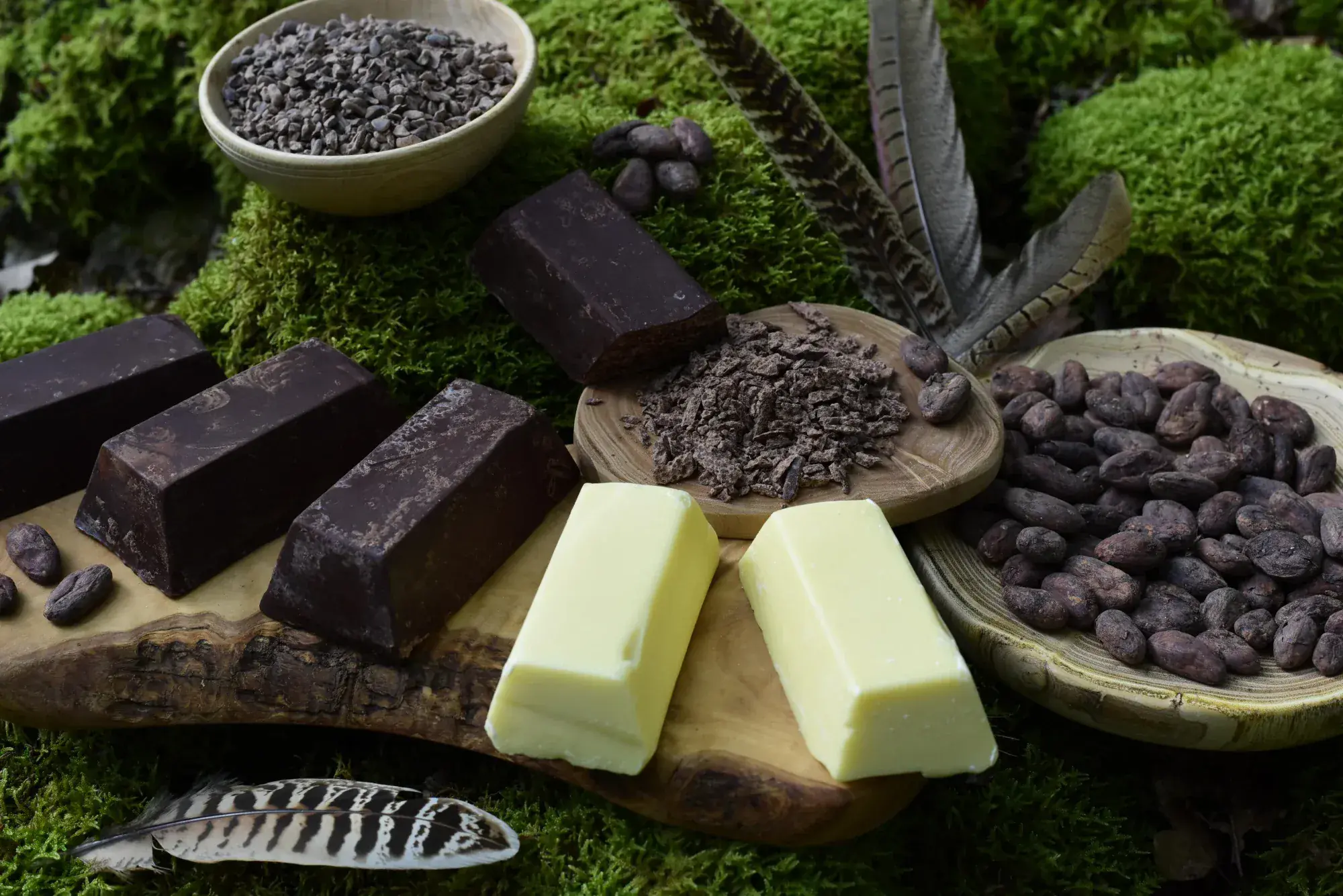
Cacao as it has been transmitted by the Keith lineage: ethical bean-to-bar, ceremony dosage, synergies with Damiana, Roses, Wild Dagga. To hold a circle, or to open your heart one morning, alone.

Open the page
If you are looking for something else…

Two other doors to other INFUSE territories.

READ IN THE FOREST

Essays around ritual

Traditions, lineages, narratives — the Forest extends what the pages begin.
Master plants
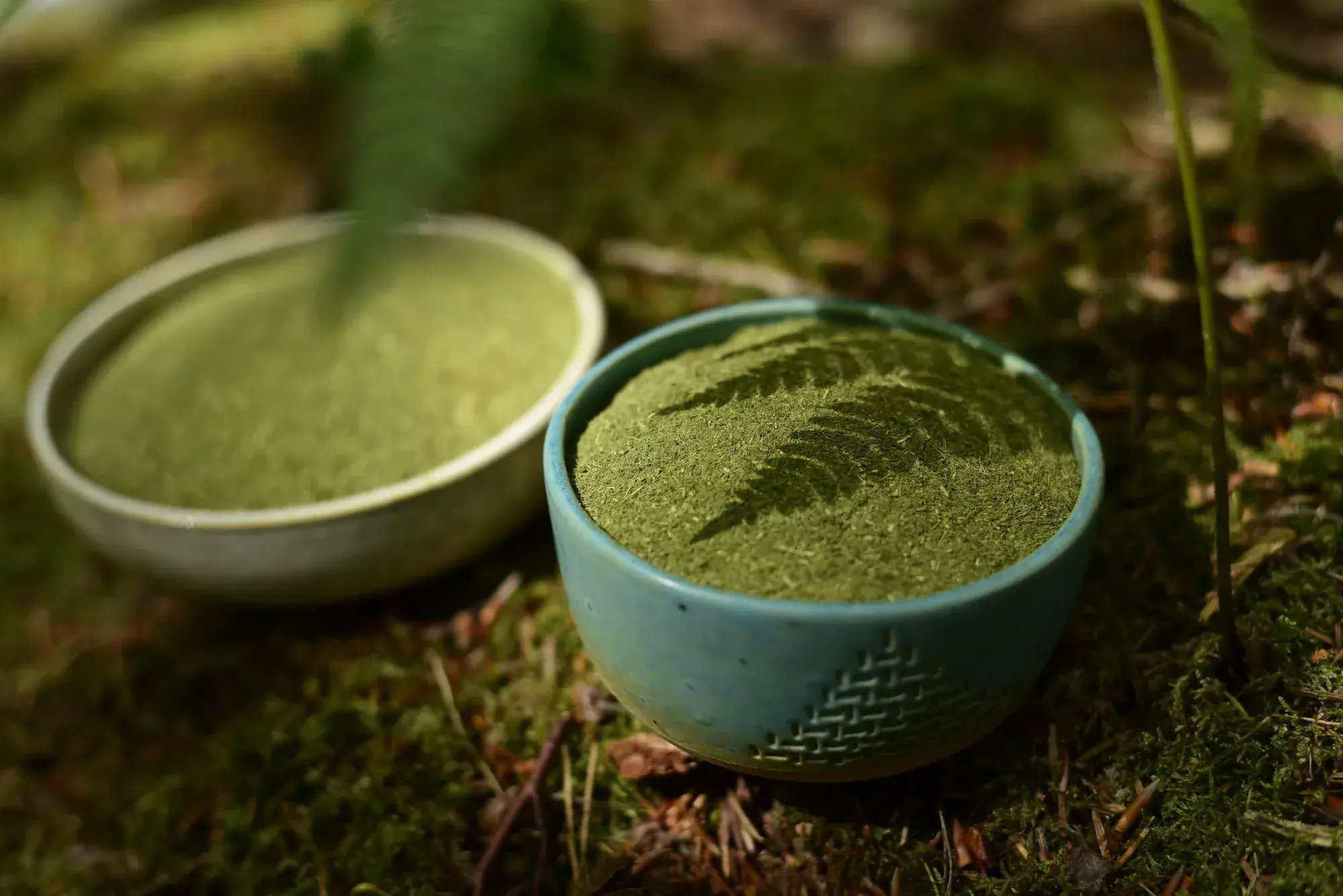
The 12 Amazonian Master Plants — Shipibo Cosmology Explained
Bobinsana, Chuchuhuasi, Ajo Sacha, Cat's Claw, Mucuna, Mulungu, Ayahuma, Noya Rao, Chiric Sanango, Toé, Renaco, Lupuna. The master plants of the Shipibo diéta, sourced from the Onaya who sing them.
25 minRead →
Alchemy & spagyric
Paracelsus — the alchemist-physician who refused to cut the plant from its mystery
Sixteenth century, Basel. Paracelsus burns the works of Galen before his students and declares: nature is the only book. He invents spagyrics — the alchemical extraction of Salt, Sulphur and Mercury — and lays the foundations of a medicine of signatures. A forerunner of modern pharmacology and of systems thinking, he remains one of the most misunderstood figures in the history of plants.
7 minRead →
Shamanism
30 Years of Evidence That Plants Think
For thirty years, quietly, biologists around the world have gathered experimental data that force the conclusion: plants learn, anticipate, communicate, choose. Gagliano in Perth, Mancuso in Florence, Trewavas in Edinburgh, Wohlleben in the Eifel — four laboratories, a single epistemological mutation. And one book that holds them together: Buhner.
13 minRead →
Master plants
Ajo Sacha — the Opener: sacred garlic of the Amazon
She smells like garlic — but she grows in the Amazon and has no genetic link to common garlic. The Shipibo-Conibo call her the Opener: the first dieta in the formation of a curandero, the plant that prepares the ground for all the others to truly enter.
6 minRead →
Ancient civilizations
Cacao, food of the gods — 5300 years of lineage
Theobroma: food of the gods. Not a marketing compliment — an ethnographic observation. From the Olmec of 1500 BC to the Tzeltal Maya and modern ceremonial circles, cacao carries 5300 years of lineage. This is not the story of a superfood. It is the story of a sacred flesh crossing civilisations.
11 minRead →
Ancient civilizations
Cacao Ceremony: the 2003 truth
The "cacao ceremony" as it circulates in 2026 across most Western retreats was invented in 2003 by a British man in Hawai'i. Before that date, the phrase cacao ceremony did not exist. Cacao itself, though, has been sacred in Mesoamerica for four thousand years — Olmec, Maya, Aztec. This article untangles the two, sources in hand, without breaking your practice: it makes it honest.
32 minRead →
All RITUAL essays →