Mexican Tarragon "Yauhtli"
★4.9· 88 reviews
€6.26
Also as an elixir€40.00
Samhain and Hallowe'en, the petal path of Día de Muertos, All Saints' chrysanthemums, the fires of Obon, imphepho smoke: the days when the living welcome their dead, and the plants that go with them.
On the evening of 31 October, Samhain begins: in the medieval Irish tales, a time of gatherings and feasts, when the mounds open onto the Otherworld; Hallowe'en has kept many of its features.
Imphepho, the telephone to the spirits. Traditionally, an active call for divine guidance and protection from the ancestors, among the most widely used ceremonial herbs in South Africa. It is said that Imphepho was the first plant medicine to be shown to the Sangoma healers; once they had established a relationship with her, she guided them to all the other plants.
Samhain and Hallowe'en, the petal path of Día de Muertos, All Saints' chrysanthemums, the fires of Obon, imphepho smoke: the days when the living welcome their dead, and the plants that go with them.
Samhain on the evening of 31 October, All Saints' and All Souls' on 1 and 2 November, Día de Muertos in Mexico, Obon in the heart of the Japanese summer: the table below gives the dates. An anniversary counts too.
A photo, a candle, a glass of water, what the person loved to eat: this is the heart of the Mexican ofrenda, and of many home altars.
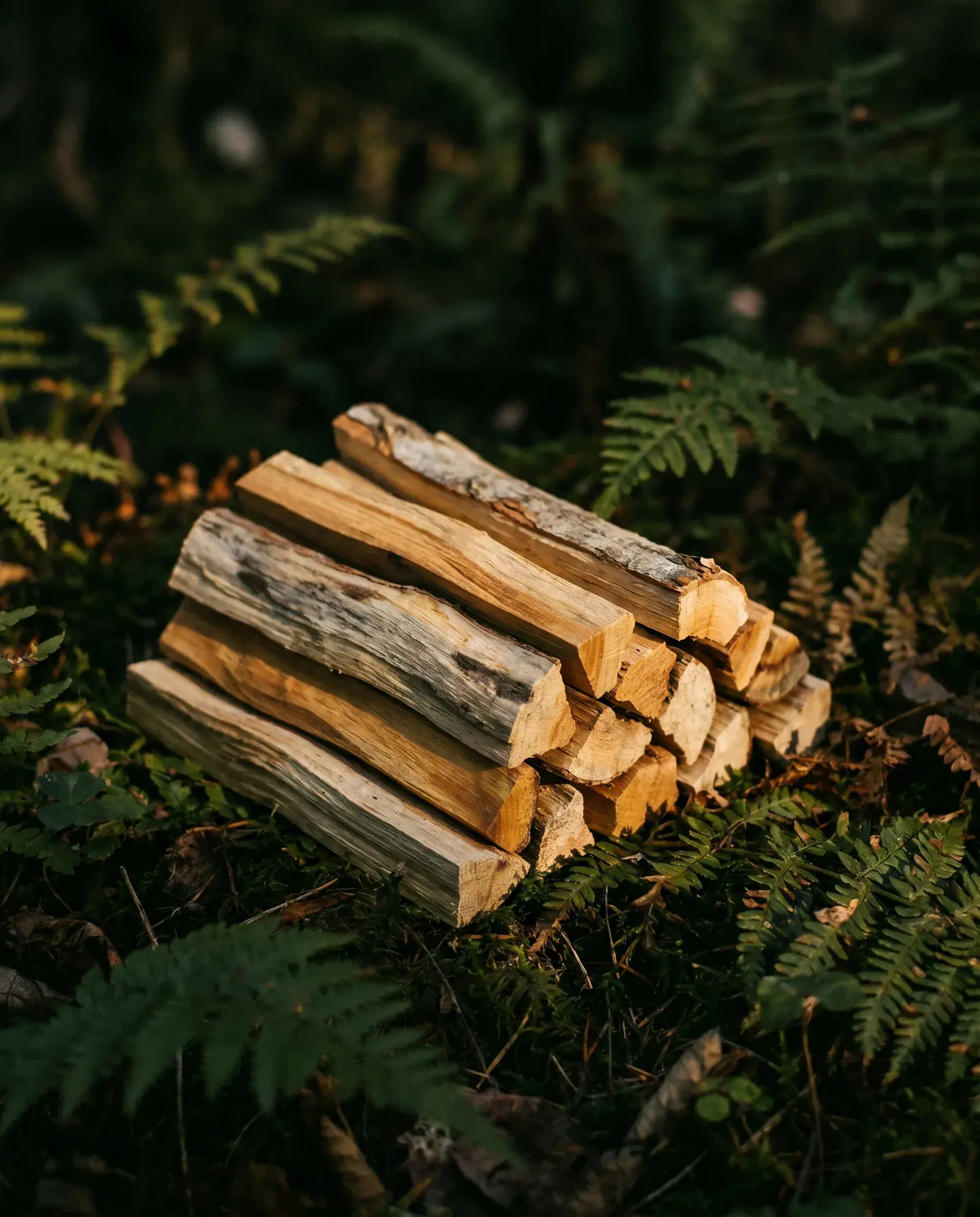
A pinch of imphepho on a charcoal, or the tip of a palo santo stick: you light it, blow out the flame, let it smoke, and name those you are welcoming.
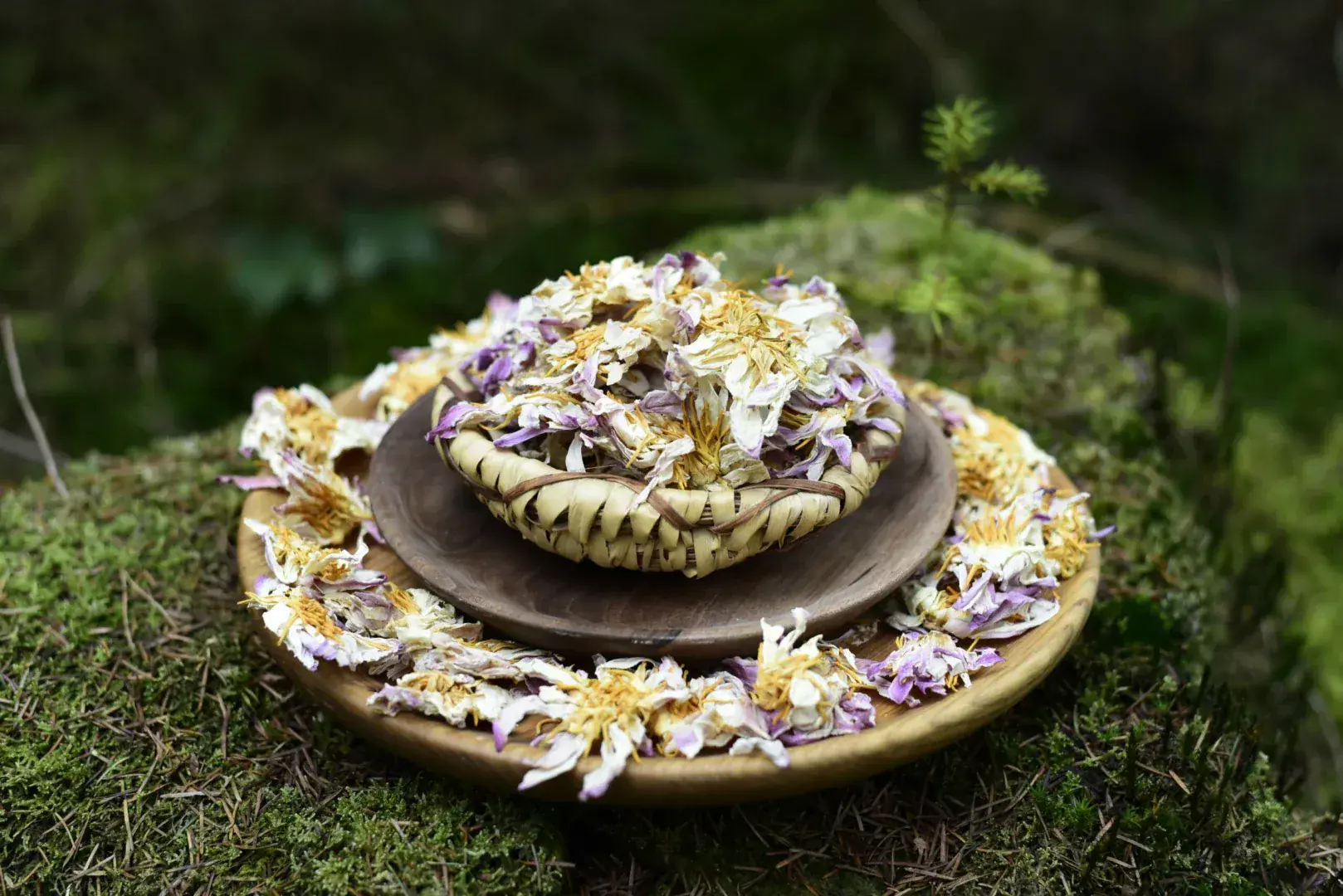
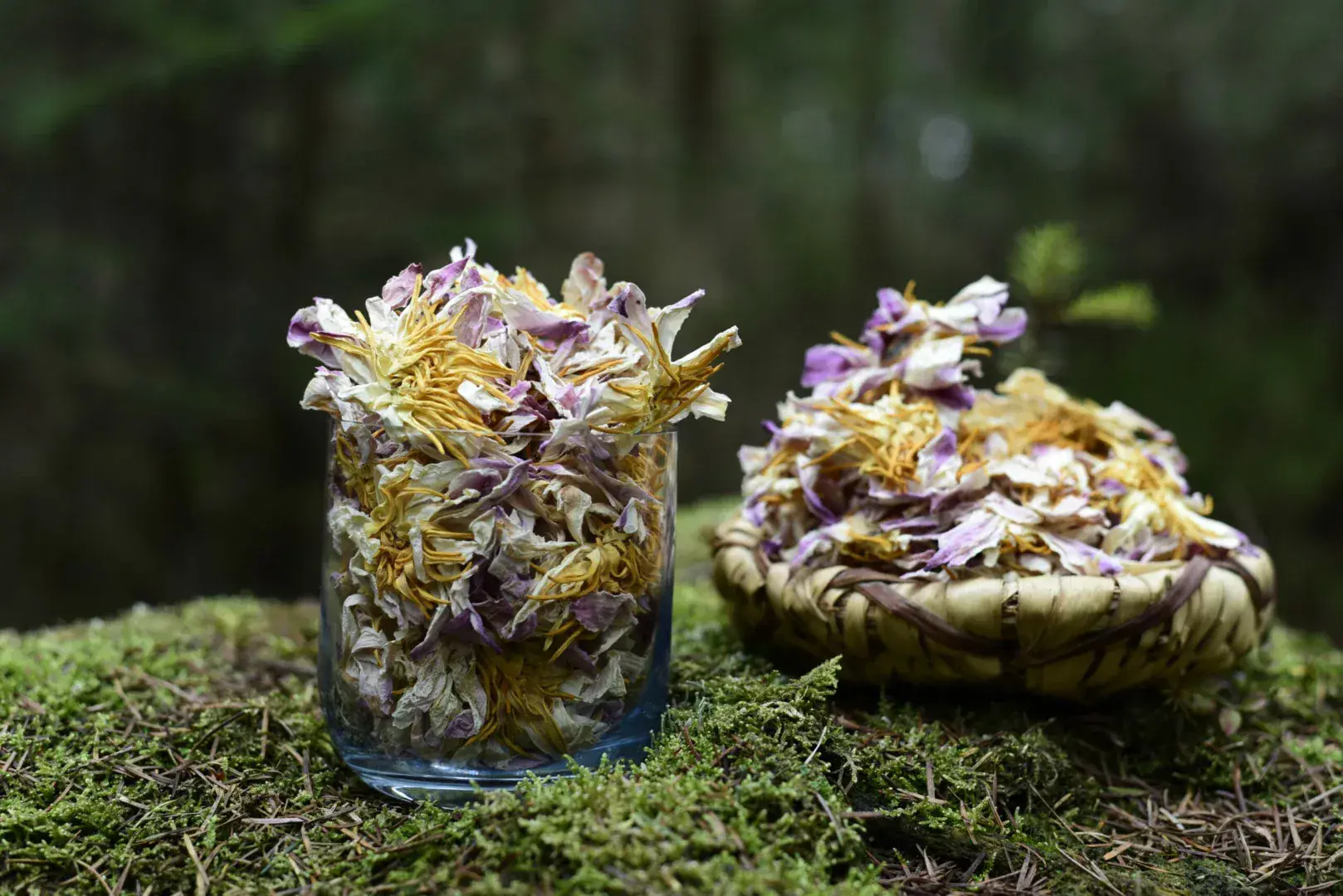
Cempasúchil in Mexico, chrysanthemums in France, flowers of the season on the Obon altar. The red and white water lilies, a beautiful decoration for altars, are an offering for the spirits.
Almost every tradition has its days for welcoming the dead. Here are the ones we found a trace of, with their sources at the bottom of the page.
| Feast | Date | Where | The gesture |
|---|---|---|---|
| Samhain | from the evening of 31 October to 1 November | Ireland | in the old tales, gatherings, feasts and fires on the hills; the mounds open onto the Otherworld |
| Día de Muertos | 1 and 2 November | Mexico | the ofrenda: water, salt, pan de muerto, candles, cut paper, copal; a path of cempasúchil petals from the cemetery to the house |
| All Saints', All Souls' (Toussaint, Jour des morts) | 1 and 2 November | France, Belgium | candles and chrysanthemums on the graves, a custom from the 19th century |
| Allerheiligen, Allerseelen | 1 and 2 November | Germany, Austria | lights and flowers on the graves, Seelenbrot, the bread of souls |
| Totensonntag | the last Sunday before Advent | Germany | at the Protestant service, the names of the dead are read; flowers and candles on the graves |
| Allerzielen | 2 November | Netherlands, Flanders | flowers and chrysanthemums on the graves |
| Ognissanti, Festa dei Morti | 1 and 2 November | Italy | in Sicily, the family's dead leave toys for the children in the night; frutta martorana, ossa di morto |
| Todos los Santos | 1 November | Spain | flowers at the cemetery, huesos de santo, “saints' bones” in marzipan |
| Pão-por-Deus, Finados | 1 and 2 November | Portugal, Brazil | in Portugal, children go from door to door to receive bread, nuts and chestnuts, in the name of the souls; in Brazil, Finados is a public holiday |
| Wszystkich Świętych, Zaduszki | 1 and 2 November | Poland | the znicze, little lanterns lit on the graves |
| Dušičky | 2 November | Czech Republic | candles and wreaths at the cemetery |
| Радоница (Radonitsa), Дмитриевская суббота (St Demetrius Saturday) | the Tuesday of the second week after Orthodox Easter; a Saturday in early November | Russia | graves tended, painted eggs; kutya and a memorial meal |
| お盆, Obon | 13 to 16 August, in July in Tokyo | Japan | mukaebi, the welcoming fire, and okuribi, the farewell fire; a cucumber horse so the ancestors come back quickly, an aubergine ox so they leave slowly |
| お彼岸, Higan | a week around each equinox | Japan | water, flowers and incense on the graves |
| 清明, Qingming | 4, 5 or 6 April | China | the graves swept, incense |
| imphepho | all year round | South Africa | the Zulu, Xhosa and Ndebele burn it to win the goodwill of the ancestors, the amadlozi, the izinyanya |
The medieval Irish tales make Samhain, from the evening of 31 October to 1 November, a time of gatherings and feasts, when the mounds open onto the Otherworld; Hallowe'en has kept many of its features. The idea of a “Celtic festival of the dead” taken over by the Church comes from 19th-century scholarship: the historian Ronald Hutton finds no trace of it in the medieval sources, and All Saints' Day on 1 November was first fixed outside the Celtic lands (Dimitra Fimi). The “veil between the worlds” is an image of our own time, and a much-loved one.
Día de Muertos is held at the end of October and the start of November, above all on 1 and 2 November. UNESCO inscribed it in 2008 on the list of the Intangible Cultural Heritage: families lay petals, candles and offerings along the path from the cemetery to the house, and the favourite dishes of the dead on the altar and on the grave (UNESCO).
On the ofrenda, each thing has its meaning: water for the thirst of the dead, salt that purifies, pan de muerto for fellowship, candles that guide, and copal, “the perfume of reverence” (Mexico City). The flower of the dead, the flor de muerto, is the cempasúchil, Tagetes erecta: its Nahuatl name, cempōhualxōchitl, means “twenty flowers” (CONABIO).
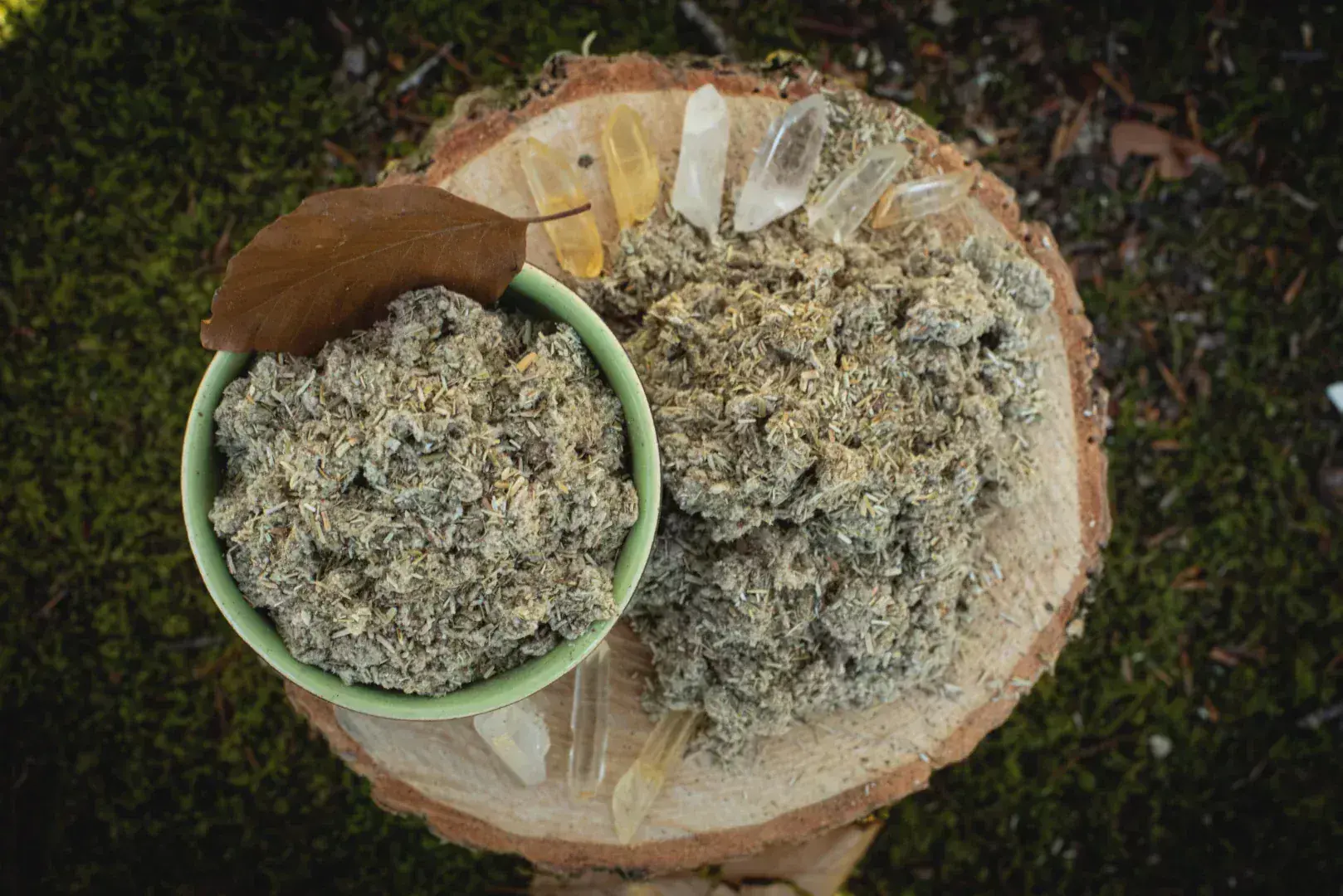
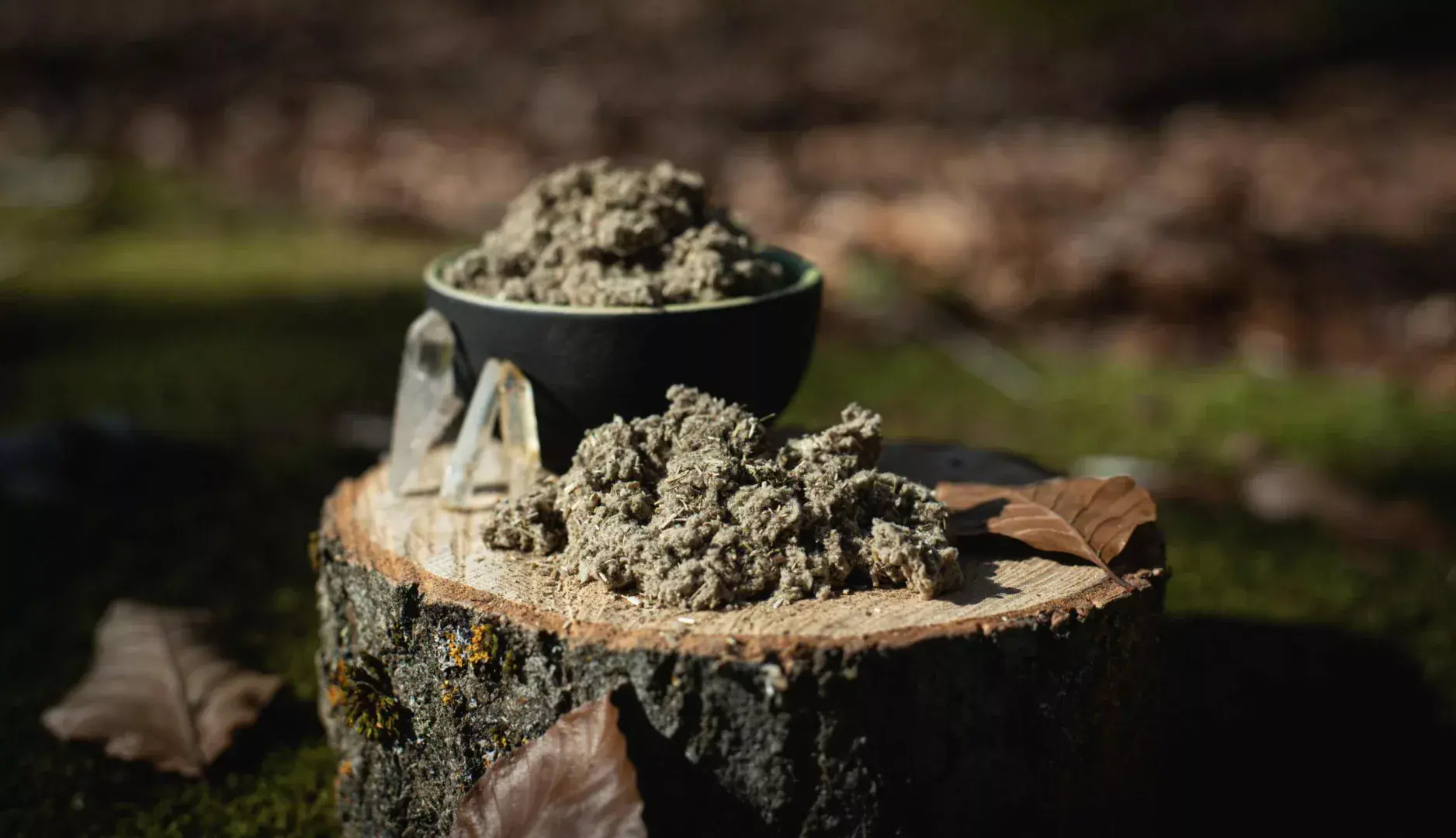
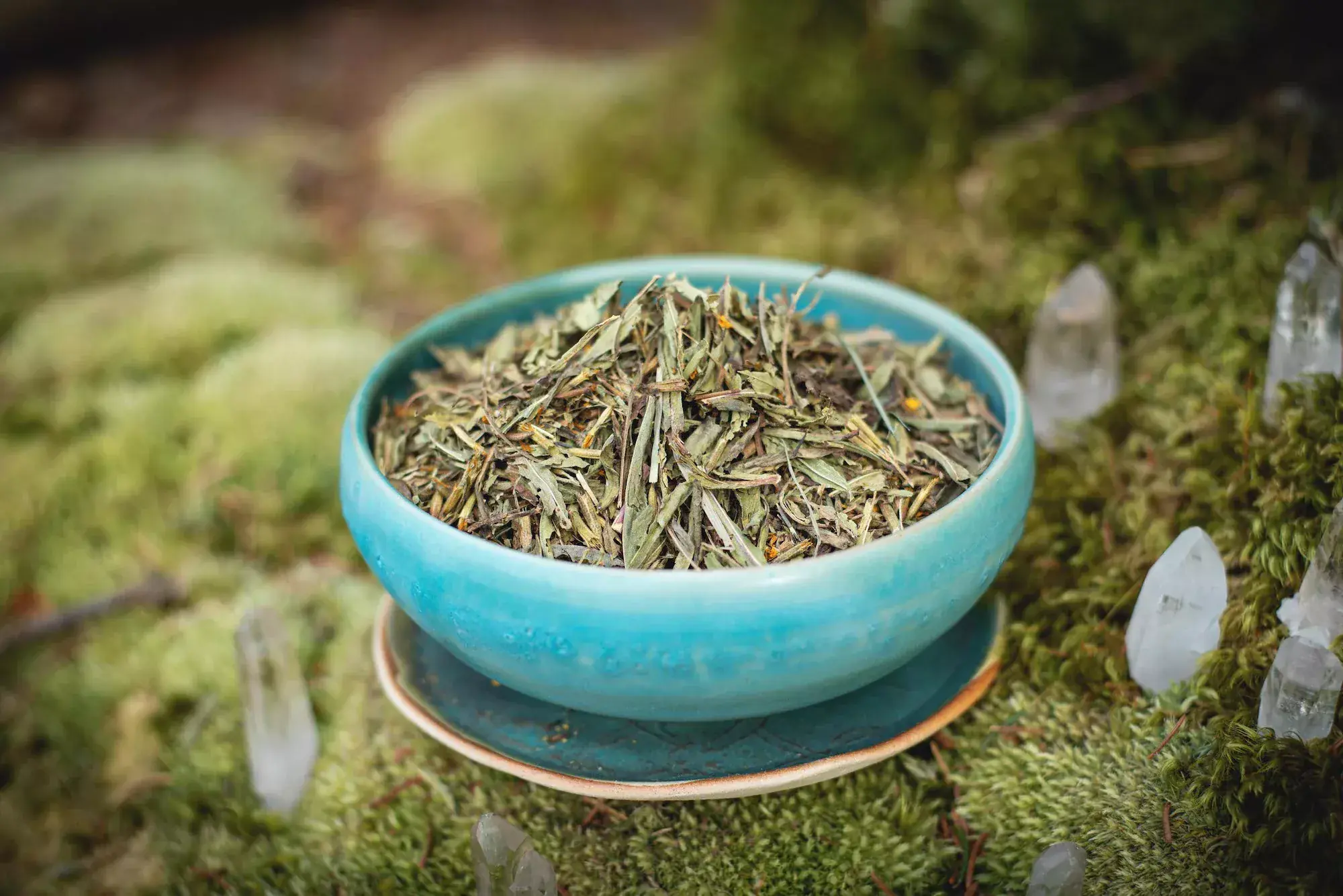
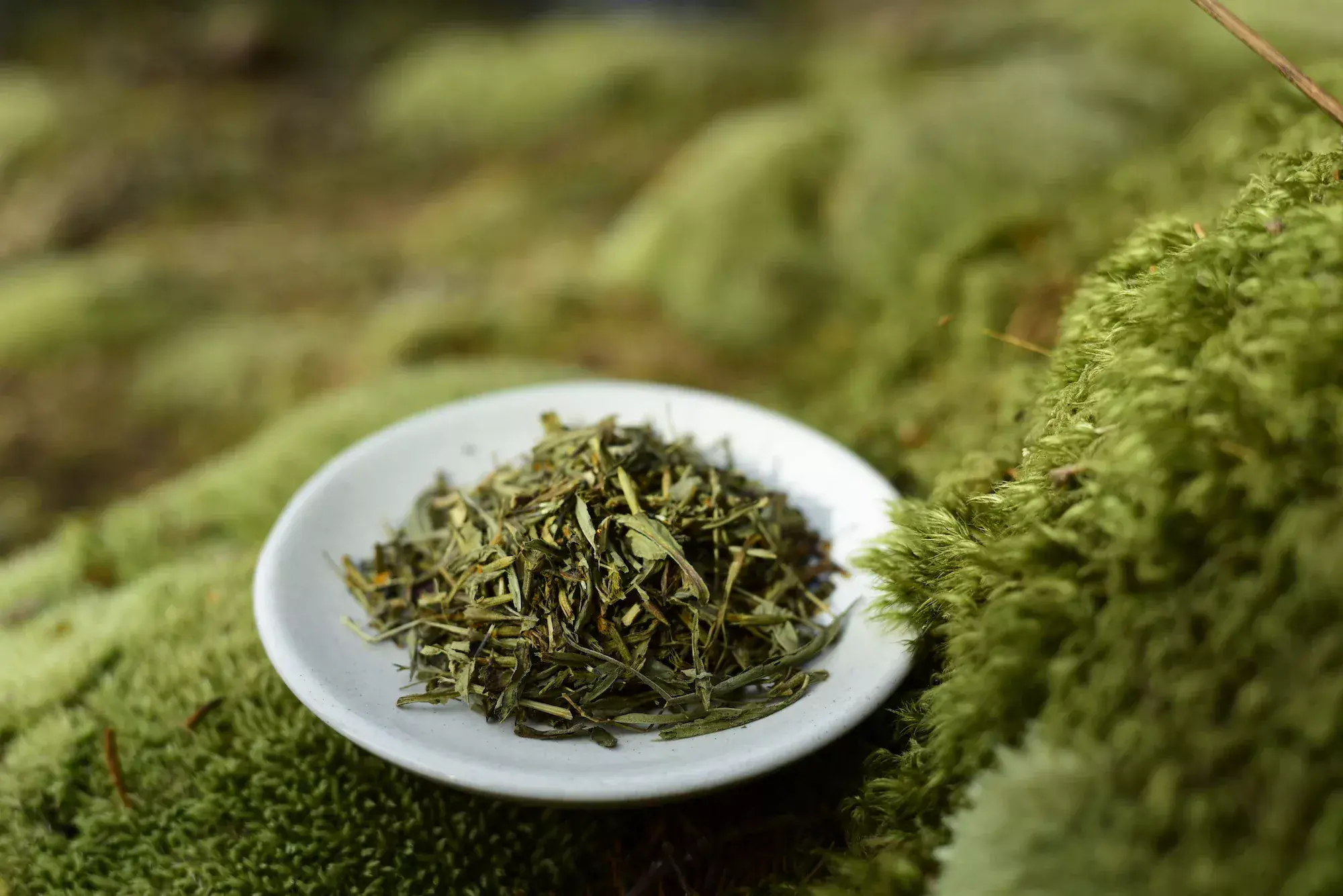
Its cousin yauhtli, Tagetes lucida, the pericón, has other days. The Aztecs burned it in place of incense, for the rain gods (Nahuatl dictionary), and they believed in it to replenish the Tonalli, the Spiritual Force of the Self that can sometimes be diminished or lost. In Morelos, on the eve of St Michael's Day, crosses of pericón go up on the doors and at the four corners of the fields, and many leave them there until Día de Muertos (Pérez Ortega and Argueta Villamar).
Wherever the dead are welcomed, something burns: a candle, an incense, a herb.
And on the altar, a flower: our red and white water lilies, sisters of the Blue Lotus, a beautiful decoration for altars and an offering for the spirits.
Smoke is best made with the window ajar, away from curtains, on a holder that can take the heat. All smoke is still smoke: with asthma, keep inhalation light. Imphepho: if you are allergic to the Asteraceae family, leave it aside; it is not for drinking during pregnancy and breastfeeding. Yauhtli: avoid during pregnancy and breastfeeding, and if you are allergic to the Asteraceae family. Our plants are freely sold in France and the European Union; the law varies from country to country, so check yours before ordering.
An Irish festival, from the evening of 31 October to 1 November. The medieval tales place gatherings, feasts and mounds opening onto the Otherworld there. It gave Hallowe'en many of its features.
At the end of October and the start of November, above all on 1 and 2 November. UNESCO inscribed it in 2008 as Intangible Cultural Heritage of Humanity.
A photo of the one who has died, water for their thirst, salt that purifies, pan de muerto, candles that guide, cut paper, the dishes they loved, cempasúchil flowers, and copal smoking, “the perfume of reverence”.
The cempasúchil, Tagetes erecta, the flor de muerto: its orange petals trace the path from the cemetery to the house. Its cousin the pericón, or yauhtli (Tagetes lucida), is the herb of the St Michael's Day crosses.
Each tradition has its own: copal in Mexico, imphepho in South Africa, stick incense in Japan. In our collection: imphepho, palo santo, and yauhtli, which the Aztecs burned in place of incense.
They appear on French graves in the 19th century and become the flower of All Saints' Day after the First World War: on 1 November 1919, President Poincaré carries a wreath of them to Père-Lachaise.
Ask the Forest: ethics of a plant, dose, lineage, synergy. It shares what peoples have transmitted and what books have written.