White Sage
€8.00
From the Mexican sahumerio to the Alpine Rauhnächte: light a herb, carry the smoke from room to room, open the window.
In homes all over the world, a smoke is carried through the rooms: in Mexico they say sahumar, in Brazil defumar, in the Alps räuchern, in English smudging.
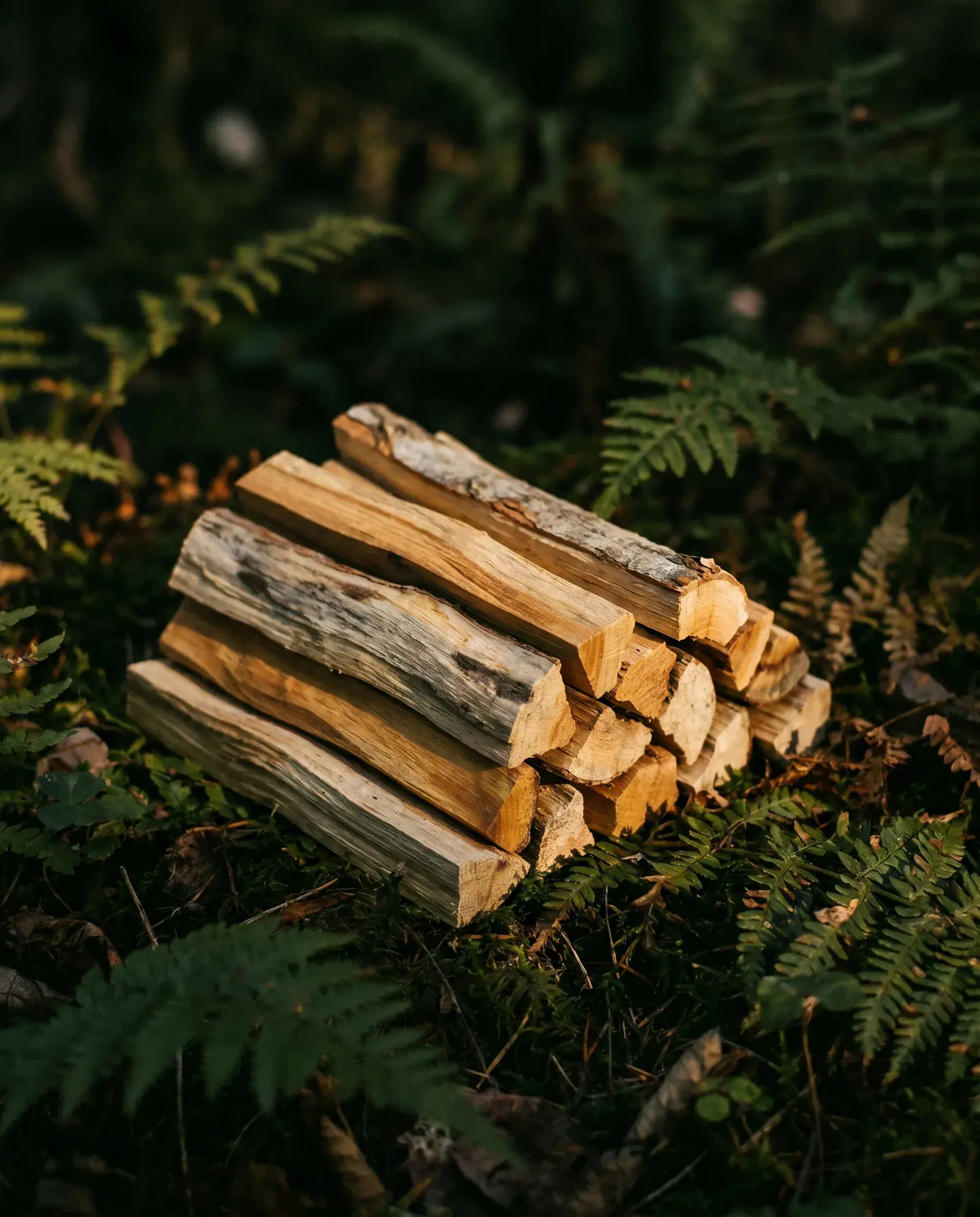
Palo santo (Bursera graveolens), certified harvest from Ecuador: a stick you light as it is, blow out, and light again the next time. In our House we say it makes any space sacred.
From the Mexican sahumerio to the Alpine Rauhnächte: light a herb, carry the smoke from room to room, open the window.
A dish that holds the heat, a bed of sand or a charcoal disc, a window cracked open. Smoke needs air.
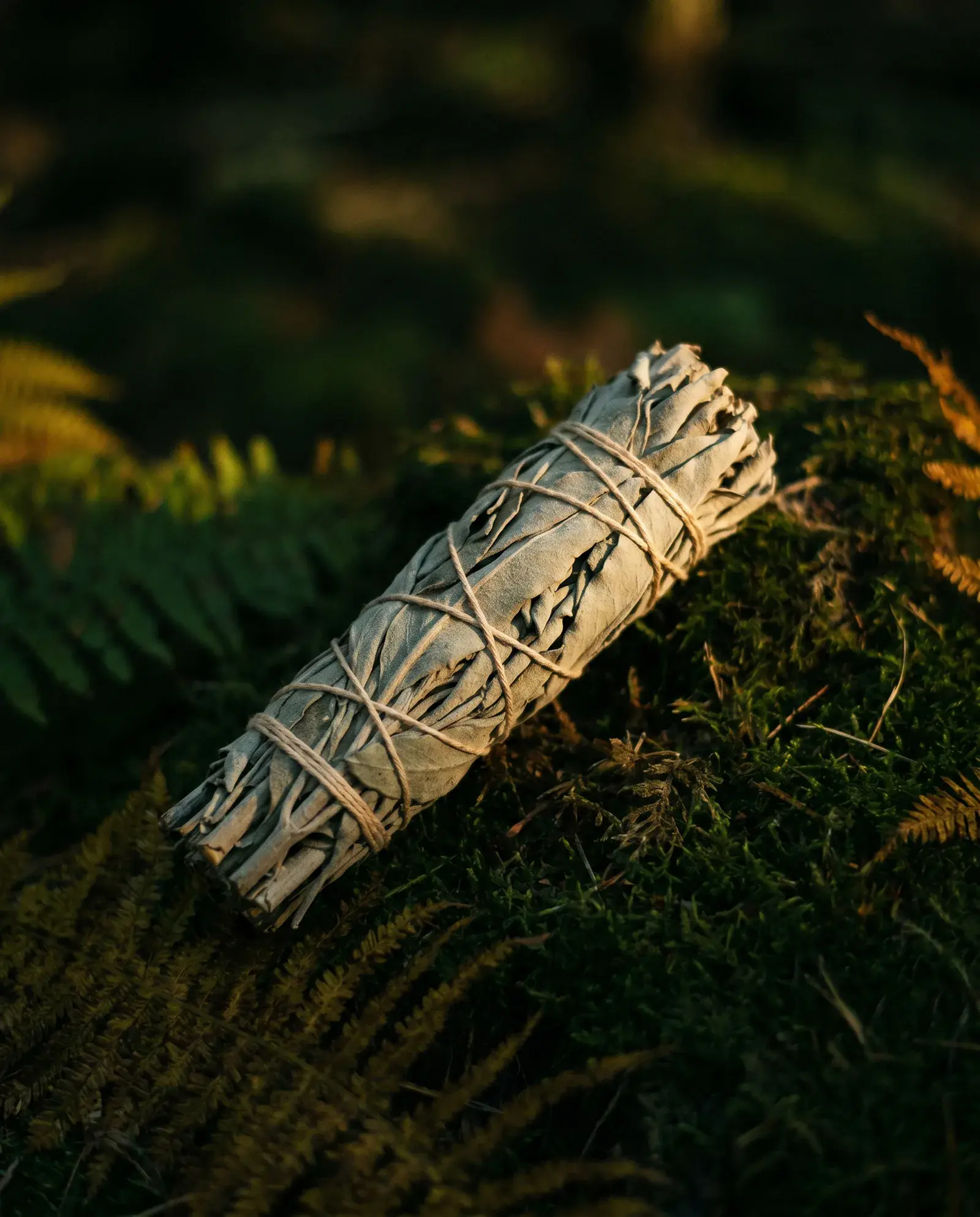
Palo santo (a stick) and white sage (a tied bundle) burn as they are: light the tip, blow out the flame, let the embers smoke.
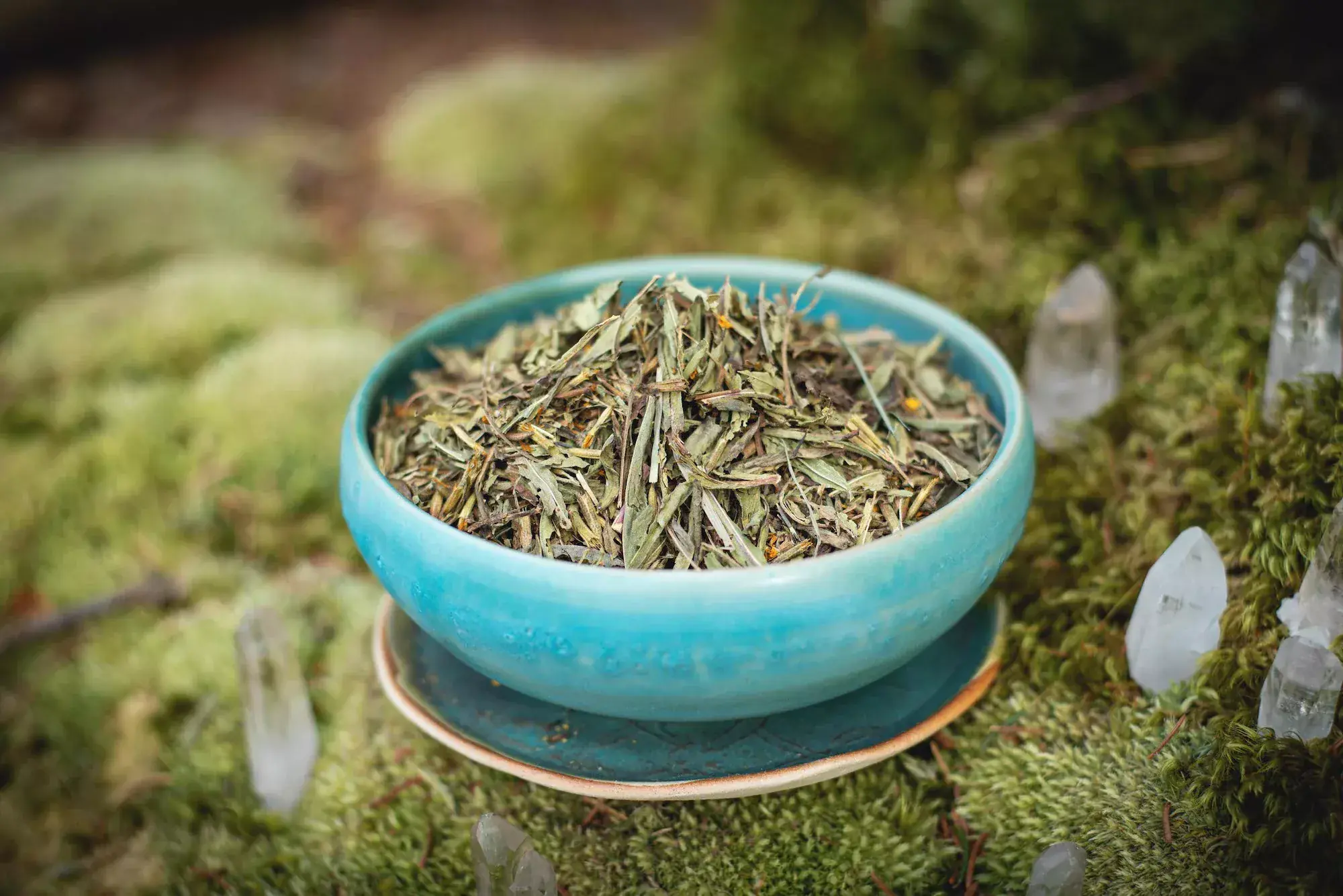
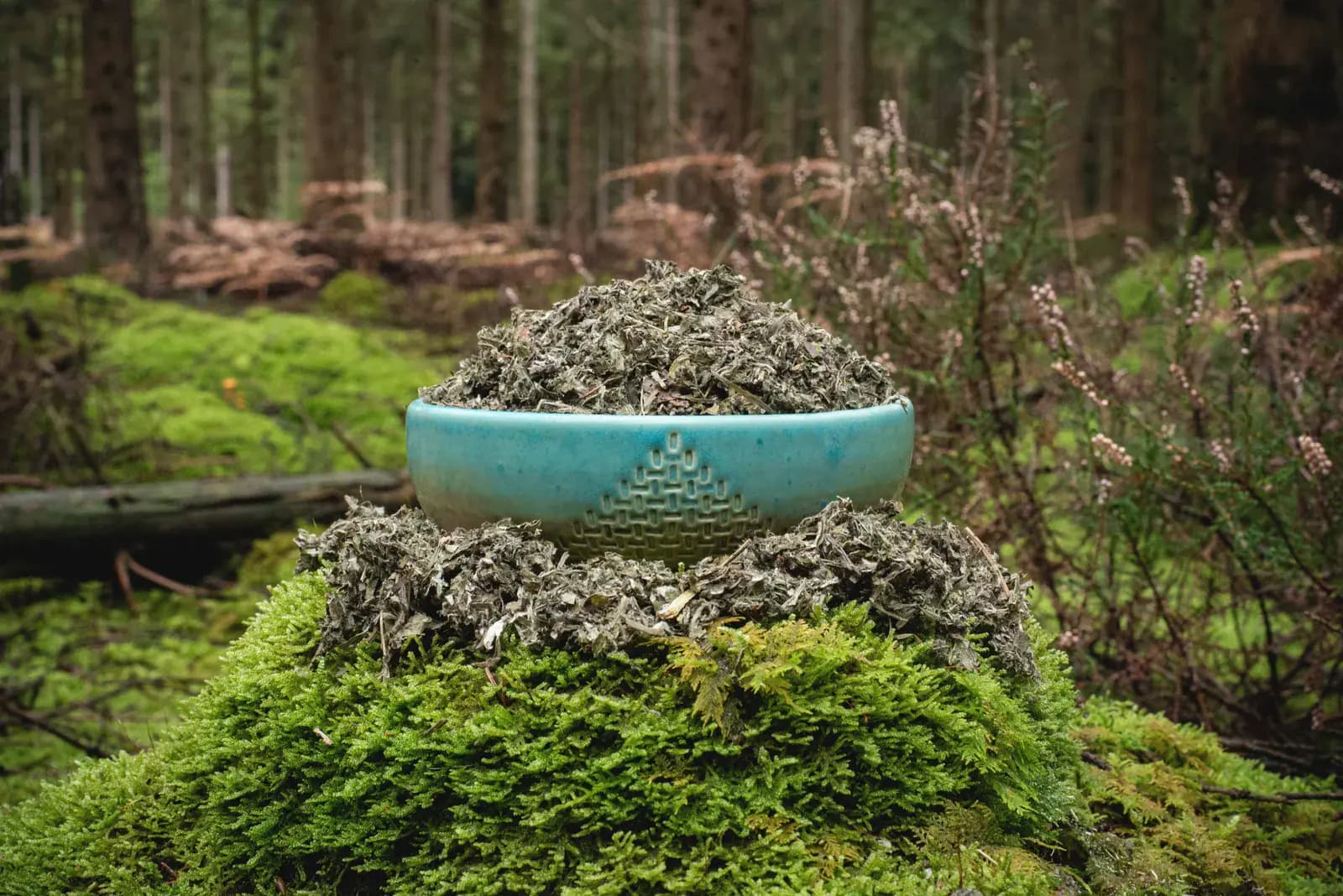
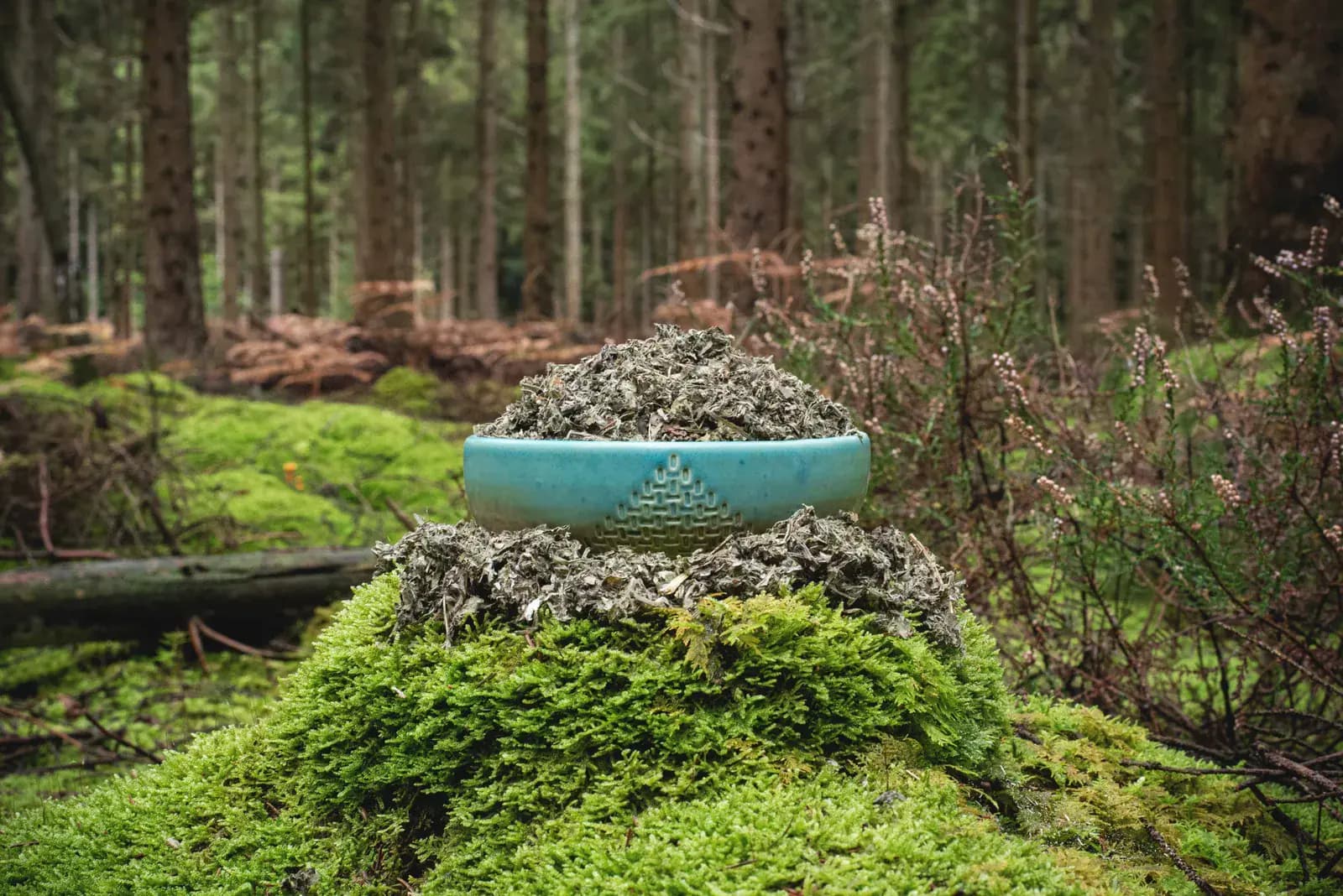
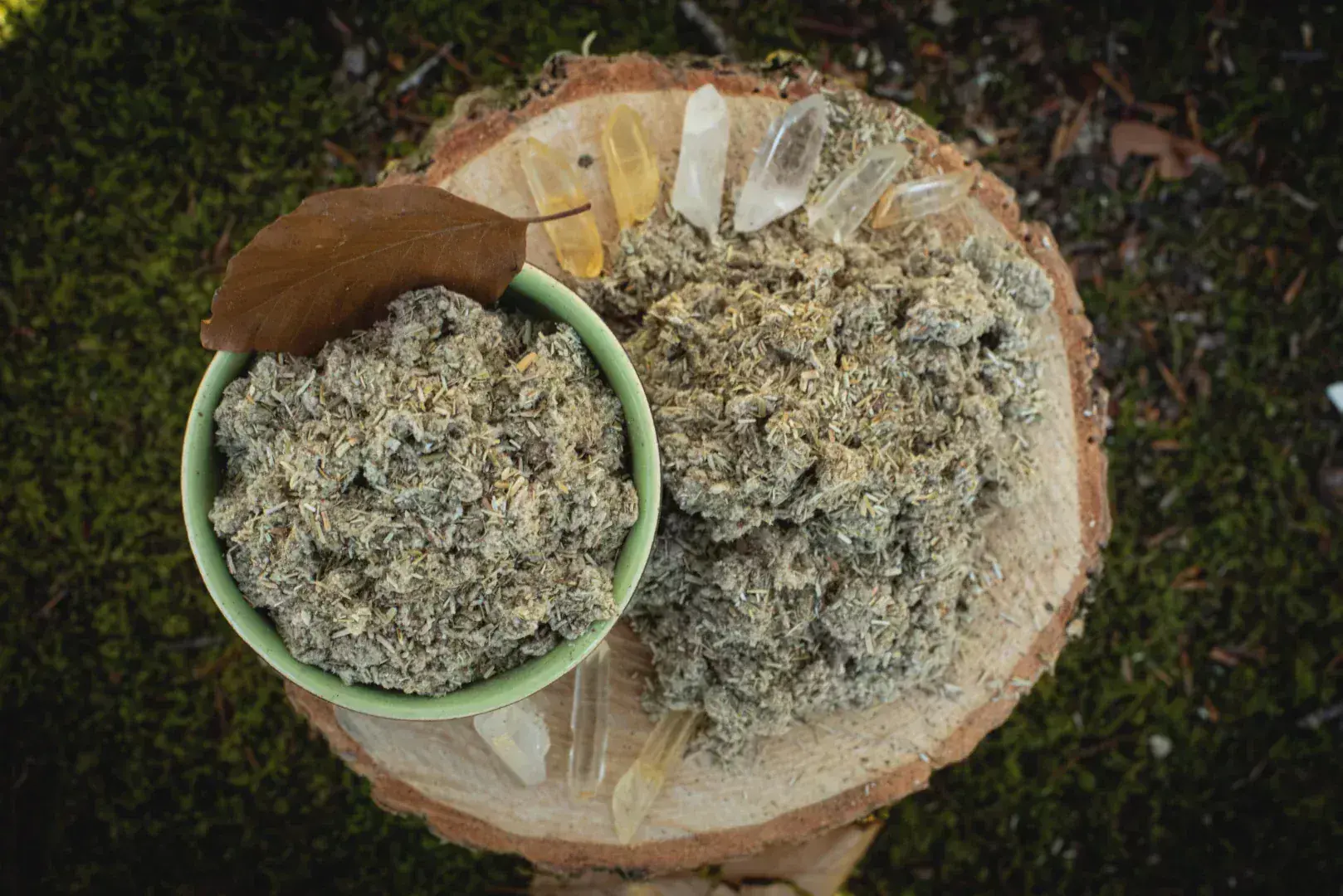
Mugwort, imphepho and Mexican tarragon (yauhtli) go on the charcoal in small amounts, a pinch at a time.
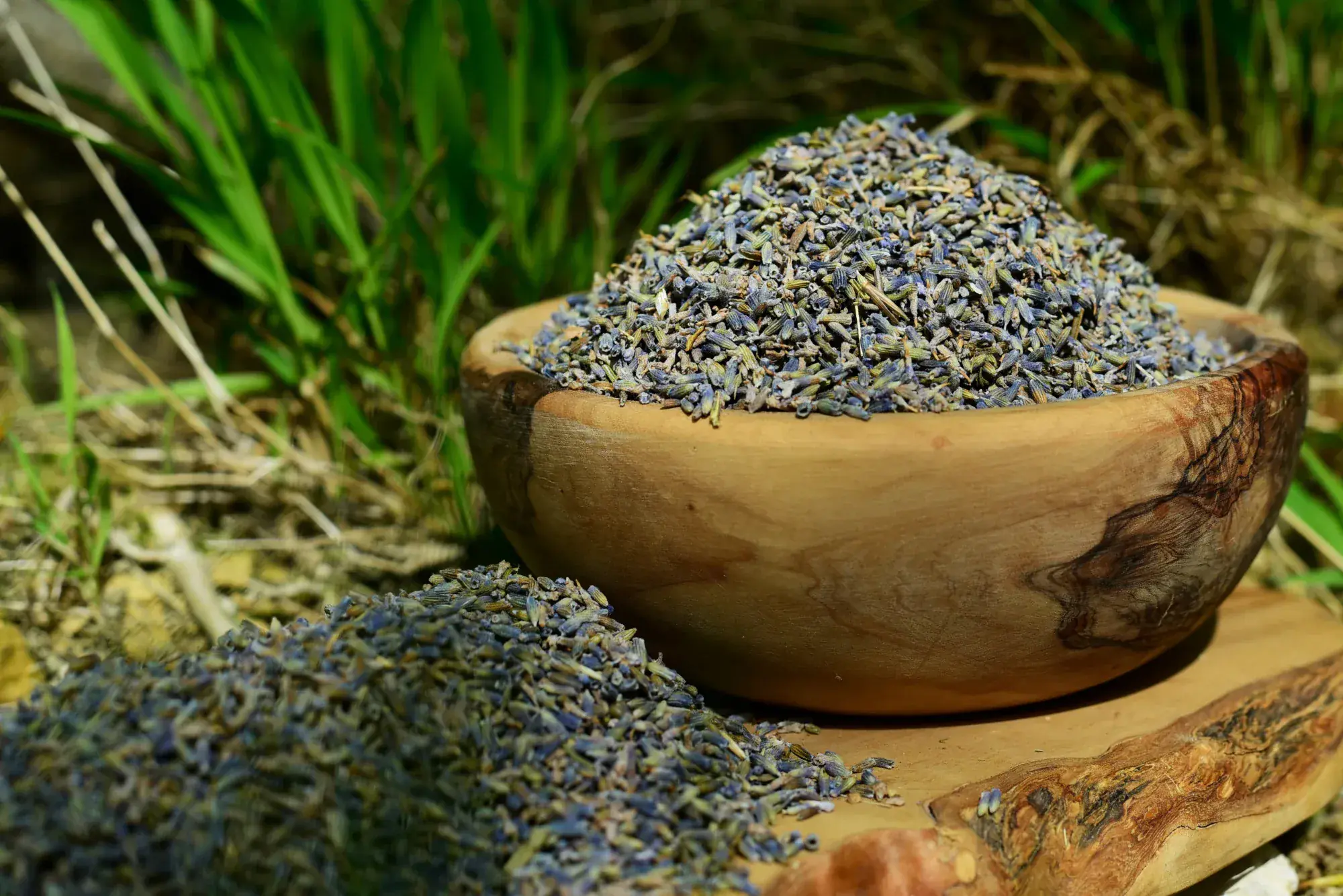
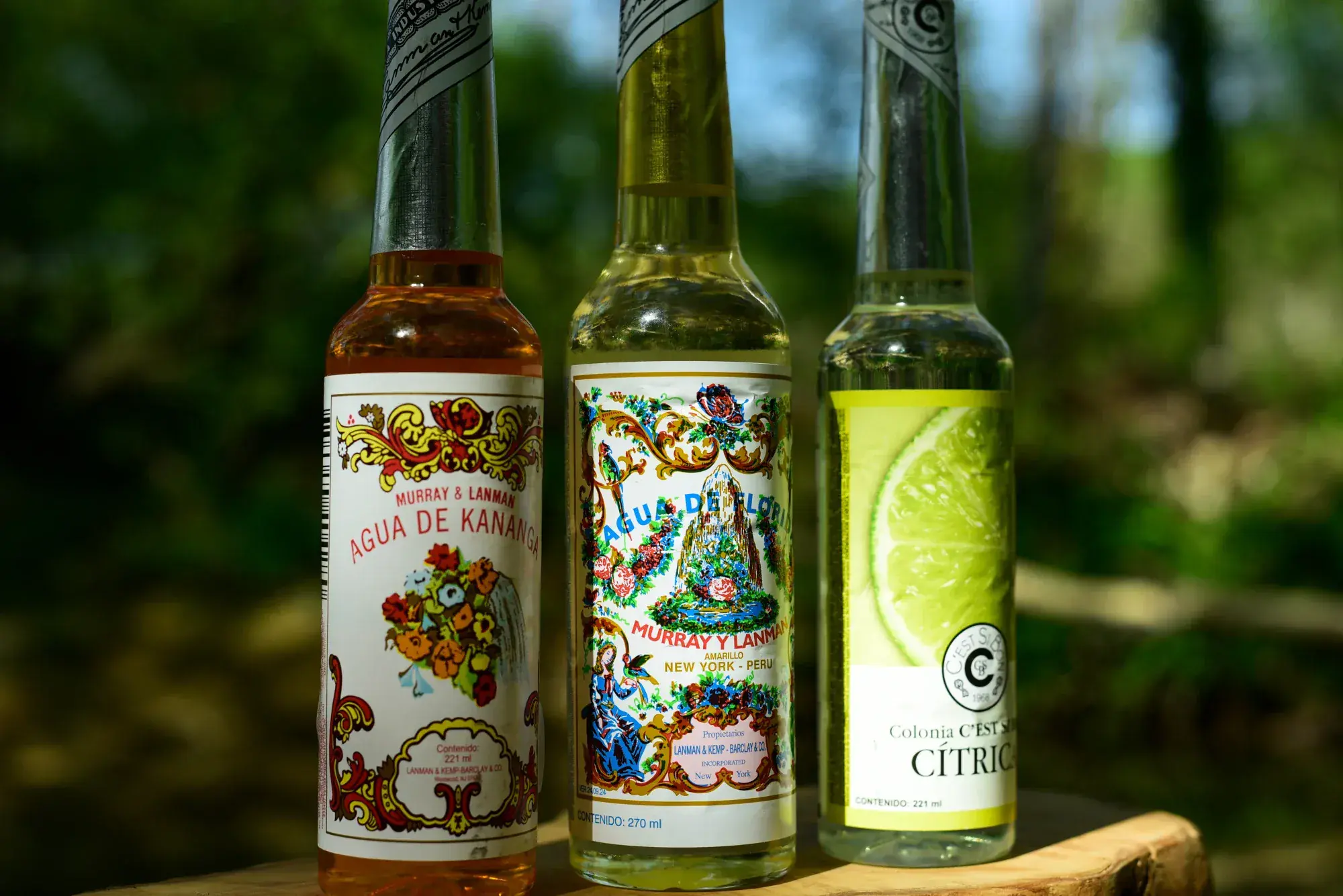
Carry the dish from room to room, from the corners toward the door. Agua de Florida is never burned: it is misted. The air renews itself through the open window.
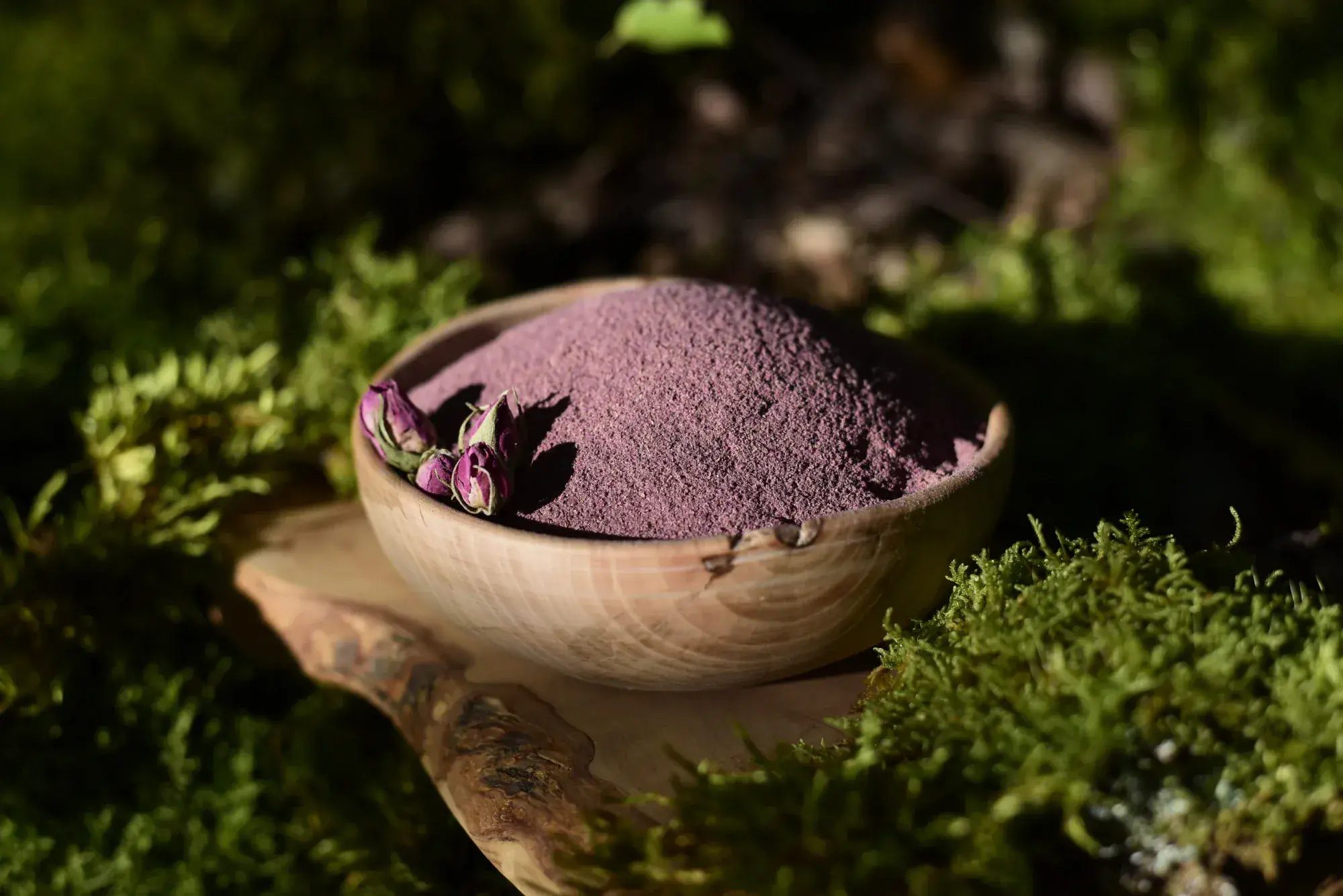
The embers go out completely before you leave the room, watched to the end. Air the house, and it takes up its course again.
« Got it here in Europe, I'm thrilled, shipping super fast. Imphepho is essential for ancestral work as incense or tea. :) »
Carrying smoke through a house is one of the most widely shared gestures in the world. In English it is called smudging, a word taken from the smoke ceremonies of Indigenous nations of North America, where white sage, sweetgrass and cedar invite the ancestors. In Mexico and the Andes, people sahumar the house with copal, palo santo and pericón. In Brazil, defumação draws on several sources: church incense, the smoke of Indigenous peoples, the terreiros of Umbanda, where it opens the ceremonies. In the Alps and in Bavaria, house and stable are smoked during the twelve nights of winter, the Rauhnächte. In South Africa, the Sangoma burn imphepho to call the amadlozi, the ancestors.
Each tradition says in its own words what the smoke does: to bless, to protect, to clear what weighs. Where the word comes from: smudging, its meaning and its origins.
The ones we carry, and what each brings to the smoke:
With a window cracked open, light the tip of the stick, or a charcoal disc in a heat-proof dish. Blow out the flame and let the embers smoke. Walk through each room, from the corners toward the door, a dish held underneath for the ash. Loose herbs go on the charcoal a pinch at a time. At the end, press the embers into sand or earth until they are cold, and air the house.
At home, many people simply say, in a low voice and room after room, what they wish for the place: thanks for what it has sheltered, a wish for those who live in it.
When you move into a new home, at the change of season, after a heavy time, at the turn of the year. In the Alps, it is the twelve nights between Christmas and Epiphany; in Mexico, the eve of Saint Michael; in the Andes, August, the month of the Pachamama.
Smoke irritates the airways. A window open while you smudge, then a long draught of air. No smoke in the room of a baby or a young child; animals leave the room, birds above all. With asthma, or an allergy to the daisy family (mugwort, imphepho), refrain or smudge outdoors. The embers stay watched until they are out, away from curtains.
With a window open, light the tip of a sage bundle or a palo santo stick, blow out the flame and let the embers smoke. Carry it through each room, from the corners toward the door, a dish underneath for the ash, then put the embers out in sand and air the house.
Everyone says it in their own words: thanks to the place for what it has sheltered, a wish for those who live in it. Many speak in a low voice, room after room.
The herbs of your own tradition, or the ones whose smoke you love. White sage and palo santo light as they are, as a bundle and a stick; mugwort, imphepho and Mexican tarragon go loose on a charcoal disc. Mugwort is the herb of Europe, the herb of Saint John's Eve.
Never leave the embers unattended, and never smudge in the room of a sleeping baby, near birds, or beside someone with asthma. Burn nothing varnished, painted or printed, and no plant you do not know for certain. Open a window before you begin.
White sage, sweetgrass, cedar and tobacco are the best known, each within its own nation and its own ceremony. The word smudging comes from these practices.
At the moments that count: moving in, the change of season, after a heavy time, the turn of the year. In the Alps, the twelve nights of winter; in Mexico, the eve of Saint Michael.
Yes. Palo santo burns as a stick, like a sage bundle, with a softer smoke of wood and lemon. Mugwort, imphepho and Mexican tarragon are other herbs for smudging, loose on the charcoal.
Yes, during and after. The smoke needs a way out, and a well-aired house breathes better.
Ask the Forest: ethics of a plant, dose, lineage, synergy. It shares what peoples have transmitted and what books have written.