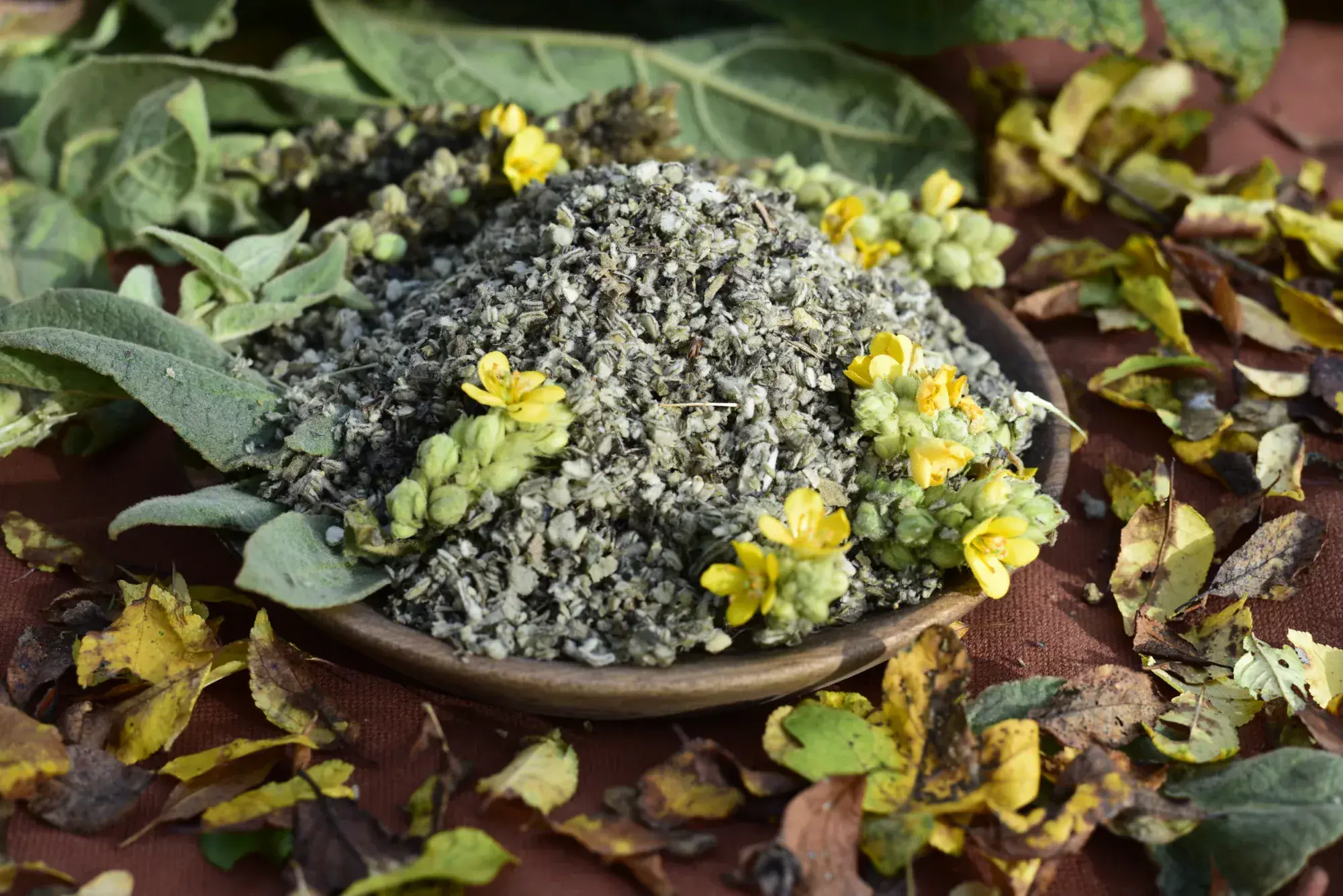
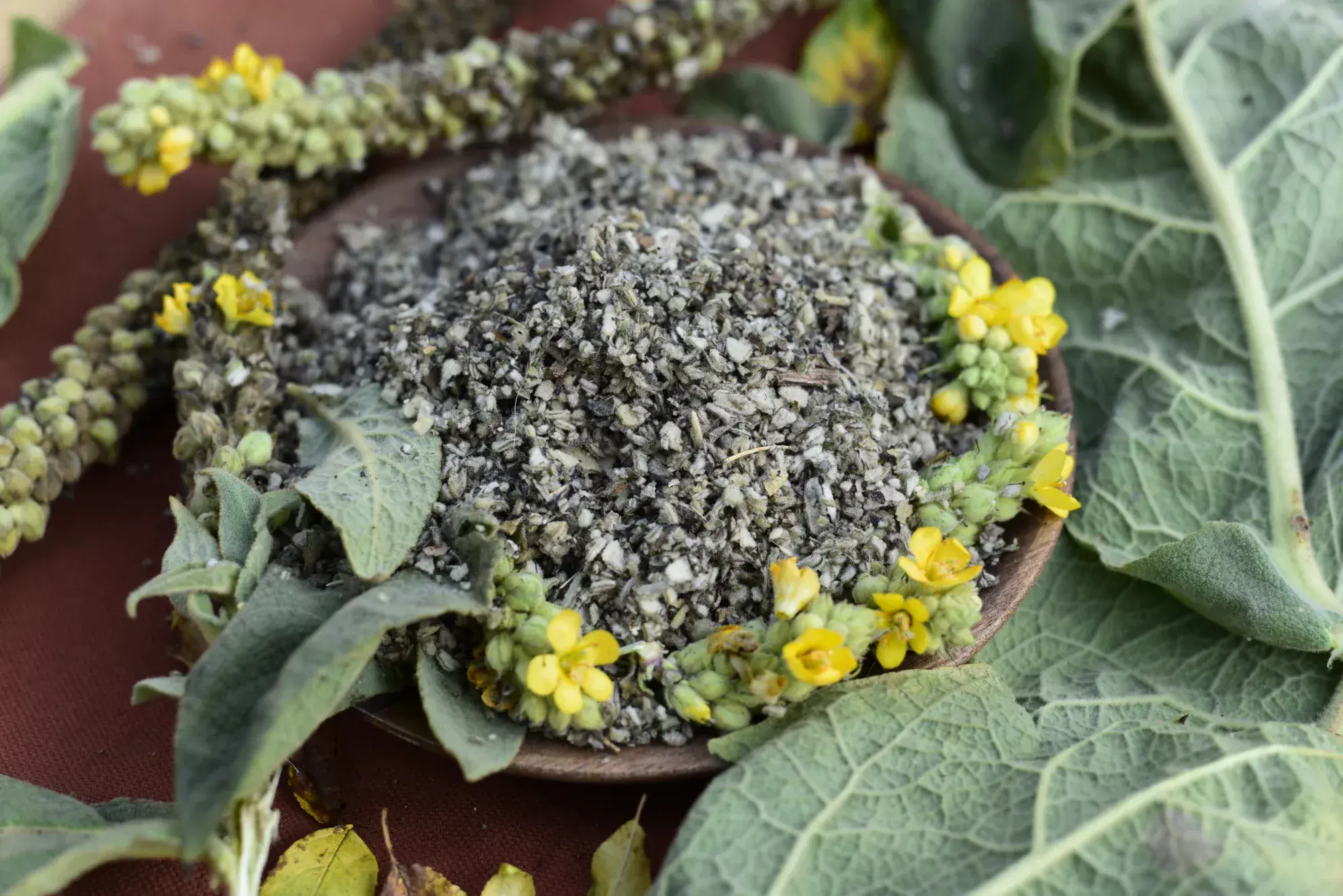
Mullein
★4.3· 4 reviews
€4.00
Mugwort of St John’s Eve, mullein that was called *hag’s taper*, the witch’s candle, mandrake that screams when it is pulled from the earth: the plants of herb-women, healers and witches, each with its story and its source.
In the villages of Europe, the woman who knew the herbs knew where mugwort grows and on which night to pick it.
Mugwort, Mater herbarum, the mother of herbs (Gerard, 1597). A herb of high magic, renowned for its powers over dreams, the first invoked in the Nine Herbs Charm. Herb of the Sacred Feminine, herb of joy, courage and truth. Whole leaves, wild-harvested in France.
Mugwort of St John’s Eve, mullein that was called *hag’s taper*, the witch’s candle, mandrake that screams when it is pulled from the earth: the plants of herb-women, healers and witches, each with its story and its source.
On the evening of 23 June, Europe gathered its herbs. In Italy, St John’s wort, lavender and rosemary spend the night outdoors in a basin of water, the *acqua di San Giovanni*, and in the morning you wash your face with it.
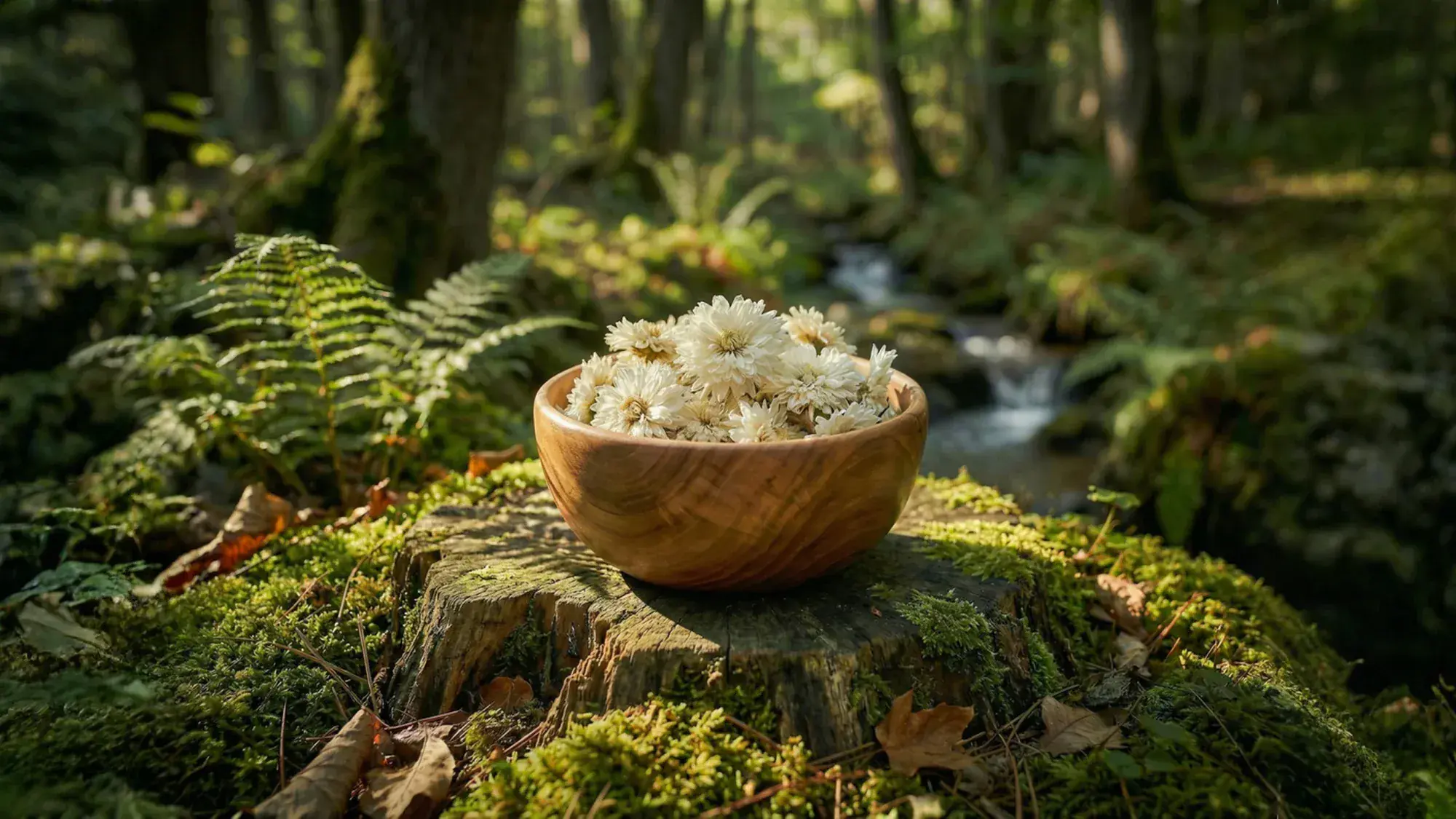
A bunch of mugwort above the lintel. In China, at the Dragon Boat Festival, it keeps evil spirits away; in Japan, on 5 May, mugwort and iris still hang under the eaves.
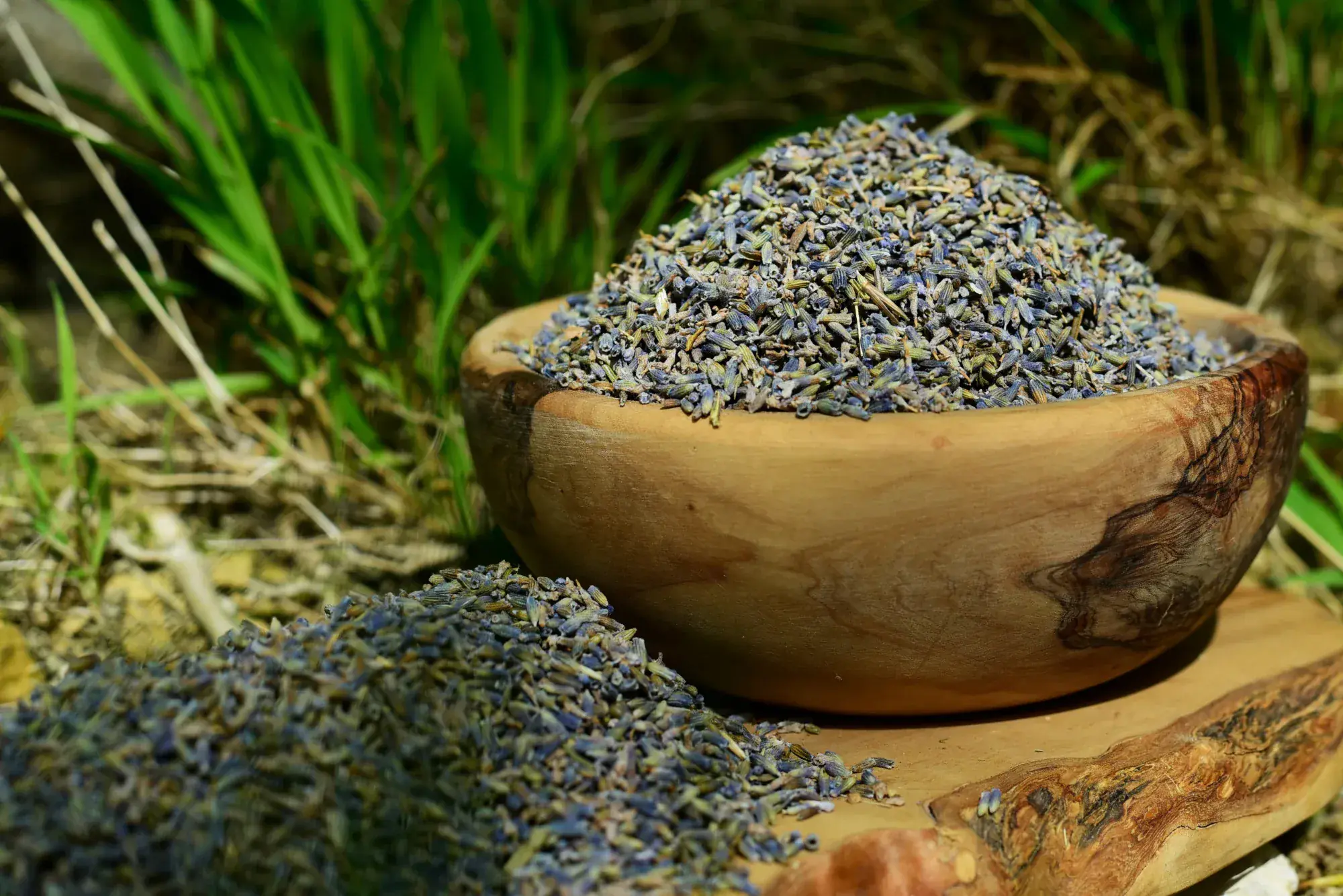
A small pouch of dried mugwort leaves, slipped into the pillowcase: the gesture of dreaming, carried by the herbalists of the twentieth century and by our dreamers.
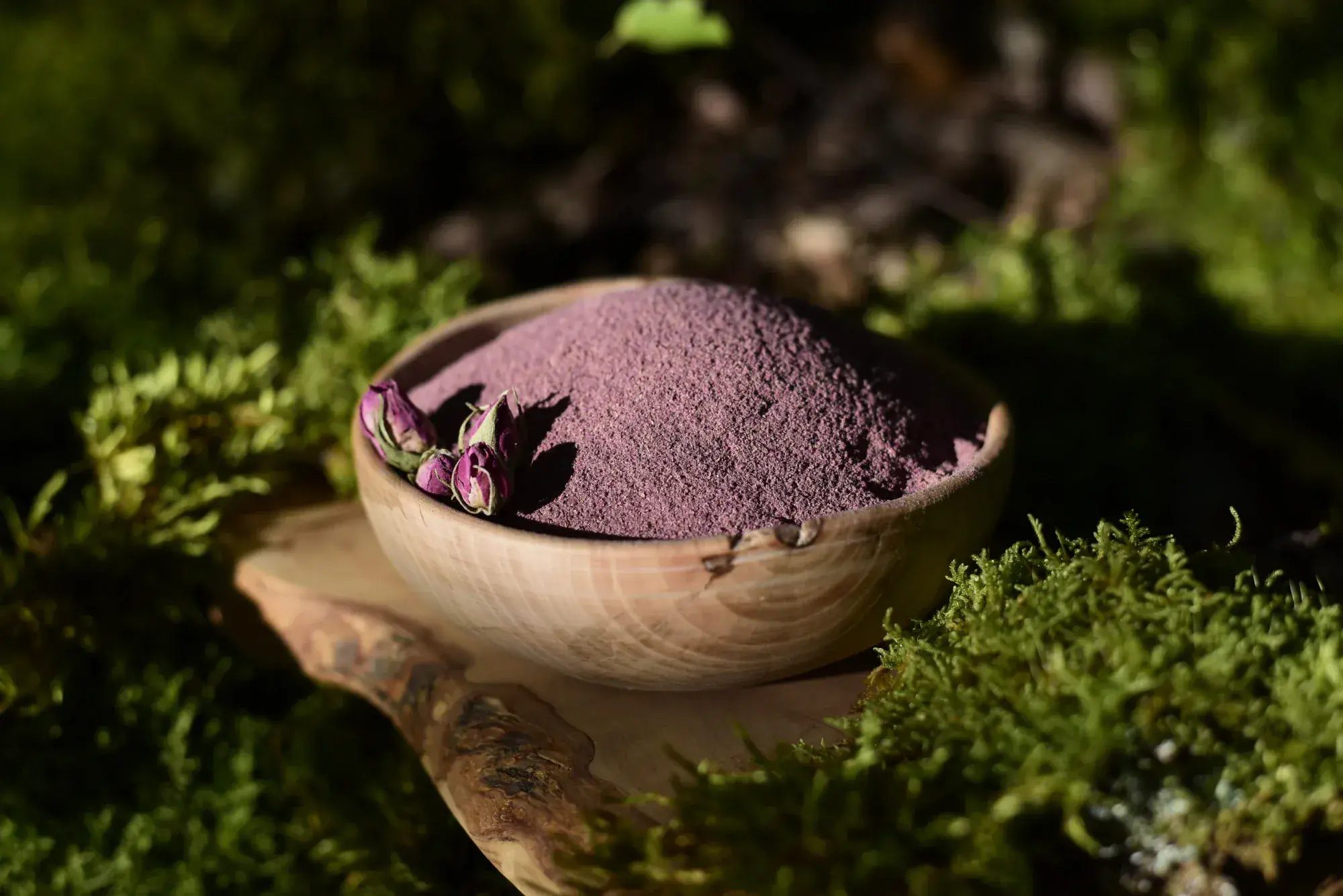
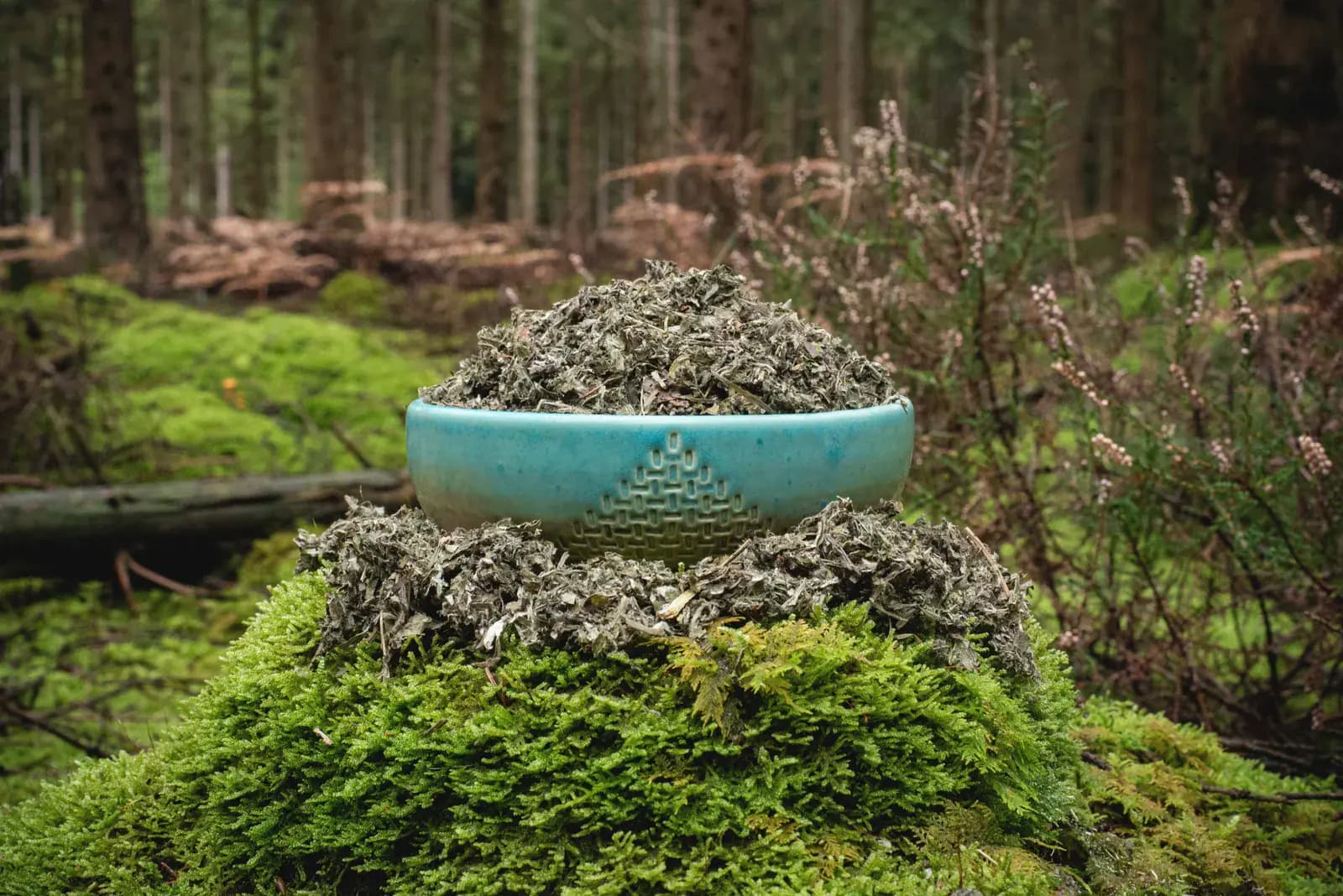
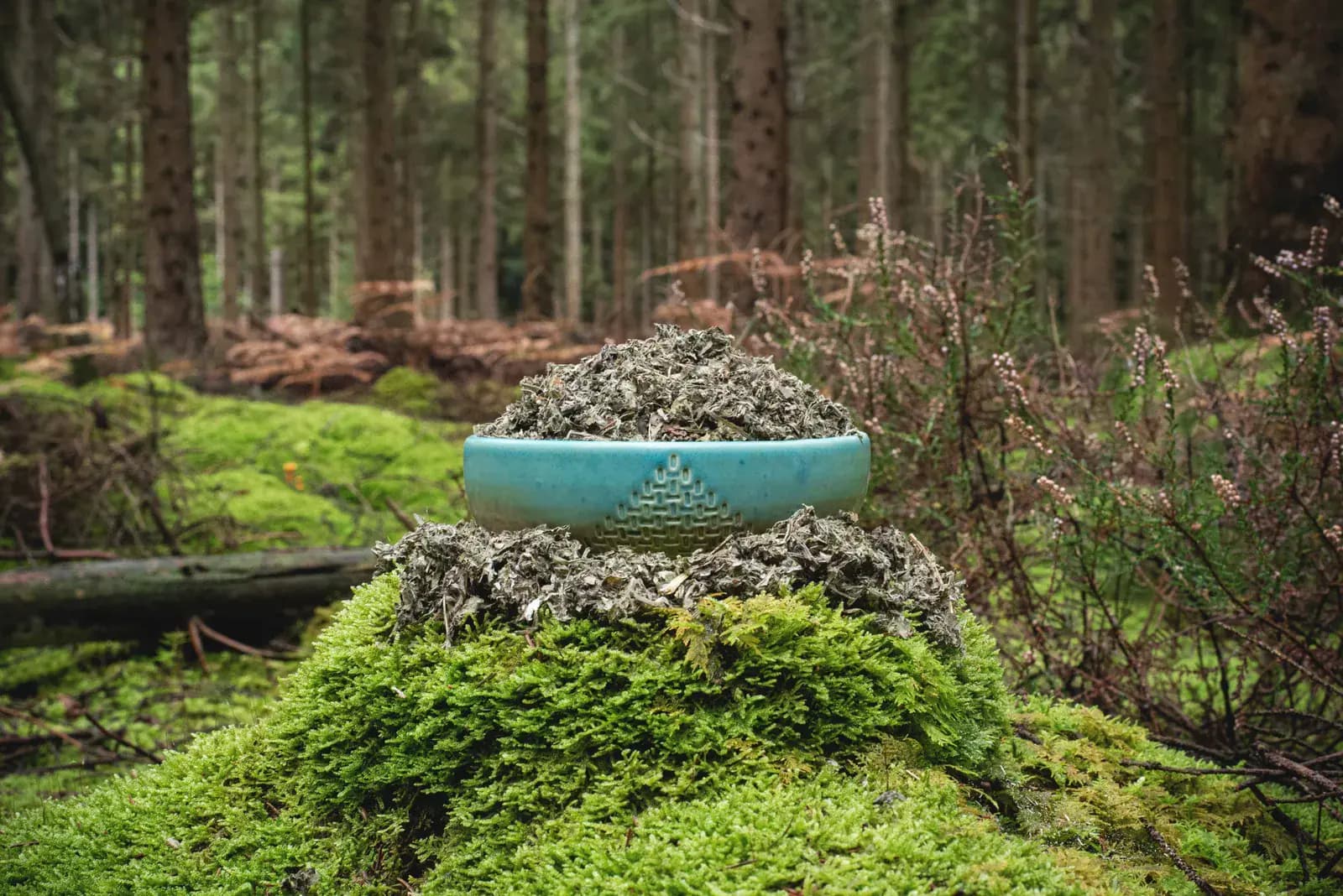
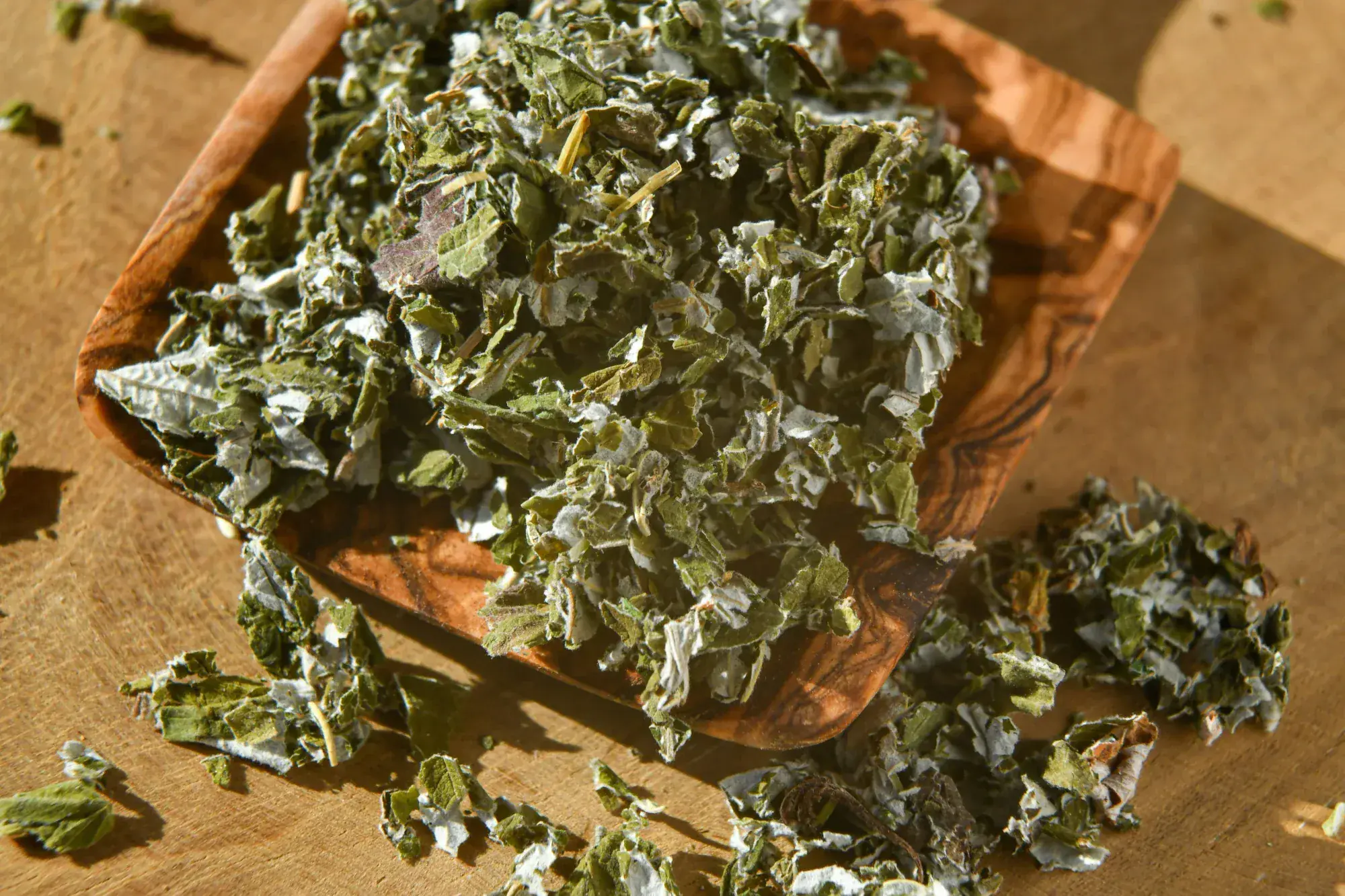
A pinch of mugwort or mullein on a charcoal, the window ajar. Mullein long served as a torch: its tall dry stalk was dipped in tallow and lit.
Mandrake, belladonna, datura and henbane are for reading, and for looking at in the botanical garden. They are poisons: they are not picked, not drunk, not burned.
In the countryside of Europe, those who healed with plants went by many names: herb-woman, healer, midwife, and in England the cunning folk, the people who know. The word witch came too, sometimes in a trial. Witch herbs are the plants that folk memory entrusted to them: the herbs of St John’s Eve, the ones that guard the door, and a few famous poisons.
In French, herbe aux sorcières, witches’ herb, names several plants at once: Circaea, named after Circe, the enchantress of the Odyssey; vervain; and striga, a small parasitic plant of African crops (Wikipedia (fr)). This page speaks of all the plants that witches and healers held in their hands.
In the tenth century, an English monk copied an incantation into the Lacnunga manuscript: the Nine Herbs Charm (British Library, Harley MS 585). It calls on nine herbs against nine poisons, and mugwort comes first: “Una þu hattest, yldost wyrta”, Una is your name, oldest of herbs. In the same chant, Woden takes nine glory-twigs and strikes the serpent, which flies apart into nine pieces.
Several of these identifications are still debated among philologists. Two of these herbs live at INFUSE: mugwort, wild-harvested in France, and noble chamomile, a cousin of the mægðe.
Those whose history is written down, from Pliny to Maud Grieve’s herbal of 1931, with the source of each story:
| Plant | What is told of it | At INFUSE |
|---|---|---|
| Mugwort, Artemisia vulgaris | Pliny writes that its name may come from Artemis, goddess of childbirth; in the Middle Ages it was the Cingulum Sancti Johannis, St John’s girdle, and a crown of its sprays, worn on St John’s Eve, gave protection from evil (Grieve, 1931) | leaves |
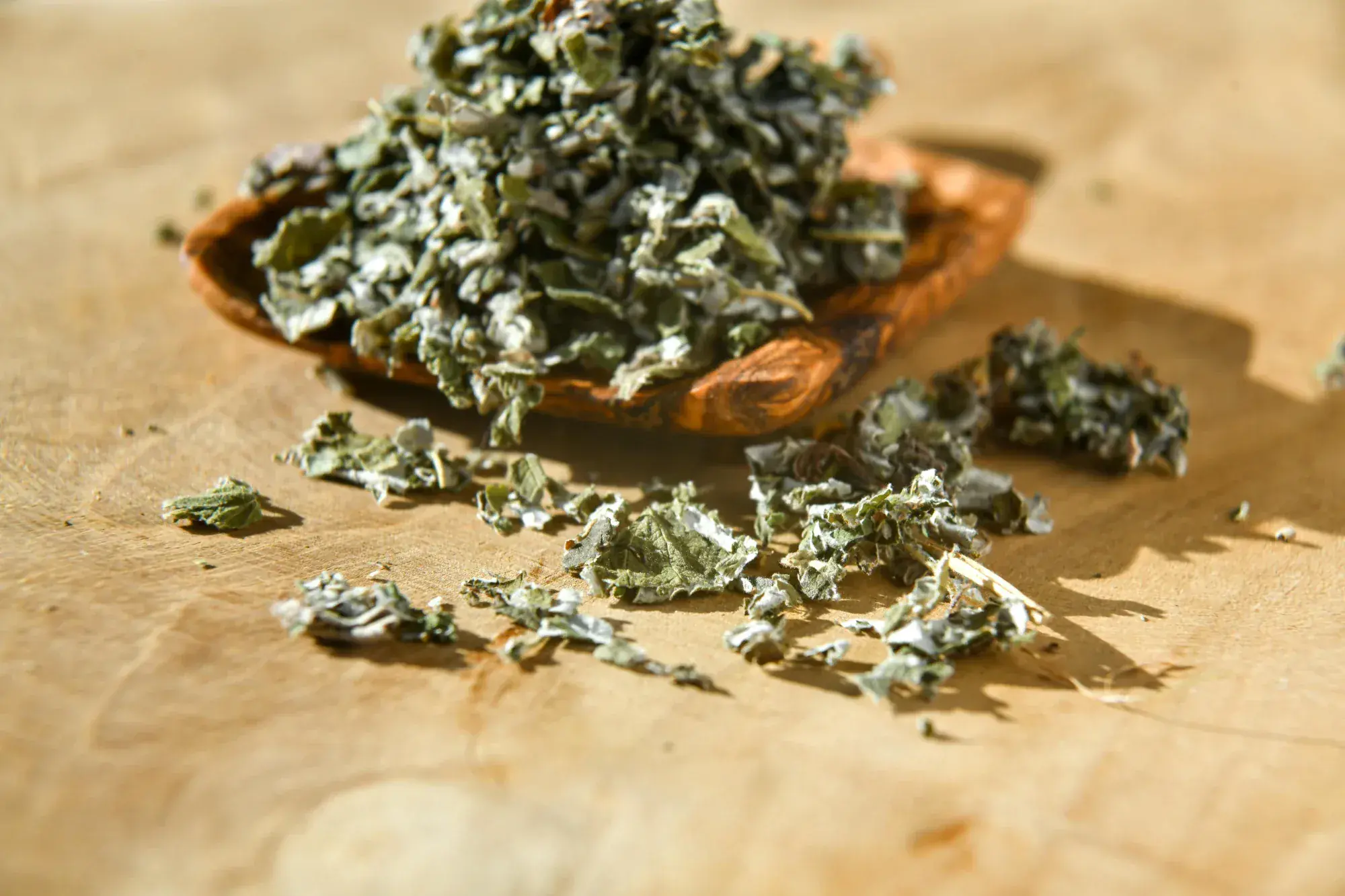
| Mullein, Verbascum thapsus | its old name hag’s taper is the witch’s candle: its tall dry stalk, dipped in tallow, burned like a torch; in Europe as in Asia, it was said to drive away evil spirits (Grieve, 1931) | leaves |
| Chamomile | the mægðe of the Nine Herbs Charm | noble chamomile |
| St John’s wort, Hypericum perforatum | the herb of St John’s Eve, in flower around 24 June; in French it was called chasse-diable, devil-chaser, and in Italian scacciadiavoli | not sold |
| Vervain, Verbena officinalis | one of the French herbes aux sorcières; Pliny writes that the Gauls used it for their omens, and that it was gathered at the rising of the Dog Star, unseen by moon or sun | not sold |
| Rue, Ruta graveolens | in Naples, the cimaruta amulet copies a sprig of rue; in Mexico, ruda goes into the limpias against the evil eye, and in Brazil arruda is tucked behind the ear | not sold, toxic |
| Mandrake, Mandragora officinarum | the plant of Genesis; to pull it up, Theophrastus describes three circles drawn around it with a sword; Shakespeare gives it a scream | in the Forest, not sold |
| Belladonna, Atropa belladonna | Linnaeus named it after Atropos, the Fate who cuts the thread of life; bella donna, beautiful lady, recalls the Italian women who used it to widen their pupils | in the Forest, not sold |
| Datura, Datura stramonium | the thorn apple, which French folk speech calls herbe aux sorciers and herbe du diable, sorcerers’ herb and devil’s herb | not sold |
| Black henbane, Hyoscyamus niger | one of the herbs of the green ointment Andrés Laguna says he received in Metz, taken from a couple accused of witchcraft | not sold |
Mandrake, belladonna, datura and henbane belong to the nightshade family, the Solanaceae. They contain the same alkaloids, atropine and scopolamine, and the dose that poisons lies close to the dose that acts.
The Spanish physician Andrés Laguna tells, in his commentary on Dioscorides published in 1555, that in Metz he was handed a pot of green ointment taken from a couple accused of witchcraft, made, he says, of hemlock, nightshade, henbane and mandrake. He rubbed it on the hangman’s wife, who slept for thirty-six hours. From this account and a few others comes the idea of witches’ ointments, which historians still debate.
Mandrake has its own cycle of stories. In Genesis, Rachel asks Leah for it so that she may have a child. Theophrastus, in the fourth century BCE, describes how it is gathered: three circles drawn with a sword, the face turned to the west. Shakespeare’s Juliet fears the shrieks of mandrakes torn out of the earth.
These plants are met in books and in botanical gardens. We tell their story in the Forest, and we do not sell them.
On the evening of 23 June, on the eve of the solstice, Europe went out gathering. St John’s wort flowers just then, and its name of St John’s herb returns in almost every language of the continent. In Italy, the same night, a basin of water is left outdoors with the flowers and herbs of the garden floating in it, above all St John’s wort, lavender and rosemary: in the morning, this acqua di San Giovanni is used to wash the face. Among the Slavs it is Kupala Night: herbs are gathered and woven into wreaths laid on the river, and people leap over the fires.
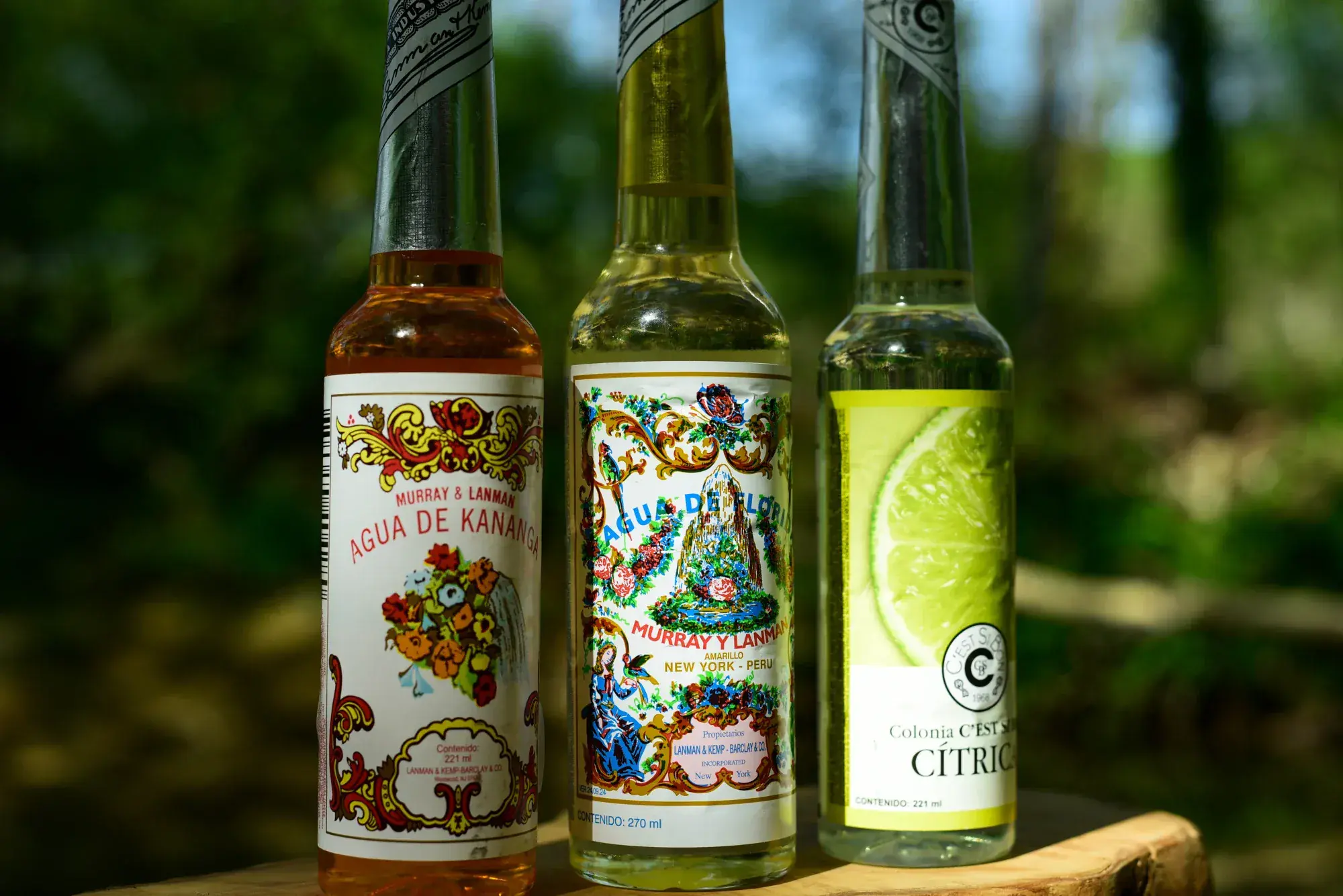
In Latin America, the healer is called curandera; in Brazil, benzedeira, the one who blesses. In Mexico, the limpia sweeps a bunch of rue, basil or pirul over the body. In the Andes and the Amazon, curanderos blow a mouthful of Agua de Florida over the person, the soplo: a water of flowers and citrus launched in New York in 1808 by the perfumer Robert Murray. In Brazil, the benzedeira holds a sprig of arruda or guiné during her prayer.
Mugwort: set it aside during pregnancy and breastfeeding; take care if you are allergic to the daisy family (Asteraceae). Rue is toxic: in sunlight it burns the skin that has touched it, and it is dangerous during pregnancy. Mandrake, belladonna, datura and henbane are poisons: a few berries or a few seeds are enough for a serious poisoning. Burn herbs with the window ajar, away from curtains, and with asthma, keep the smoke light. Our plants are freely sold in France and the European Union; the law varies from country to country, so check yours before ordering.
The plants that European folk memory ties to witches and healers: mugwort of St John’s Eve, mullein that was called the hag’s taper, St John’s wort the devil-chaser, vervain of the omens, rue, and four famous poisons, mandrake, belladonna, datura and henbane. The table above gives the source of each story.
The written record names a few. In 1555, the physician Andrés Laguna describes a green ointment taken in Metz from a couple accused of witchcraft, made, he says, of hemlock, nightshade, henbane and mandrake. Folk memory gives the healers the herbs of the village: mugwort hung over the door, St John’s wort picked on St John’s Eve, and mullein, the hag’s taper, burned as a torch.
The herbs of the Nine Herbs Charm, an Anglo-Saxon incantation copied in the tenth century: mugwort, plantain, watercress, betony, chamomile, nettle, crab apple, chervil and fennel. Mugwort is called there the oldest of herbs.
Each tradition has its own. Europe hung mugwort over the door and called St John’s wort the devil-chaser; Maud Grieve reports that mullein was said to drive away evil spirits; in Mexico, the limpia sweeps a bunch of rue over the body. These are gestures of tradition, handed down as such.
That is its reputation, from Naples, where the cimaruta amulet copies a sprig of it, to Mexico and Brazil. It is also a toxic plant: in sunlight it burns the skin that has touched it, and it is dangerous during pregnancy. We do not sell it.
The old herbals can be read online, for free: Maud Grieve’s A Modern Herbal (1931), Pliny’s Natural History, Gerard’s The Herball. The Nine Herbs Charm is kept at the British Library. The list of sources, at the bottom of the page, names them all.
Some are. Mugwort, mullein, chamomile and lavender have been drunk or burned for centuries, with their precautions. Mandrake, belladonna, datura and henbane are poisons: they are for reading, never for taking.
Ask the Forest: ethics of a plant, dose, lineage, synergy. It shares what peoples have transmitted and what books have written.