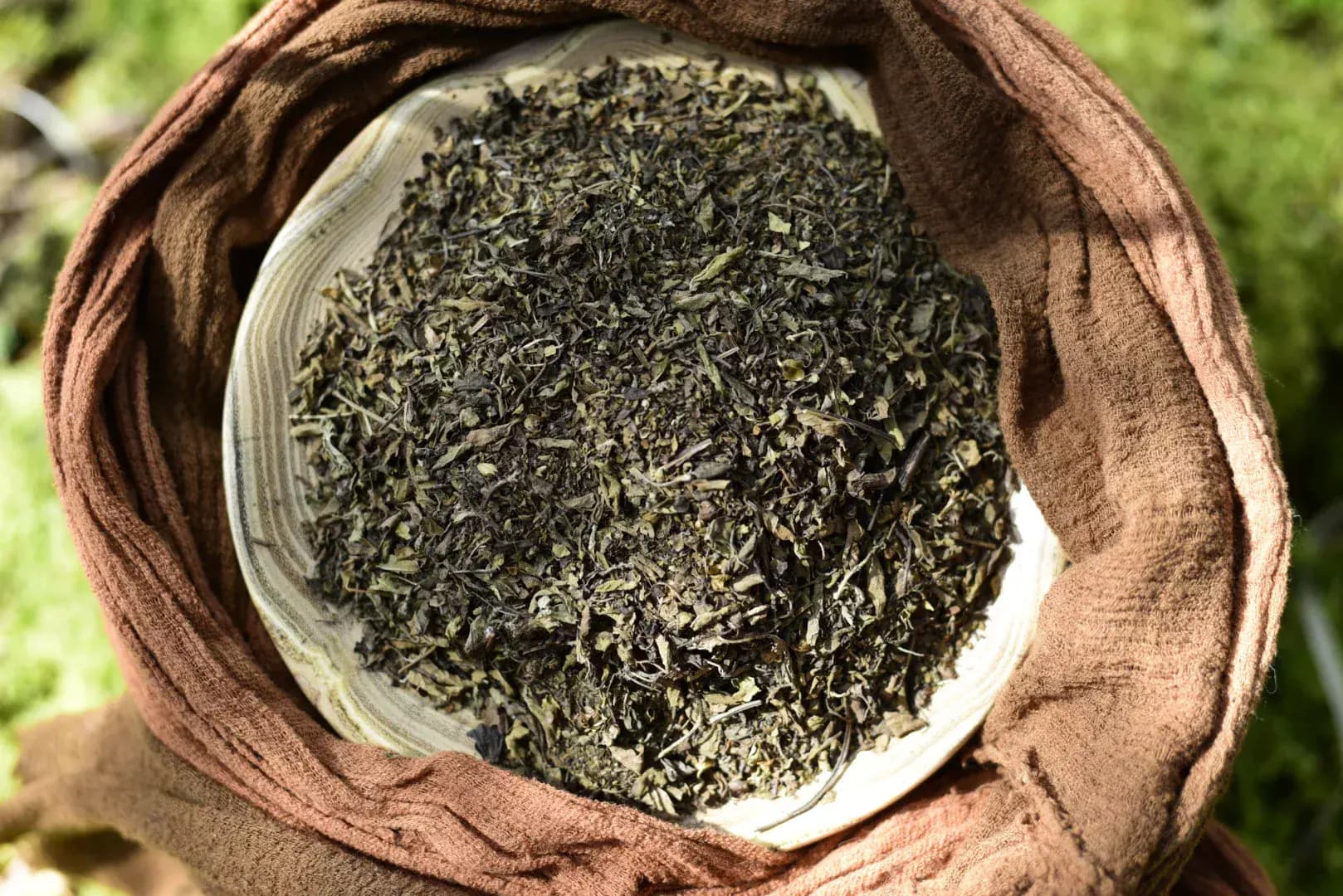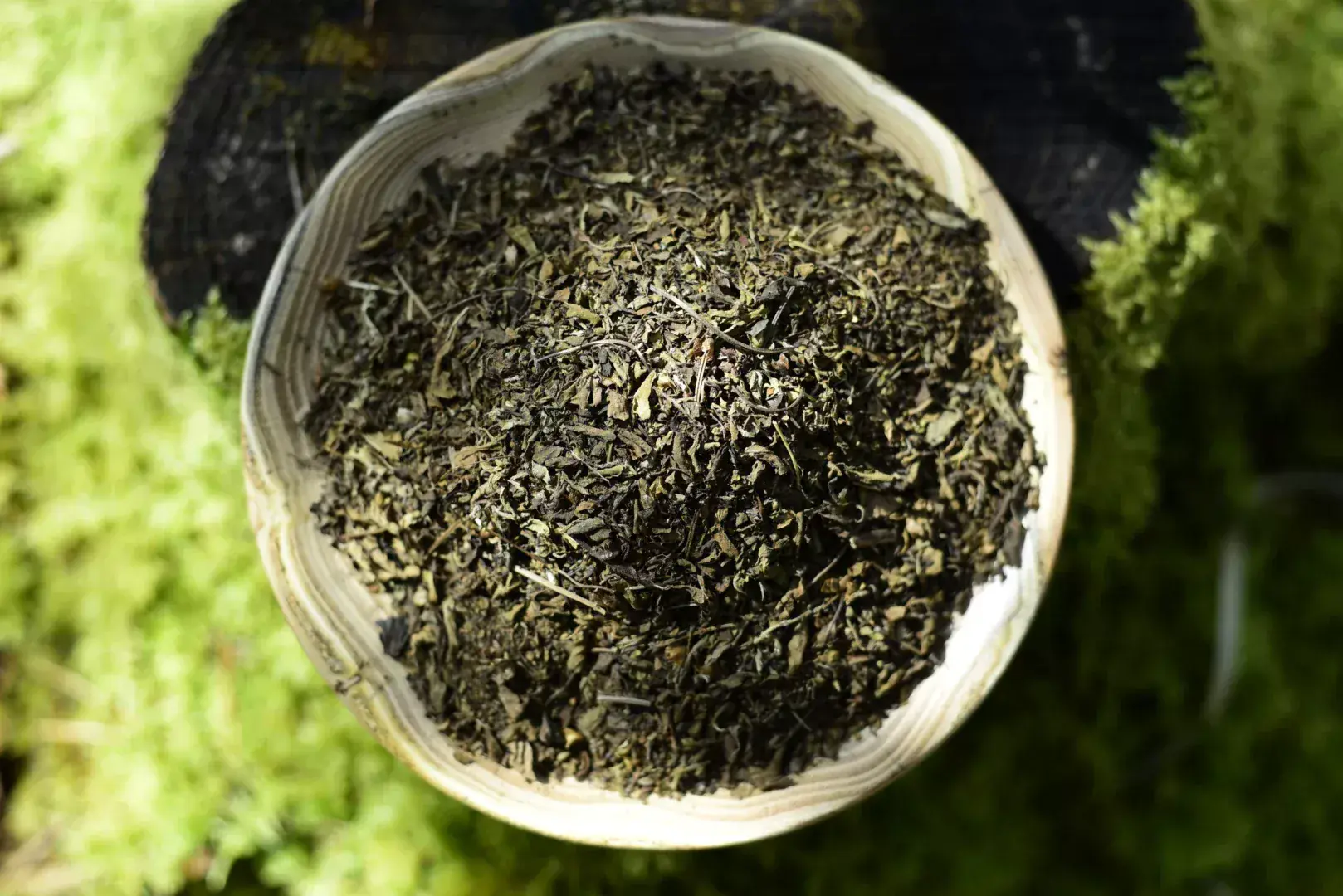
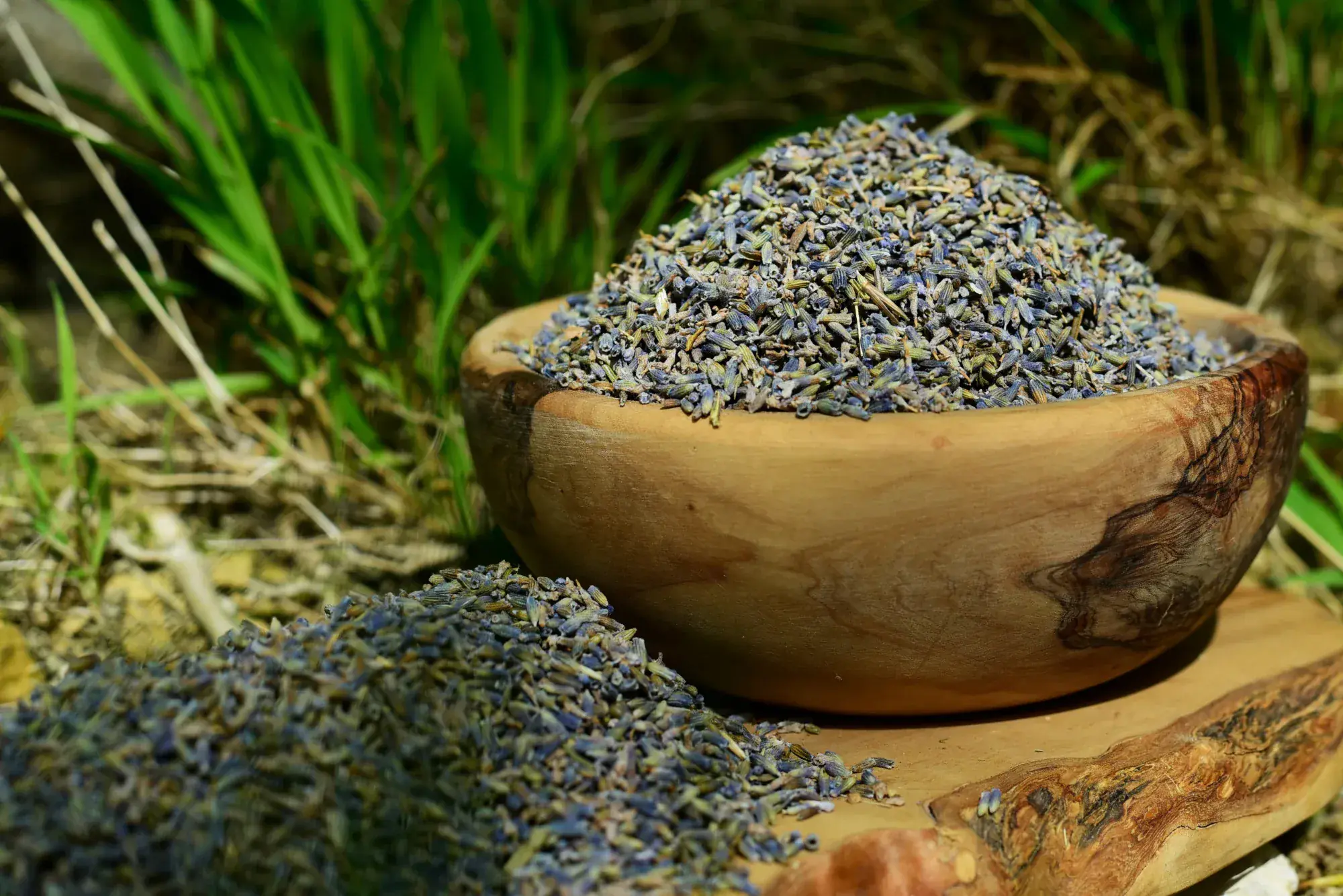
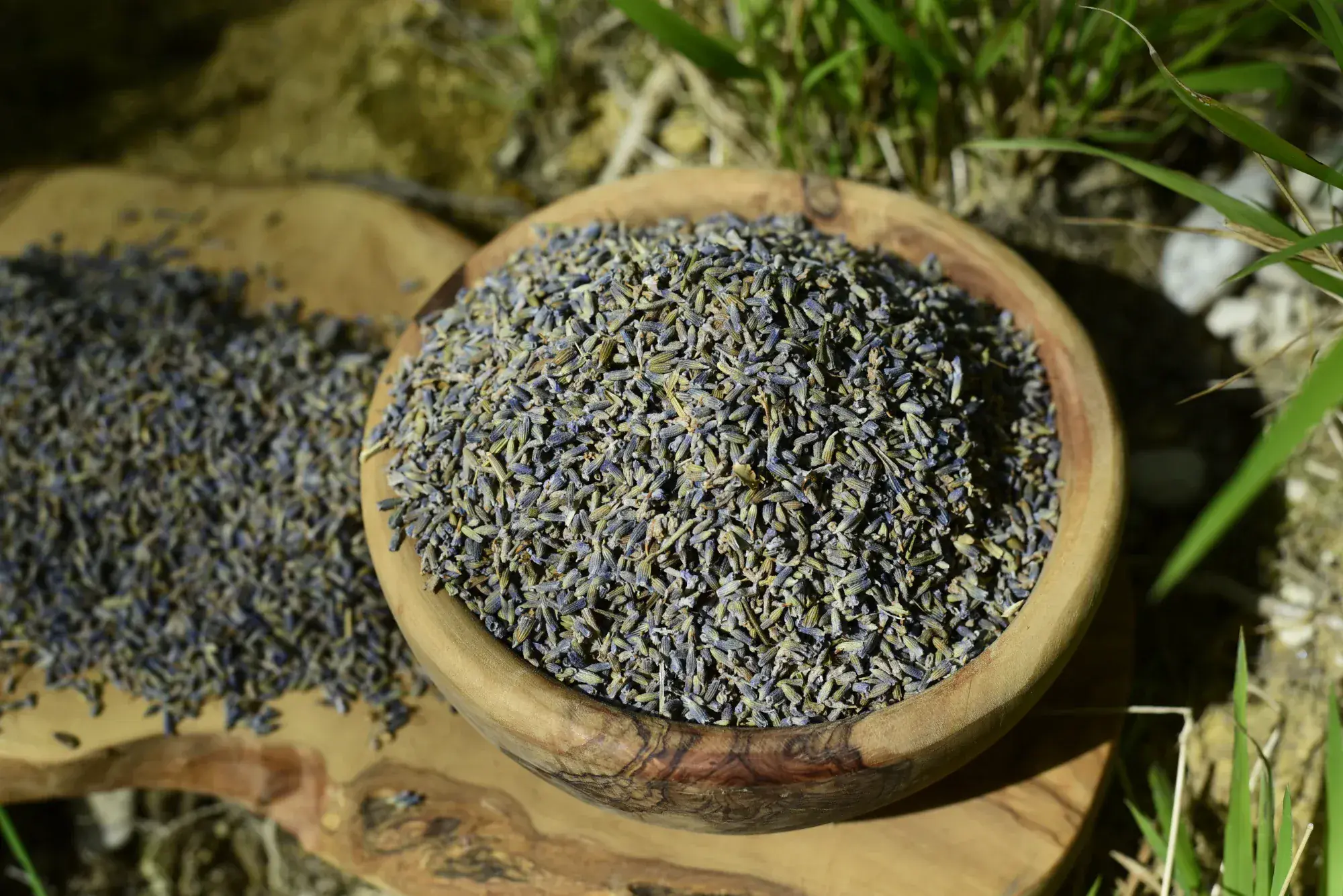
Lavender
€7.00
The banho de ervas of Brazil's terreiros, the banho de cheiro that the herb-women of Belém sell for St John's Day, the Andean flowering bath, the sweet-flag bath of 5 May in Japan: the herbal baths of the world, each with its source, and the flowers of our house that go into them.
In Brazil it is called a banho; in Japan, yakutō, the medicine bath.
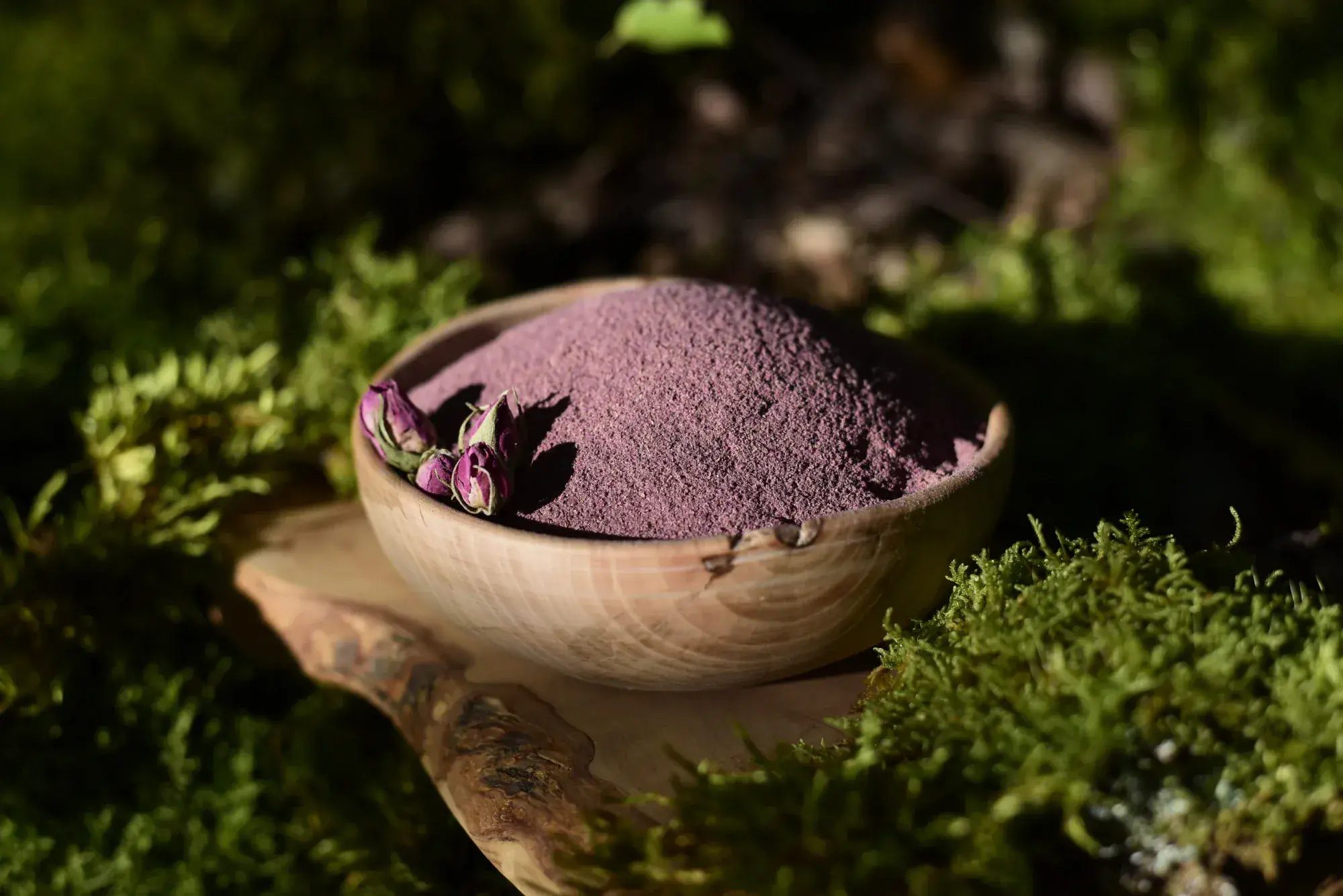
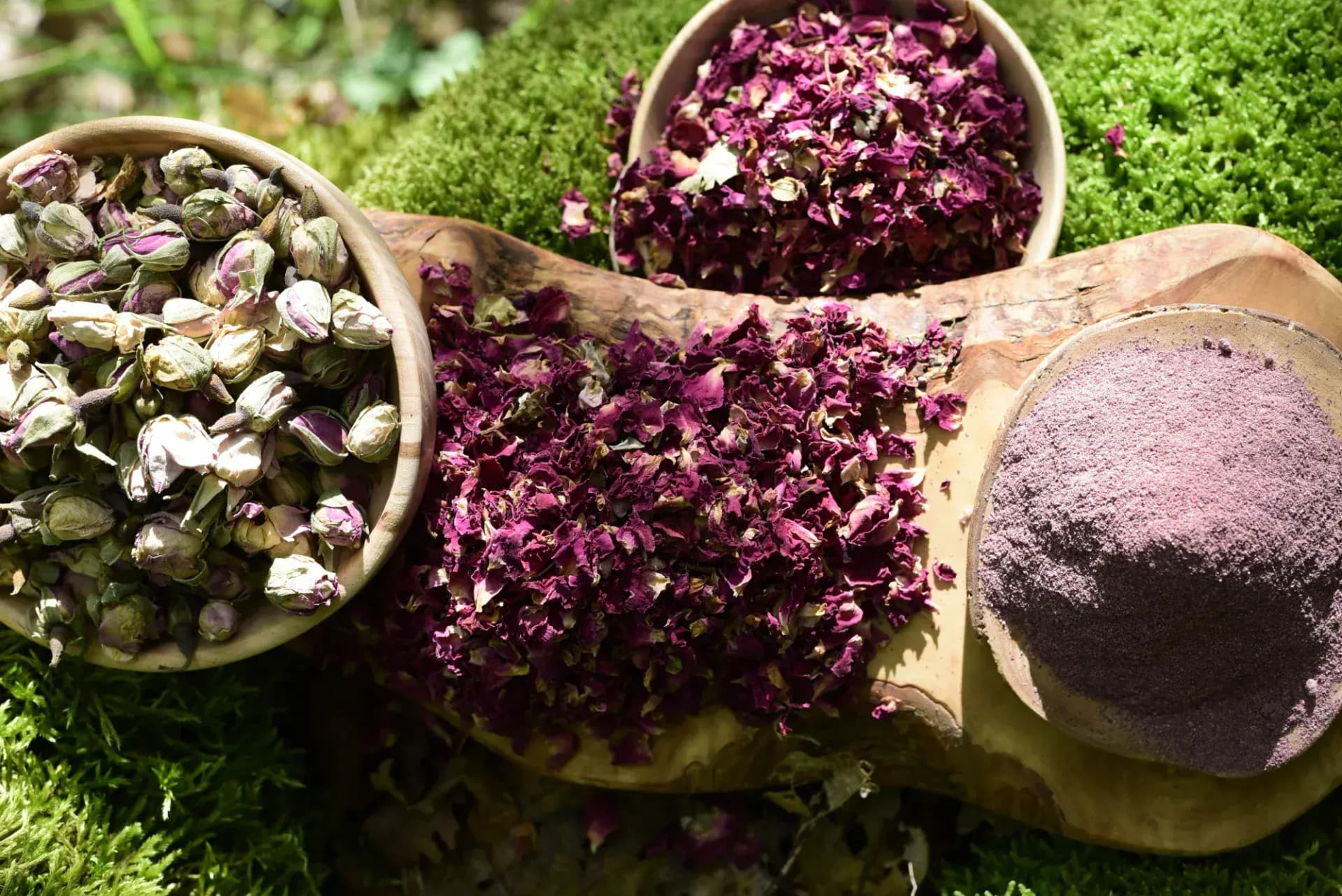
Symbol of the royalty of the heart, the Rose is a truly magnificent flower to connect with, and to use in synergy. In the bath, a few flowers in the water, for a divine experience. Rosa damascena buds grown organically in Morocco, wild petals harvested in India.
The banho de ervas of Brazil's terreiros, the banho de cheiro that the herb-women of Belém sell for St John's Day, the Andean flowering bath, the sweet-flag bath of 5 May in Japan: the herbal baths of the world, each with its source, and the flowers of our house that go into them.
A handful of herbs in a litre of just-boiled water, covered, ten minutes. Strain it: this scented water is what goes into the tub or into a basin.
The bath is taken warm. In Brazil, the banho is often poured over the body from a basin, after the shower, from the neck down.
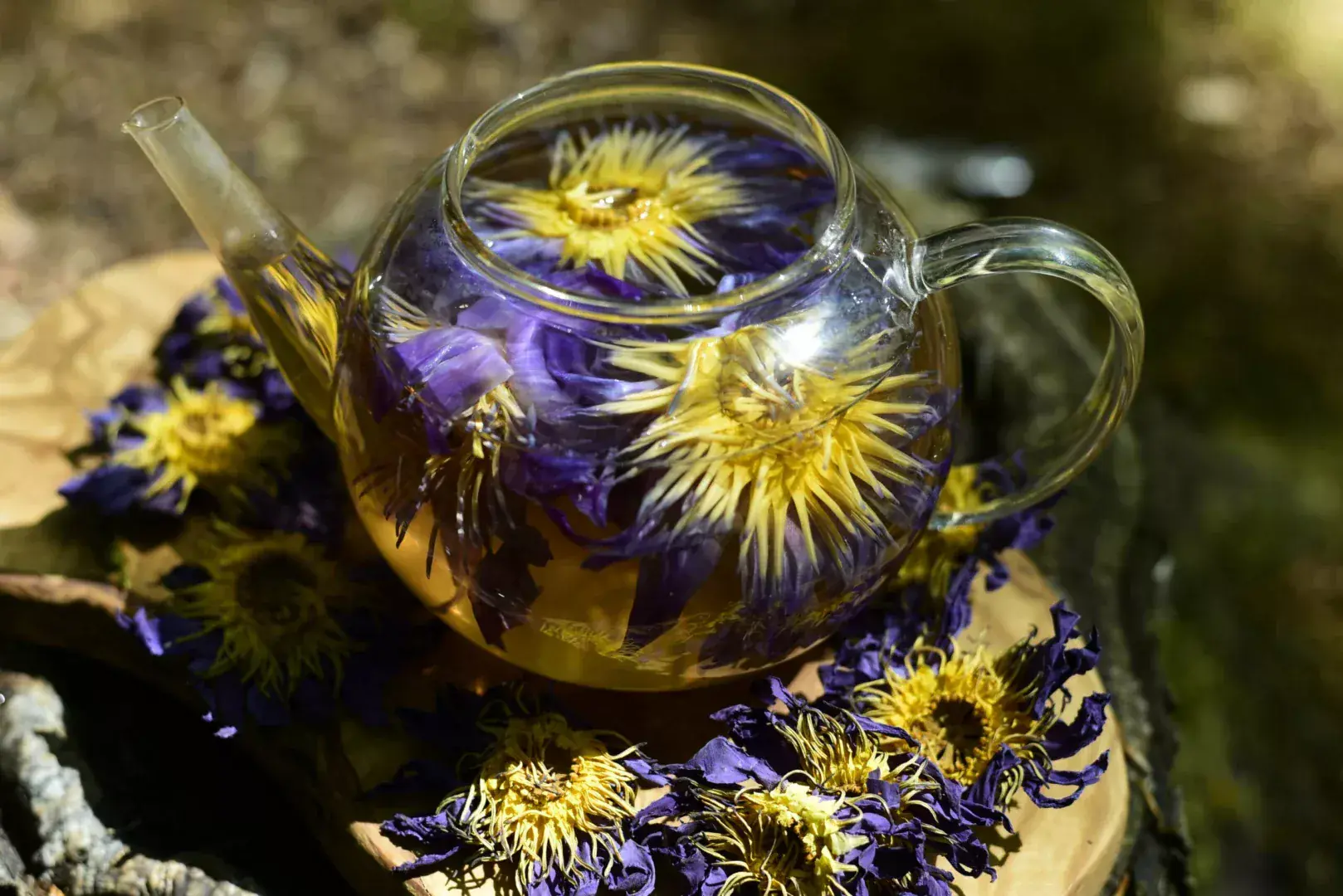
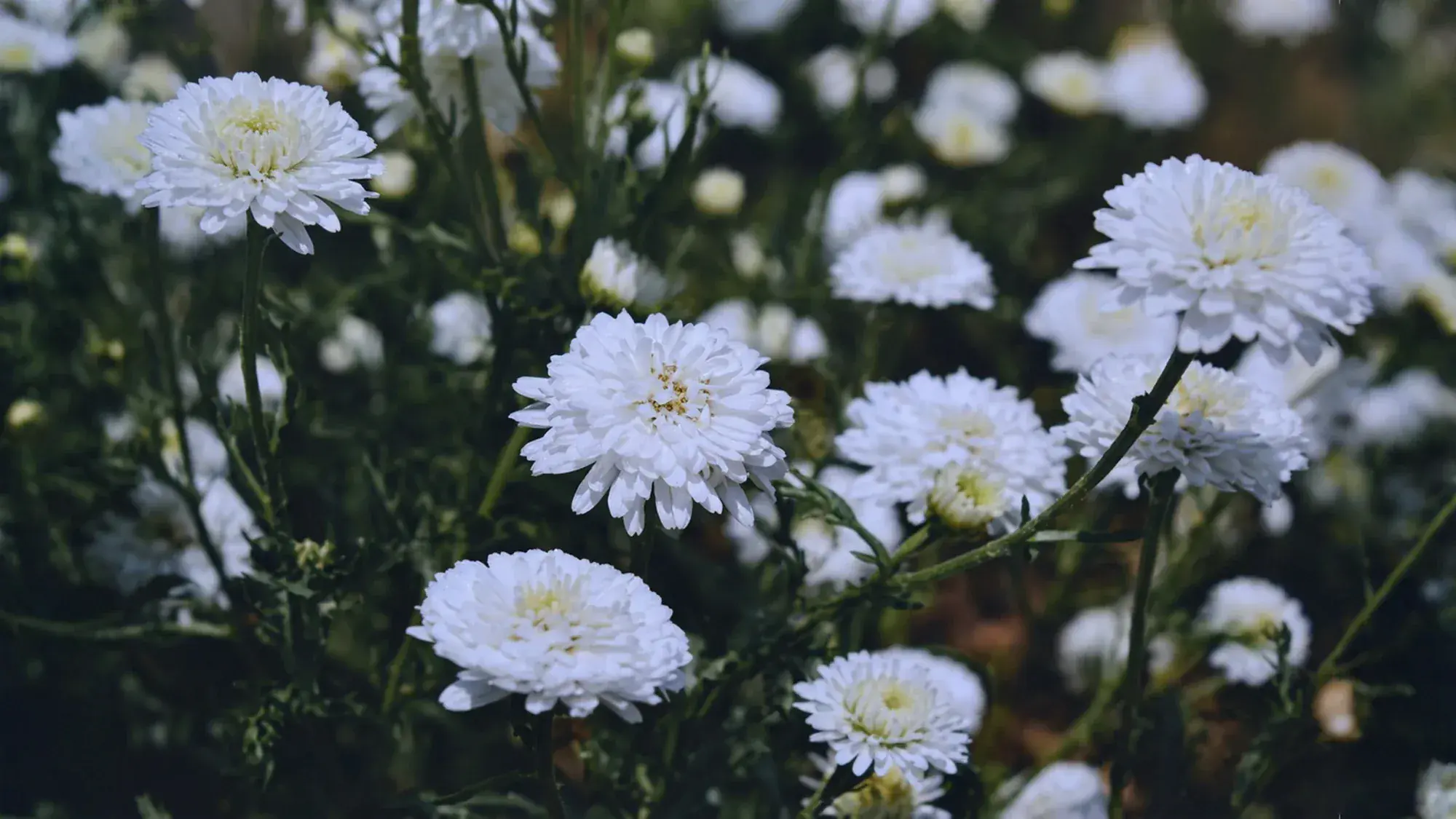
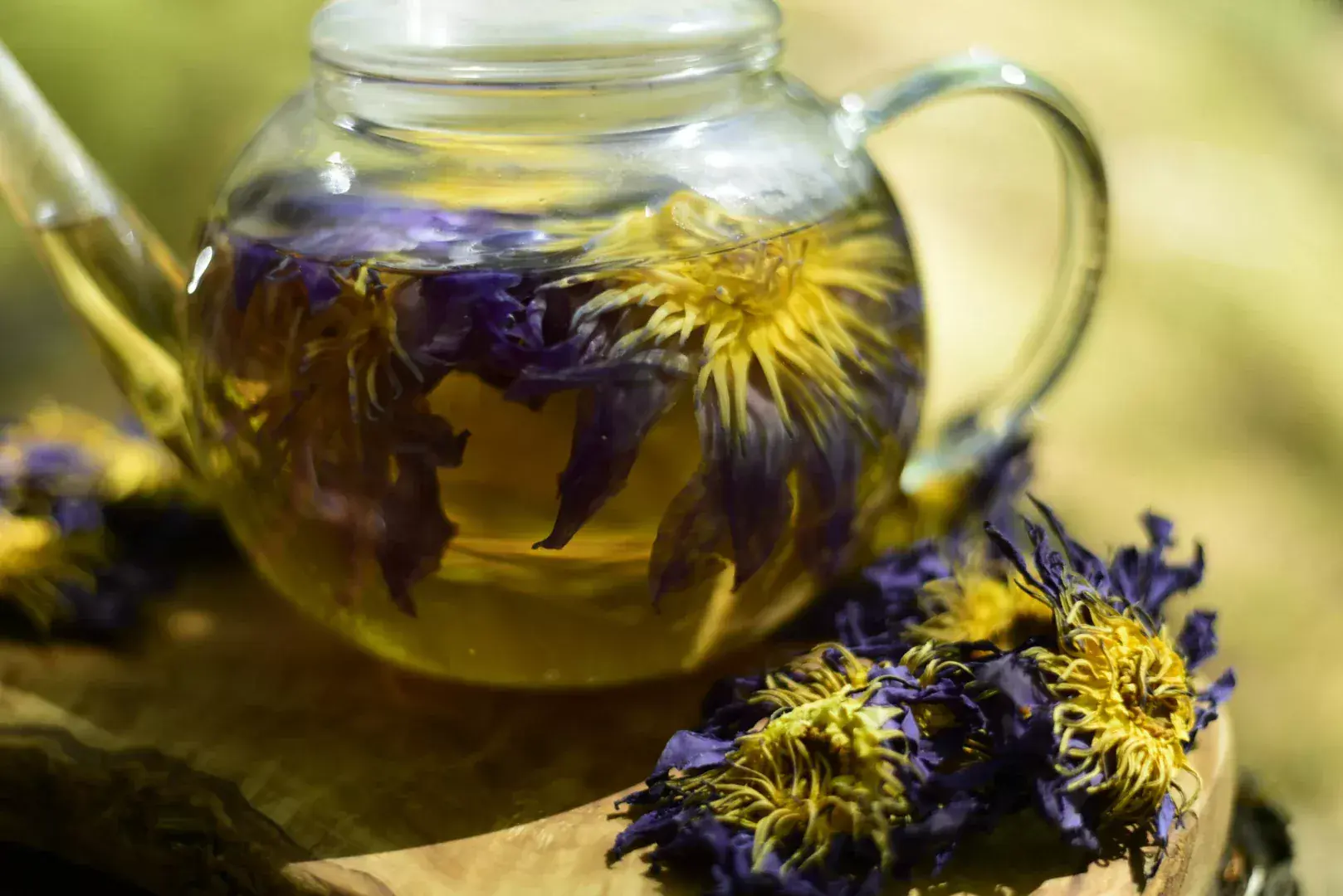
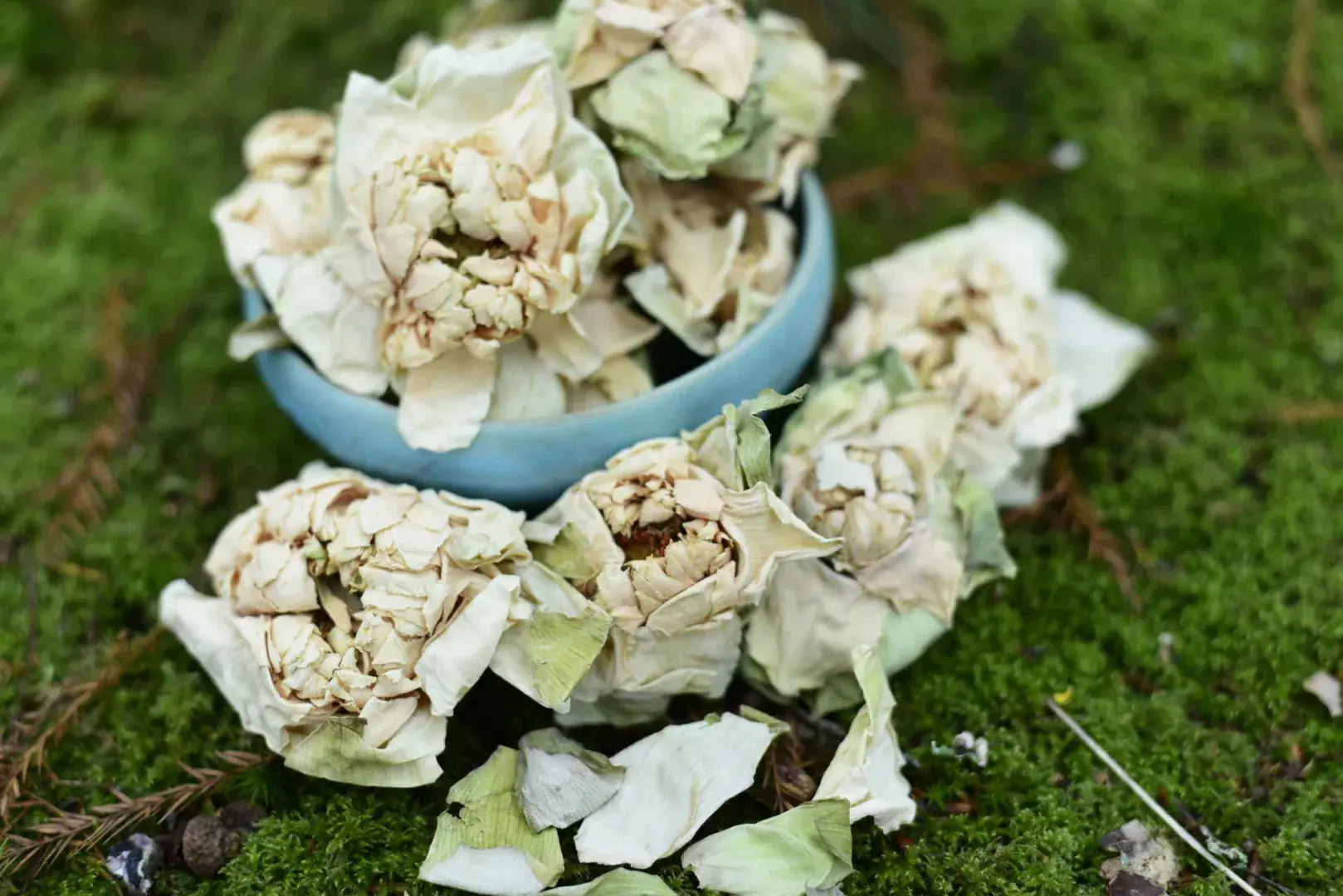
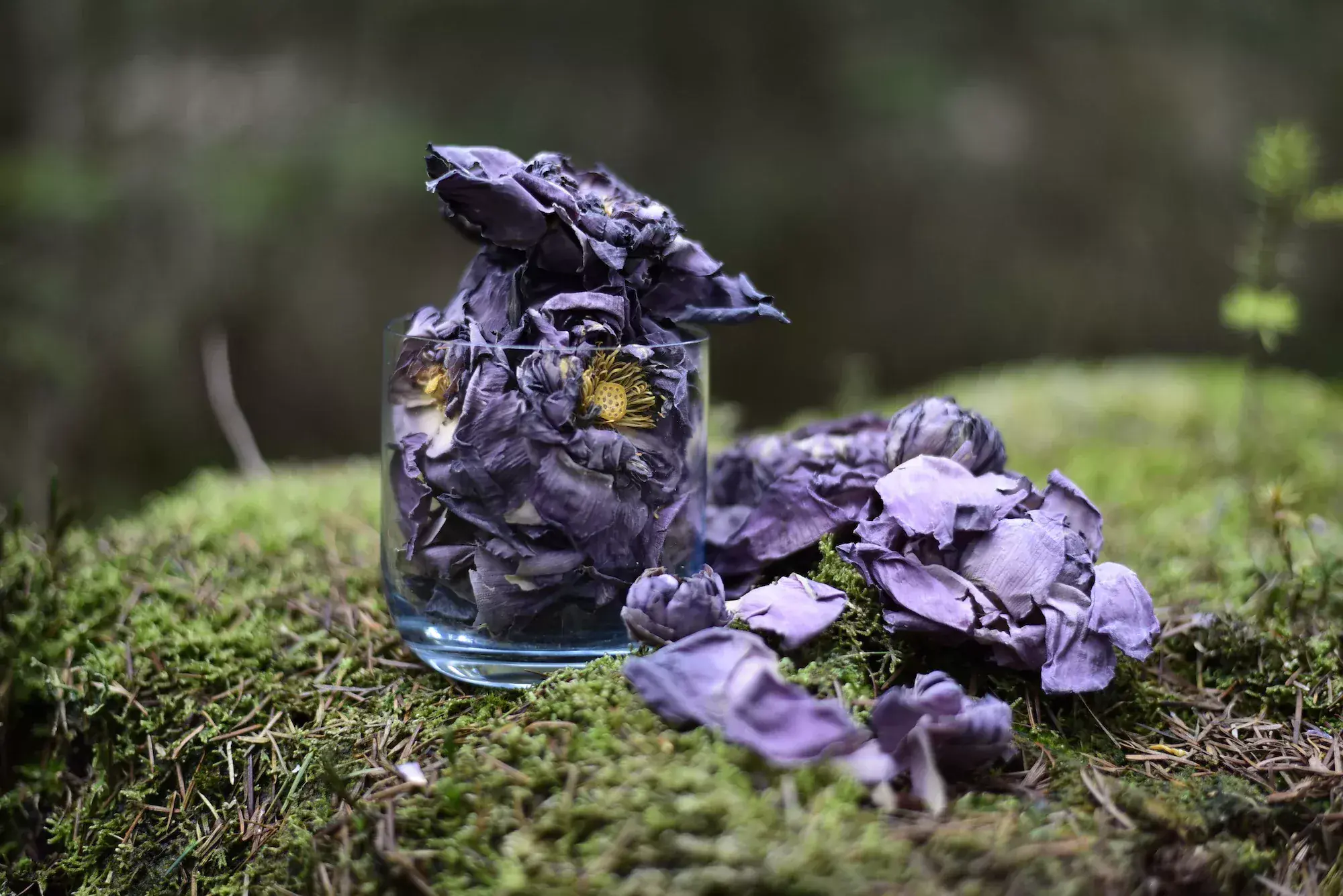
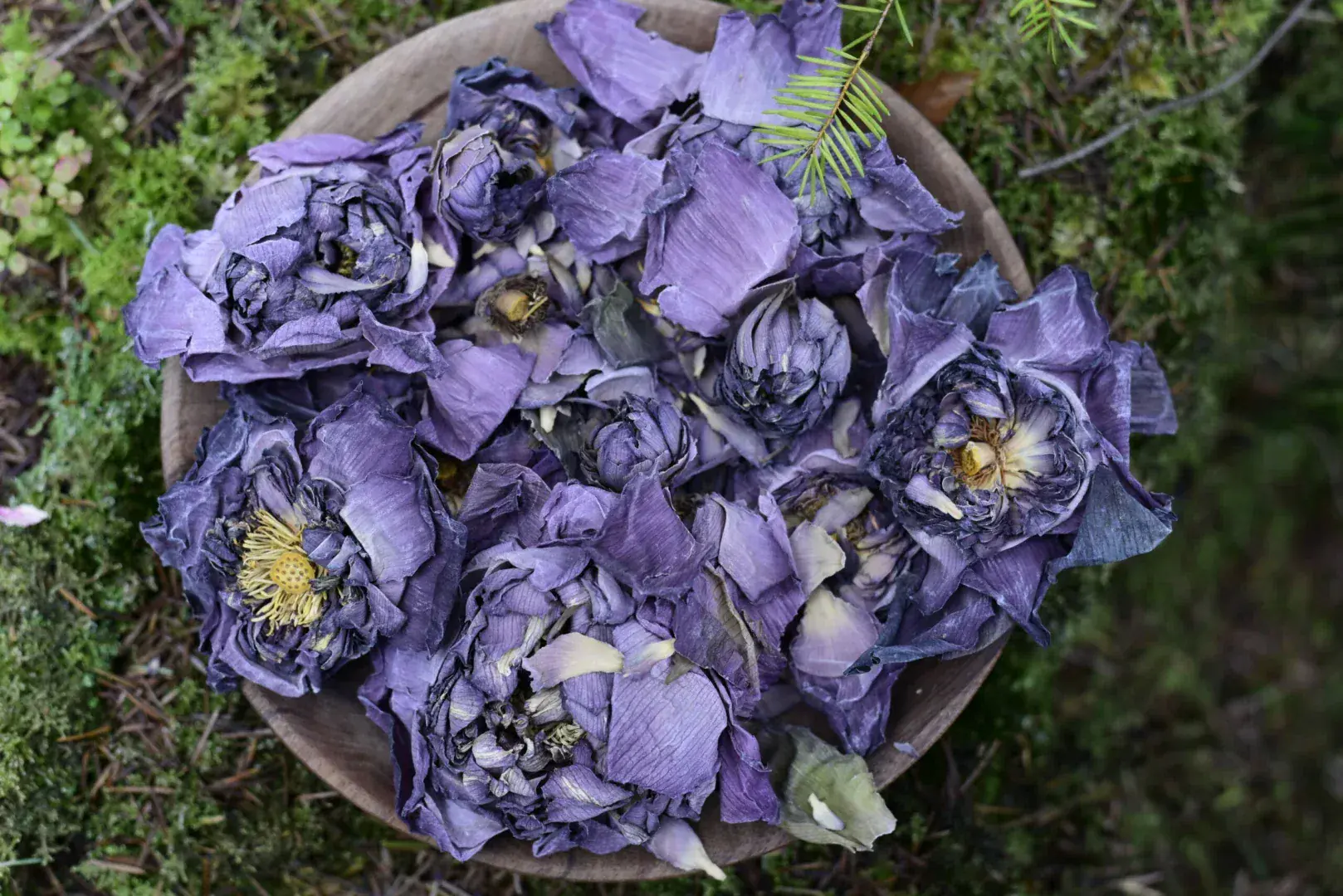
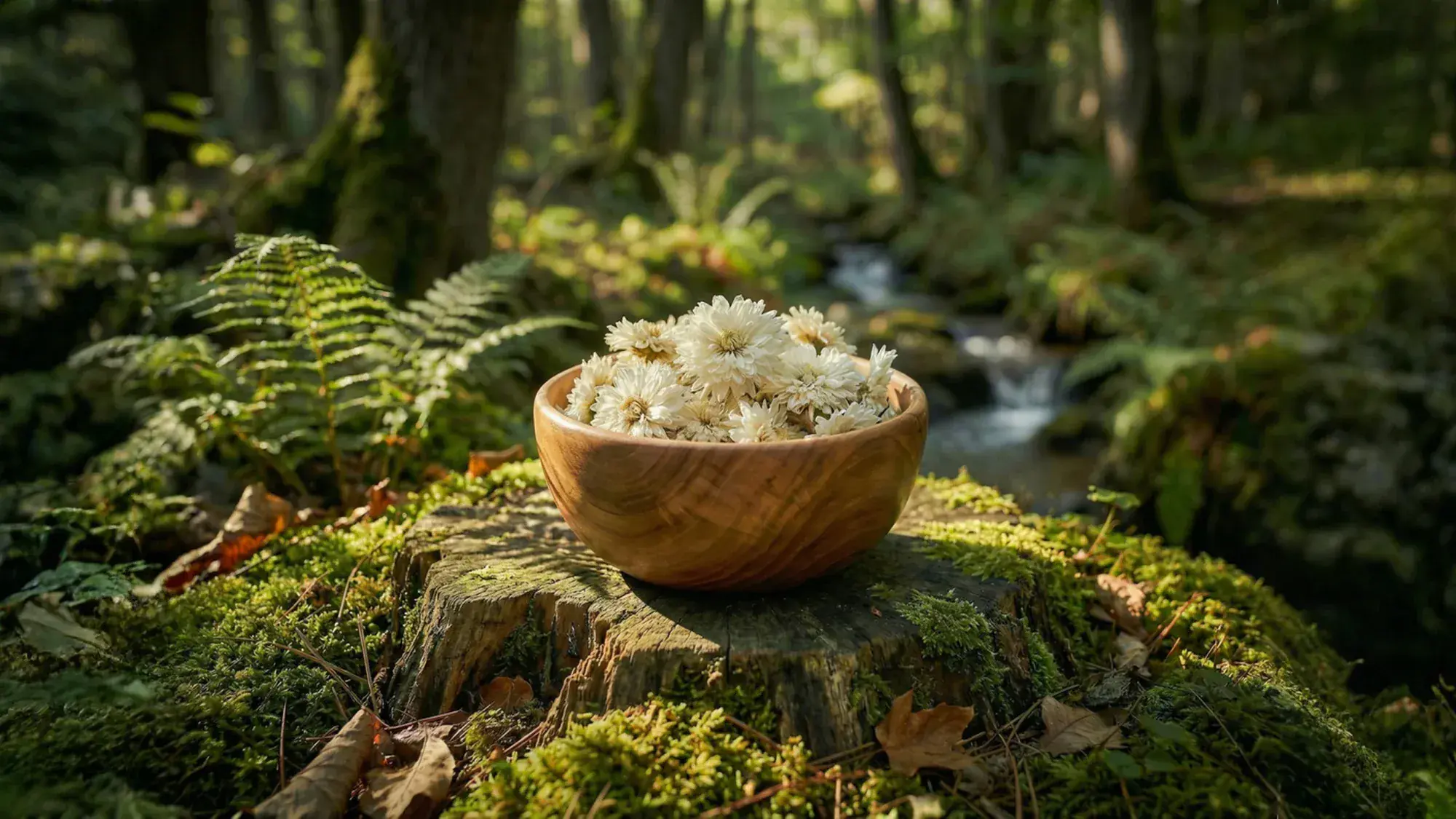
Chamomile, rose and lotus can also float whole in the water: a handful of chamomile to wash away the day's anger, a rose for a divine experience, a lotus for a sensual one.
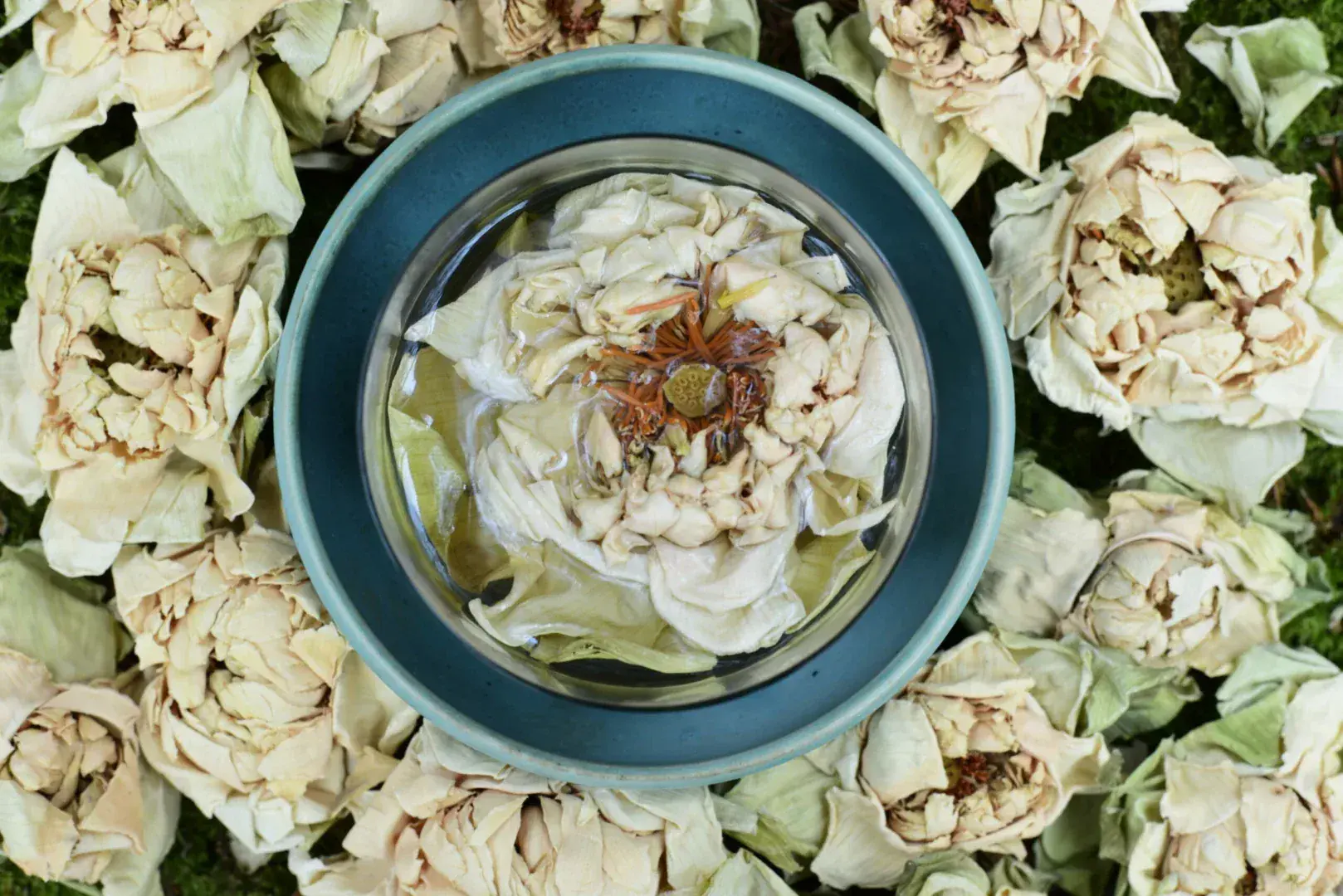
Many Brazilian houses let the water of the banho dry on the skin, without a towel. The scent stays until bedtime.
An herbal bath is water in which flowers, leaves or bark have steeped, poured over the body or into the tub. The traditions give it a moment and an intention: the eve of a feast, the turn of the year, a prayer, a weight to set down. In English it goes by spiritual bath, cleansing bath, ritual bath; in Brazil, simply banho.
In umbanda, the banho de ervas belongs to the life of the terreiro and flows far beyond it into everyday life. The best known is the banho de descarrego, the unloading bath, poured from the neck down: many terreiros keep the head, the ori, for separate care. Then come the baths of intention: the banho para abrir caminhos, which tradition takes before a journey, a new job, a year that begins; the banho de prosperidade; the banho para atrair amor, nearly always made with roses. Tradition says these baths open the way; each house has its recipe and its way of saying it.
In candomblé, the leaf carries axé, the life force. A Yoruba proverb repeated in the houses of candomblé says it all: Kò sí ewé, kò sí òrìṣà, “without leaves there is no orixá”. The leaves belong to Ossaim, the orixá of sacred leaves, and their bath has a name: abô, an infusion of consecrated leaves. Pierre Verger devoted a whole book to this science of leaves, Ewé (1995).
The benzedeira, the woman who blesses, prays with a sprig of rue, guiné or rosemary in her hand, and often prescribes a bath as well as a tea. In Juruena, Mato Grosso, the benzedeiras interviewed by Maciel and Guarim Neto (2006) “bless, prepare and prescribe teas, garrafadas, special baths and ointments”.
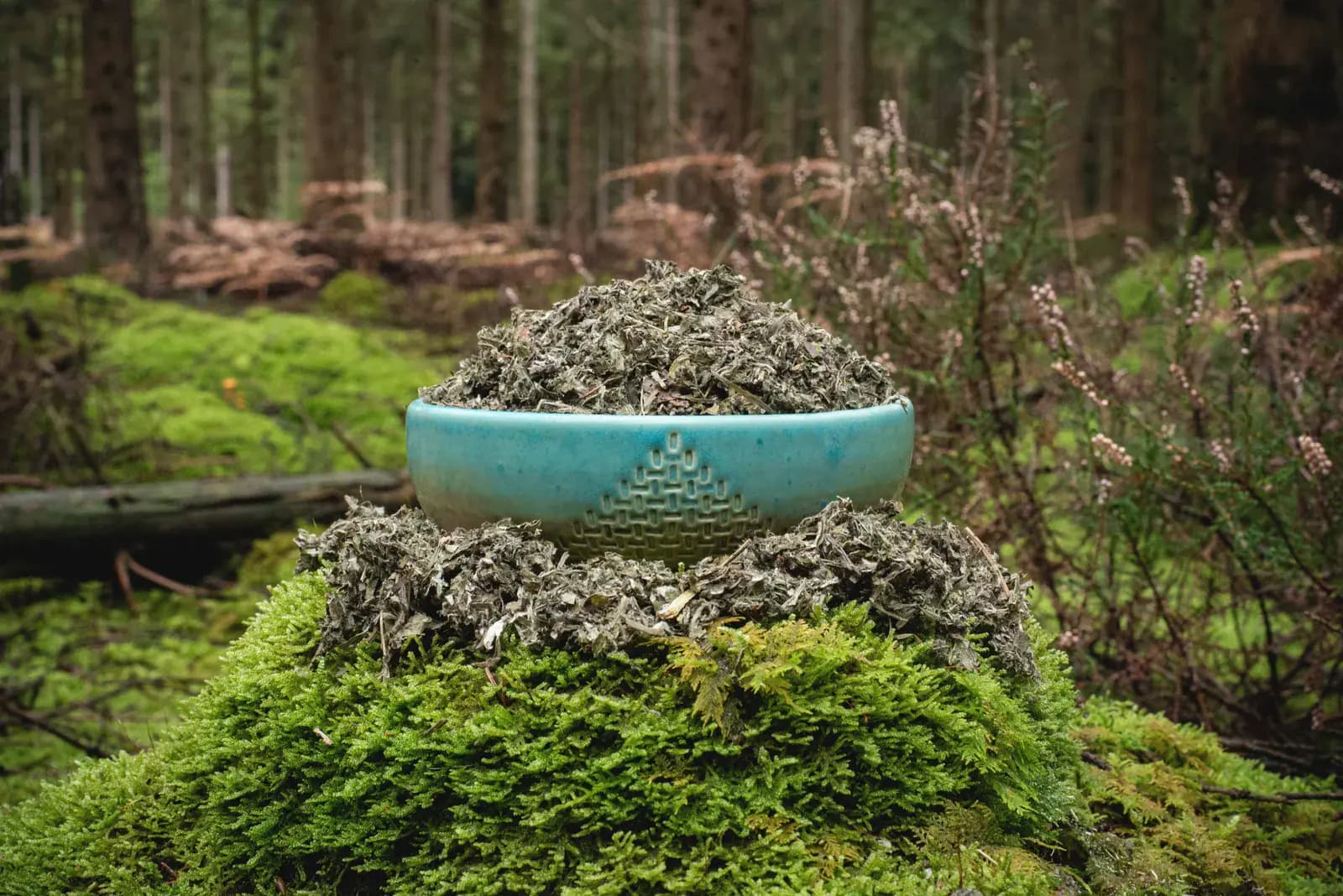
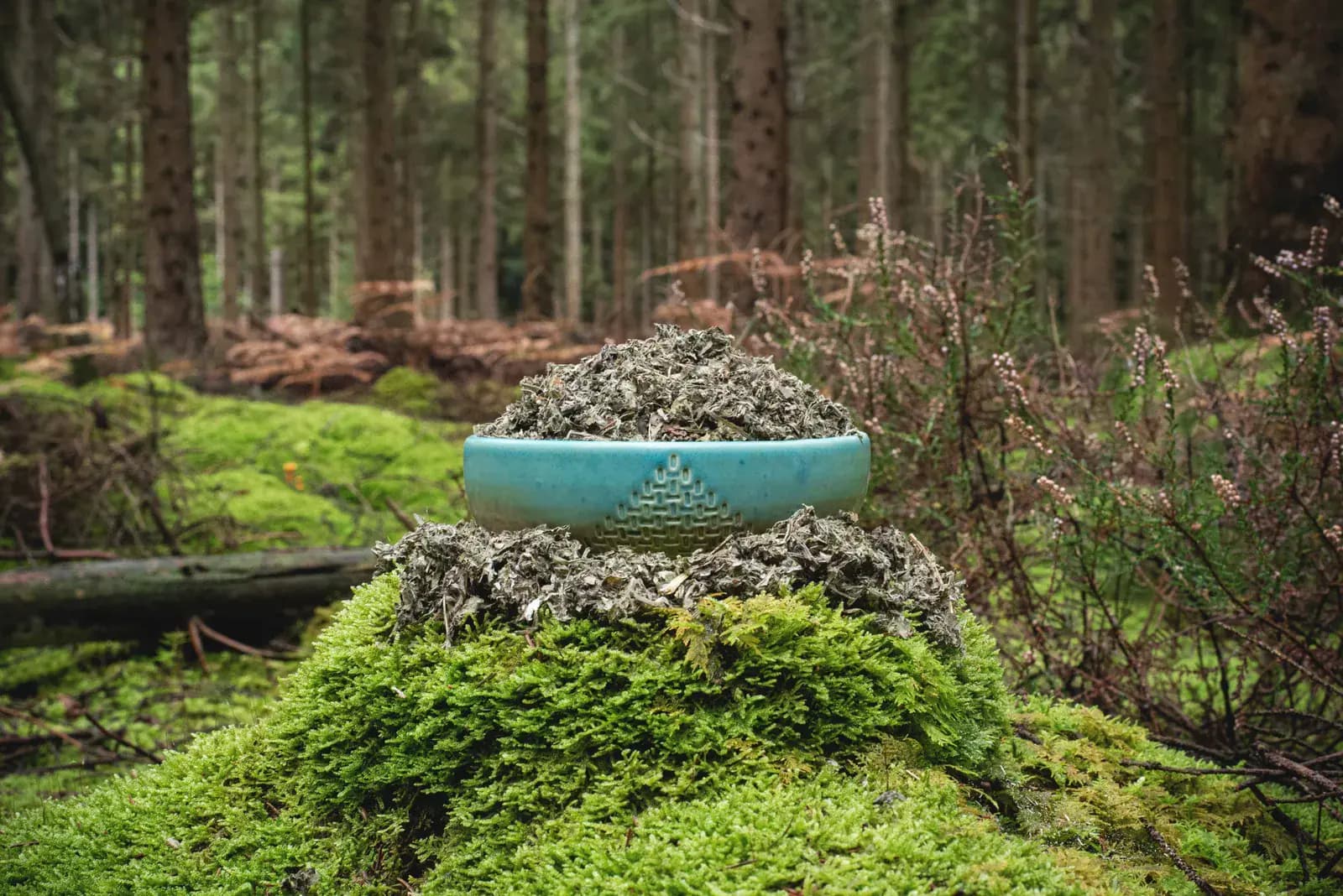
In the Amazon, in Belém do Pará, the erveiras of the Ver-o-Peso market grate scented leaves, roots and bark: patchouli, priprioca, cumaru, rosemary, lavender, jasmine, basil, vanilla. This is the banho de cheiro, the scent bath, taken for the June festivals of St John, for the Círio de Nazaré and on New Year's Eve, often after a first unloading bath. The recipe passes by word of mouth, often from mother to daughter.
St John's Eve and its flower water, from Italy to Galicia: St John's Eve herbs.
Those whose history is written down, with the source of each story:
| Bath | Where and when | What is told of it | At INFUSE |
|---|---|---|---|
| Banho de descarrego | Brazil, umbanda | the bath that unloads what weighs on you; poured from the neck down | rue and guiné are not sold |
| Banho para abrir caminhos | Brazil, umbanda | tradition says it opens the way, before a journey or a new job | each house has its recipe |
| Abô | Brazil, candomblé | the infusion of consecrated leaves, in the keeping of Ossaim (Verger, 1995) | not sold |
| Banho de cheiro | Belém, Pará: St John's Day, Círio de Nazaré, New Year | scented leaves and roots grated by the herb-women of Ver-o-Peso | lavender, part of the recipe |
| Baño de florecimiento | Peru and Bolivia, at New Year | the flowering bath of the Andean healers, with yellow flowers, so that the year may bloom | — |
| Acqua di San Giovanni | Italy, the night of 23 June | flowers and herbs left outdoors in a basin; in the morning, you wash your face with it | lavender |
| Shōbu-yu, 菖蒲湯 | Japan, 5 May | sweet-flag leaves (Acorus calamus) keep ill fortune away; the custom is recorded at court in 1533 | not sold |
| Agrafena's bathhouse | Russian North, eve of Ivan Kupala | the bathhouse is heated and people wash with the herbs gathered that same day | mugwort, one of the St John's herbs |
| Hay-flower bath | Germany, 19th century | the Heublumenbad Sebastian Kneipp used to relax the body | not sold |
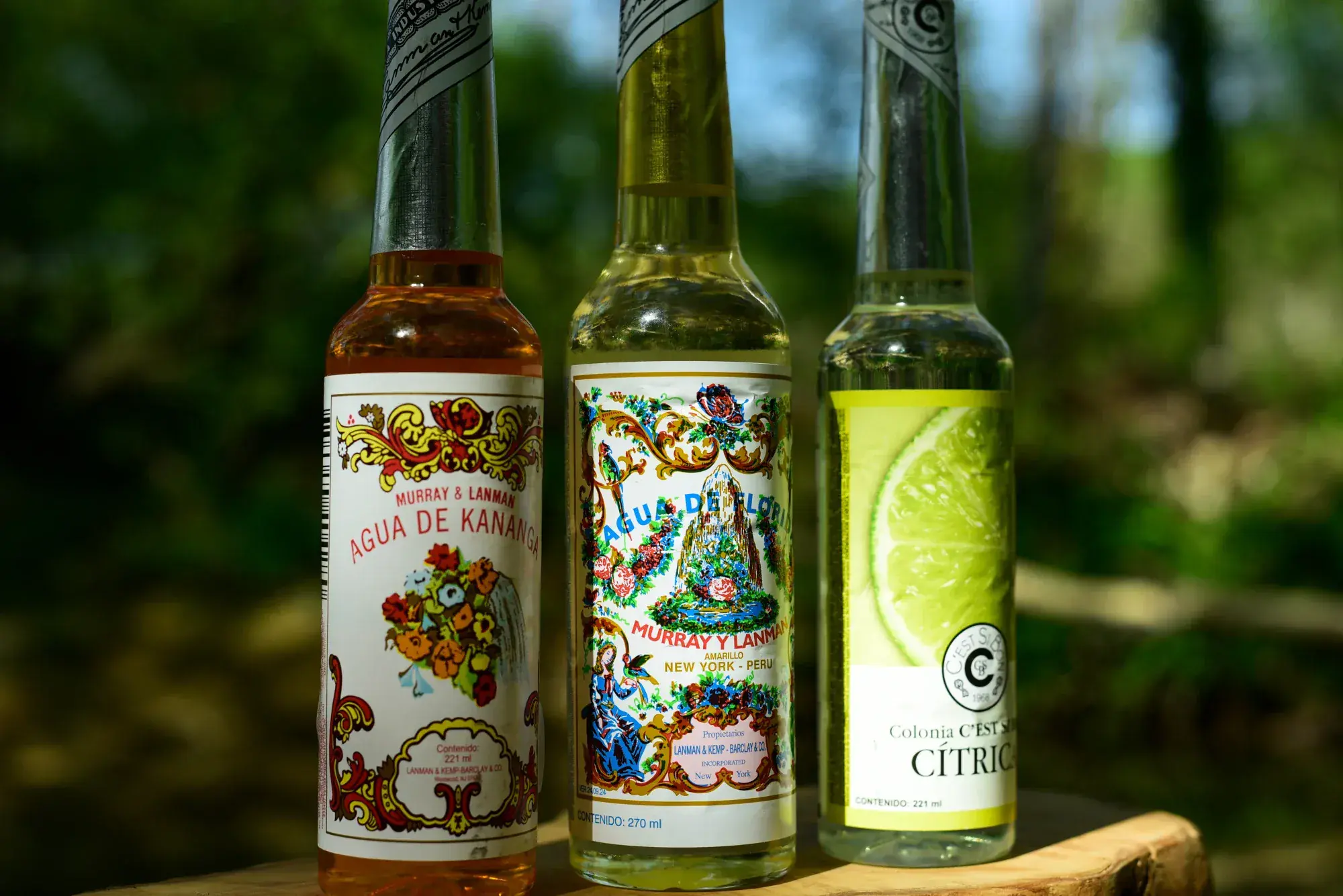
Two to three tablespoons of dried herbs, or a handful of flowers, for a litre of water. Pour the just-boiled water over them, cover, steep ten minutes, strain. The infusion goes into a tub of warm water, or into a basin that you pour over your body after the shower. For Agua de Florida, a few drops in the water are enough.
Tradition is fond of moments: many banhos are taken in the evening, some on a particular moon or on the eve of a feast. Once the bath is done, the herbs go back to the earth, at the foot of a tree or in the garden.
The full moon bath and the other rites of the moon, tradition by tradition: full moon and new moon rituals.
Warm water, never scalding. A first try on a small patch of skin, especially for sensitive skin and in case of allergy to the Asteraceae (chamomile, mugwort). During pregnancy, mugwort and rue are avoided. Rue, arruda, makes the skin sensitive to the sun: after a rue bath, exposed skin can burn. Cinnamon, clove, chilli and essential oils irritate the skin; an essential oil never goes neat into the bath. The comigo-ninguém-pode (dumb cane) of Brazilian protection pots is toxic and never goes into the water. Agua de Florida contains alcohol: only a few drops, away from the eyes and from any flame. For a baby or a young child, ask a paediatrician first.
Two to three tablespoons of dried herbs in a litre of just-boiled water, ten minutes covered, then strained. The infusion goes into a warm bath, or into a basin you pour over yourself after the shower, from the neck down as in Brazilian umbanda. Whole flowers, rose, lotus, chamomile, can also float in the water.
Each tradition has its own. In Brazil, rue, guiné, rosemary and coarse salt; in Japan, sweet flag on 5 May; in the Andes, flowers and a few drops of Agua de Florida. These are gestures of tradition, passed on as such.
Those of the Brazilian banhos: lavender (alfazema), rose, chamomile, rosemary, basil. At INFUSE: roses, lavender, noble chamomile, the lotuses and mugwort.
Those of the Nine Herbs Charm, an Anglo-Saxon incantation copied in the tenth century: mugwort, plantain, watercress, betony, chamomile, nettle, crab apple, chervil and fennel. Their story is told on our page of witch herbs.
Hyssop is its plant of purification. Psalm 51 asks: “Purge me with hyssop, and I shall be clean.” In Leviticus, hyssop also goes into the rite of cleansing.
A warm bath of rose or chamomile is taken gently. Mugwort and rue are avoided during pregnancy, as are essential oils; when in doubt, ask your midwife or doctor first.
Ask the Forest: ethics of a plant, dose, lineage, synergy. It shares what peoples have transmitted and what books have written.