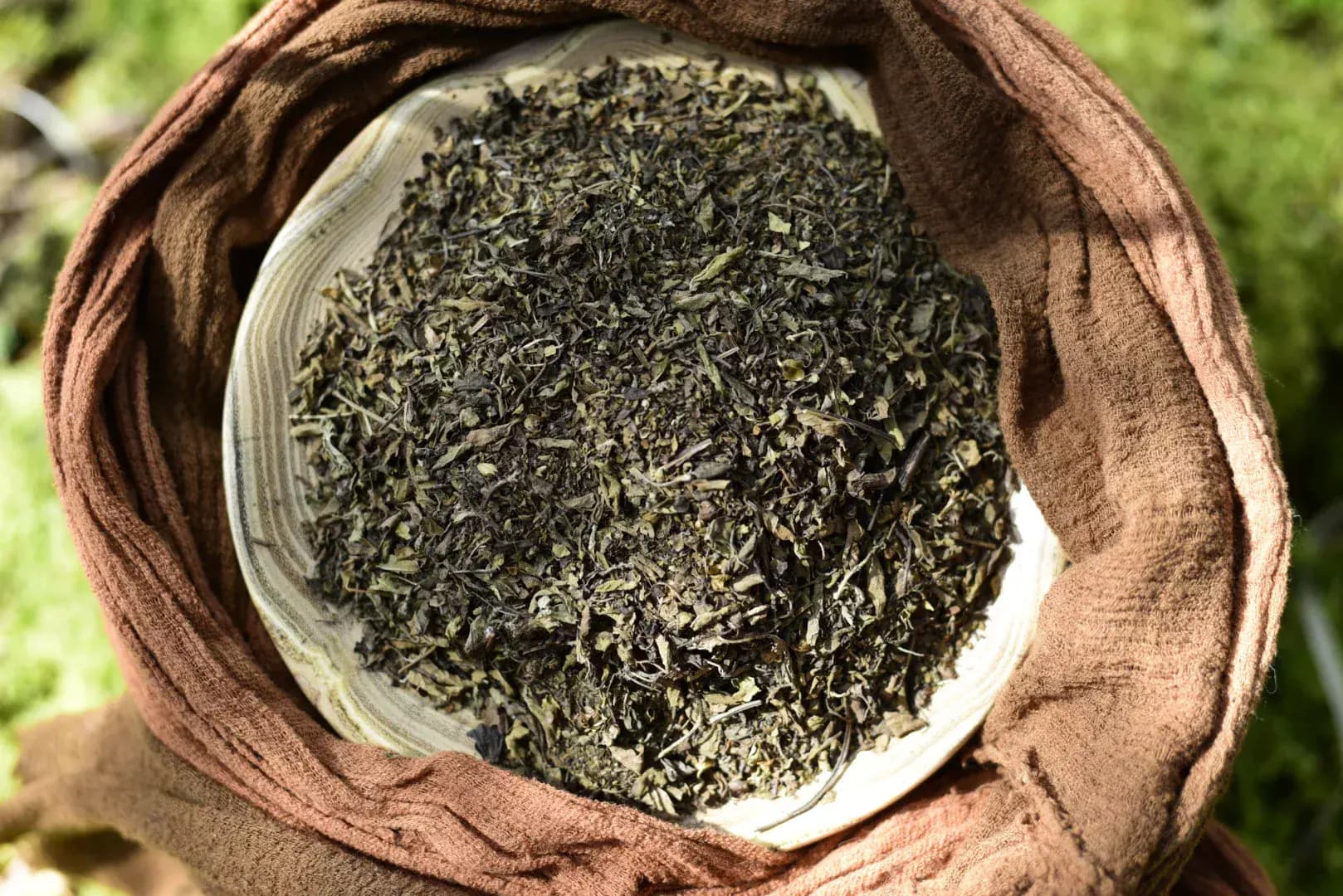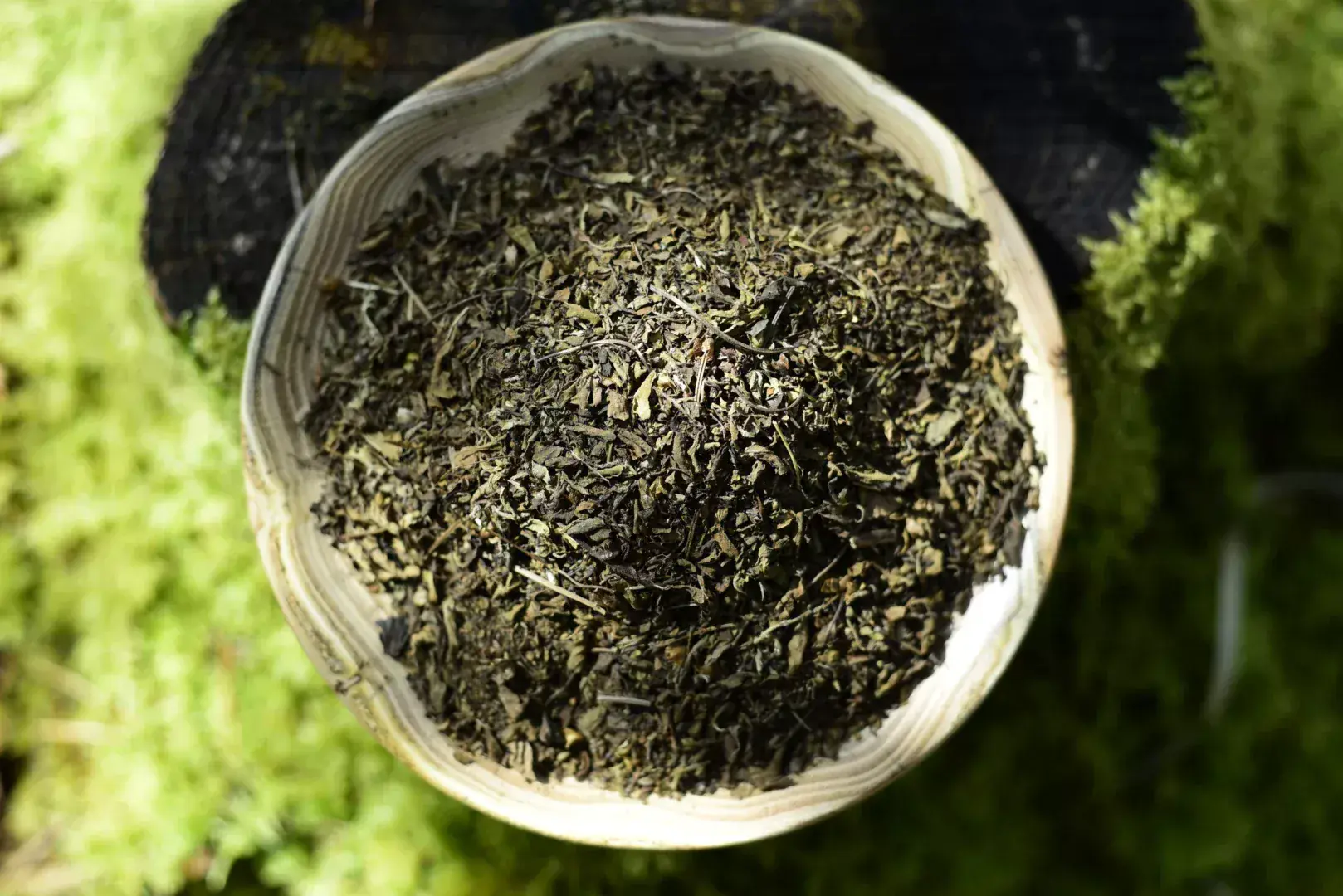
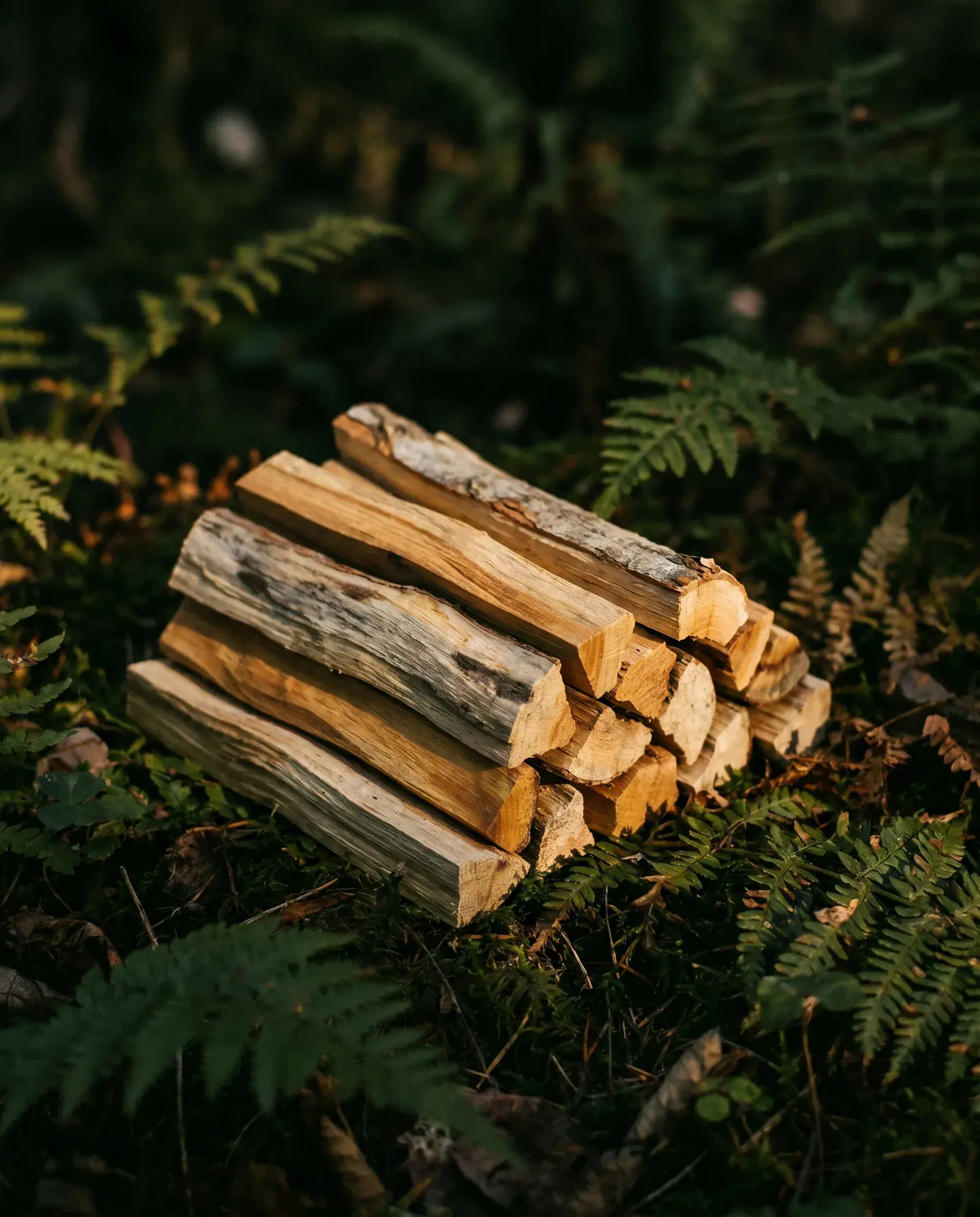
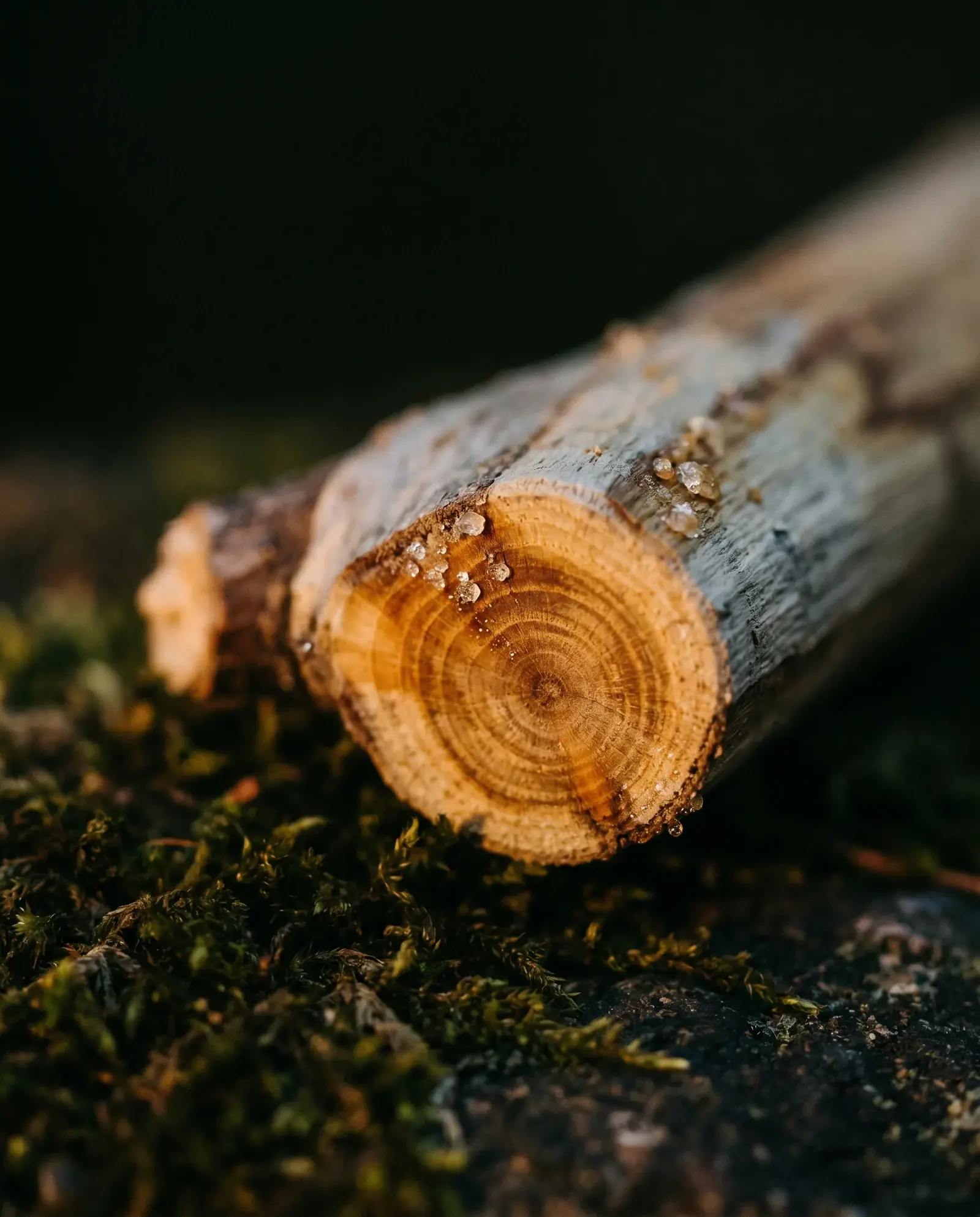
Palo Santo
€3.00
The rice pudding India leaves out under the autumn full moon, the rice dumplings of the Japanese *tsukimi*, the monks' *uposatha* days, the mistletoe the druids cut on the sixth day of the moon: the moon rituals of the world, their herbs, and what sleep science says about the full moon.
Everywhere, people have counted time by the moon and given her nights of her own.
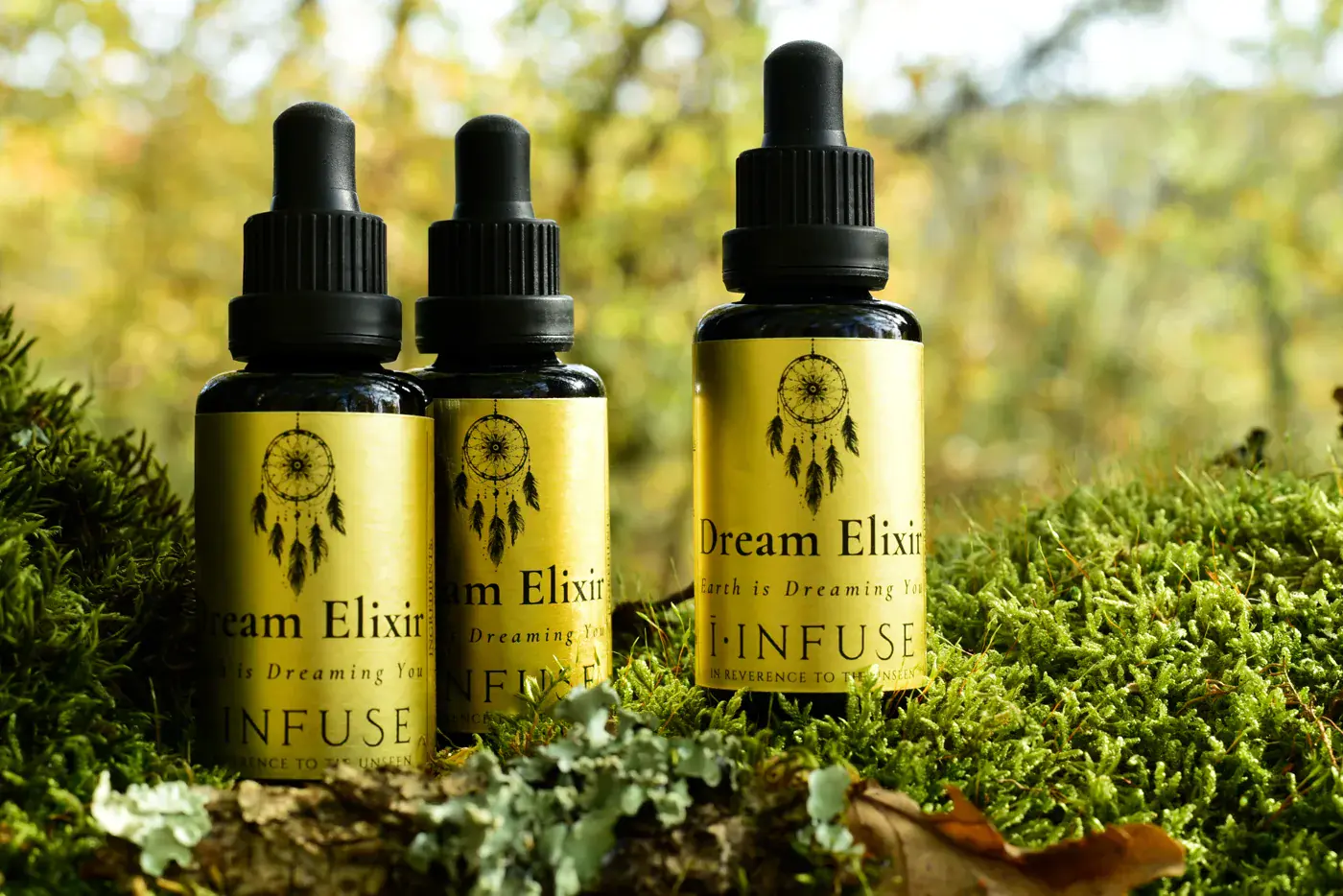
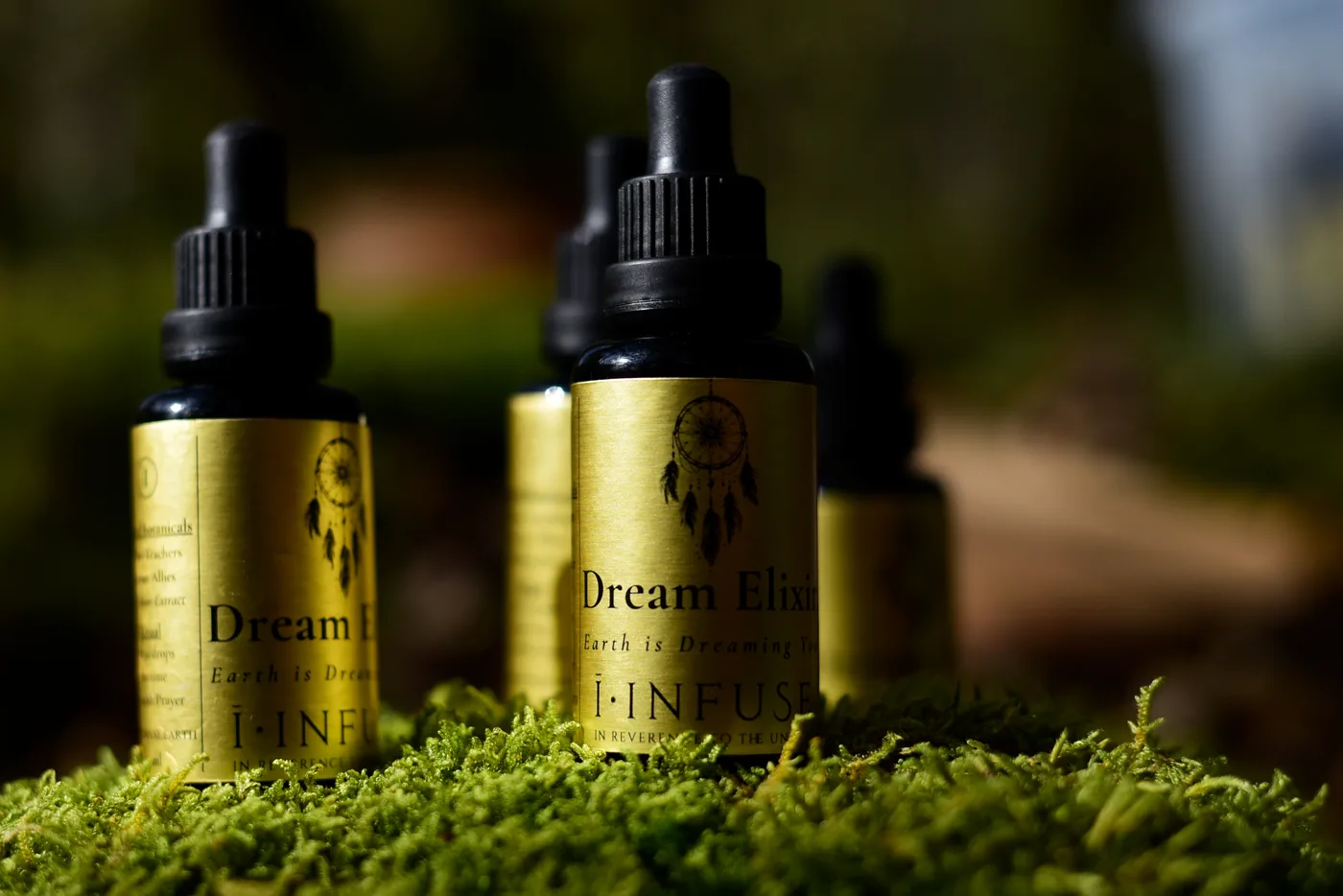
Seven dream plants, brought together once, in the same bottle, under the full moon of June 2025. INFUSE macerated it for two months in an artisanal apple spirit, in Brittany, with prayers to the traditions each plant comes from.
The rice pudding India leaves out under the autumn full moon, the rice dumplings of the Japanese *tsukimi*, the monks' *uposatha* days, the mistletoe the druids cut on the sixth day of the moon: the moon rituals of the world, their herbs, and what sleep science says about the full moon.
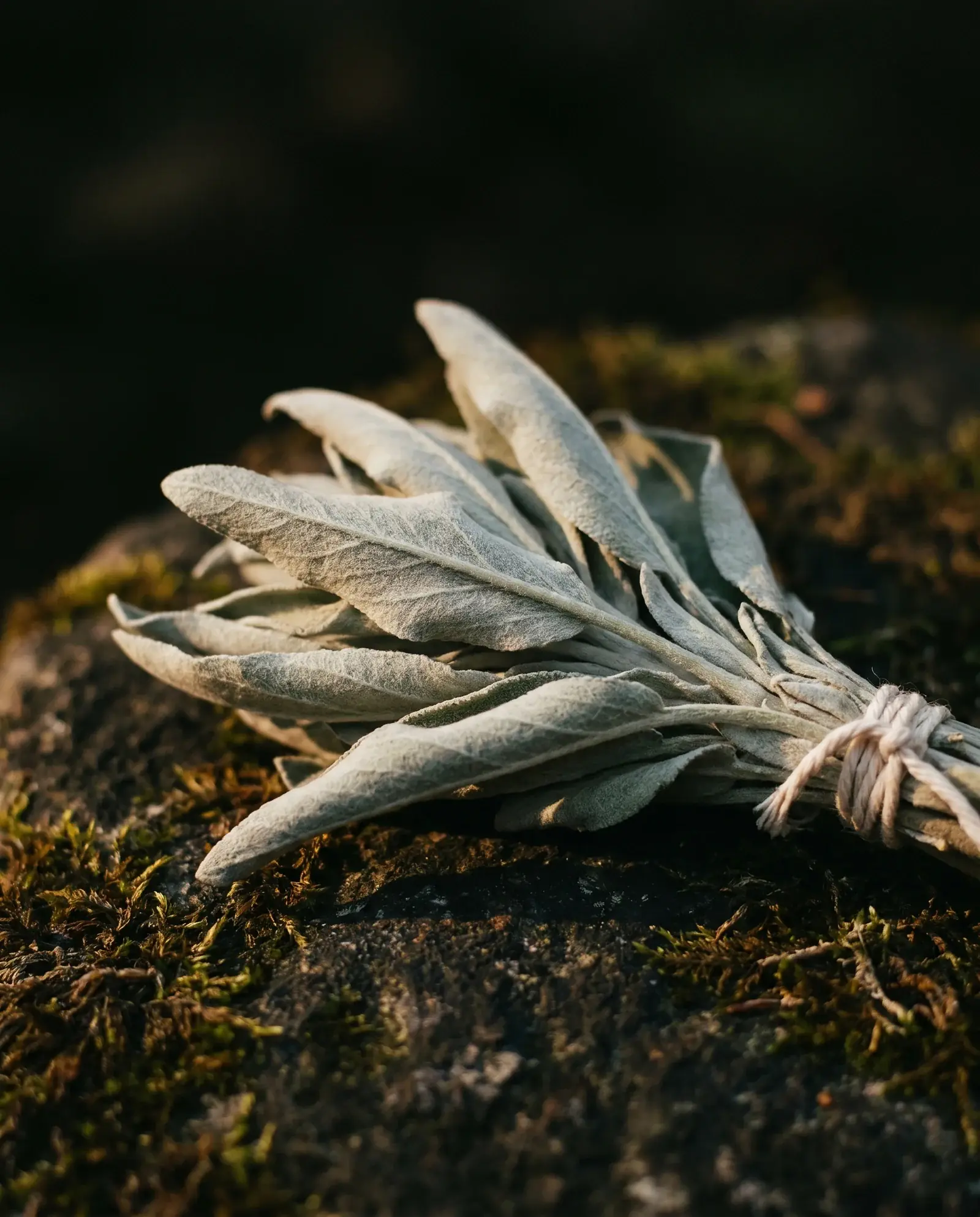
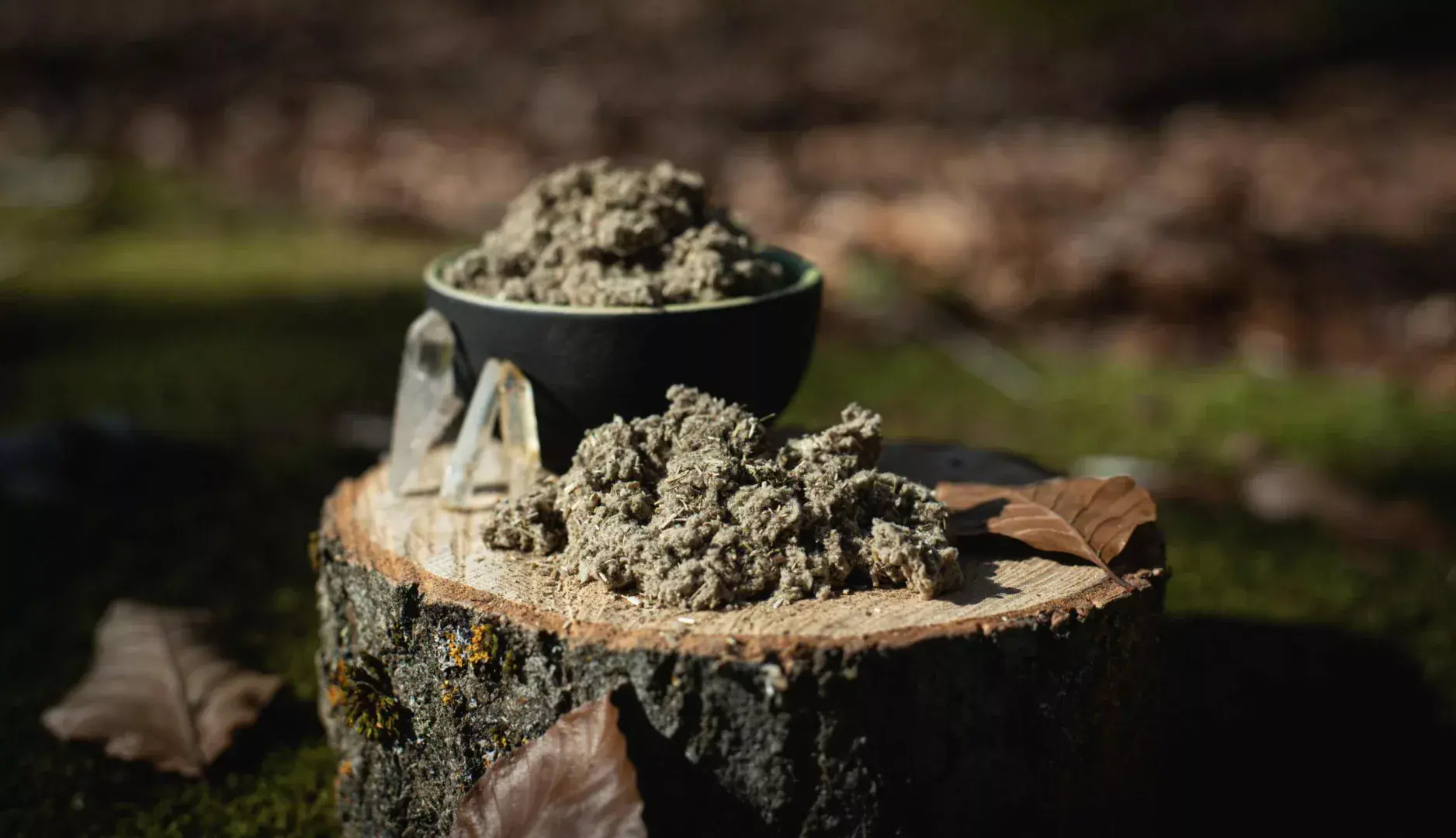
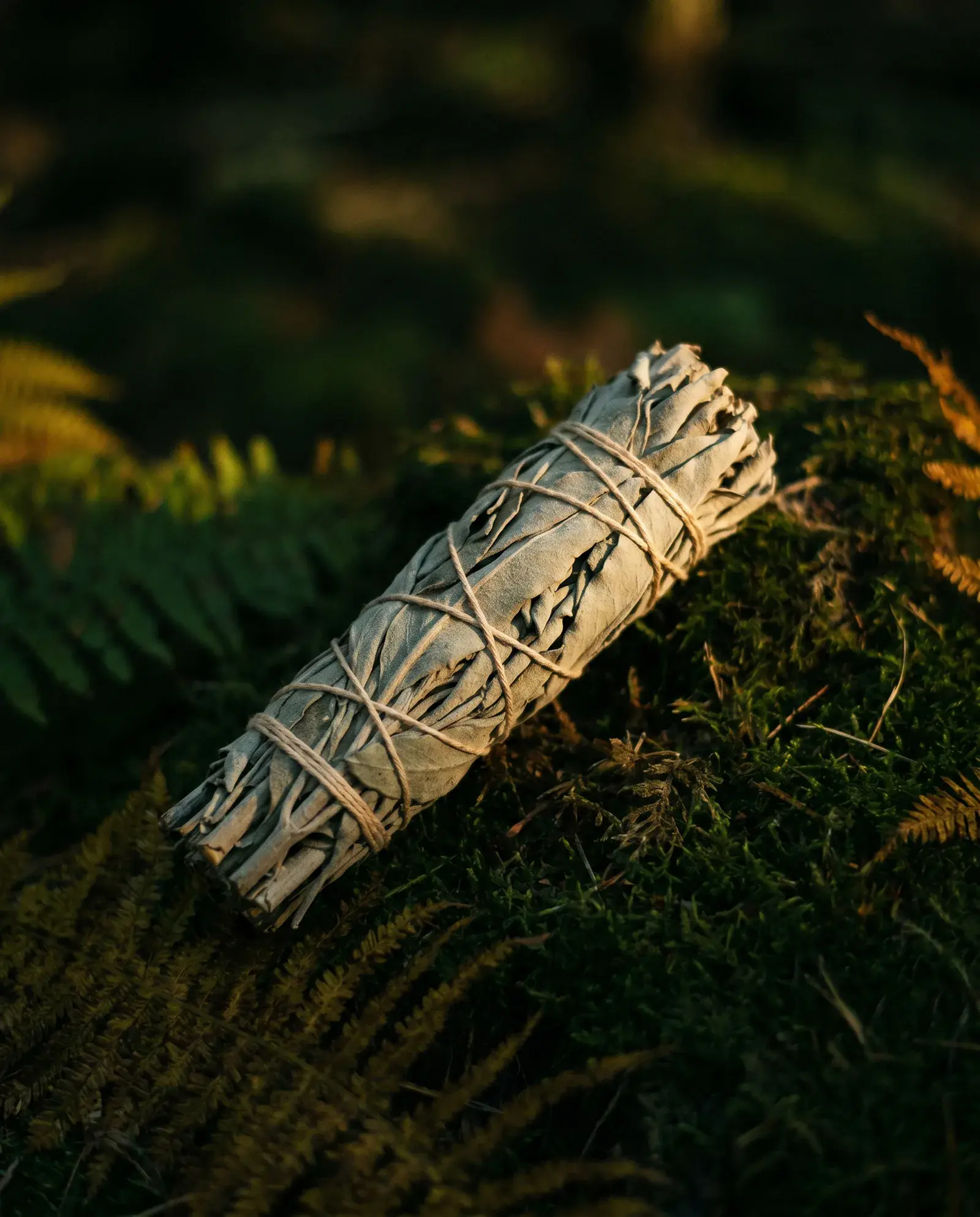
Window ajar, a stick of palo santo or white sage, or a pinch of mugwort on a charcoal. Blow out the flame, let the ember smoke, and walk it from room to room.
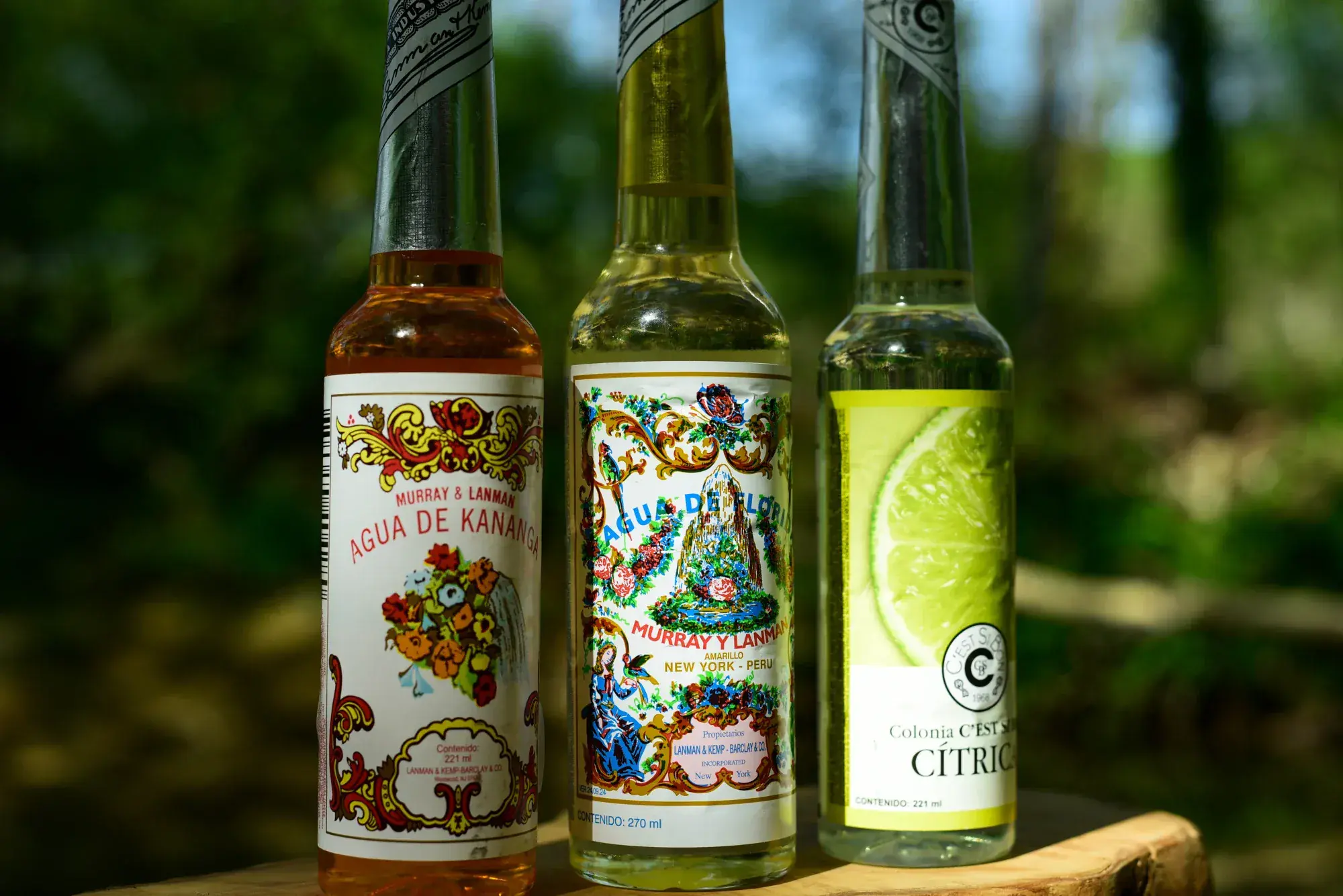
An herbal bath, or a basin of warm water poured over the body: a few roses, a handful of chamomile, a few drops of Agua de Florida.
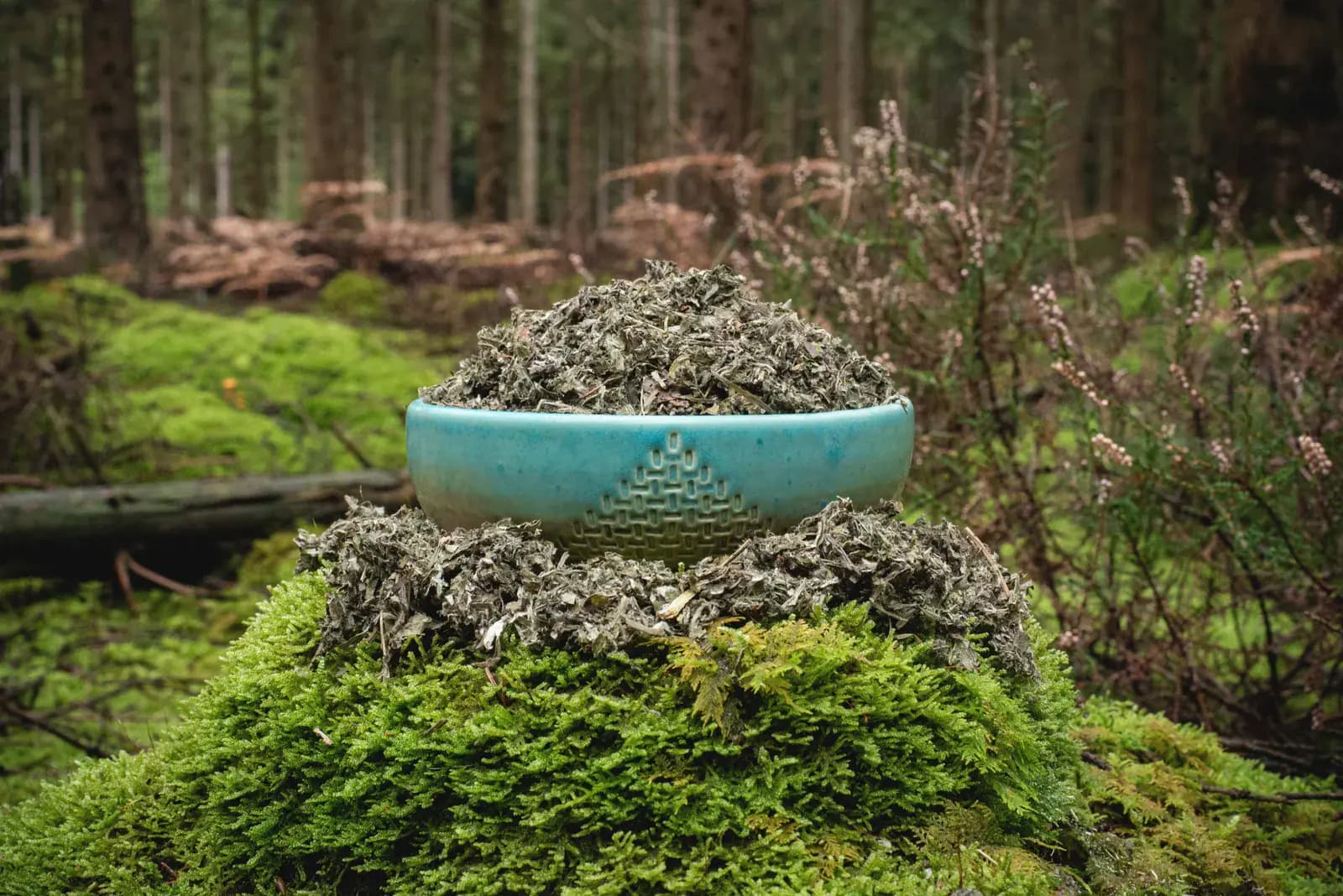
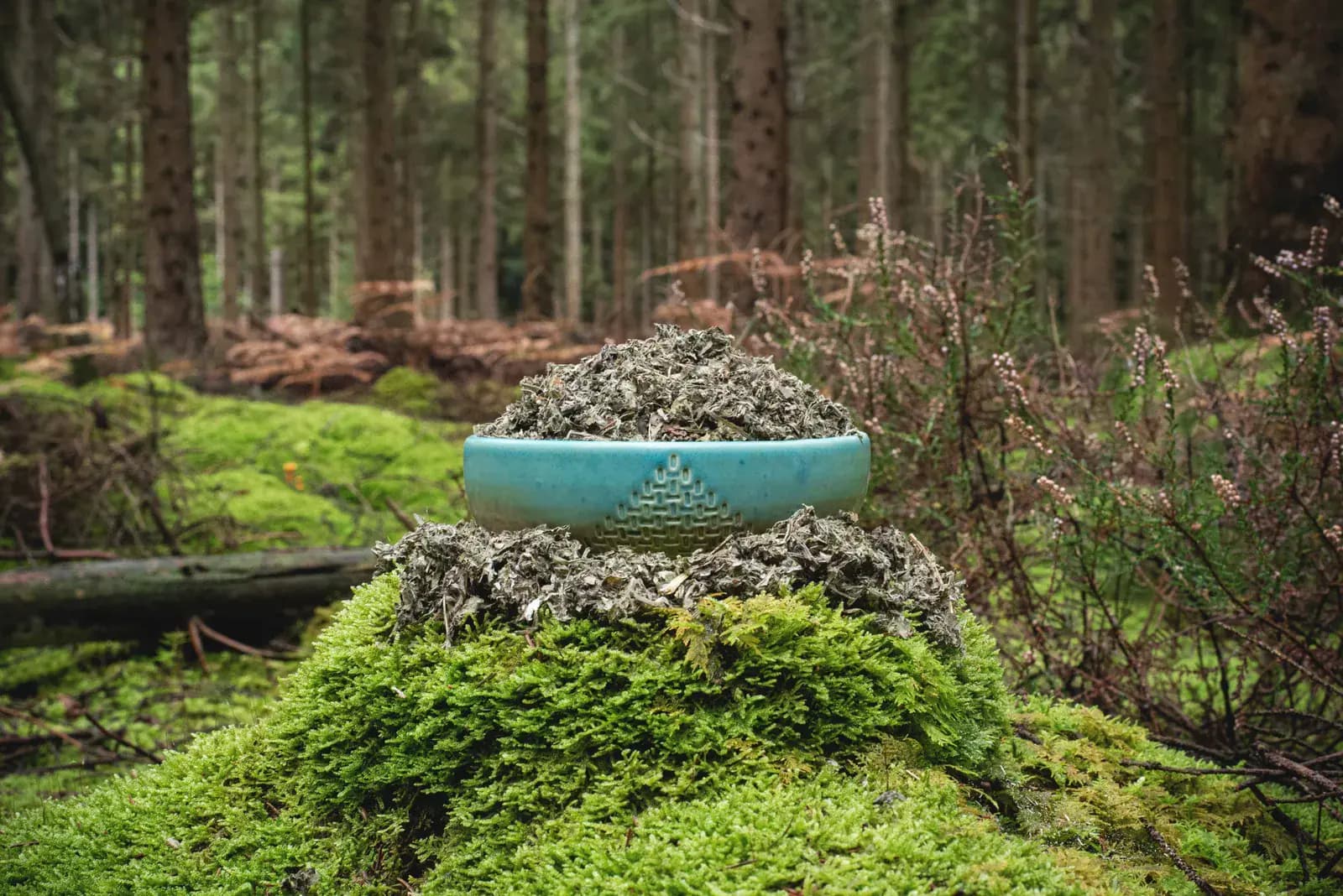
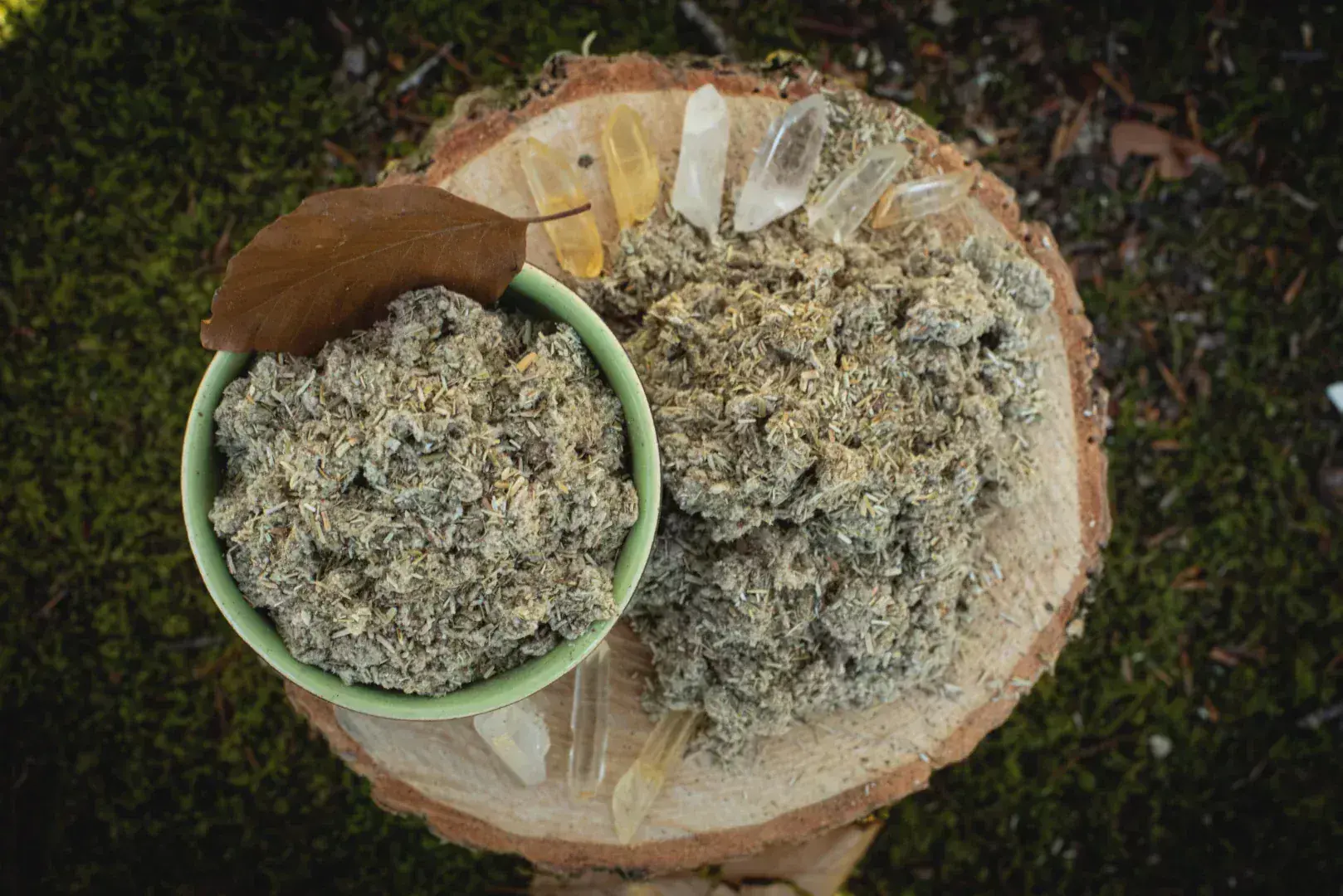
An evening tea, chamomile, lavender or passionflower, drunk at the window while the moon rises.
A notebook by the bed. In the morning, what is left of the night: an image, a word. From one full moon to the next, it keeps the trace of your dreams.
The full moon is the night the moon rises at sunset and shines until dawn. The new moon, the dark moon, is the night without her, when the month begins again. Many calendars follow the moon: the Chinese, the Hindu, the Hebrew, the Islamic. Feasts, fasts, vigils and harvests are hung on her nights.
Today, “full moon ritual” also names what people do at home, simply: a smoke, a water, an intention, a journal. Part of it comes from Wicca and contemporary Paganism, where the esbat gathers the circle once a month, at the full or the new moon. The anthropologist Margaret Murray borrowed the word in the twentieth century from French witch trials; it comes from the Old French s'esbattre, to frolic and amuse oneself.
Those whose history is written down, with the source of each story:
| Night | Where and when | What people do | At INFUSE |
|---|---|---|---|
| Mid-Autumn Festival, 中秋节 | China, 15th day of the 8th lunar month | mooncakes are shared, lanterns carried, and the story of Chang'e told, who swallowed the elixir of immortality and rose to the moon, where the Jade Rabbit lives; osmanthus wine is drunk | — |
| Tsukimi, 月見 | Japan, the 15th night of the 8th month (jūgoya), since the Heian era | moon-viewing in autumn; the moon is offered white rice dumplings, tsukimi dango, and stems of Japanese pampas grass, susuki | — |
| Sharad Purnima | India, full moon of Ashvin (September–October) | a rice pudding, kheer, spends the night outdoors under the moon: its rays are said to carry amrita, the nectar of immortality; in Bengal, people keep vigil for Lakshmi | — |
| Guru Purnima | India and Nepal, full moon of Ashadha (June–July) | teachers are honoured; it is the birthday of Vyasa, and for Buddhists the day of the Buddha's first sermon at Sarnath | — |
| Tulsi Vivah | India, between Prabodhini Ekadashi and the full moon of Kartika | the wedding of tulsi, holy basil, to Vishnu | tulsi |
| Uposatha and poya | Theravada Buddhist countries; in Sri Lanka, every full moon is a poya day | at the new and the full moon, monks recite the Patimokkha; lay people keep the eight precepts | — |
| The mistletoe of the sixth day | Gaul, 1st century, according to Pliny the Elder | the druids cut mistletoe from the oak “above all on the sixth day of the moon”, with a golden sickle, and caught it in a white cloak | — |
| Esbat | Wicca and contemporary Paganism, 20th century | the monthly meeting of the circle, at the full or the new moon | the smokes and waters on this page |
The dark moon opens the month. In Judaism, Rosh Chodesh, the head of the month, is kept at the new moon, and the Talmud names it a day when women do not work. Chinese New Year falls on a new moon, Diwali on the new moon of Kartika, and in Islam the first sighting of the crescent opens the month of Ramadan.
For our ubulawu roots, the recipe of our house follows this rhythm: 3 to 7 days, ideally around the full moon or the new moon. Among the Xhosa, Hirst describes novices drinking the foam of Undlela Ziimlophe on an empty stomach, for three days at the full moon, to strengthen the dream (Hirst, 2005).
The ones we offer, and the place each one takes in the night:
The moonless night lends itself to beginnings. A dark room, a candle, a pinch of mugwort or imphepho on the charcoal. On a page, what you would like to see grow during the month; the page stays in the journal until the full moon, and you come back to it that night. A cup of chamomile to close, and the journal by the bed.
In 2013, in Basel, Christian Cajochen and his team went back over the nights of 33 volunteers who had slept in the laboratory, with no window and no clue to the time. Around the full moon, deep-sleep activity fell by 30%, falling asleep took 5 minutes longer, the night was 20 minutes shorter, and melatonin was lower.
The following year, a team in Munich looked for the same effect in large sleep databases and did not find it; it also gathered unpublished analyses covering more than 20,000 nights, with no moon effect (Cordi et al., 2014).
In 2021, Leandro Casiraghi and Horacio de la Iglesia followed, with wrist monitors, 98 people from three Toba-Qom communities in Argentina, with and without electricity, and 464 students in Seattle. Depending on the community, sleep length varied by 46 to 58 minutes across the cycle, and bedtime by about thirty minutes: the shortest nights fell three to five days before the full moon, when moonlight already fills the first hours of the night. The effect was clearer without electricity, and present in the city.
The picture is still debated, and the differences measured are counted in minutes. Evening light plays its part: thick curtains, a cool room, and the evening cup that goes with bedtime.
A jar of water left outside, or on a windowsill, on a full moon night, then used the next day for a bath, for watering plants, for an altar: this is moon water, a practice of today's Paganism and spirituality. India's Sharad Purnima does the same with a rice pudding. For drinking, a clean, closed jar.
Smoke irritates the airways: window open, then a long draught of fresh air; never in a baby's room, and without the animals, birds above all. With asthma or an allergy to the Asteraceae (mugwort, imphepho, chamomile), abstain. Keep watch over the ember, away from curtains. Agua de Florida contains alcohol: away from flames and from the eyes. Pregnancy and breastfeeding: no mugwort and no ubulawu roots. If you are under treatment, ask your doctor before any evening or dream herb.
Four simple steps: a smoke of palo santo or mugwort, window ajar; a little water, a bath or a few drops of Agua de Florida; an evening tea at the window; a journal by the bed. Each tradition has its own as well: the mooncakes of the Chinese Mid-Autumn Festival, the Japanese tsukimi, the rice pudding of Sharad Purnima, the esbat of Wicca.
Traditions that speak of it make the full moon a day of restraint: on uposatha days, Theravada lay Buddhists keep eight precepts, among them no meal after midday and no sexual activity; the Laws of Manu (IV, 128) ask for chastity at the new moon, the eighth day, the full moon and the fourteenth day. These are rules of tradition, kept by those who choose them.
In today's moon rituals, people write down an intention at the new moon and come back to it at the full moon, to see what has grown. A candle, a pinch of herbs on the charcoal, a page in the journal: the ritual is a moment of attention, and each person gives it their own words.
Those of a beginning, since the new moon opens the month in many calendars: what you would like to see grow during the coming weeks. One page in the journal, kept until the full moon.
In Hindu tradition, the Laws of Manu make the new moon, amavasya, a day of chastity, and many families set it aside for offerings to the ancestors. On the Buddhist uposatha of the new moon, the eight precepts apply as on the full moon.
Water left outside or on a windowsill on a full moon night, then used for a bath, for watering plants or for an altar: a practice of today's Paganism and spirituality. Science measures no change in a glass of water; the moon's pull shows in the ocean tides. For drinking, a clean, closed jar.
The studies disagree. In a Basel laboratory, the night was 20 minutes shorter around the full moon (Cajochen, 2013); in 2021, wrist monitors found later bedtimes and shorter sleep three to five nights before the full moon, when moonlight fills the early night (Casiraghi, 2021). Other large datasets found nothing (Cordi, 2014). Thick curtains and an evening tea help the night along.
For smoke, palo santo, white sage, mugwort and imphepho. For water, Agua de Florida and the flowers of a spiritual bath. For the night, water lilies, which open in hot water, and the Dream Elixir, brought together under the full moon of June 2025. Plants picked by the calendar: St John's Eve herbs.
Ask the Forest: ethics of a plant, dose, lineage, synergy. It shares what peoples have transmitted and what books have written.