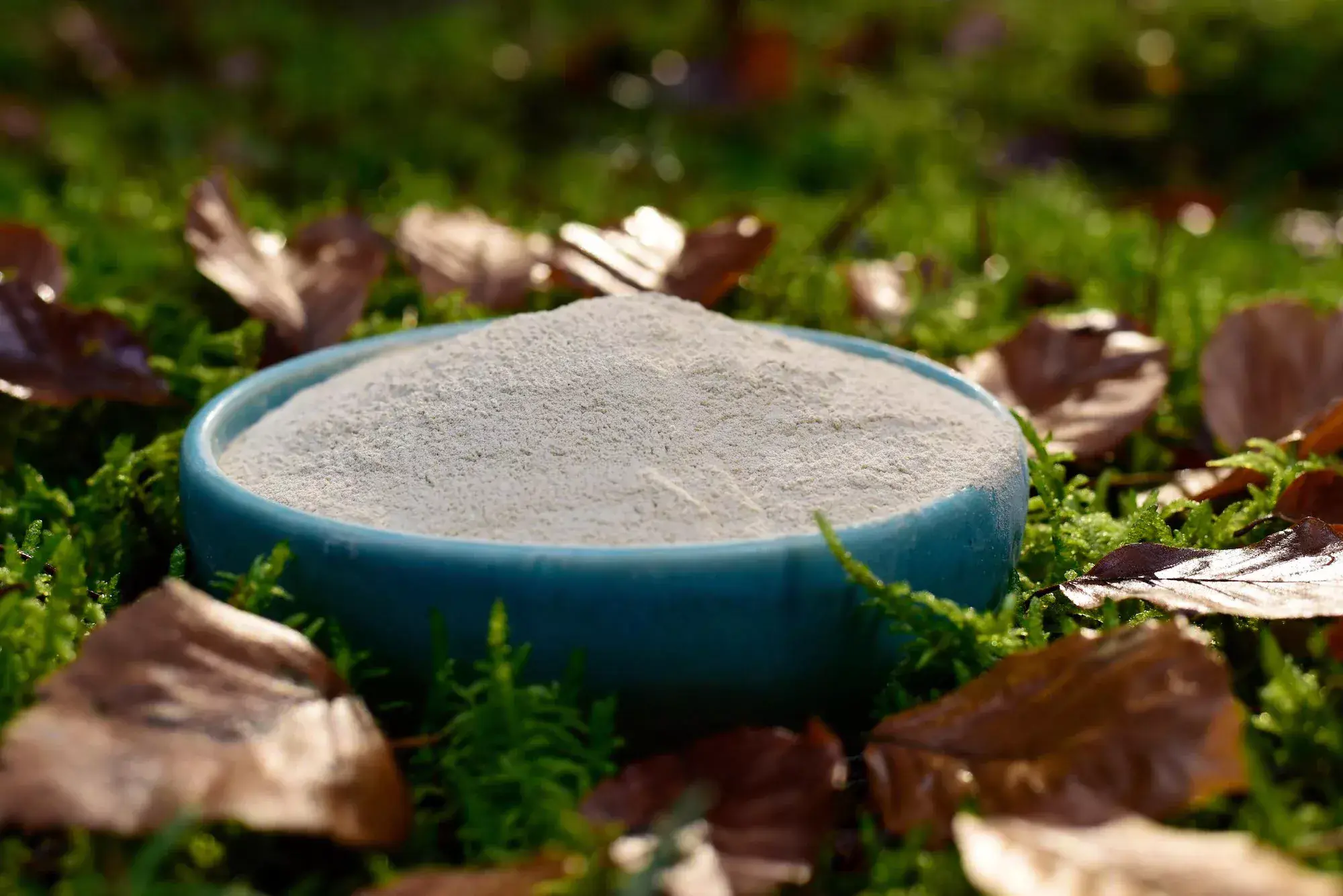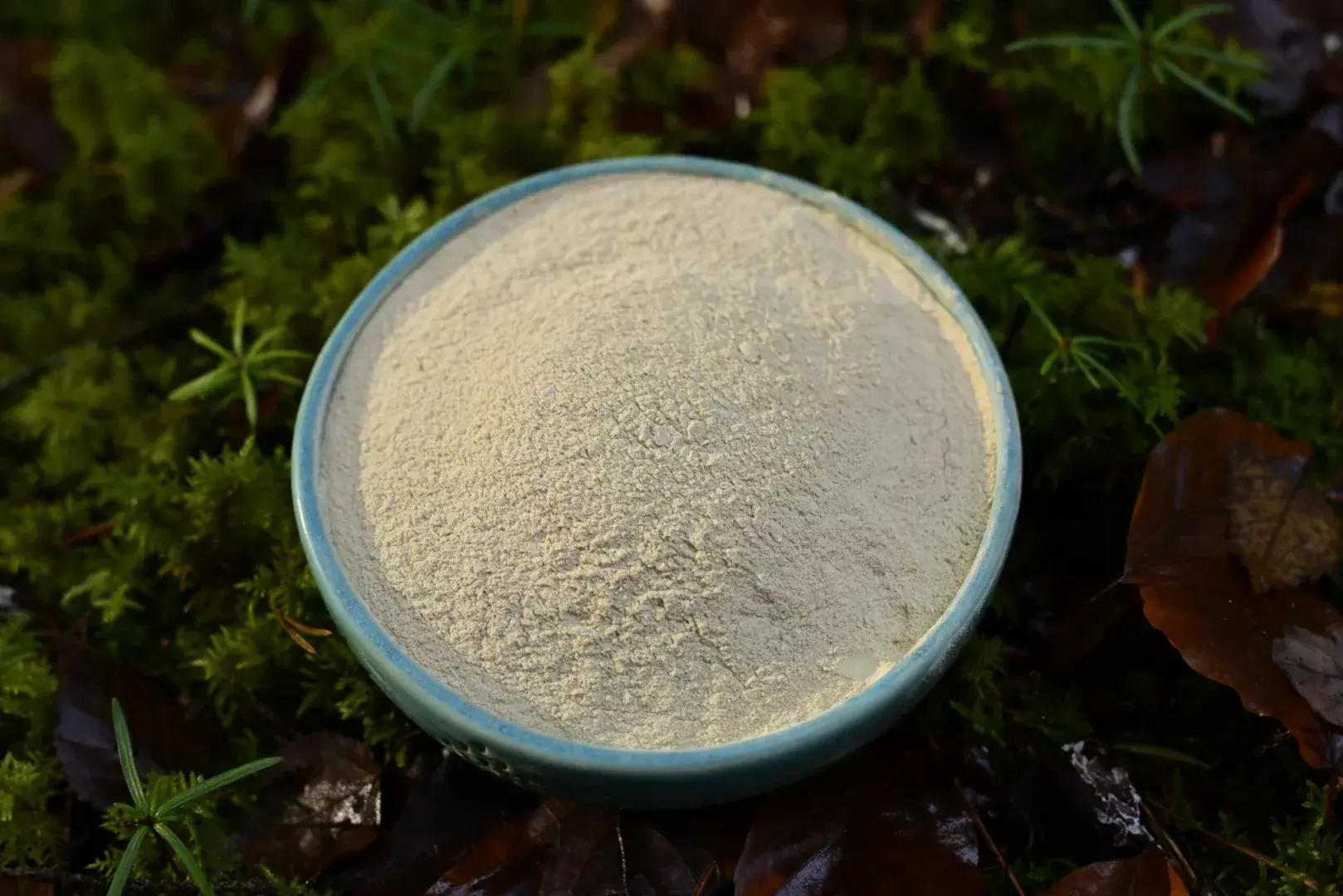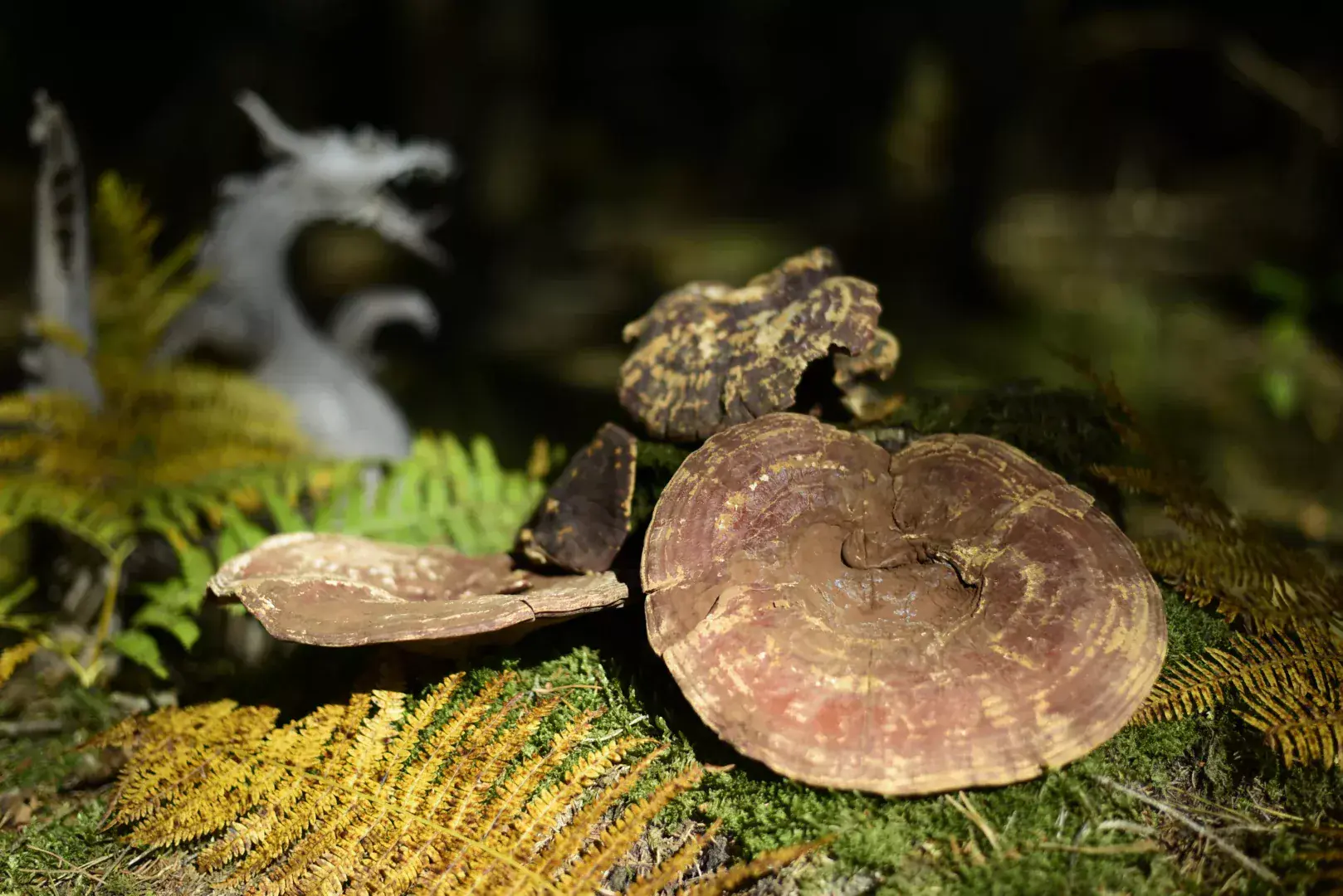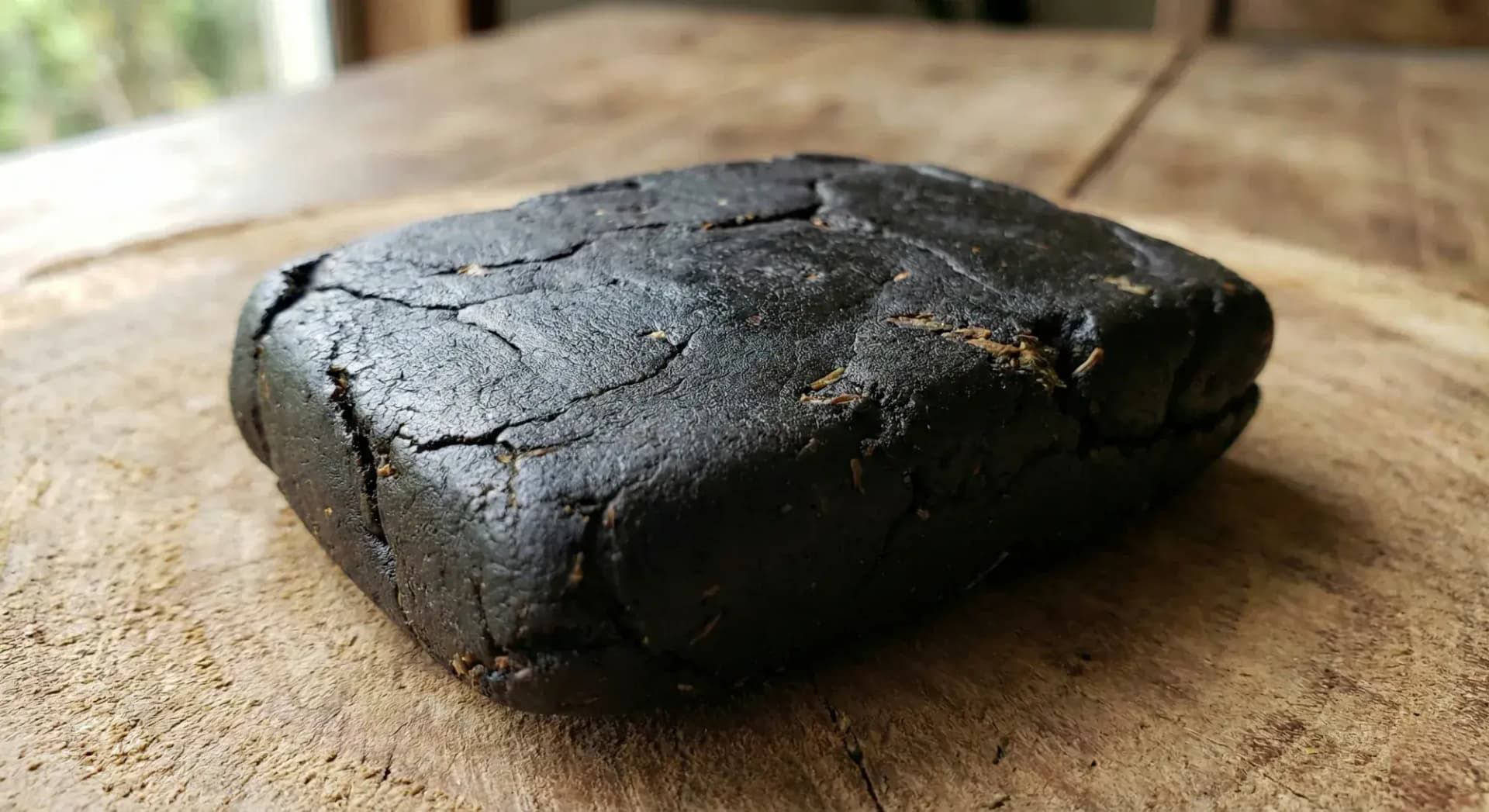

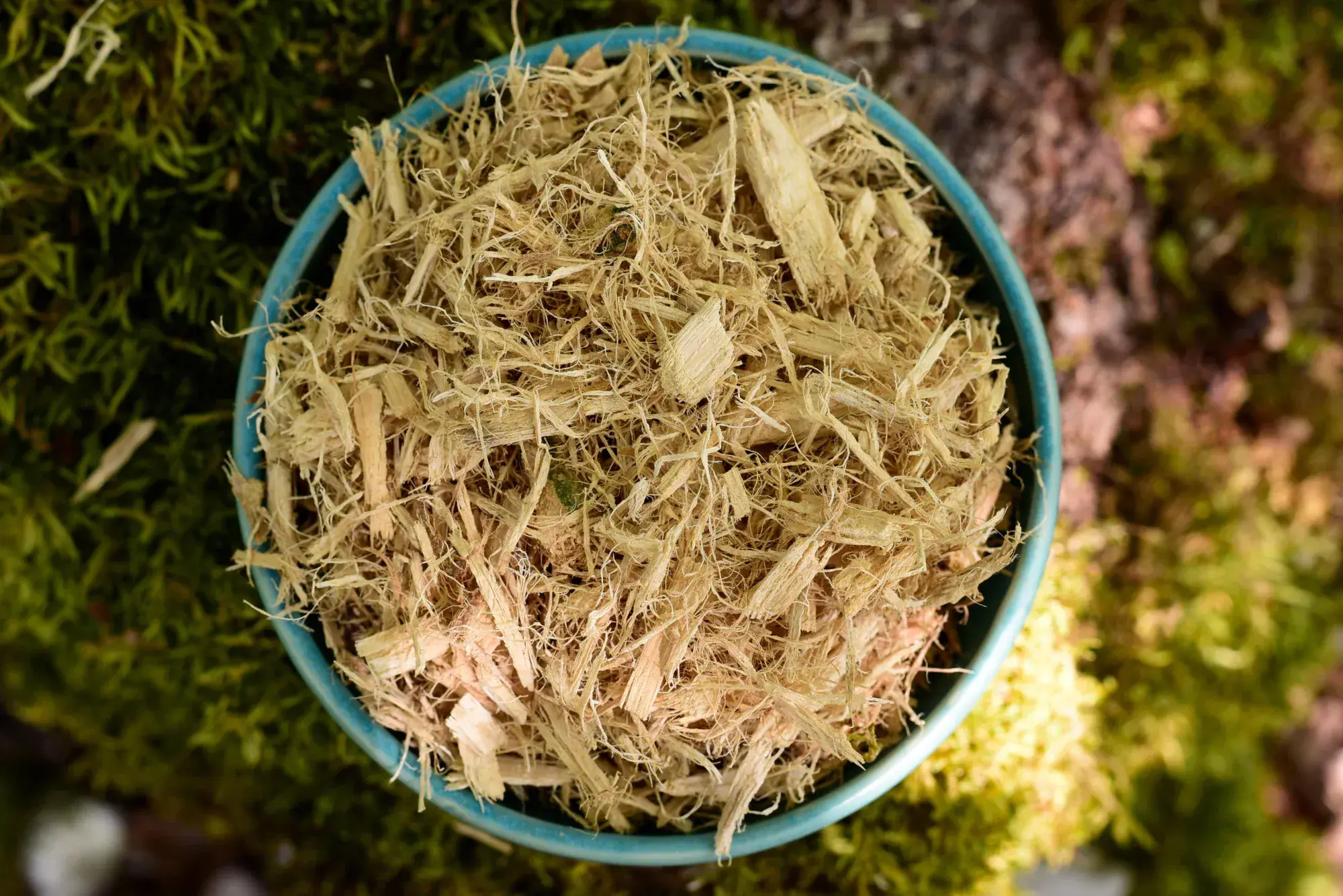
Mulungu
★5.0· 1 reviews
€8.88
When the nights resist and the body can no longer set itself down.
Sleep isn't a performance, and it isn't something to wrench from the body.
When the nights resist and the body can no longer set itself down.
One hour before sleep, lower the lights. Turn off screens, or switch them to warm mode. Let the atmosphere of the room become slower than you.
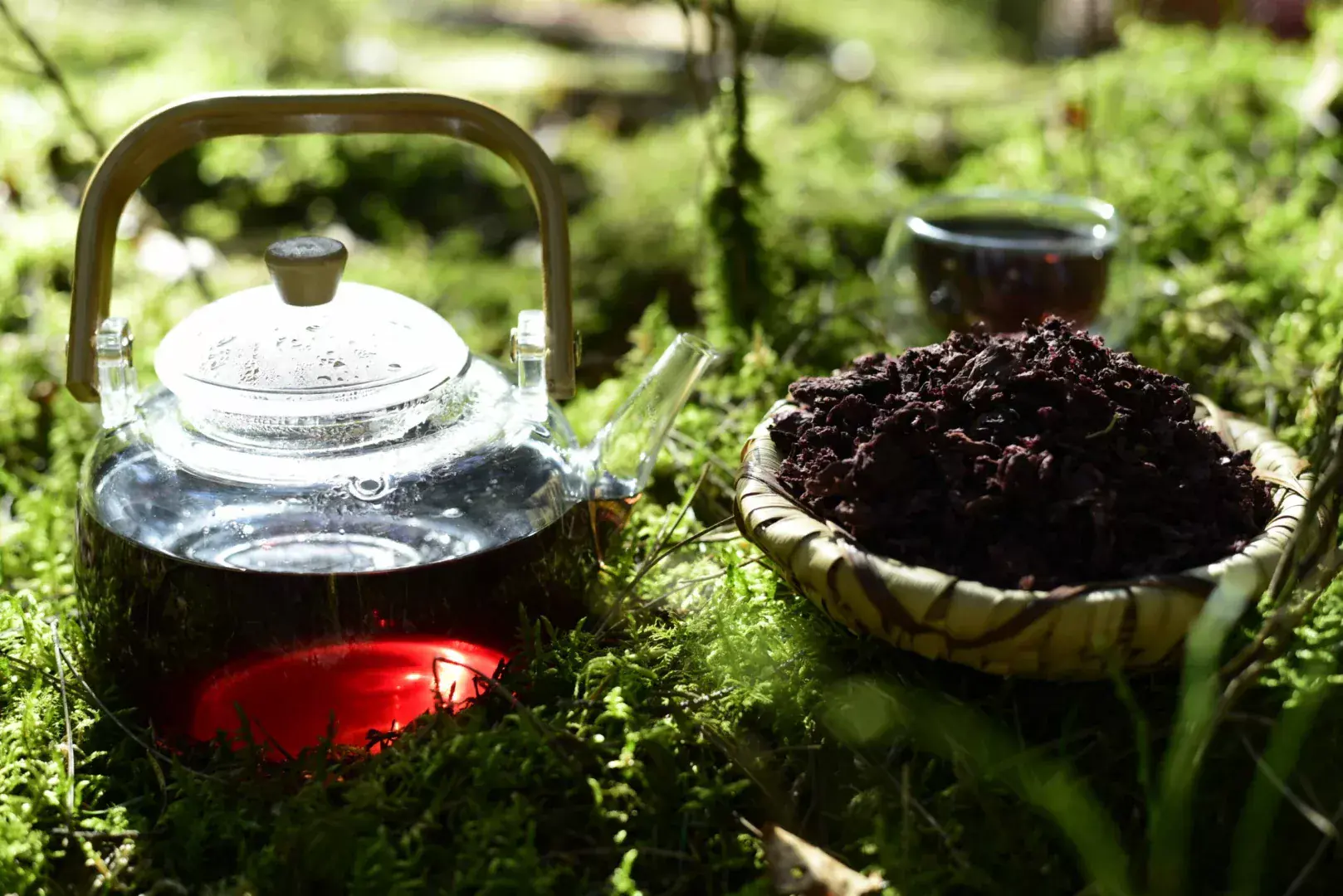
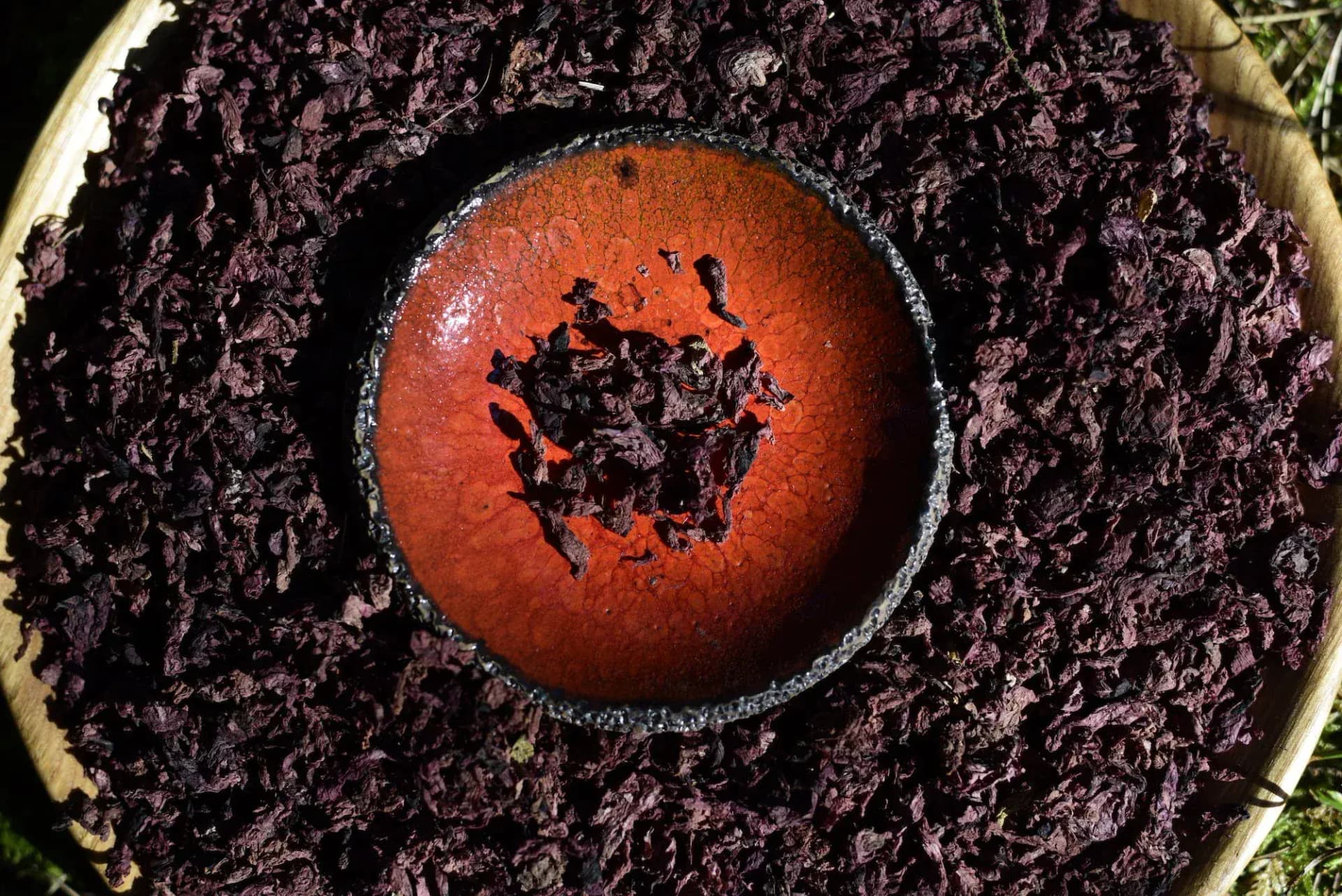
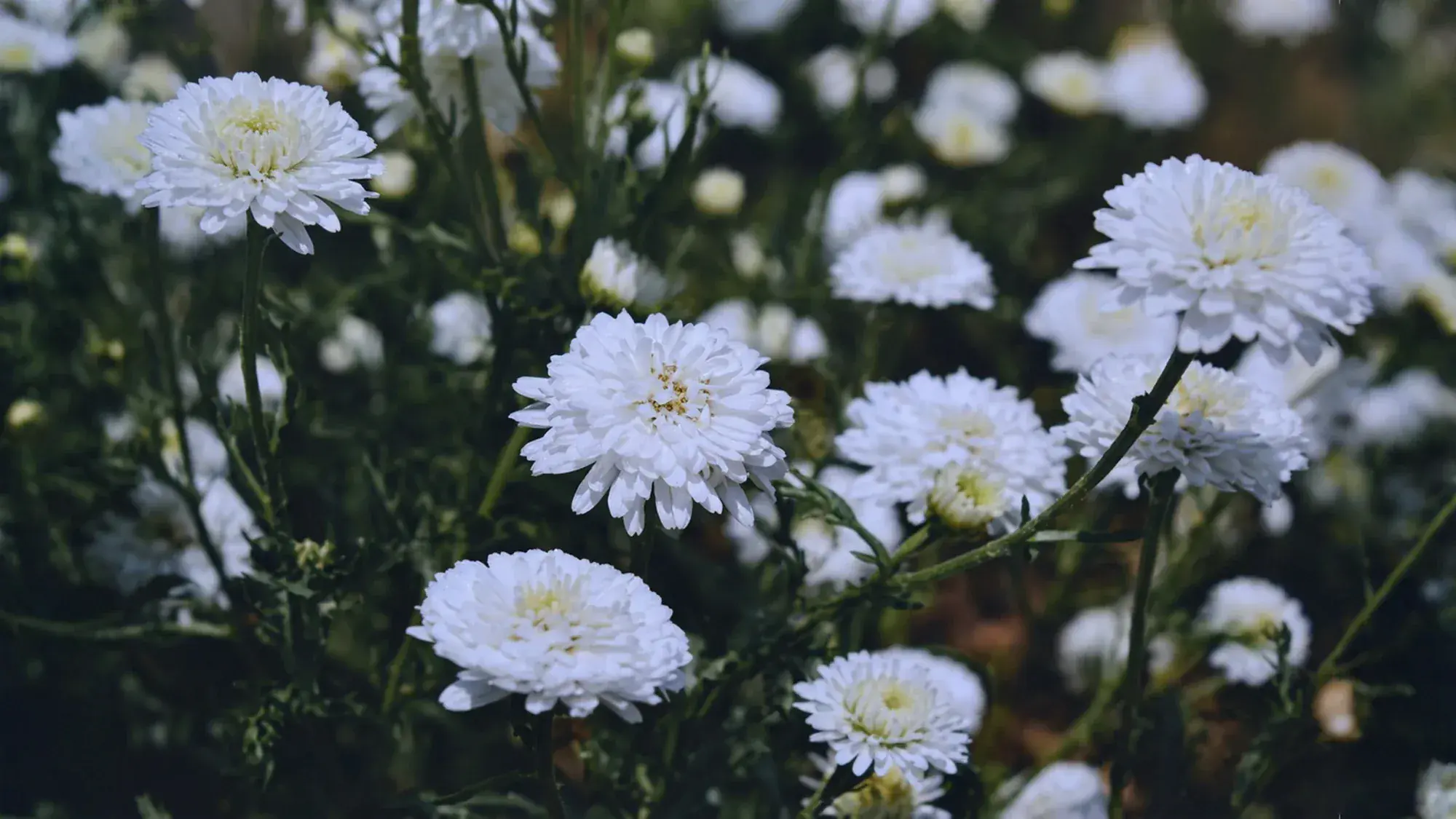
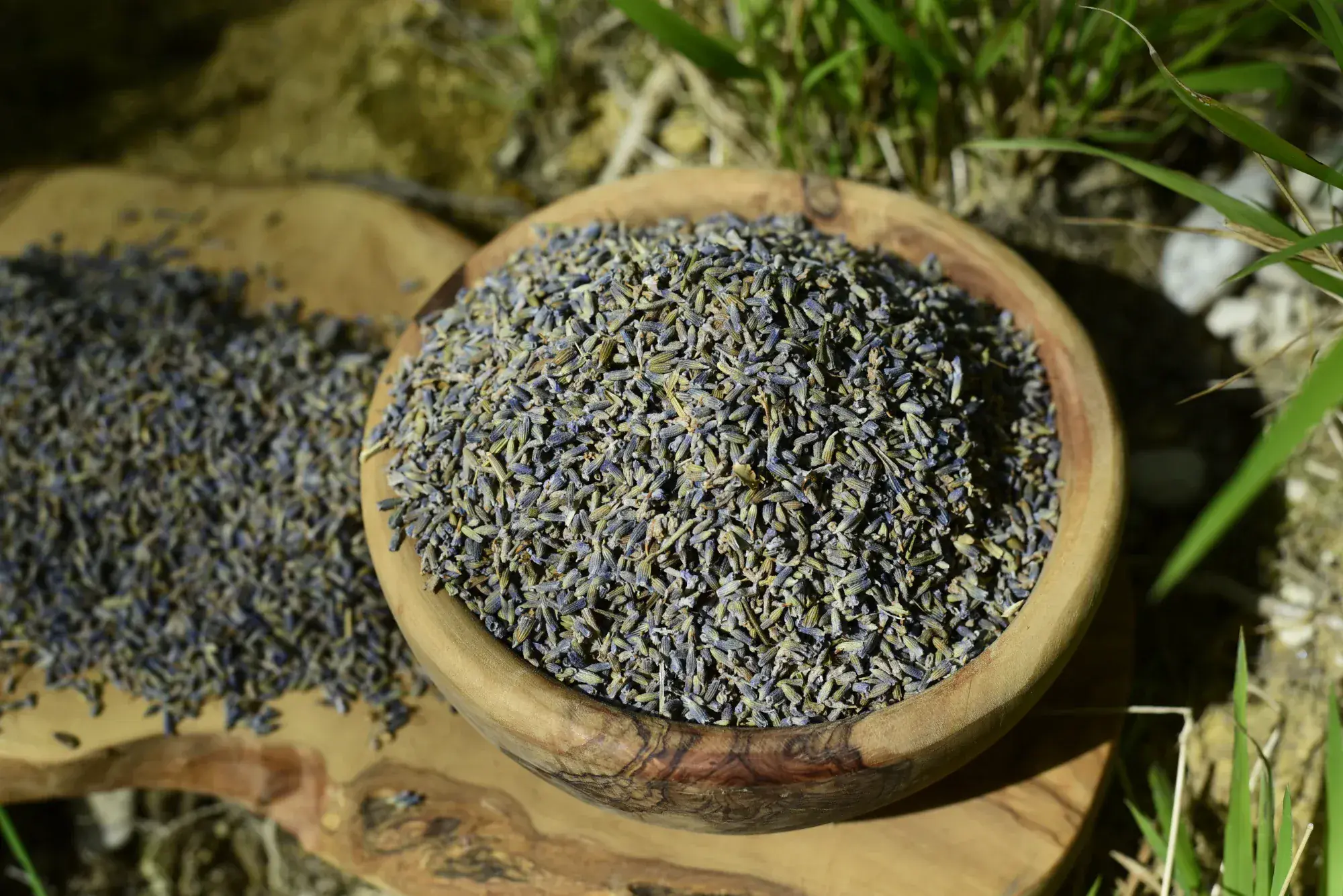
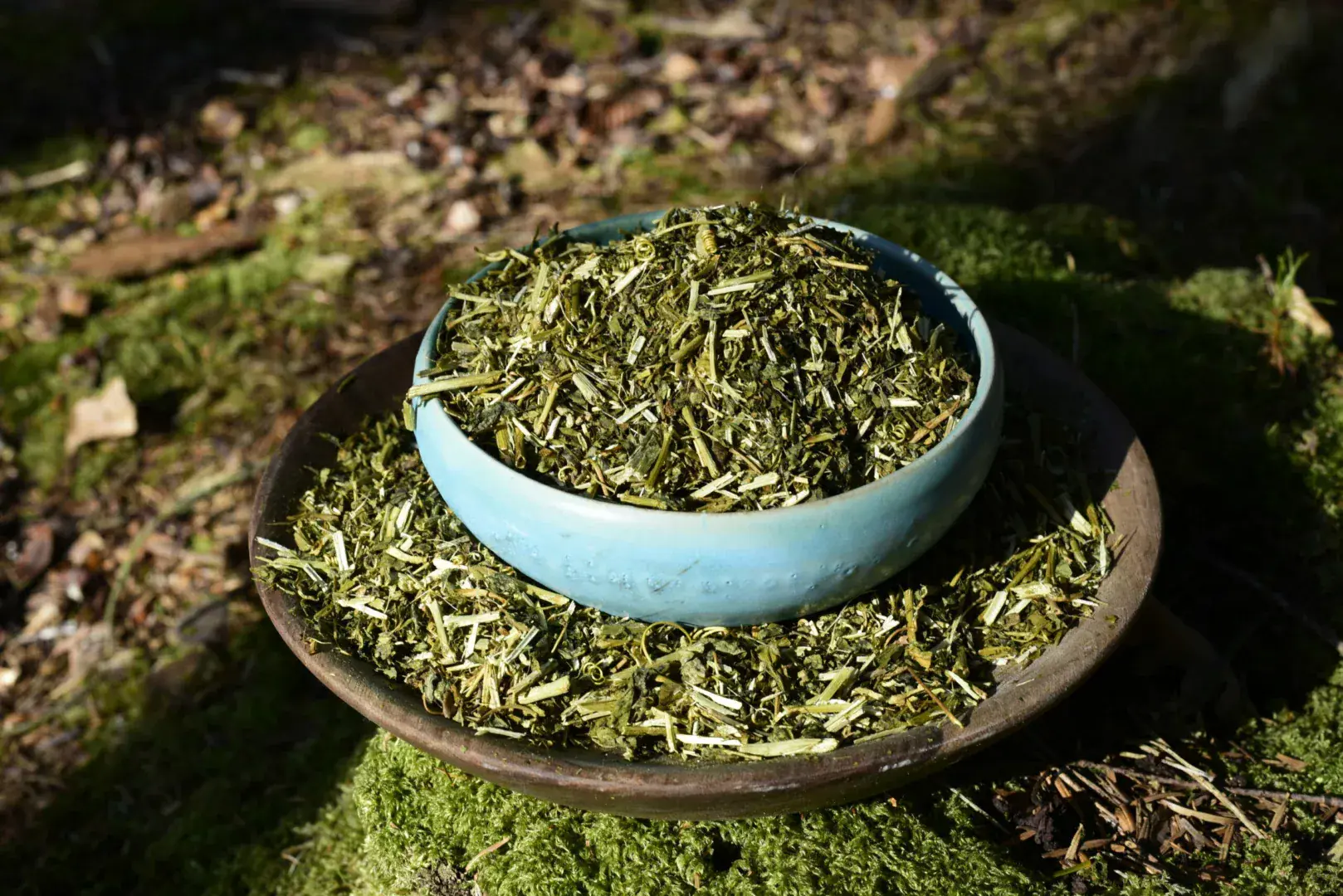
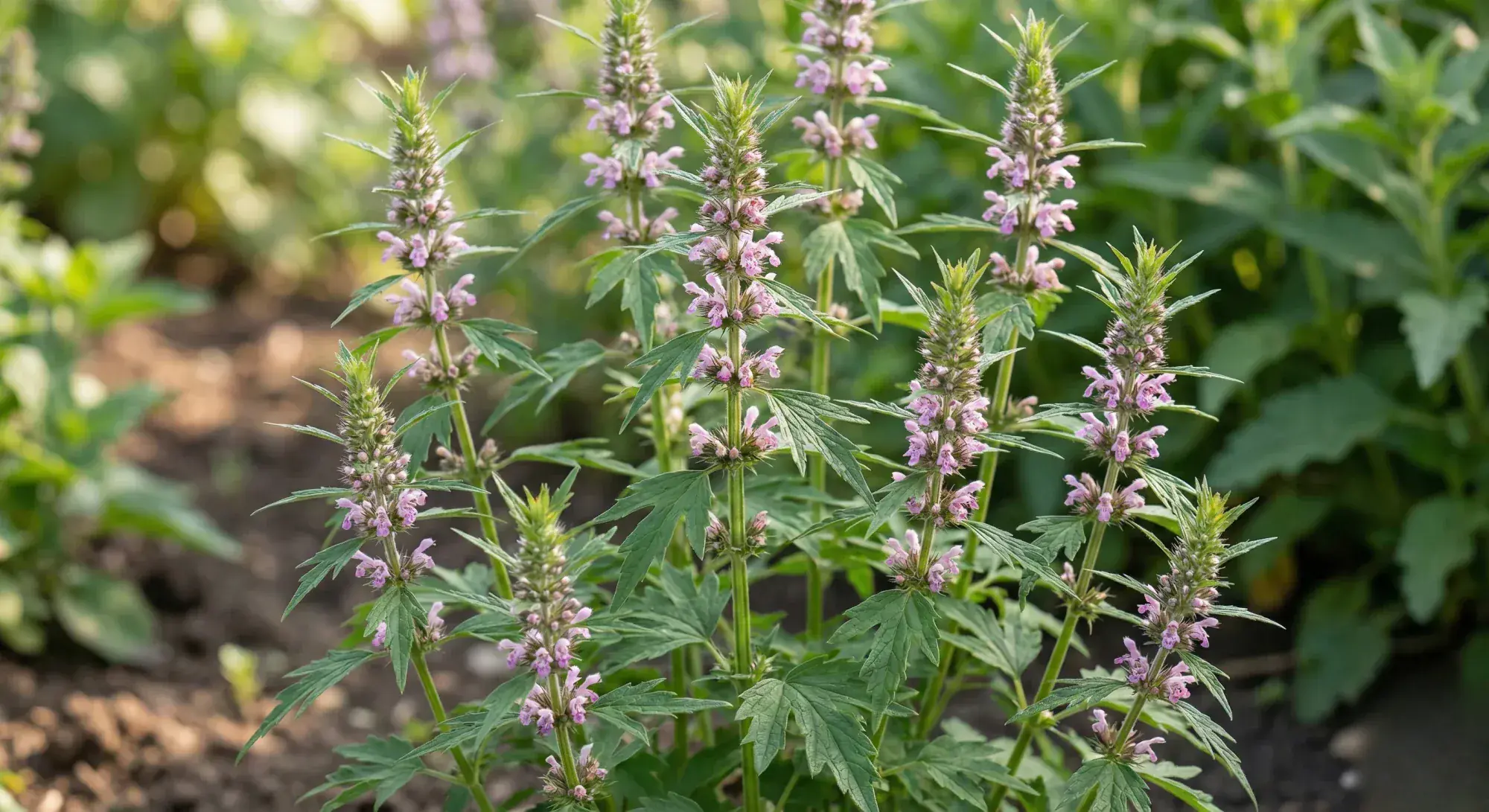
Mulungu for the mind that keeps turning. Wild poppy for the body that won't settle. Chamomile for peaceful evenings. Let yourself be guided by what feels right tonight.
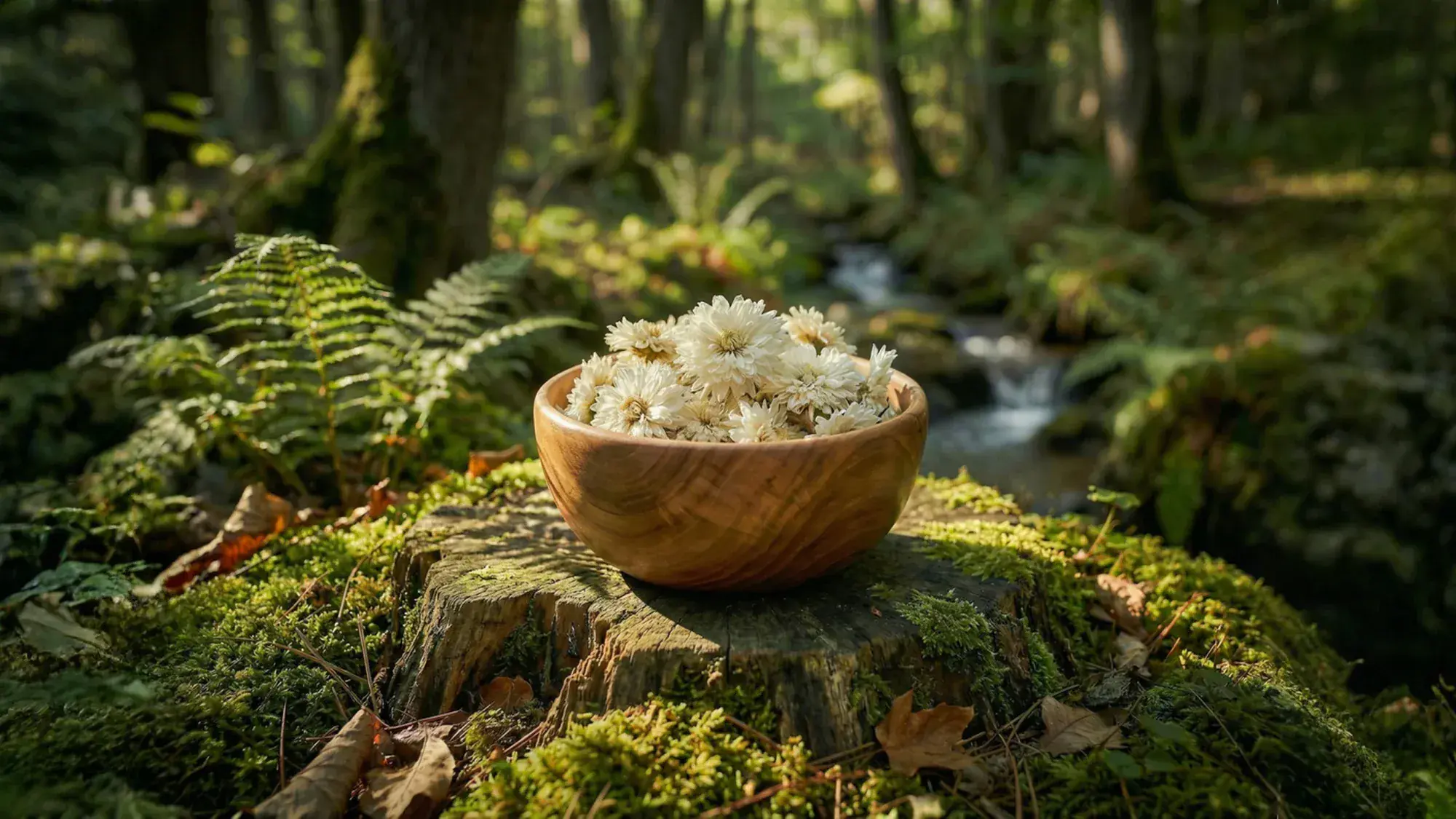
Water just under a simmer (around 80°C), 10 to 12 minutes covered. Drink slowly, in silence if possible.
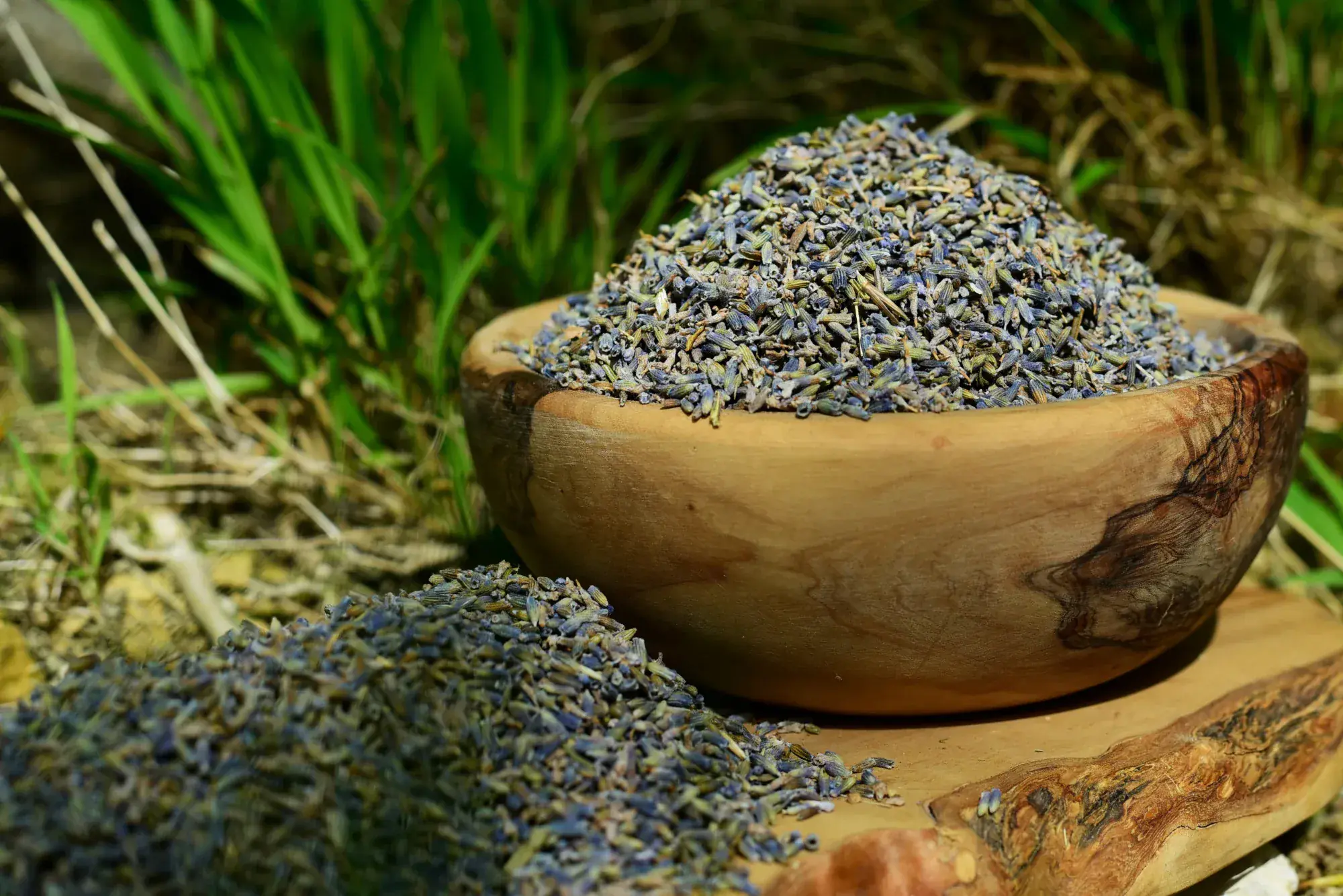
Don't reach for sleep. Let it come. Lie down, follow your breath, without aim. It's in the absence of effort that the doors open.

A sleep plant reveals its full presence over seven to ten evenings. A gentle cure, like a friendship that builds slowly.
« This is my nightly tea, great nights sleep. Has really helped me get my sleep in order »
« While many calming herbs don't have much effect on me, the passionflower resin extract is excellent for my insomnia! Highly recommended. »
« Product received quickly. Pleasant taste and deep sleep thanks to this infusion. »
Looking for sleep means looking for a night that comes and holds: falling asleep, sleeping deeply, waking rested. The herbs on this page are the ones traditions have kept at the bedside for that. Dream herbs work on something else: the colour of the dream, how much of it you remember on waking.
The two often meet. By the end of September 2026, of 174 reviews in which our customers described a night with our dream herbs, 44 spoke of better sleep, notably with blue lotus, imphepho or Entada. Guayusa, the dream plant of the Kichwa, does the opposite: it contains caffeine and is drunk in the morning.
“[…] I noticed no effect on my dreams, but I don't really care much about that aspect, frankly - I was just looking for a natural sleeping aid. […]”
Depending on the night:
Every evening herb, family by family: deep sleep herbs. On the dreaming side: dream herbs, and our guide to lucid dreaming herbs.
Pregnancy and breastfeeding: abstain. Sleeping pills, anxiolytics, antidepressants: ask a doctor before adding a herb; some, like passionflower, can strengthen their effect. Mulungu tends to lower blood pressure; it is taken in courses of 4 to 6 weeks at most, followed by a break. After an evening herb, driving waits until the next day. And if your nights stay difficult for weeks, a doctor can look for the cause.
Depending on your night: passionflower or mulungu when the mind keeps turning, wild poppy or lavender when the body will not settle, noble chamomile for peaceful evenings. Reishi and Ashwagandha work more deeply, over several weeks.
A sleep herb opens the night; a dream herb colours what happens in it and helps you remember it. For dreams, the herbs for lucid dreaming; for the night itself, the ones on this page.
Often: 44 of the 174 night accounts from our dreamers speak of better sleep, notably with blue lotus and imphepho. Guayusa does the opposite: it contains caffeine and is drunk in the morning.
Yes: Papaver rhoeas, the corn poppy, a species distinct from the opium poppy (Papaver somniferum). Its dried flowers are drunk as an evening tea, in water that is not boiling.
Some of our customers describe a deeper night from the very first cup. An evening herb reveals itself over seven to ten evenings; mulungu is taken as a course of a few weeks, then rested.
Only after asking a doctor: passionflower, for example, can strengthen the effect of sleeping pills and anxiolytics. Stopping a sleeping pill is done with a doctor.
Ask the Forest: ethics of a plant, dose, lineage, synergy. It shares what peoples have transmitted and what books have written.