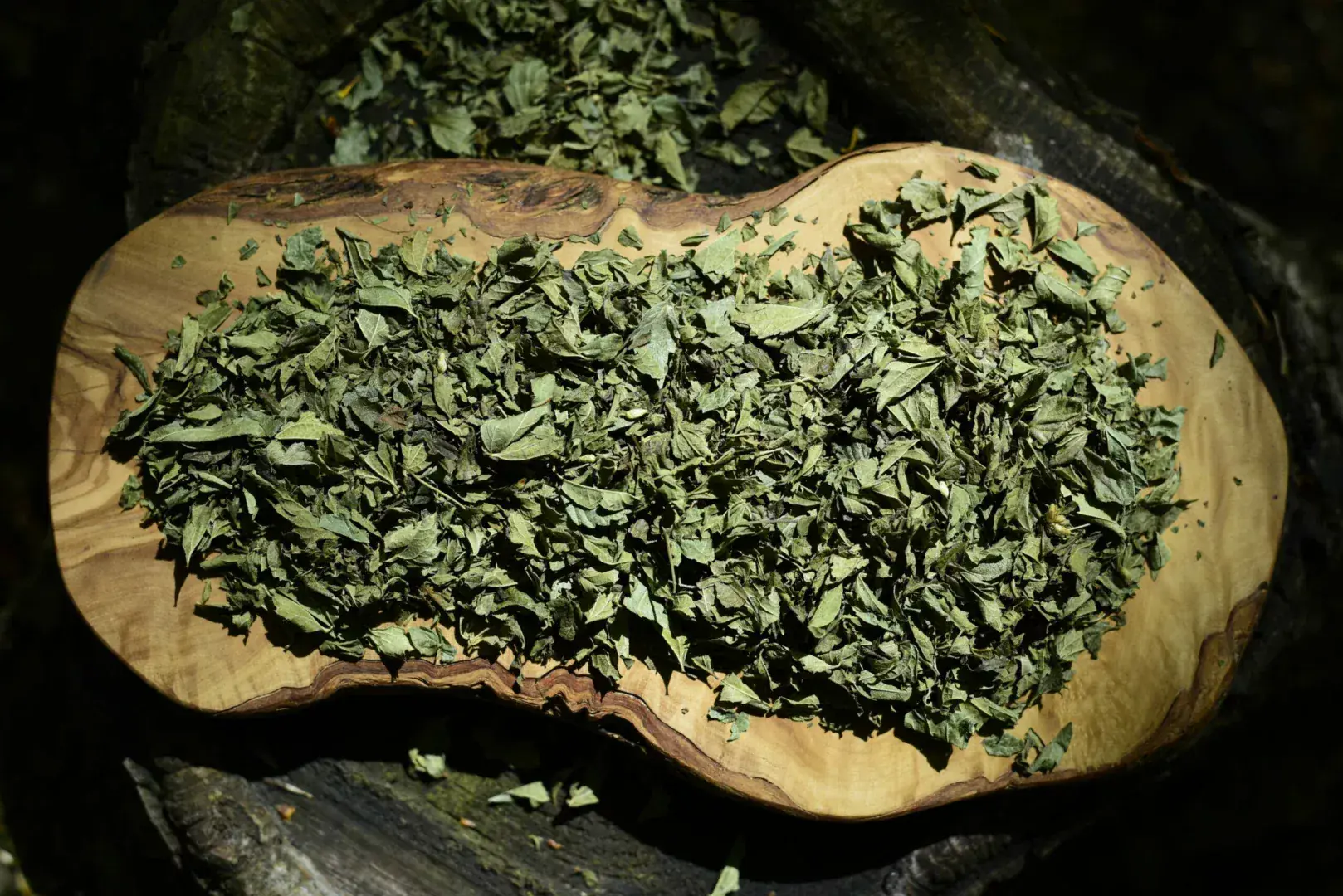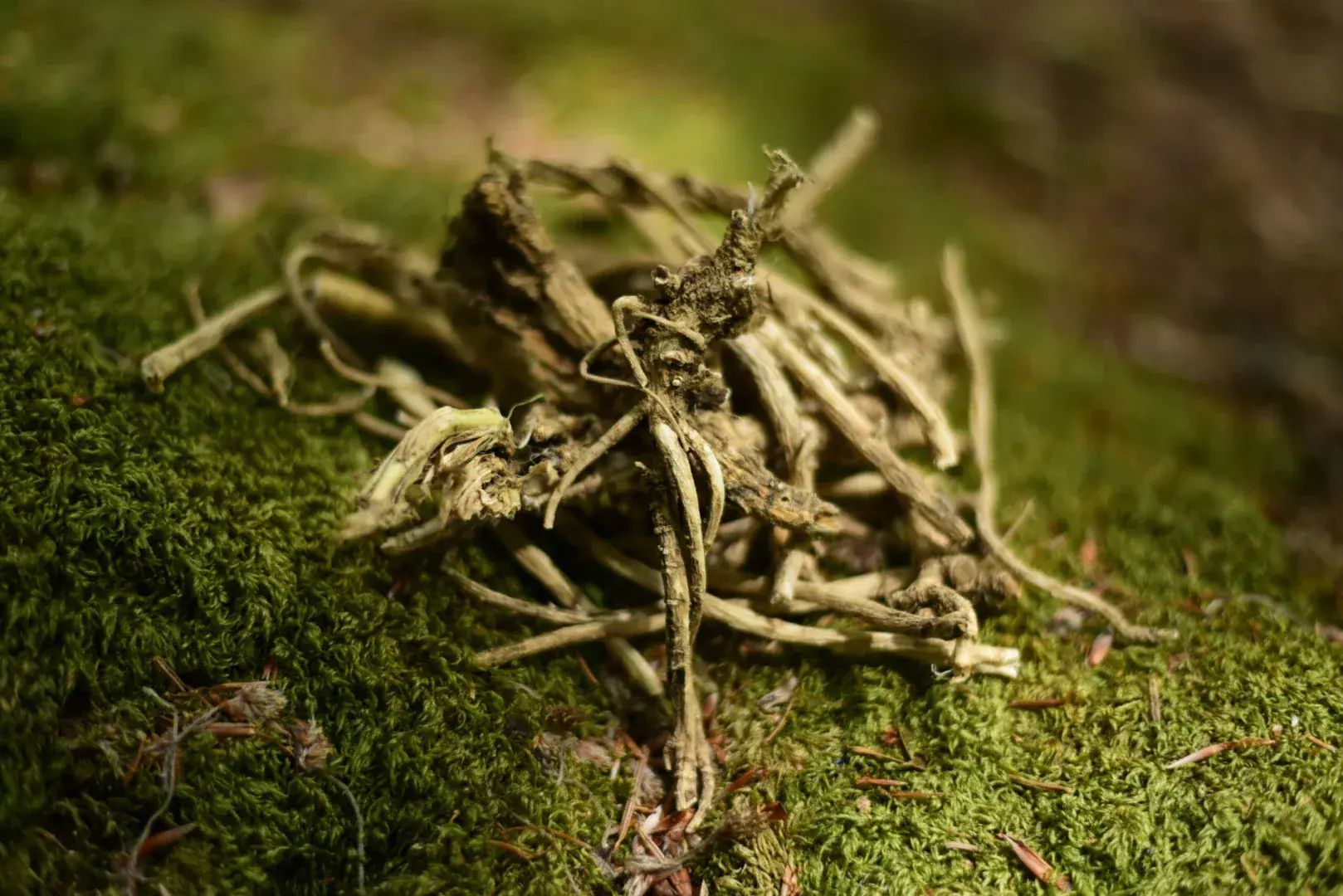
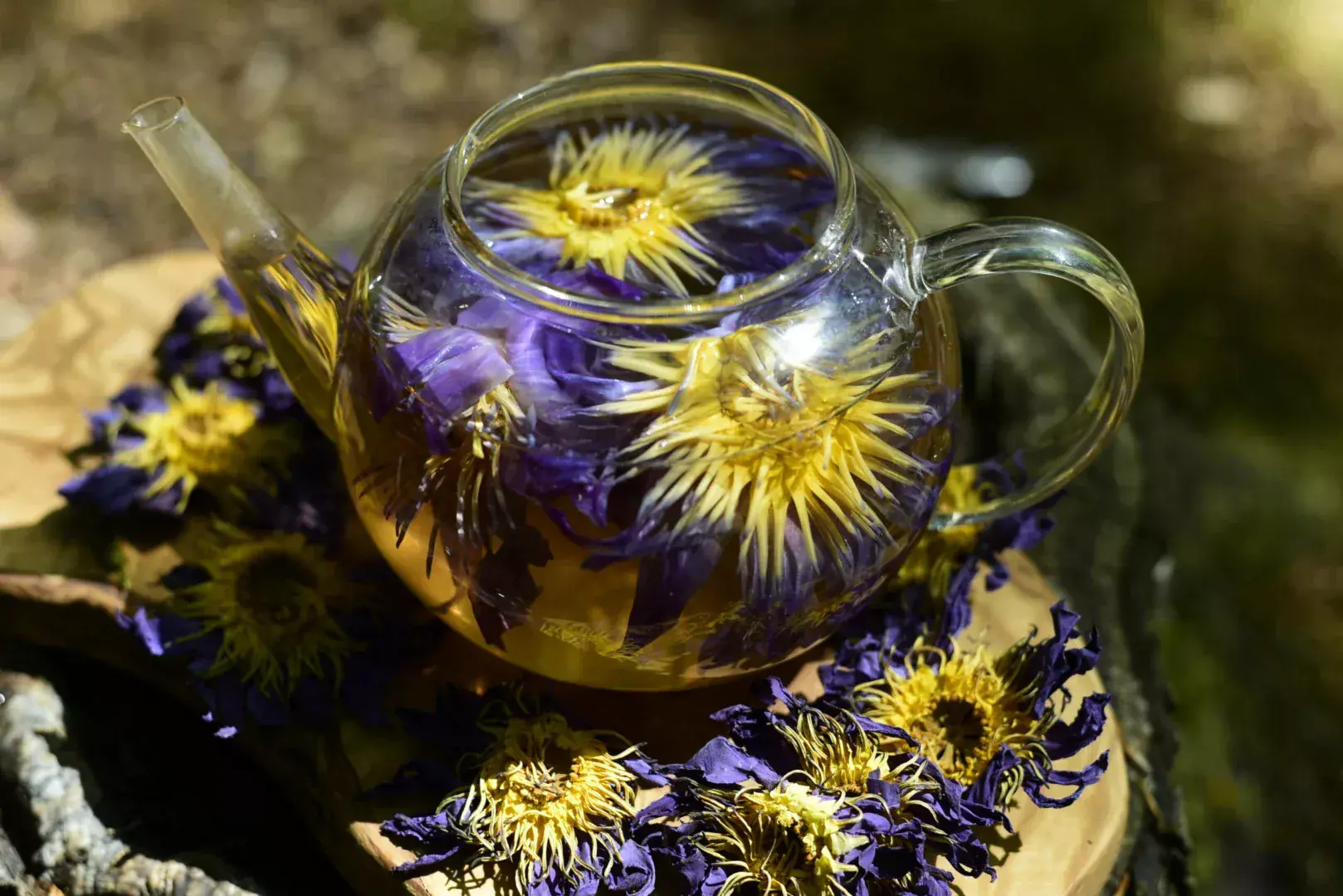
Blue Lotus
The flower of the Egyptian priestesses
from €6.00
A notebook by the bed, a few words on waking, a reread now and then: the dreamer's simplest gesture, and the herbs we drink in the evening to go with it.
A dream leaves with the first movement of the morning, and a notebook holds it.
The Kichwa of the Amazon tell each other their dreams before dawn, a cup of guayusa in hand; Jung read dreams in series, night after night.
The flower of the Egyptian priestesses
from €6.00
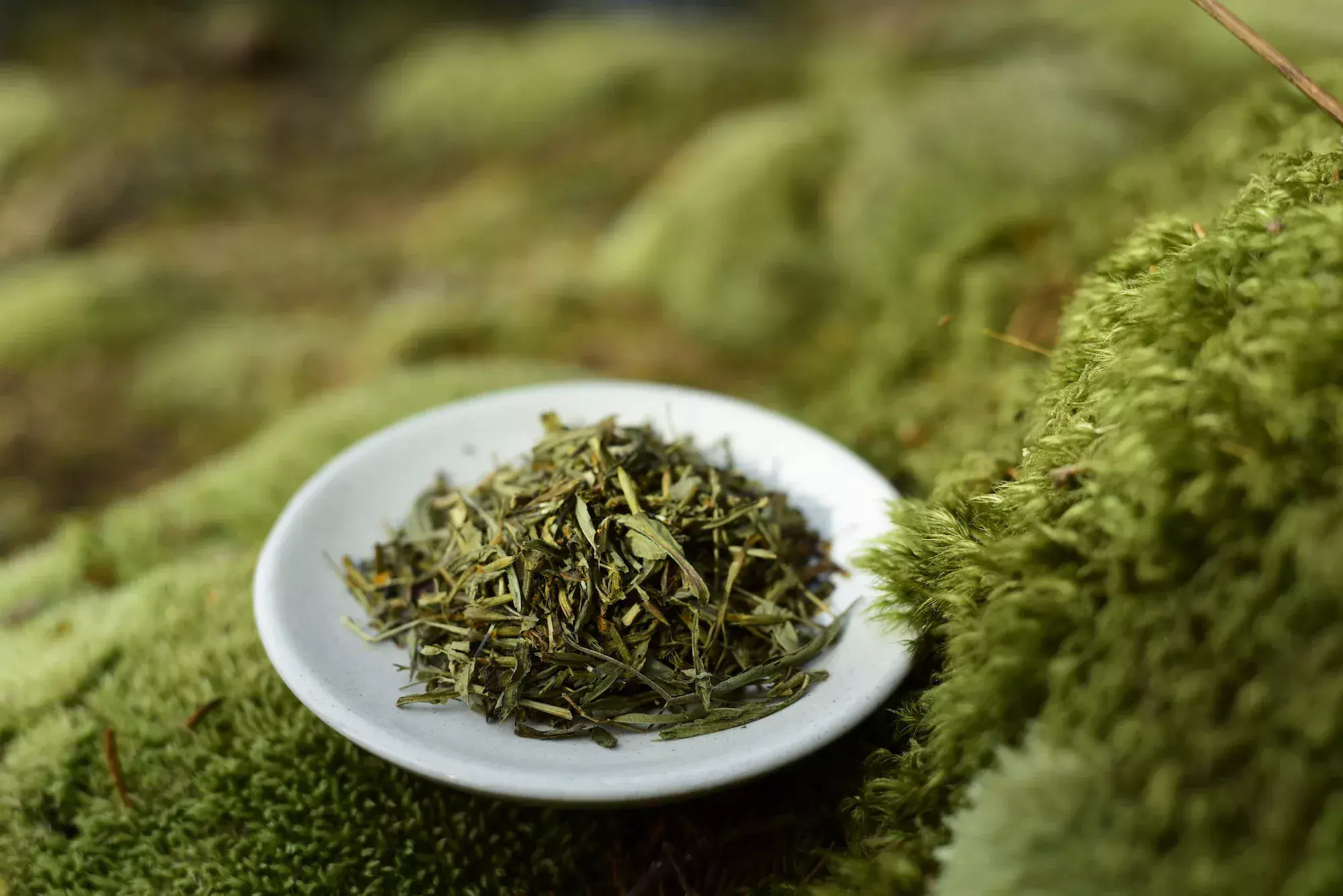
The Herb of the Gods
from €7.20
The cloud-herb of the Prince of Flowers
from €7.00
« Fast shipping to Aus. Excellent seller / store, great customer experience. Beautifully packaged. Would highly recommend this seller. Lotus flower is lovely as a cup of tea at night, like camomile on steroids. Love it. Thankyou »
« A trustworthy shop. The herbs are fresh and well-packaged, which is crucial for rituals. Delivery is fast and reliable. Thank you so much for the consistent quality. »
The notebook open at tomorrow's date, a pencil resting on it. A cup of the herb you chose, an hour before sleep, and one sentence for the night: I want to remember my dreams.
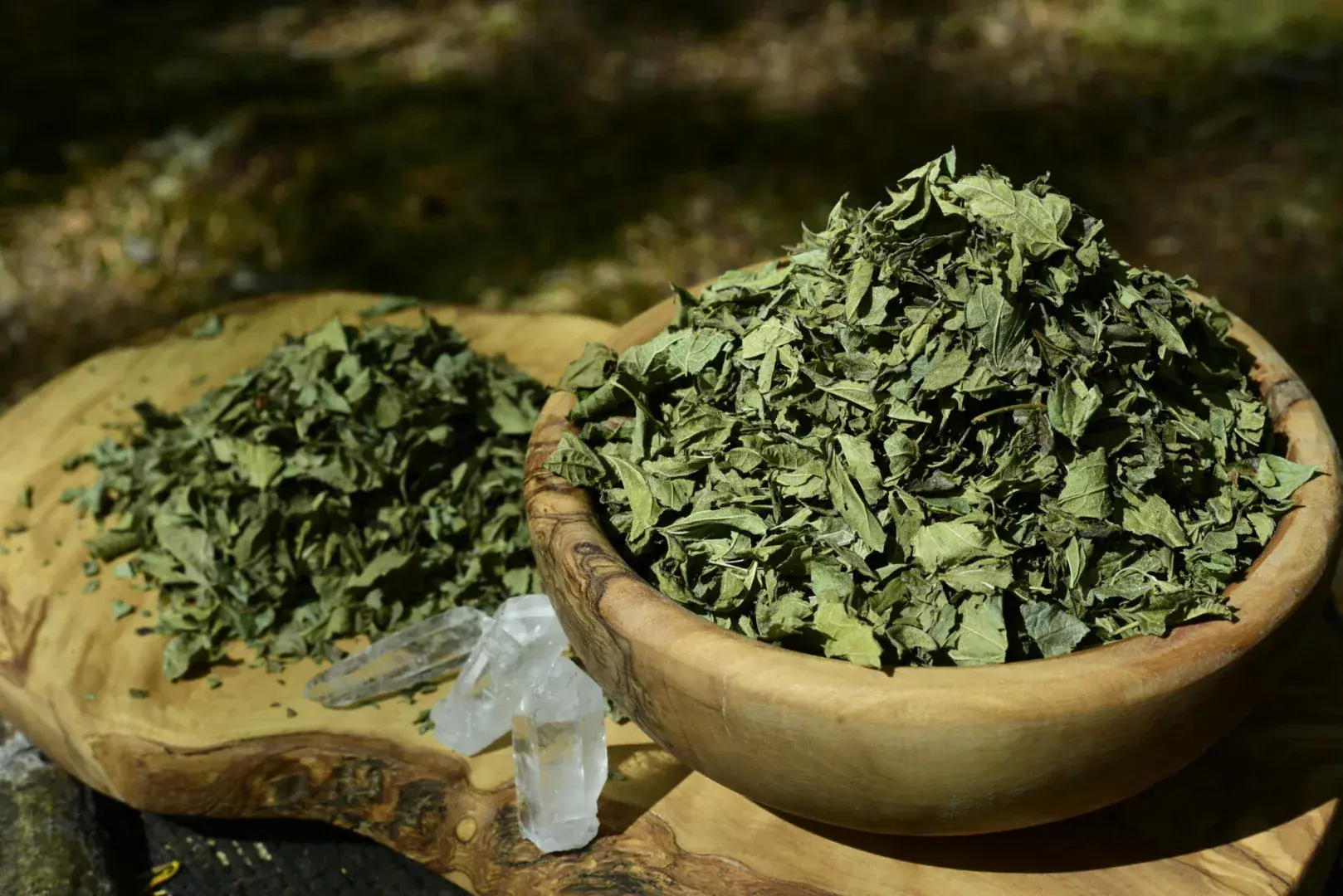
Stay still for a moment, eyes closed, and let an image come back. Then write in the present tense, without sorting: a place, a face, a colour, what you felt. On thin mornings, one word is enough.
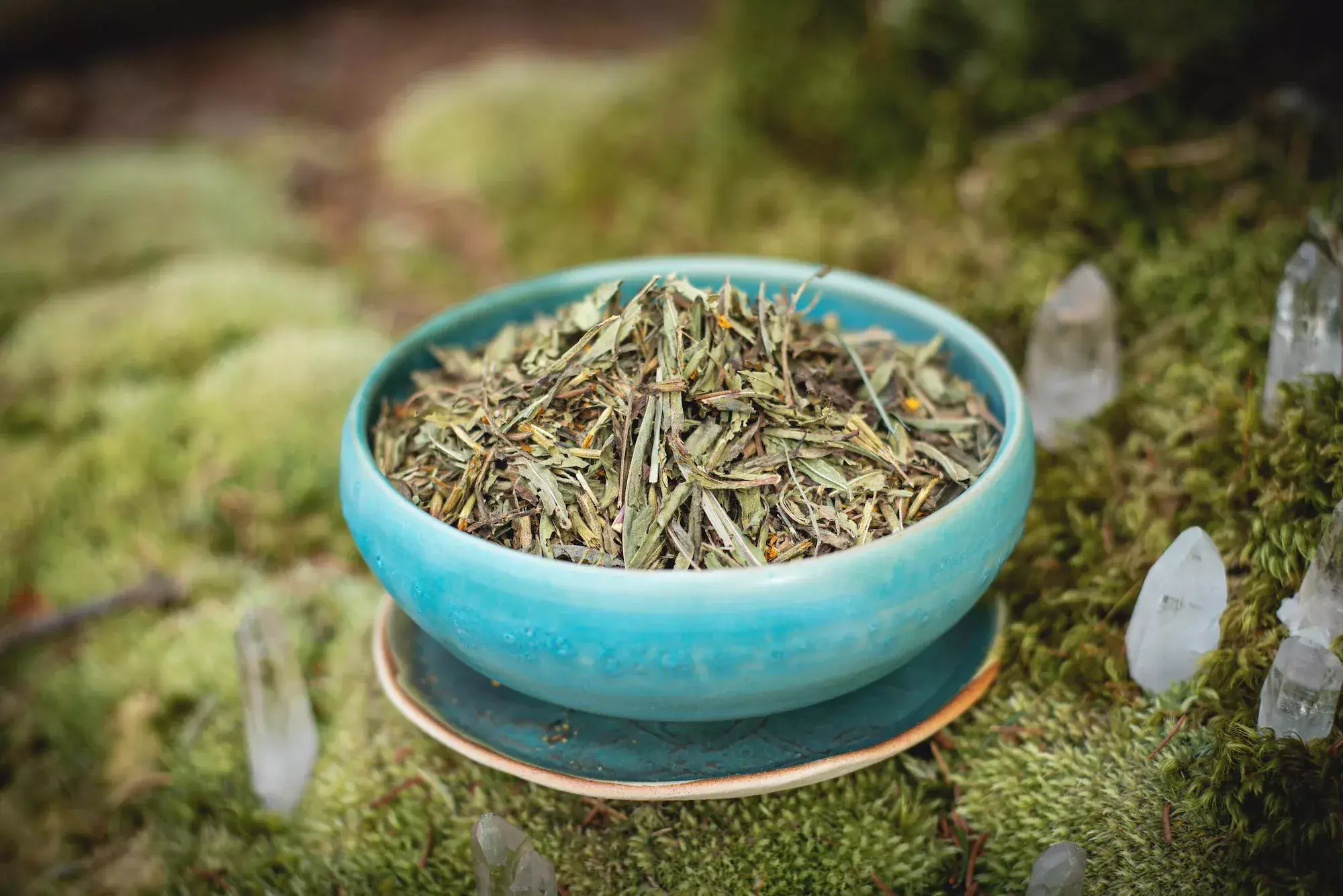
Give each dream a title, like a chapter. Titles can be reread at a glance.

Once a week, or at each new moon, reread the pages. The characters, places and motifs that return show themselves.
The notebook sleeps by the bed with a pencil, within reach in the dark. On waking, before moving or looking at a screen, write what is left: a scene, a word, a feeling in the body. The present tense helps (“I am walking through a house I don't know”), and a title at the top of the page lets you find the dream again months later.
On mornings when nothing comes back, note the date and the mood you woke in: the page stays open for the next night. Stephen LaBerge, who studied lucid dreaming at Stanford, puts this journal at the very start of the practice: recognising a dream begins with remembering it (Exploring the World of Lucid Dreaming, 1990).
Carl Gustav Jung read dreams in series. In Psychology and Alchemy (1944), he follows a long series of dreams from a single dreamer, the physicist Wolfgang Pauli, and watches motifs return from one night to the next. From 1913, Jung himself recorded his visions in black notebooks, later copied into the Red Book, published in 2009. His dialogue with the figures of the dream: Jung's active imagination.
Rereading your journal does the same at your own scale: underline the places, animals and people that return, and look at the days that came before them.
Among the Kichwa of the Amazon, the wayusa upina begins before dawn: guayusa is drunk around the fire and the night's dreams are told. Among the Haudenosaunee (Iroquois), seventeenth-century Jesuit missionaries described dreams told to the village, which the community then helped to fulfil (Robert Moss, Dreamways of the Iroquois, 2005).
The psychiatrist Montague Ullman opened dream groups in the West: a dream is read aloud, each person answers “if it were my dream…”, and the dreamer keeps the last word (Appreciating Dreams, 1996). The journal gives these circles their material.
In the evening, a dream herb; on waking, a herb for telling:
The herbs of dream recall, one by one: herbs to remember your dreams. Towards lucidity: herbs for lucid dreaming.
A notebook and a pencil by the bed. On waking, before moving, write in the present tense whatever comes back, even a single image, and give it a title. Once a week, reread the pages: the motifs that return become visible.
To keep the dream, which fades fast once you get up. Over the weeks, many dreamers find more dreams in it, and rereading shows the places, people and motifs that return. It is also the first step of lucid dreaming practices.
Jung read dreams in series: in Psychology and Alchemy (1944) he follows a long series of dreams from the physicist Wolfgang Pauli. He recorded his own visions in notebooks from 1913, which became the Red Book.
A group that meets to read dreams aloud. In Montague Ullman's method, each person answers “if it were my dream…”, and the dreamer keeps the last word. Among the Kichwa, the circle meets before dawn, around the guayusa.
A dream herb an hour before sleep: Calea, which our dreamers link most often with morning recall, blue lotus or yauhtli as a tea. On waking, guayusa, drunk by the Kichwa before dawn to tell the night.
As long as you like. Many start with a few weeks, one line each morning. If writing feels heavy, or dreams take up too much room in the day, take a break; the journal waits.
OTHER INTENTIONS · Dream