Passiflora · Passion Flower
★5.0· 39 reviews
€6.26
The body still sleeps, the mind wakes, and someone seems to sit on the chest: the Old Hag of Newfoundland, the Alp of the Germans, the Polish zmora, Brazil's Pisadeira, Japan's kanashibari.
On waking, the body is still asleep: it does not move, the voice does not come, and a presence seems to weigh on the chest.
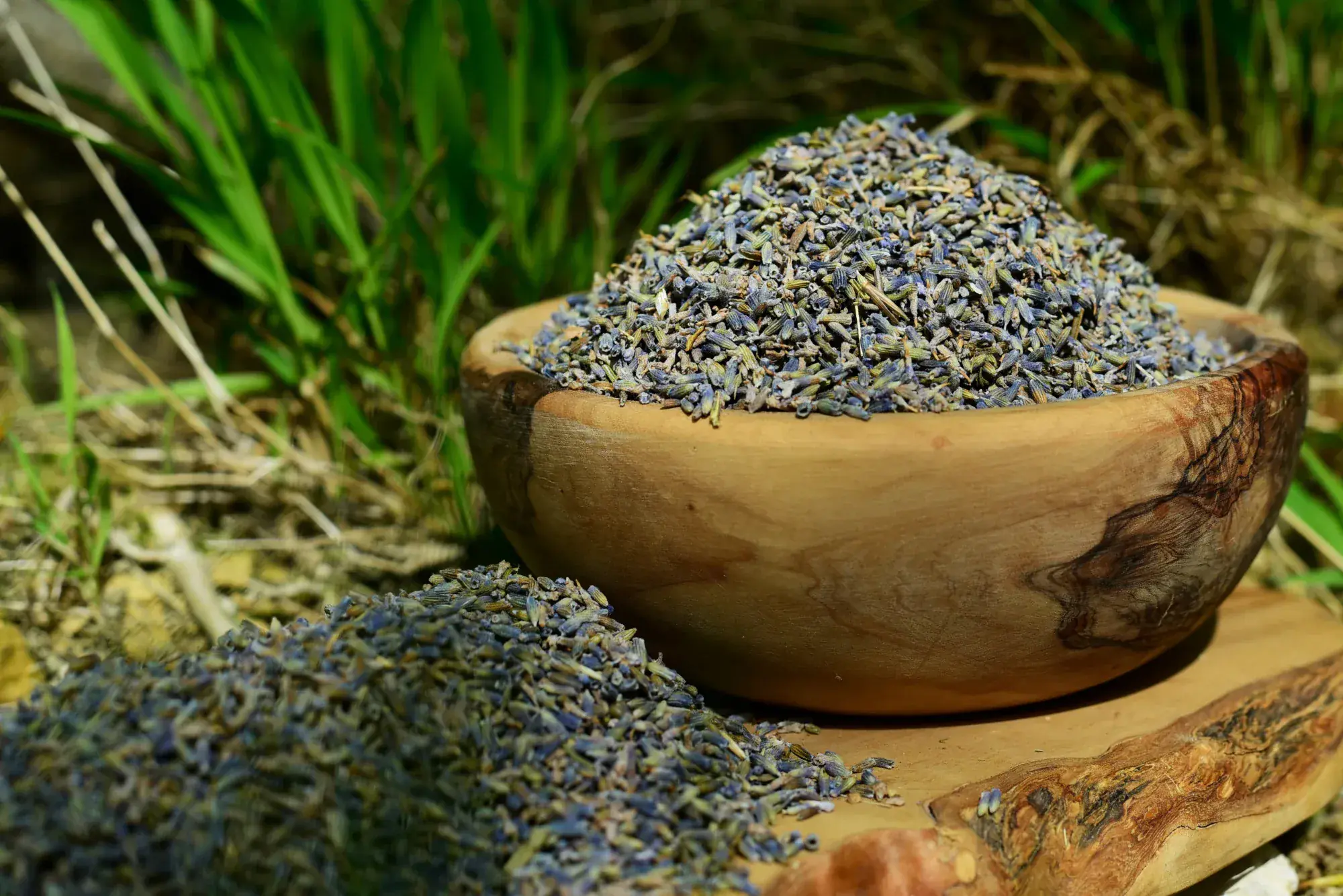
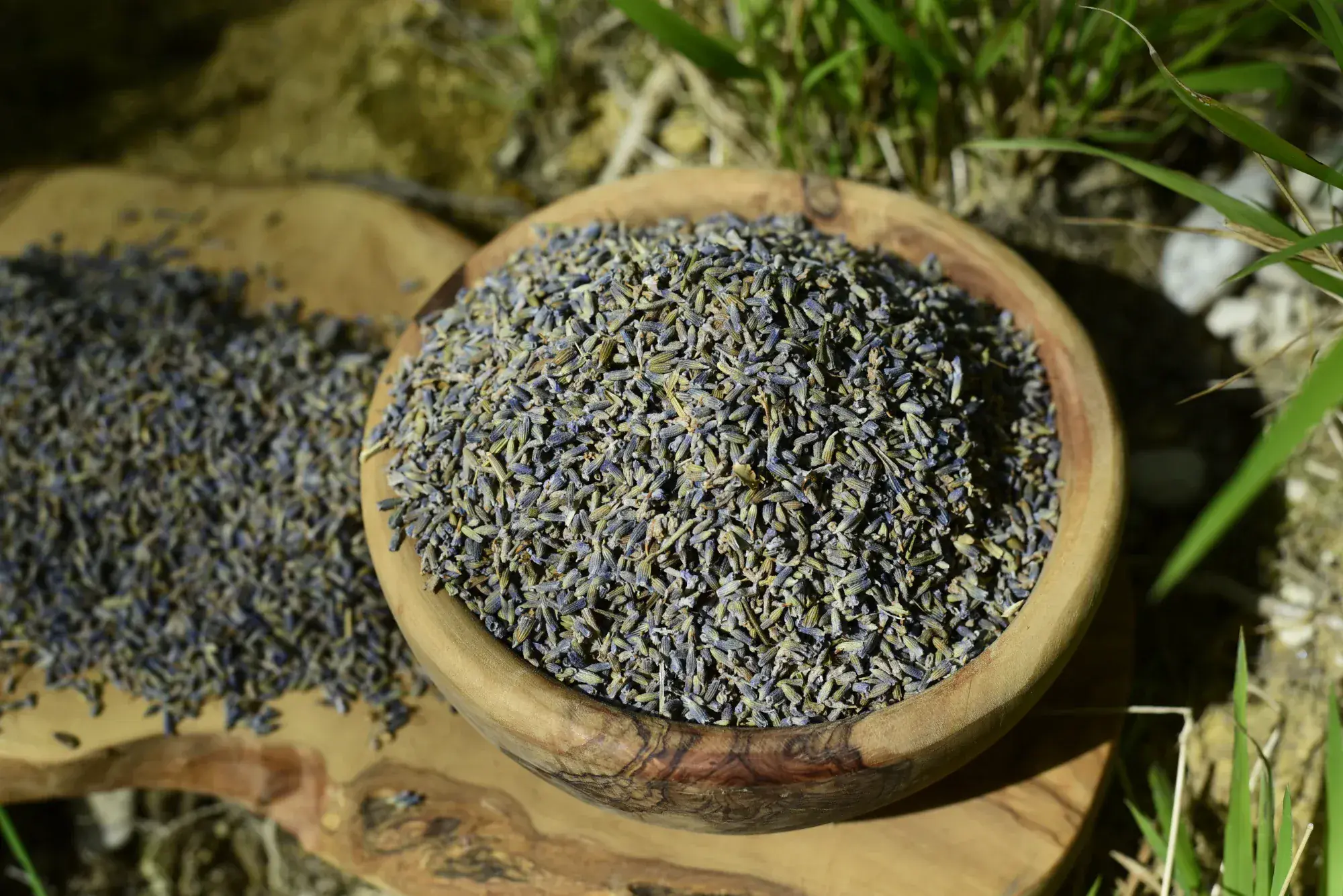
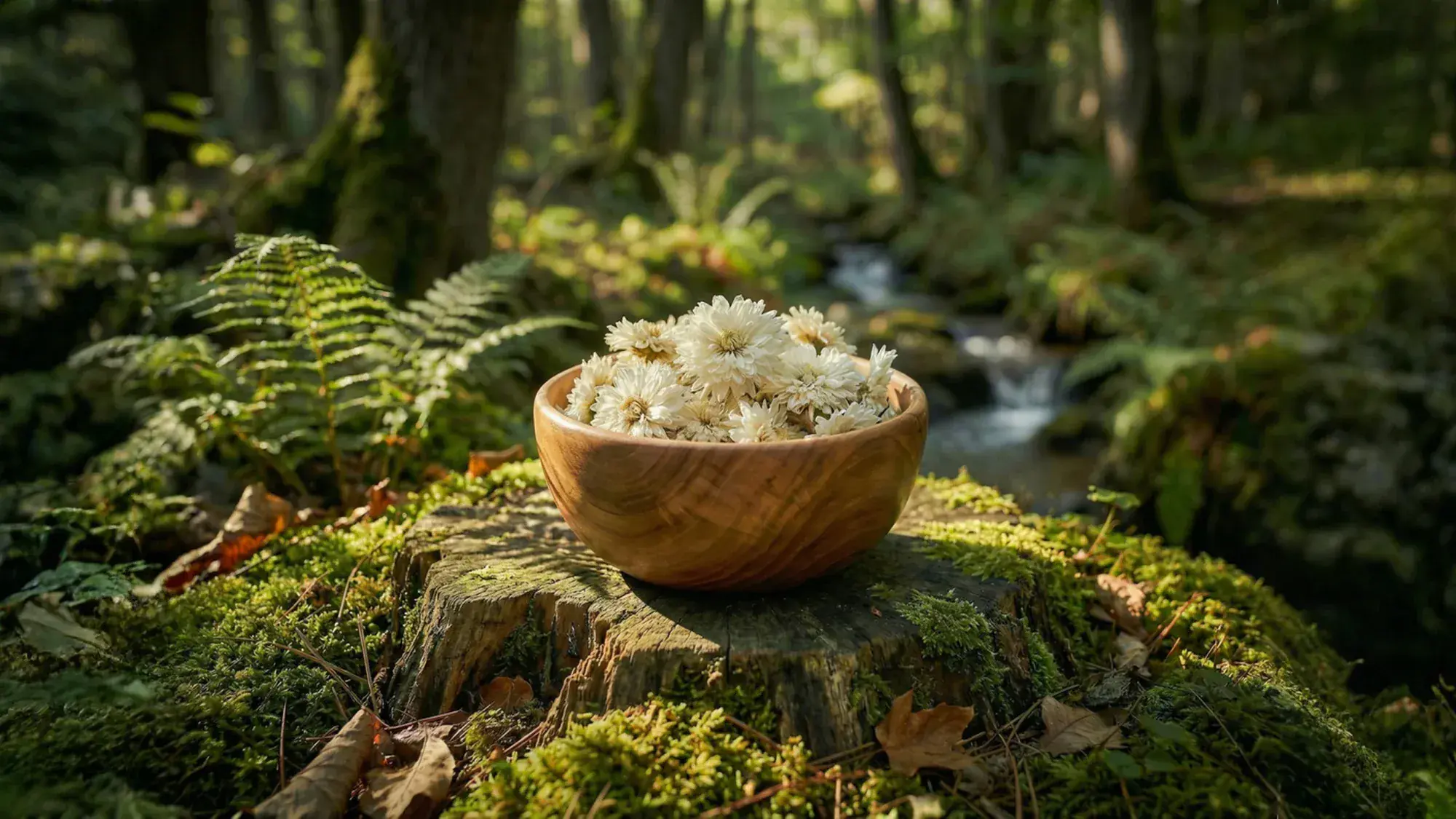
Lavender belongs to the plants of sacred rest. Placed under the pillow, lightly burned, or infused in the evening, she was kept near places of rest for peaceful nights. Some elders said that lavender helps the soul “settle” before traveling through the night.
The body still sleeps, the mind wakes, and someone seems to sit on the chest: the Old Hag of Newfoundland, the Alp of the Germans, the Polish zmora, Brazil's Pisadeira, Japan's kanashibari.
Going to bed and getting up at roughly the same times, sleeping seven to nine hours: this is the first advice of the British NHS and of the researchers who study sleep paralysis.
A light dinner, with coffee, alcohol and tobacco kept away from bedtime, as the NHS and Brian Sharpless advise. Exercise finds its place earlier in the day.
Episodes come most often when lying on the back (Cheyne, 2002). The NHS advises another position; Sharpless also sets the stomach aside: that leaves the side.
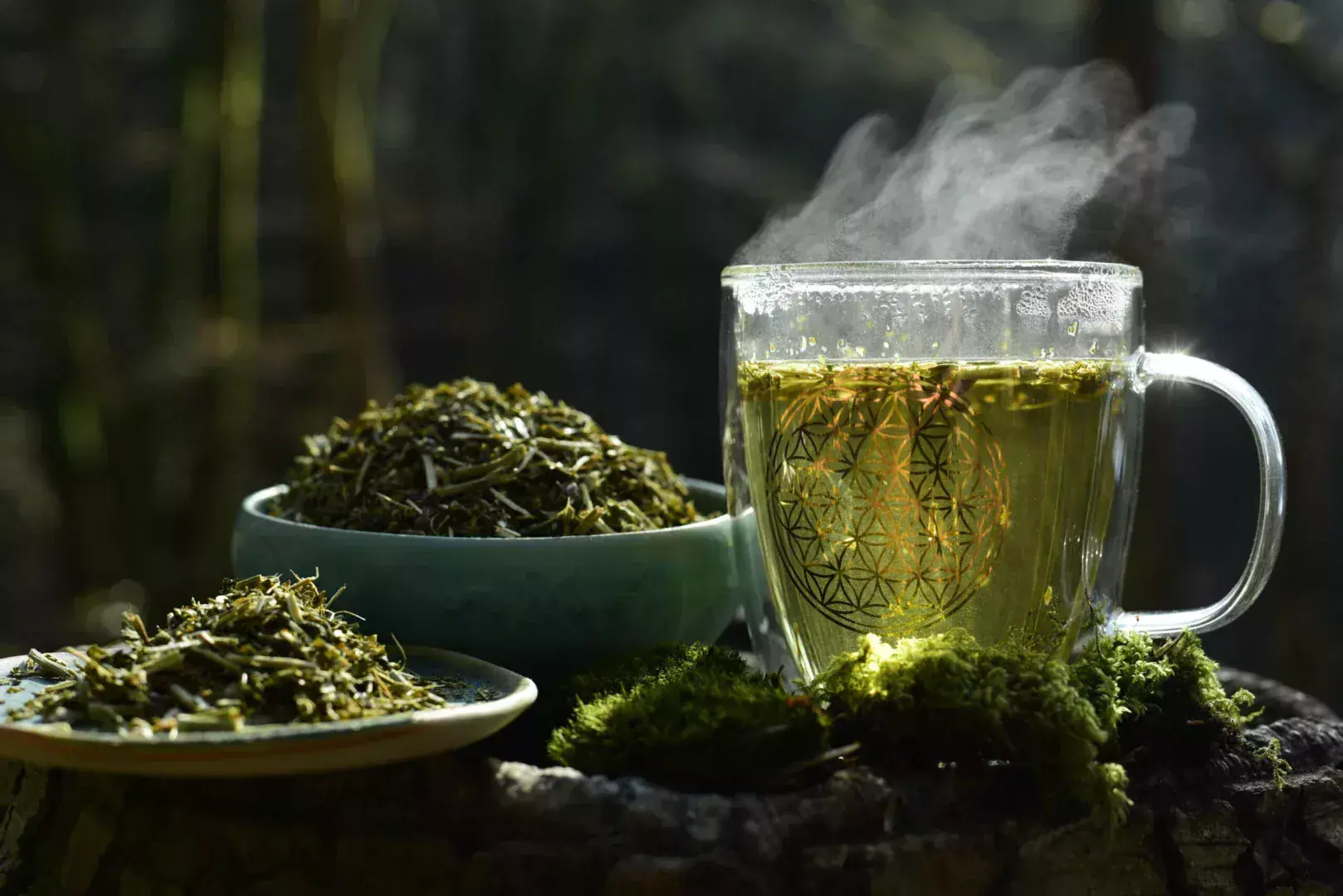
A teaspoon of lavender flowers in hot water, around 80 °C, 7 to 10 minutes covered. While it steeps, the lights go down.
Sleep paralysis comes on waking or while falling asleep: you are conscious, and you can neither move nor speak. During REM sleep, the sleep of dreams, the muscles go slack and the body stays still. On waking, this slackness lasts a few moments longer while the mind is already there, and the dream goes on casting its images, often dark ones (Sharpless, 2016).
Many describe a pressure on the chest, a presence in the room, an intense fear (de Sá and Mota-Rolim, 2016). A review of 35 studies estimates that about 7.6% of people have lived it at least once, and 28% of students (Sharpless and Barber, 2011). The reference book is by Brian Sharpless and Karl Doghramji, Sleep Paralysis: Historical, Psychological, and Medical Perspectives (Oxford University Press, 2015).
Episodes come more often when lying on the back (Cheyne, 2002), after a lack of sleep, shifting hours or a stretch of stress (Denis, French and Gregory, 2018; NHS).
Culture after culture has given these moments a face. The one who weighs on the chest carries a name in language after language:
| Its name | Where | What is told |
|---|---|---|
| the Old Hag | Newfoundland | a hag that an enemy can send in the night; the folklorist David Hufford studied her in 1982 |
| the mære, the mara, the mare | England, Scandinavia, the Netherlands | a spirit who rides the sleeper; she gave English nightmare its second half, and Dutch nachtmerrie its merrie |
| cauquemare, cauquevieille | France | around 1375: “il semble qu'il monte sur lui” (“it seems to climb onto him”); in Lyon, the old woman who presses. The word gave French cauchemar |
| der Alp, the Alpdrücken | Germany | the Alben, elves, crouch on the sleeper's chest; from them comes Albtraum, the German nightmare |
| the zmora | Poland | she sits on the chest and presses it with her knees |
| the můra | Czechia | she brings sweet dreams, then begins to smother and press |
| the домовой (domovoi), the house spirit | Russia | he sits on the chest; people ask him “К добру или к худу?”, for good or for ill? |
| the Pisadeira | Brazil | an old woman with long nails who lurks on the rooftops and treads on the chest of whoever sleeps on their back with a full stomach |
| 金縛り, kanashibari | Japan | the name of a Buddhist rite that binds a person still; 40% of the Japanese students surveyed have lived it |
| the Pandafeche | Italy (Abruzzo) | a witch, sometimes a cat in human form; a broom goes by the door, a heap of sand by the bed |
| the karabasan | Turkey | a being of folk tradition, known to nearly nine in ten of the Istanbul students surveyed |
| se me subió el muerto | Mexico | “the dead man climbed onto me” |
| the jinn | Egypt | in Cairo, nearly one person in two sees them behind their episodes |
In 1781, Henry Fuseli (Johann Heinrich Füssli) painted The Nightmare: an incubus crouched on the chest of a sleeping woman, a horse's head in the shadows. The painting hangs today at the Detroit Institute of Arts.
These moments between waking and sleep have another side, the images that rise as you drift off: hypnagogia.
The advice of the British NHS, the Cleveland Clinic and Brian Sharpless comes together:
For sleep itself, our evening plants have their own page: better sleep.
A cup at twilight, the lights turned down: here are the plants of this page, and their recipe.
The NHS advises seeing a doctor when episodes are frequent and you feel very scared to go to sleep, or you are tired all the time from lack of sleep. The doctor also looks for an underlying cause, such as narcolepsy, signalled by strong daytime sleepiness and sudden losses of muscle tone (Sharpless, 2016).
Lavender and passionflower: the European Medicines Agency does not recommend them under 12, nor during pregnancy and breastfeeding, and advises against driving after taking them (EMA, lavender; EMA, passionflower). Passionflower is best kept apart from sleeping pills and anti-anxiety medicines. Mulungu: during pregnancy and breastfeeding, leave it aside; no driving or machinery after the cup; take care with low blood pressure, sedatives and alcohol; it is taken in courses of four to six weeks, then rested. Chamomile: with an allergy to the Asteraceae family, leave it aside. If you take medication, ask a doctor before any plant.
On waking, the muscle slackness of REM sleep lasts a few moments longer while you are already conscious (Sharpless, 2016). Studies link it to lack of sleep, irregular hours, stress and lying on the back (Denis et al., 2018; Cheyne, 2002).
The dream goes on for a few moments as you wake: it casts very vivid images, often frightening ones, into the real room. “Sleep paralysis demon” is the name many give it today; older traditions gave it a face of their own: the Old Hag in Newfoundland, the mære in Old English, the Alp in Germany, the zmora in Poland, the Pisadeira in Brazil.
It depends on the country: the Old Hag in Newfoundland, the mære in Old English, which gave us nightmare, the mara in Scandinavia and the mare in the Netherlands, the Alp in Germany, the cauquemare or cauquevieille in Old French, the zmora in Poland, the můra in Czechia, the domovoi in Russia, the Pisadeira in Brazil, the Pandafeche in the Abruzzo, the karabasan in Turkey. In Japan, the word kanashibari names the episode itself.
The NHS advice: regular bed and waking times, seven to nine hours of sleep, sleeping on your side, a light dinner, no alcohol or coffee before bed, exercise earlier in the day. The Cleveland Clinic adds a dark, quiet bedroom and fewer screens in the evening.
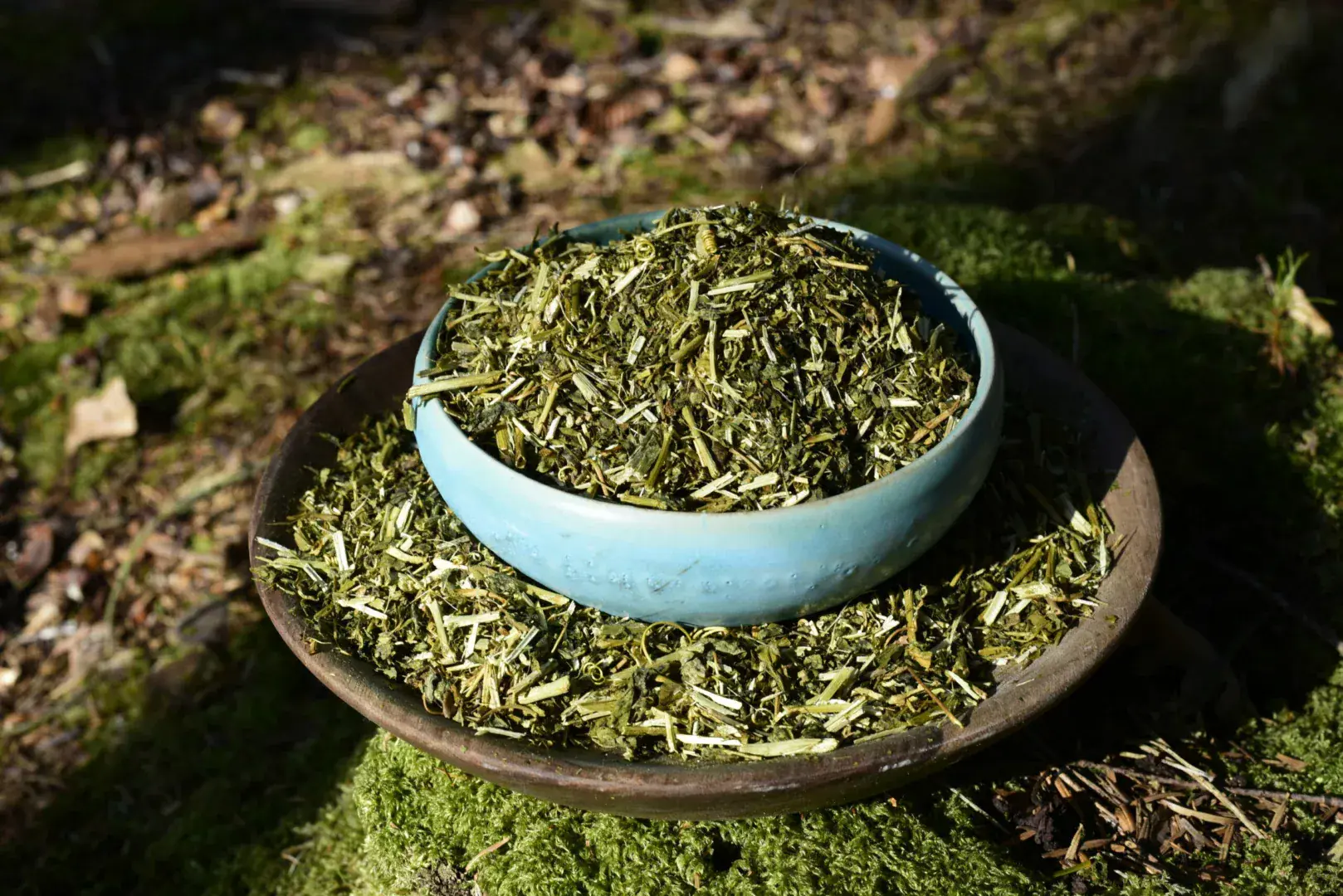
The one you love: lavender, a teaspoon, 7 to 10 minutes covered; passionflower, one to two teaspoons; noble chamomile, three to five flowers; mulungu, as a decoction of 15 to 20 minutes. The precautions for each are on this page and on its own page.
The NHS advises seeing one when episodes are frequent and you feel very scared to go to sleep, or tired all the time from lack of sleep. Strong daytime sleepiness and sudden losses of muscle tone are also worth mentioning to a doctor.
Ask the Forest: ethics of a plant, dose, lineage, synergy. It shares what peoples have transmitted and what books have written.