⊹ To weave around
To accompany Marihuanilla
Click a card to see why it pairs — and choose your form.
Read it through your world
The whole page is read through this lens.
✦ Marihuanilla · in one breath ✦
A conversation, not a wave.
For emotional ease and soft inner regulation.
⊹ The path of the plant
⊹ Community voices
What the community murmurs.
No testimony yet for this plant — nothing invented, nothing fabricated. If you have met it, your account can open the way for those who come after.
Ask the Forest about Marihuanilla
408 books digested, 97,512 indexed passages. She answers on lineages, synergies, cautions, ritual variations.
⊹ FREQUENT QUESTIONS ⊹
We answer.
What is marihuanilla?
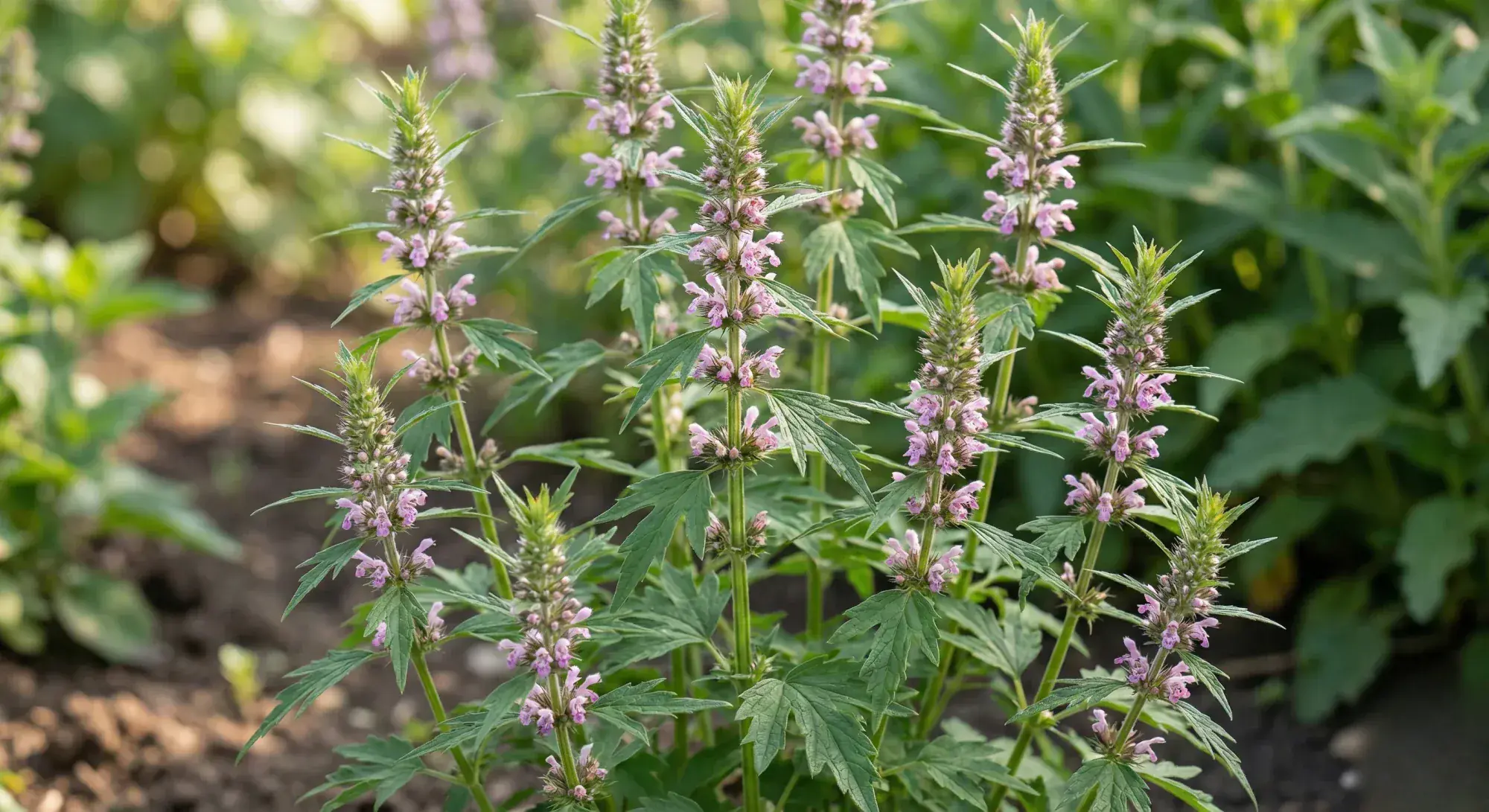
Marihuanilla (Leonurus sibiricus) is a plant of the mint family (Lamiaceae), native to Northeast Asia and naturalised in Mexico. She is traditionally approached in the evening for emotional ease and gentle inner regulation.
Which family does marihuanilla belong to?
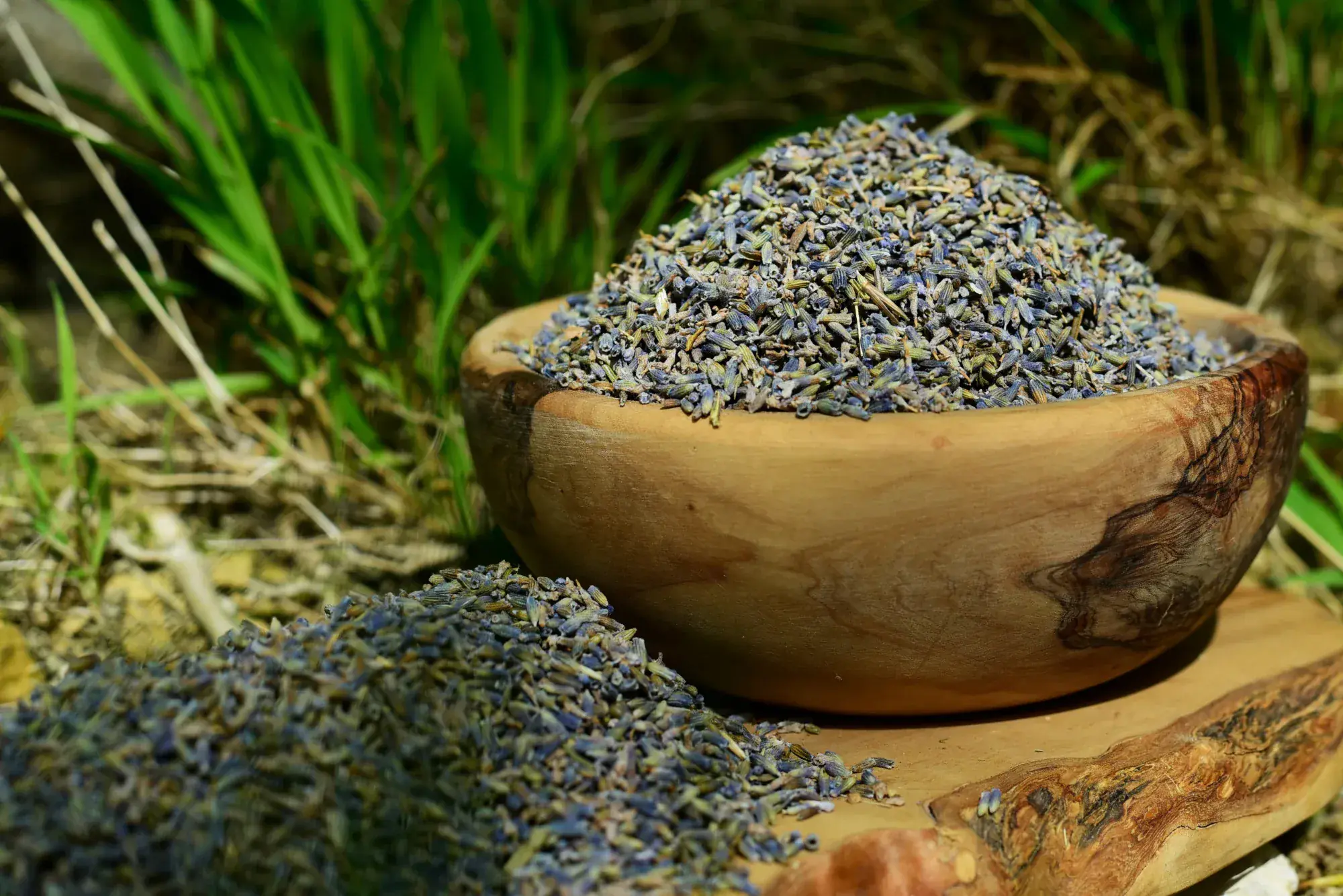
To the mints, the Lamiaceae, like sage and lavender. Her most studied compounds are two alkaloids, leonurine and stachydrine. The name marihuanilla comes from the palmate shape of her leaves and from her historical use as a smoking herb in Mexico.
What are the effects of marihuanilla?
Ethnobotanical sources describe her as more sedative than euphorising. Her temperament is subtle, gradual, grounded — an evening plant traditionally associated with a calmer emotional field and a heart that slows. Dale Pendell ranks her among soothing smoking plants.
How do I prepare marihuanilla as a tea?
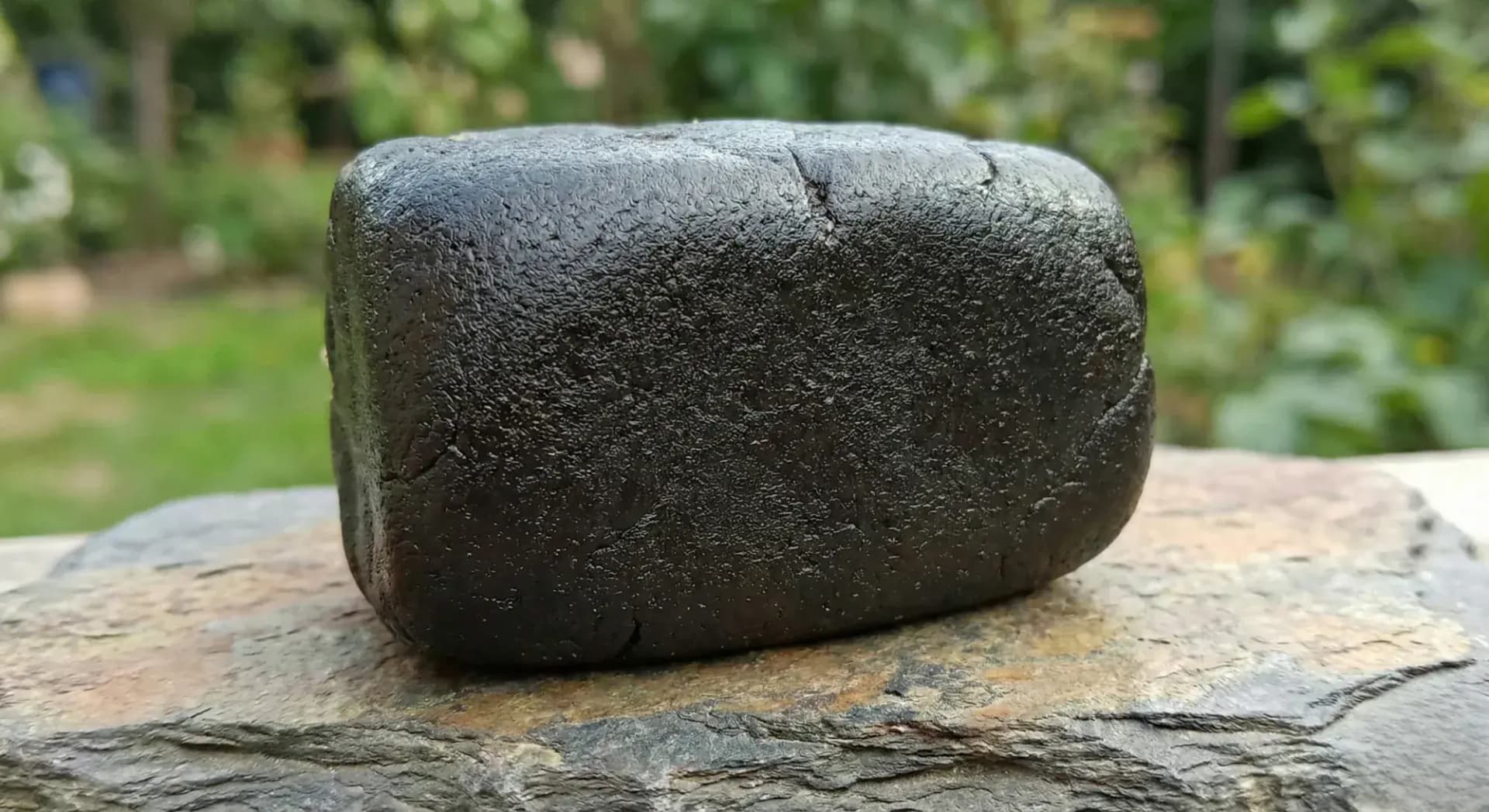
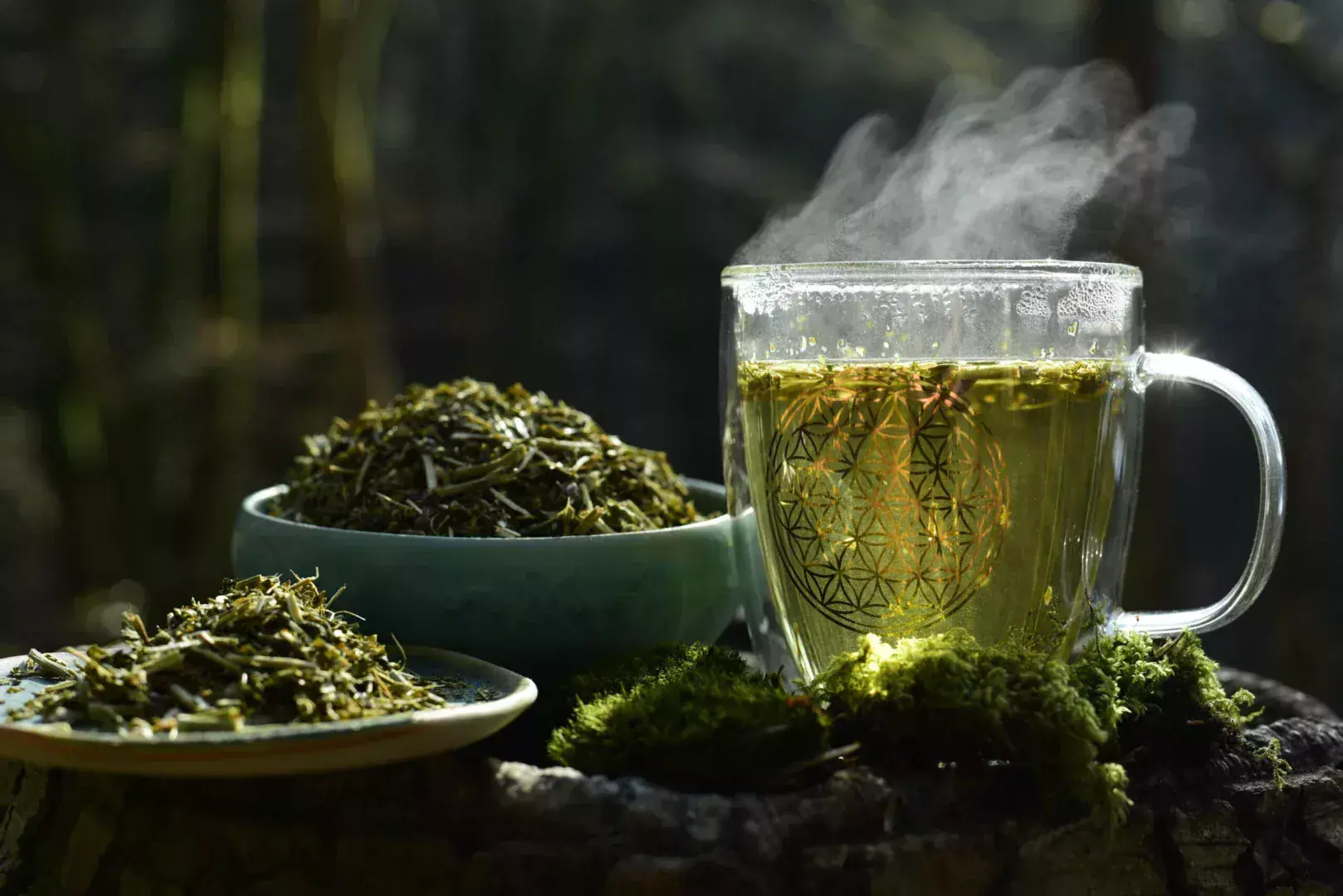
INFUSE offers her as a resin extract: from the size of a grain of rice to that of a chickpea, under the tongue (stronger) or dissolved in 250 ml of a warm drink (~50-60 °C), to drink slowly in the evening. The classic Chinese way used the dried leaf as an infusion — the same evening gesture, on another form of the plant.
Can marihuanilla be smoked?
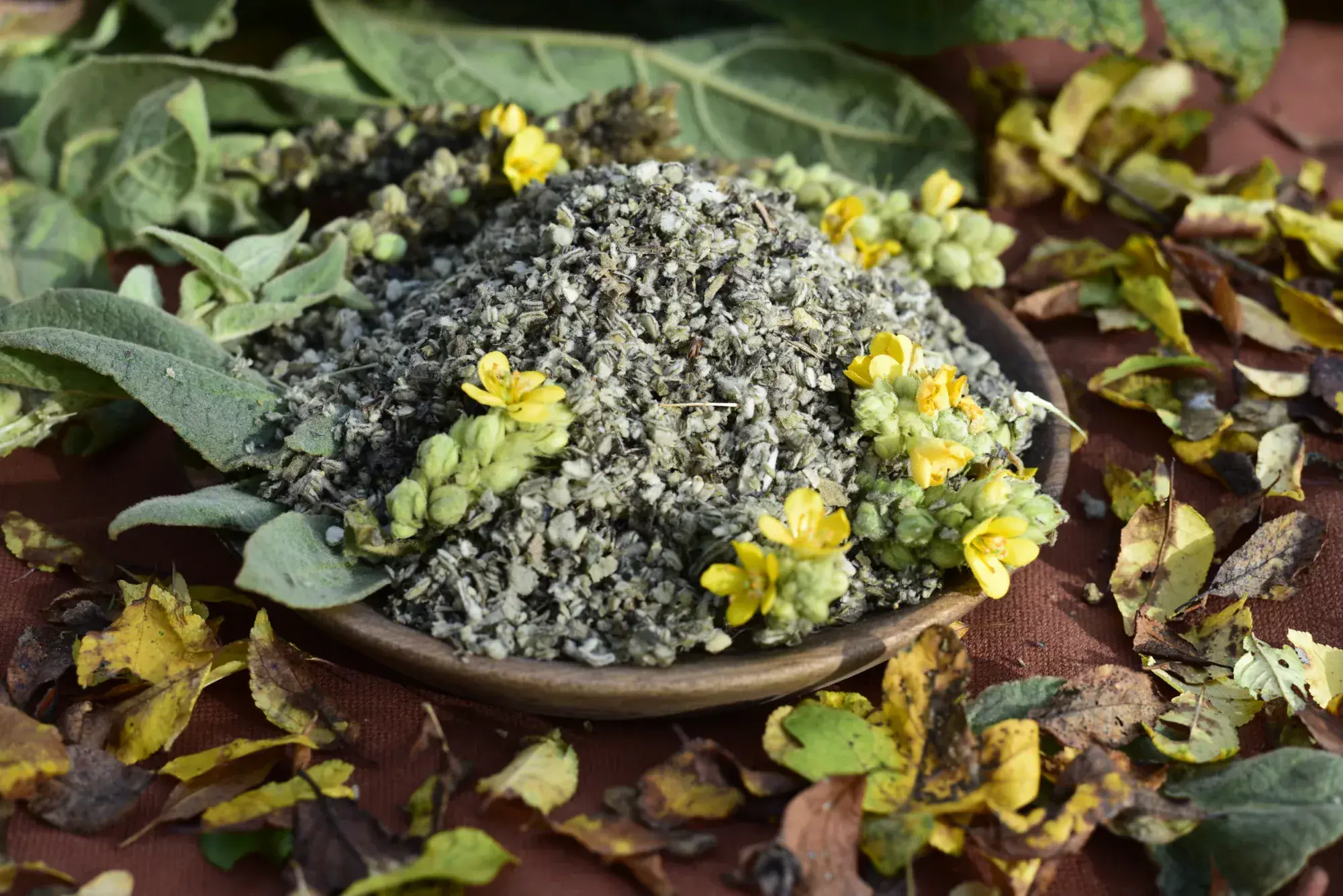
Smoking the dried leaves is the historical Mexican way — on their own they give a harsh smoke, which tradition softened in a blend (mullein, damiana). INFUSE offers marihuanilla as a resin extract, meant to be dissolved in a warm drink rather than smoked.
Is marihuanilla contraindicated during pregnancy?
Yes, formally. The plant has a uterotonic action that may stimulate contractions — she should never be used during pregnancy. It is precisely this property that made her a postpartum tonic in Chinese medicine, used only after birth and under supervision.
What is Yi Mu Cao?
Yi Mu Cao (益母草) is the Chinese name of marihuanilla — it means "herb beneficial for the mother". She is one of the oldest documented feminine tonics, mentioned as early as the Book of Odes (Shi Jing, ~1000-500 BCE) then integrated into the classical Chinese pharmacopoeia.
Why is marihuanilla called the migrant plant?
Because a single plant carries three narratives according to the lands that receive her — beneficial mother in China (Yi Mu Cao), smoking herb in Mexico (marihuanilla), garden guardian in Slavic traditions. Same pharmacology, opposite imaginaries.
Which plants pair with marihuanilla?
Damiana for affective warmth, mullein to soften a smoking blend, mugwort for dream memory, hawthorn for the emotional heart, passionflower for agitated evenings. These are evening companionships, soft and gradual.
⊹ Chapter · Questions ⊹
Ask, answer, share.
One question, one answer — sometimes several voices. The community answers first; INFUSE steps in when it should.
Nobody has opened a thread yet about this plant. You can be the one — a real question, a use, a doubt, a detail.
Anonymous if you prefer.