Guarana
★5.0· 29 reviews
€8.88
The lettuce of the god Min, cacao born from the body of the Maize God, the guarana of the Sateré-Mawé before the ordeal of the ants, the guayusa that Shuar men drink before dawn: the plants that peoples have bound to their gods and to the passage into manhood.
In Egypt, lettuce was the plant of the god Min, and its white sap was taken for his seed.
Guayusa, the Jaguar Spirit. The Kichwa sum it up in one word: *Runa*, fully alive. A calm energy, present, available, playful, the heart open, and one that carries its clarity all the way into dreams. In a gourd, or as a twenty-minute decoction.
The lettuce of the god Min, cacao born from the body of the Maize God, the guarana of the Sateré-Mawé before the ordeal of the ants, the guayusa that Shuar men drink before dawn: the plants that peoples have bound to their gods and to the passage into manhood.
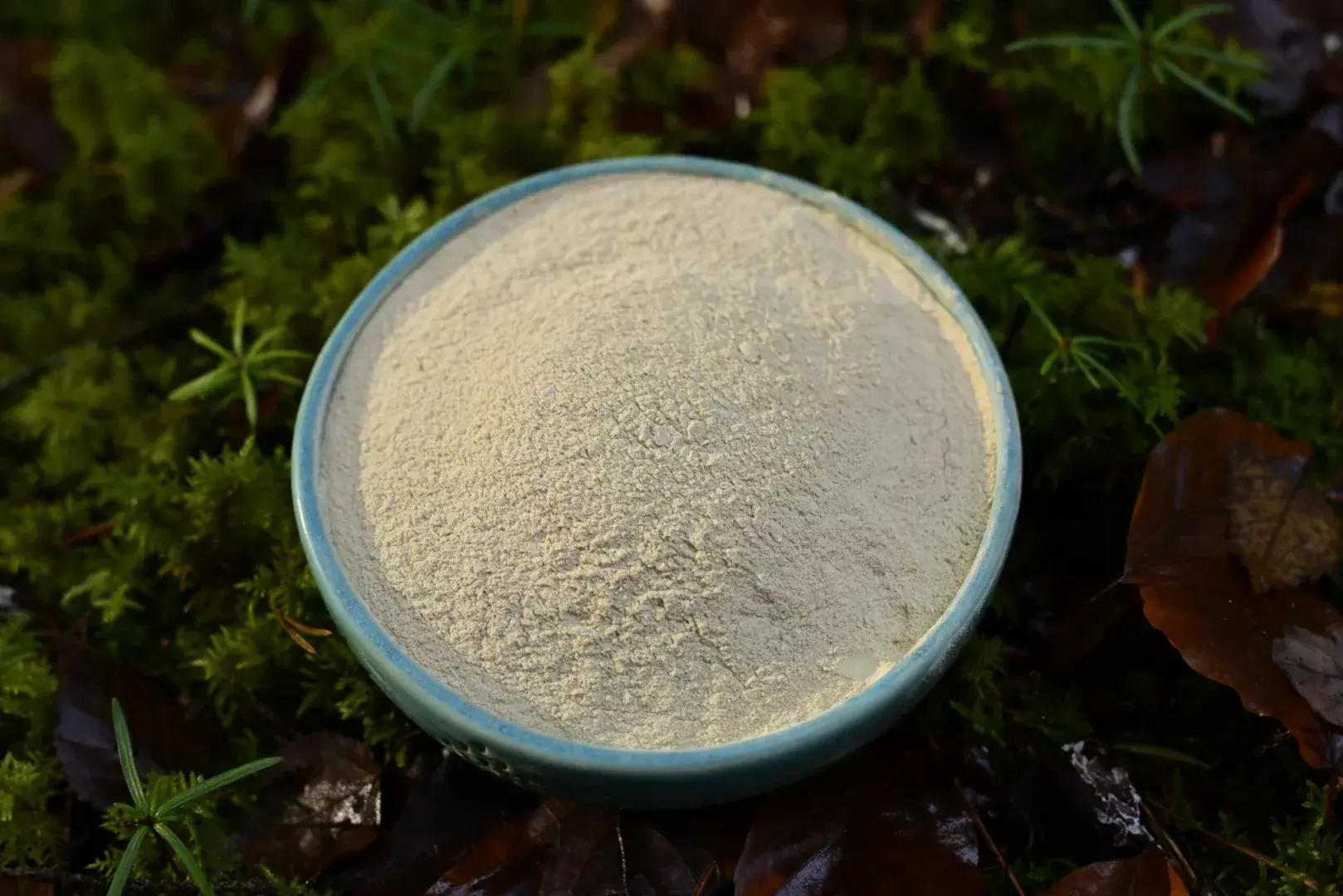
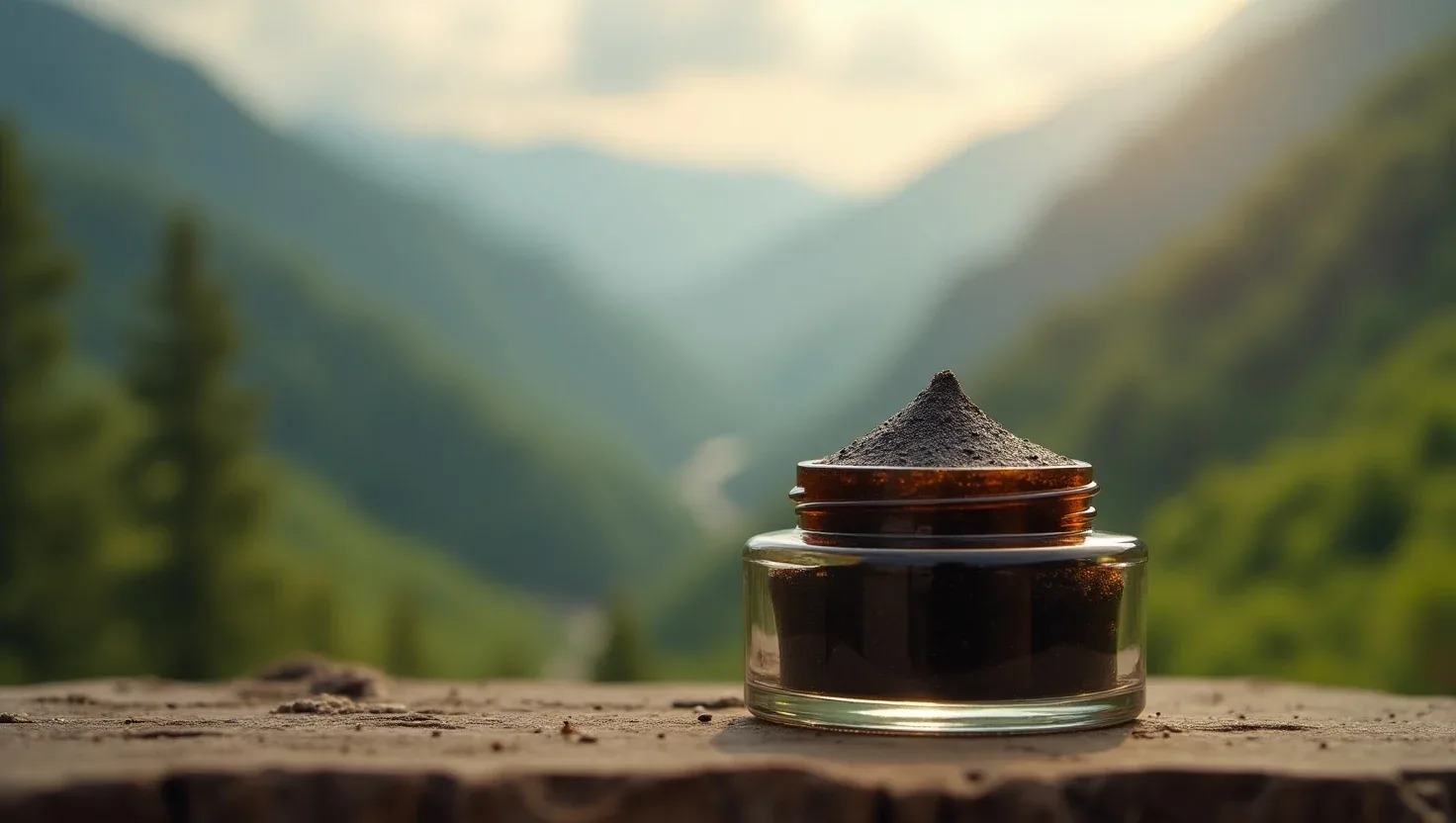
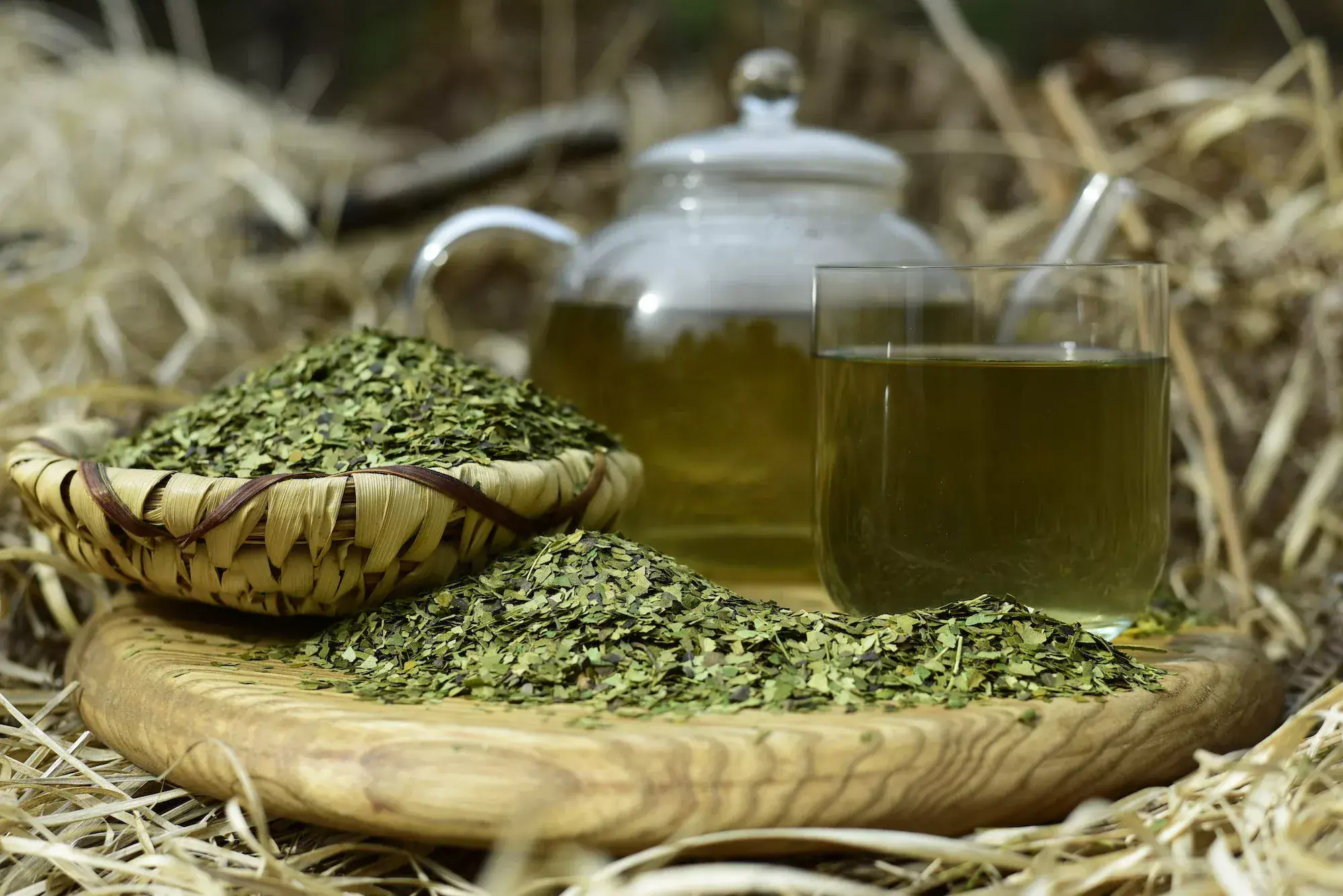
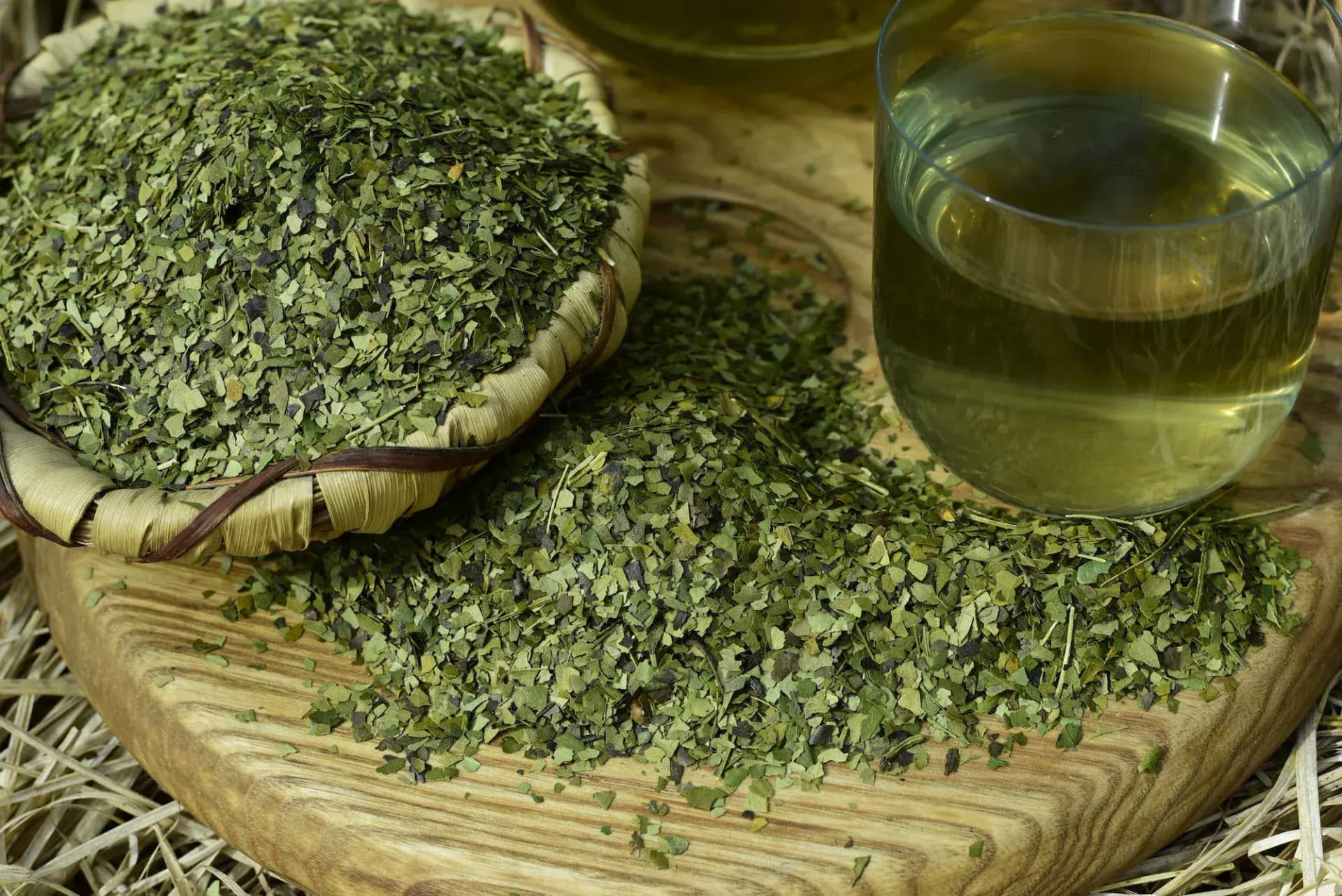
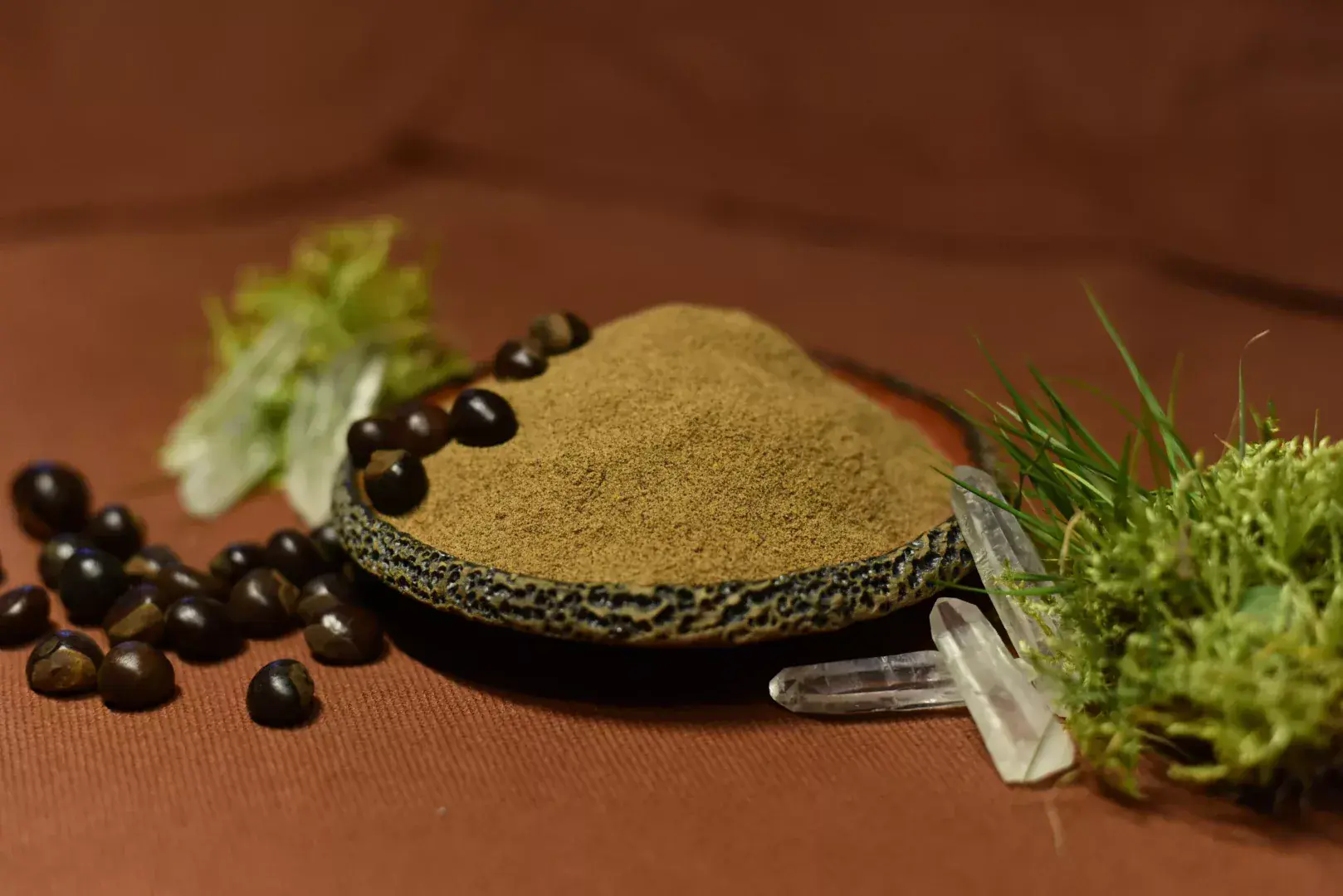
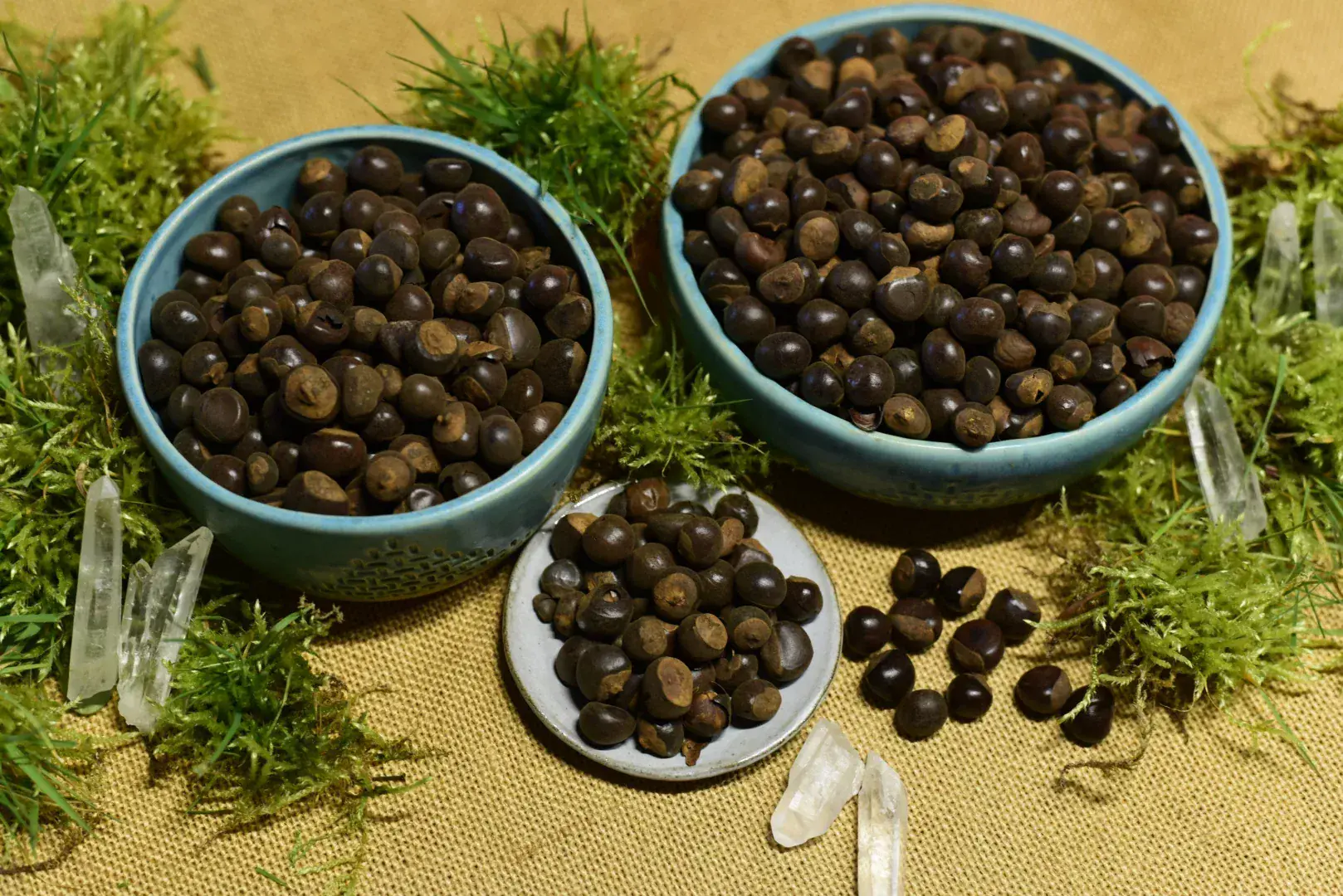
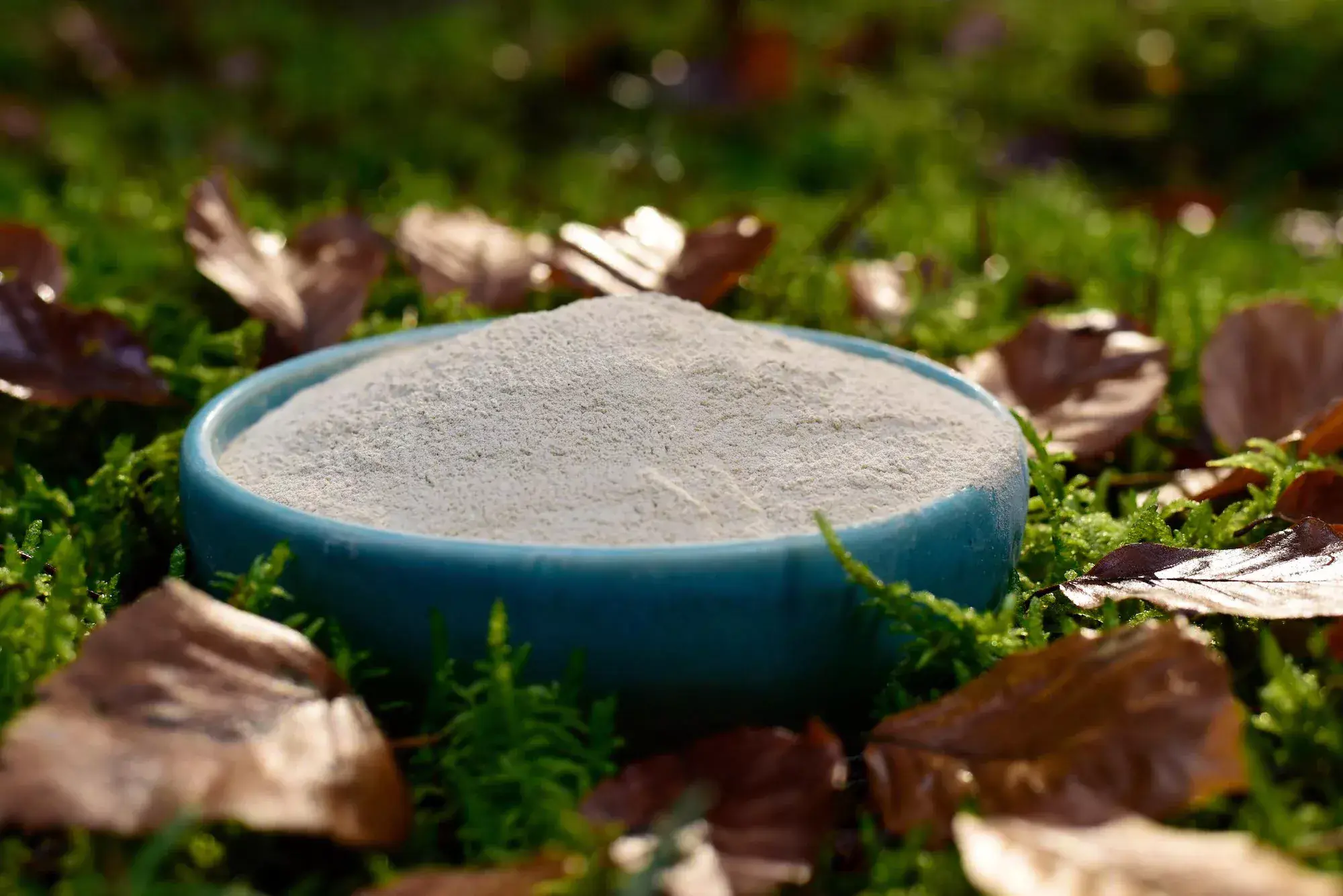
Among the Sateré-Mawé, a woman grates the guarana stick into water, the host drinks first, then the gourd passes from hand to hand, to the elders and the guests. At home: a teaspoon of powder in hot water, in the morning.
Shuar and Achuar men drink it together before daybreak, telling one another their dreams. At home: in a gourd, or as a twenty-minute decoction.
In Japan, for the Boys’ Festival, iris and mugwort hang under the eaves, and people bathe in water with iris leaves floating in it. Mugwort also hangs in a bunch above the door.
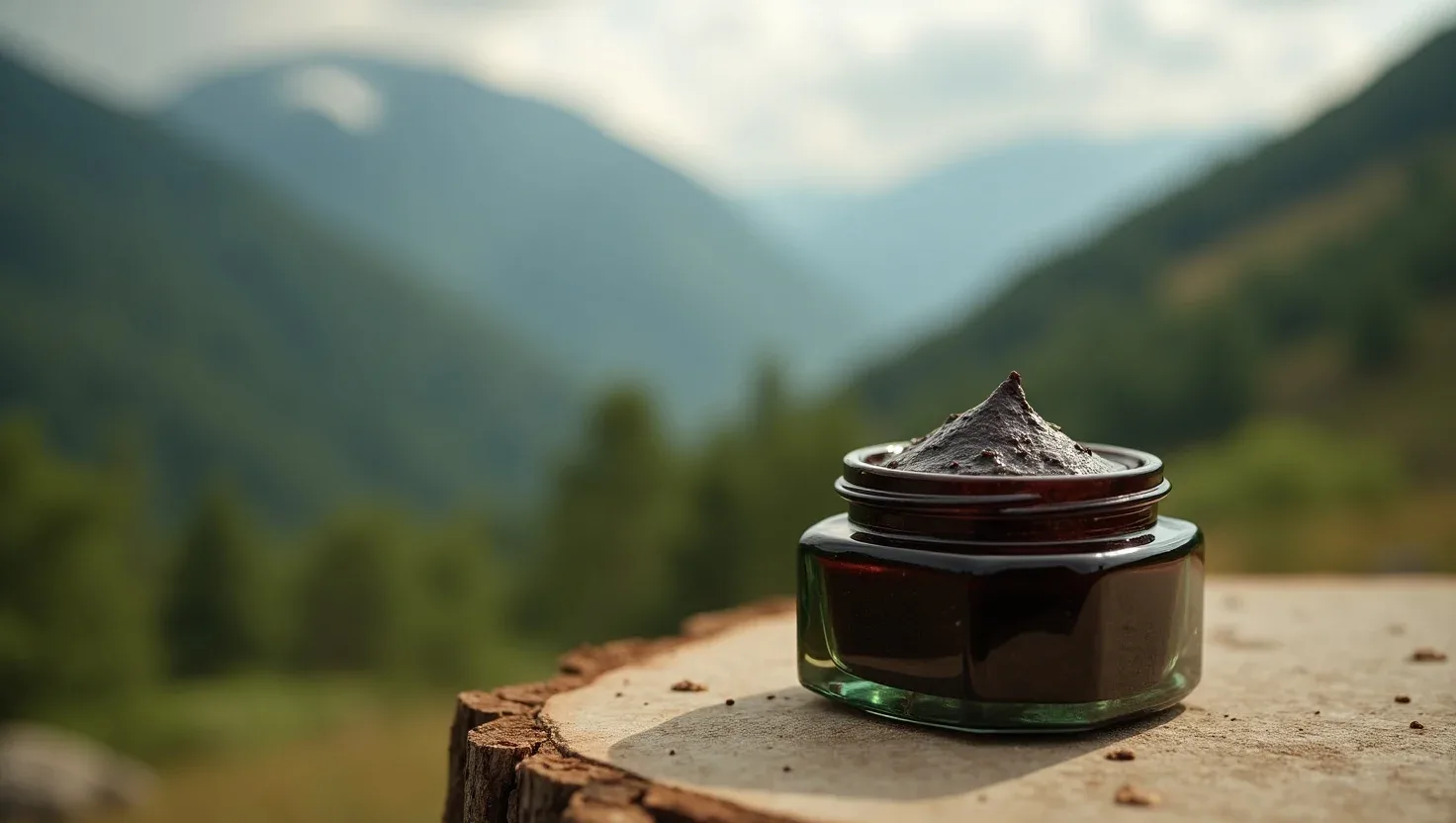
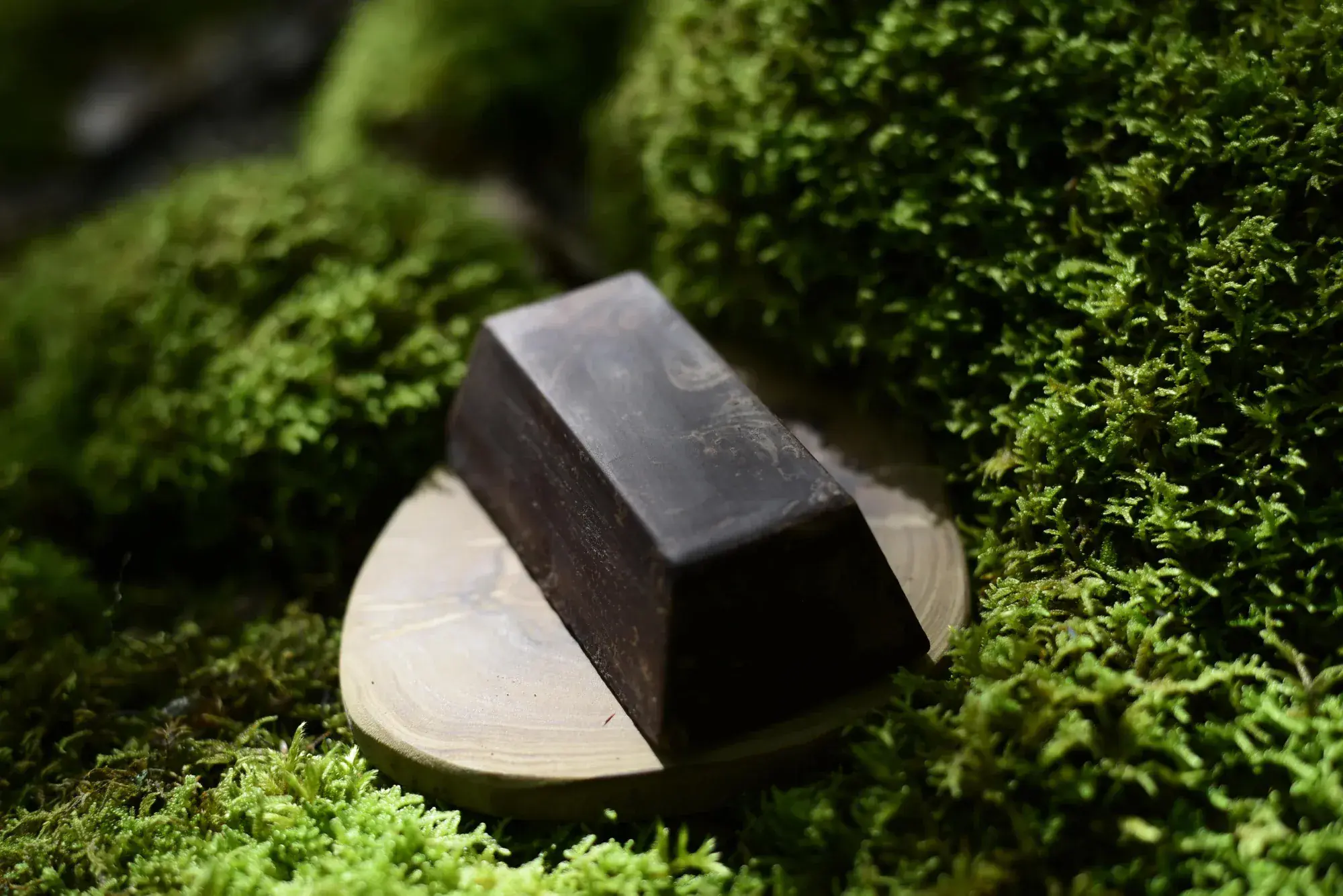
Shilajit, “the Conqueror of the Mountains”: one grain, about 400 mg, in hot water, in the morning on an empty stomach.
Gods have their plants, like Min in Egypt or the Maize God of the Maya; peoples walk boys into manhood; men share a drink before dawn. This page gathers these plants and these traditions, with the texts that keep their trace.
| God or figure | Tradition | The plant | At INFUSE |
|---|---|---|---|
| Min | ancient Egypt | wild lettuce, whose white sap, when cut, was taken for the god’s seed; it was laid on his altars, at Coptos and at Akhmim | Wild lettuce, its cousin |
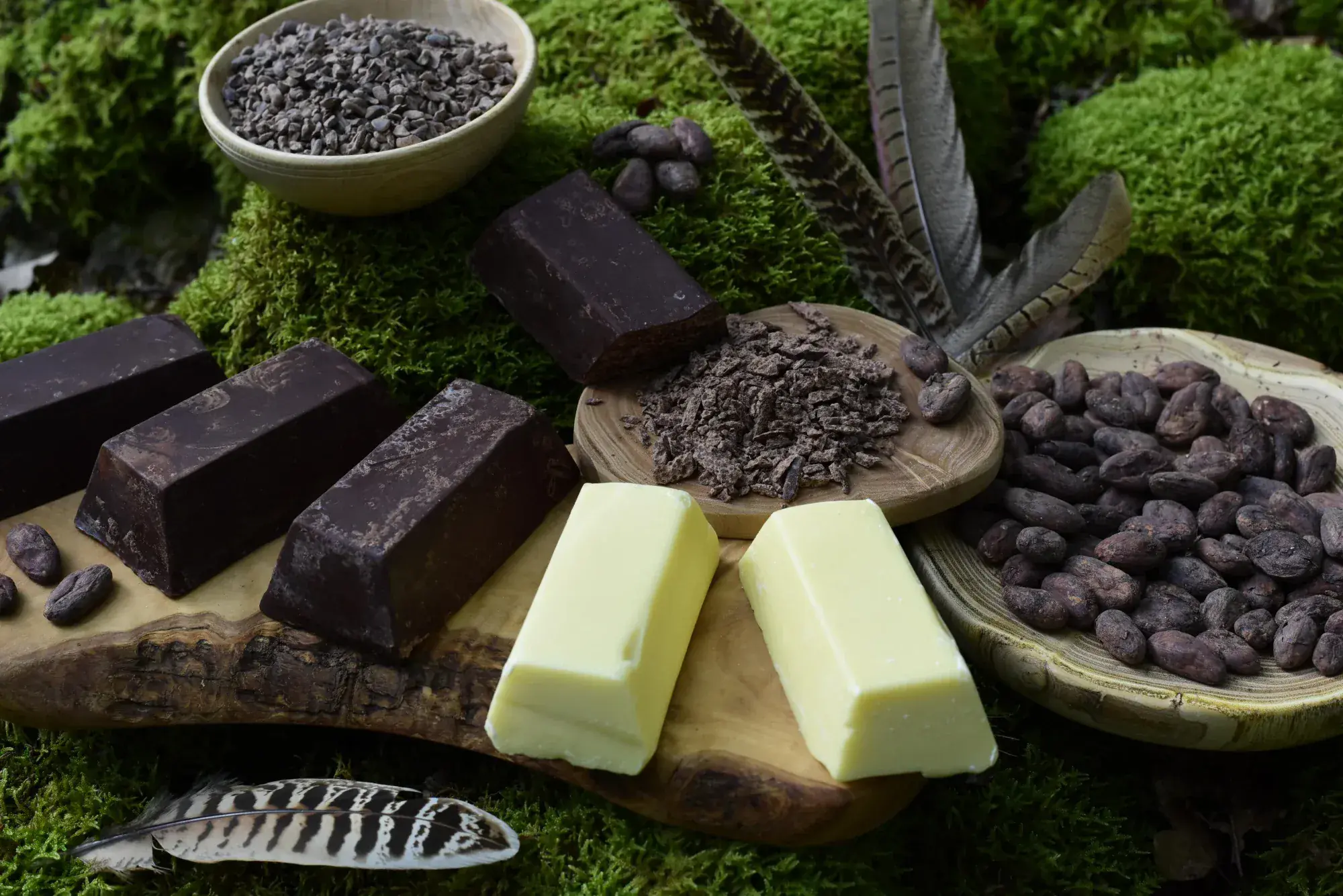
| the Maize God | Classic Maya | cacao: on painted vases, the god becomes a tree whose limbs bear ripe pods (Martin, 2006) | Ceremonial cacao |
| Woden | Anglo-Saxon England | the nine glory-twigs of the Nine Herbs Charm, where mugwort is invoked first | Mugwort |
| Shiva | Hinduism | bilva leaves, and the flowers and fruits of datura, offered to him | datura, not sold |
| the child with guarana eyes | Sateré-Mawé, Amazon | guarana, born from the eyes of a child; the Sateré-Mawé call themselves the children of guarana | Guarana |
Guarana and guayusa contain caffeine: drink them in the morning, without piling them on top of coffee or tea; set them aside during pregnancy and breastfeeding, and with a heart rhythm disorder. Ashwagandha and shilajit: ask your doctor if you are on treatment, especially for the thyroid or blood pressure. Wild lettuce is taken in small doses, on an evening without alcohol or sleeping pills. Datura is a poison: it is for reading, never for taking. Our plants are freely sold in France and the European Union; the law varies from country to country, so check yours before ordering.
The ones traditions link to their gods and to men: the lettuce of the god Min, the cacao of the Maya Maize God, the guarana of the Sateré-Mawé, the guayusa of the Shuar, the mugwort of Woden and of the Japanese 5 May, the bilva and datura offered to Shiva. The table above gives the source of each.
A phrase of today for old realities: gods and their plants, initiations that carry boys into manhood, drinks men share before dawn. This page keeps to traditions that are named and sourced, from Egypt to the Amazon.
Among the Sateré-Mawé, guarana: the men drink çapó during the diet before the Tucandeira, the boys’ initiation with the gloves of ants. In Japan, the iris and mugwort of 5 May, the boys’ day.
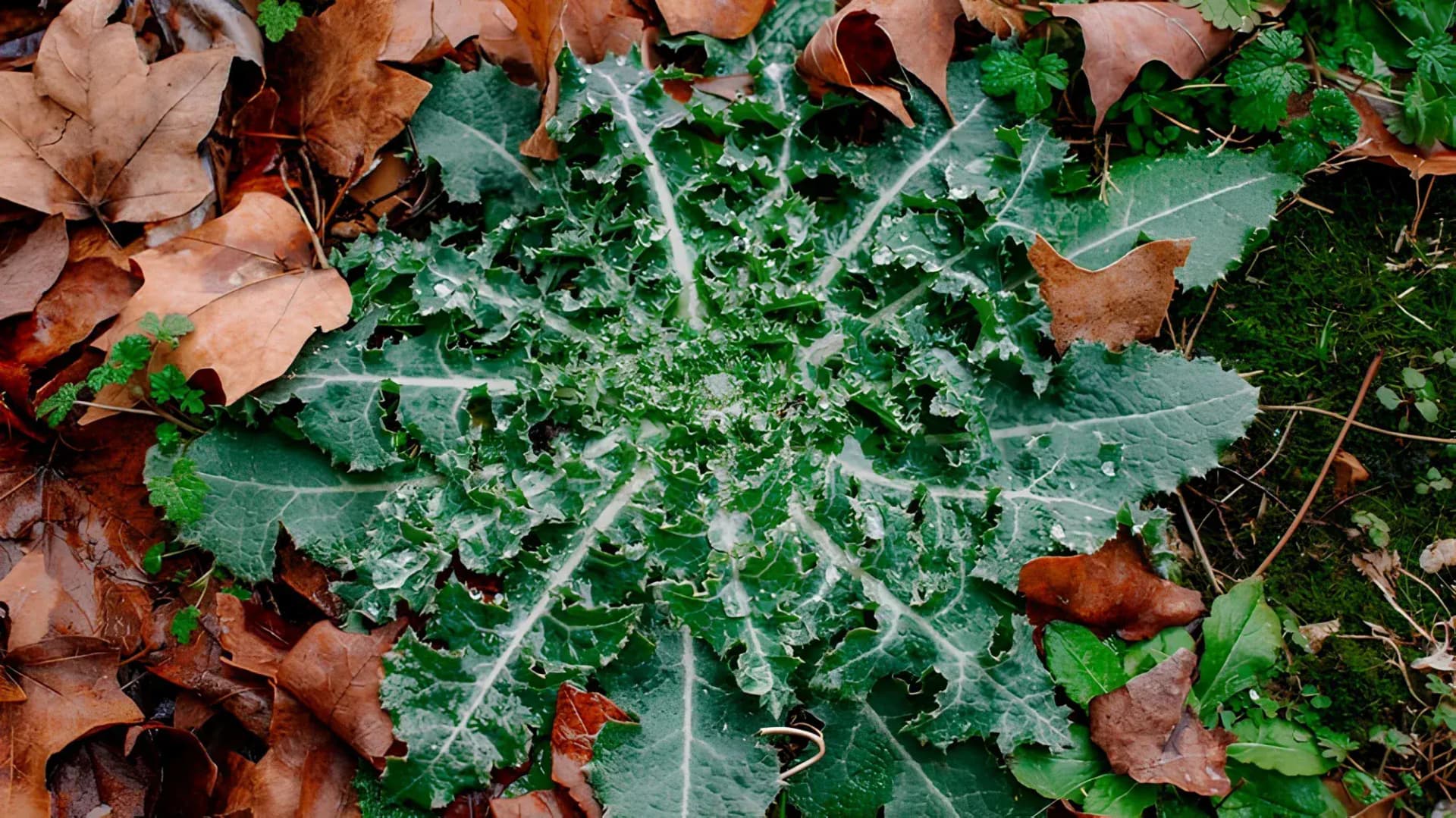
When cut, the wild lettuce of Egypt lets a white sap run, which the Egyptians likened to the seed of the god of fertility. It was laid on his altars, and it stands behind him on temple reliefs.
In the Forest: guayusa, the Jaguar Spirit, guarana, the eye of the gods and ashwagandha, the strength of the horse.
Ask the Forest: ethics of a plant, dose, lineage, synergy. It shares what peoples have transmitted and what books have written.