⊹ To weave around
To accompany Shilajit
Click a card to see why it pairs — and choose your form.
✦ Shilajit · in one breath ✦
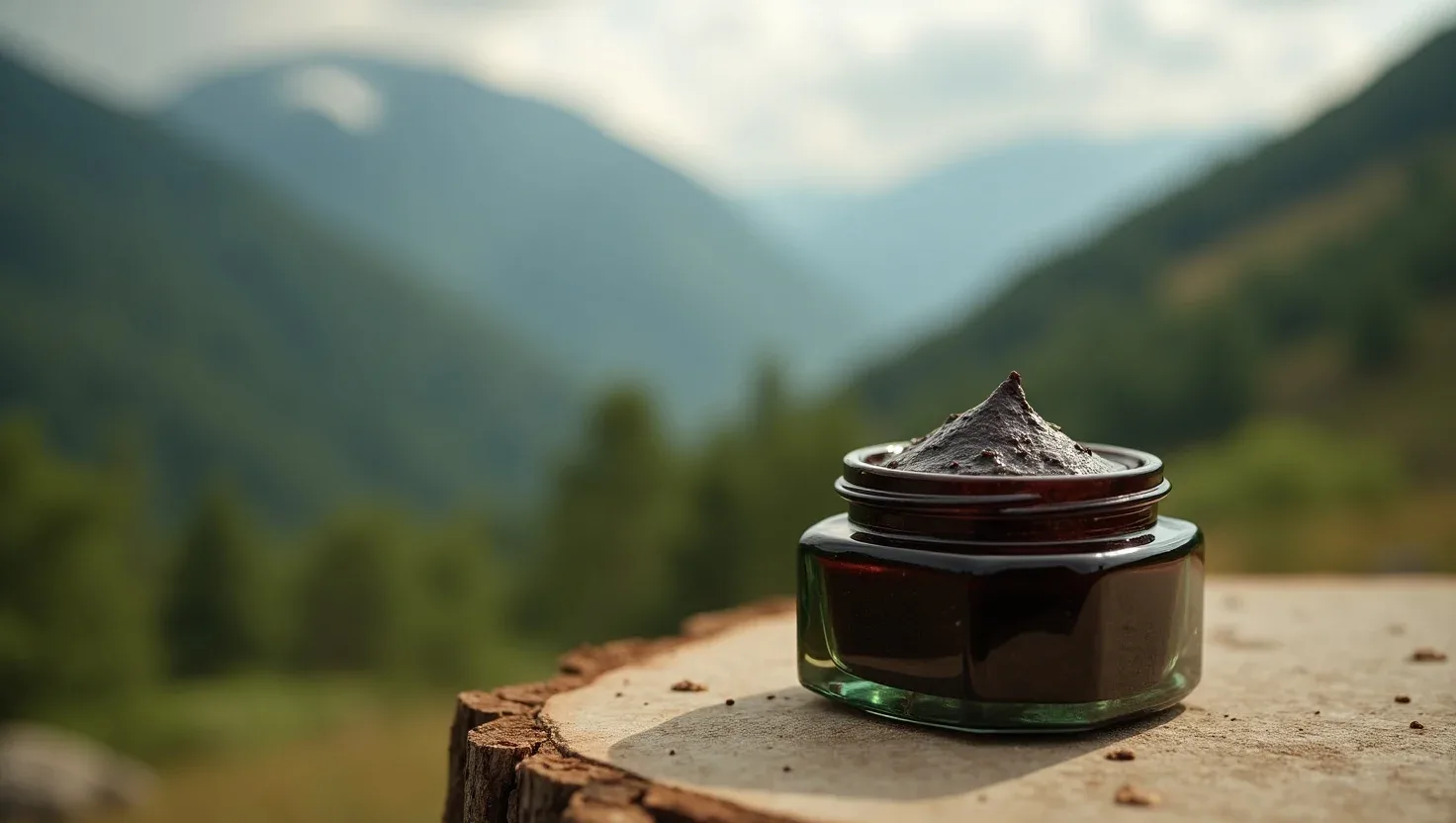
The juice of rock of the high mountains — fulvic acid and over twenty minerals that remineralise and anchor.
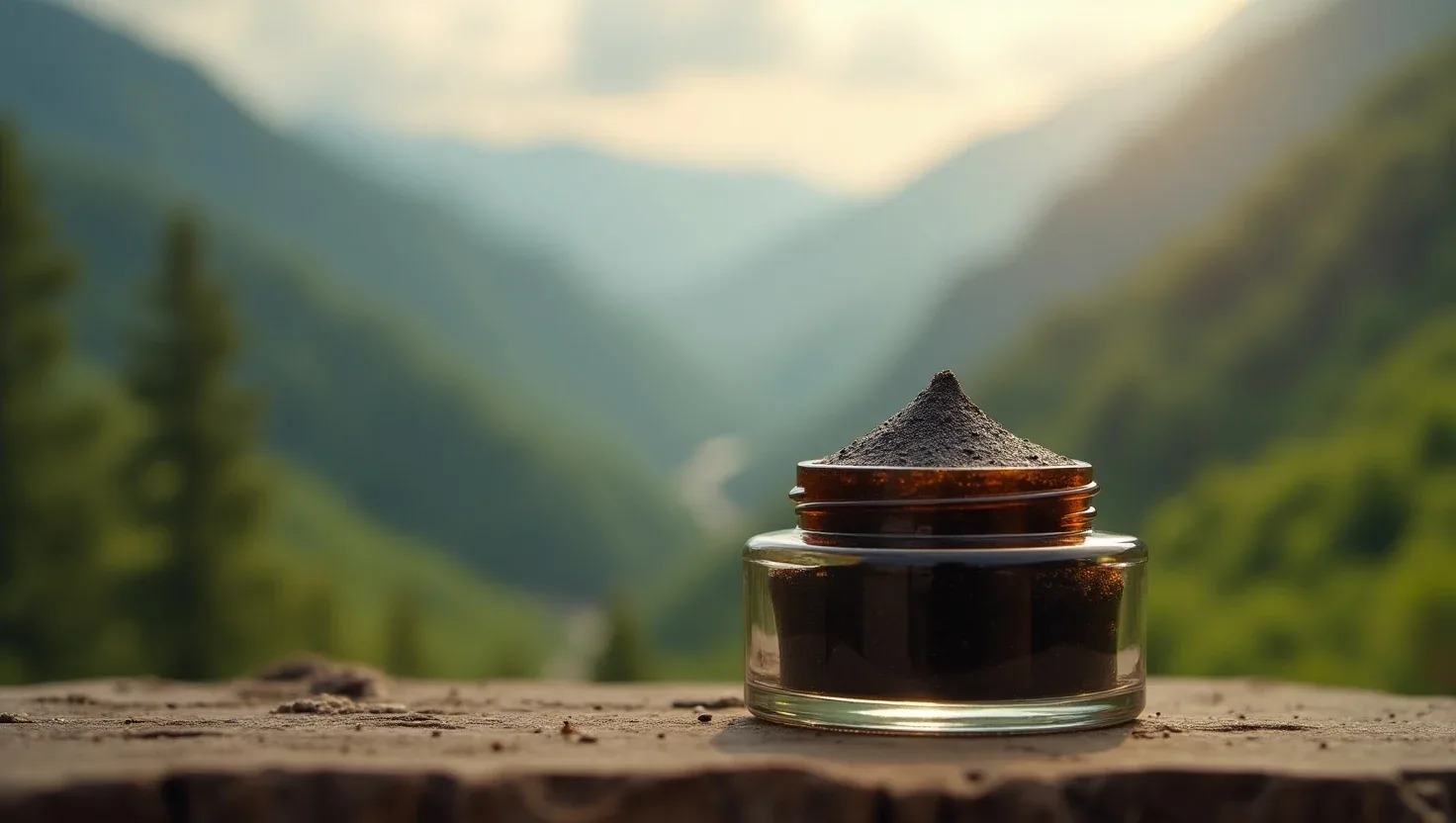
⊹ The path of the plant
⊹ Community voices
What the community murmurs.
Average · 1 reviews
including 1 left on our Etsy shop
Breakdown
Ask the Forest about Shilajit
408 books digested, 97,512 indexed passages. She answers on lineages, synergies, cautions, ritual variations.
⊹ FREQUENT QUESTIONS ⊹
We answer.
What is shilajit?
Shilajit is a rare organo-mineral resin that seeps from the fissures of high mountains, formed over centuries by the slow decomposition of alpine plants compressed in the rock. She is not a vegetal but a half-organic, half-mineral exudate, black and dense, rich in fulvic acid and more than eighty trace elements. INFUSE's comes from the Siberian Altai, where she is called mumijo.
What are the traditional benefits of shilajit?
In Ayurveda, shilajit is a rasayana medicine, that is to say of revitalisation and longevity, reputed toning and rejuvenating. The Charaka Samhita describes her as a substance of deep reharmonisation of the body. Mountain traditions see in her a support to vitality, endurance and grounding. INFUSE reports these uses as tradition, never as a healing promise.
How do I use shilajit?
Take a tip the size of a small pea with a wooden or ceramic spatula (never metal, because fulvic acid reacts with metals), then dissolve her in a warm but not boiling water, a tea or a plant milk. Drink slowly, in the morning on an empty stomach. A little honey or ghee helps absorption.
How much shilajit per day?
A tip the size of a small pea, about 300 to 500 mg per day, is enough. If you discover shilajit, start lower, around 200 to 300 mg, to observe your body's reaction. A 30 g jar lasts more than two months in daily use. Exceeding these benchmarks brings nothing and can cause discomfort.
How do I recognise a pure shilajit?
A pure shilajit dissolves entirely in cold water giving a translucent amber-brown tint, without residue or particle. Gently heated, she softens like a living resin instead of hardening or burning inertly. Her taste is earthy, slightly bitter, deeply mineral. Above all, she must be purified and lab-analysed, because the raw resin can contain contaminants.
Does shilajit have contraindications?
Yes. Shilajit is contraindicated in case of hemochromatosis or iron overload (she contains iron), gout (she can raise uric acid), and during pregnancy, breastfeeding and in children, for lack of data. Caution applies with anticoagulant, diabetes or thyroid treatments. When in doubt, ask a professional's advice.
What time of day to take shilajit?
Morning on an empty stomach is the traditional time, or before a sustained physical or mental effort. Avoid the end of the day, as shilajit can be stimulating in sensitive people. Ayurvedic tradition recommends cures of one to three months, interspersed with regular pauses.
Where does INFUSE's shilajit come from?
Our shilajit is wild-harvested in the Altai mountains, in Siberia, then purified and lab-analysed in Russia for heavy metals. She is packaged as pure paste, undiluted and unstandardised, in glass jars.
⊹ Chapter · Questions ⊹
Ask, answer, share.
One question, one answer — sometimes several voices. The community answers first; INFUSE steps in when it should.
Nobody has opened a thread yet about this plant. You can be the one — a real question, a use, a doubt, a detail.
Anonymous if you prefer.