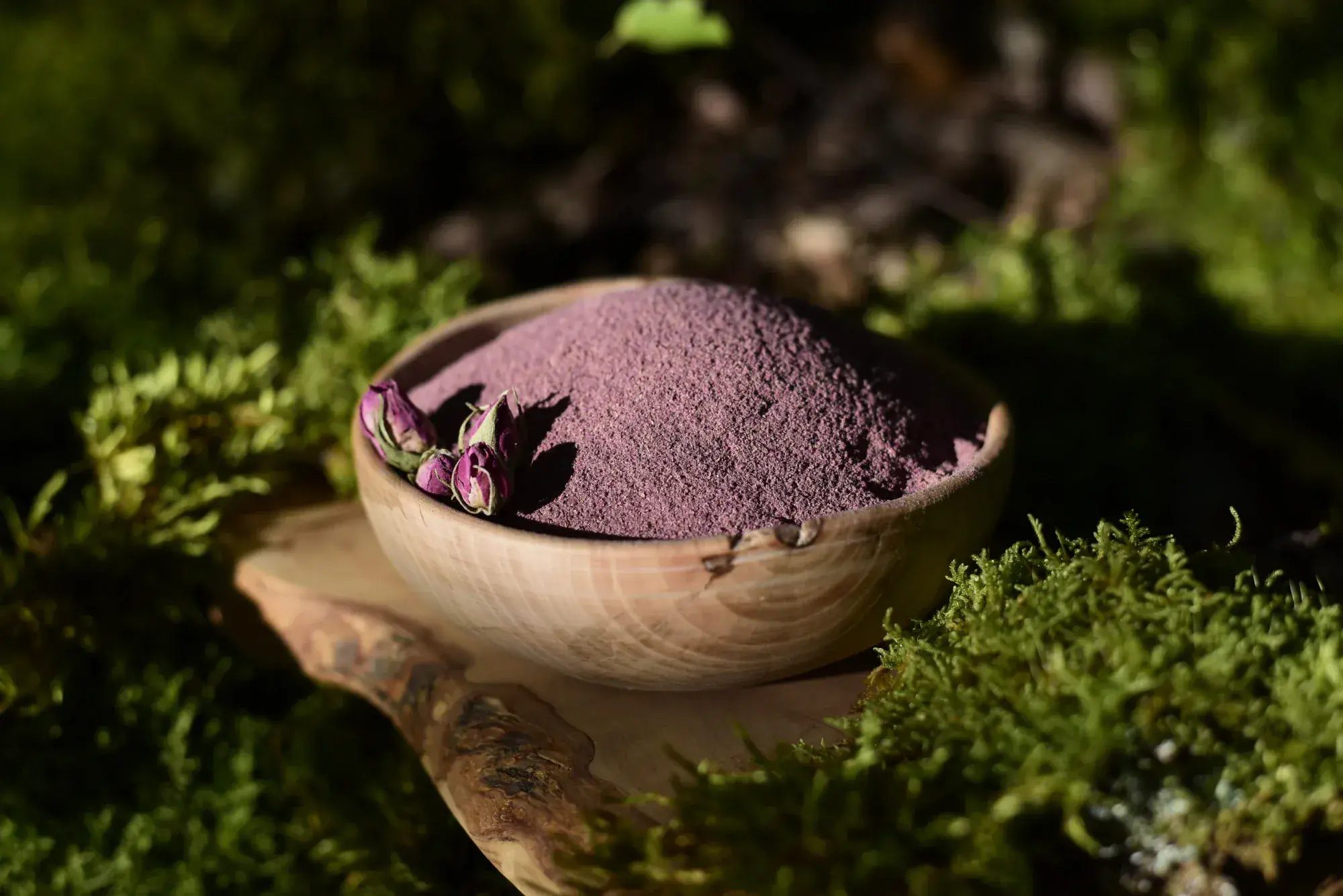
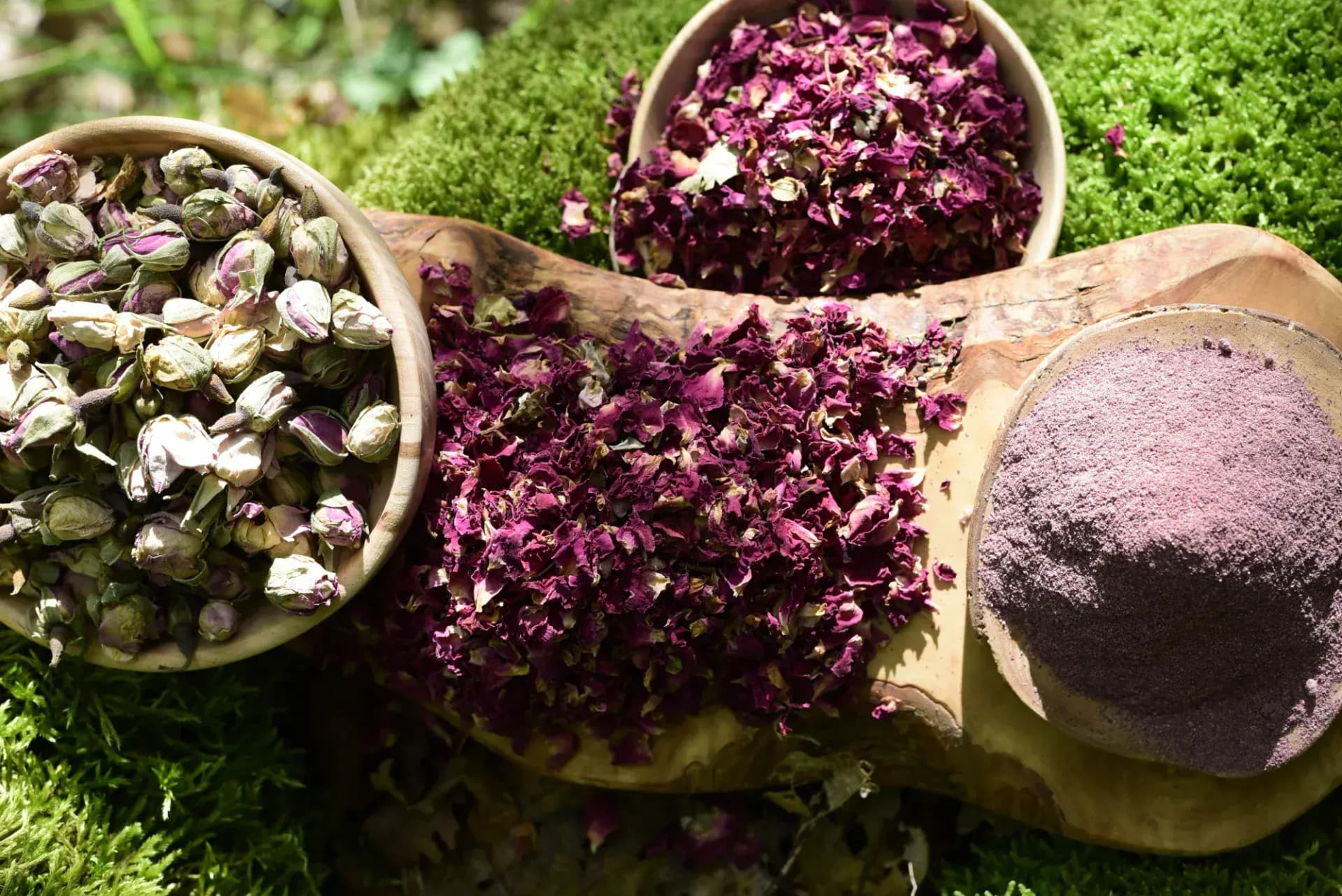
Roses
★5.0· 5 reviews
€6.00
An old practice of herbal steam: where it comes from, what research says about it and what it does not, and how to approach it without getting burned.
Letting the steam of an herbal decoction rise toward the lower body is a gesture found in several cultures.
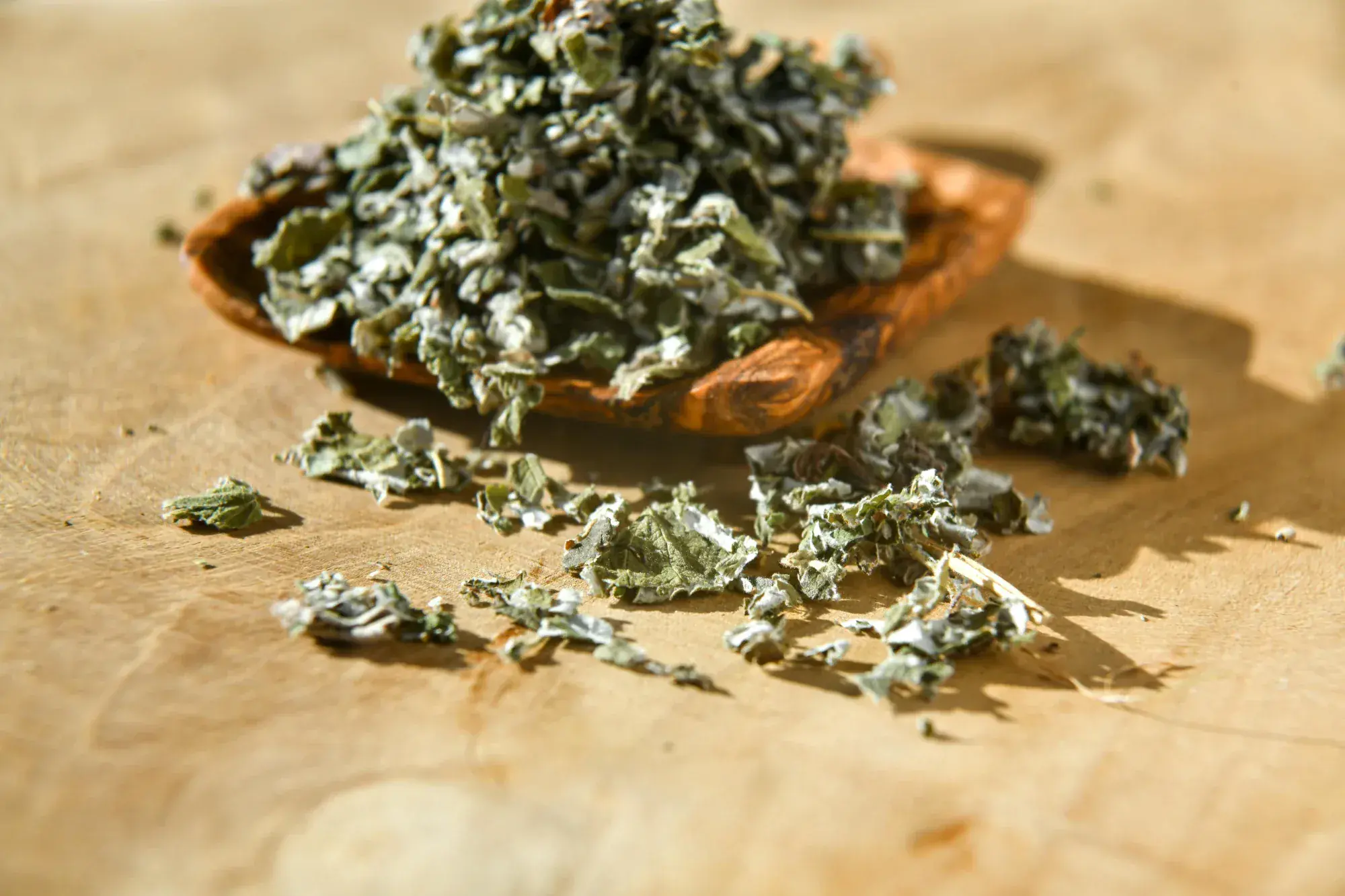
Mugwort is the herb the tradition places at the heart of the steam bath; Wolf-Dieter Storl counts it among the women’s herbs of old Europe. Here it joins the rose and the chamomile in the decoction.
An old practice of herbal steam: where it comes from, what research says about it and what it does not, and how to approach it without getting burned.
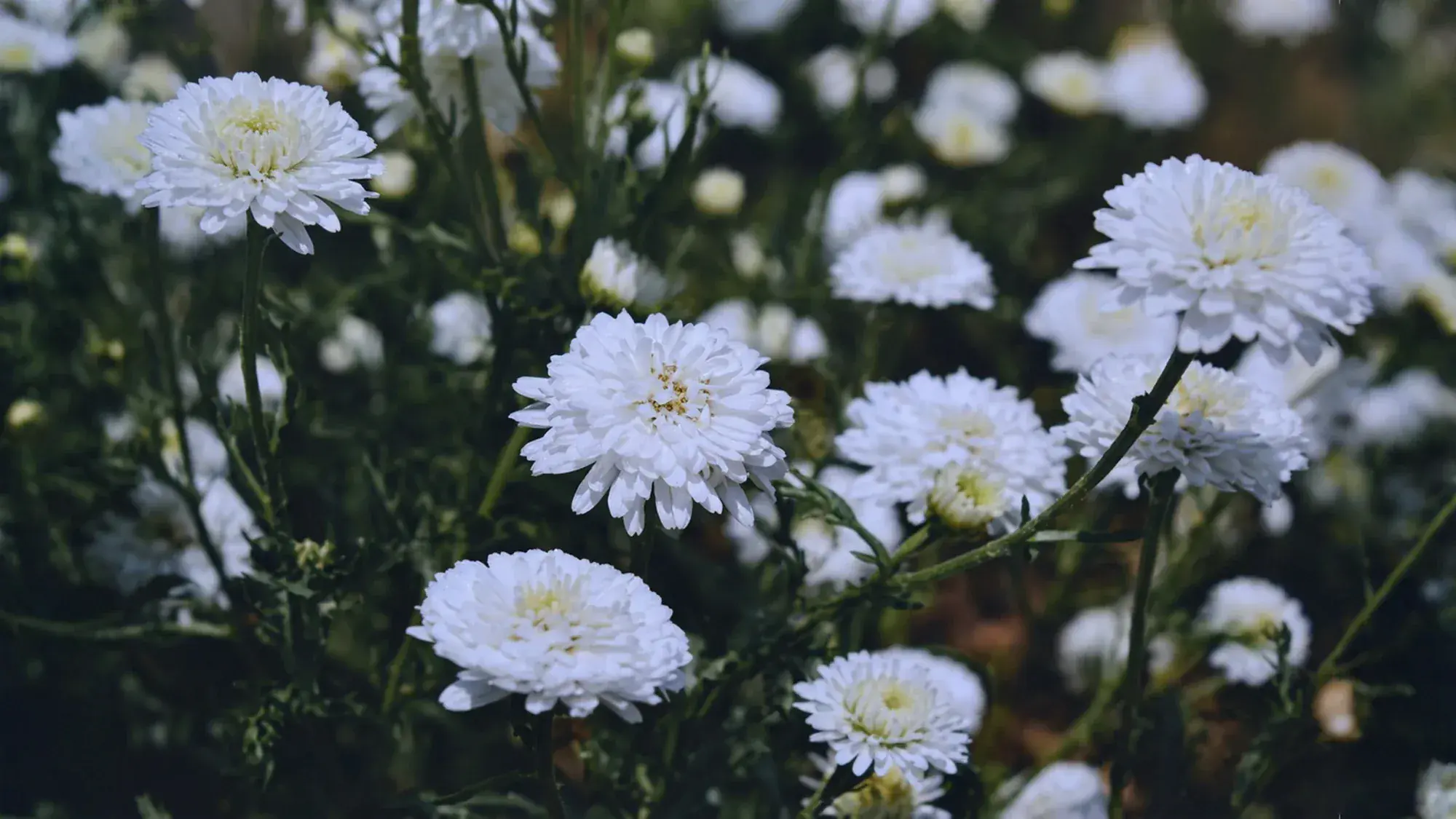
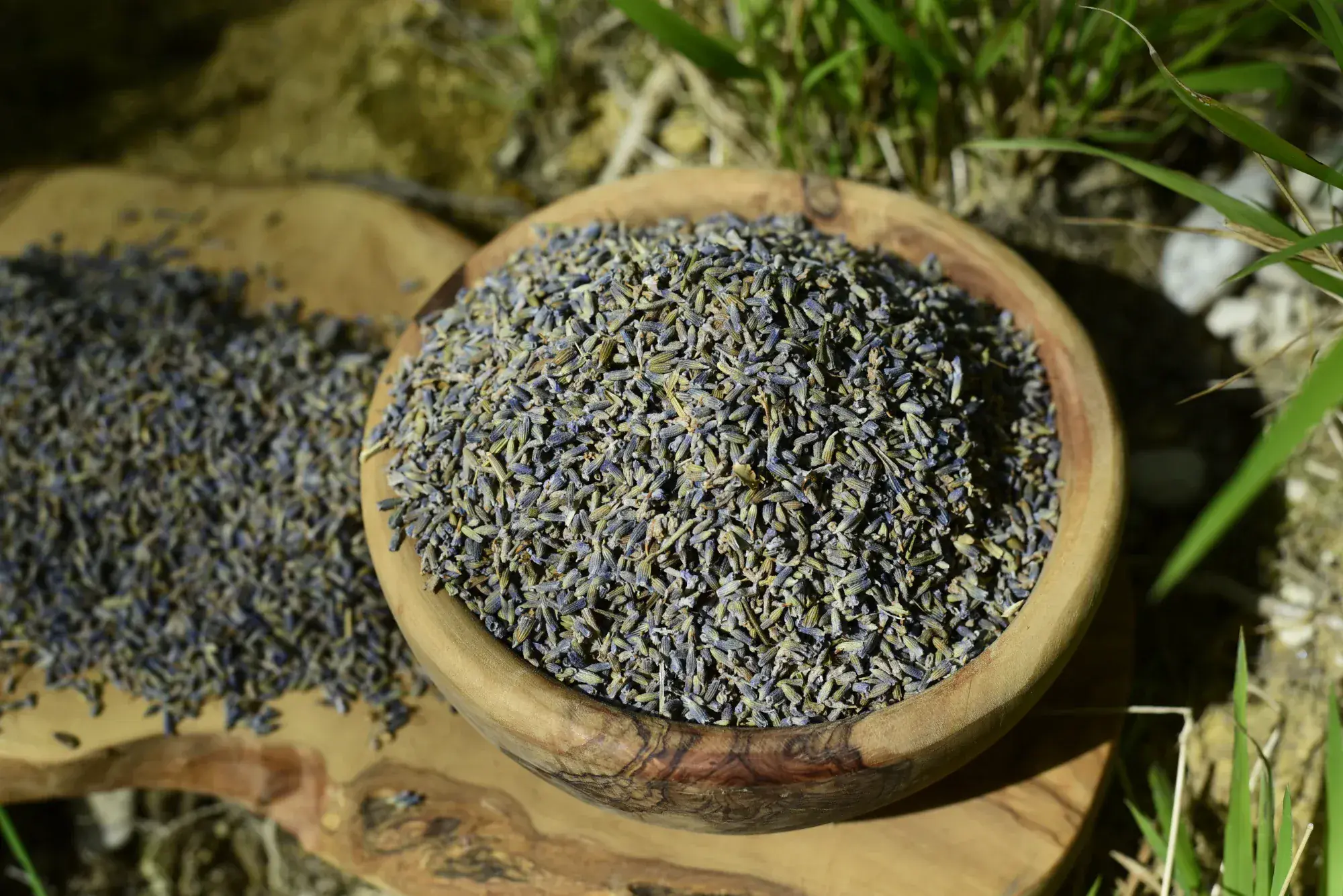
A handful of herbs — rose, noble chamomile, lavender, raspberry leaf, a little mugwort — in hot water, covered, for a few minutes. Then take it off the heat.
The steam stays gentle. Test it with the inside of your wrist above the bowl before sitting down. Steam that stings the skin is too hot: wait until it turns lukewarm.
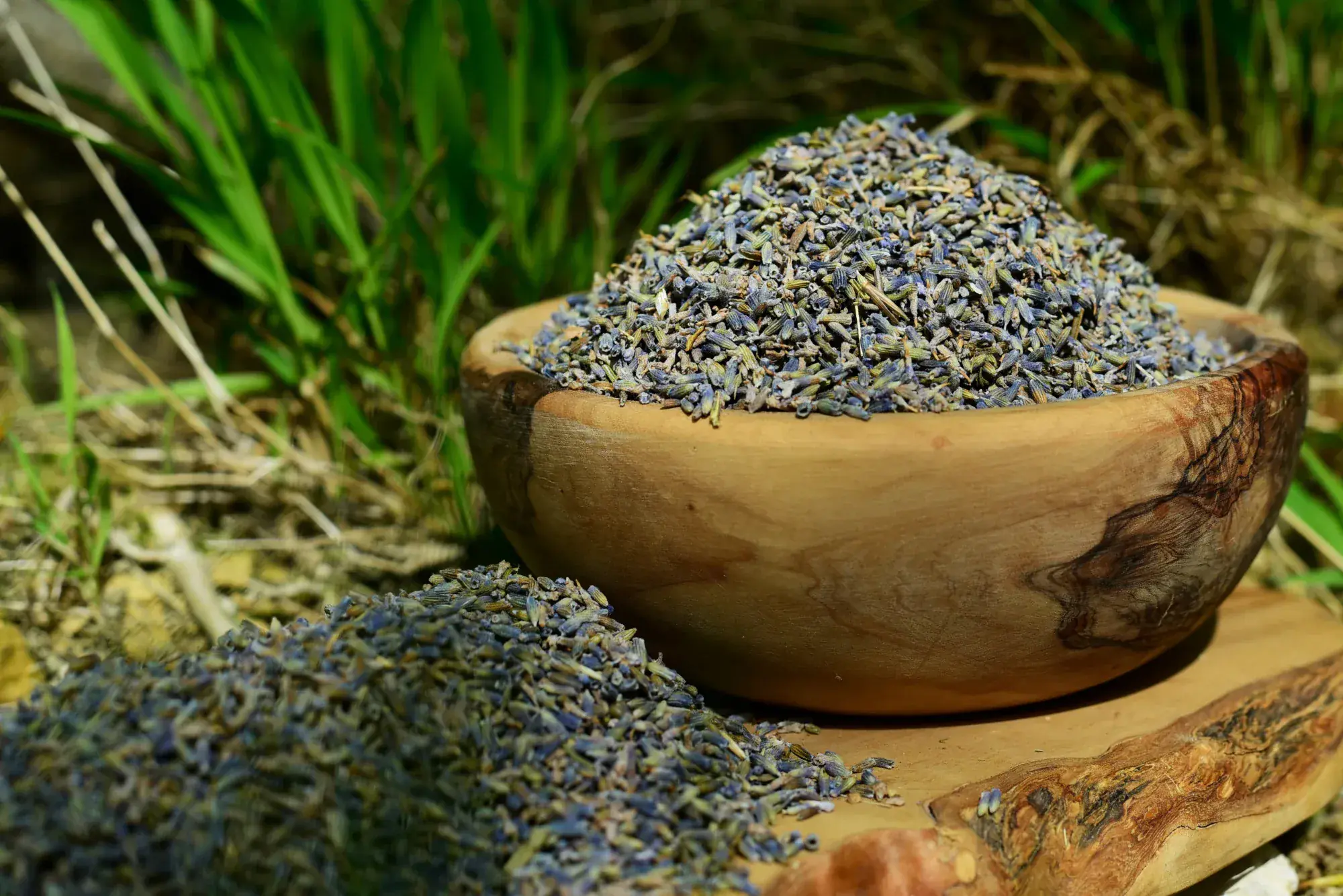
The bowl goes under a seat with an opening or in the toilet bowl, at a good distance — at least the length of a forearm. A blanket over the legs holds the steam in. The distance protects against burns.
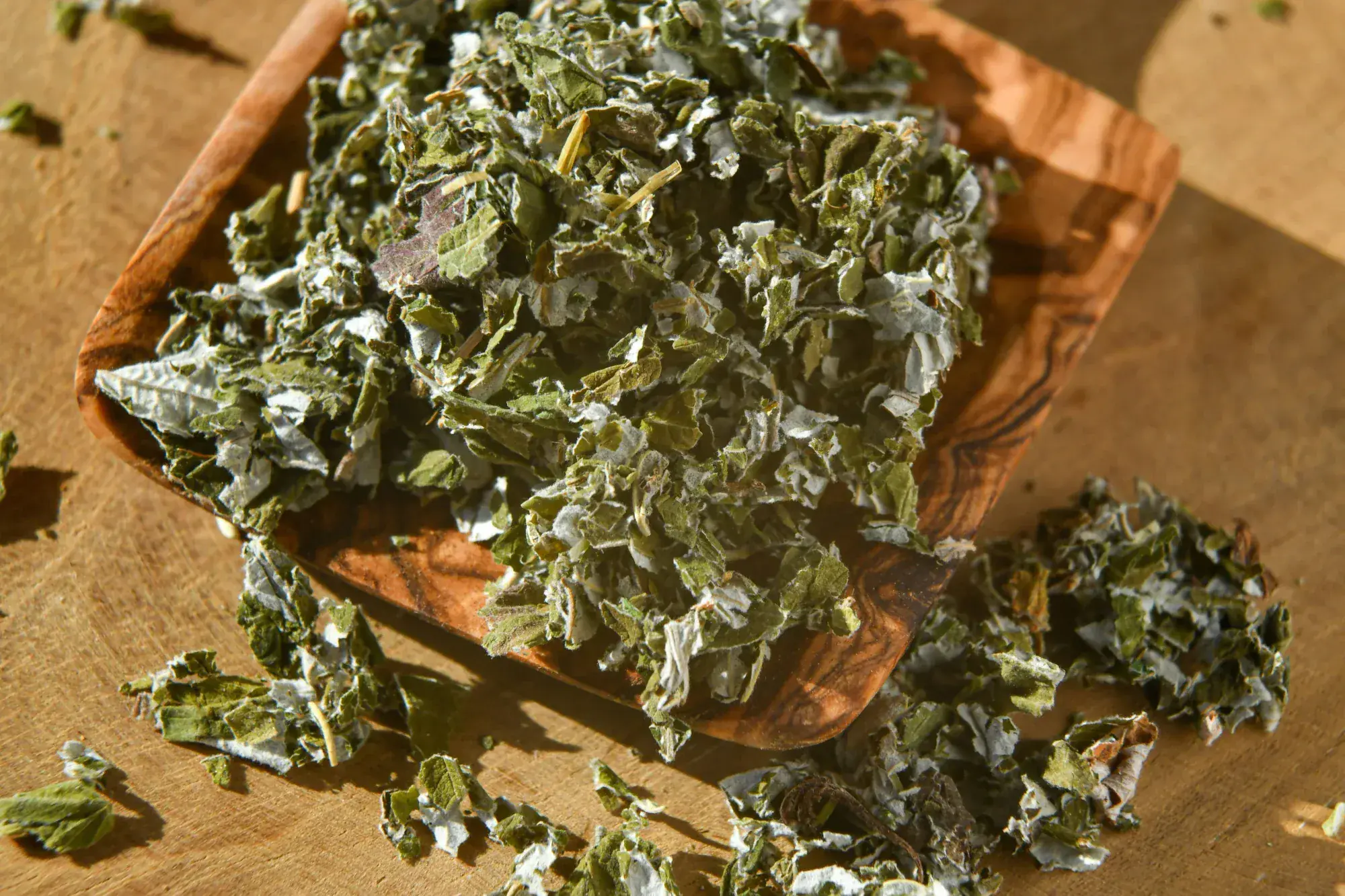
Ten to fifteen minutes is enough. As soon as the steam cools, or any discomfort arises, stop.
Cover up, stay warm for a while, drink a herbal tea. The bowl is emptied and rinsed.
Abstain during pregnancy, with an infection or ongoing irritation, with an IUD or another device in place, and during menstruation. When in doubt, the advice of a midwife or doctor comes first.
Ask the Forest: ethics of a plant, dose, lineage, synergy. It shares what peoples have transmitted and what books have written.