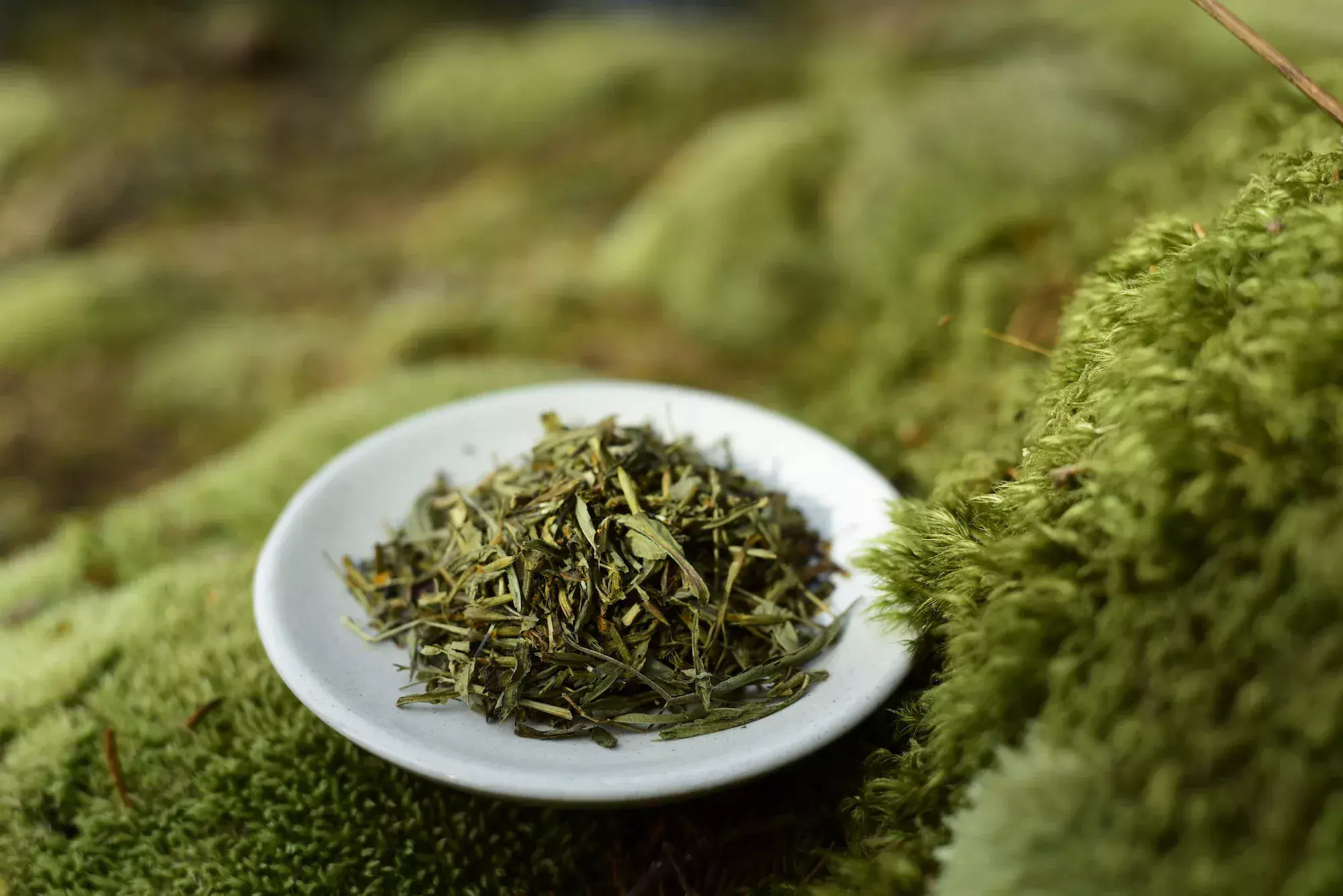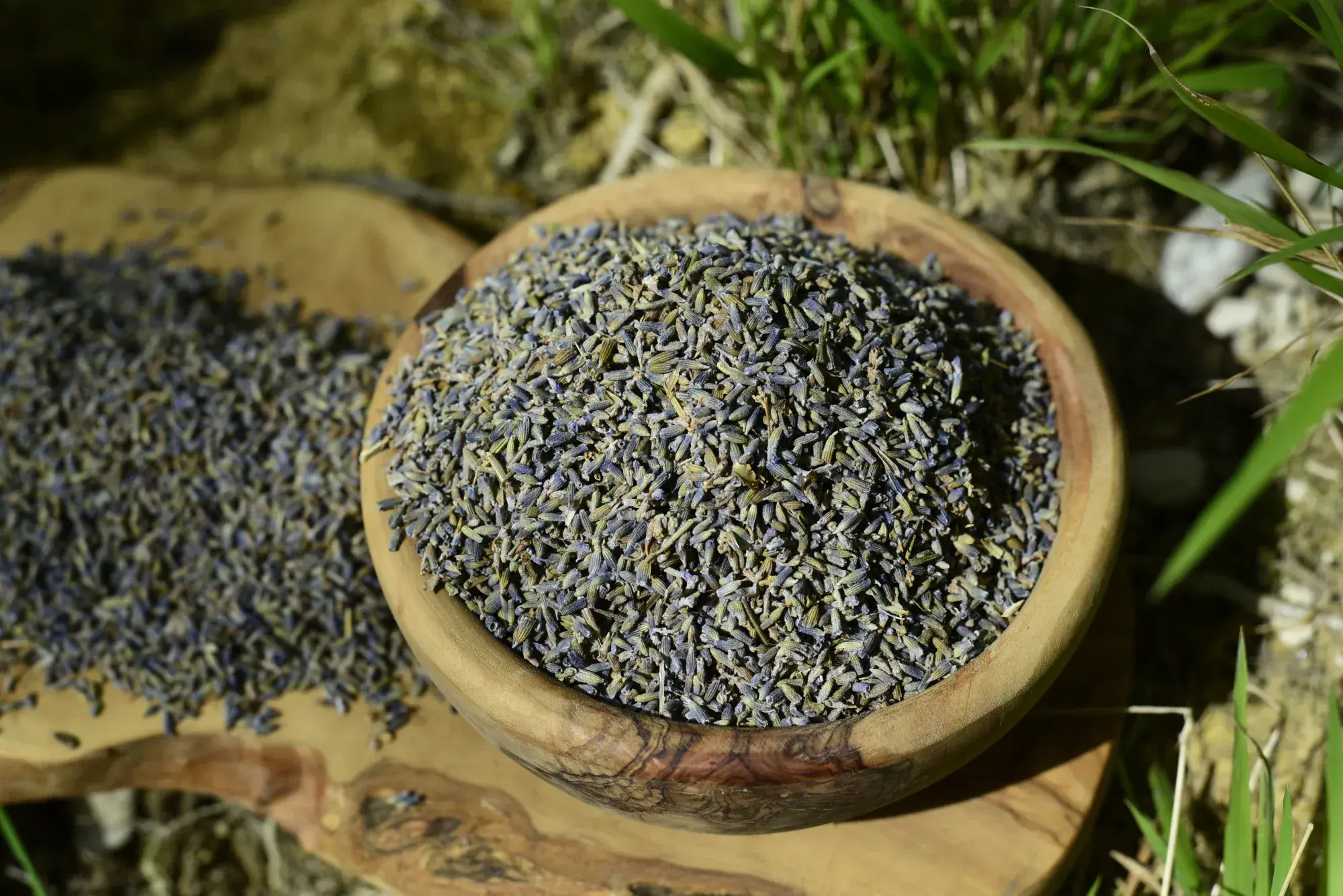
Mexican Tarragon "Yauhtli"
The Lightning of the Soul
from €7.00
The twelve nights between Christmas and Epiphany: what the Alpine custom tells, their dates in 2026-27, and the herbs laid on the embers.
Between Christmas and Epiphany, in the Alps and in Bavaria, smoke passes through the house: twelve nights, a bowl of embers, mugwort on the charcoal.
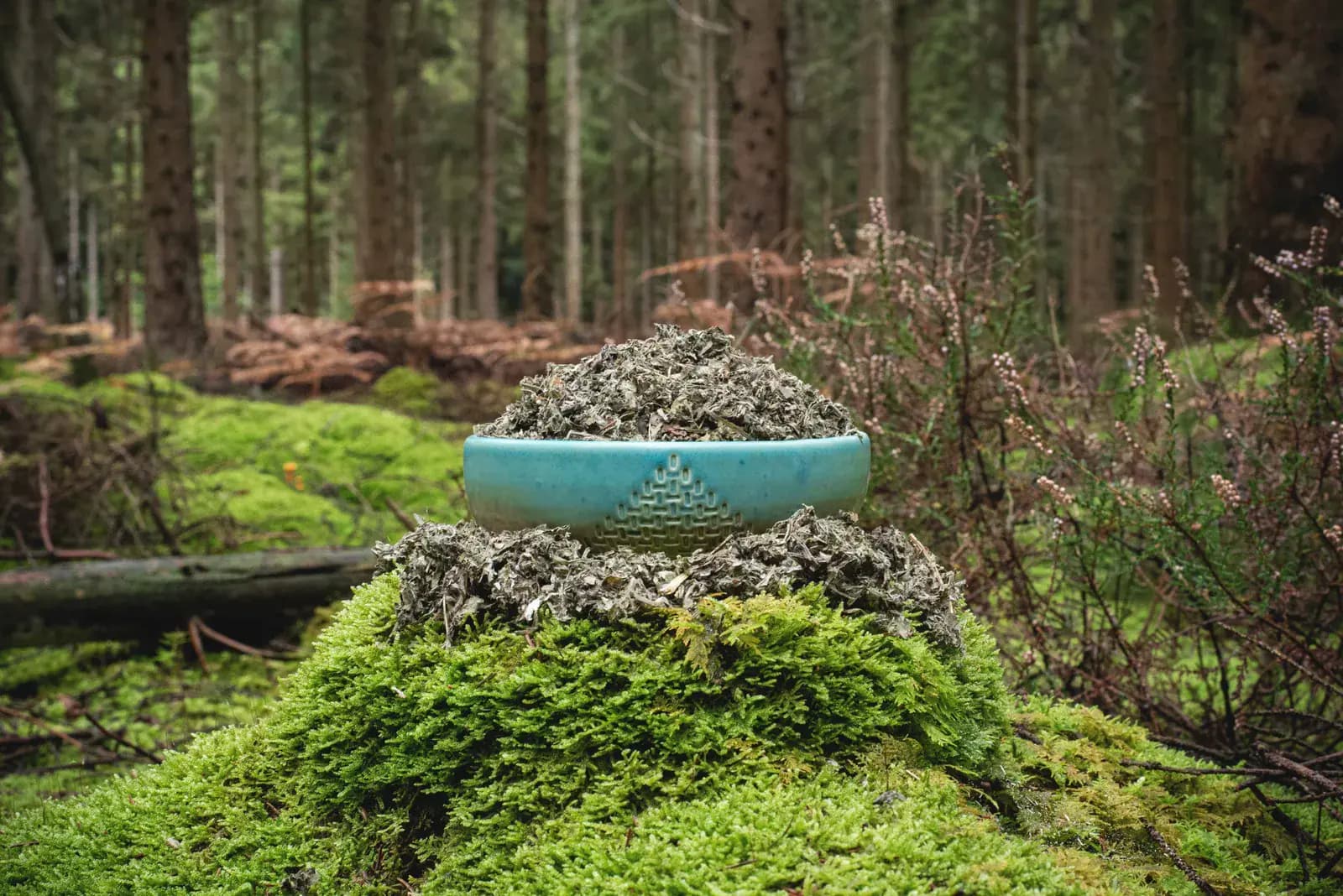
Mugwort, the Beifuß, is the herb of those lands, long among the plants burned there.
The Lightning of the Soul
from €7.00
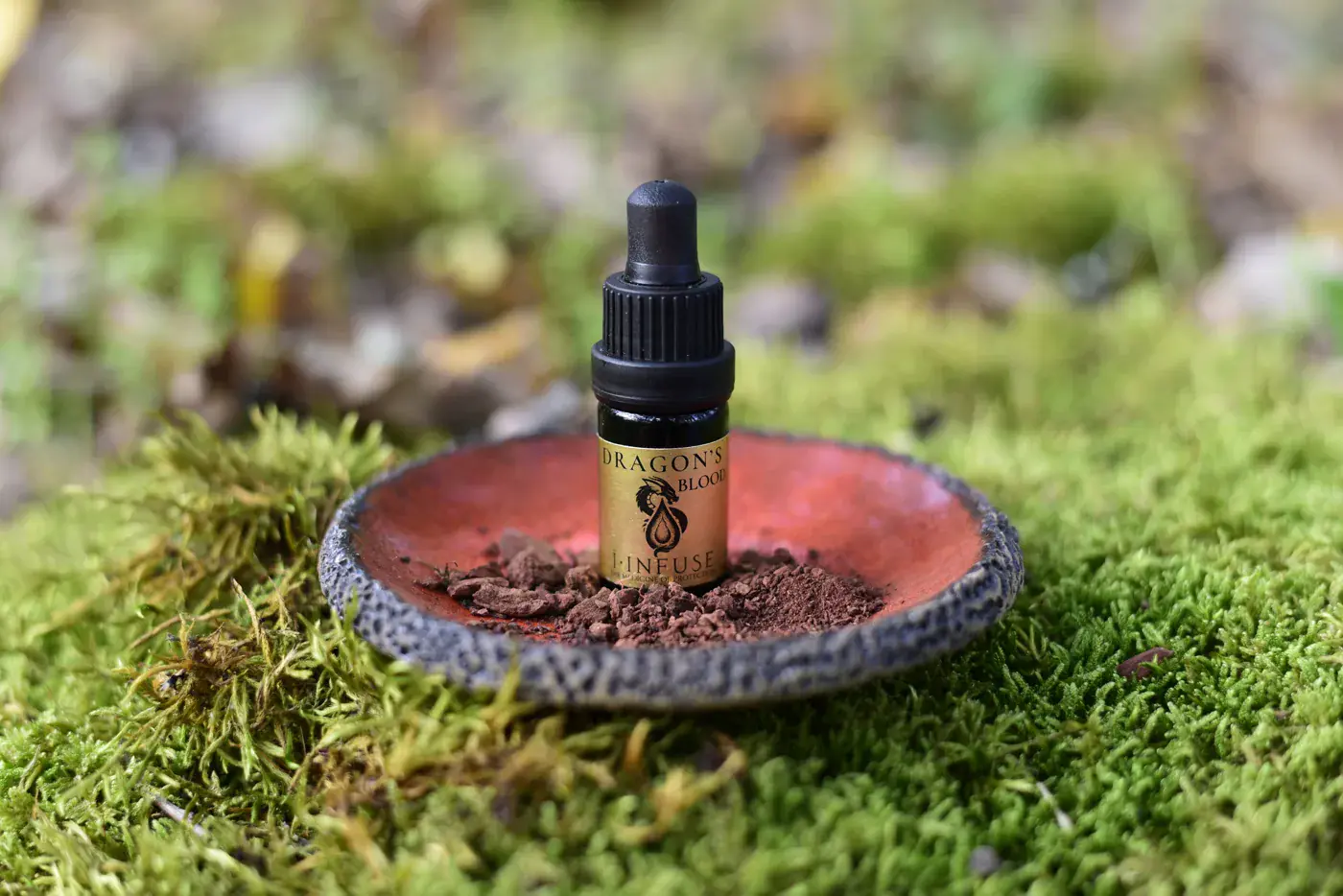
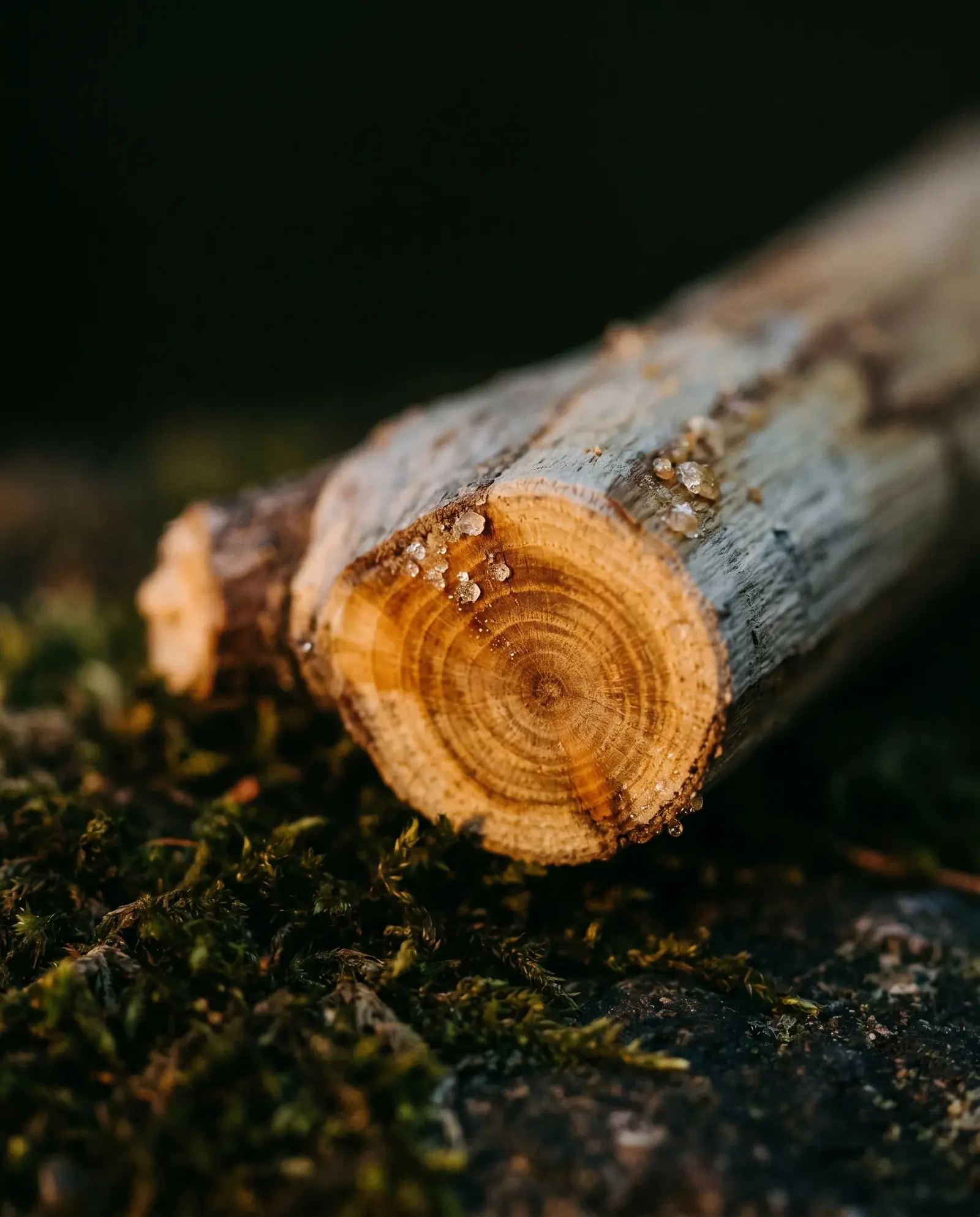
The Blood of the Tree
€12.00
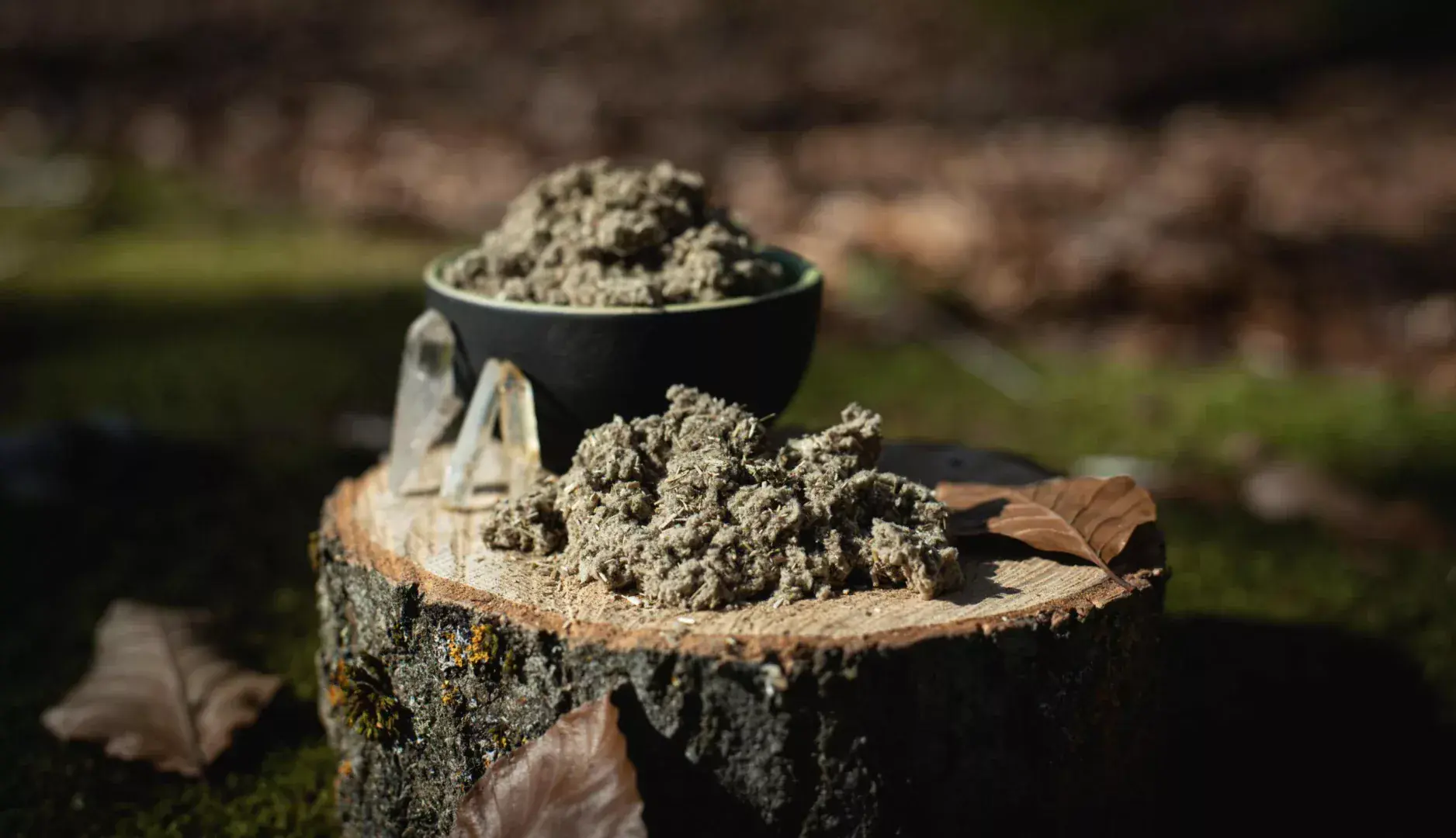
The incense of the ancestors
from €7.00
« I love this tea, I’ve drank as a night cap and had a beautiful nights sleep, drifted off in a beautiful dream state, and I’ve also burnt while journeying, smell is amazing and certainly helped on my travel »
« Fantastic herb tastes so nice as tea or to smoke. »
« Got it here in Europe, I'm thrilled, shipping super fast. Imphepho is essential for ancestral work as incense or tea. :) »
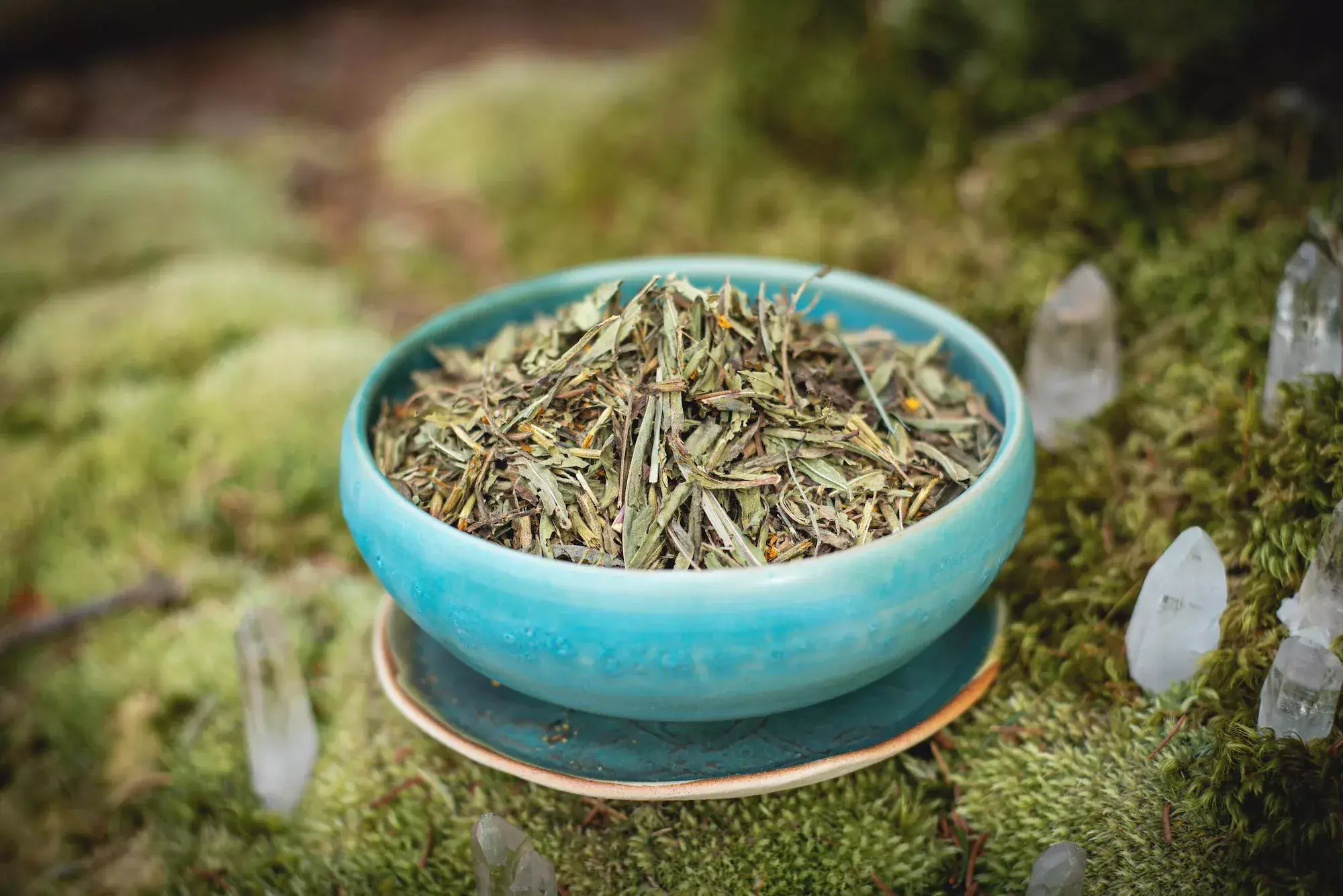
A bowl that holds the heat, a charcoal disc lit until it glows, a window ajar. Smoke asks for air.

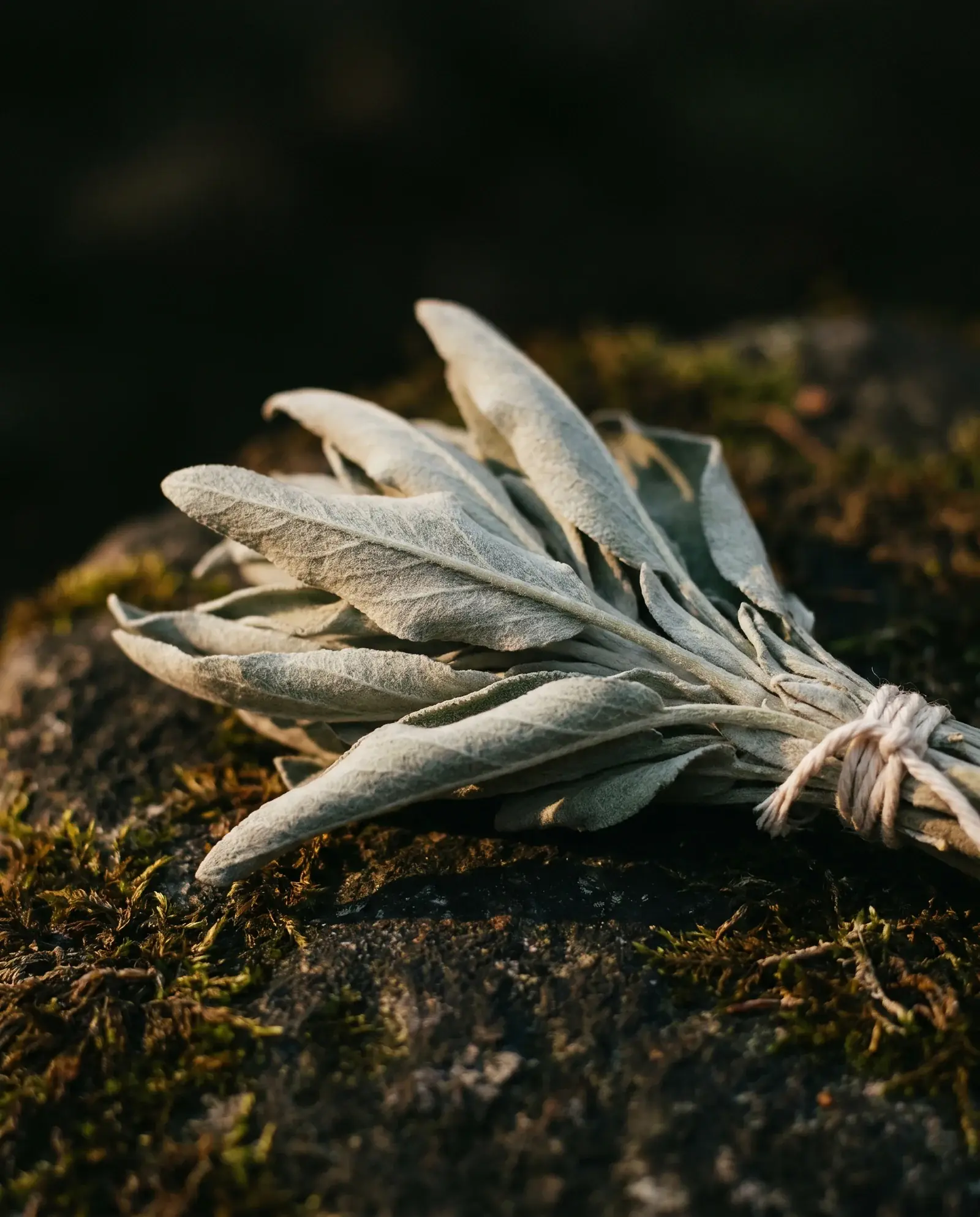
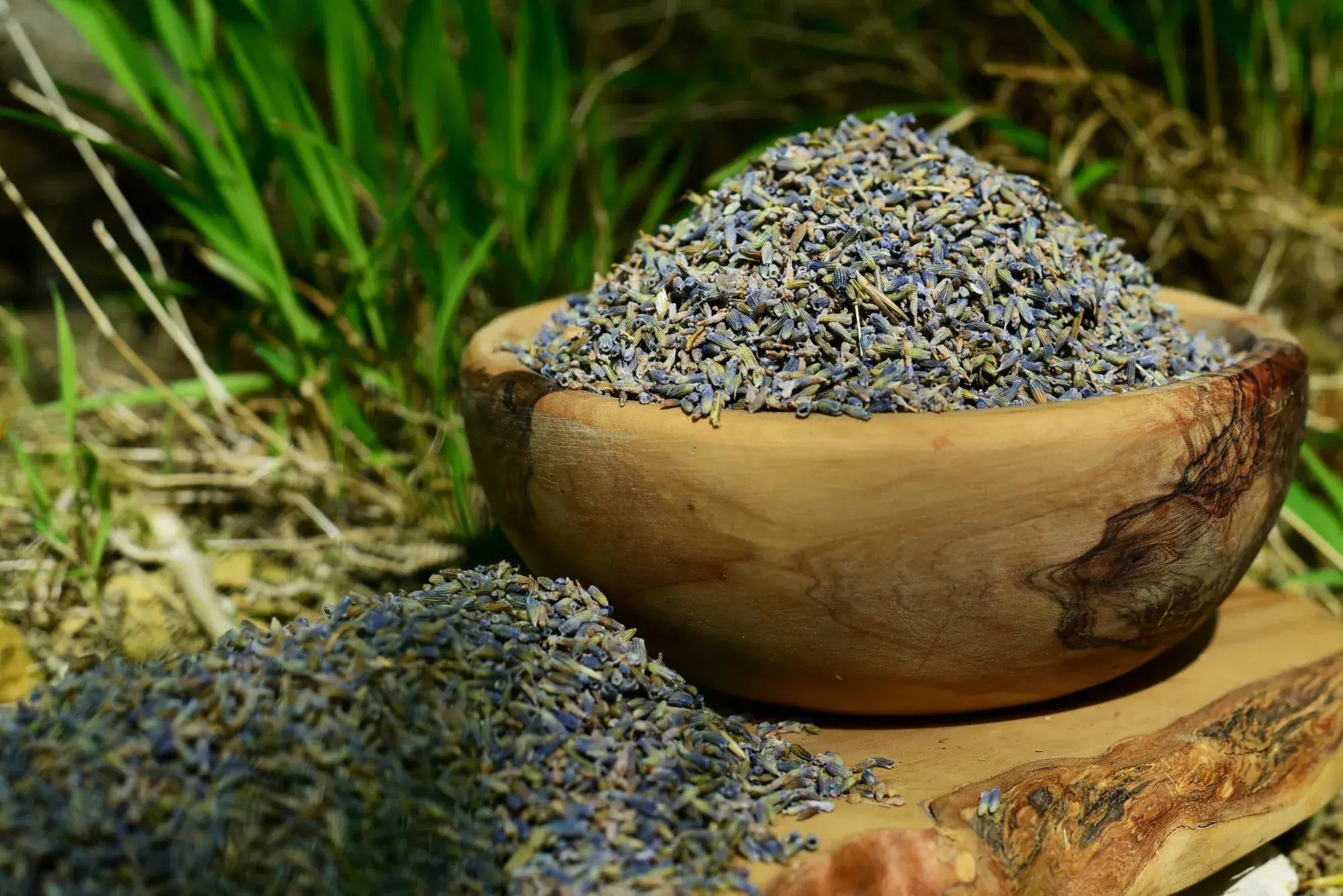
Mugwort, imphepho and Mexican tarragon go on the glowing charcoal in a pinch. A little is enough; the smoke rises by itself.
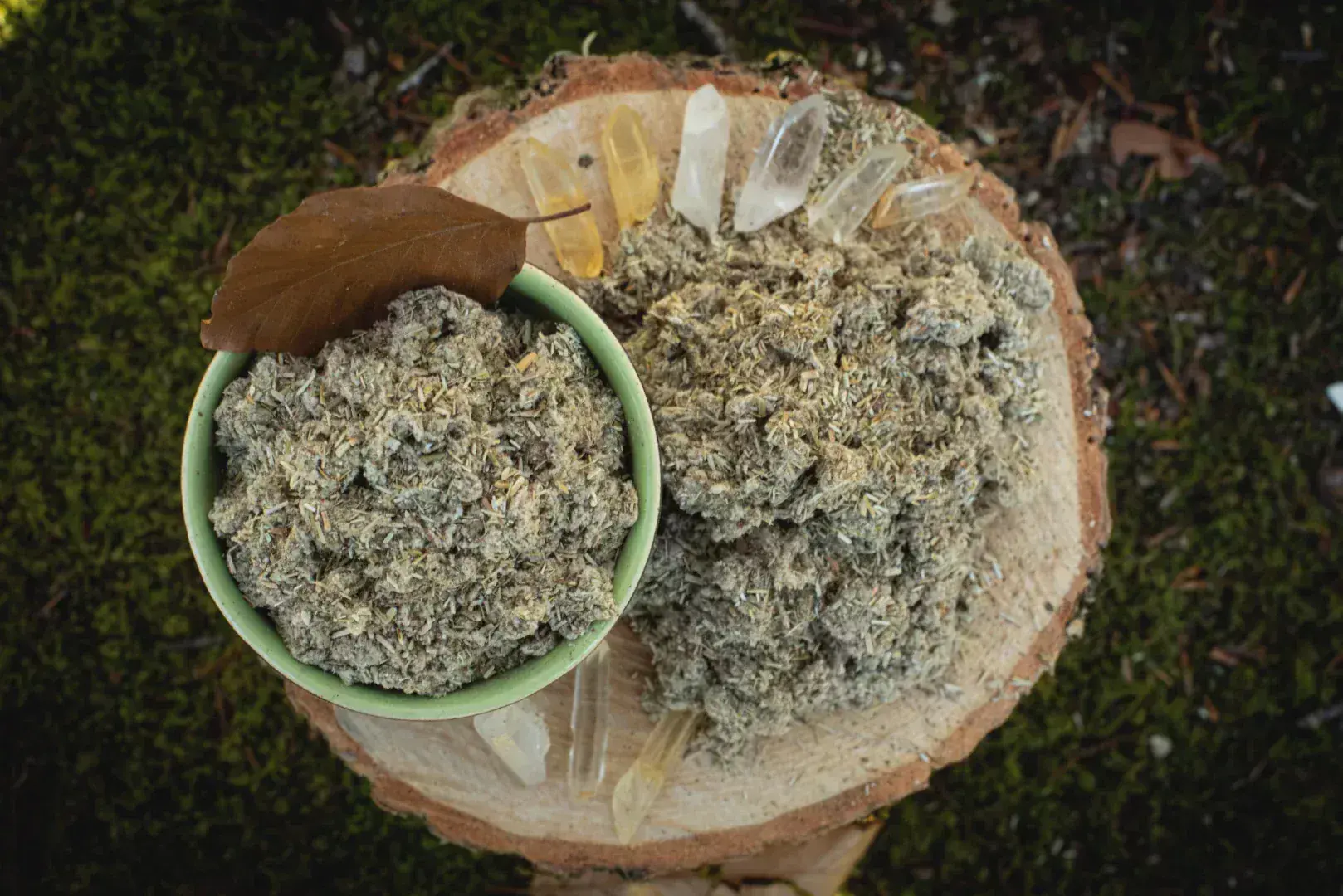
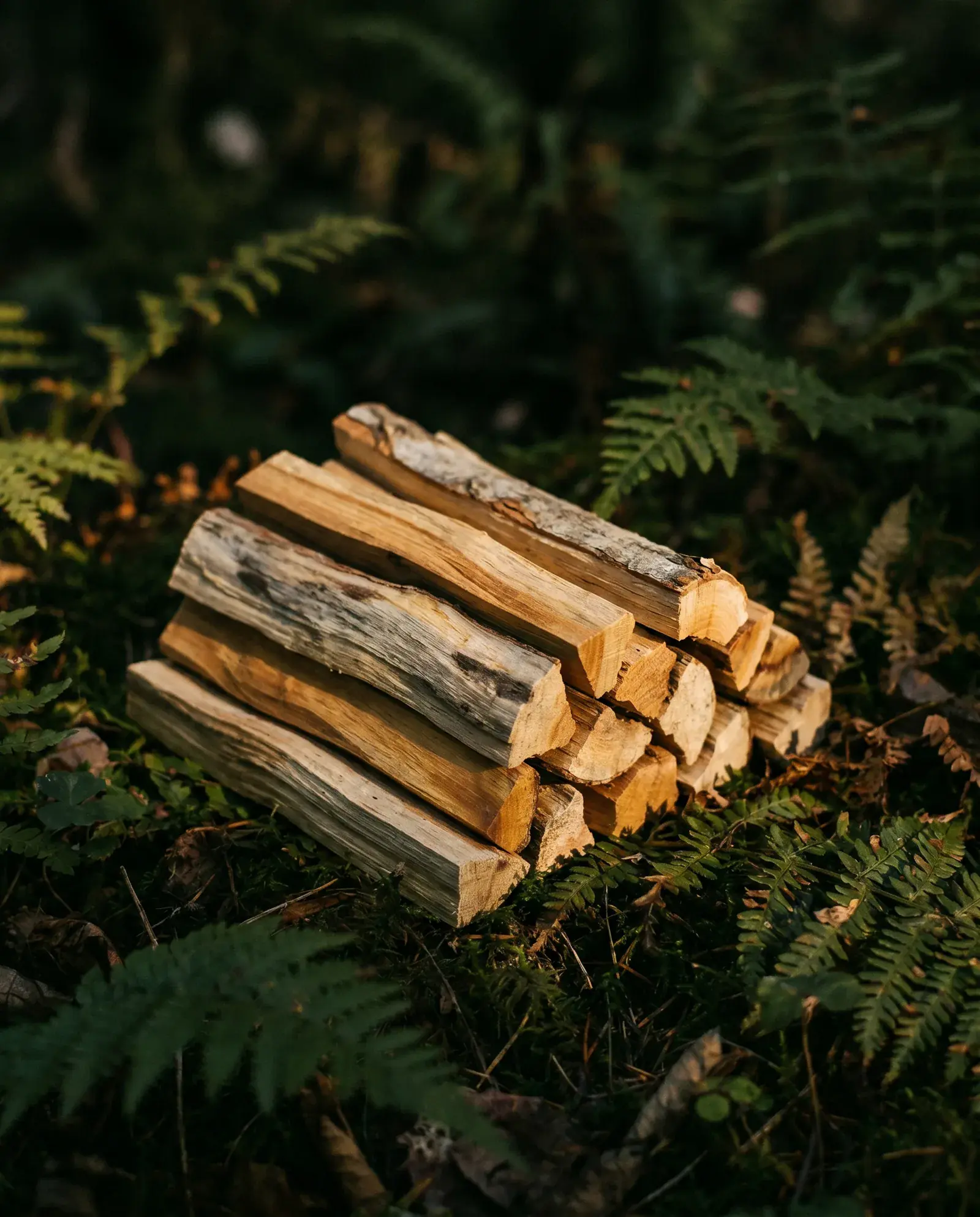
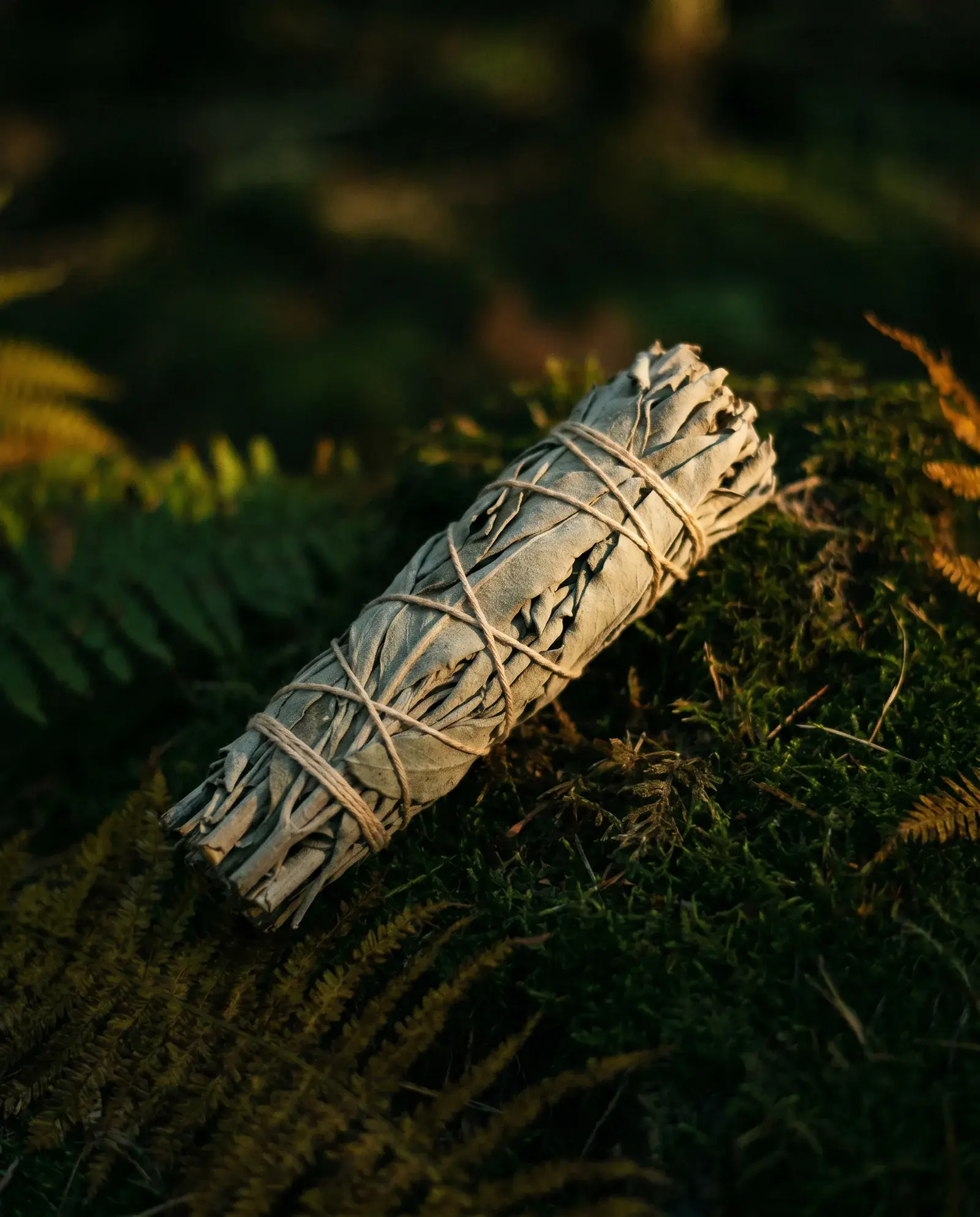
Palo santo (stick) and white sage (bundle) are lit directly: let the flame die down and the ember smoke, with a bowl held beneath for the ash.

Carry the bowl from room to room, from the corners towards the door. The air renews itself through the open window.
The ember goes out completely before you leave the room, watched until the end. Air the house, and the night goes on.
The Rauhnächte are the nights at the turn of the year, between Christmas and Epiphany. In the Alps, in Bavaria and in Austria the custom has stayed alive: house and stable were smoked through, and in some valleys masked Perchten still run through the villages. In the north the same days were called die Zwölften, "the Twelve". Depending on the region, people count anywhere from three to twelve nights.
Where the name comes from is debated. One explanation traces it to Middle High German rûch, "hairy", after the fur-clad demons said to roam those nights. Another to Rauch, smoke: hence the other name, Rauchnächte, the smoke nights.
Their age is debated too. One hypothesis sees in them the days between the lunar and the solar year, days outside time. The idea of a great Germanic solstice feast goes back to the 19th century, to Jacob Grimm's Teutonic Mythology (1835), and remains contested: almost all the old texts on these nights are Christian.
In the most common count they run from Christmas Eve to Epiphany: 24 December 2026 to 6 January 2027. Elsewhere the first night falls on 25 December, or as early as St Thomas's Night, at the winter solstice.
Four nights weigh more than the others: St Thomas's Night (20-21 December), Christmas Night (24-25 December), New Year's Eve (31 December-1 January) and Epiphany Eve (5-6 January).
Farmers' almanacs read the weather of each of the twelve months to come in the weather of each of the twelve nights. Those who keep a dream journal give each night a page, and read it again as the year goes by.
Jul is an old Germanic word for midwinter; in Scandinavia, Christmas is still called jul. The Rauhnächte begin at the solstice or at Christmas, which is why they are linked to Yule. Whether the Germanic peoples held a pagan solstice feast is still debated; the Yule celebrated today, with its candles and its fire, is mostly a recent revival.
In 1534 Sebastian Franck wrote in his Weltbuch that during the twelve nights between Christmas and Epiphany there was no house that did not burn incense every day, against devils, ghosts and sorcery. The priest or the farmer carried the smoke through house and stable. Today, herbs from far away go on the embers too. The ones we carry:
The gesture room by room, and more herbs: how to smudge your house.
The custom mostly kept bans on work. No white laundry was hung out: the riders of the Wild Hunt would have taken it for a shroud; no washing line was strung, where the Hunt might get caught. In Bavaria the spinning wheel was put away; elsewhere nobody played cards. In Styria it was told that Frau Perchta went from house to house with the souls of dead children.
What many keep from it today: little work, a quiet house, time for what the passing year leaves behind.
Smoke irritates the airways. Keep a window ajar while smudging and air the room well afterwards. Avoid rooms where babies or young children sleep, and take pets out, birds above all. With asthma or an allergy to the daisy family, such as mugwort and imphepho, it is better to abstain or to burn outdoors. Never leave the ember unattended; at the end, put it out completely.
The old texts speak of incense, carried through house and stable. Mugwort, the herb of these lands, is the one most tied to the custom. Today palo santo, white sage or imphepho join it. A pinch on a glowing charcoal is enough.
In the usual count, from Christmas Eve, 24 December 2026, to Epiphany, 6 January 2027. Some count from 25 December, others from St Thomas's Night at the winter solstice.
Four stand out: St Thomas's Night (20-21 December), Christmas Night, New Year's Eve and Epiphany Eve (5-6 January). The house was smoked above all on these four nights.
Jul is the old Germanic word for midwinter, and the Rauhnächte begin at the solstice or at Christmas. Whether there was a Germanic solstice feast is still debated: the idea dates from the 19th century.
The custom mainly bans certain work: hanging out white laundry, spinning, playing cards. Many take the nights today as an invitation to rest.
OTHER INTENTIONS · Ritual