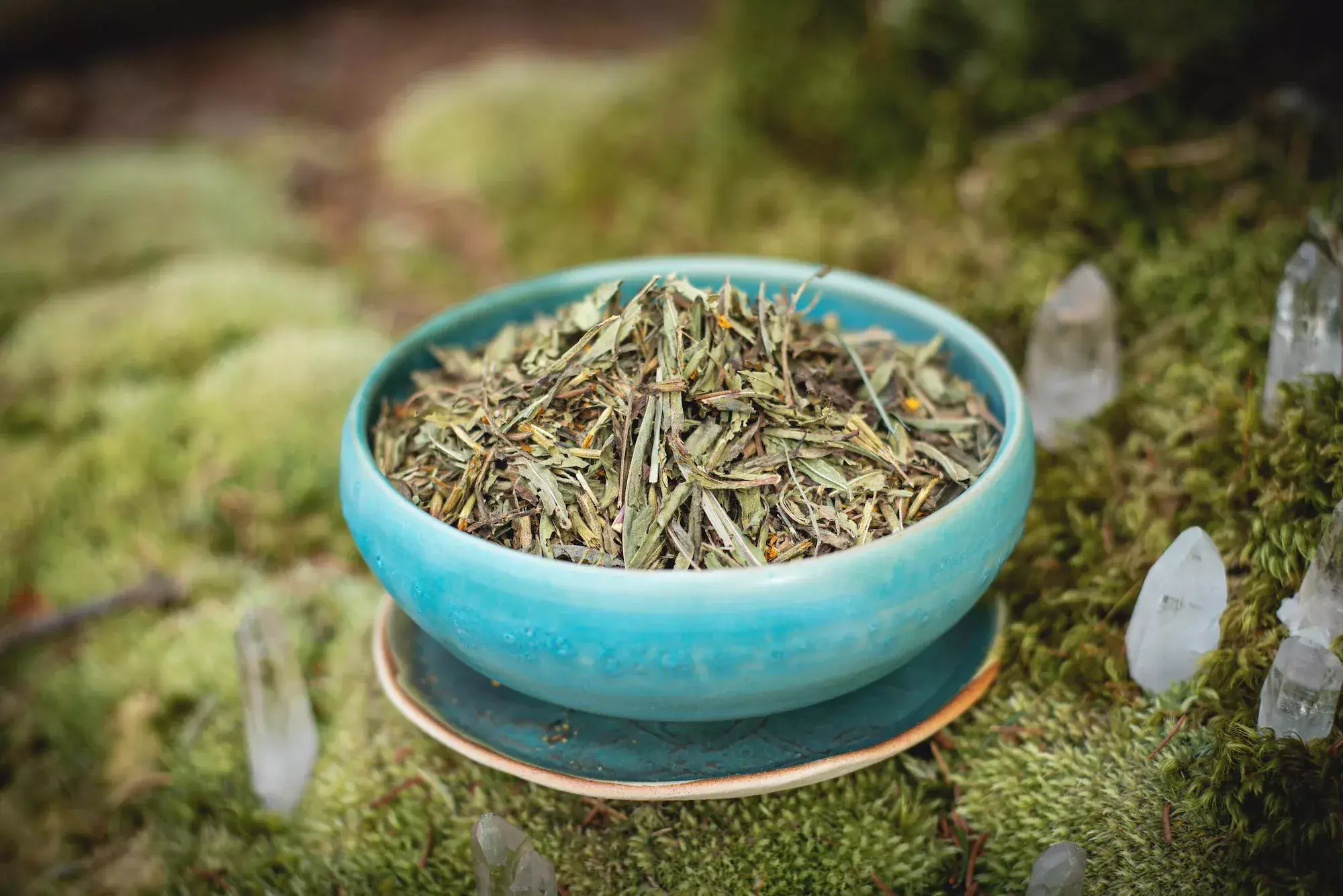
Mexican Tarragon "Yauhtli"
The Lightning of the Soul
from €7.00
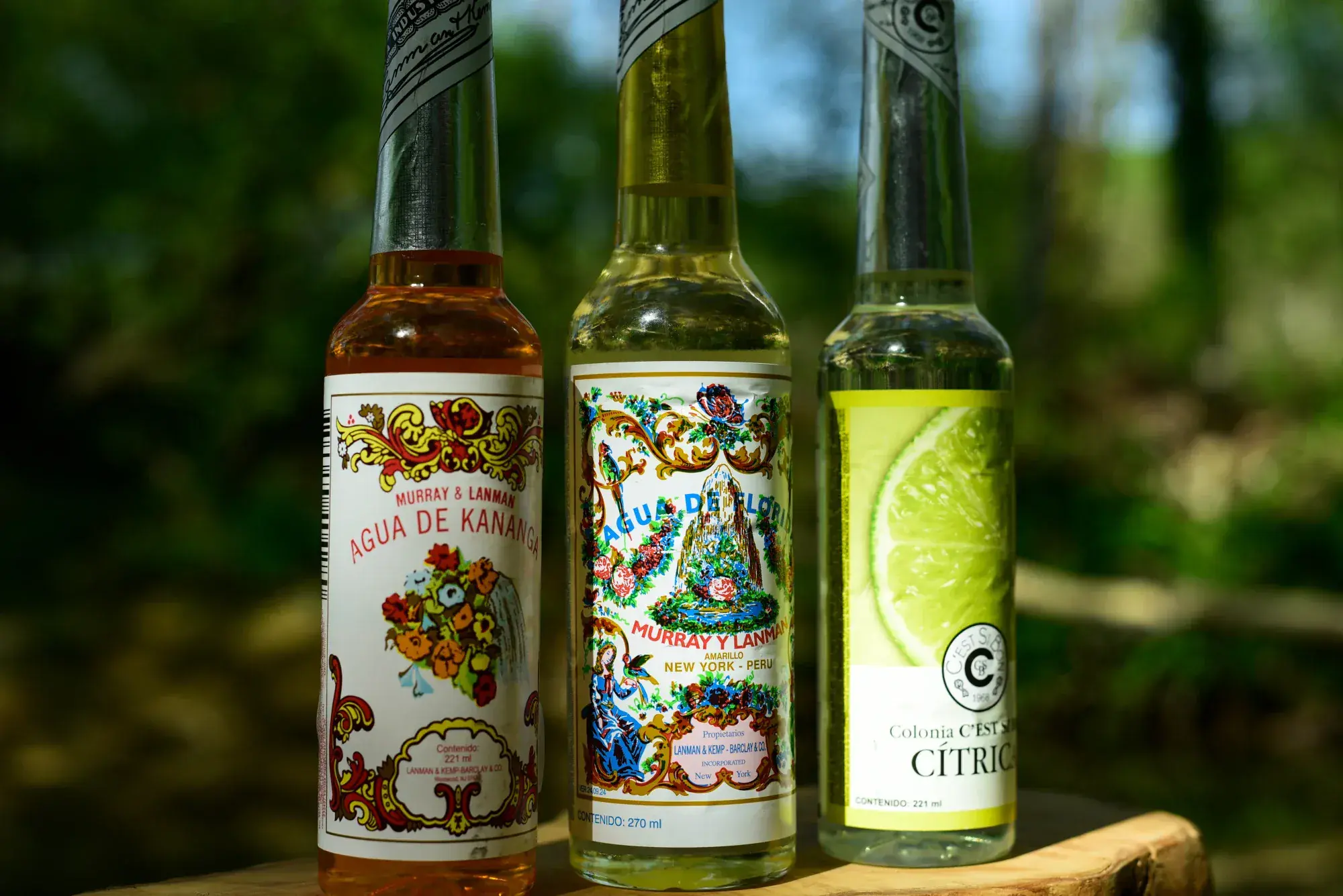
Incense (imphepho, palo santo) and ritual waters (Florida Water, Kananga) — to hold a space, mark a threshold, seal an intention.
6 plantsfrom €3.00
Three plants from the family, depending on what you are looking for.
The Lightning of the Soul
from €7.00
The incense of the ancestors
from €7.00
The water that awakens
from €14.00
Receiving a master plant.
EnterThe heart that lets itself be crossed.
EnterSensuality as ritual.
EnterThe feminine has its ally plants.
EnterTraveling without tearing yourself away.
EnterLotus or water lily? Two families.
EnterBefore there were words to describe the sacred, there was smoke. Incense in temples, imphepho on thresholds, copal in Mayan houses — smoke has always been the shifting frontier between two orders of the world.
Six incense plants and ritual waters in this family, each with its own gesture: Zulu imphepho (Helichrysum odoratissimum) for the ancestors, palo santo (Bursera graveolens) from Ecuador for thresholds, white sage (Salvia apiana) from the Himalayas for clarity.

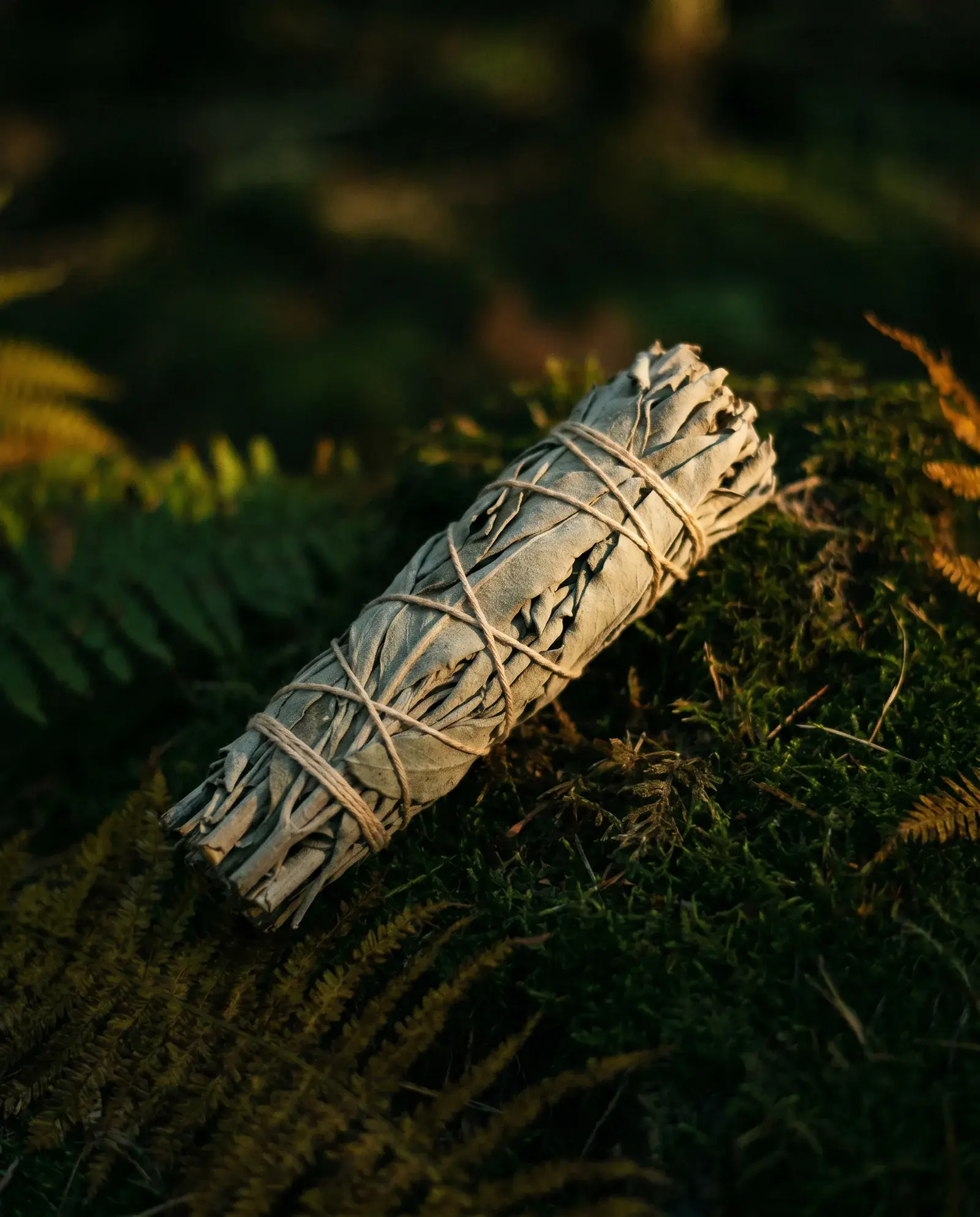
A plant, a wood or a resin burned just as it grew, with no stick and no added perfume. Its smoke keeps the scent of the plant: wood and lemon for palo santo, anise for yauhtli. The way it burns depends on its form, from a stick of fragrant wood to a pinch of dried flowers.
| Plant and form | How it burns | Holder |
|---|---|---|
| A stick of palo santo or a bundle of white sage | Once the tip catches, the flame is blown out and the embers smoulder. | A heat-resistant dish that catches falling ash, set on a stable surface. |
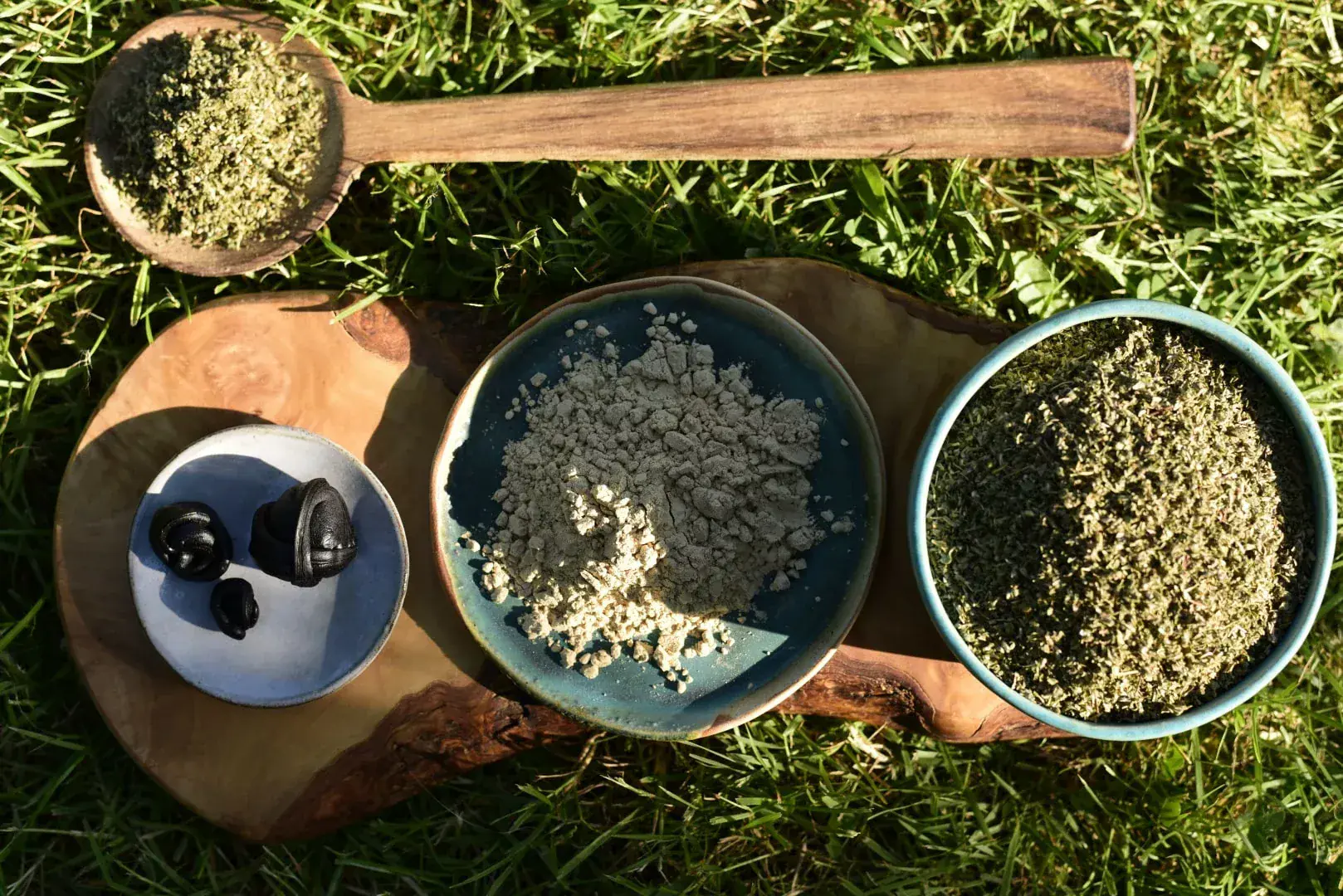
| Loose imphepho flowers, mugwort leaves or yauhtli | A pinch goes on a glowing charcoal disc. | A burner made for charcoal, set on a stable surface. |
The disc is lit according to the maker's instructions. Someone stays with the incense until it is out. The holder stays in place until it has cooled completely.
A mist of Florida Water can mark the opening of a circle. A sprinkling at the end brings it to a close. The cologne is used in the Andean limpia.
The cologne contains alcohol and is flammable. It is for external use only, away from flames.
Frankincense resin, also called olibanum, comes from Boswellia trees. The resin often hardens into small pieces called tears.
The CITES report on frankincense describes the trade in whole resin and in the essential oil distilled from it.
| Incense | Plant and form | Scent |
|---|---|---|
| Frankincense resin | Hardened tears from Boswellia trees | Varies with the Boswellia species |
| Myrrh resin | Hardened gum resin from Commiphora trees such as C. myrrha | Woody and spicy in unburnt C. myrrha resin |
| Siam benzoin | Resin from Styrax tonkinensis, sorted into tears by size | A strong vanilla scent |
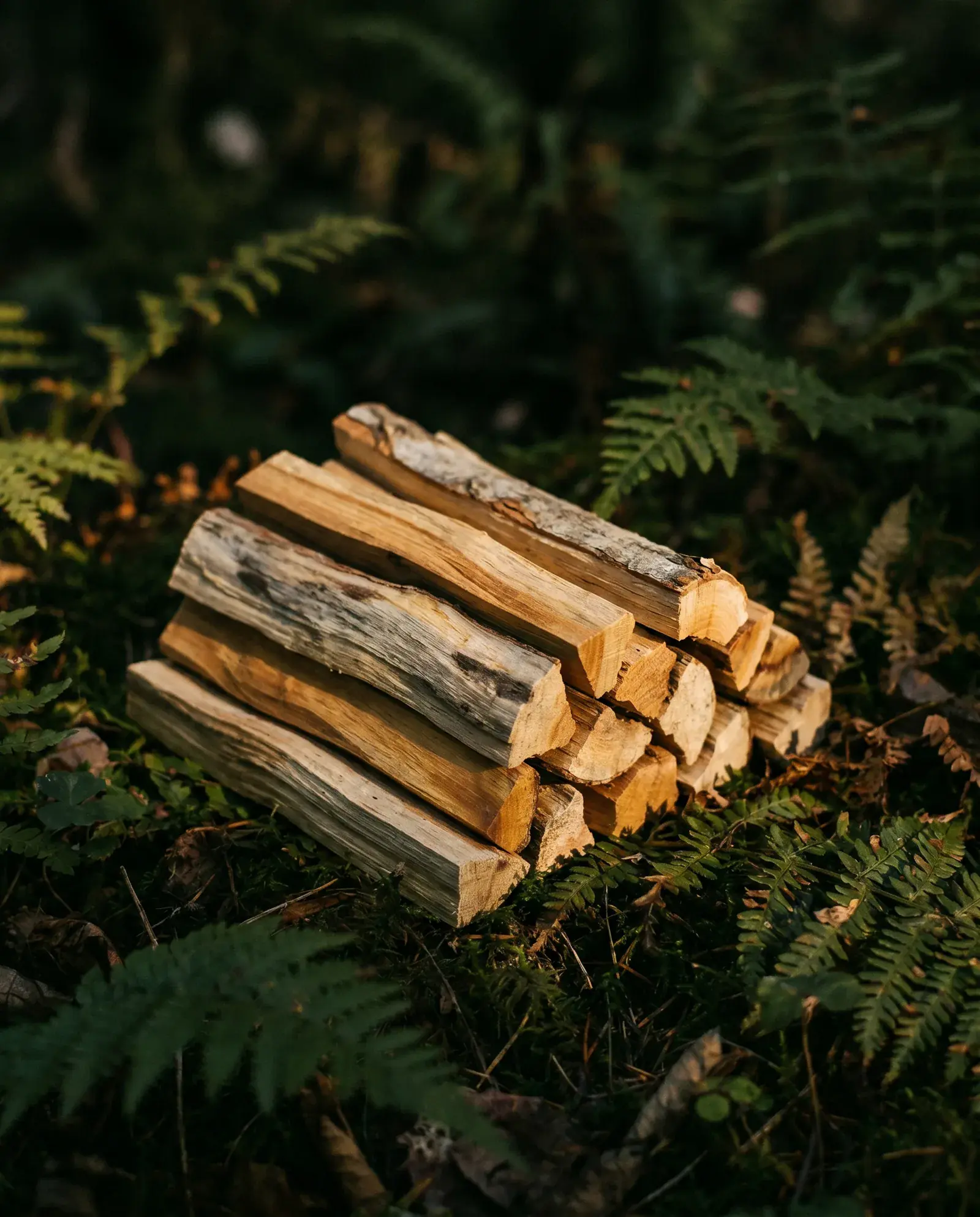
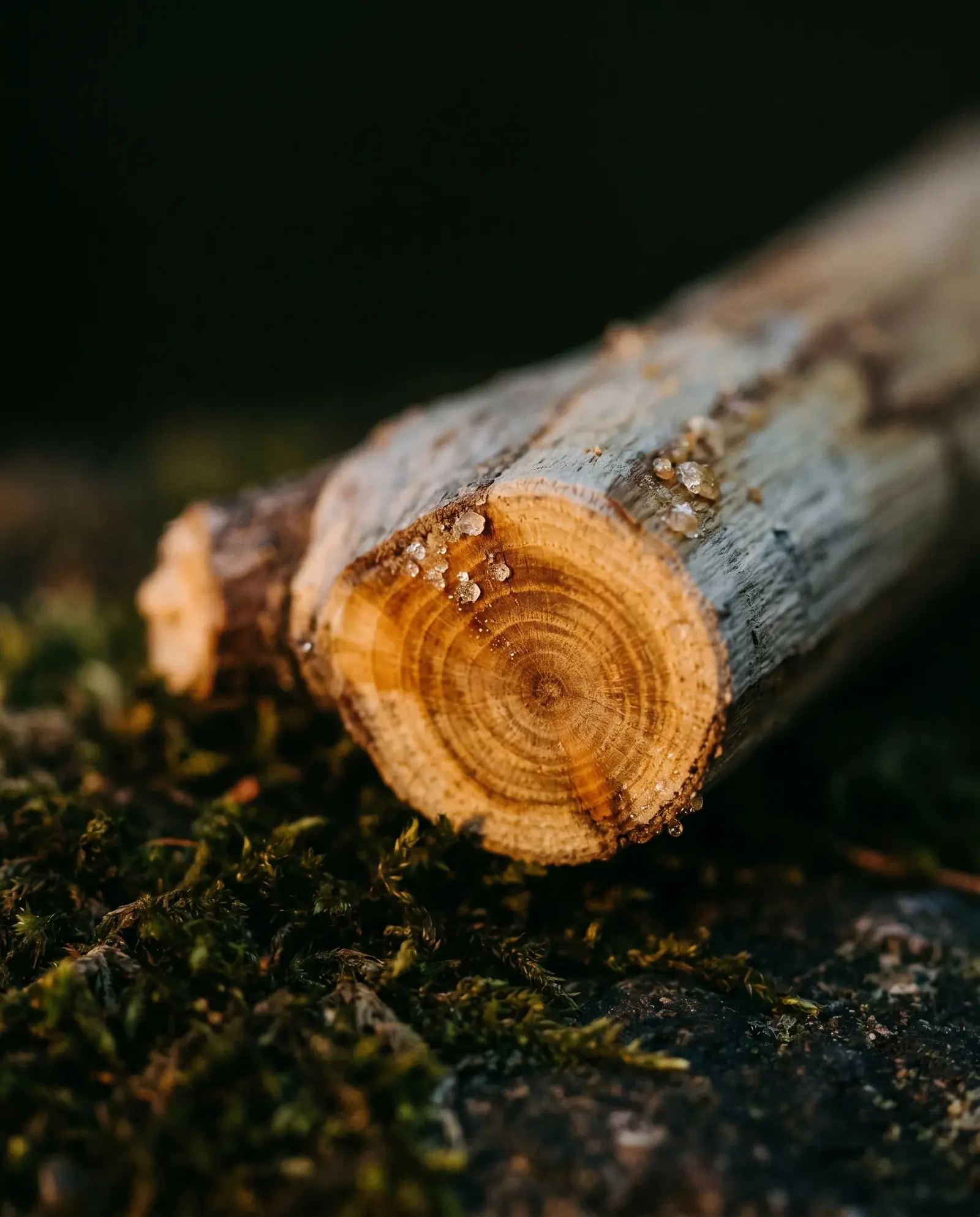
| Palo santo | Hand-cut sticks of Bursera graveolens from Ecuador | Wood and lemon in the smoke |
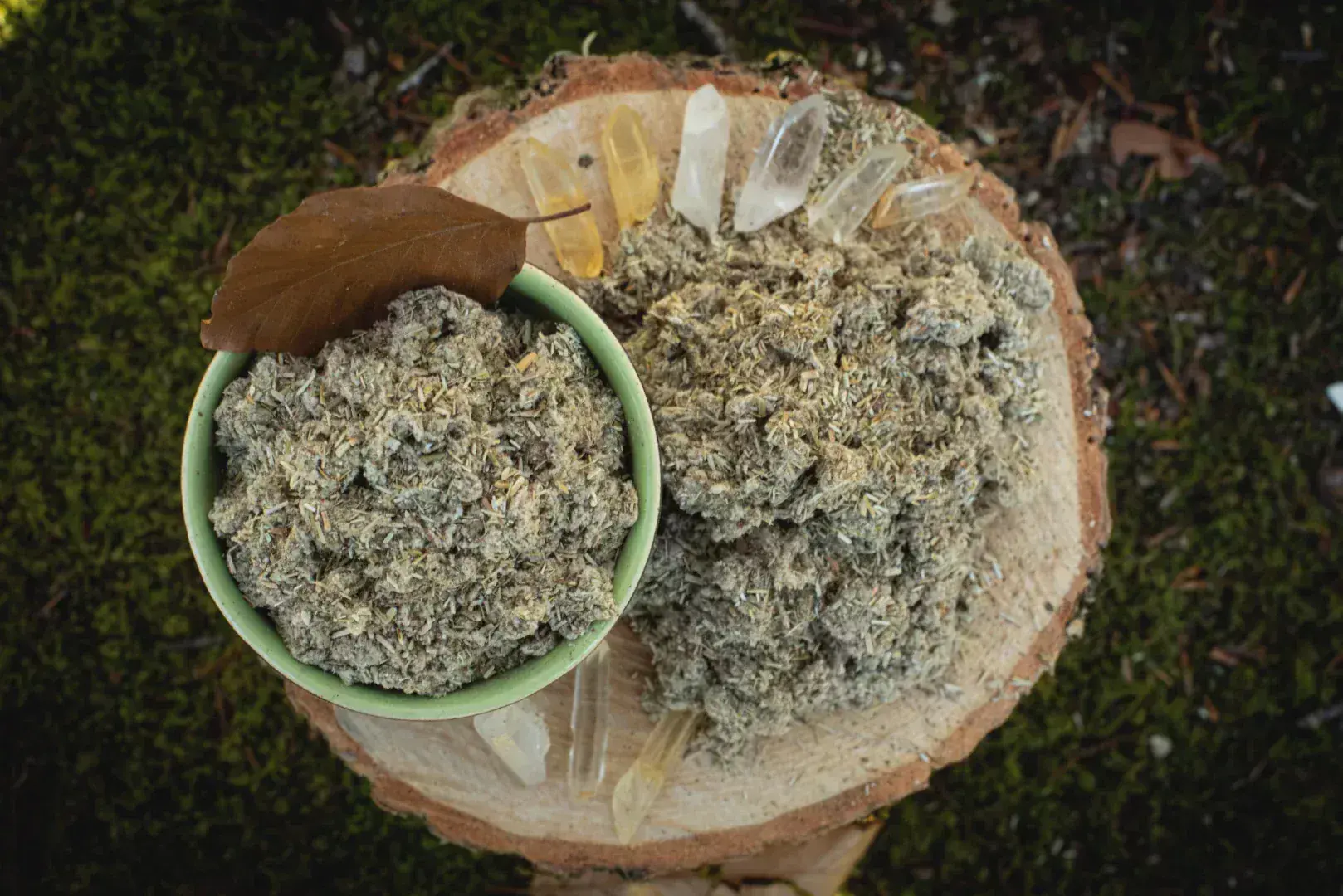
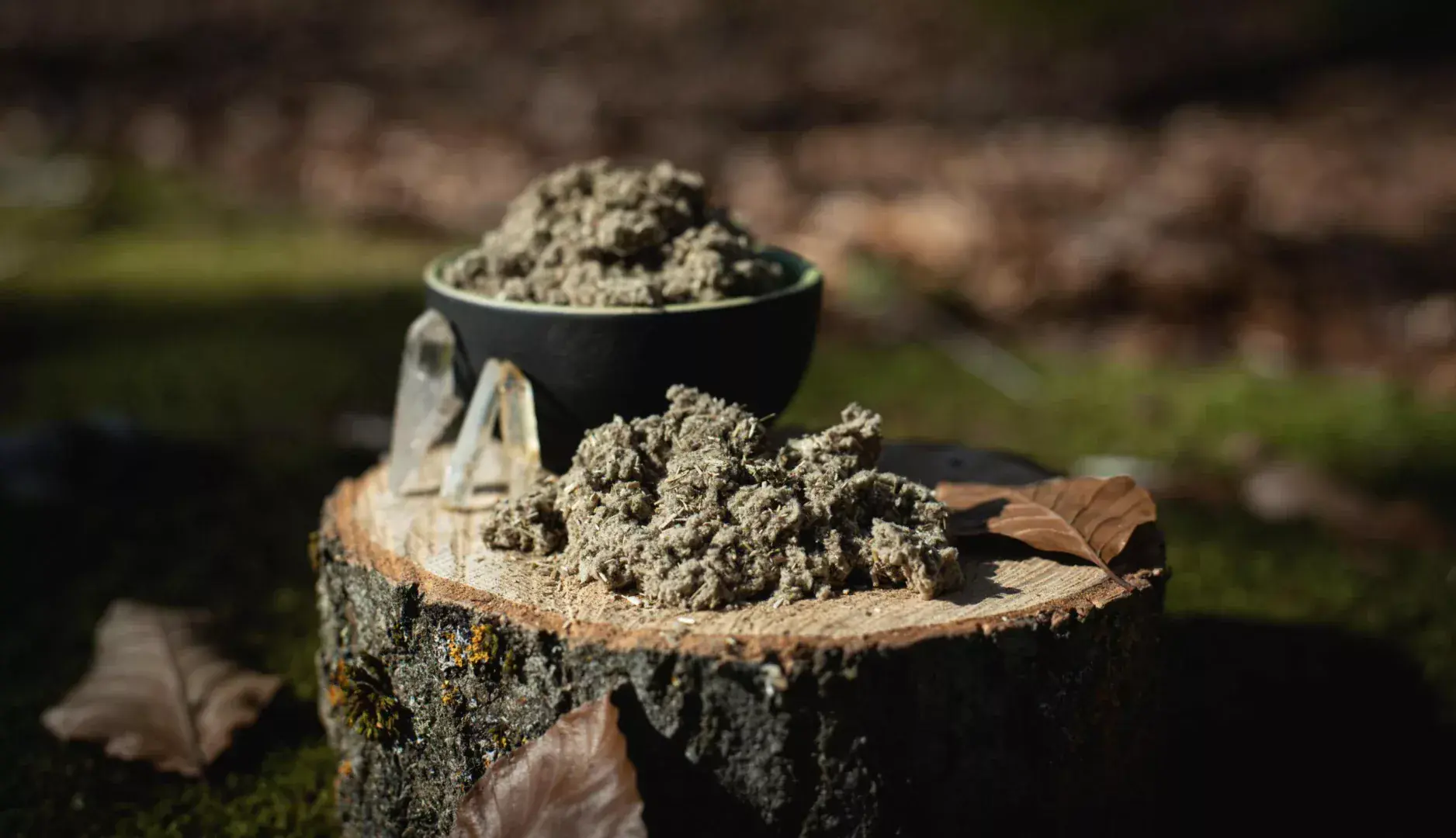
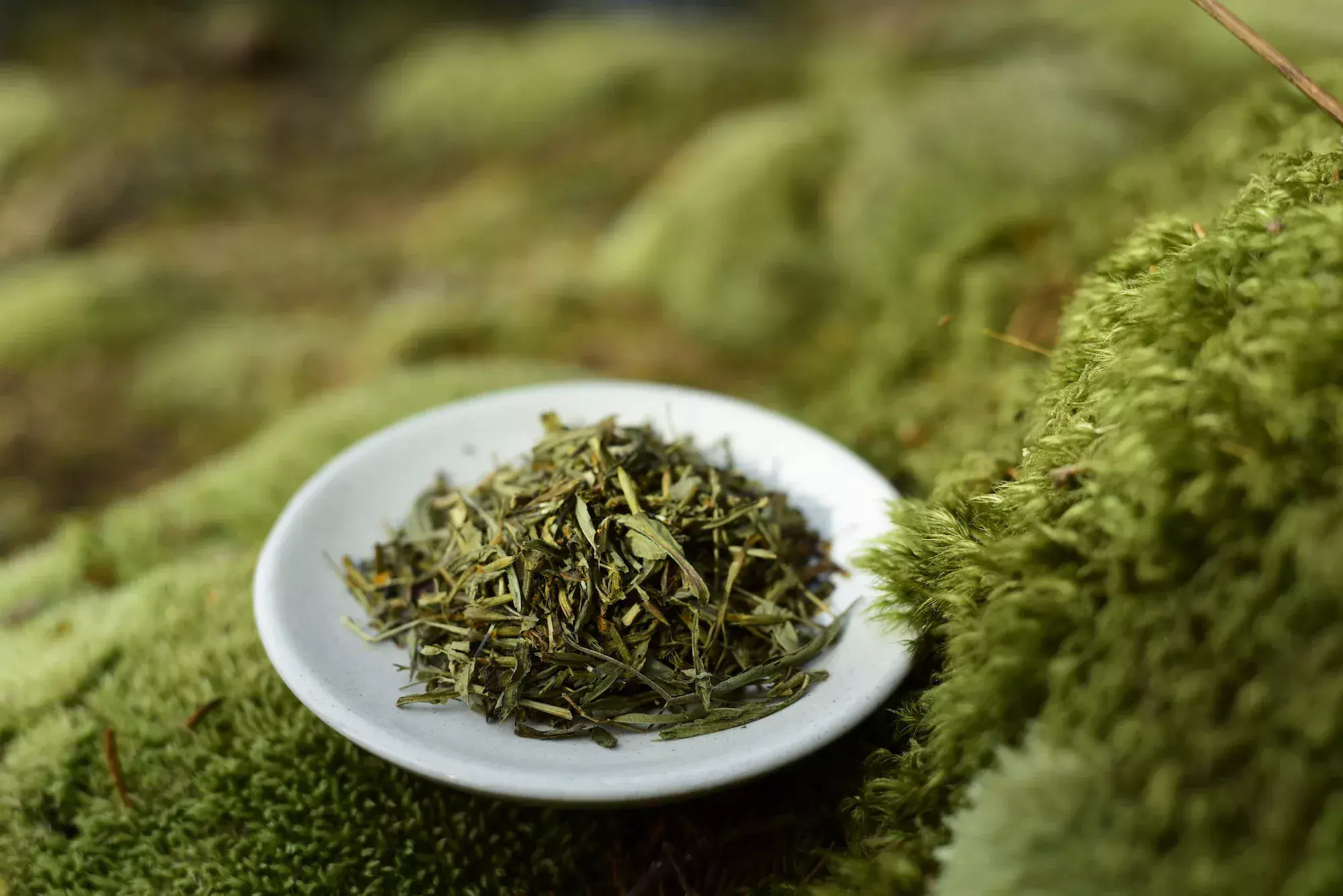
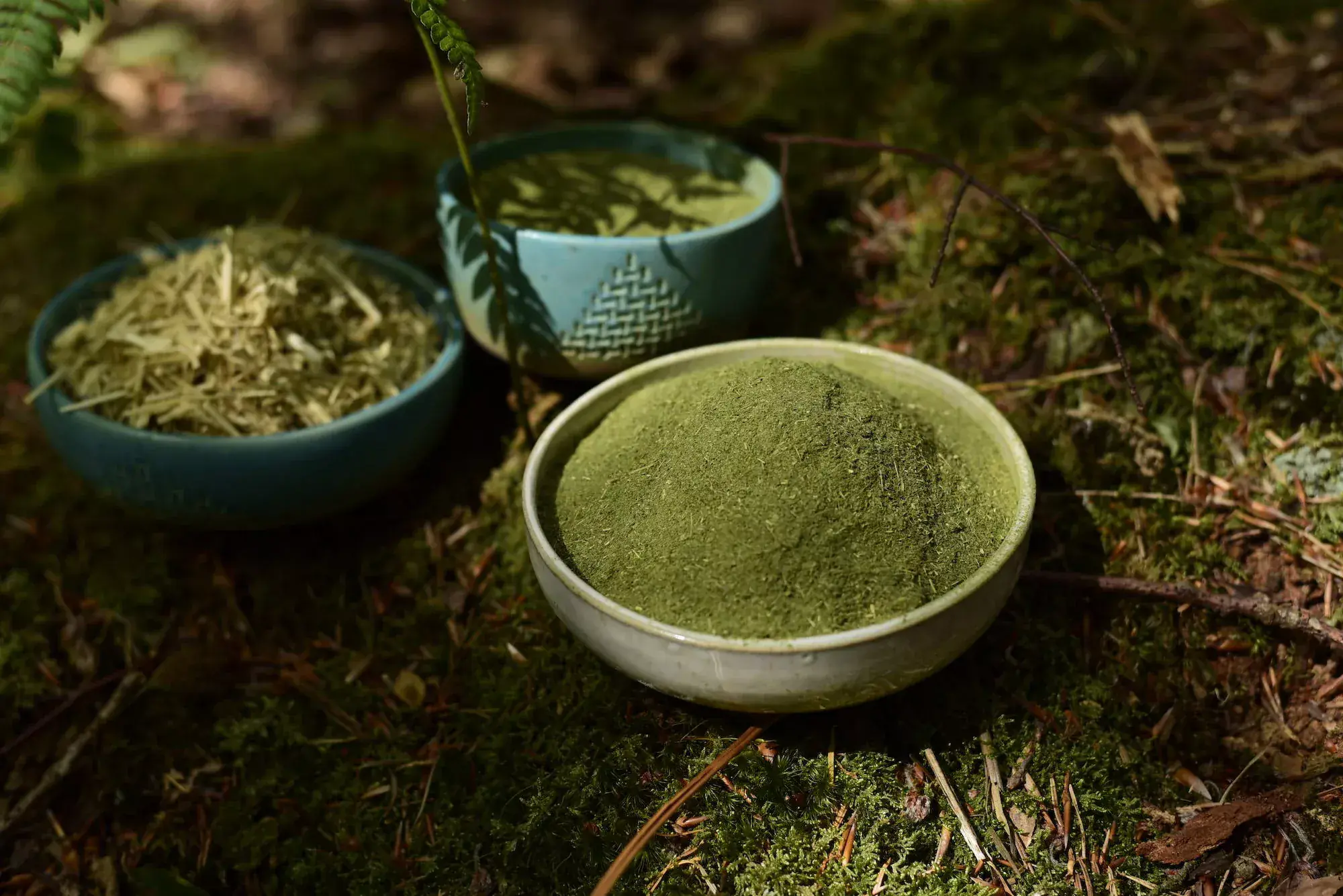
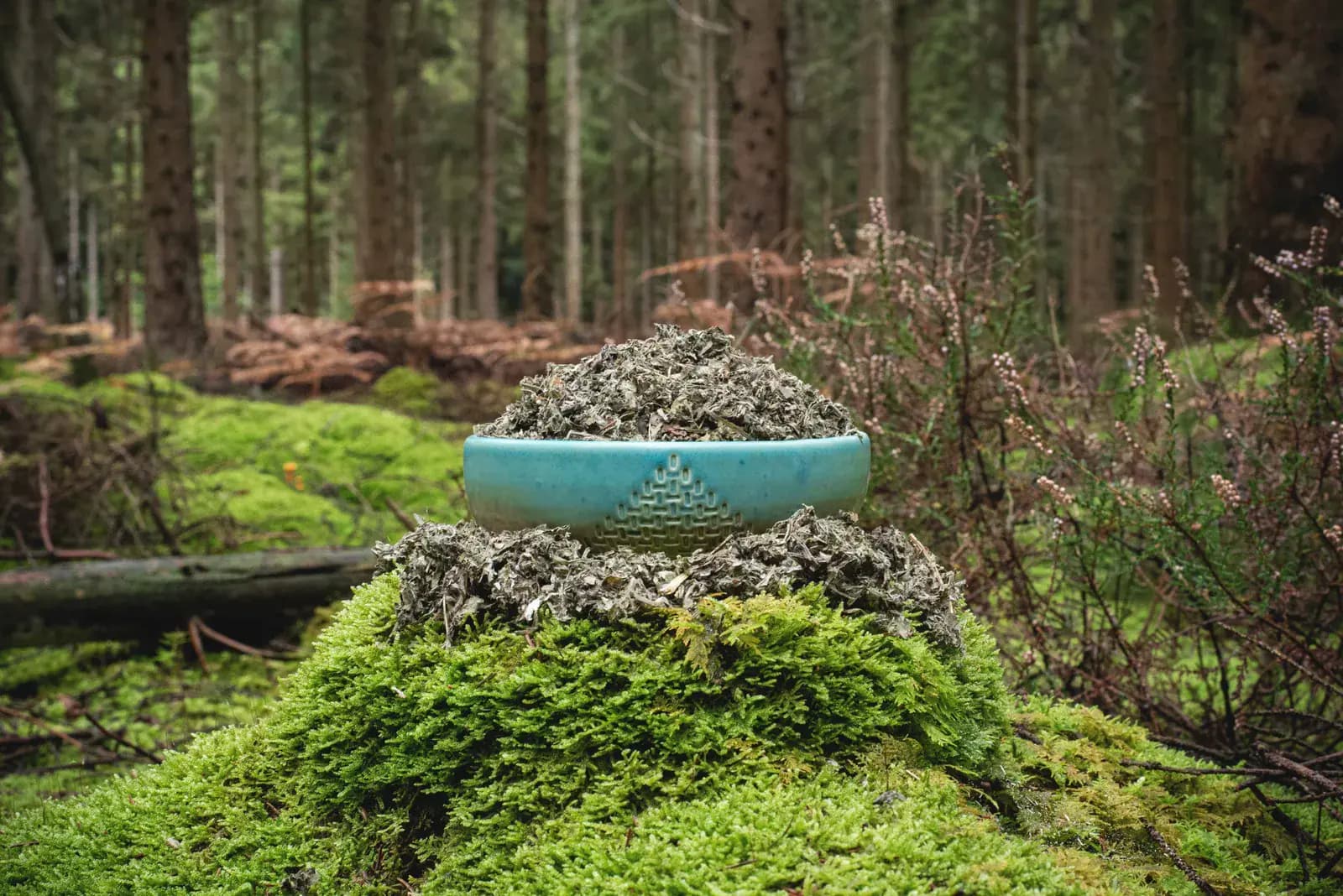
| Yauhtli | Whole dried leaves of Tagetes lucida | Aniseed in the smoke |
| Imphepho | Loose dried flowers of Helichrysum odoratissimum | Strongly aromatic |
Ecuador · Peru
The holy wood: light the tip, blow out the flame, let it smoke. It makes any space sacred.
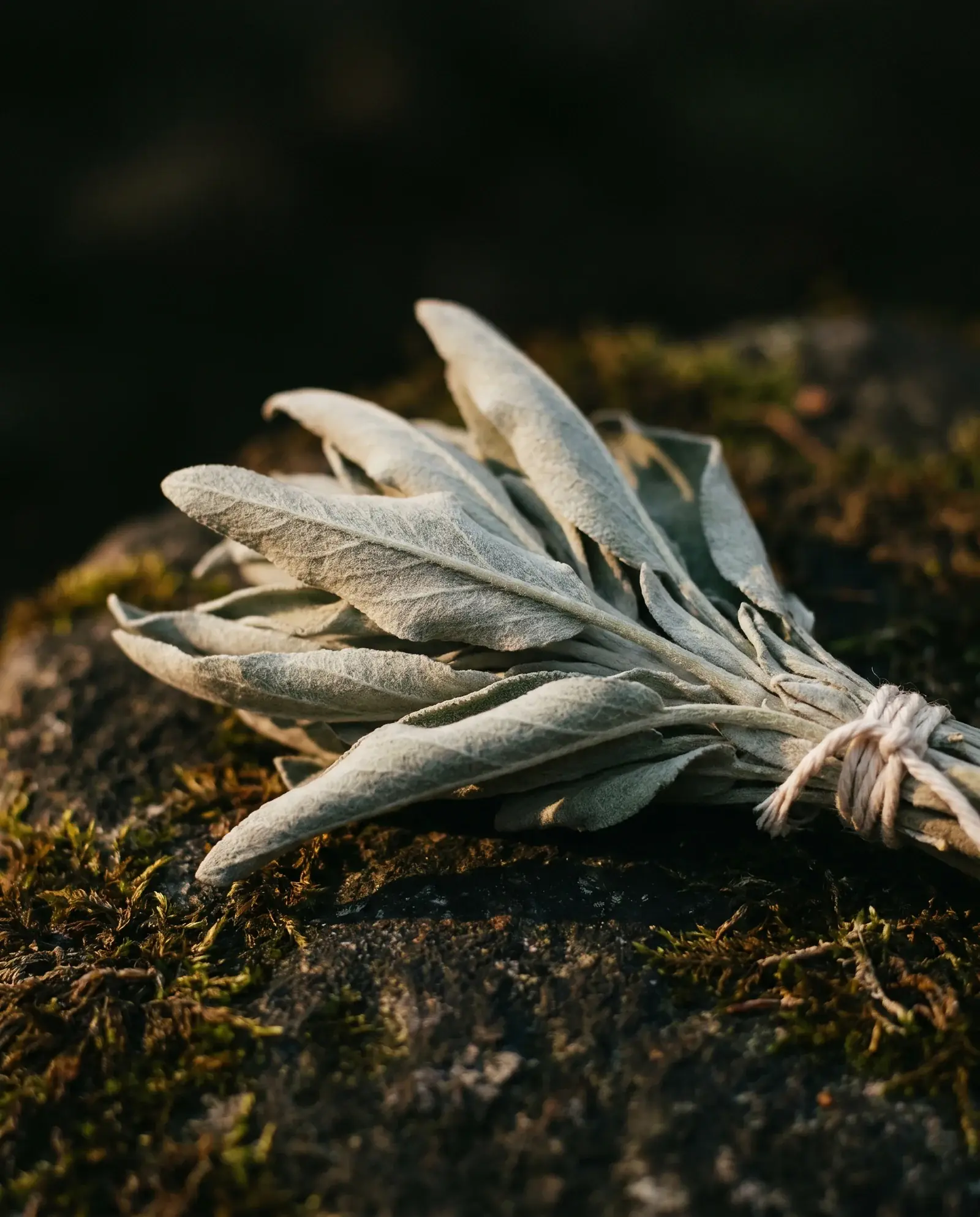
California · ours from the Himalayas
The smudge stick: a bundle you light and carry from room to room.
Sangoma · South Africa
Burned on the charcoal as a smudging incense, to open a ceremonial space and call the ancestors.
Aztecs · Mexico
Burned for Tláloc, and still today on the home altar. Its smoke smells of anise.
Europe · China · Japan
A pinch on the charcoal; the herb of Saint John's Eve, held to be a herb of protection.
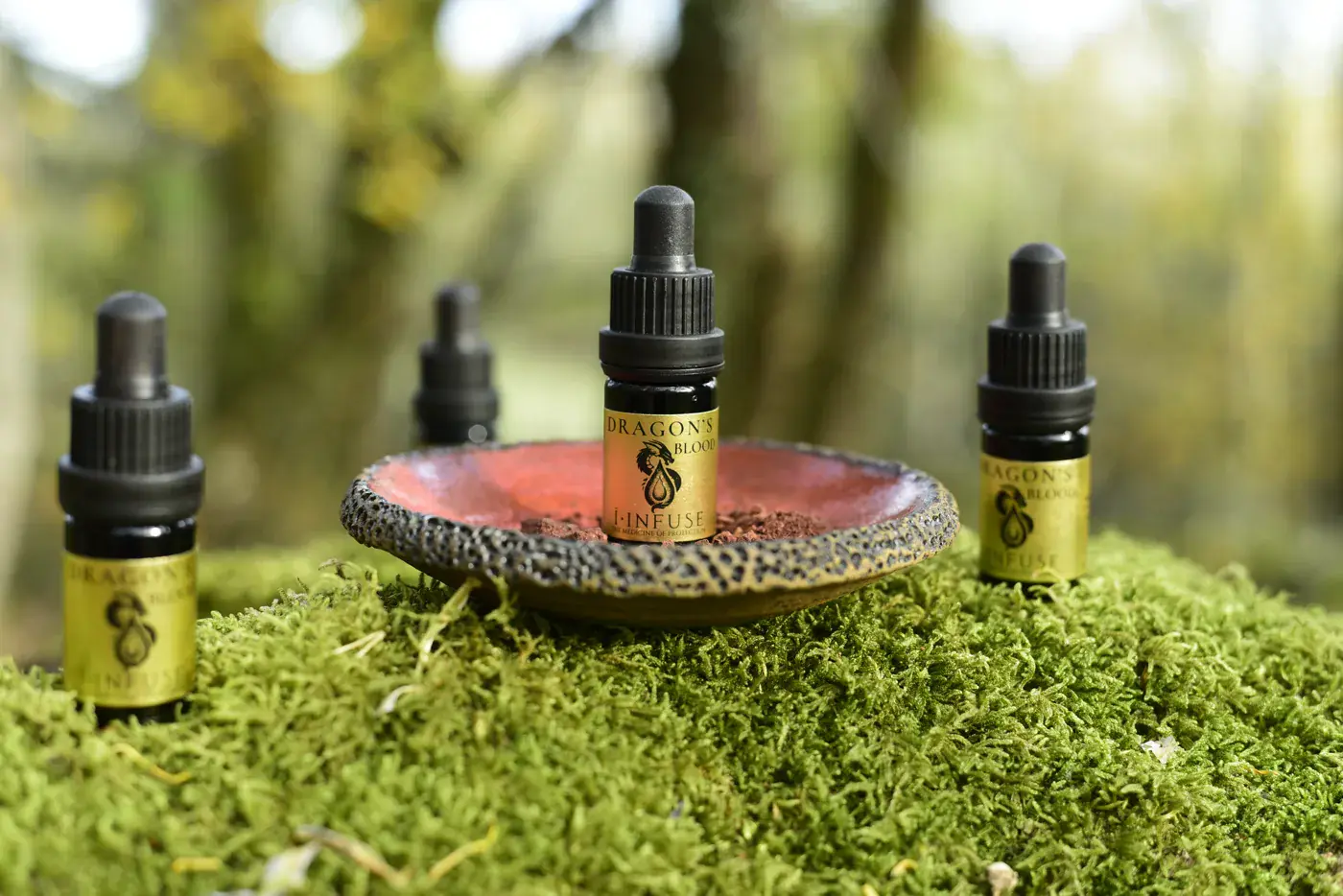
Latin American limpia · born in New York in 1808
The water that awakens: never burned, misted or sprinkled. In your hands, one deep breath, then clear your aura.
To cleanse a house, the smoke is carried from room to room, from the corners toward the door, with a window open: a sage bundle, a palo santo stick, a pinch of imphepho. To meditate, a single plant is enough, lit before sitting down: the soft smoke of palo santo, or imphepho, which the Sangoma burn to open a ceremony.
The step-by-step guide for a whole house: how to smudge your house. The herbs traditions keep to guard a home: herbs for protection. Where the word comes from: smudging, its meaning and its origins.
Yes: the plant itself, burned as it grew. A palo santo stick, a white sage bundle, a pinch of imphepho flowers on a charcoal disc. Nothing is added, and the scent is the plant's own.
A smudging spray is a scented mist used in rituals where no herbs or wood are burned. Some sprays are scented with white sage or palo santo. In our collection, white sage comes as a bundle and palo santo as a stick.
Several Boswellia species yield frankincense, including B. sacra, B. papyrifera and B. serrata. Their scents differ, and the CITES report on frankincense notes that a first scent test can help sort traded resin by species before laboratory analysis.
The smudging herbs: white sage as a bundle, palo santo as a stick, imphepho and mugwort loose on the charcoal. The smoke goes from room to room with a window open; Florida Water, misted, scents the rooms without smoke.
One plant, lit before you sit. Palo santo, whose soft smoke of wood and lemon makes any moment sacred, as we say in our House; imphepho, which the Sangoma burn to open a ceremony; a pinch of mugwort.
An aura spray is a scented mist for the air around the body. Some are also used to scent a room before meditation.
That is what the traditions tell us. Imphepho is still burned on charcoal to purify and protect a room; Florida Water clears the field in an instant, in our House's words; mugwort is held from China to the Celts to turn malevolent forces away.
Any smoke irritates the airways, natural incense included. Burn a little at a time, with a window open, and a long draught of air afterwards; no smoke near babies, birds or anyone with asthma.
Three essential gestures:
First: name the intention before lighting. Smoke carries what is said, not what is silenced.
Second: let the room breathe — open a window for 5 minutes afterwards. Fumigation is a cycle, not a saturation.
Third: each plant gives its smoke, and the circle closes.
Voiced essays that extend these plants — traditions, gestures, lineages.