⊹ To weave around
To accompany Cat's Claw
Click a card to see why it pairs — and choose your form.
✦ Cat's Claw · in one breath ✦
A long decoction, taken in cycles — the sacred vine of Peru.
⊹ The path of the plant
⊹ Community voices
What the community murmurs.
Average · 8 reviews
including 7 left on our Etsy shop
Breakdown
The resin has powerful effects I can actually feel. dissolves great in tea with no residuals like some of the other resins. I wanted to order larger quantities but this isn't a high demand item and/or might be harder to stock so the largest quantity deal is 10g currently. Check out all the health and cognitive benefits associated with cat's claw for yourself.
Kyle
Daily · left on our Etsy shop · 2 February 2022
Ask the Forest about Cat's Claw
408 books digested, 97,512 indexed passages. She answers on lineages, synergies, cautions, ritual variations.
⊹ FREQUENT QUESTIONS ⊹
We answer.
What is cat's claw?
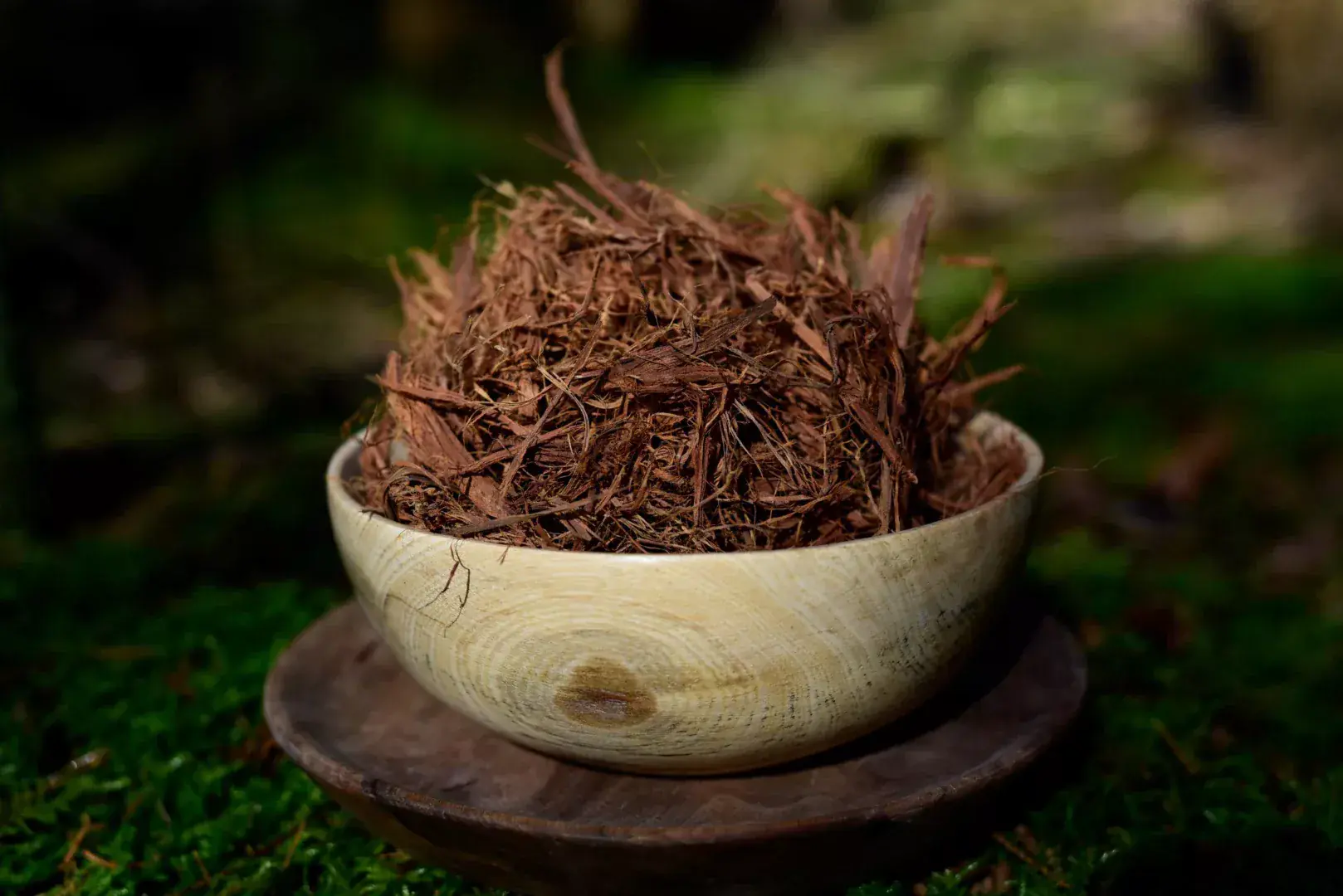
Cat's claw (Uncaria tomentosa, Uña de Gato) is a woody vine of the Amazonian forest, recognisable by her curved hooks at the base of the leaves. The Asháninka people of Peru have used her for generations.
What are the traditional uses of cat's claw?
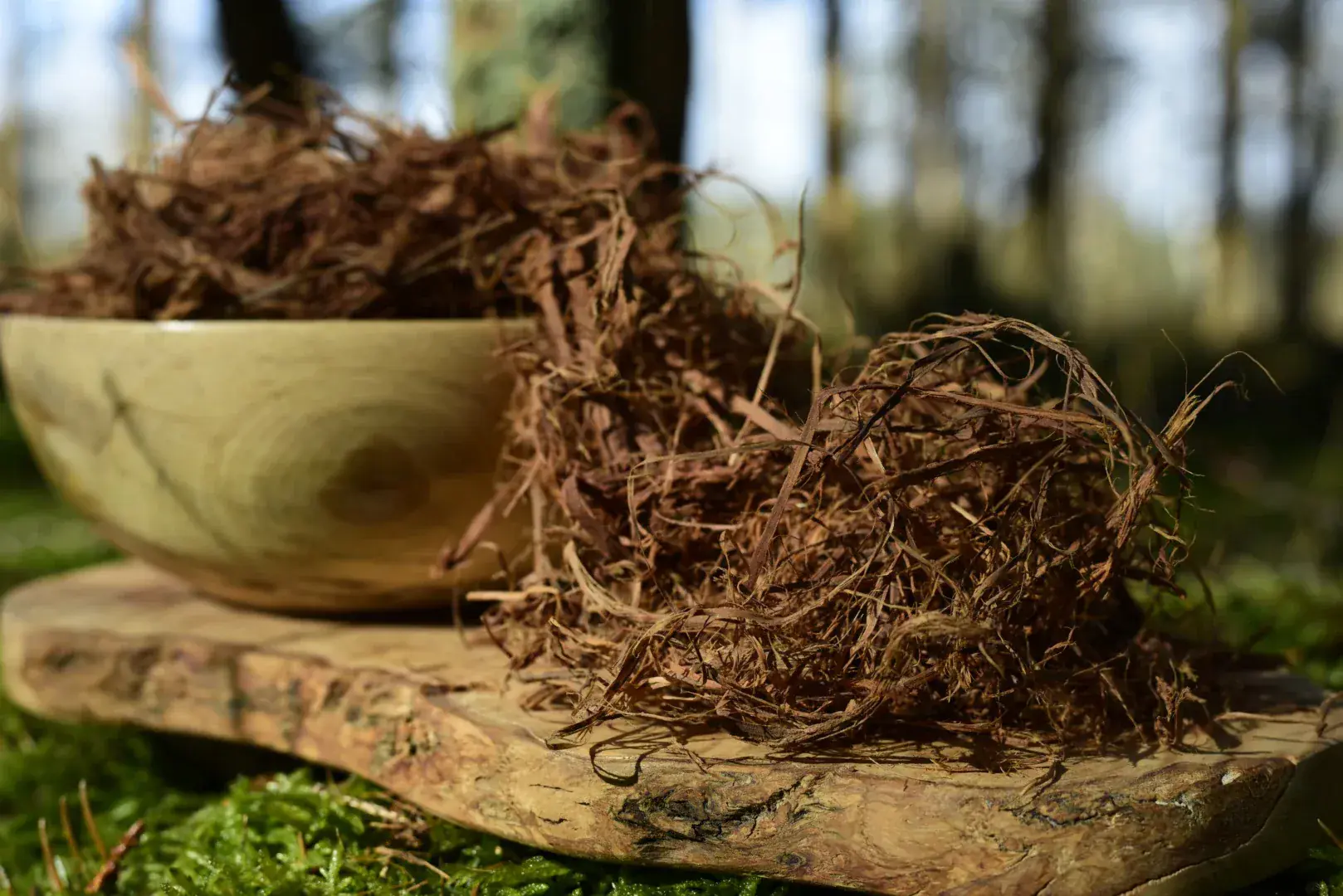
In Amazonian tradition, cat's claw bark is taken as a long decoction. INFUSE offers it in cures of two to three weeks, in cycles.
How do I prepare cat's claw as a decoction?
The Amazonian method asks for time. Cover the bark with cold water, bring to a simmer, then let it gently bubble — the long extraction releases the alkaloids that a quick infusion does not pull. Drink one to two cups per day, and the bark can be reused up to four times.
What is the difference between the POA and TOA chemotypes?
Cat's claw exists in two botanical chemotypes. According to the work of Klaus Keplinger and his colleagues in the 1990s, the Asháninka tradition favours POA (pentacyclic oxindole alkaloids); in vitro, TOA (tetracyclic) reduce its effects. Commercial sources do not always distinguish the two, which explains variability from one product to another.
How long does a cat's claw cure last?
The INFUSE tradition offers a 21-day cure to fully steep in the plant, followed by a several-week pause. Cat's claw is taken in long rhythm and in cycles, never as a permanent continuous use.
Does cat's claw have contraindications?
Caution in case of autoimmune disease or use of immunosuppressants, and during an organ transplant, because of her presumed action on immunity. Contraindicated during pregnancy and breastfeeding. Caution with anticoagulants and in case of hypotension. In case of a medical condition, ask a healthcare professional for advice.
Where does INFUSE's cat's claw come from?
INFUSE offers a cat's claw bark from Peru, harvested by rural communities.
Which plants pair well with cat's claw?
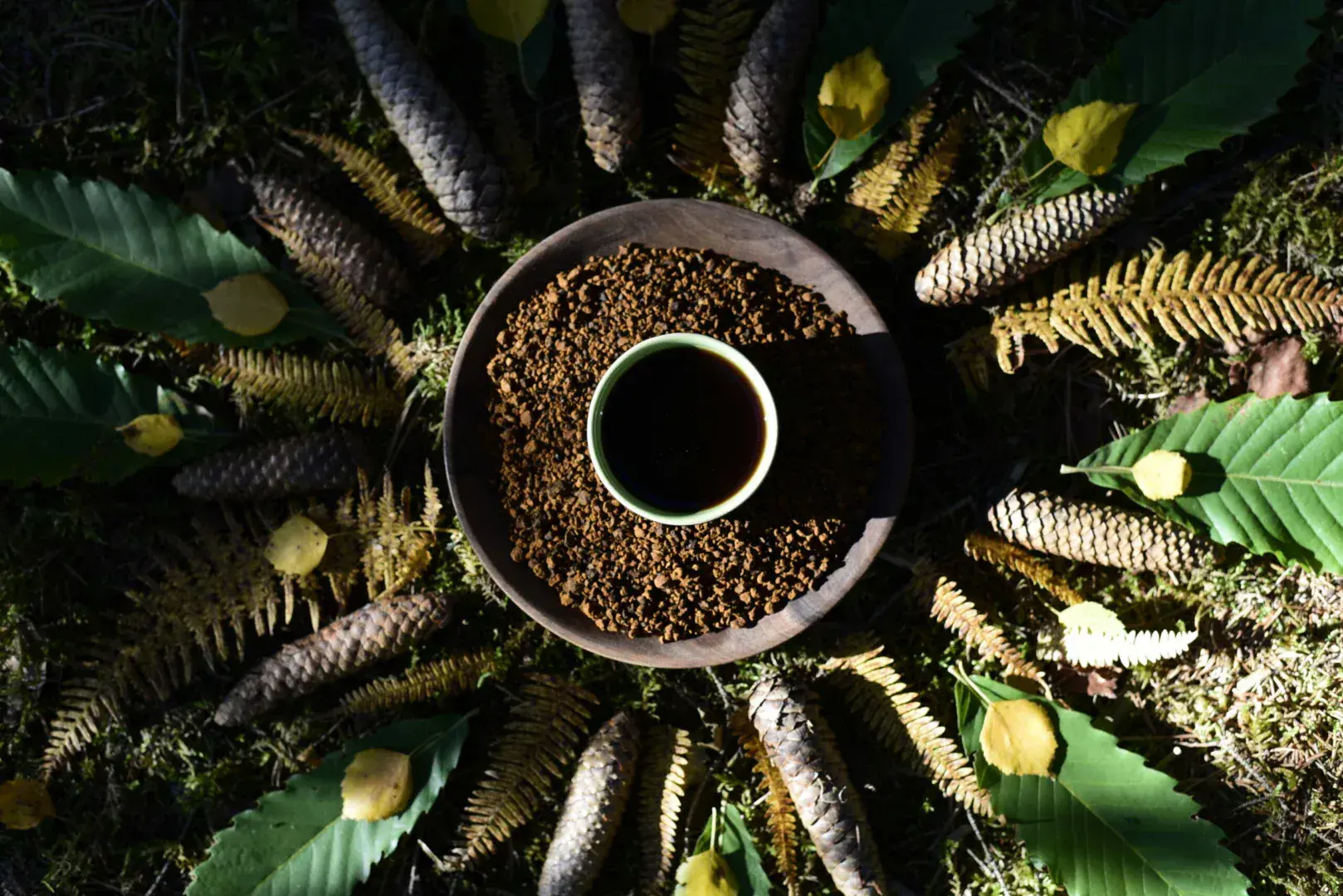
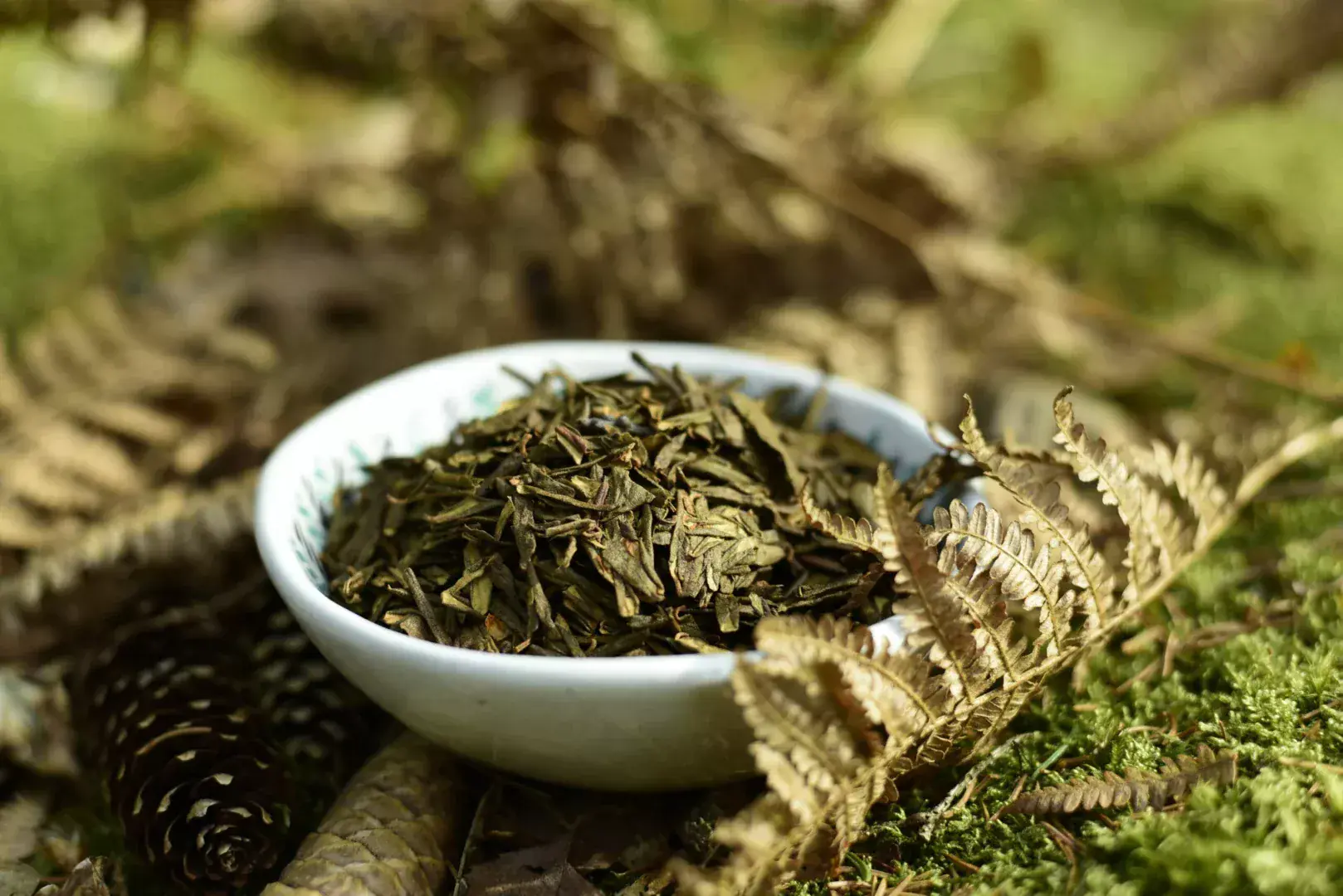
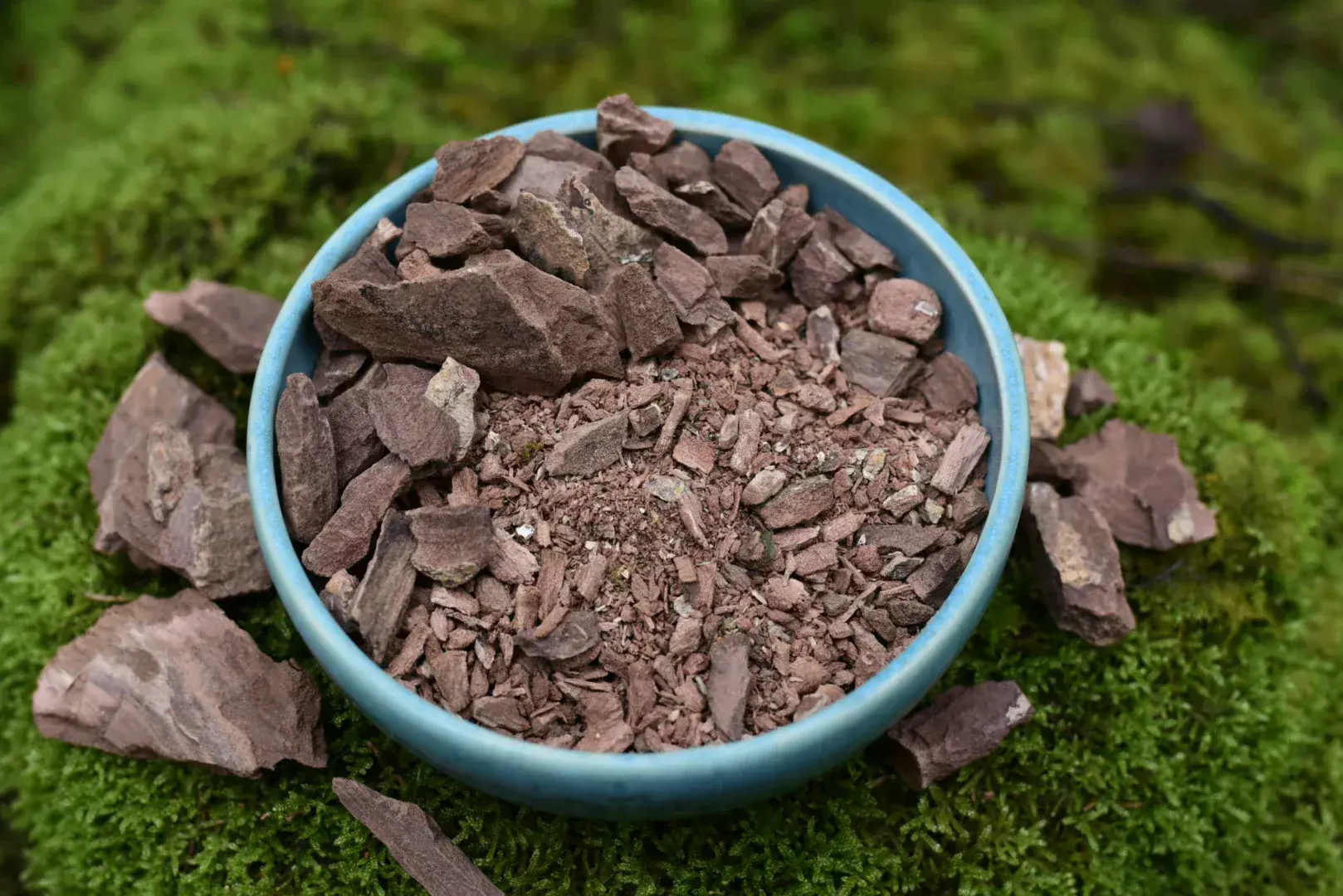
The INFUSE formulary pairs her with Chuchuhuasi, another Amazonian Master Plant, and with Reishi, Chaga and Eleuthero.
⊹ Chapter · Questions ⊹
Ask, answer, share.
One question, one answer — sometimes several voices. The community answers first; INFUSE steps in when it should.
Nobody has opened a thread yet about this plant. You can be the one — a real question, a use, a doubt, a detail.
Anonymous if you prefer.
In depthbotany · phytochemistry · history
Botany
Uncaria tomentosa is a woody vine of the Rubiaceae family — the family of coffee and cinchona. Native to the Amazon rainforest and the tropical zones of Central and South America, she climbs her host trees up to the canopy with curved, hook-shaped thorns at the base of the leaves, which give her the name uña de gato, cat's claw. The part used is the inner bark of mature vines. A related species, Uncaria guianensis, is sometimes sold under the same common name.
Phytochemistry (descriptive)
Modern research distinguishes several families of compounds in the bark: oxindole alkaloids in two chemotypes, POA (pentacyclic — mitraphylline, isopteropodine, pteropodine, uncarine F) and TOA (tetracyclic — rhynchophylline, isorhynchophylline); quinovic acid glycosides; quinic acids, triterpenes, sterols, polyphenols and flavonoids. The distinction between the two chemotypes comes from the work of the Austrian Klaus Keplinger and his colleagues in the 1990s. According to that work, the Asháninka tradition favours the POA chemotype, and in vitro the TOA reduce the effects of the POA; since commercial sources do not always state the chemotype, the profile can vary from one batch to another.
Lineage & long history
Cat's claw left the Amazon through European research in the 1970s and 80s, and has since become a widely traded Amazonian plant. That trade puts heavy pressure on wild populations, which is why the traditional harvest remains a model of ecological ethics: mature vines only, cut above the ground so that they grow back, and the inner bark only.
What the studies report
A 2024 systematic review and meta-analysis of animal studies (Arado et al., Frontiers in Pharmacology) reports lower levels of two inflammation markers, IL-6 and NF-κB, and no significant change in IL-1, IL-10 or TNF-α. These are animal data; studies in humans remain few and small, and none of this is medical advice.
Safety notes
Cat's claw is generally well tolerated at traditional doses, and is taken in cycles (courses of two to three weeks, with breaks). The main precautions concern specific immune conditions (autoimmune diseases, immunosuppressant treatment, organ transplant — where it should be avoided) and certain interactions (anticoagulants, antihypertensives). It is not advised during pregnancy or breastfeeding. In case of doubt or a medical condition, the advice of a health professional is essential.