Authentic Blue Lotus
The authentic caerulea
from €17.00
What ethnobotany studies, how a use is recorded from the interview to the herbarium, and what yauhtli and the lotus teach about names.
A plant carries more names than the herbarium gives it.
The anise-scented herb of Mexico is yauhtli in Nahuatl, pericón in Spanish, Tagetes lucida on the botanist's label.
The authentic caerulea
from €17.00
The oracle of the Chontal
from €7.20
The Lightning of the Soul
from €7.00
« Such a quality,also flowers are a whole, other sellers ,sells them in pieces in crumbles.... ABSOLUTELY -QUALITY,one of a kind product,WORKS very well too!👌♥️♥️♥️♥️Also,this shop is the best,who wants real products,quality and quick delivery!THANKS »
« A trustworthy shop. The herbs are fresh and well-packaged, which is crucial for rituals. Delivery is fast and reliable. Thank you so much for the consistent quality. »
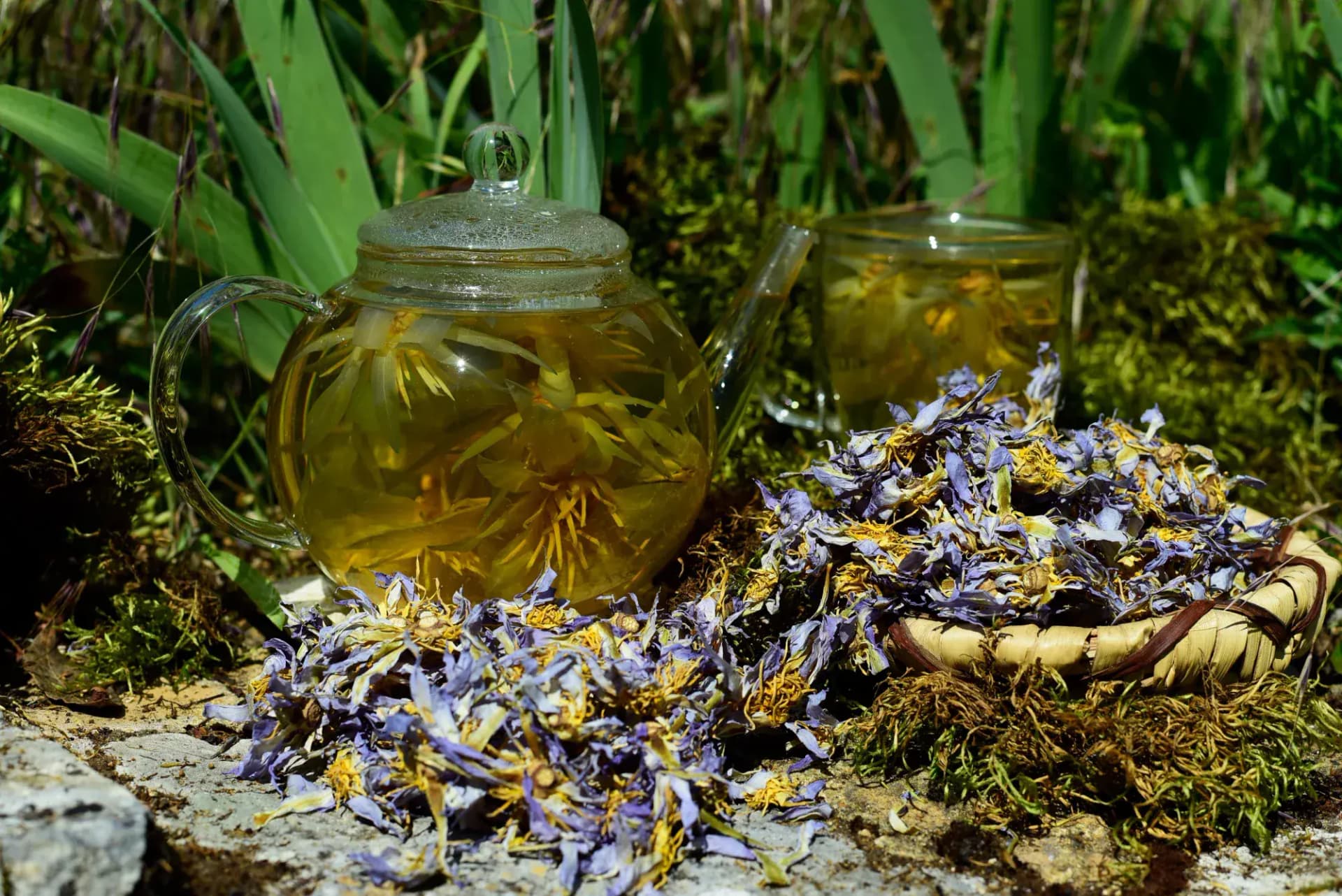
Before any question about plants, the community and each person agree to the work, knowing what it is for. The code of the International Society of Ethnobiology places this consent before any research activity.
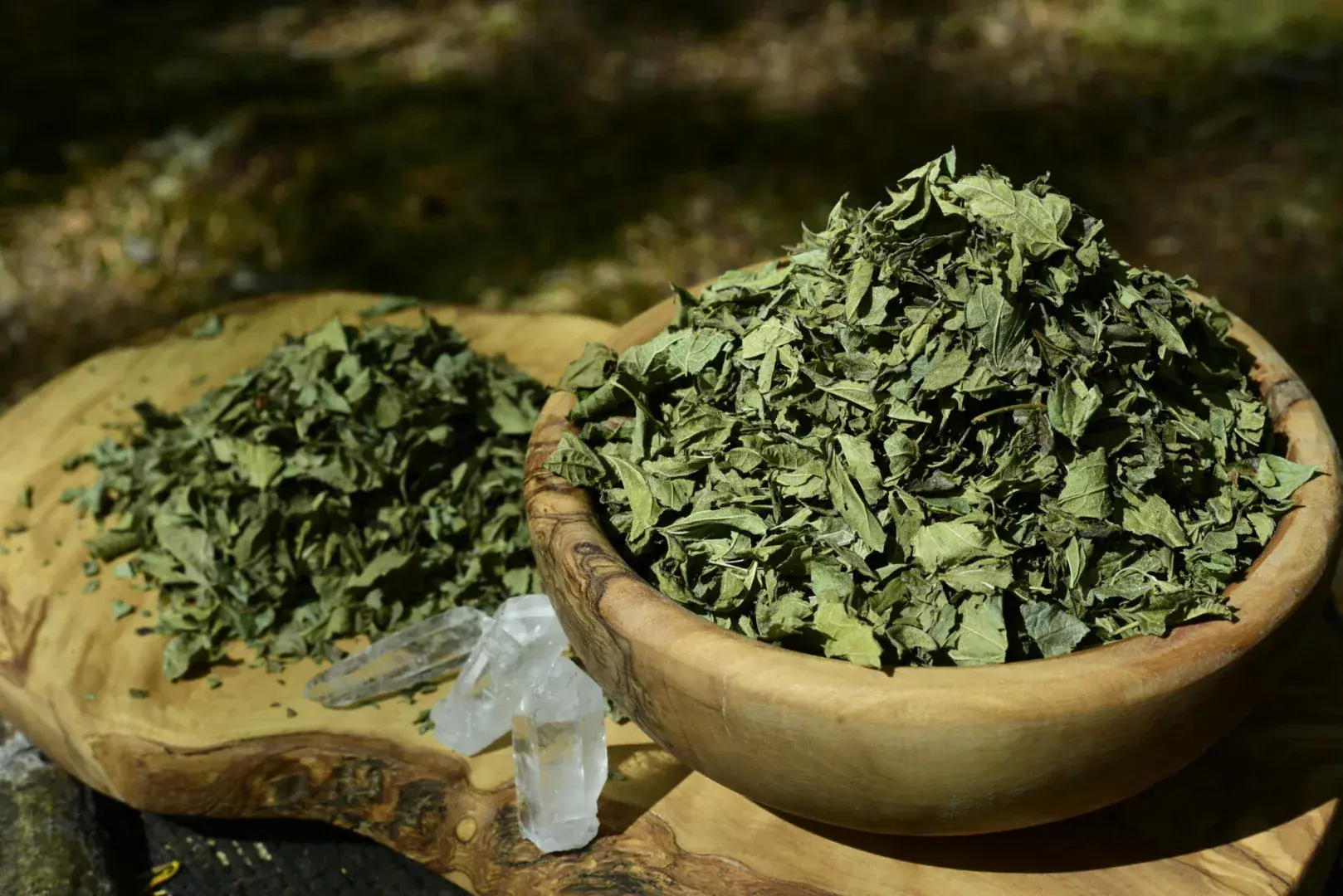
The interview records the name the plant carries in that place, the part used, what it is for, how it is prepared. In East Tyrol, each of the women who kept the farm gardens was interviewed.
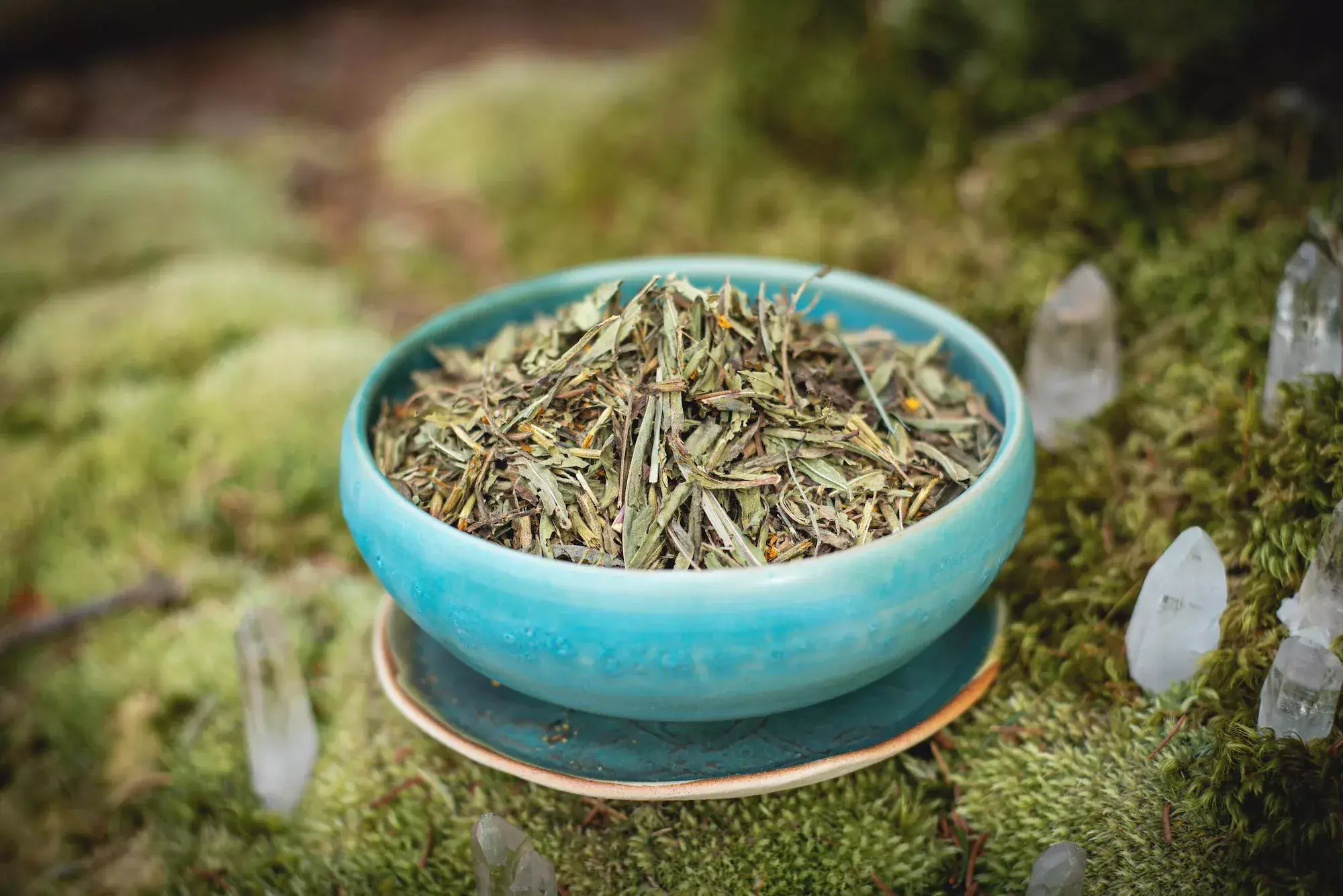
The person who named the plant leads the walk and points it out. The sample is pressed, dried and labelled with its local name, then goes into a herbarium.
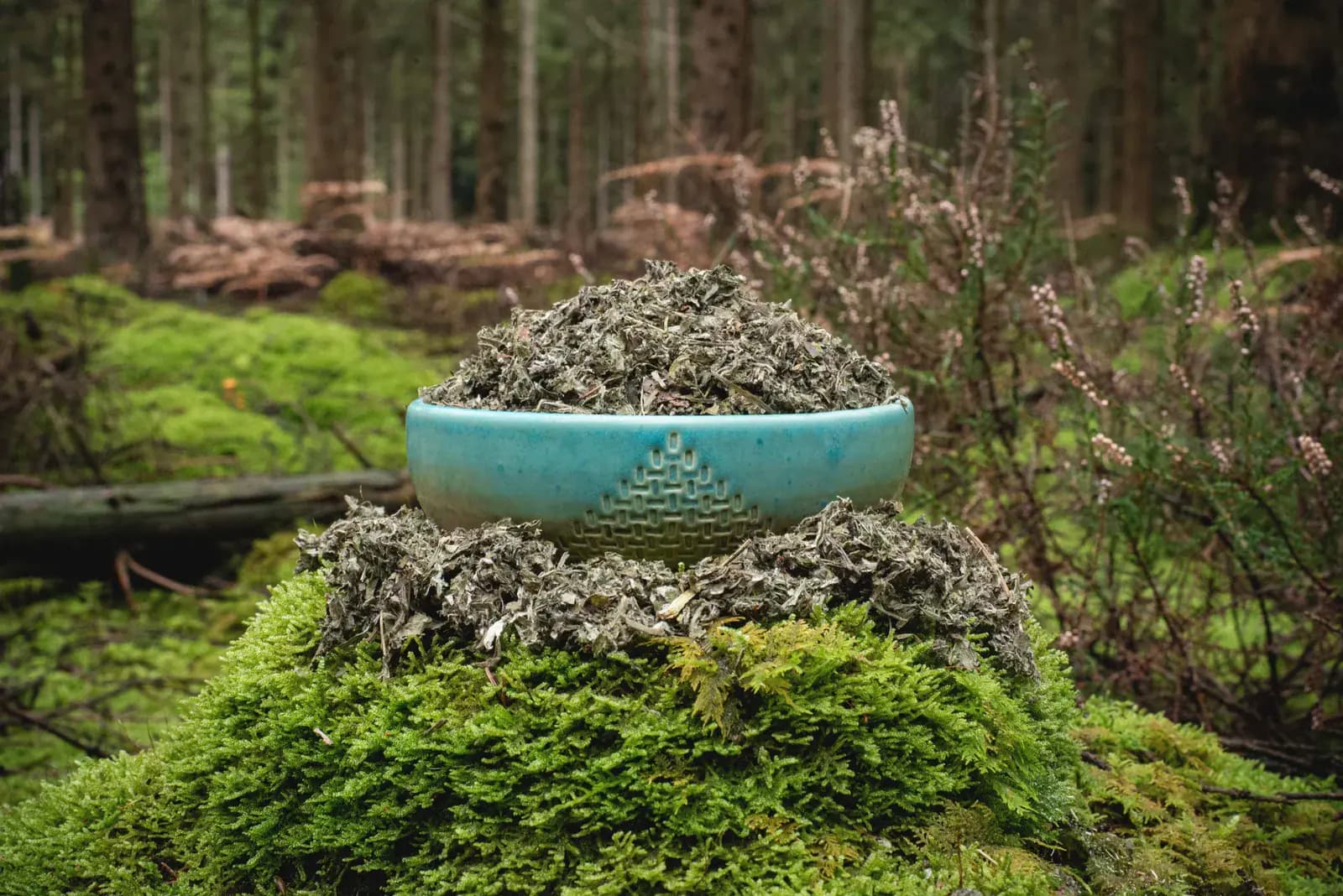
A botanist identifies the specimen and gives it its Latin name. That name can change while the plant stays the same: *Calea zacatechichi* is filed today under *Calea ternifolia*.
Ethnobotany is the study of what people know of plants and do with them: the names they give them, the way they sort them, how they gather and prepare them, for food, craft, remedies or ceremony. Miguel Alexiades, in the International Encyclopedia of Anthropology, writes that it covers “how plants are perceived, named, and classified”.
The word is credited to John William Harshberger, a botanist at the University of Pennsylvania, who first used it in 1895. A year later, Leopold Glück, a German physician working in Sarajevo, published how rural people in Bosnia used plants as medicine: his work is often counted as the first modern ethnobotanical study.
The work starts with people. The ethnobotanist sits with those who use the plants and writes down the local name, the part used, what it is for, how it is prepared. Then comes the walk: the plant is gathered in the field with the person who named it, pressed, dried and labelled, and a botanist identifies it with the floras. The labelled sheet, the voucher specimen, stays in a herbarium: at the natural history museum of Karlsruhe, the oldest sheets are over 250 years old.
In East Tyrol, Austria, B. Vogl-Lukasser and C. R. Vogl surveyed 196 farm home gardens in 1997 and 1998. They took voucher specimens of what grew there and held structured interviews with each of the women who kept the gardens. Their herb beds held plants for the kitchen, for remedies, for customs, for scent: Welsh onion and lovage, Madonna lily and peony, southernwood and the cabbage rose.
The code of ethics of the International Society of Ethnobiology sets the order: “Educated prior informed consent must be established prior to undertaking any research activities.” The code also acknowledges that harm has come from research “undertaken without the consent of Indigenous peoples”, and asks that Indigenous cultural and intellectual property rights be acknowledged. A use is written down with the name of the people who keep it.
Richard Evans Schultes and Albert Hofmann show why that name matters. In Plants of the Gods, one and the same plant, Datura innoxia, is reserved among the Zuñi for the Rain Priest fraternity, given once in a lifetime to Yokut adolescents, and used by the Navajo for diagnostic visions (p. 110). Each use comes from a people, and the record names them.
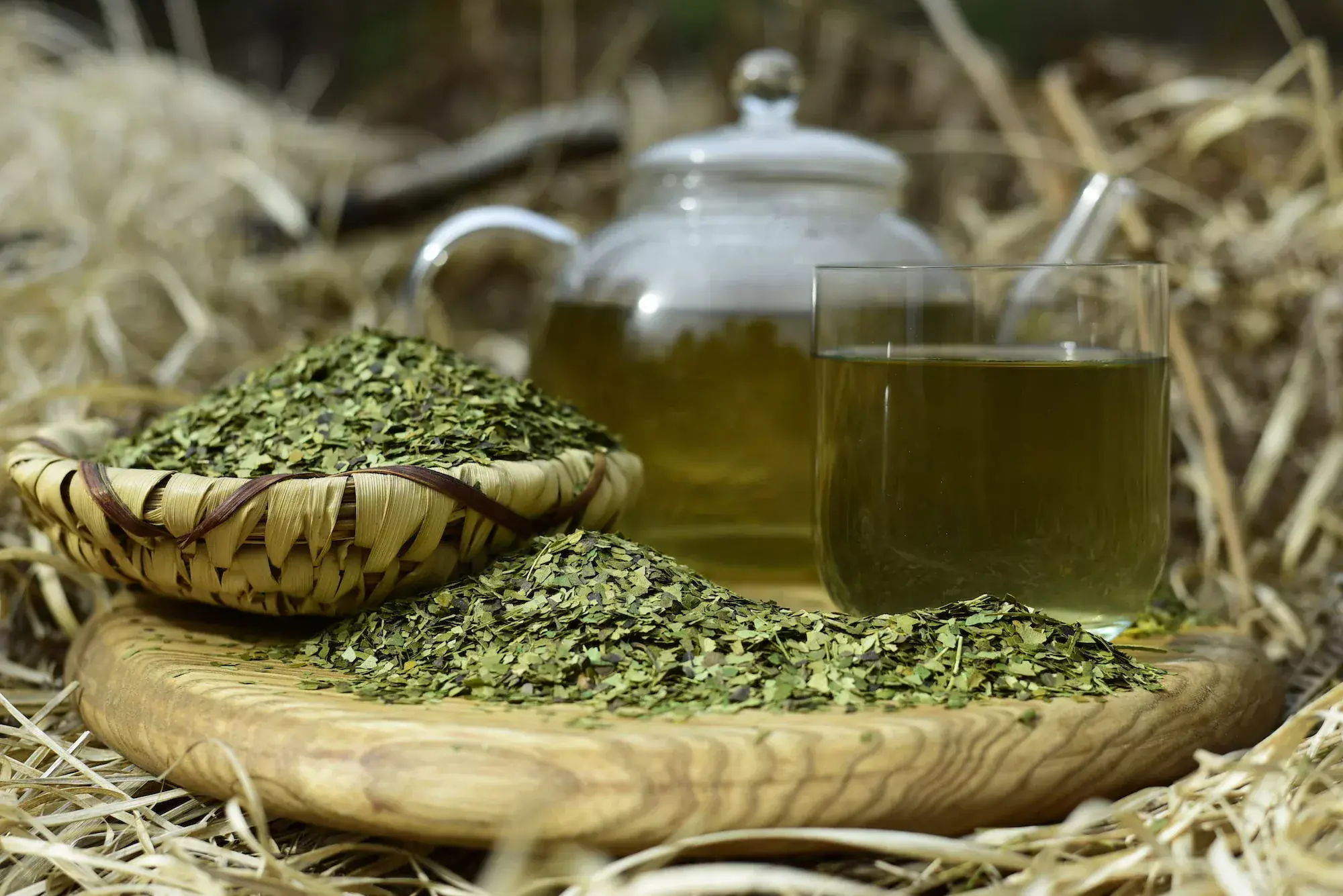
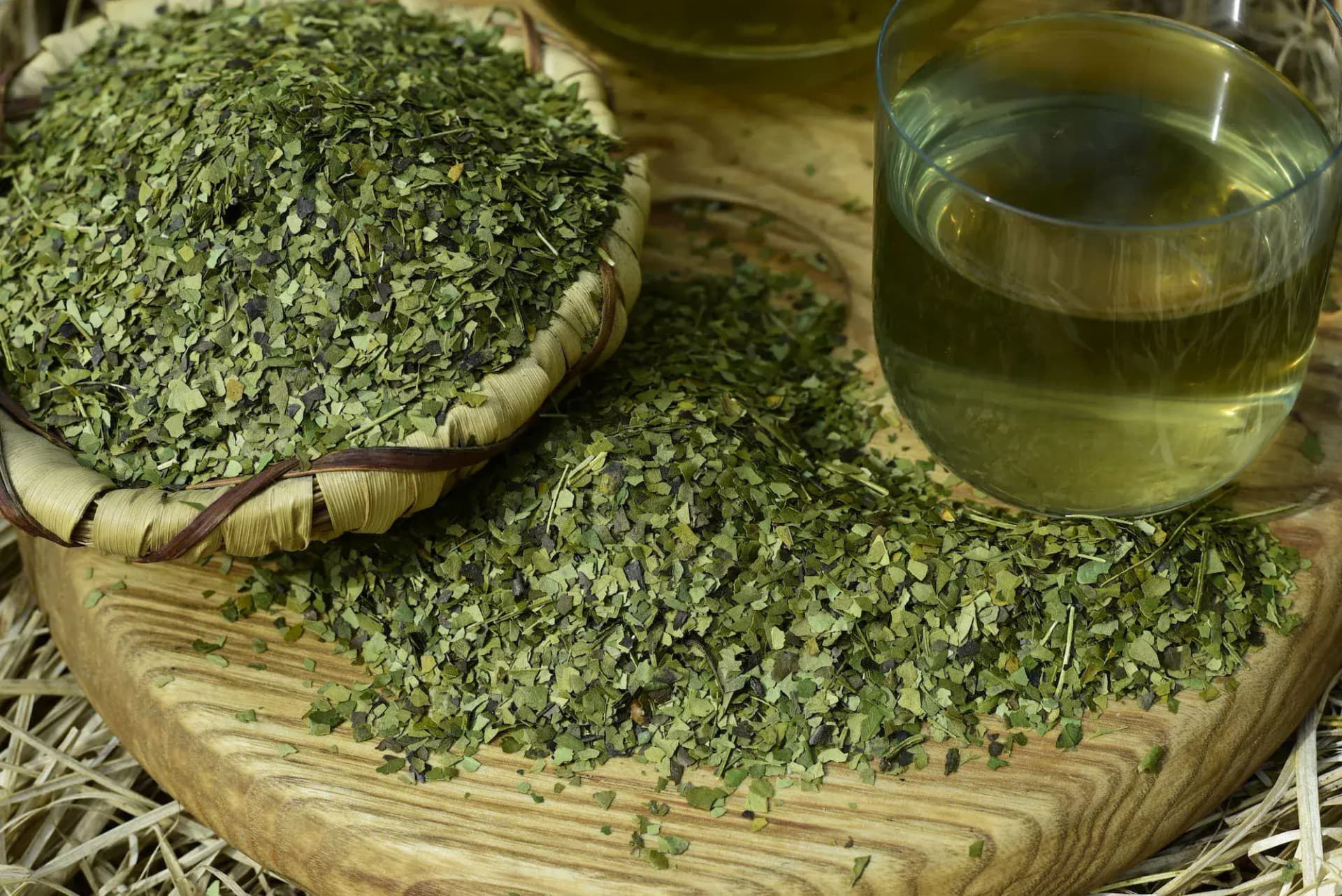
The anise-scented herb we offer as Mexican Tarragon “Yauhtli” has a Nahuatl name, yauhtli, a Spanish one, pericón, and a botanical one, Tagetes lucida, the name botanists accept today. What the Aztec sources say of it is gathered in our Yauhtli monograph.
In 2021, Mario Zimmermann and his colleagues published in Scientific Reports the analysis of 14 miniature Maya vessels, the veneneras. They report, for the first time, Mexican marigold, Tagetes lucida, in what they take to be tobacco mixtures. The residue says the herb was in the flask; what the flask was used for, it leaves open.
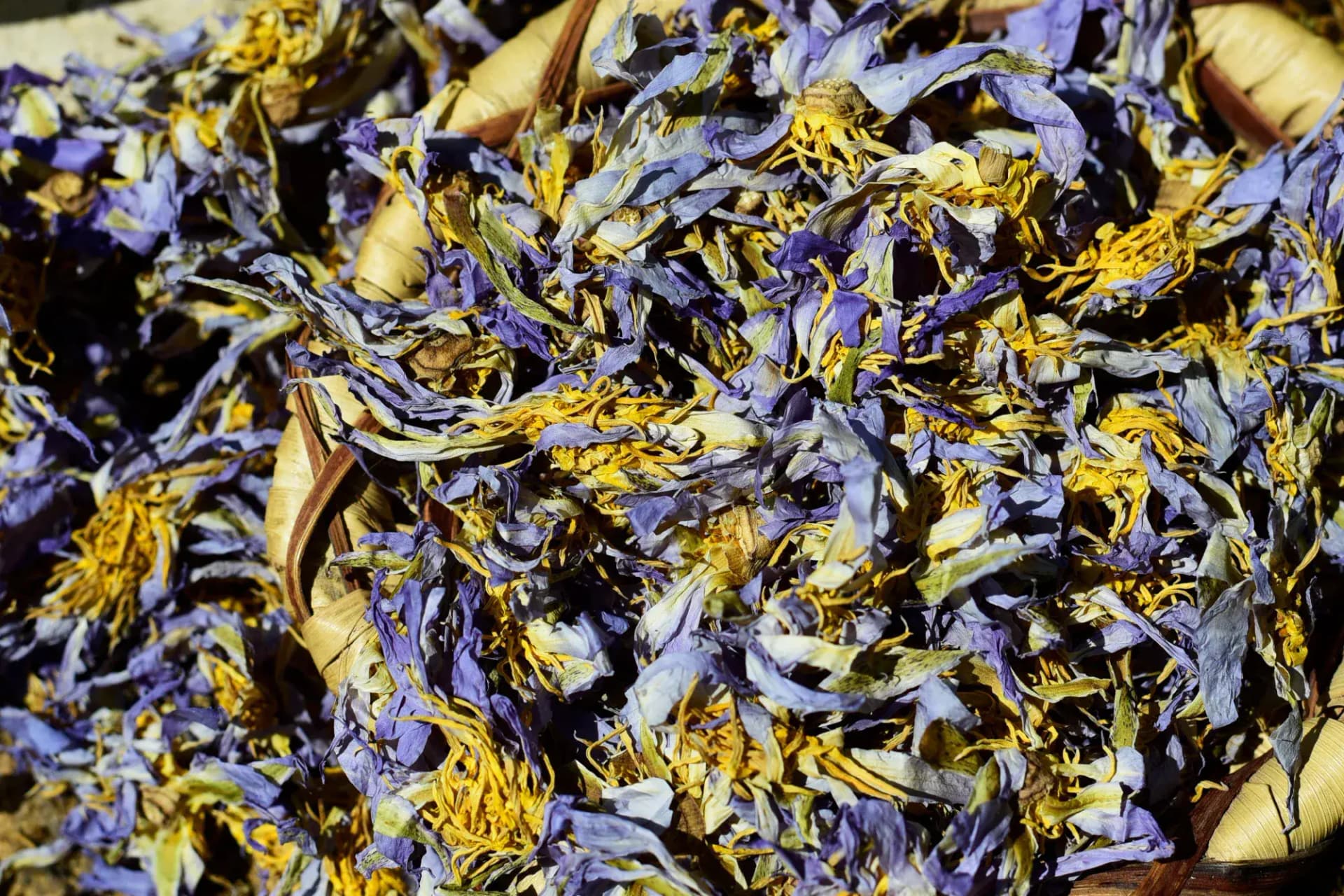
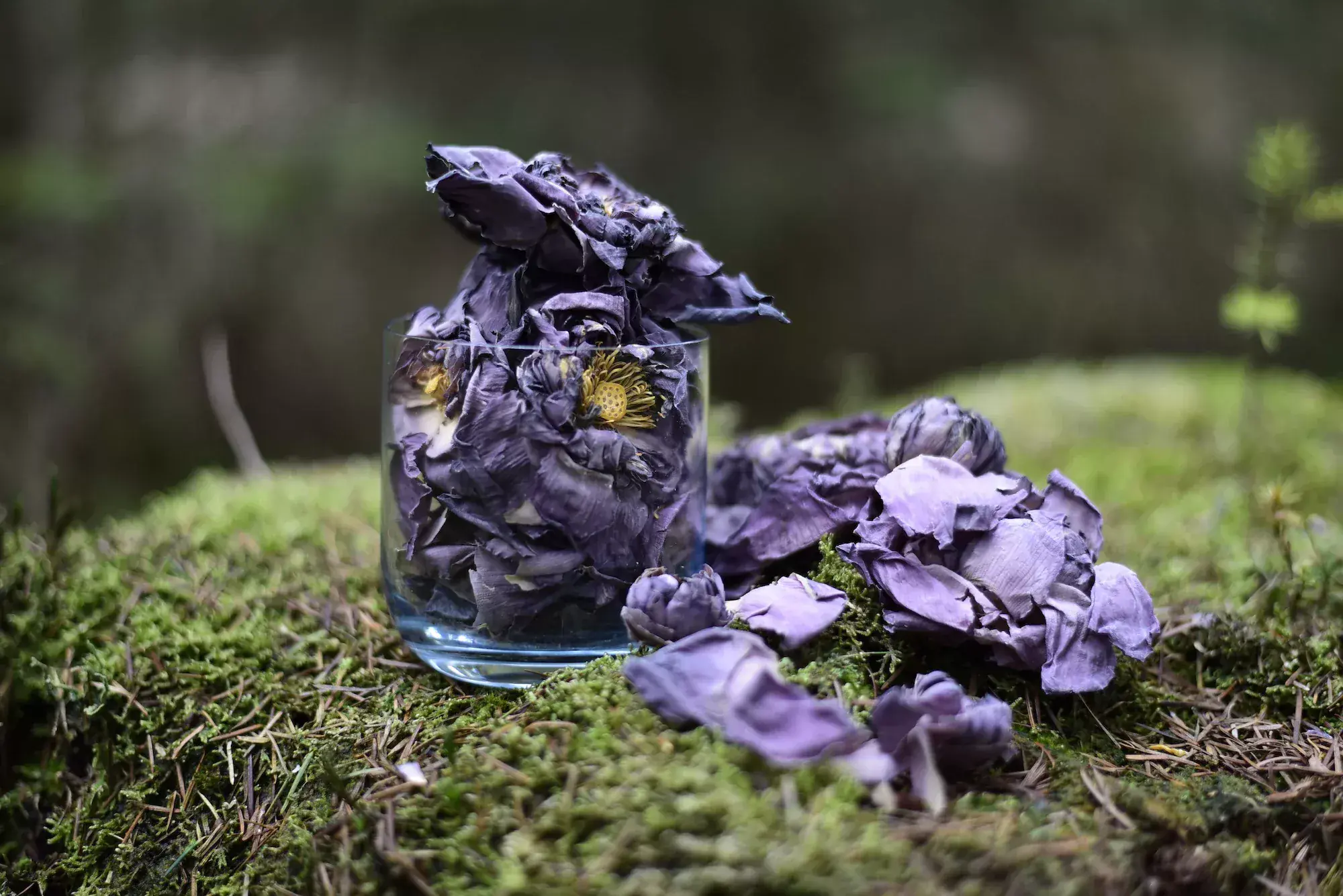
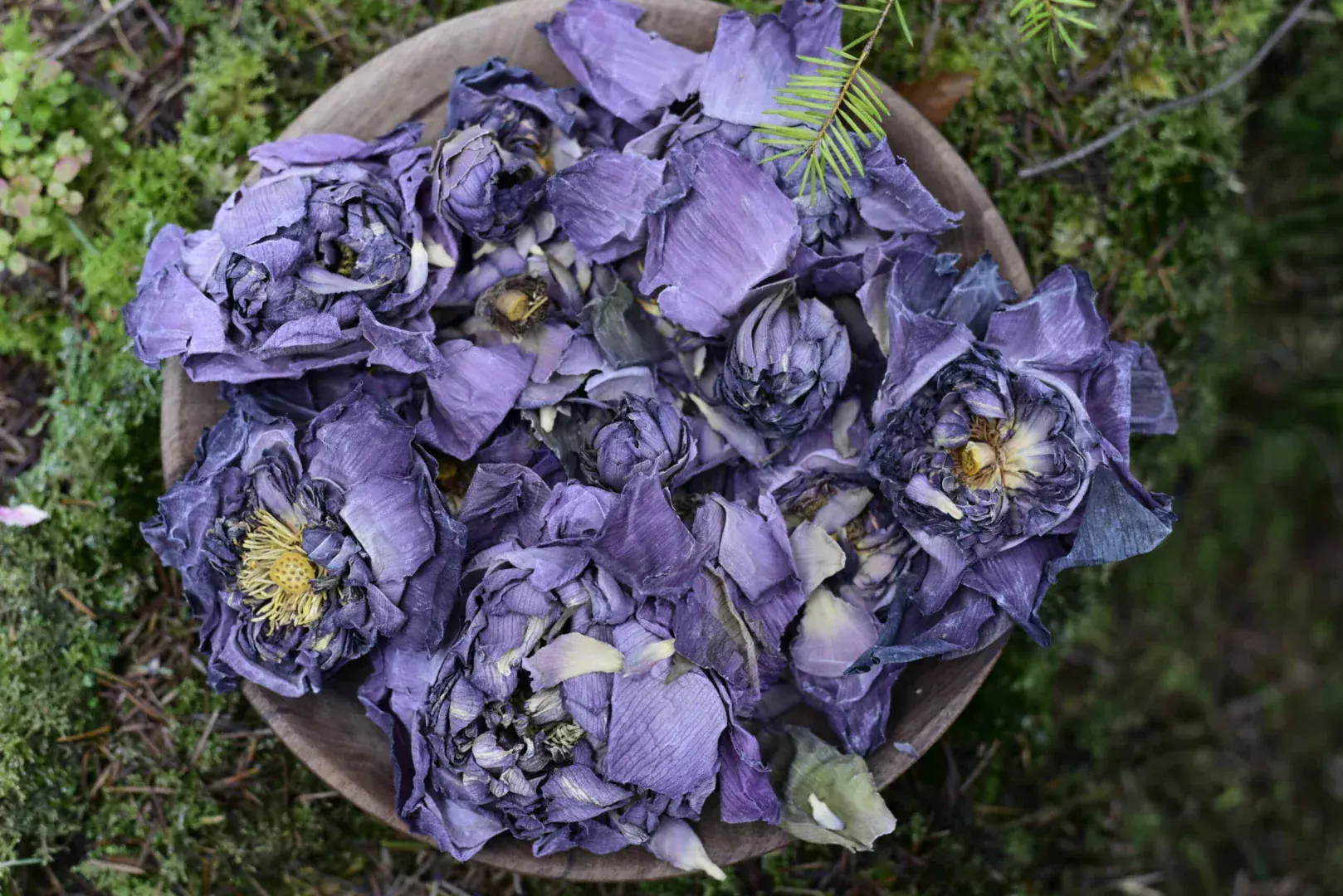
In English, “lotus” names two very different plants. Our Authentic Blue Lotus, the blue seshen of the Egyptians, is a water lily: Nymphaea nouchali var. caerulea, a name built on the older Nymphaea caerulea Savigny, family Nymphaeaceae. Our Pink Lotus, the padma, is Nelumbo nucifera, family Nelumbonaceae, in the same order as the plane trees and the proteas. One word, two lineages far apart; the leaf tells them apart, and our guide lotus or water lily sets them side by side.
This is the daily work of the discipline: a common name points to a specimen, and the specimen to a botanical name, which can change while the plant stays the same. Calea, the Chontal dream herb long known as Calea zacatechichi, is filed today under Calea ternifolia.
| Plant | Its names | The trace we read | What it allows us to say |
|---|---|---|---|
| Yauhtli | yauhtli (Nahuatl), pericón, Tagetes lucida | residues in 14 Maya vessels (Zimmermann et al., 2021) | the herb was in the mixtures; the use of the flasks remains open |
| Authentic Blue Lotus | blue seshen, Nymphaea nouchali var. caerulea | botanical name and family (GBIF) | a water lily, family Nymphaeaceae |
| Pink Lotus | padma, Nelumbo nucifera | botanical name and family (GBIF) | a lotus, family Nelumbonaceae |
| Calea | thle-pela-kano (Chontal), Calea ternifolia | Mayagoitia, Díaz and Contreras, Journal of Ethnopharmacology, 1986 | the Chontal of Mexico use her to obtain divinatory messages in dreams |
| Dream Elixir | an INFUSE creation | our own product sheet | seven plants blended by the house, Calea, blue lotus and yauhtli among them |
Our sheets follow the same order: the people and the place first, then the source, then what we make of the plant. When a blend is ours, the sheet says so. Robin Wall Kimmerer, in Braiding Sweetgrass, sets the two kinds of knowing side by side: science answers the how, the knowledge of a people answers the who.
The master plants, with their peoples and their names: shamanic herbs and master plants. Every plant of the house, A to Z: the plant index.
The study of the relations between people and plants: how plants are named, sorted, gathered, prepared and used, for food, craft, remedies or ceremony. In Miguel Alexiades' words, it covers “how plants are perceived, named, and classified”.
John William Harshberger, a botanist at the University of Pennsylvania, first used the word in 1895. In 1896, Leopold Glück, a German physician in Sarajevo, published the plant uses of rural Bosnia, often counted as the first modern ethnobotanical study.
They ask for consent first, then interview the people who use the plants: local name, part used, purpose, preparation. They gather the plants in the field with the people who named them, press and label it, have it identified, and keep the voucher specimen in a herbarium.
Plants used as food, remedies, tools, building material or clothing, the uses the Karlsruhe natural history museum lists; plants of ceremony, like Datura innoxia among the Zuñi, the Yokut and the Navajo; and, in Miguel Alexiades' words, “how plants are perceived, named, and classified”. The home gardens of East Tyrol and the residues of Maya flasks are two examples on this page.
The plant gathered during the fieldwork, pressed, dried and mounted on a sheet with a label giving the species name, the date and place of collection, the collector and sometimes the use. Kept dry, it lasts: at the natural history museum of Karlsruhe, the oldest sheets are over 250 years old.
OTHER INTENTIONS · Ritual