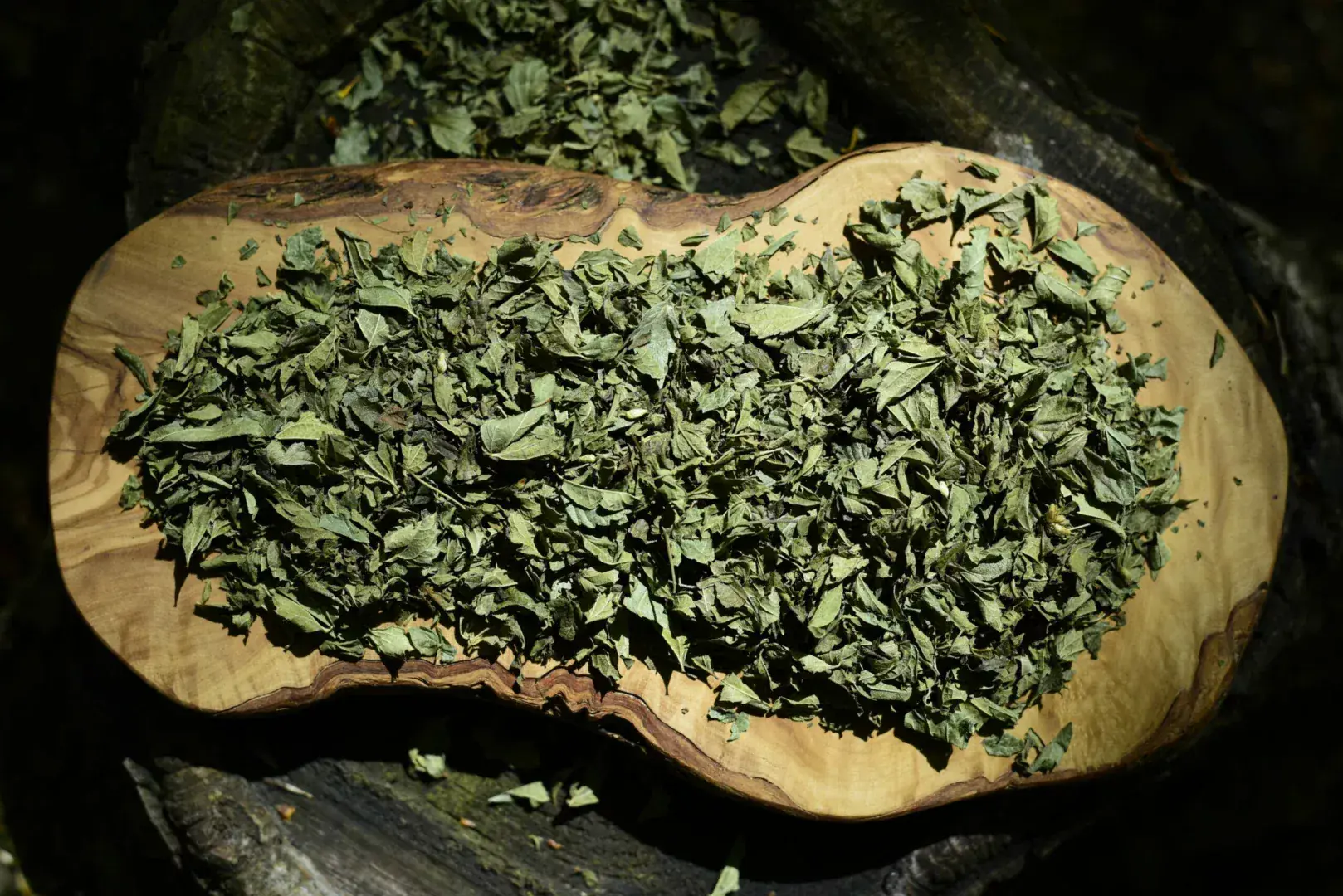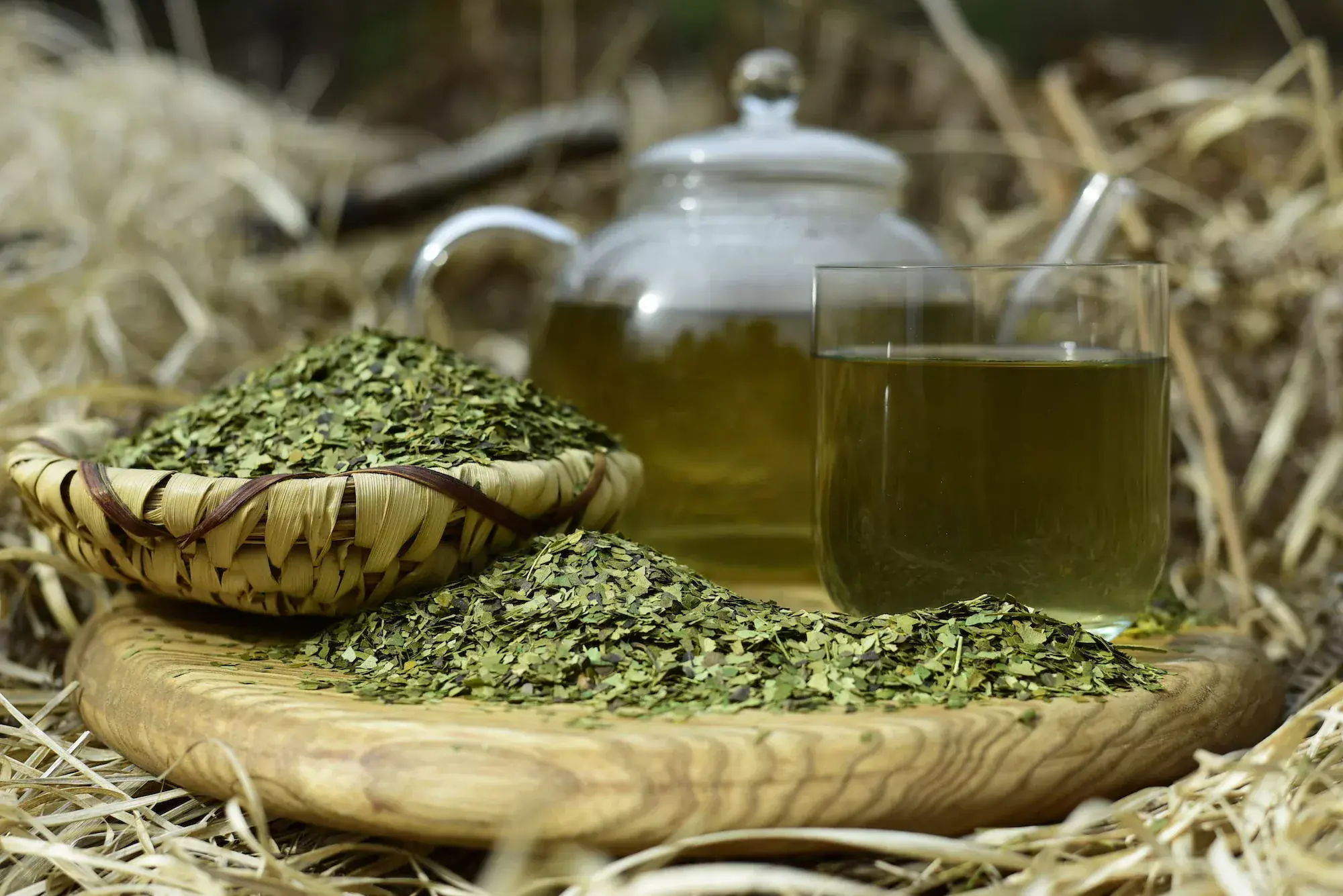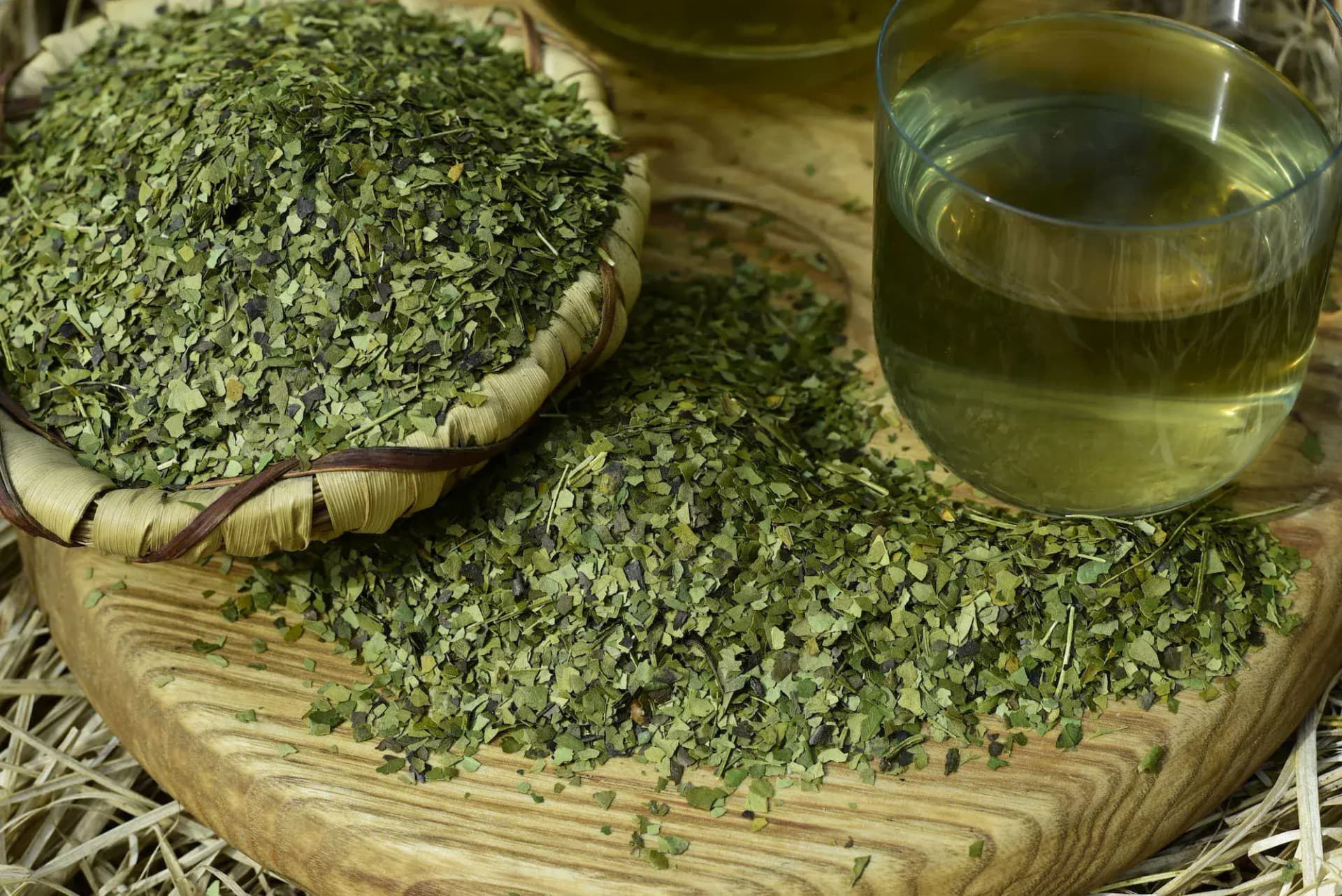
Calea Zacatechichi
The oracle of the Chontal
from €7.20
From the Evenki šamán to the Korean mudang, the Shipibo-Konibo meraya and the Xhosa igqirha: where the word shamanism comes from, who defines it, and the traditions it gathers without merging them.
In 1698 a book printed in London, the English translation of Adam Brand’s account of a Russian embassy to China, gave English readers the word shaman.
Brand had met it among the Tungus of eastern Siberia: where five or six of them live close together, he wrote, they keep a schaman between them, ‘a priest, or a magician’.
The oracle of the Chontal
from €7.20
The Mistress of the Heart
from €9.89
The ally of the dietas
from €7.77
« A trustworthy shop. The herbs are fresh and well-packaged, which is crucial for rituals. Delivery is fast and reliable. Thank you so much for the consistent quality. »
« My order arrived quickly even though it crossed an ocean to get here. I exploring the subtle energies of this lovely plant vine. »
*Shaman* reached English in 1698 through Russian, which had it from the Tungus peoples of eastern Siberia. Each tradition also has the name it gives itself: the Buryats around Lake Baikal, Roberte Hamayon notes, call themselves a ‘people with shamans’, as against the ‘peoples with God’.
*Mudang* in Korea, *baksu* for a man, *mansin* or *dangol* in some regions; *meraya* among the Shipibo-Konibo of the Peruvian Amazon; *igqirha* among the Xhosa diviners of the Eastern Cape. Each word belongs to one language, one land and its own rites.
Michael Harner’s Core Shamanism describes its principles as ‘not bound to any specific cultural group or perspective’. A Korean *gut* or a Buryat rite in Mongolia belongs to one people and its ancestors. Both are alive today.
Guayusa in the morning, as a twenty-minute decoction. Among Kichwa families of the Ecuadorian Amazon, *guayusa upina* is the morning hour when, over guayusa, the family interprets the night’s dreams and plans the day.
‘Shaman’ is the name the Tungus peoples of eastern Siberia give to their principal ritual specialist, writes the French anthropologist Roberte Hamayon, who worked in Mongolia and Buryatia from 1967 to 1991. The word took hold in Russian with the colonisation of Siberia from the end of the sixteenth century: the explorers’ guides were Tungus, and Tungus shamans were, as people said all over Siberia, ‘the best’. The British Museum traces it to the Evenki word šamán, ‘one who knows’; the linguist Juha Janhunen, Wikipedia records, finds the link with a Tungus root sā-, ‘to know’, phonologically irregular.
The first written trace in Russian comes from the exiled churchman Avvakum, in the account of his exile he wrote between 1672 and 1675, printed only in 1861. A Cossack chief, he recounts, forced a local man ‘to shamanise’, that is, to divine the outcome of an expedition. The shaman leapt, danced and sacrificed a ram. For Hamayon, he was not predicting the future so much as, in a way, making it.
Western Europe met the word through the Dutch statesman Nicolaes Witsen, in Noord en Oost Tataryen (1692), and through Adam Brand, a merchant from Lübeck who travelled with Evert Ysbrants Ides’s embassy to China (1692–1694). Where five or six Tungus live near one another, Brand wrote, ‘they all keep a schaman together, which among them means a priest, or a magician’. Witsen never went to Siberia. His engraving of a ‘priest of the devil’ with bear’s feet and antlers was long taken, wrongly, for the first image of a Siberian shaman; for Hamayon, ‘the shaman’s appearance in it is pure invention’. Peter the Great then founded the Kunstkamera in St Petersburg, where drums and costumes went on display.
‘There is no single agreed-upon definition’, Wikipedia sums up. The Bibliothèque nationale de France says the same of anthropologists, whose definitions of shamanism are ‘multiple and sometimes divergent’. A few landmarks:
Wikipedia draws the conclusion in one line: ‘Each nation and tribe has its own way of life, and uses terms in their own languages.’ The table below starts from those terms.
Each line keeps the name a people or a study gives, and what its source actually describes.
| Tradition | Where | The specialist’s name | What the source describes |
|---|---|---|---|
| Evenki | North-central Siberia, Russia | šamán, ‘one who knows’ | ‘To journey to the spirit world, a shaman entered a trance by hitting a wooden reindeer-hide drum with a beater’; the cloak shown, made before 1849, is of reindeer skin hung with iron and copper plates (British Museum) |
| Buryats | Mongolia; Lake Baikal, south-east Siberia | the shaman; near Baikal, Buryats call themselves a ‘people with shamans’ (Hamayon) | After the collapse of socialism in 1990, ‘the proliferation of previously suppressed shamanic practices’ among Buryats in Mongolia, who appease their ‘angry origin spirits’ (Buyandelgeriyn, 2007) |
| Korean shamanism | Korea | mudang, first said of women; baksu for men; dangol or mansin in some regions | A person believed to grant wishes through divination or the gut rite. Most are gangsinmu, who gain their powers through devotion to, or possession by, a spirit, and are initiated through the naerimgut; others, seseupmu, inherit the role (National Folk Museum of Korea) |
| Shipibo-Konibo | Peruvian Amazon | meraya | Of four worlds, the fourth, jakon nete, ‘where Father Sun is’, can be visited before death only by the meraya (Peruvian Ministry of Culture) |
| Mestizo vegetalistas | Iquitos, Peru | vegetalista, plant specialist | ‘A series of plants called doctores or plant teachers’, which teach them icaros, ‘magic songs or shamanic melodies’ (Luna, 1984) |
| Xhosa | Eastern Cape, South Africa | igqirha lokuvumisa, the diviner, distinct from the herbalist, ixhwele | Dreaming, of the ancestors (iminyanya) among other things, is ‘central to the diviner’s intuition’ (Hirst, 2005) |
Korean shamanism has also reached the cinema: the National Folk Museum of Korea cites The Wailing (2016) and Exhuma (2024).
English readers first met the word in a book printed in London: A Journal of the Embassy from Their Majesties John and Peter Alexievits … into China, dated 1698 (the London edition, digitised). Wikipedia credits this translation of Adam Brand’s account, published the same year as the original, with introducing shaman to English speakers.
Three centuries later, the English historian Ronald Hutton, then at the University of Bristol, published Shamans: Siberian Spirituality and the Western Imagination (Hambledon and London, 2001): a study of how westerners have viewed the shamans of Siberia, in which he stresses the great diversity among the shamans of the region (Wikipedia).
And in London again, the British Museum’s exhibition Arctic: culture and climate showed an Evenki shaman’s cloak made before 1849 and a drum made before 1908, lent by the MAE RAS, the Kunstkamera that Peter the Great founded in St Petersburg (Hamayon). The label adds: ‘Nowadays, many Evenki are Christians, but incorporate both animism, the belief that all things are animate, and shamanism into their practice’ (exhibition text).
In the chapter on the idealisation of the shaman, Hamayon has sections on ‘the Californian counter-culture’ and ‘the emergence of neoshamanism’ (extract). Among the approaches practised today is Michael Harner’s Core Shamanism, which the Foundation for Shamanic Studies presents in these words: ‘As originated, researched, and developed by Michael Harner, the principles of Core Shamanism are not bound to any specific cultural group or perspective.’
The same word now names two kinds of practice: traditions held by one people, in its language and with its ancestors, like the Buryat rites that came back into the open in Mongolia after 1990, and a practice offered to anyone, wherever they live.
Some plants of the house appear in the sources above. Each belongs to its people and its study:
The shamanic herbs and master plants of the house are gathered in our collection of shamanic herbs and master plants; the plants that traditions pray to every day, in our sacred herbs. Our essay shamanism, mysticism, contemplation: three modes sets shamanism beside the mystic and the contemplative.
First, a word: shaman is the name the Tungus peoples of eastern Siberia give to their principal ritual specialist (Hamayon). Russian adopted it, English followed in 1698, and scholars then stretched it to many peoples. There is no single agreed definition: Ronald Hutton counted four in use, from anyone who contacts a spirit world in an altered state of consciousness to the Indigenous religions of Siberia and neighbouring Asia (Wikipedia).
They differ from one tradition to the next, and the sources describe them one by one. Among the Evenki, a shaman entered a trance with a reindeer-hide drum to journey to the spirit world (British Museum). In Korea, the mudang divines and performs the gut (National Folk Museum of Korea). Among the Shipibo-Konibo, only the meraya can visit jakon nete, the fourth world, before death (Peruvian Ministry of Culture). Among Xhosa diviners, dreaming of the ancestors is central (Hirst).
The Oxford English Dictionary, as quoted on Wikipedia, gives three pronunciations of shaman: SHAH-mən, SHAM-ən and SHAY-mən. Shamanism is the same word with -ism added.
The British Museum describes it among the Evenki of Siberia: ‘To journey to the spirit world, a shaman entered a trance by hitting a wooden reindeer-hide drum with a beater’ (exhibition text). Mircea Eliade’s first definition of shamanism is a ‘technique of religious ecstasy’ (Wikipedia).
It depends where. In Korea, the mudang performs the gut; most, the gangsinmu, gain their powers through devotion to, or possession by, a spirit, and are initiated through the naerimgut (National Folk Museum of Korea). In Mongolia, Buryat shamanic practices suppressed under socialism have spread again since 1990, as Buryats appease their ‘angry origin spirits’ (Buyandelgeriyn). Michael Harner’s Core Shamanism presents its principles as ‘not bound to any specific cultural group’ (Foundation for Shamanic Studies).
For some, yes: one of Hutton’s four definitions makes shamanism the Indigenous religions of Siberia and nearby Asia (Wikipedia), and the Buryats around Lake Baikal call themselves a ‘people with shamans’ (Hamayon). In 1903, Arnold Van Gennep saw in the word only ‘a certain sort of men playing a religious and social role’; for Hamayon, contemporary anthropology treats shamanism as ‘a system of thought’ (BnF).
From Russian шаман, which took it from a Tungus language of Siberia, perhaps Evenki. The British Museum glosses the Evenki šamán as ‘one who knows’, though the linguist Juha Janhunen finds the link with a root sā-, ‘to know’, phonologically irregular (Wikipedia). It entered English in 1698, with the London translation of Adam Brand’s account of a Russian embassy to China (the 1698 edition).
OTHER INTENTIONS · Ritual