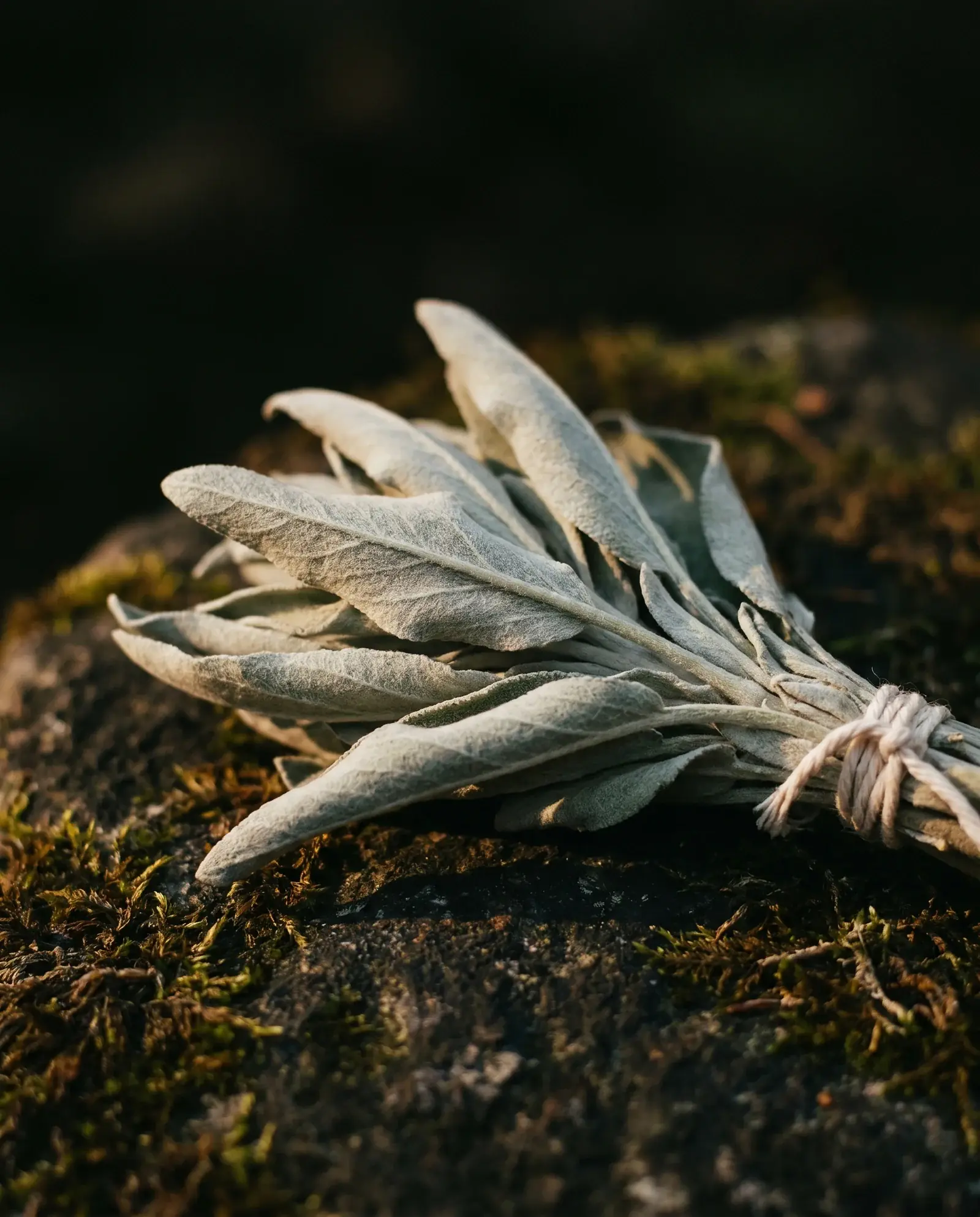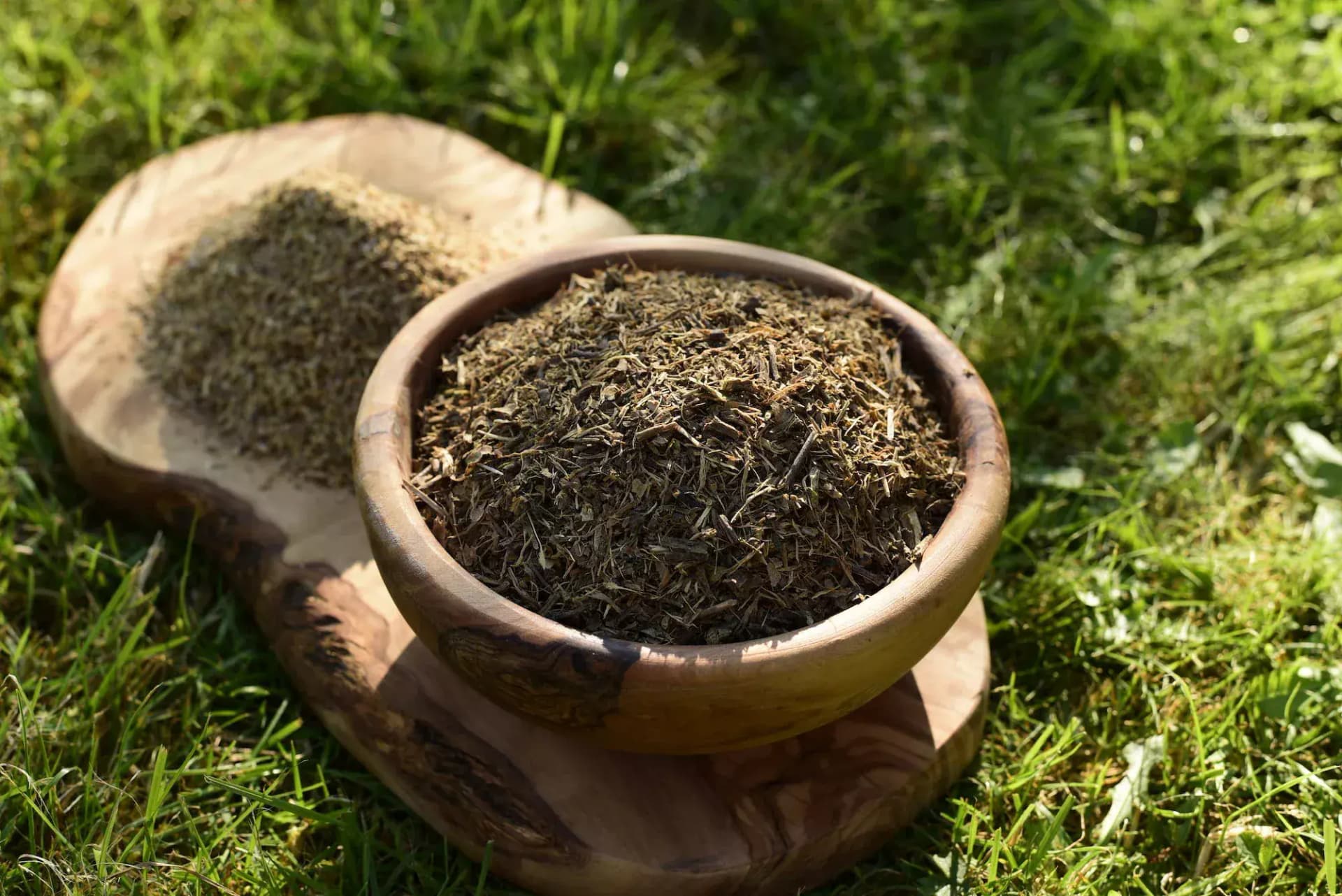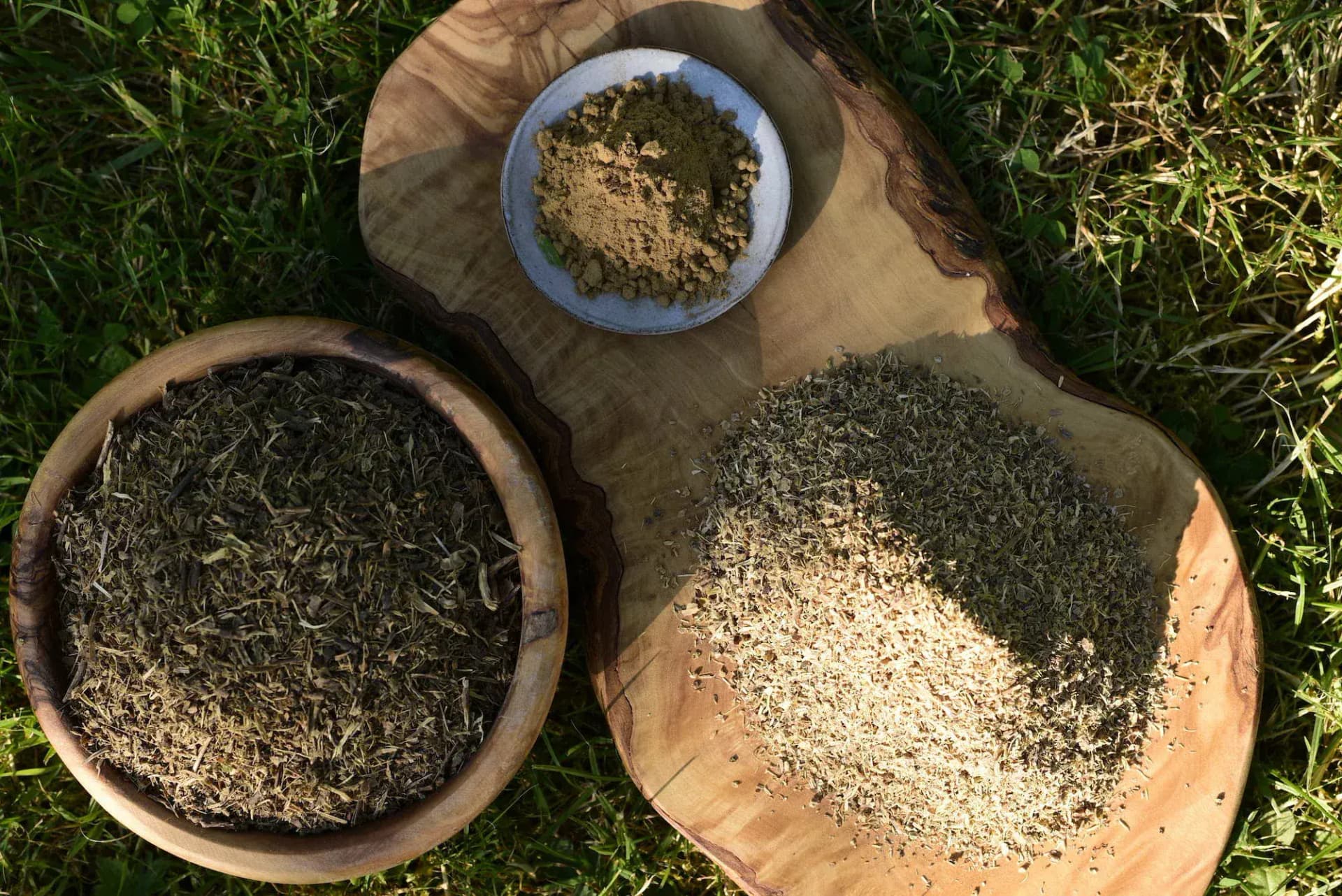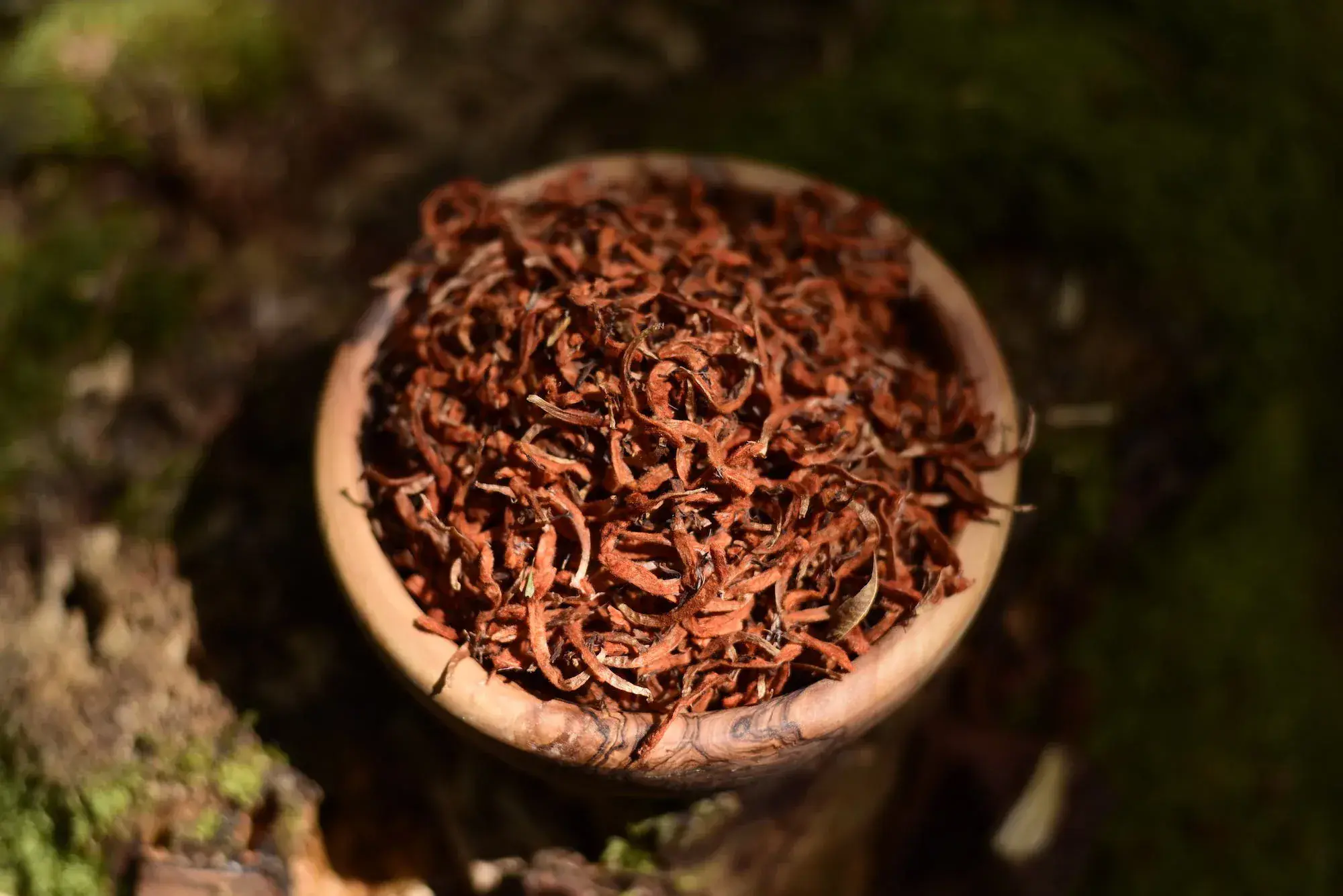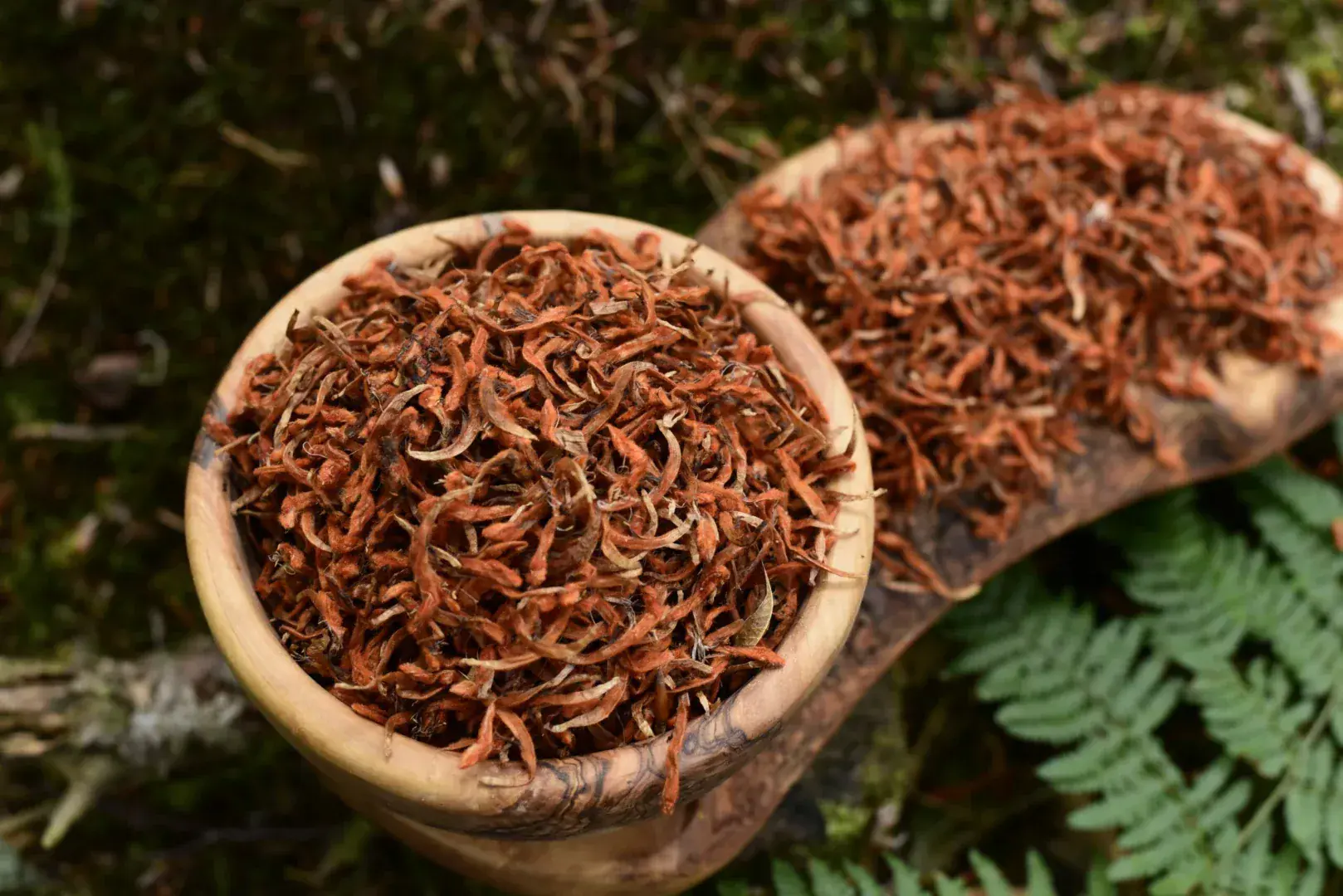
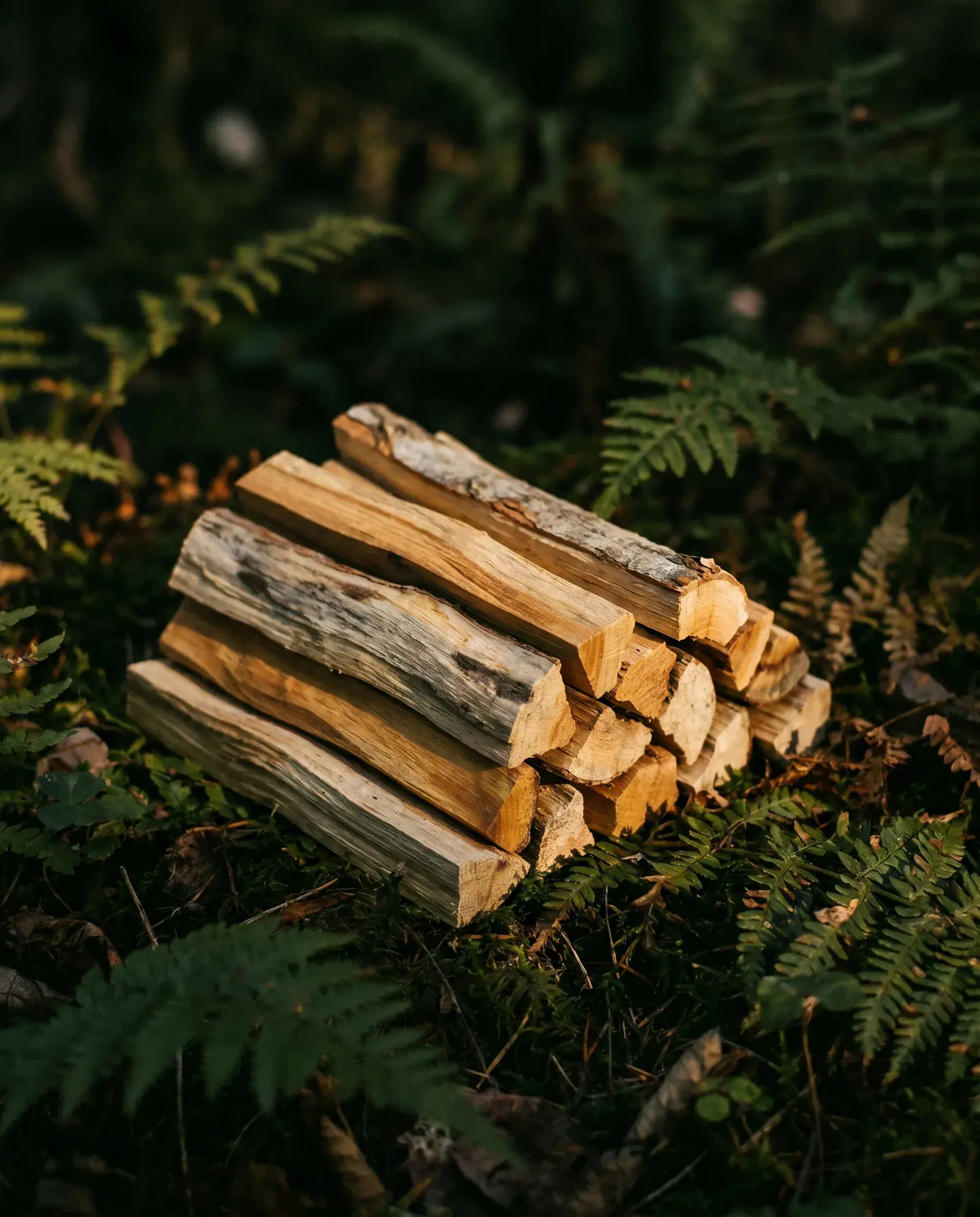
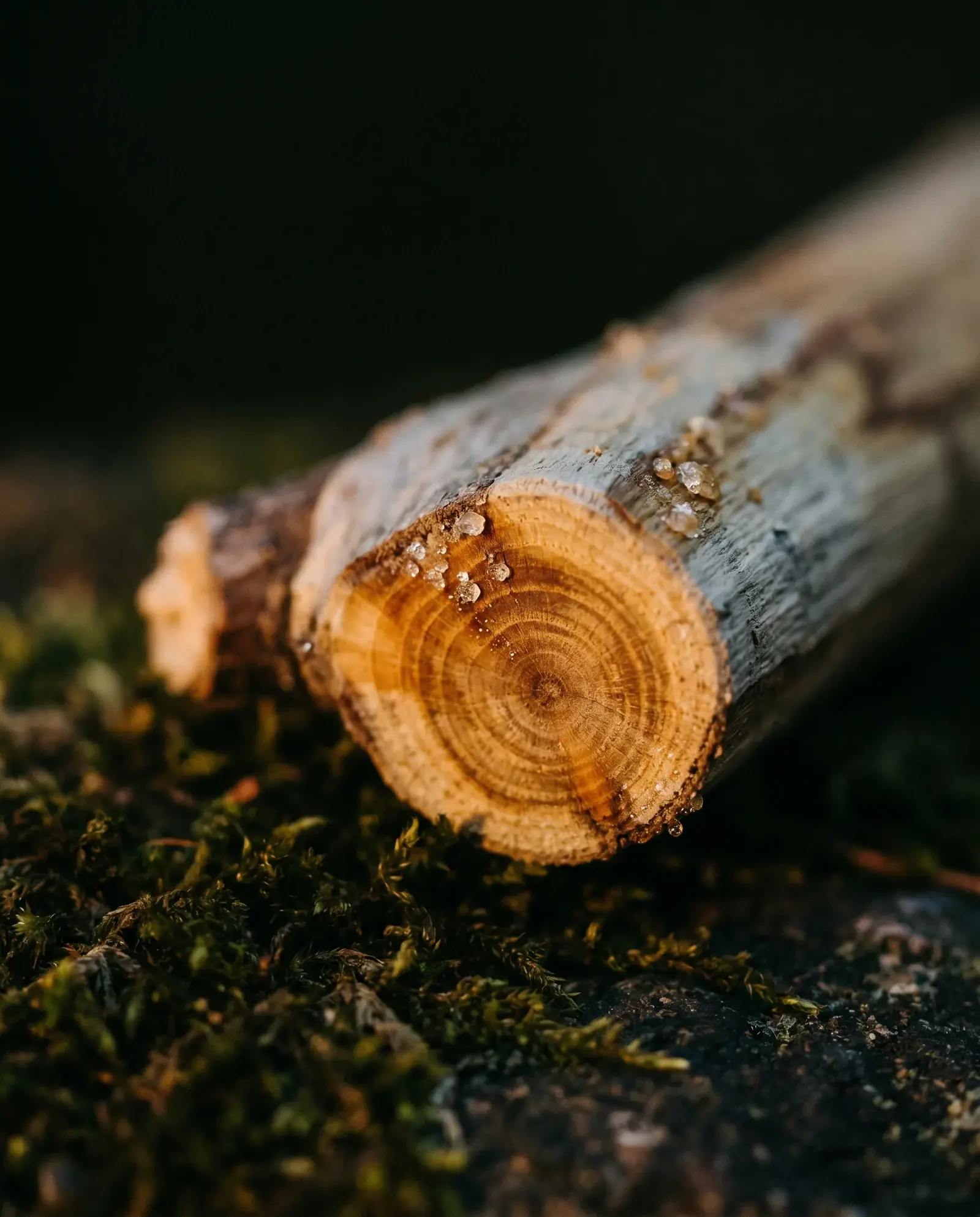
Palo Santo
€3.00
A cacao ceremony is a circle around a cup of pure cacao, drunk slowly with an intention, then words or silence go round. A young form, born around 2003, drawing on four thousand years of cacao in Mesoamerica.
A circle is held.
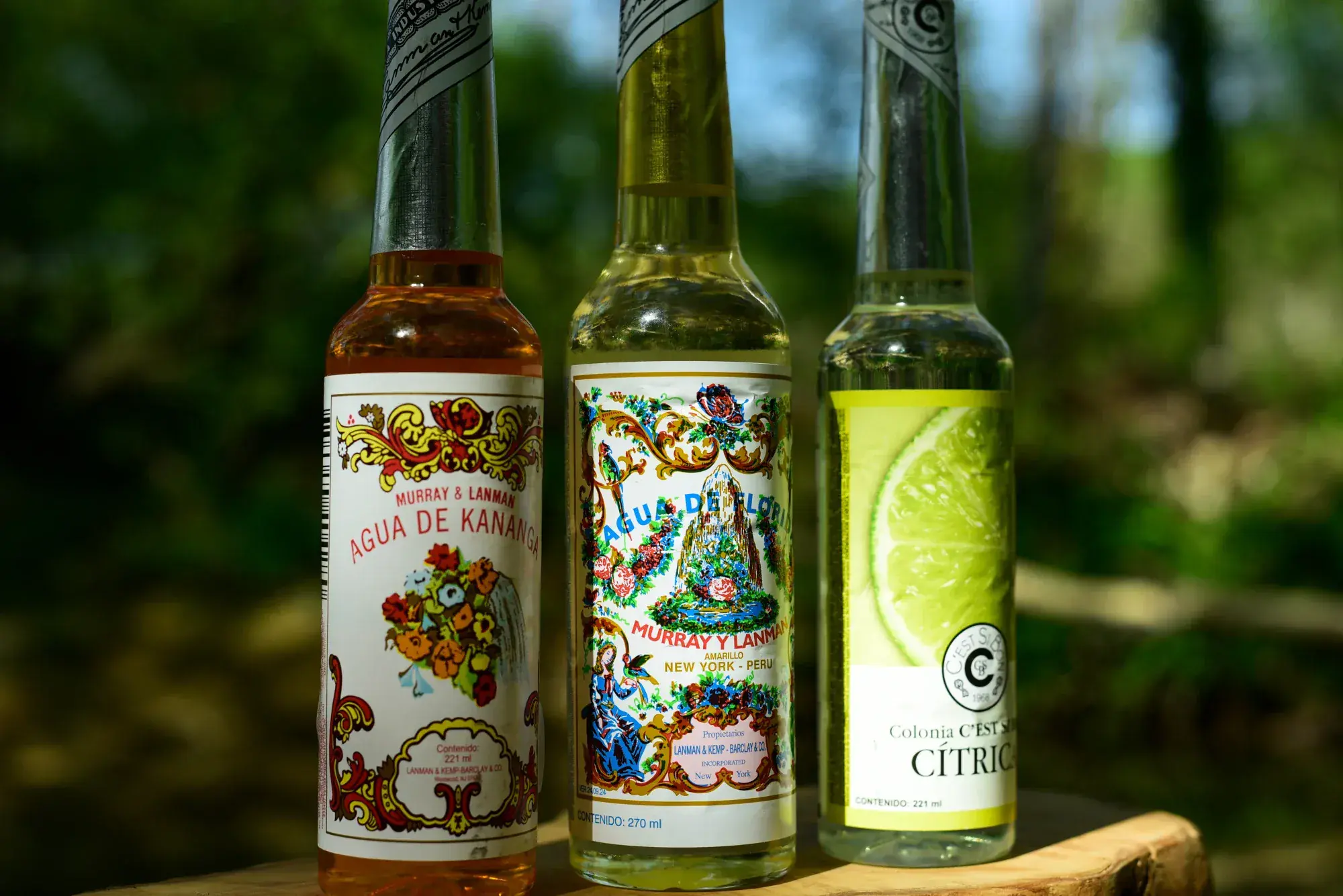
Traditional Agua de Florida (Murray & Lanman recipe, 1808): a soplo that opens the space and settles the circle's listening.
A cacao ceremony is a circle around a cup of pure cacao, drunk slowly with an intention, then words or silence go round. A young form, born around 2003, drawing on four thousand years of cacao in Mesoamerica.
First: why are we gathering? A shared intention, even a simple one, changes the quality of presence.
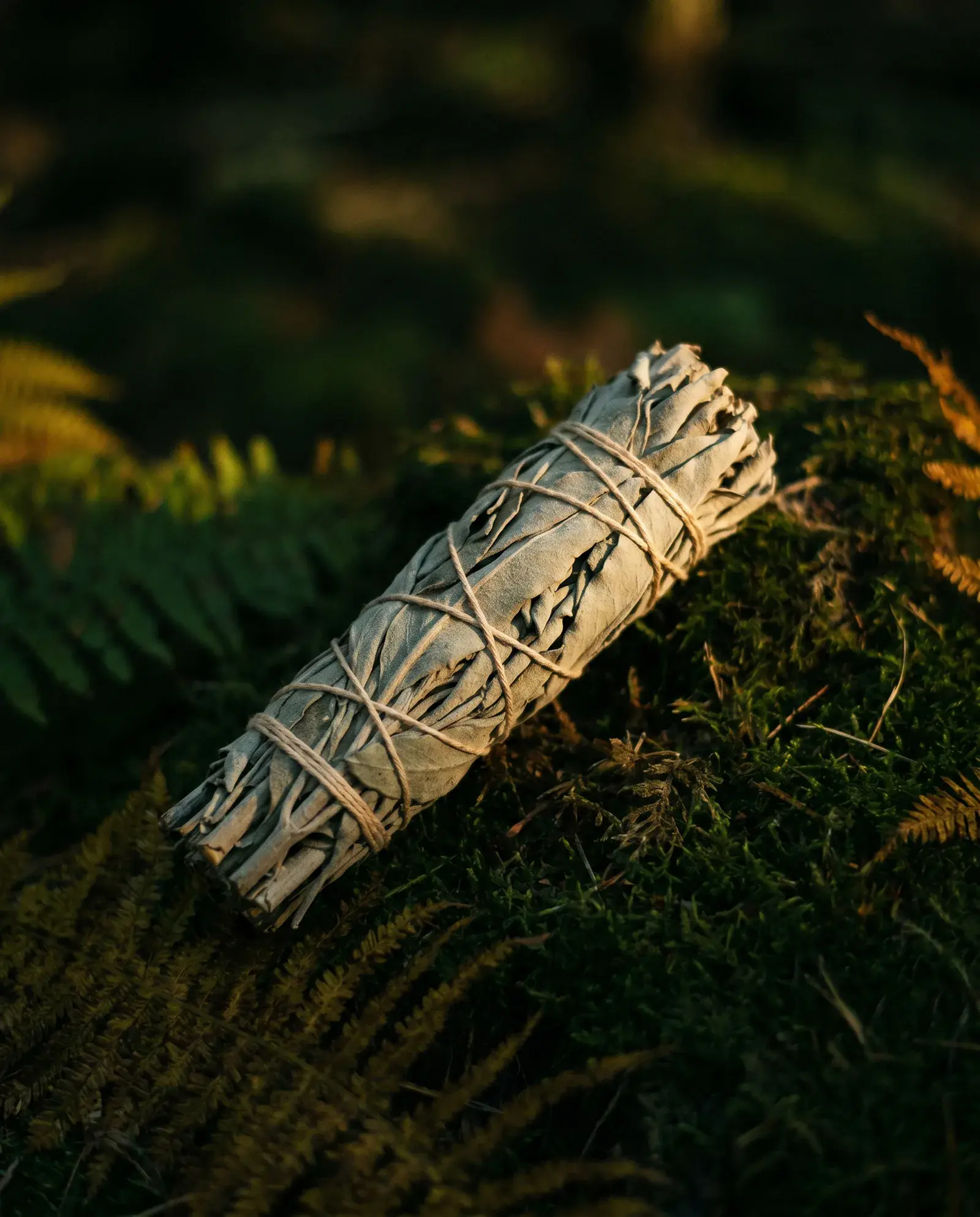
A gesture, a smoke cleansing, a short reading. Imphepho, copal or agua de florida.
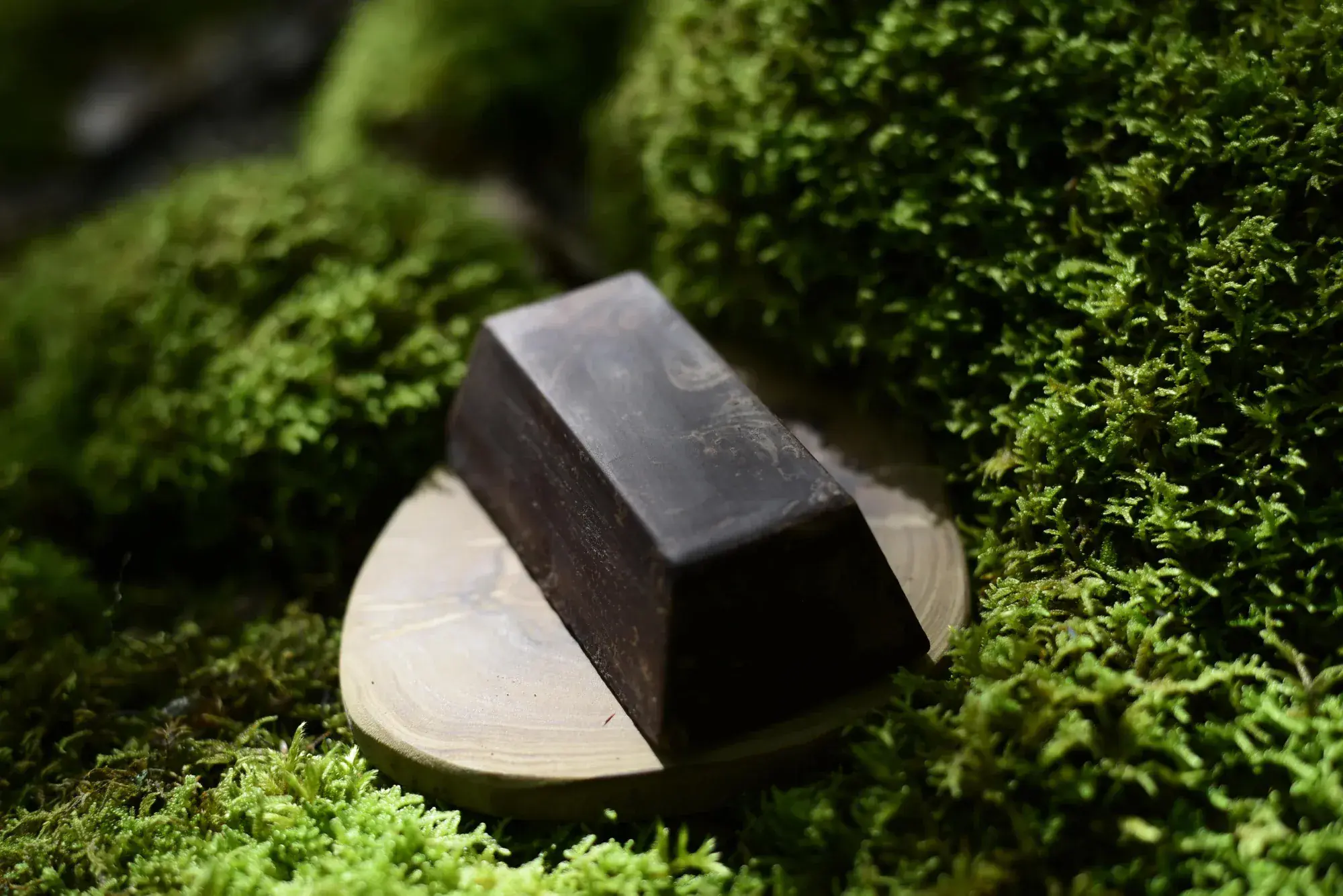
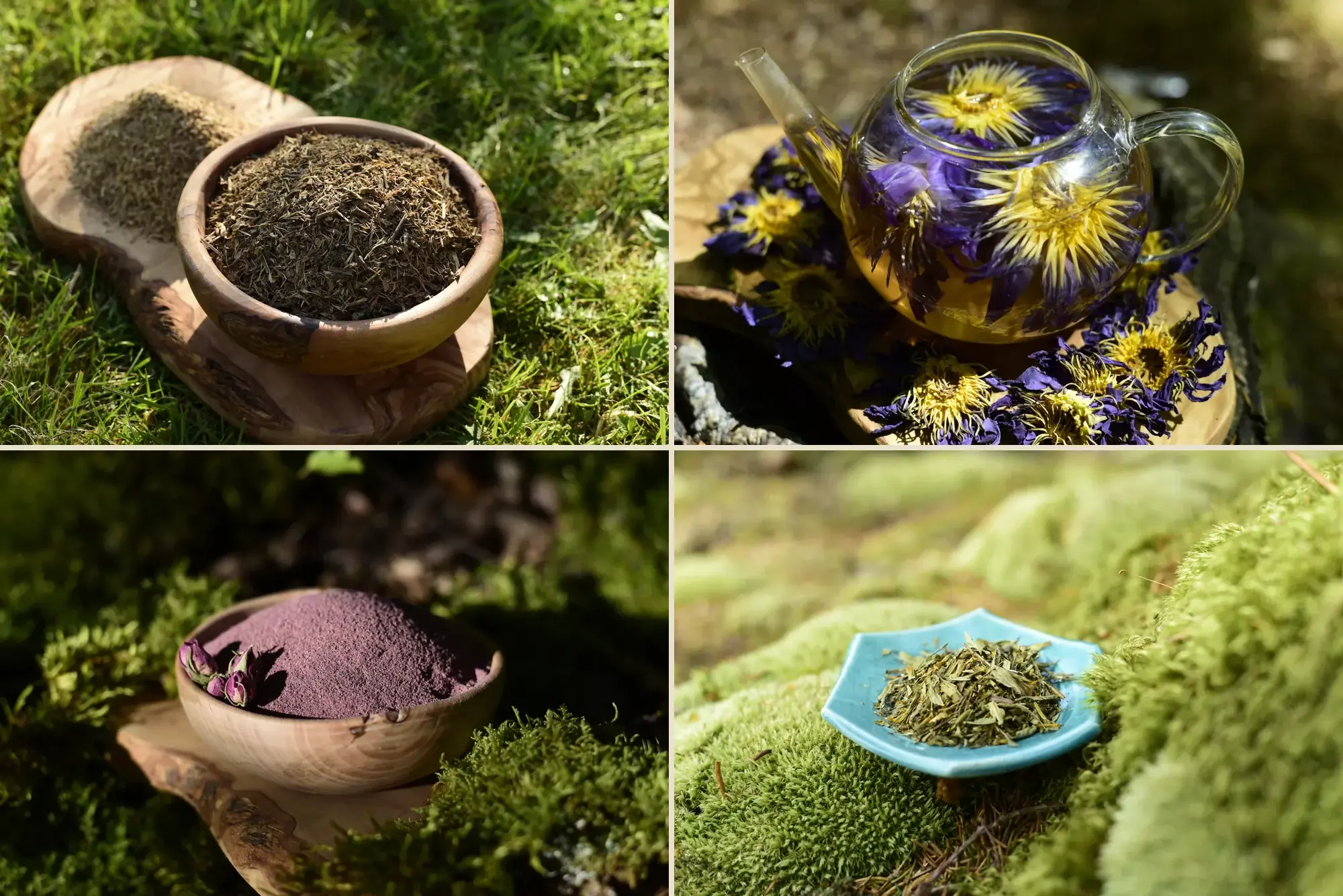
Ceremonial cacao most often, but also rose or tulsi depending on the tone of the circle. Prepared with attention, shared in silence. Each person receives their cup as a gift.
An object that passes around, a held speaking time, a respected silence. The circle lives on this back-and-forth. No one interrupts, no one comments.
No blurry ending. A closing word, a thanks to the plants, a setting down of the cups. The closing matters as much as the opening.
« Got it here in Europe, I'm thrilled, shipping super fast. Imphepho is essential for ancestral work as incense or tea. :) »
« Quality Kanna, a euphoric and pleasant effect, 700mg taken in herbal teas with lemon by heating for 15min without boiling to activate the active ingredient. I adore! »
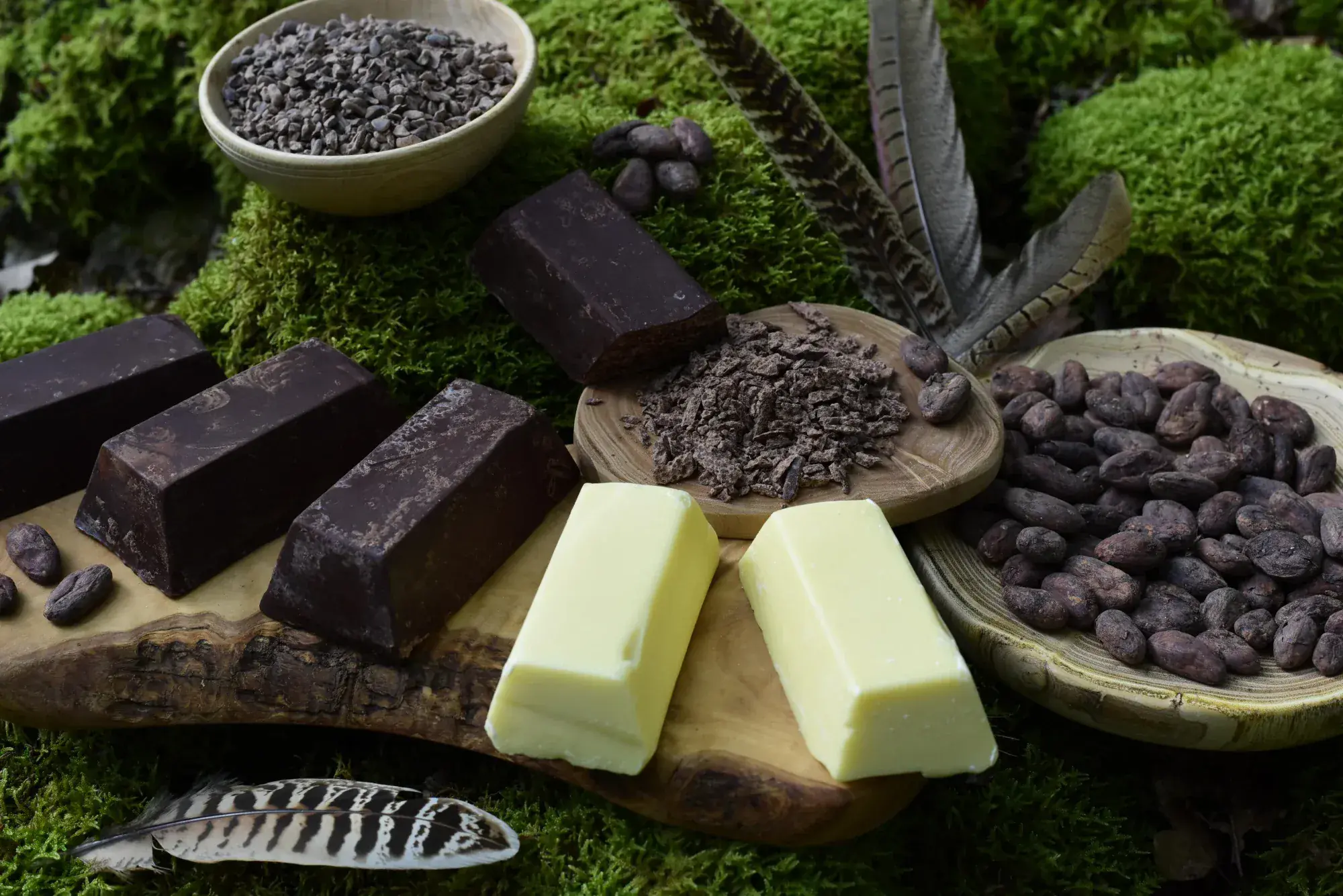
Ceremonial cacao is cacao mass: beans of Theobroma cacao ground until they melt into a paste, which sets again at room temperature. It is about 55% cacao butter, hence its dense, bitter, round taste, with no sugar and no milk. Grated into warm water and whisked, it is drunk slowly, alone, in pairs or in a circle.
The Maya received cacao as a gift from the gods and drank it during their ceremonies. The tree was cultivated in Central America some four thousand years ago, venerated as food of the gods, drunk in rituals and offered to the deities (Christian Rätsch, The Encyclopedia of Psychoactive Plants). Hence the name Linnaeus gave it in 1753: Theobroma, “food of the gods”. We receive it as a Master Plant Teacher of sensitivity, sensuality and joy; in a group, it becomes a key to communion, harmony and intimacy.
The cacao ceremony as it is offered in the West today is a young form, born around 2003. In Mesoamerica, the cacao rite was led by priests, bound to temples and to the dates of the calendar. So we call a circle in the living room what it is: a circle of today, drawing with respect on four thousand years of cacao. “Ceremonial” is not a protected term; where the beans grow and how they are processed tell you more.
Count 20 to 30 g of cacao mass per cup and per person: around 30 g in a circle, less for a first time.
Then the circle itself: an intention named together, the space opened with a soplo of Agua de Florida (Murray & Lanman recipe, 1808), palo santo or imphepho. Many dedicate the first sip aloud, even in a single sentence, to the lineage of Mesoamerica, to the tree, to the shaded forest where it grows. Then the cup, slowly, words or silence going round with no one interrupting, and a clear close. The five steps are further down this page.
Our cacao comes from Madagascar, where a farmers' cooperative grows it among other medicinal plants, in the shade the tree needs; it is processed raw: Ceremonial Cacao. Cacao for yourself, without a circle: To open the heart.
No. Cacao is a food. The bean holds stimulants, theobromine above all (1 to 2% of its weight) and a little caffeine (0.1 to 0.3%). After a dense cup, some feel warmth, alertness, a quicker heartbeat; others feel little. When Aztec sources speak of a cacao drink that could intoxicate, the drink was almost never cacao alone.
We describe it as a slow warmth that descends from the sternum to the belly and reopens the chest. Theobromine works gently and for a long time: its half-life, 7 to 12 hours, is longer than that of caffeine. In a circle, much of what happens comes from the people, the shared time and the speaking; the cacao brings its warmth and its bitterness.
Here is what has been measured. A Cochrane review of 35 trials found a small drop in blood pressure, under 2 mmHg on average, with flavanol-rich cocoa products taken for two to 18 weeks (Ried, Fakler & Stocks, Cochrane Database of Systematic Reviews, 2017). Raw cacao is also rich in magnesium, around 500 mg per 100 g.
The cacao ceremony as known in the West is a modern form, born around 2003. The ritual use of cacao in Mesoamerica is real and about four thousand years old, among the Olmecs, the Maya and the Aztecs; it was bound to priests, temples and the calendar.
Cacao can quicken the heart and disturb sleep in sensitive people: the morning or early afternoon suits it better. During pregnancy and breastfeeding, in moderation, with a health professional's advice if in doubt; the same with certain antidepressants (MAOIs). The dense doses of a circle are not for children. Cacao is toxic to dogs and cats: keep it out of their reach.
Ask the Forest: ethics of a plant, dose, lineage, synergy. It shares what peoples have transmitted and what books have written.