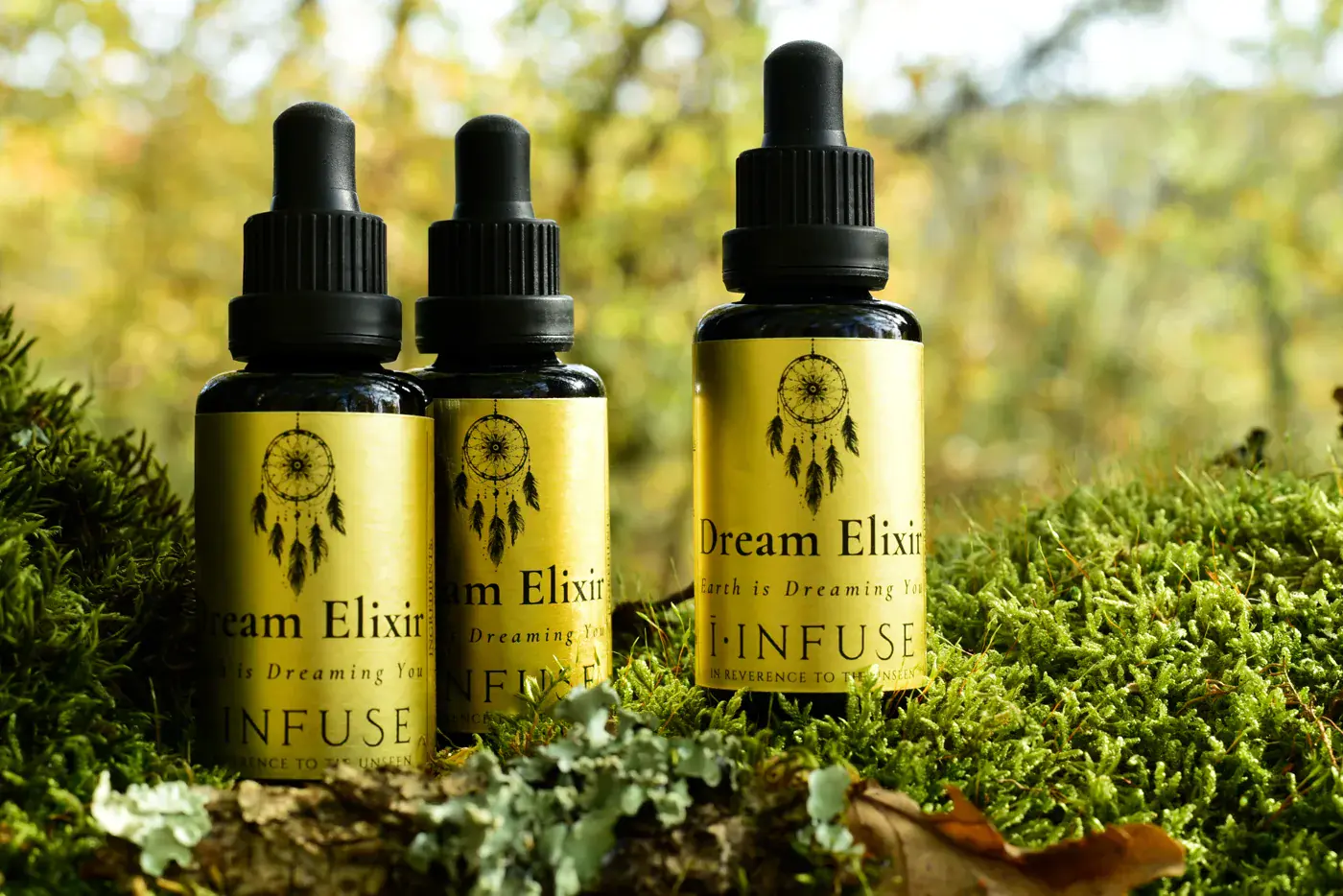
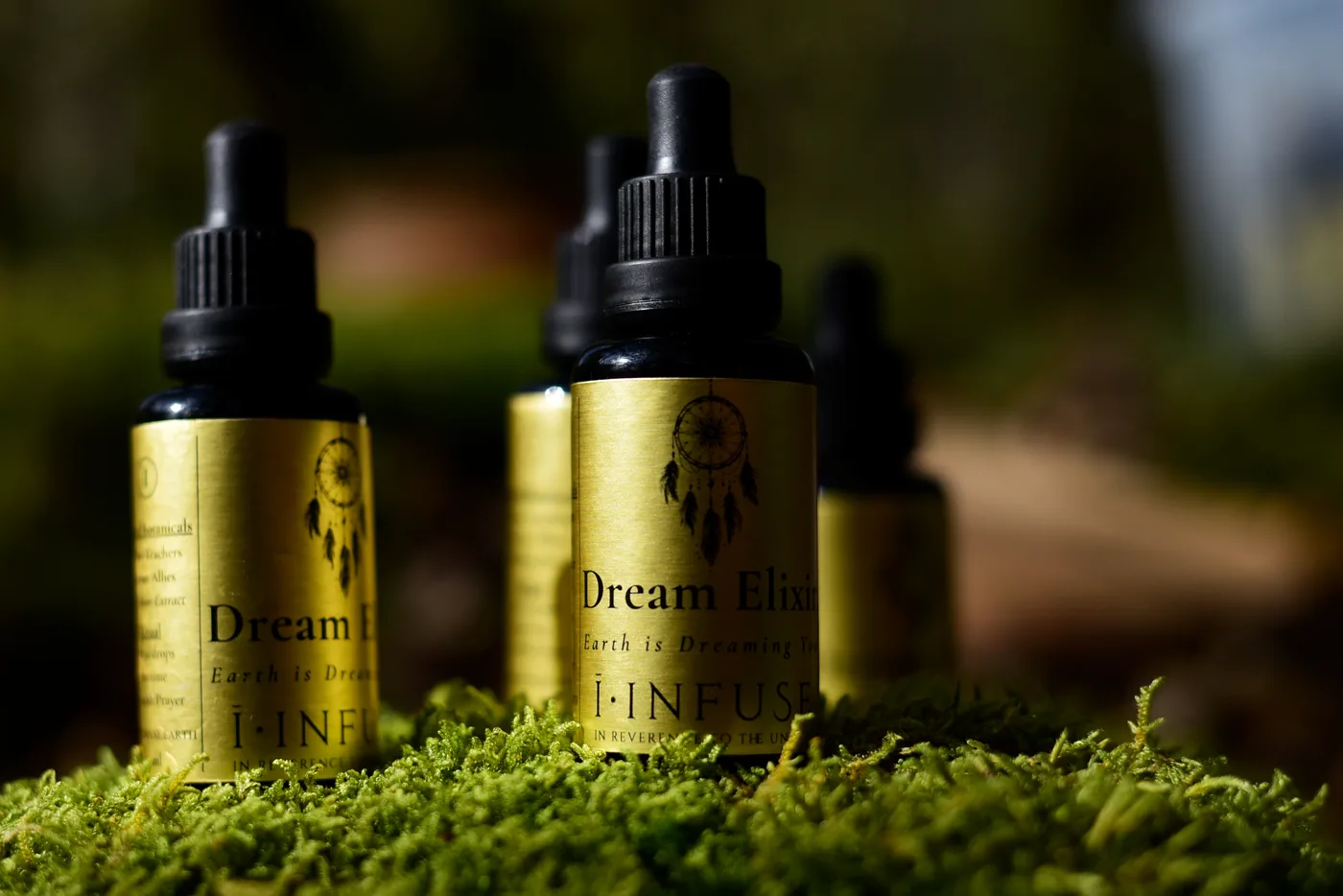
Dream Elixir
€40.00
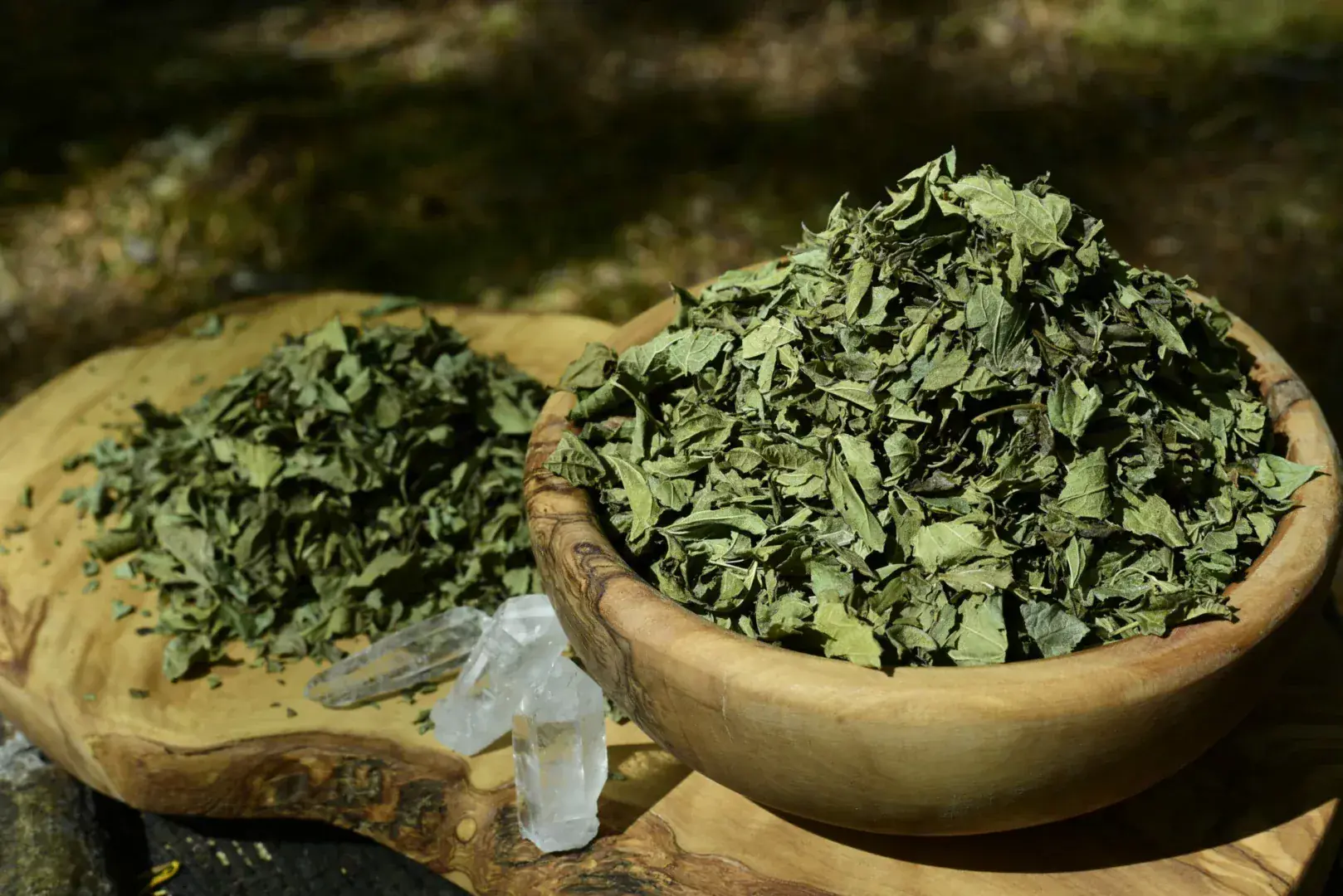
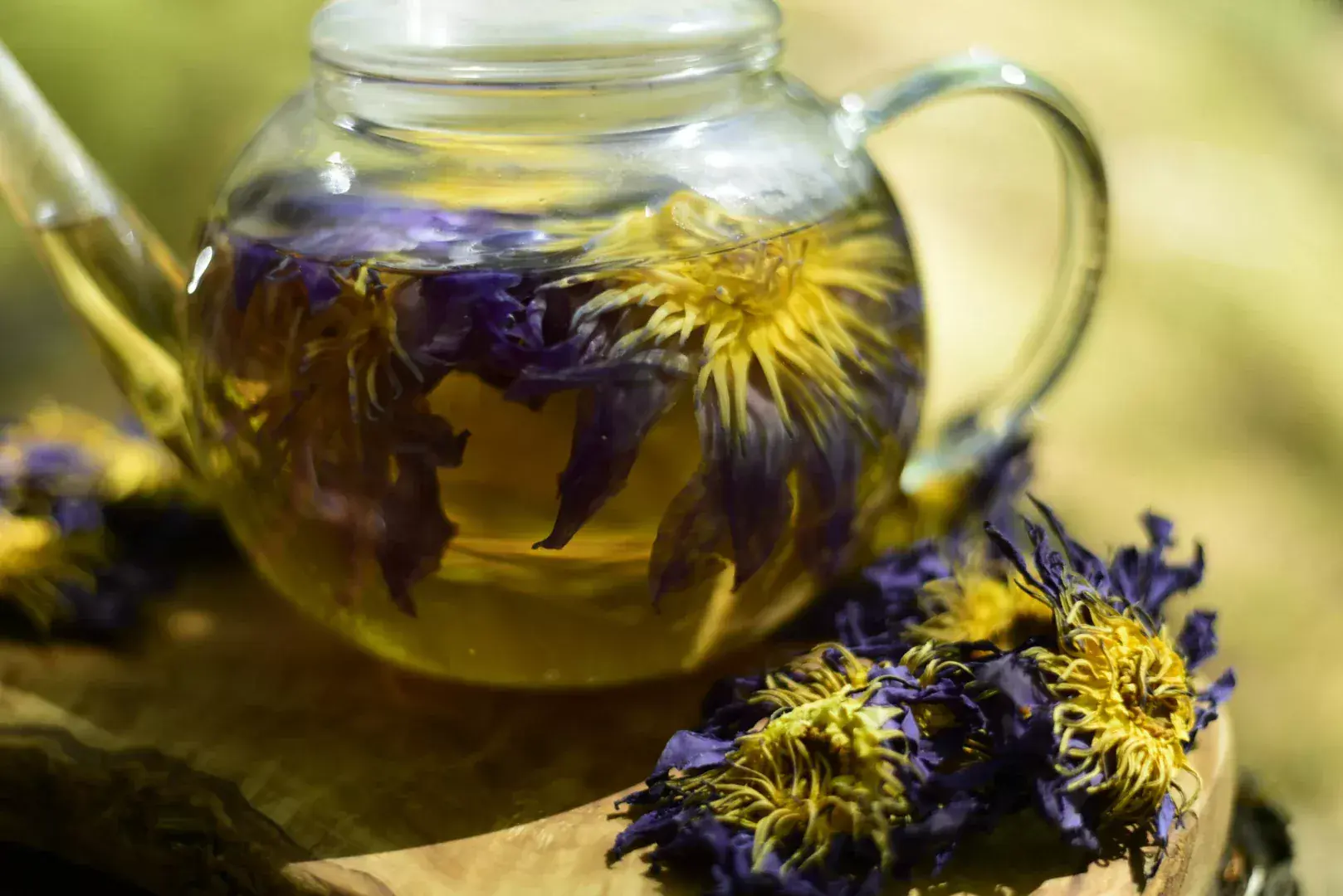
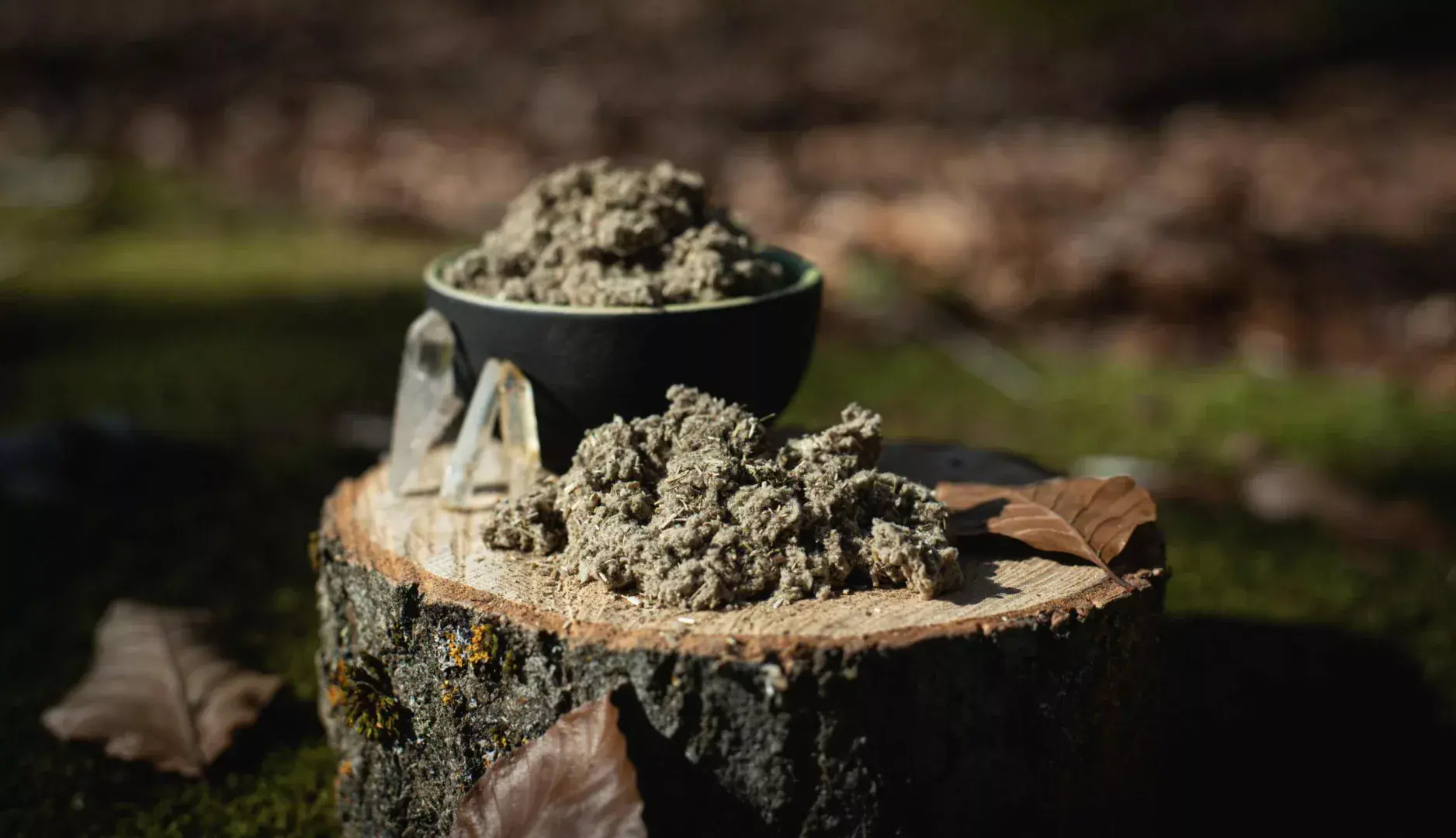
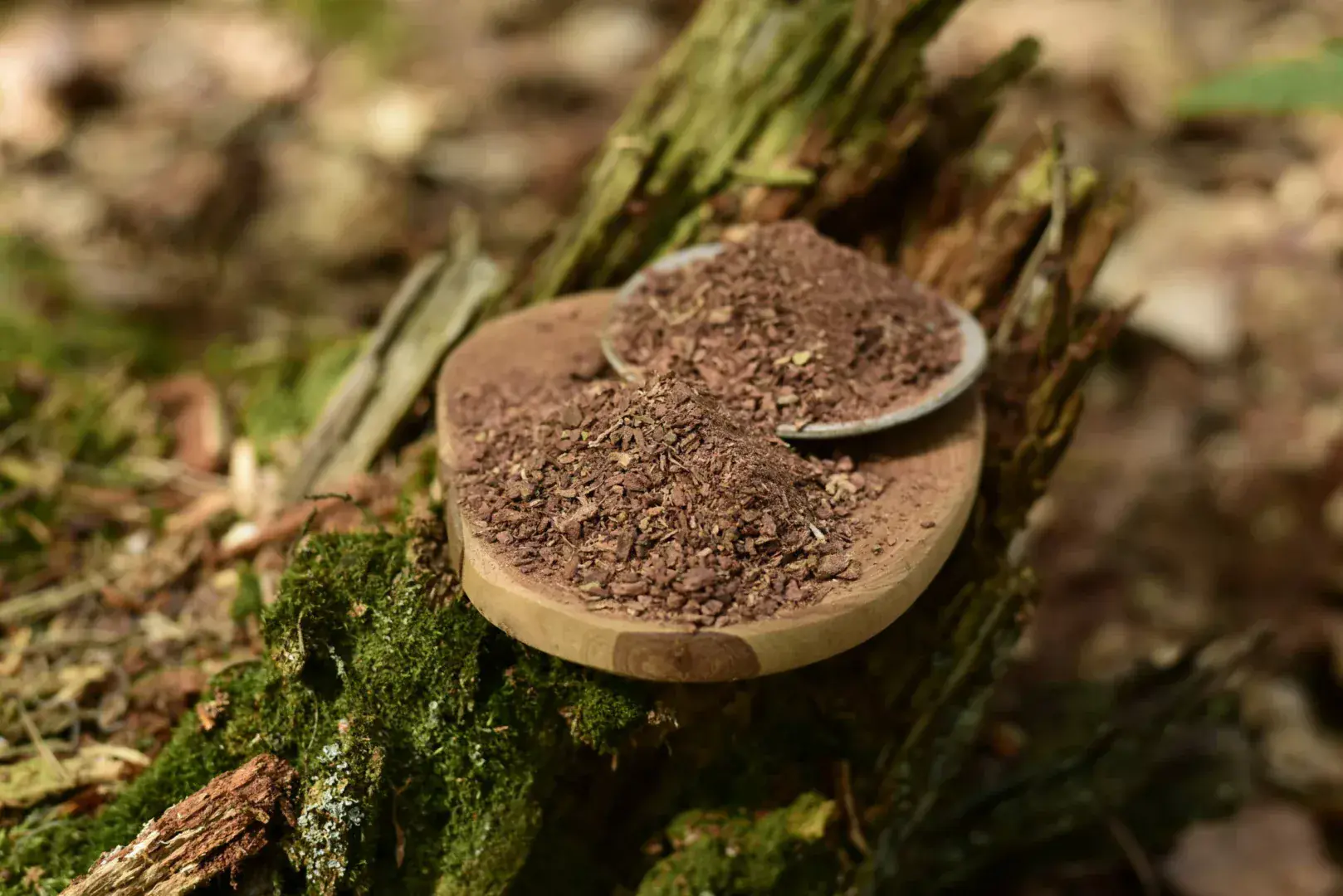
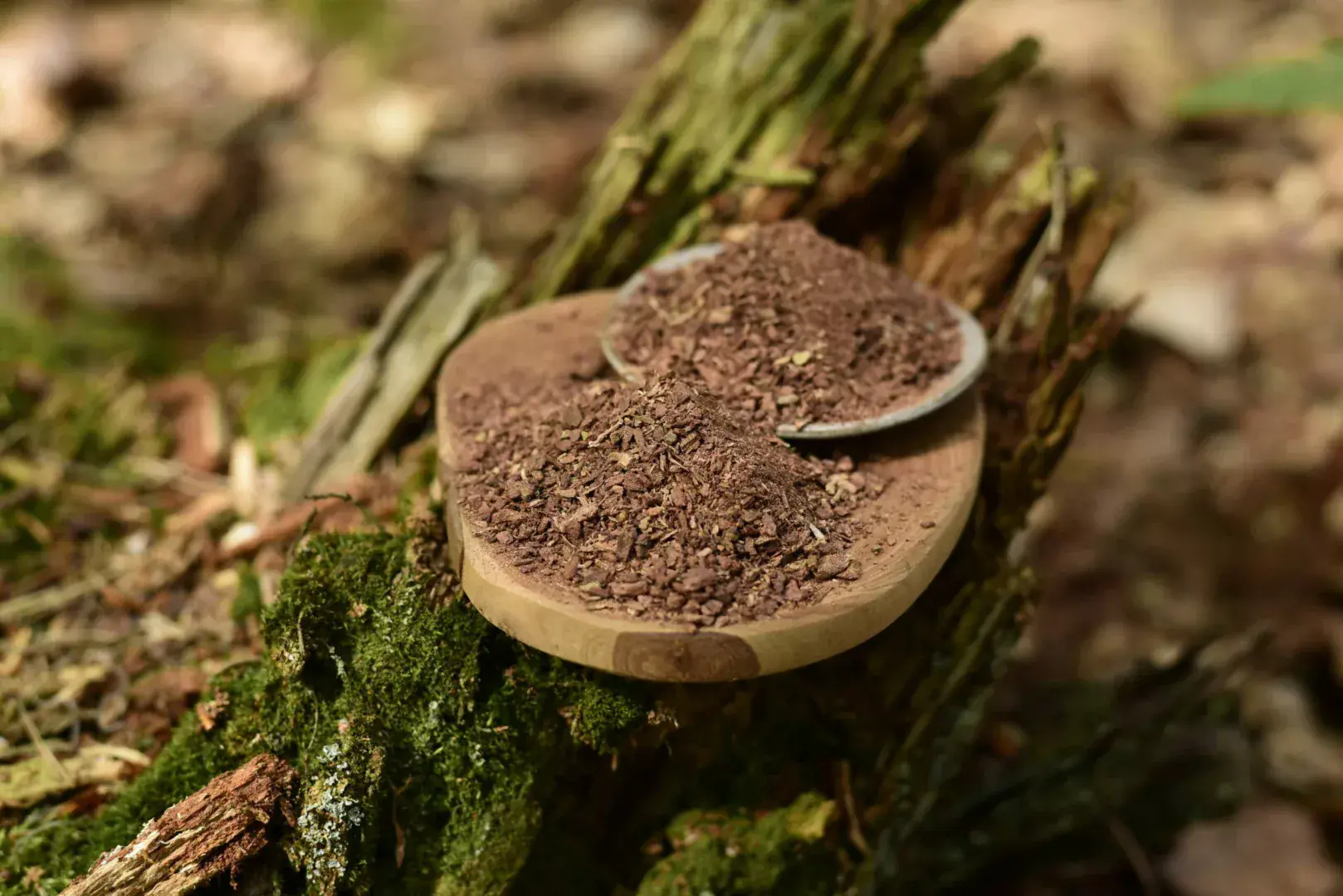
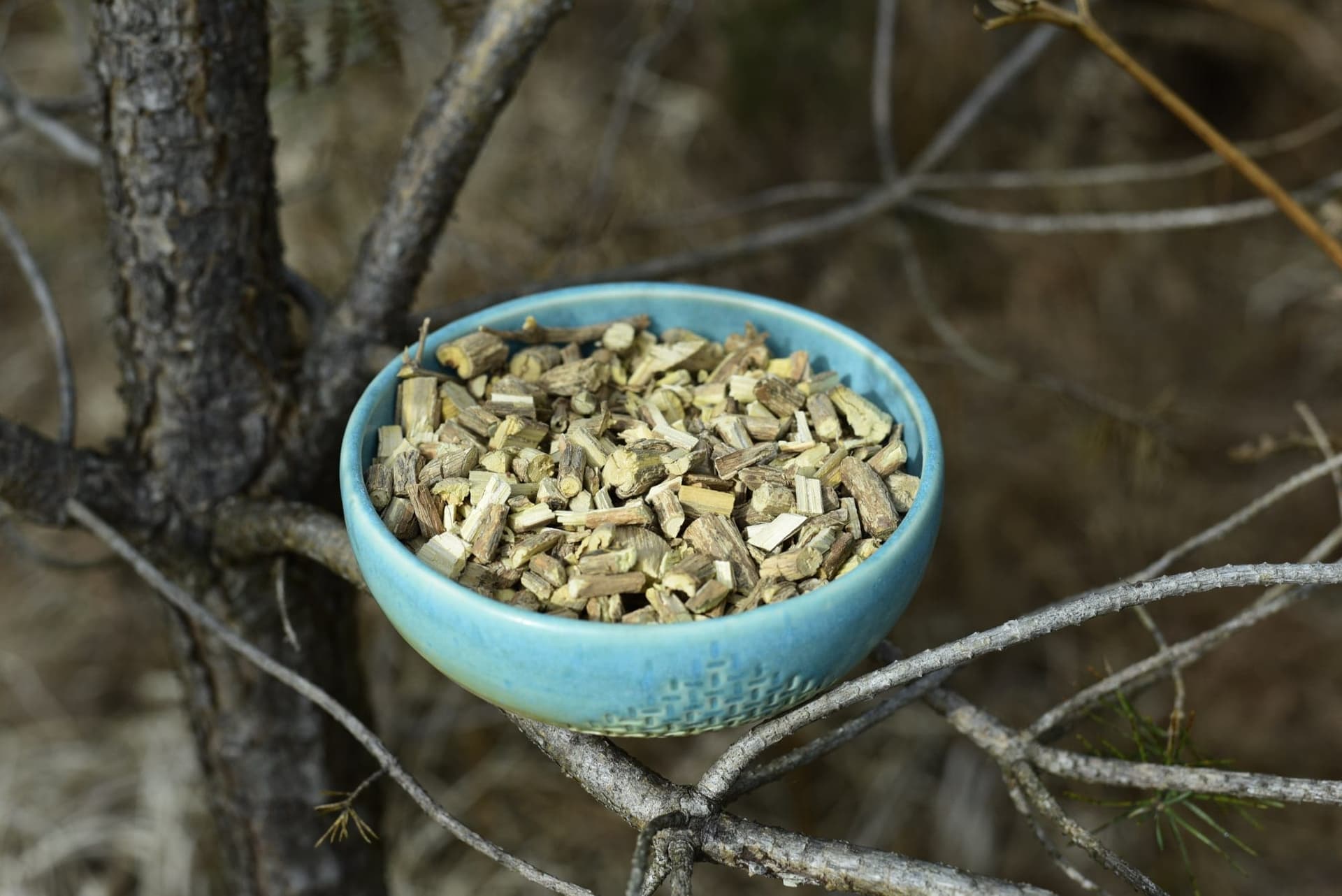
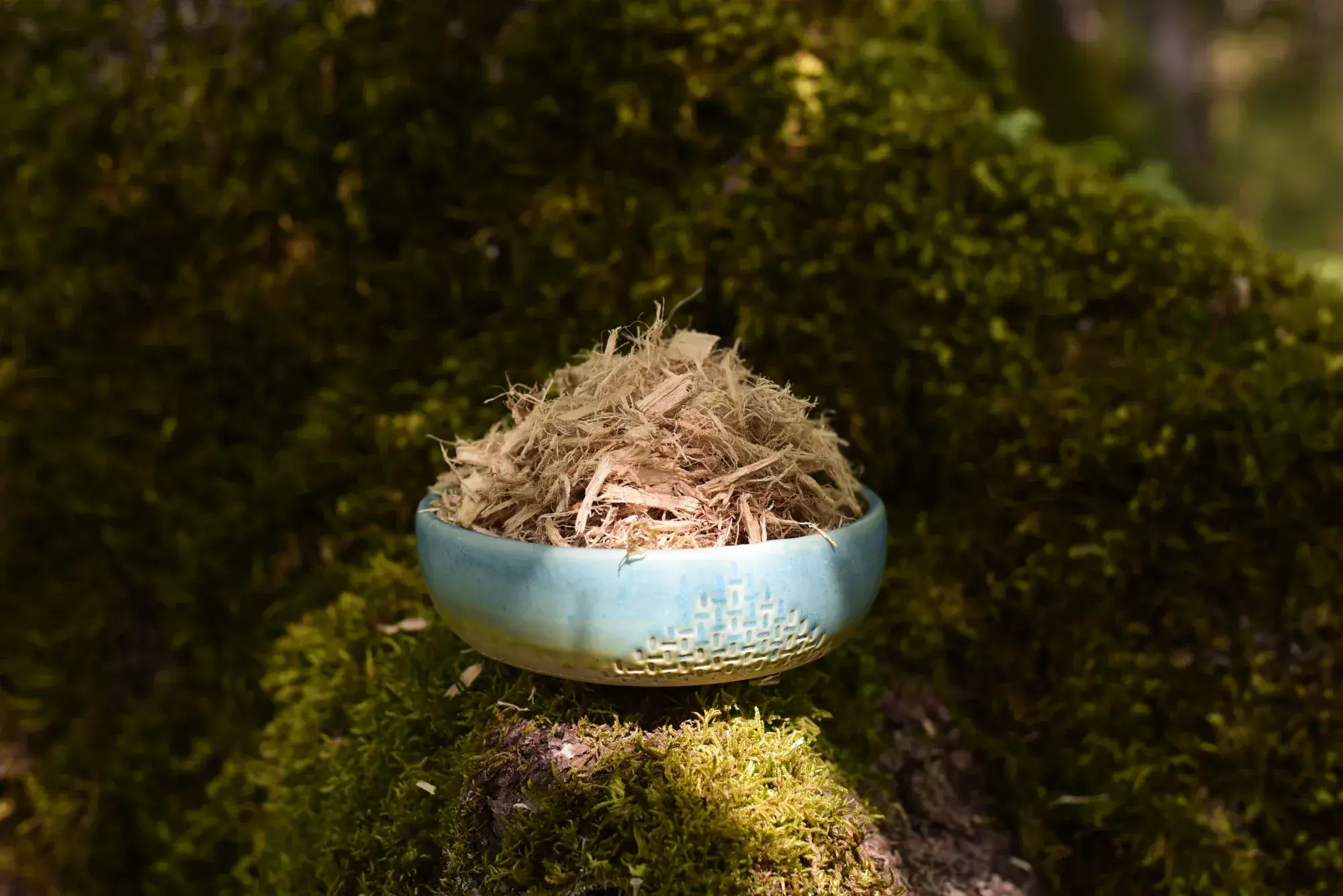
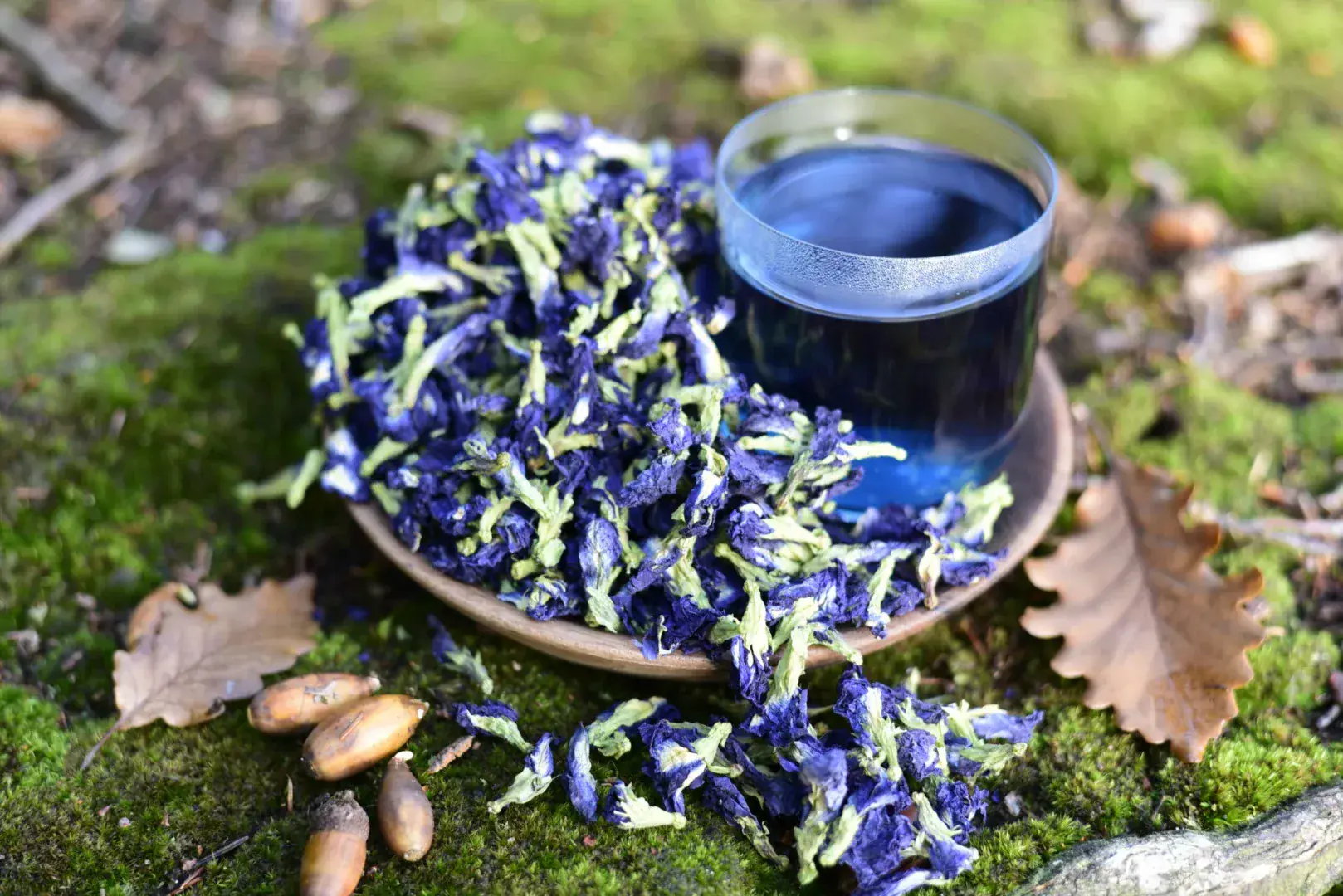
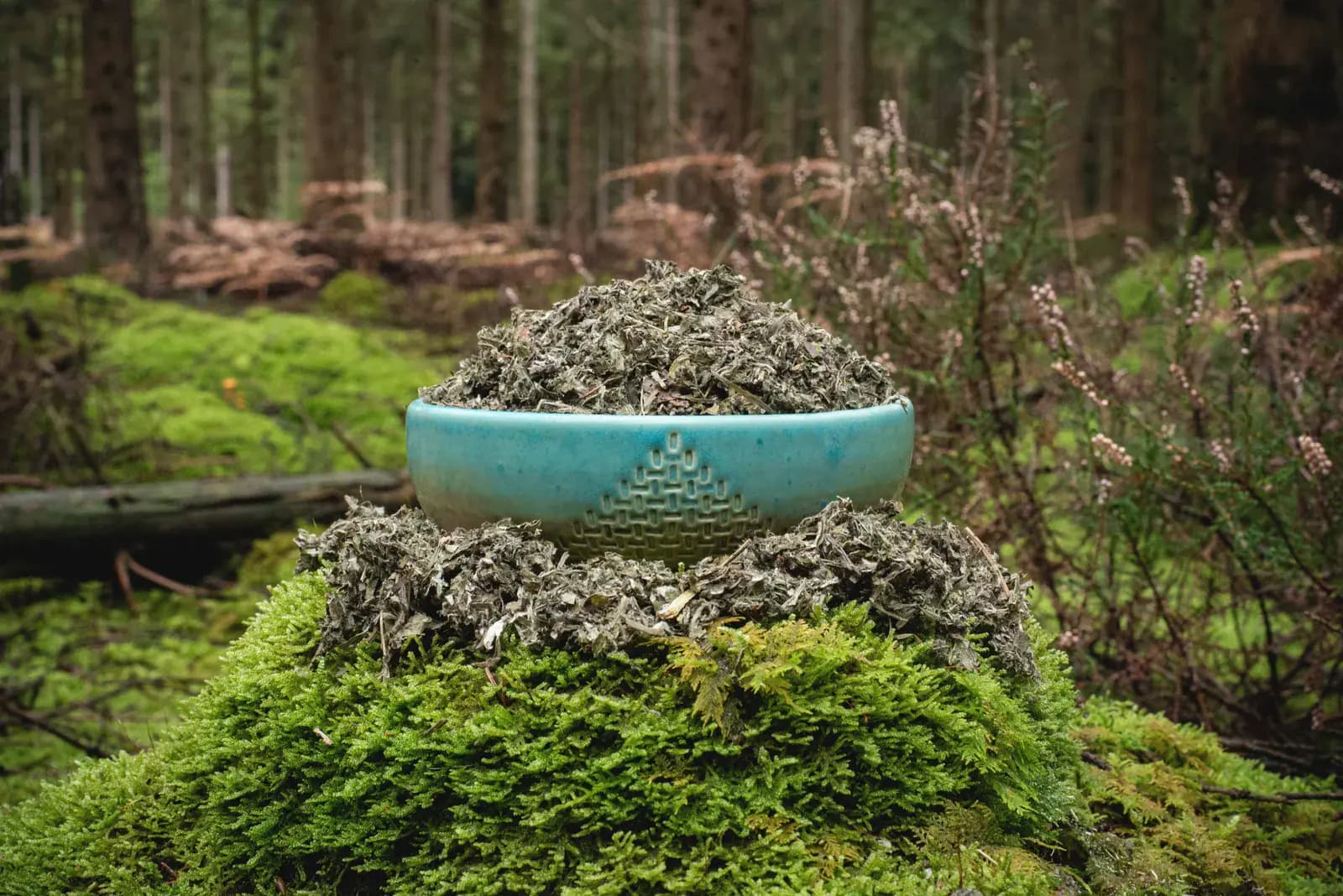
Thirteen gateway plants of the dream across continents. European Mugwort, Chontal Calea, Shipibo Bobinsana — each opens a language.
Artemisia vulgaris in Europe under the pillow, Calea ternifolia among the Chontal, Calliandra angustifolia among the Shipibo. Each plant carries a grammar, a season, a dosage that belongs to it.
They are oneiric activators: they lay a thread in sleep.
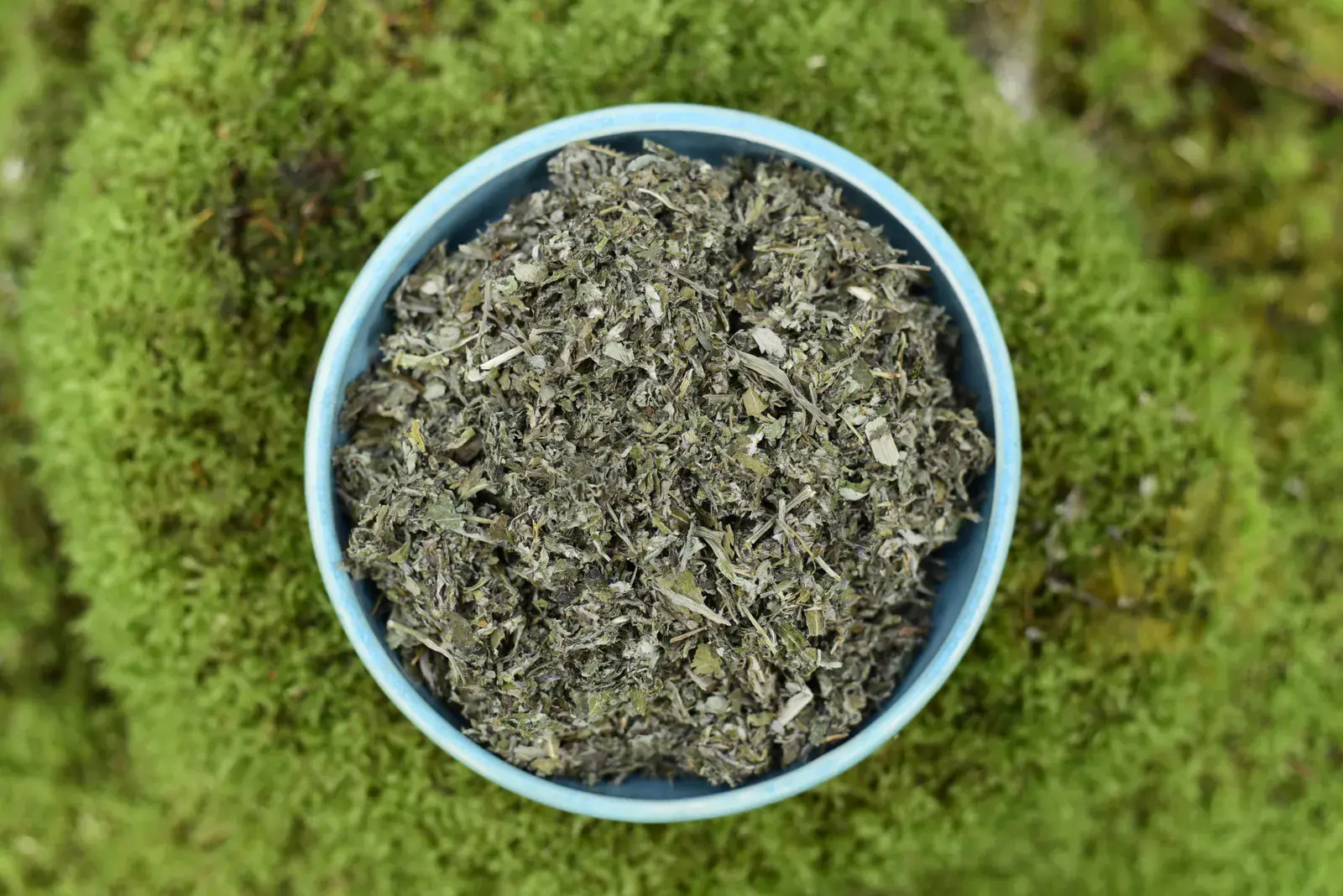
A dream herb works on the substance of the dream: its colour, its sharpness, what you still hold of it when you wake. Every tradition has its own, each drunk, smoked or carried in its own way.
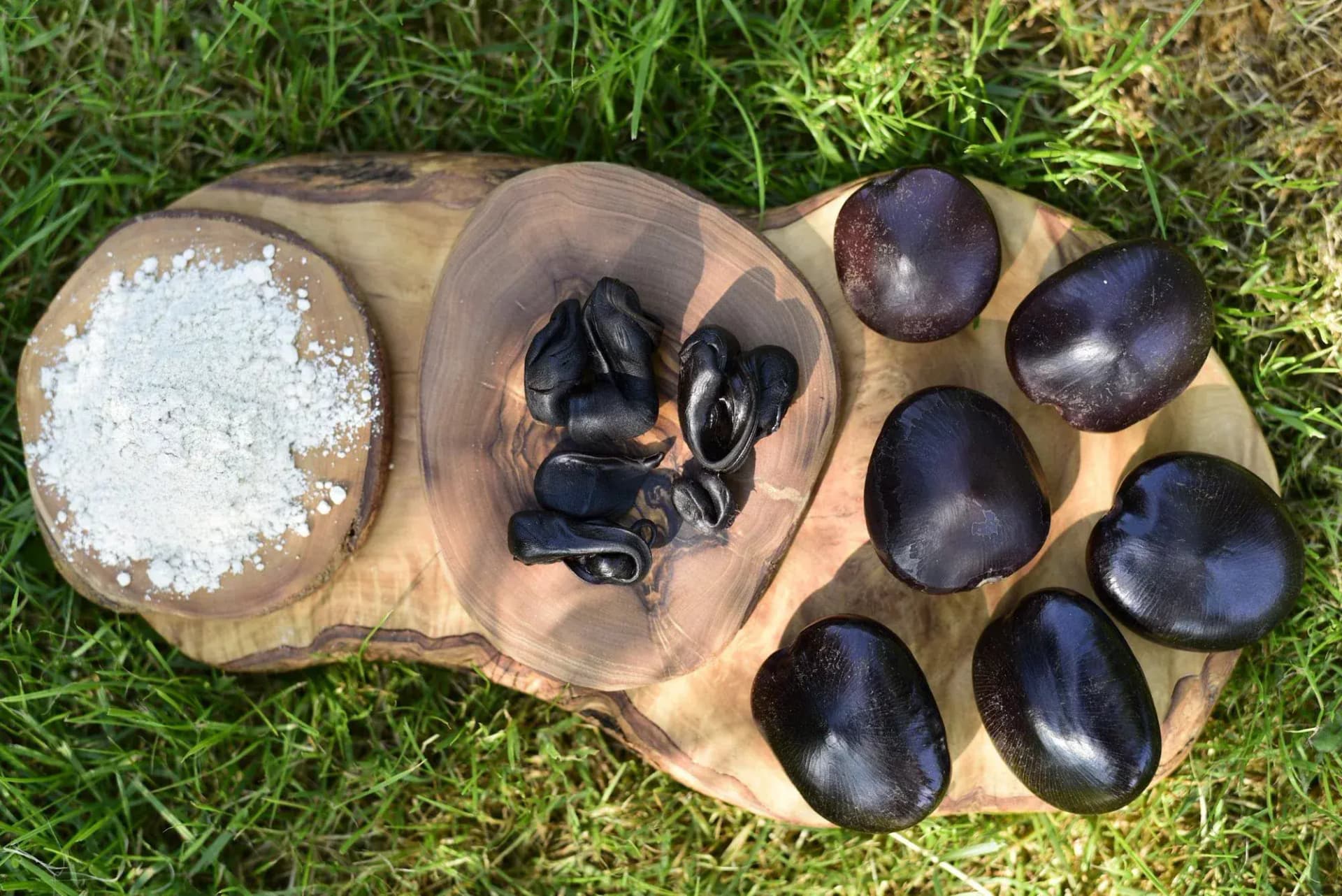
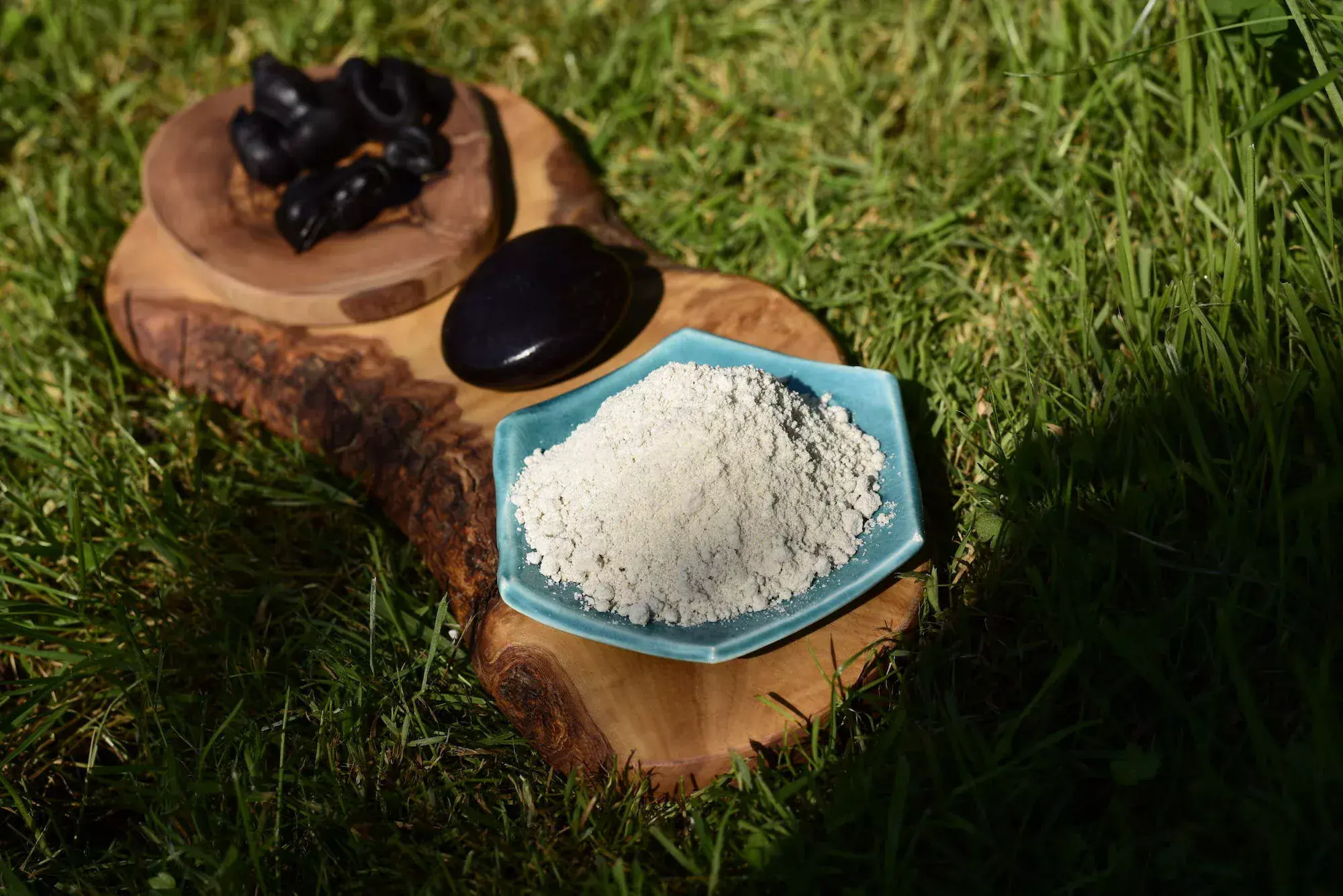
The Chontal of Oaxaca take Calea to receive messages in their dreams; its Nahuatl name, zacatechichi, means “bitter herb”. In southern Africa, a pipe carved from the seed of Entada, the African dream bean, was smoked for vivid dreams (Van Wyk & Gericke, 2000), and diviners used it to remember their dreams (Sobiecki, 2008). The Aztecs burned Yauhtli as incense for Tlaloc; Hernández called it “the herb of the clouds”. Mugwort has become the dream herb of today's herbalists, tucked under the pillow or drunk at night.
Depending on the dream you are looking for:
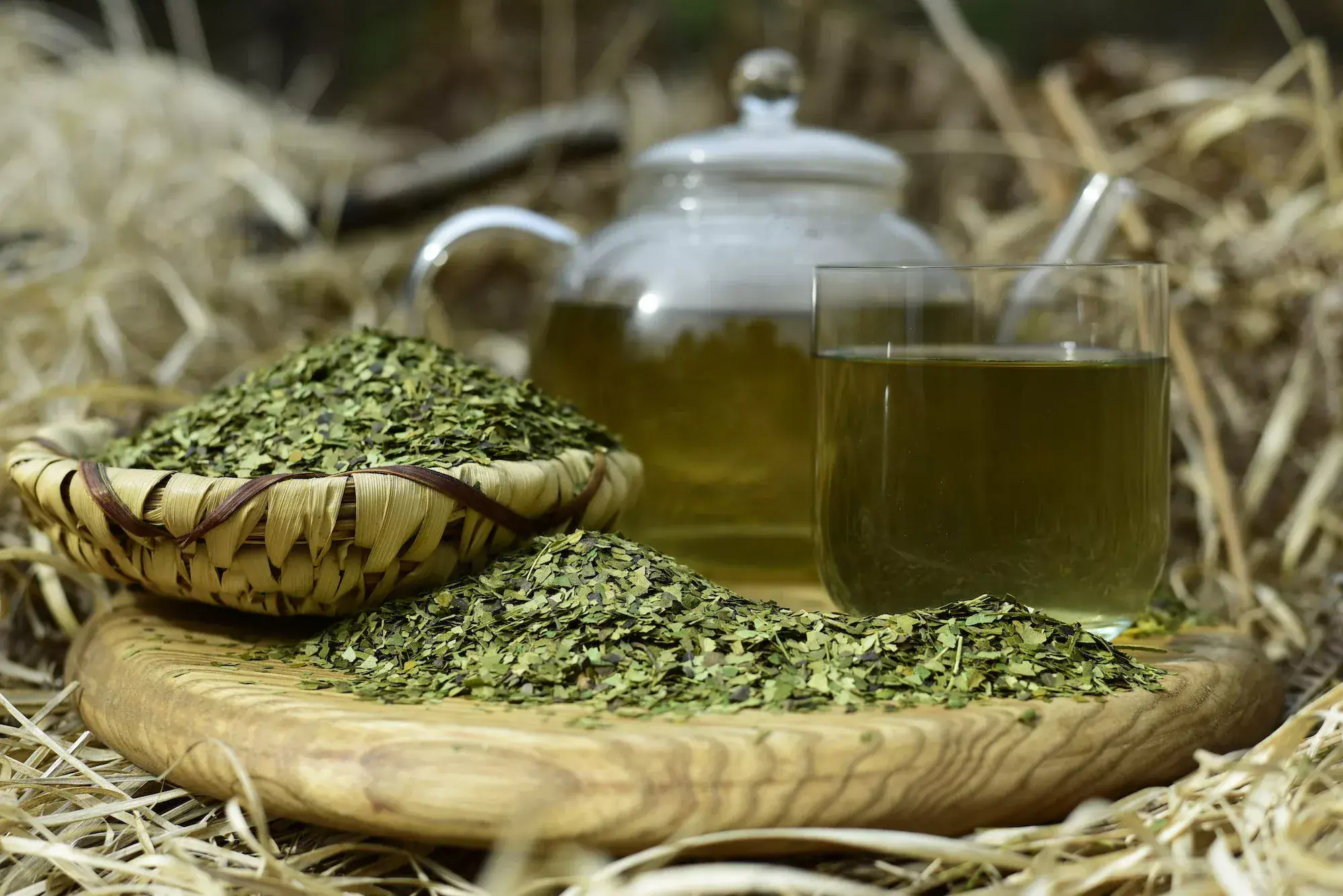
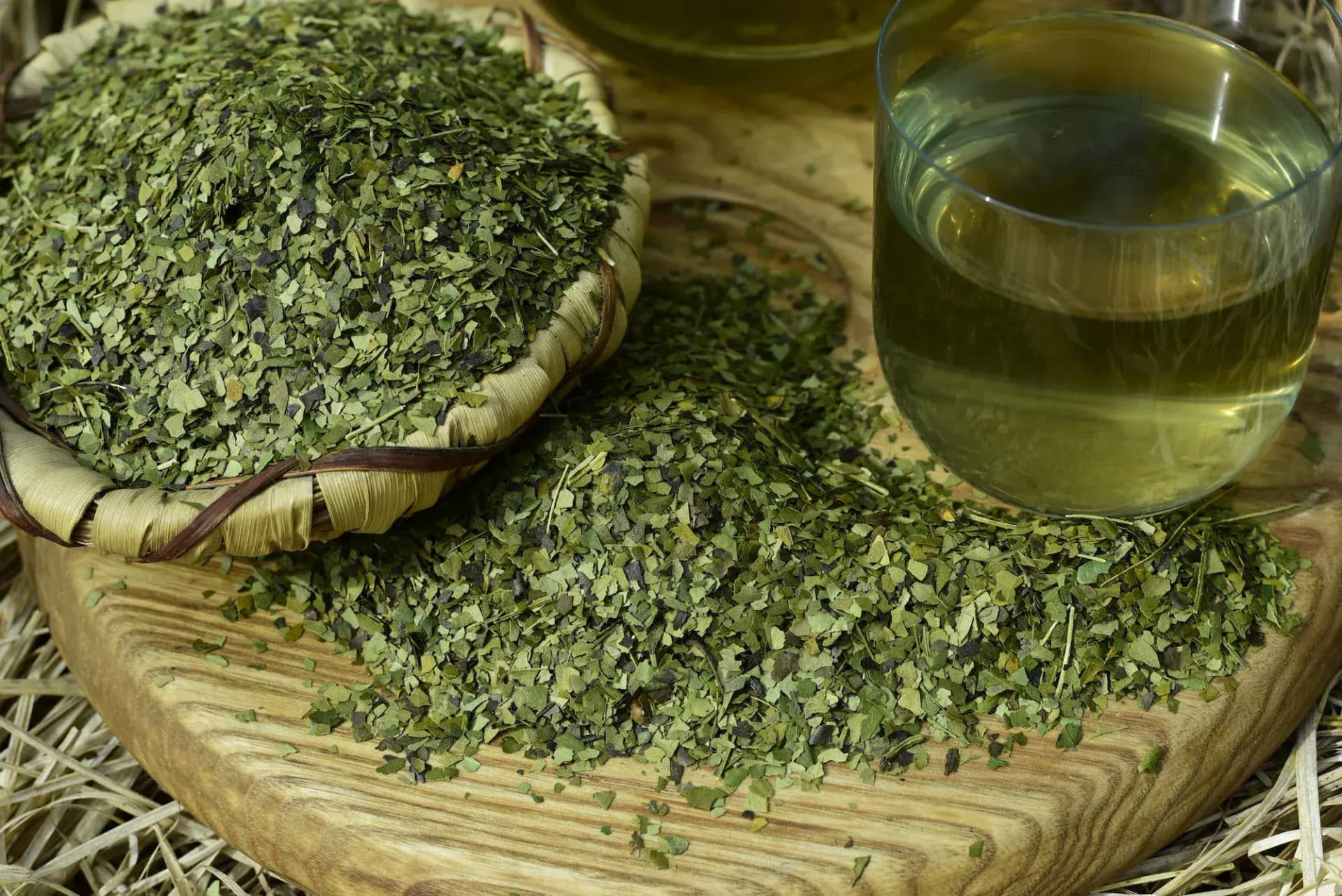
In the evening for Calea, blue lotus, mugwort and Yauhtli; before dawn for guayusa. The Entada seed is carried for a few weeks, charged with your intentions, before it is opened to dream. Most of these plants are received over 3 to 5 nights, with a journal by the bed to keep the morning’s trace.
Plant by plant, with the research and our dreamers’ own accounts: our guide to the best herbs for lucid dreaming.
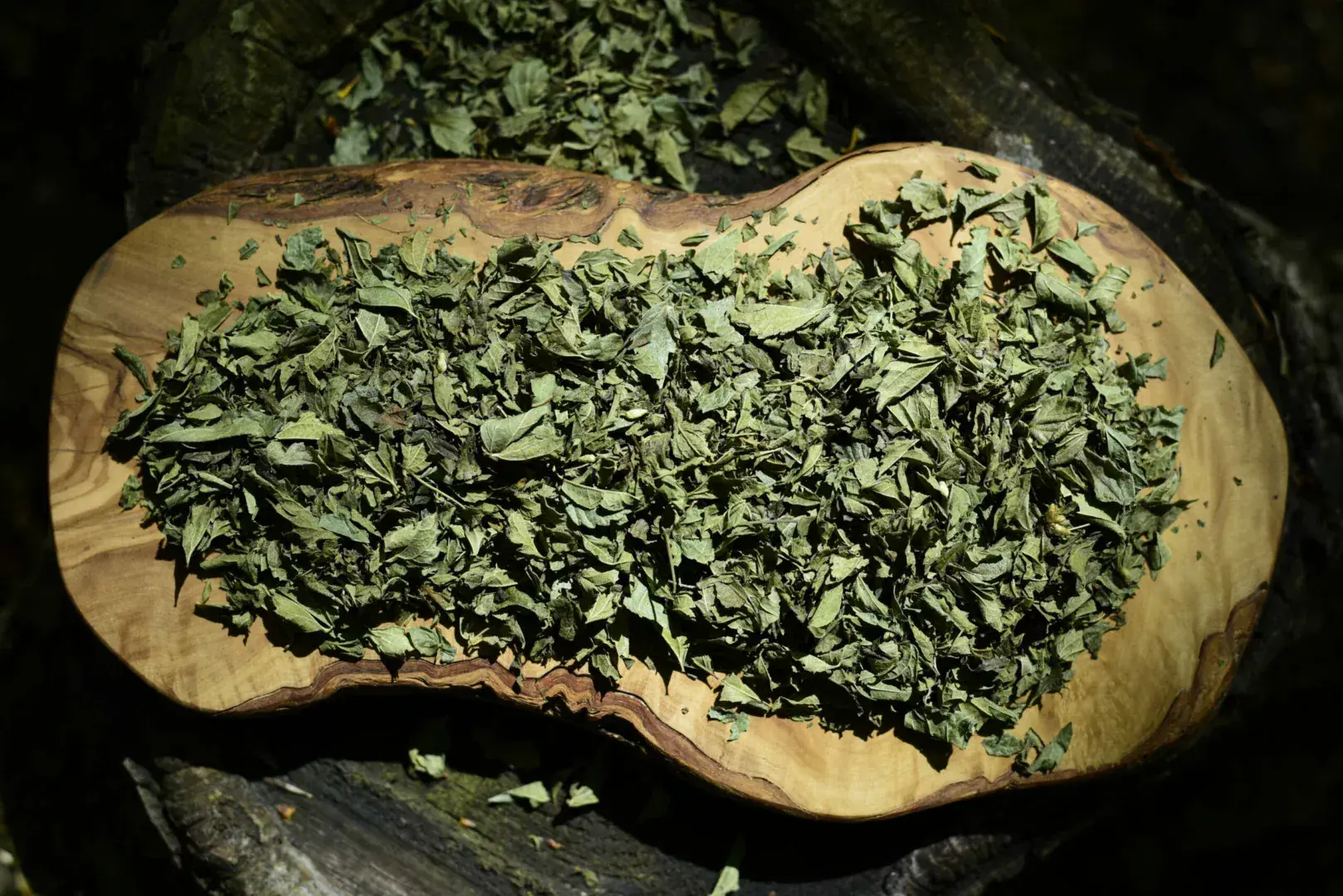
Calea. In 1986, Mayagoitia, Díaz and Contreras tested it double-blind: during a nap, it brought more dream reports than both a placebo and diazepam. How it works is still unknown.
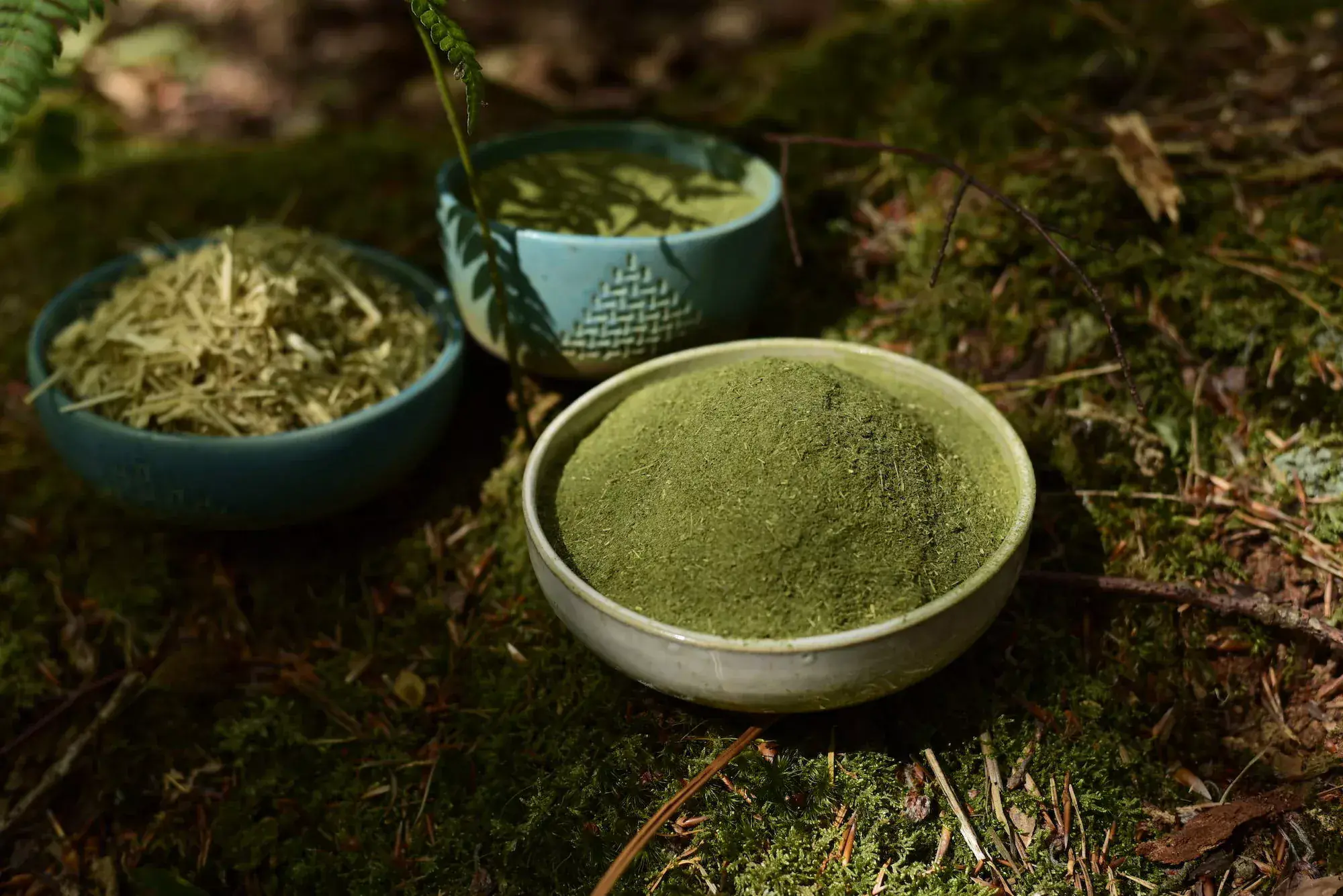
Each has its own form. Calea: about 2 g of leaves steeped for 3 minutes in the evening, very bitter. Mugwort: a light tea before sleep. Entada: the seed carried for a few weeks, then opened, and a small piece of its flesh chewed in the evening. Each product page gives the full preparation.
Some of our dreamers describe a more vivid dream on the very first night; many describe it over 3 to 5 nights. Others notice nothing. A morning journal helps you see what changes.
Sleep herbs help you fall asleep and sleep deeply; dream herbs work on the colour of the dream and on remembering it. For difficult nights: our Deep Sleep family.
They are sold freely in France. The law differs from one country to the next: check yours before you order.
Pregnancy and breastfeeding: abstain, for lack of data. If you take any treatment (antidepressants, anxiolytics, sleeping pills, heart medication): ask a doctor before any plant. After a plant that has made you drowsy, driving waits until the next day.
Three questions to ask yourself before choosing:
First: what dream do you seek? Memory (Mugwort), lucidity (Calea), tenderness (Bobinsana), messages (Entada).
Second: what dosage can you hold? Most require 3 to 7 consecutive nights.
Third: which tradition resonates? The European, the Amazonian, the Mexican — each has its gesture, its rhythm, its journal.
Voiced essays that extend these plants — traditions, gestures, lineages.