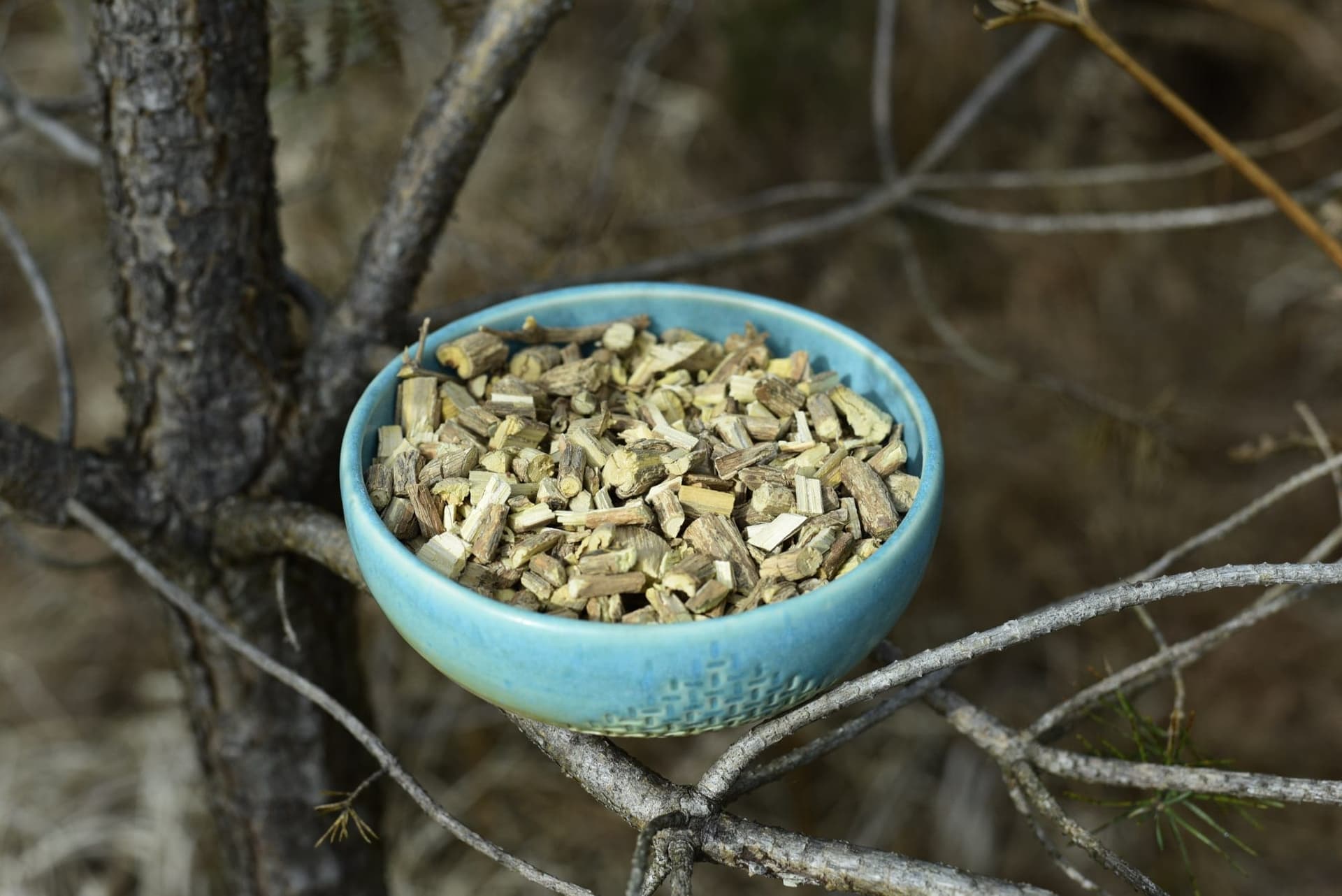
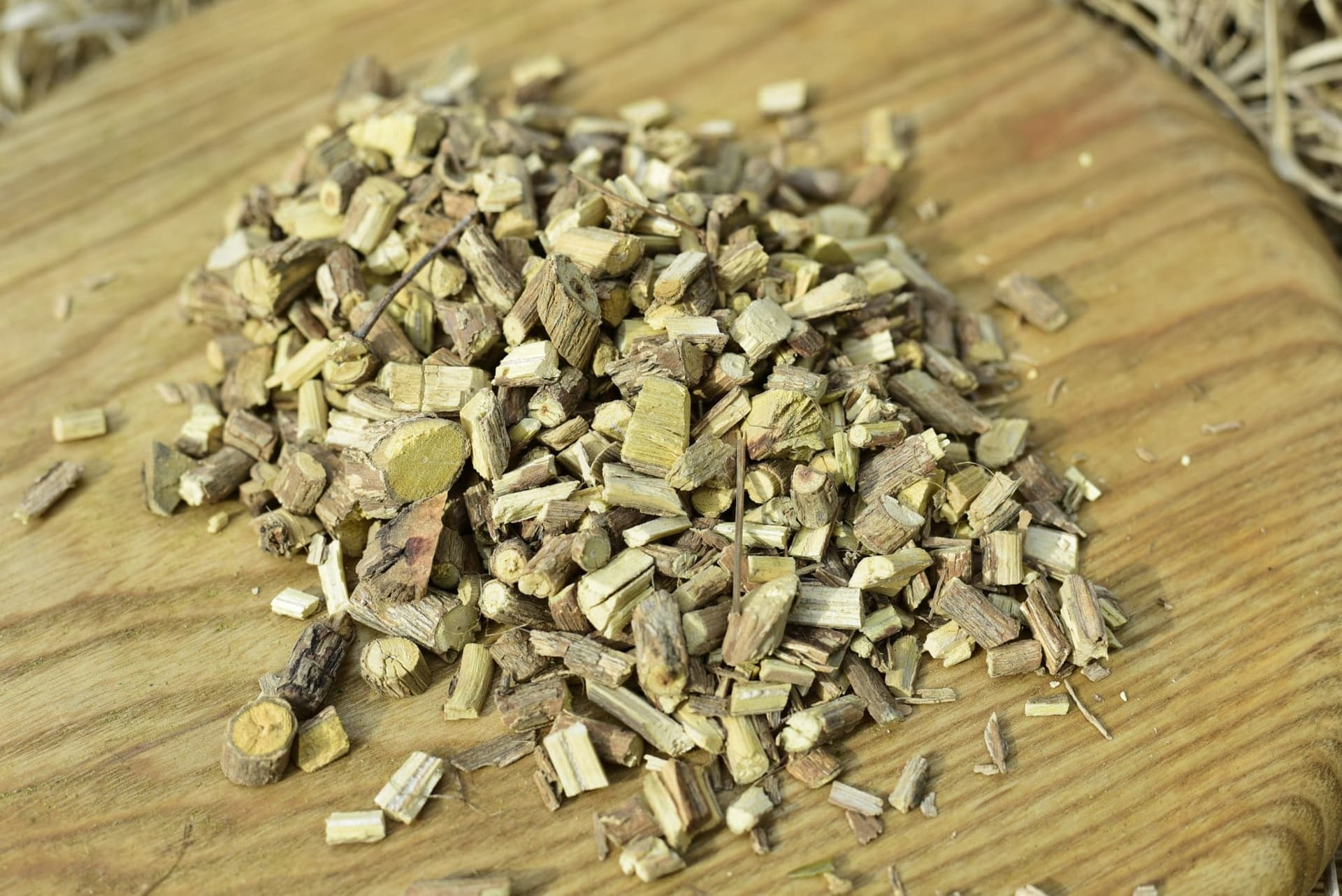
Dream Master
Ubhubhubhu
★5.0· 6 reviews
€8.88
Also as an elixir€30.00
The great dream masters of the Sangomas of South Africa (Zulu, Xhosa). After taking these medicines for 3 to 5 days with prayers and respect, the Dream Gates open up. A path you choose to take, to meet the roots of your soul, to remember who you are and why you came to Earth.
Ubulawu is said to come from the verb ukulawula, “to control”. For Xhosa diviners, ubulawu casts a “white light” on the dream: it makes it more vivid, more memorable, open to the spirits and the ancestors. The night is prepared for it, and one waits for it to come.
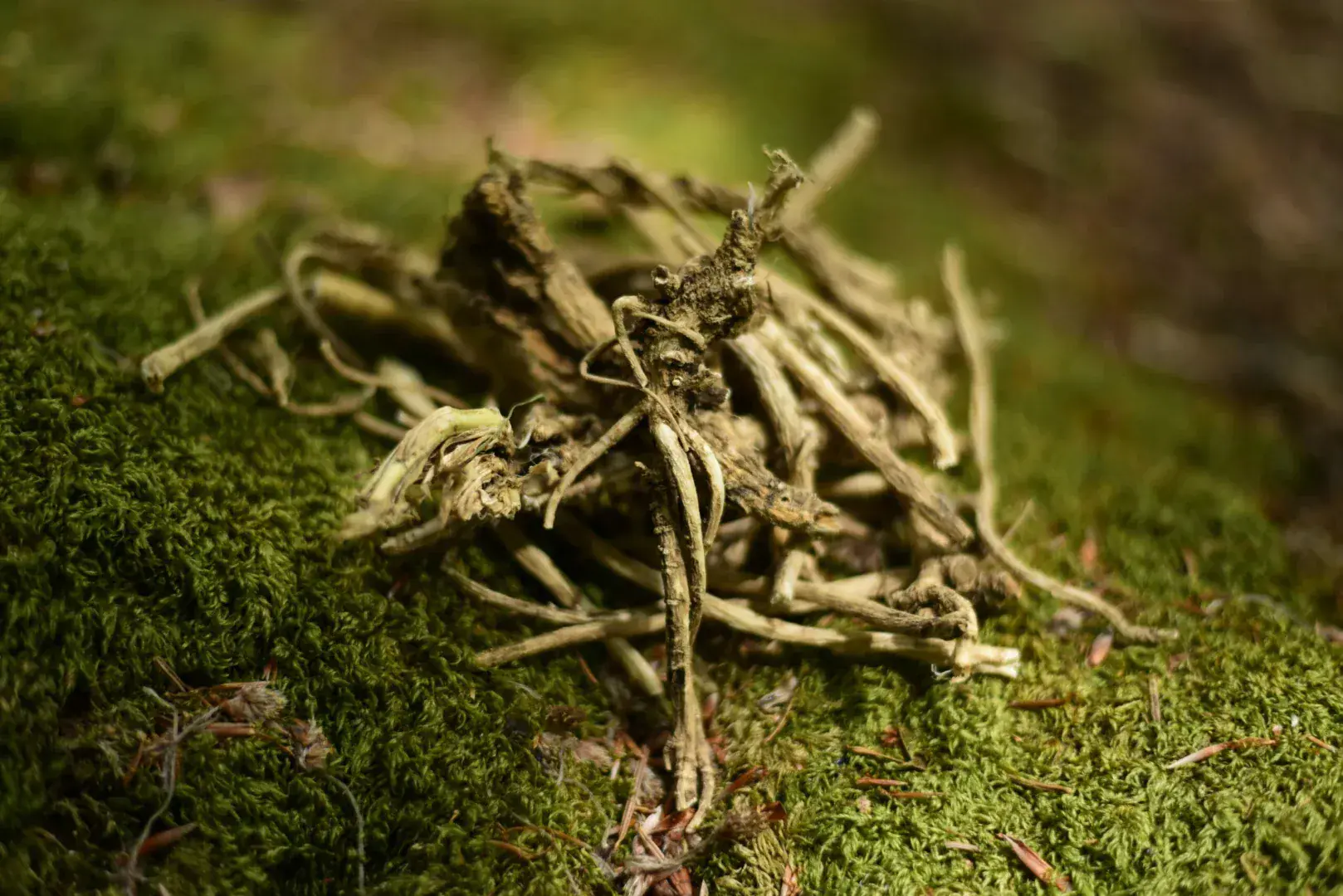
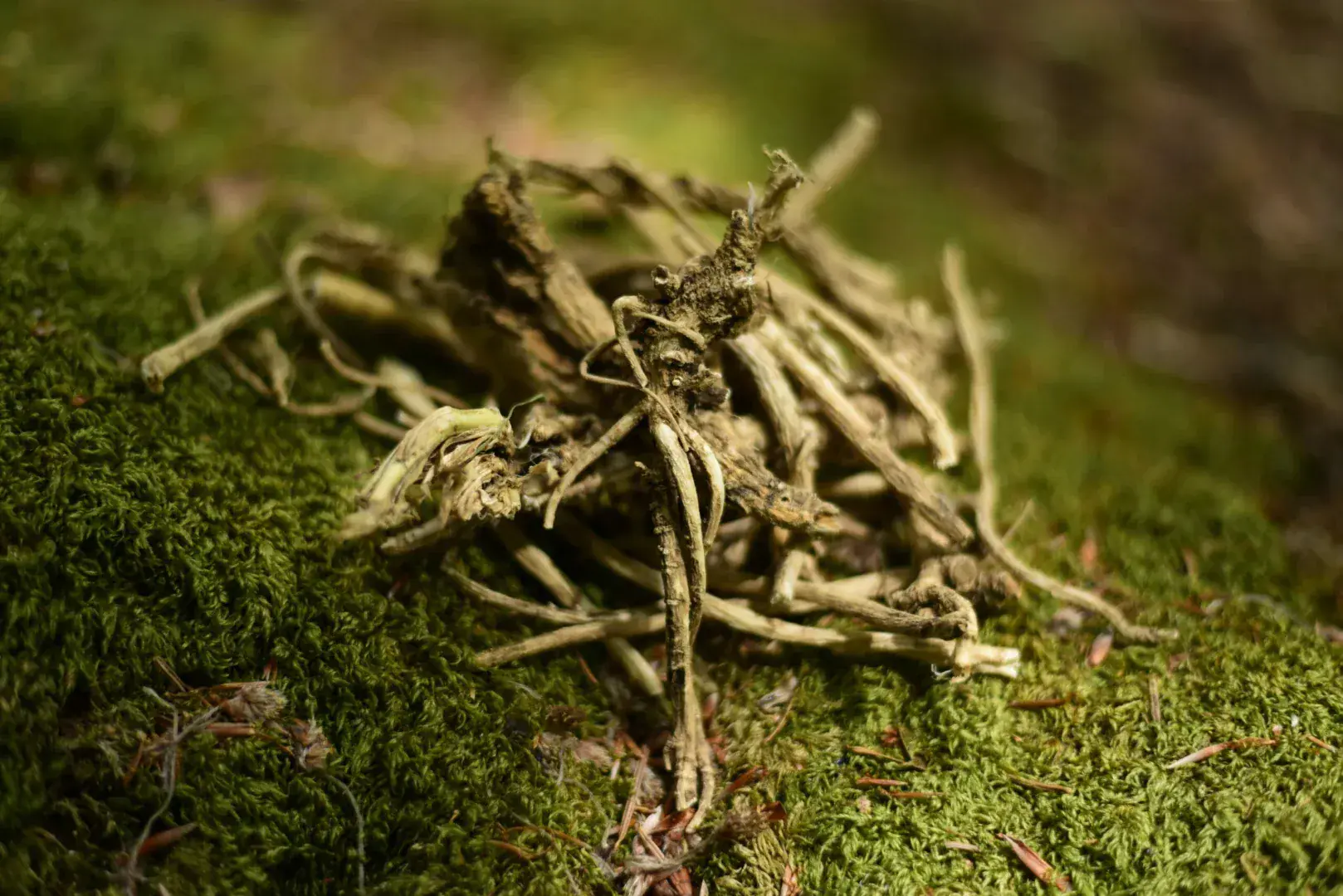
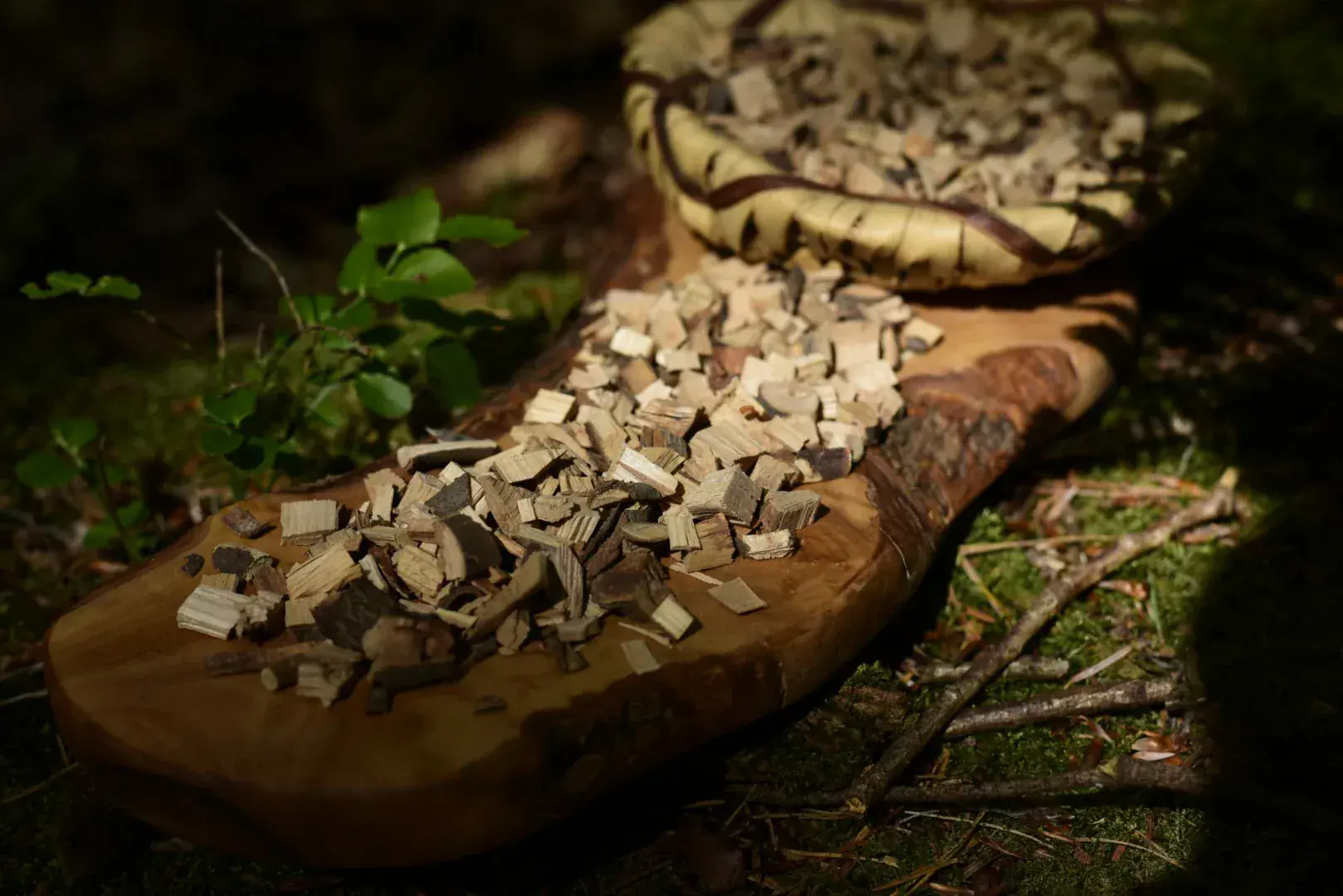
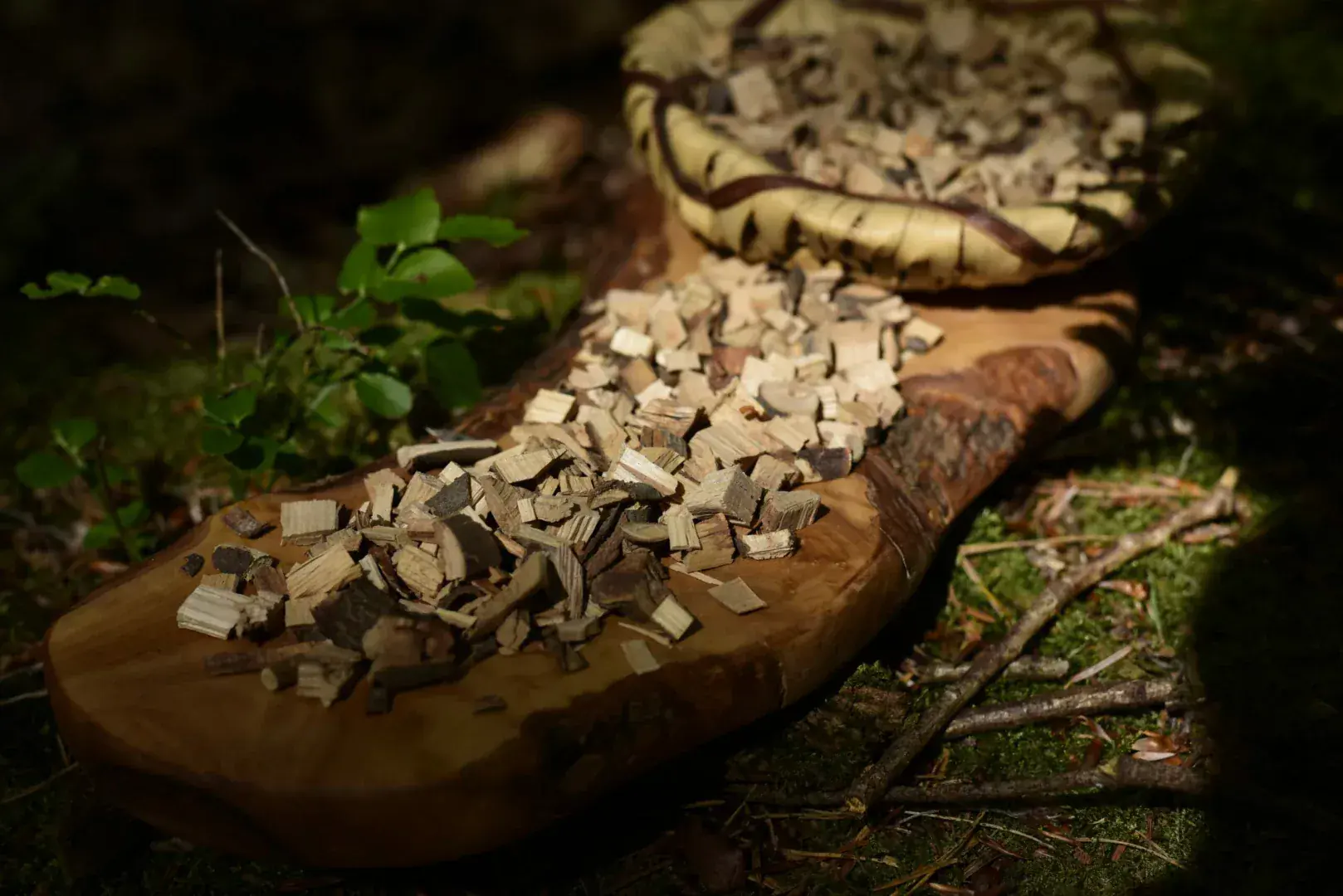
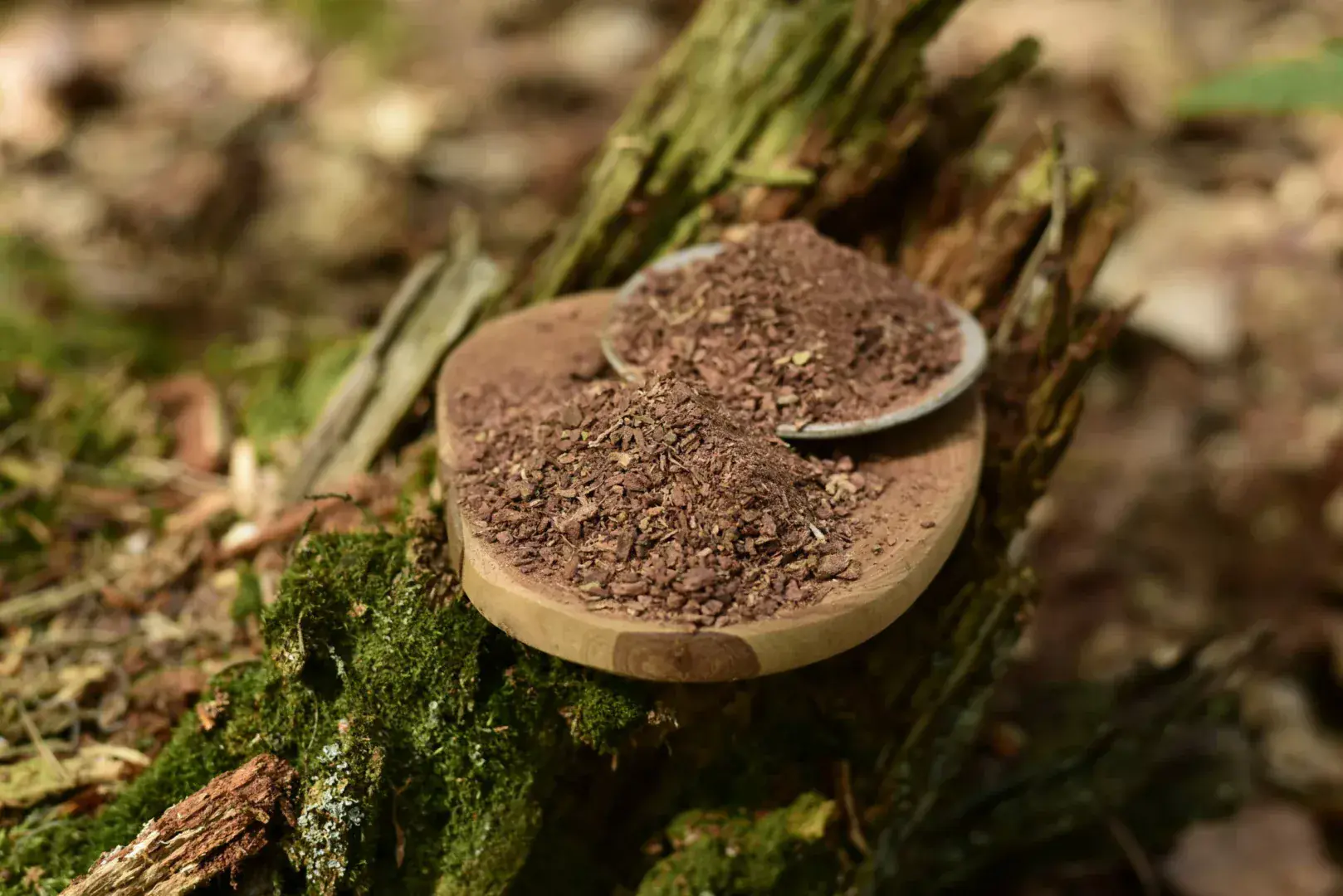
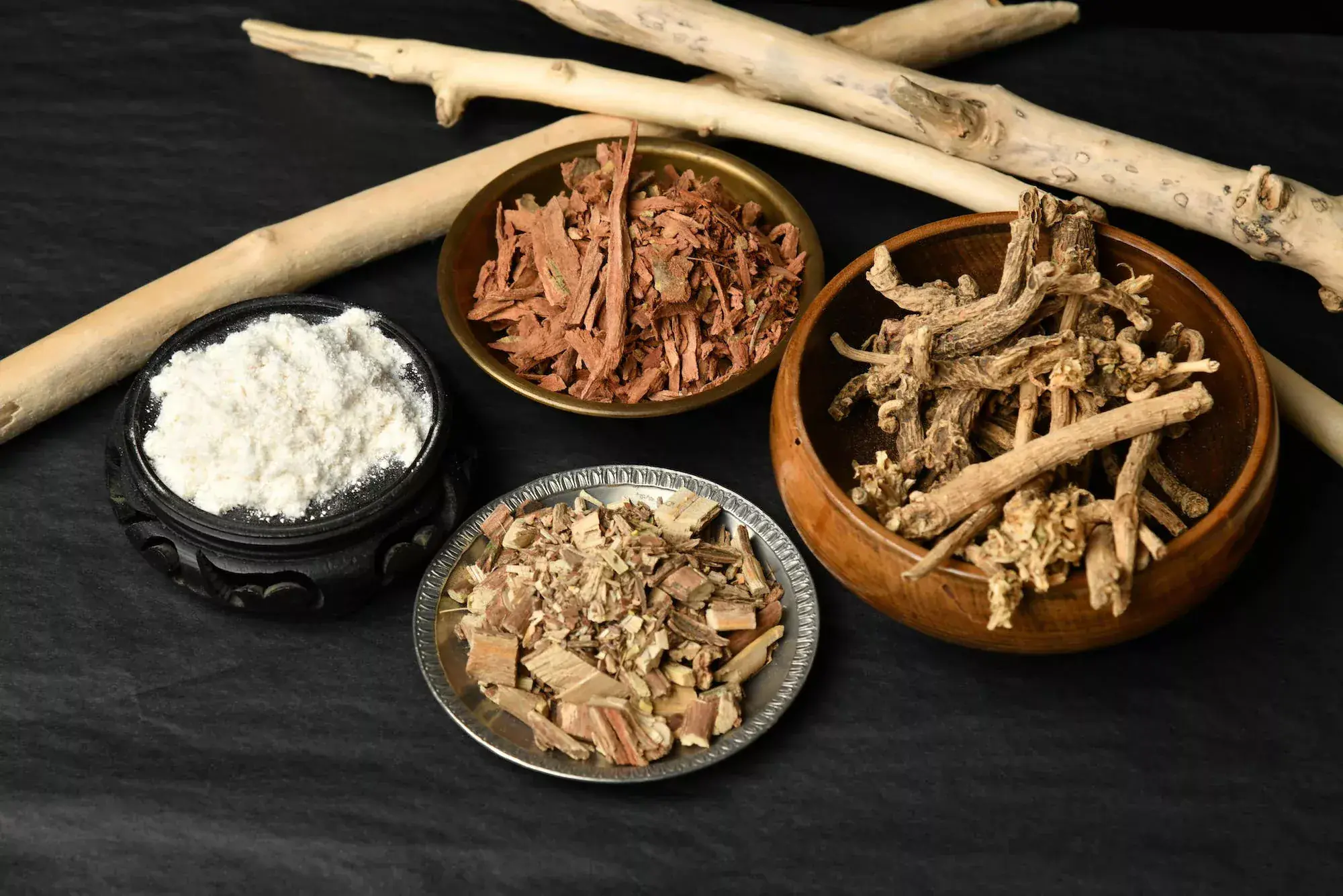
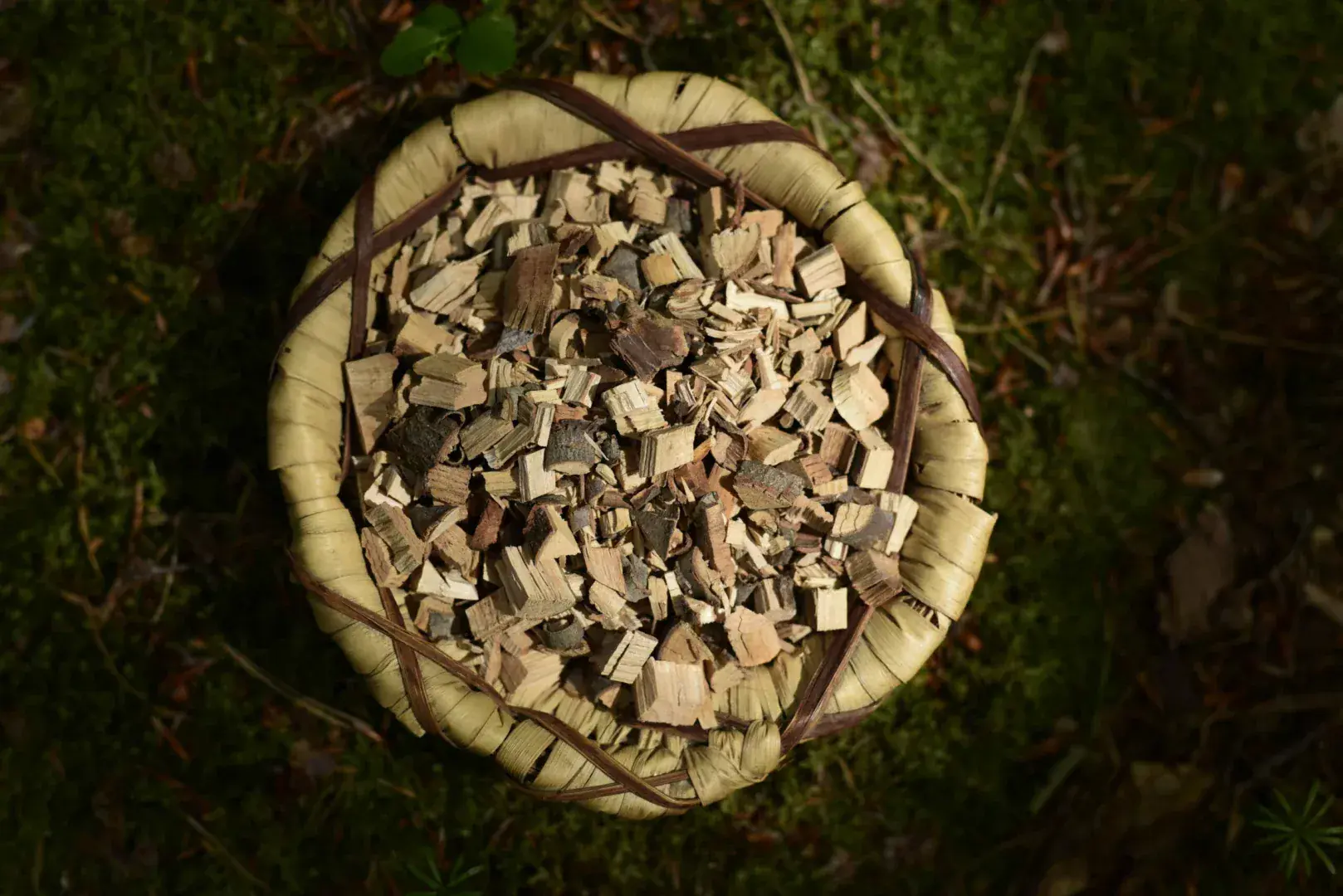
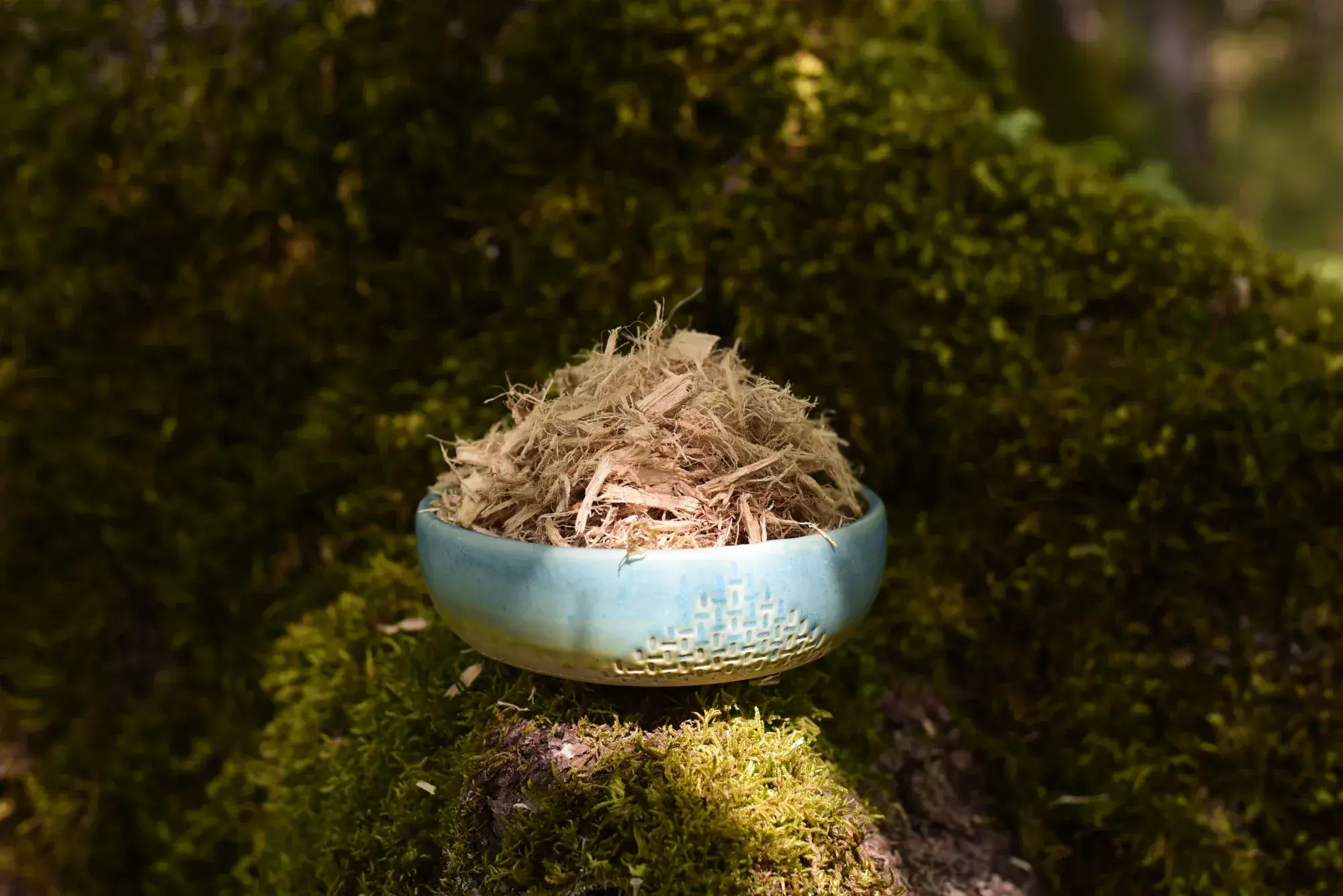
Six main plants compose this family. Each has its character, its season, its inner song. Some are roots, others bark, some leaves and stems. They are beaten in cold water until the foam rises, following the Xhosa gesture.
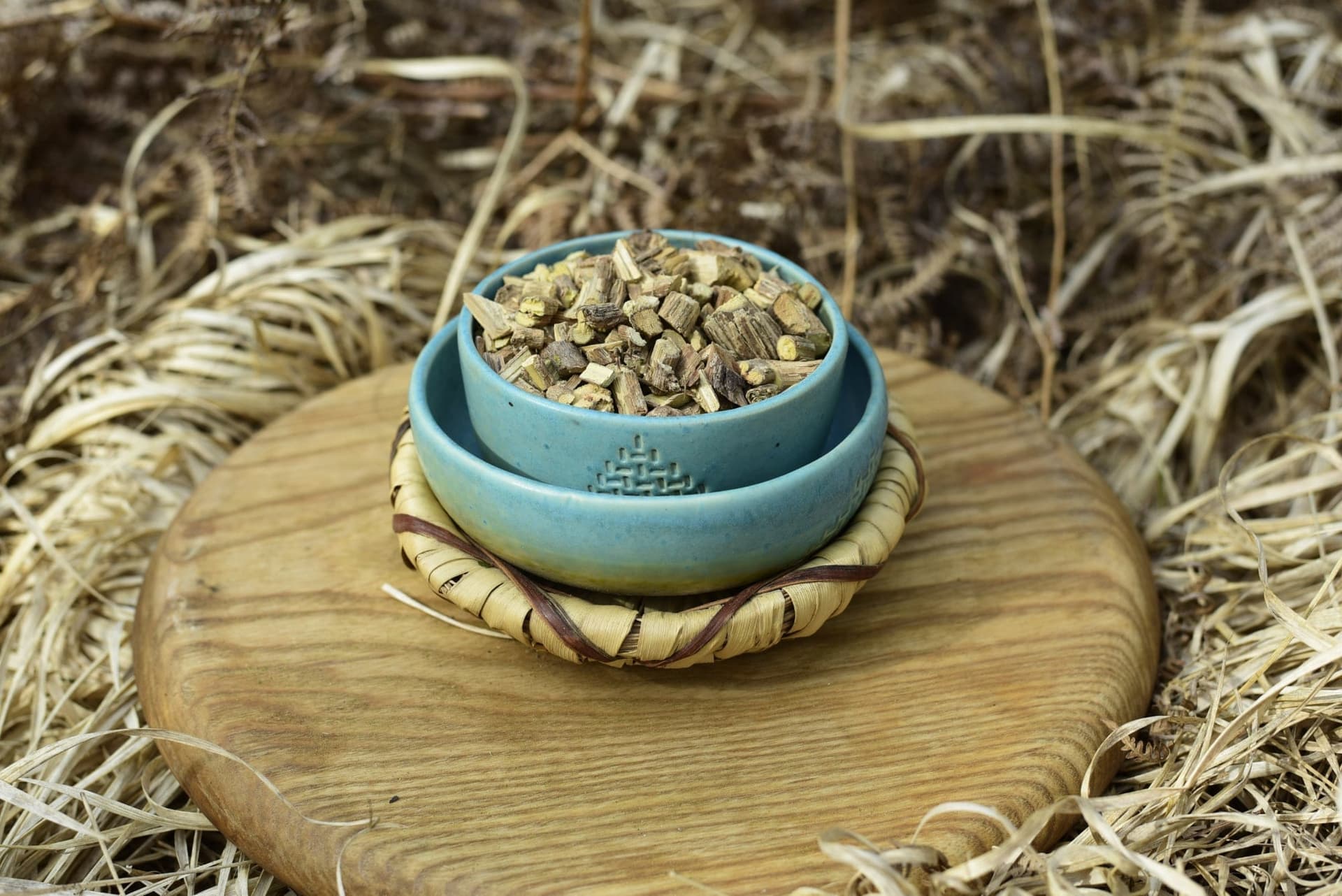
Among the Xhosa and the Zulu of South Africa, ubulawu gathers the plants of the dream: mostly roots, sometimes stems or bark, beaten in cold water with a stick until a white foam rises (Sobiecki, 2008, p. 336). The word is said to come from the Xhosa verb ukulawula, “to control”. For diviners, ubulawu casts “a white light” on the dream, ukukhanya okumhlophe: dreams grow more vivid, and you remember them when you wake (Hirst, 2005).
It is the medicine of diviners, the Xhosa amagqirha and the Zulu izangoma. It accompanies their initiation and treats intwaso, the calling illness through which the ancestors choose a future diviner (Sobiecki, 2008; 2012). Among the Nyuswa Zulu, they are sorted by colour, black, red or white, always moving from black towards white (Ngubane, 1977, p. 109).
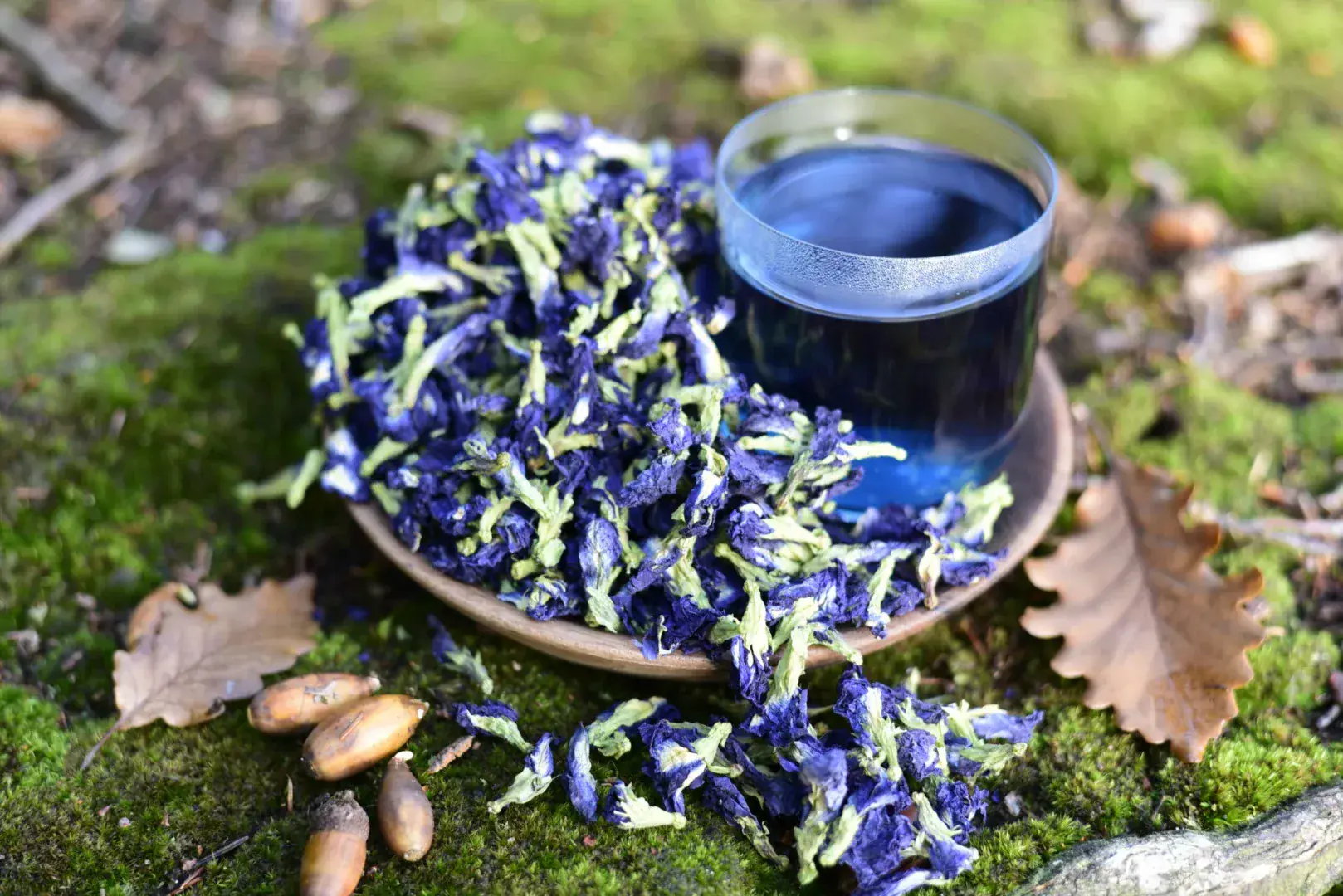
Even a water lily belongs here. Among the Xhosa, the root of uzuba is an ubulawu, too coarse to drink, kept for washing (Hirst, 2005). Zulu diviners know the flower as izibu: it is sold in the markets of Johannesburg for visions linked to the ancestors (Sobiecki, 2008, p. 345).
Silene, Uvuma and Mukanya together, or all five plants: the Ubulawu discovery pack.
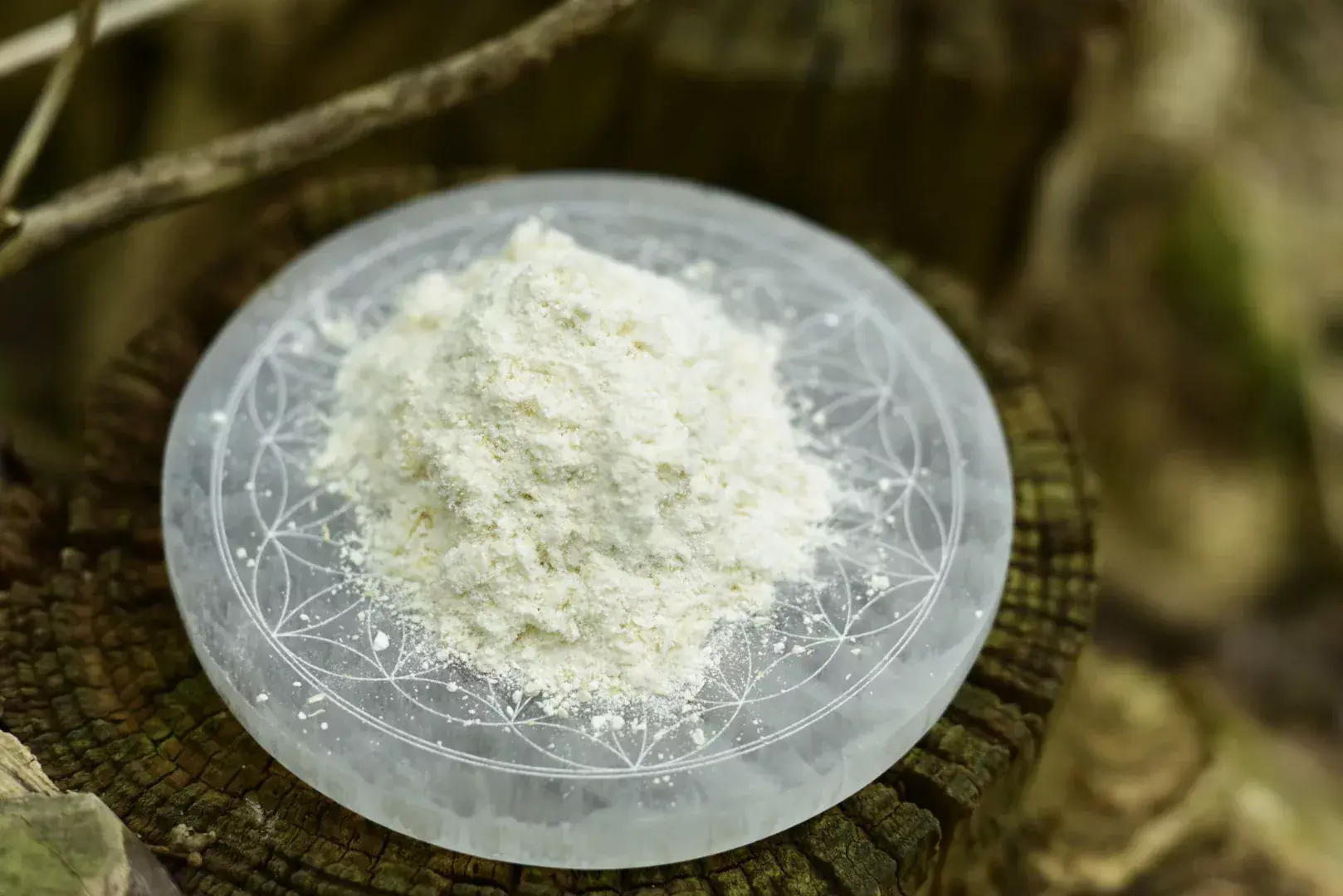
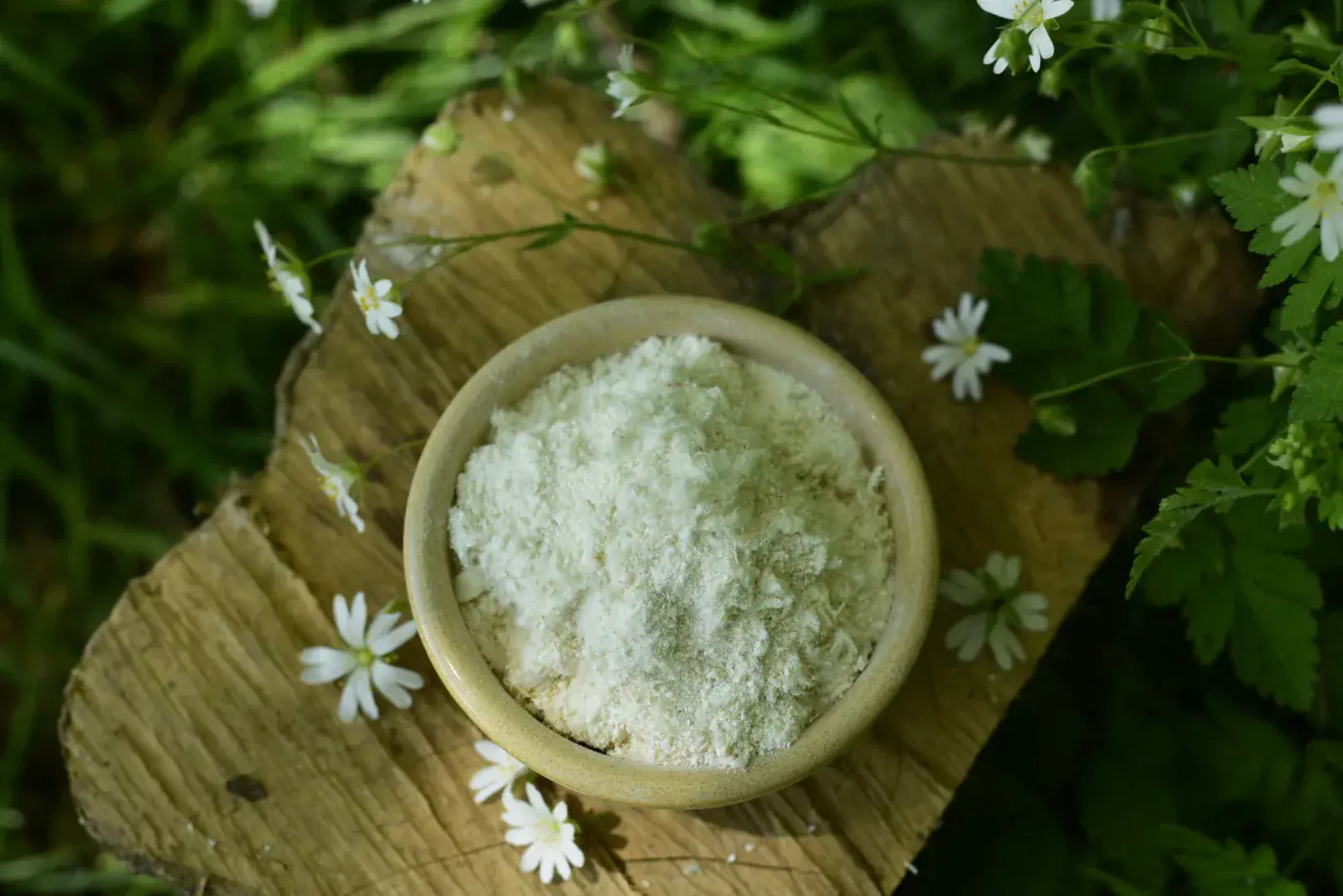
We take ubulawu over 3 to 5 nights in a row. The finely powdered root rests in cold water, then it is beaten until the white foam rises: there with a forked stick, the ixhayi (Hirst, 2005), here with a whisk or a milk frother. You drink the foam on an empty stomach, in the morning, or in the evening well after a meal, with your intention set, sometimes a precise question for the night.
The Xhosa initiate drinks until vomiting, ukugabha, and washes with the foam in the evening (Lamla, 1975, cited by Sobiecki, 2008); “the Sotho prefer to eat the froth”, Sobiecki reports (2012, p. 219). We drink the foam, without going as far as vomiting.
A journal by the bed, a few words on waking. The dream sometimes comes on the very first night, sometimes a few days after the last foam, and it can carry on for weeks. Each product page gives the amount for its plant.
For Undlela Ziimlophe, 31 reviews speak of the night: 15 more vivid dreams, 7 clearer memories of the dream, 6 lucid dreams, and 6 dreamers who noticed nothing. Uvuma has 14, half of them about dreams full of meaning, and Mukanya Kude 5.
“After just one use, I remembered four dreams in one night, including a dream within a dream where I met an entity.”
“This stuff will give you some serious symbolic dreams. A whole story line.”
No clinical trial has studied ubulawu. Hirst himself had “very vivid dreams”, and for him the mechanism remains “an enigma” (Hirst, 2005). Sobiecki, with a red and then a white ubulawu, did not dream more: he describes calm and clarity (2012, p. 220).
Among the Xhosa, only the diviner initiated at the river can recognise Silene, gather it and use it; it is never found with the herbalist (Hirst, 2005). The formulas of initiation ubulawu are kept secret, from outsiders and from junior initiates alike (Sobiecki, 2012, p. 222). Our plants are received at home, beside this living tradition, and none of our packs presents itself as “the traditional recipe”.
Every dream plant, one by one: our guide to the best herbs for lucid dreaming.
Among the Xhosa and the Zulu of South Africa, dream plants, mostly roots, beaten in cold water until a white foam rises. The word is said to come from ukulawula, “to control”. Diviners drink it during their initiation: it makes dreams more vivid and easier to remember (Hirst, 2005).
Silene capensis (accepted name: Silene undulata), undlela ziimlophe in Xhosa, “the white paths”: our Undlela Ziimlophe. In the plural, “African dream roots” often names the whole ubulawu family.
The finely powdered root in cold water, a resting time, then beaten with a whisk or a milk frother until a thick white foam forms. You drink the foam on an empty stomach. Each product page gives the amount for its plant.
3 to 5 nights in a row. Among the Xhosa, novices drink Silene for three days at the full moon (Hirst, 2005). The dream sometimes comes on the very first night, sometimes a few days after the last foam: the journal keeps the trace.
Two plants from different botanical families. Silene (Undlela Ziimlophe) is the root of the white paths, drunk at the initiation of Xhosa diviners; among our dreamers, it gathers the most lucid dreams. Uvuma (Synaptolepis kirkii) is used as an emetic and a wash to help diviners “see”; our dreamers link it to dreams full of meaning.
For Mrs Maponya, a diviner, anyone can use it to reach their ancestors, and only some receive the gift of healing: “the plants give you what you are” (Sobiecki, 2012, p. 219). Initiation belongs to diviners and their teachers. Our plants are received at home, with respect.
Ubulawu causes vomiting in high doses. People outside the tradition, taking capsules at high doses, had disturbing dreams (Sobiecki, 2012, p. 221); the tradition works with foam and small amounts. Pregnancy and breastfeeding: abstain. If you take any treatment or live with a psychiatric condition: ask a doctor before any plant.
It is sold freely in France and in the European Union. Outside the EU, each country has its own law: check yours before you order.
Three gestures from the preparation tradition:
First, one Ubulawu to begin with: this is how you learn each plant's signature.
Then, three to five nights in a row: the dream opens night after night.
Finally, a journal by the bed. A dream that returns has its motifs, and noting them night after night makes them legible.
Voiced essays that extend these plants — traditions, gestures, lineages.