Out of stock
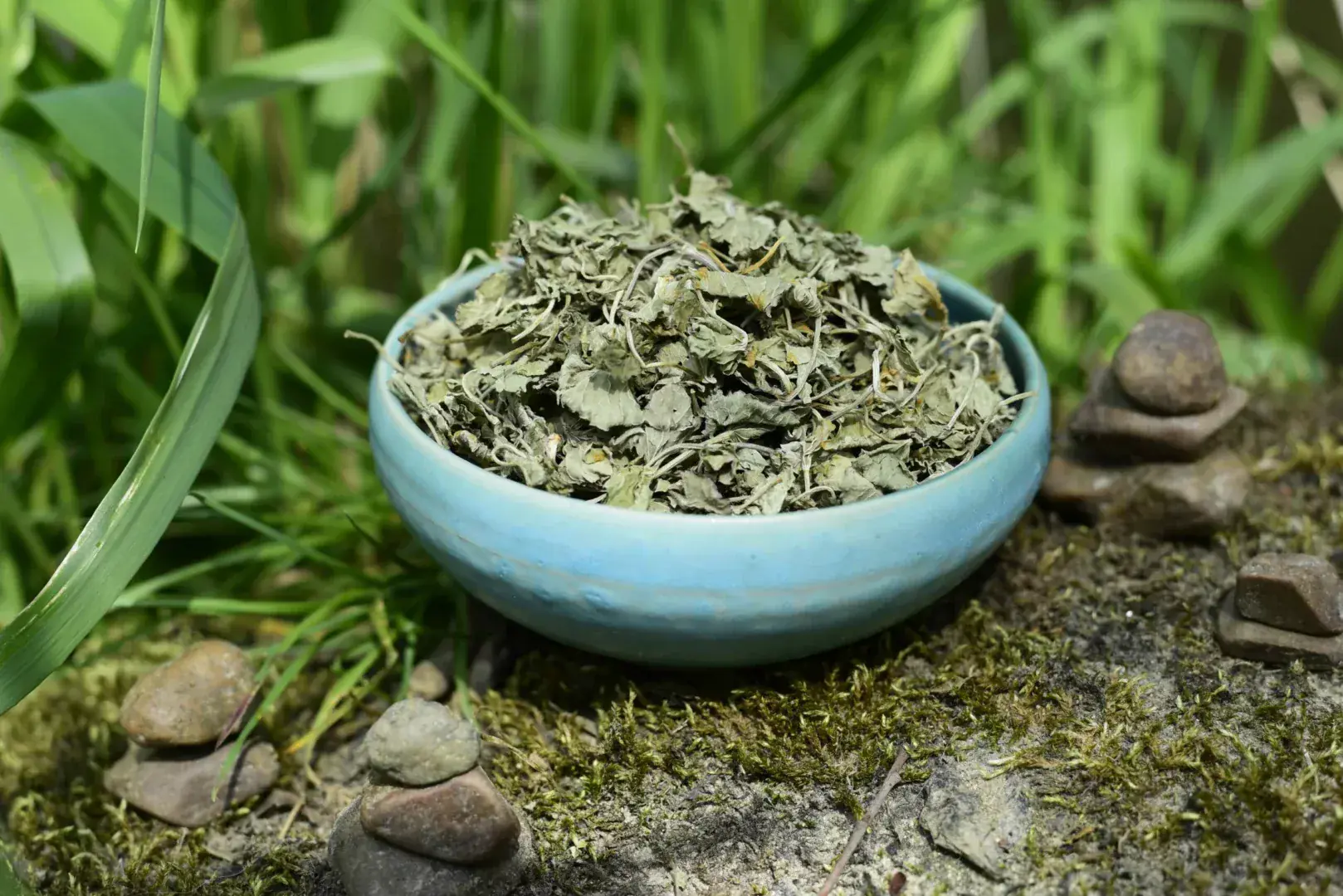
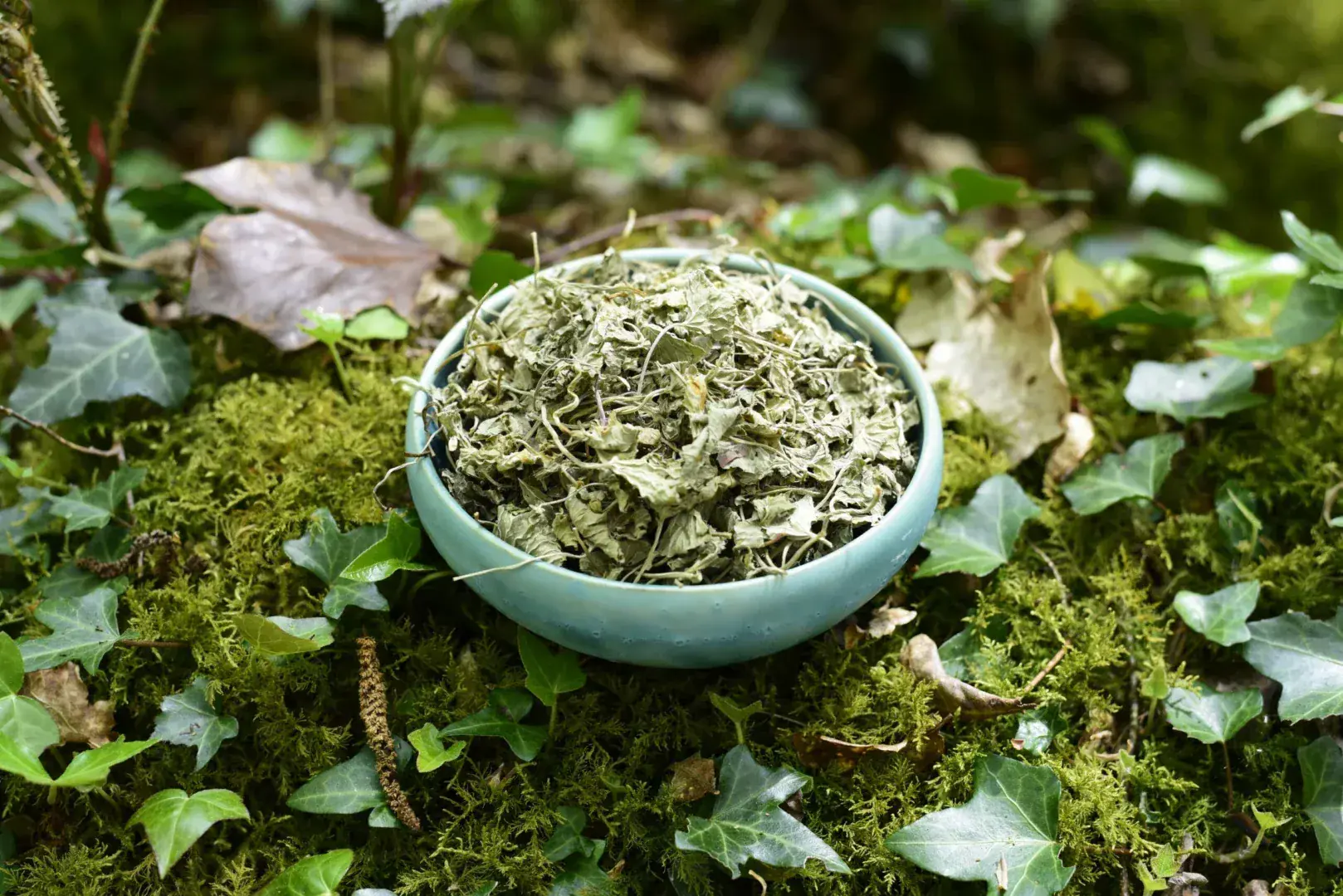
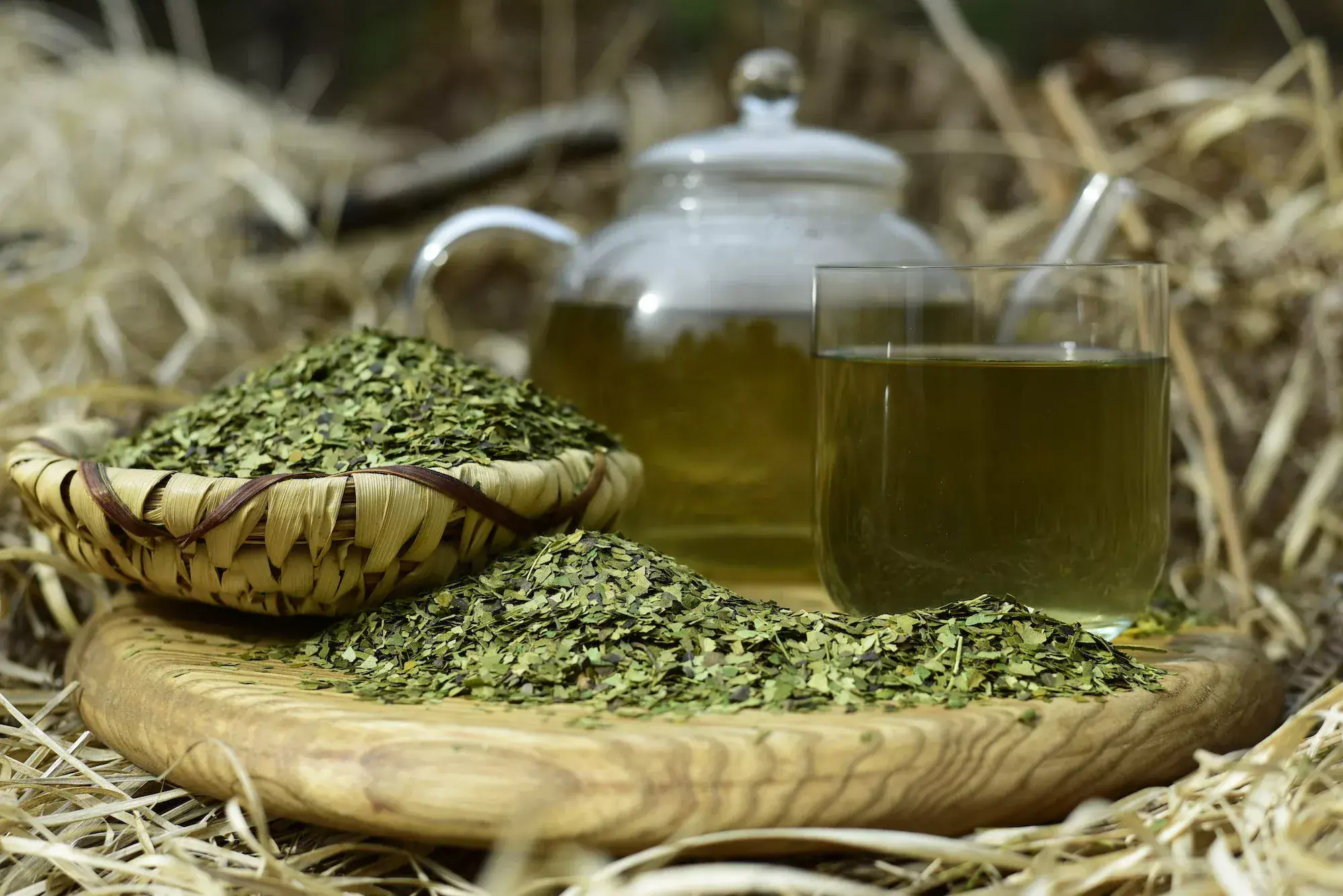
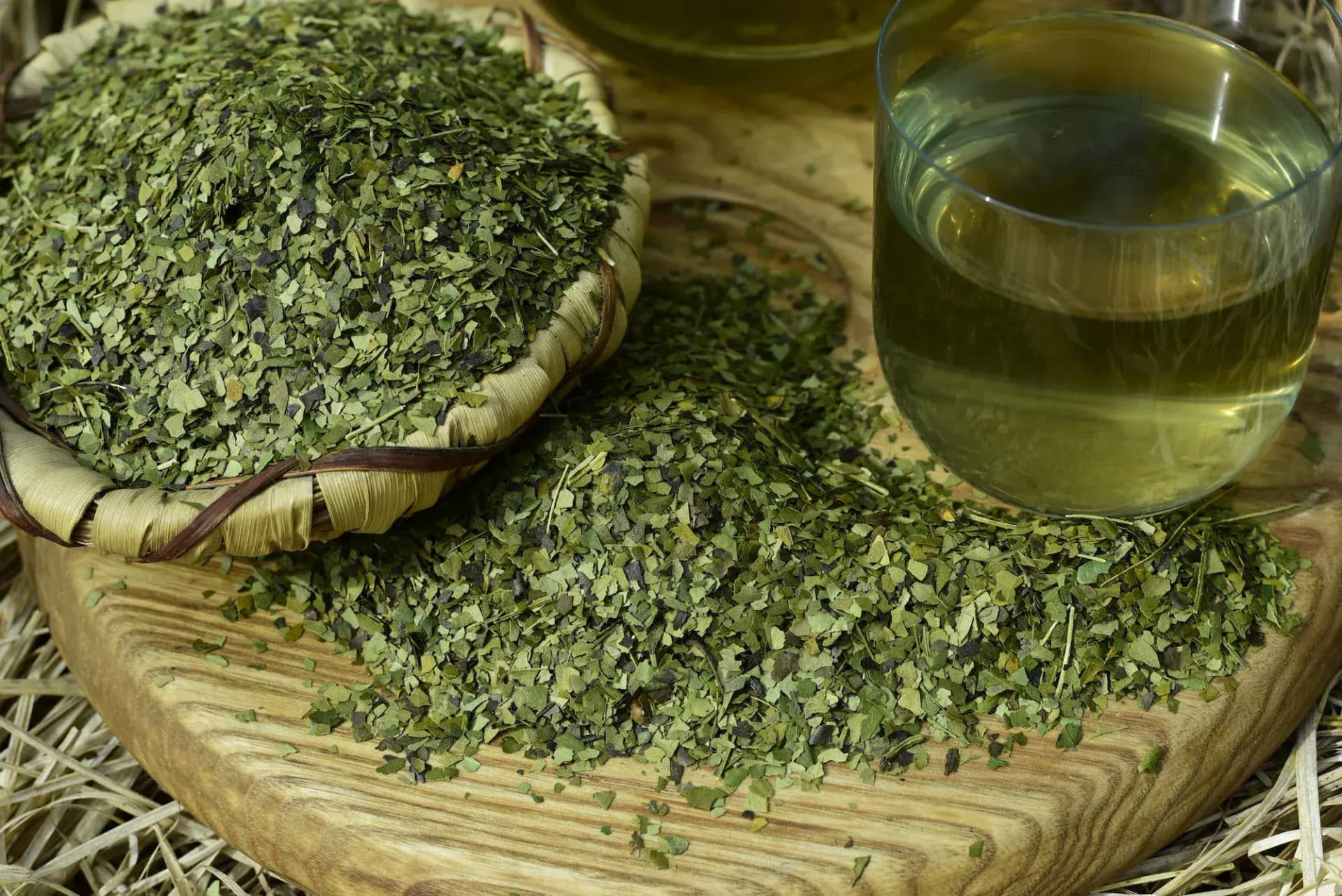
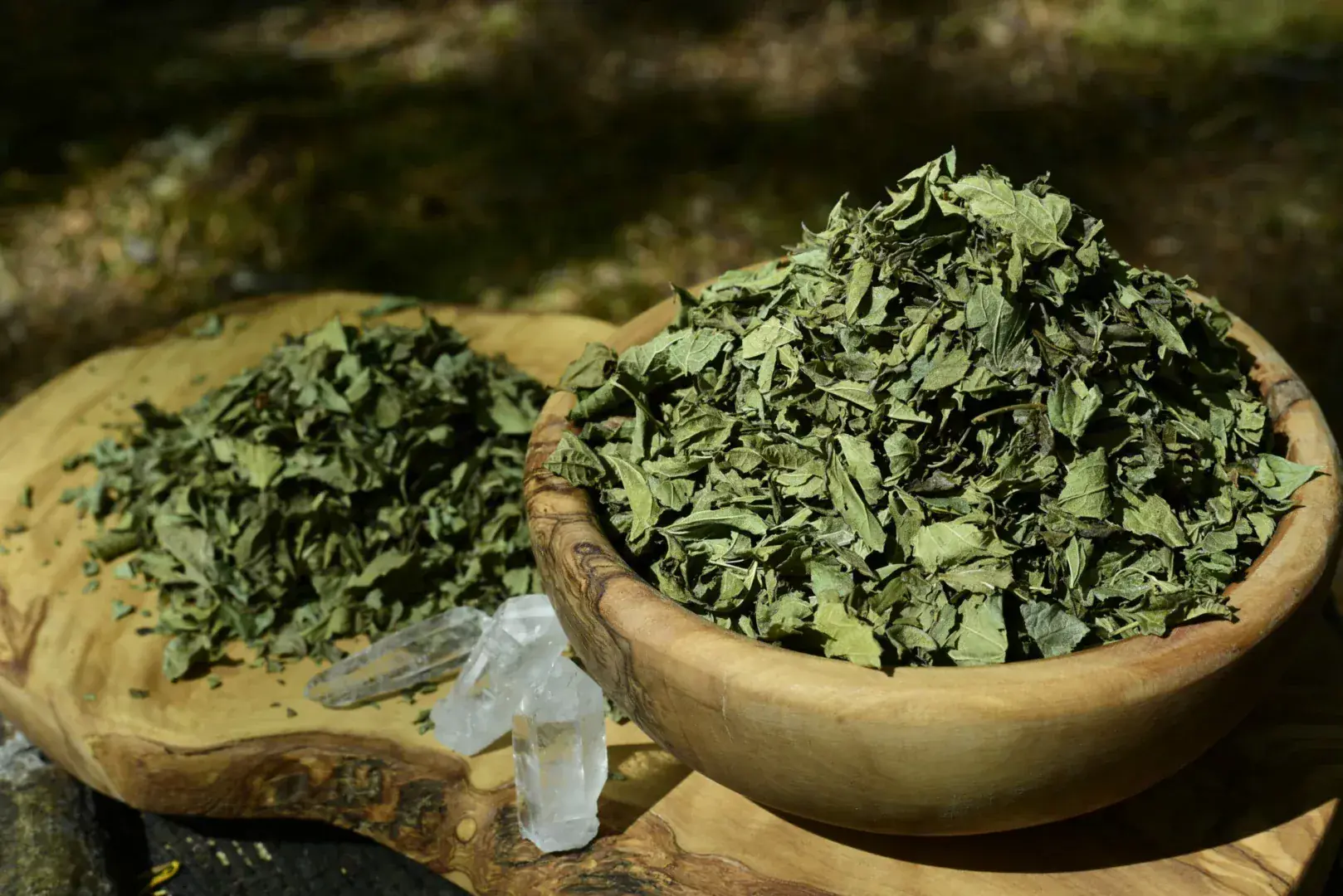
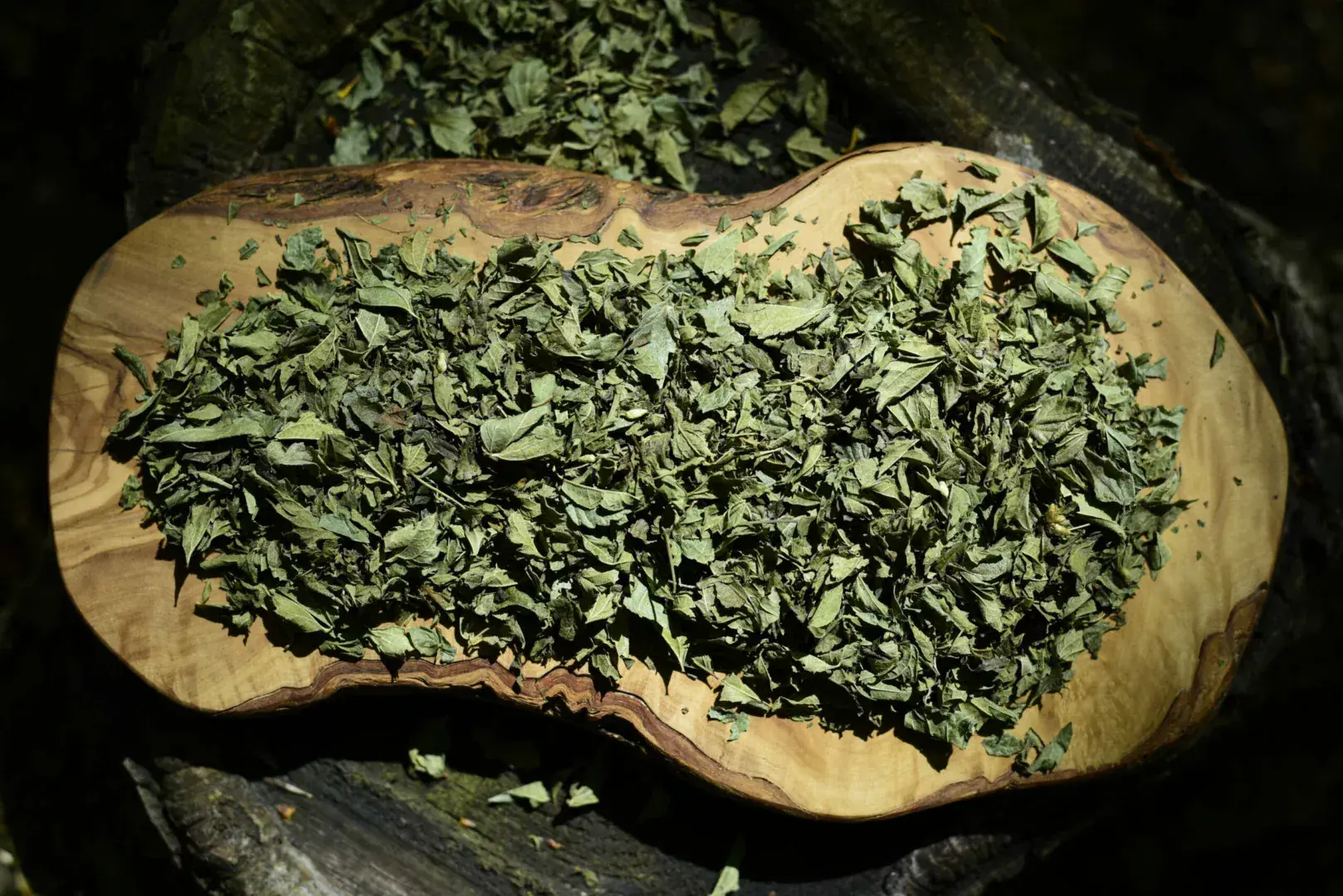
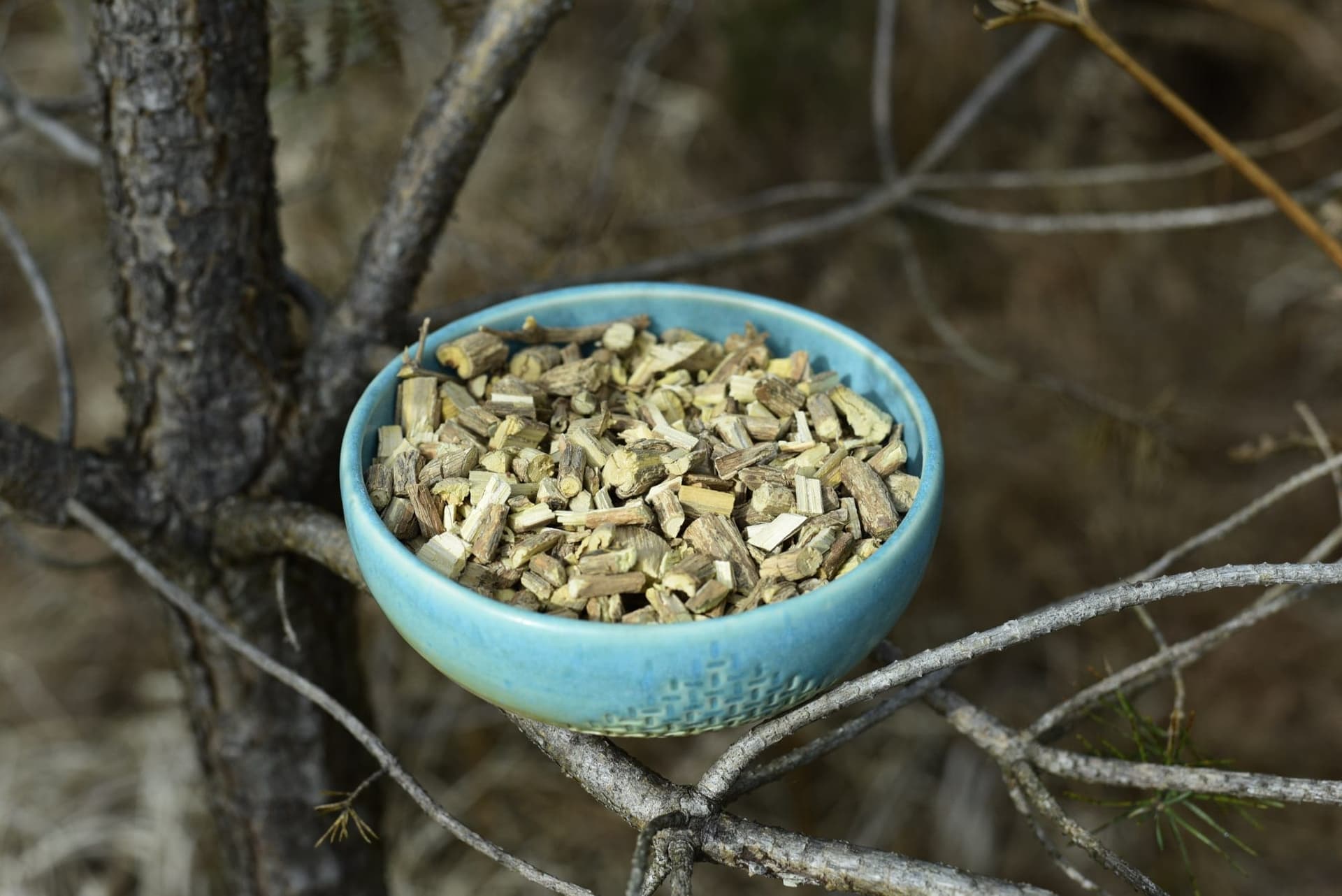
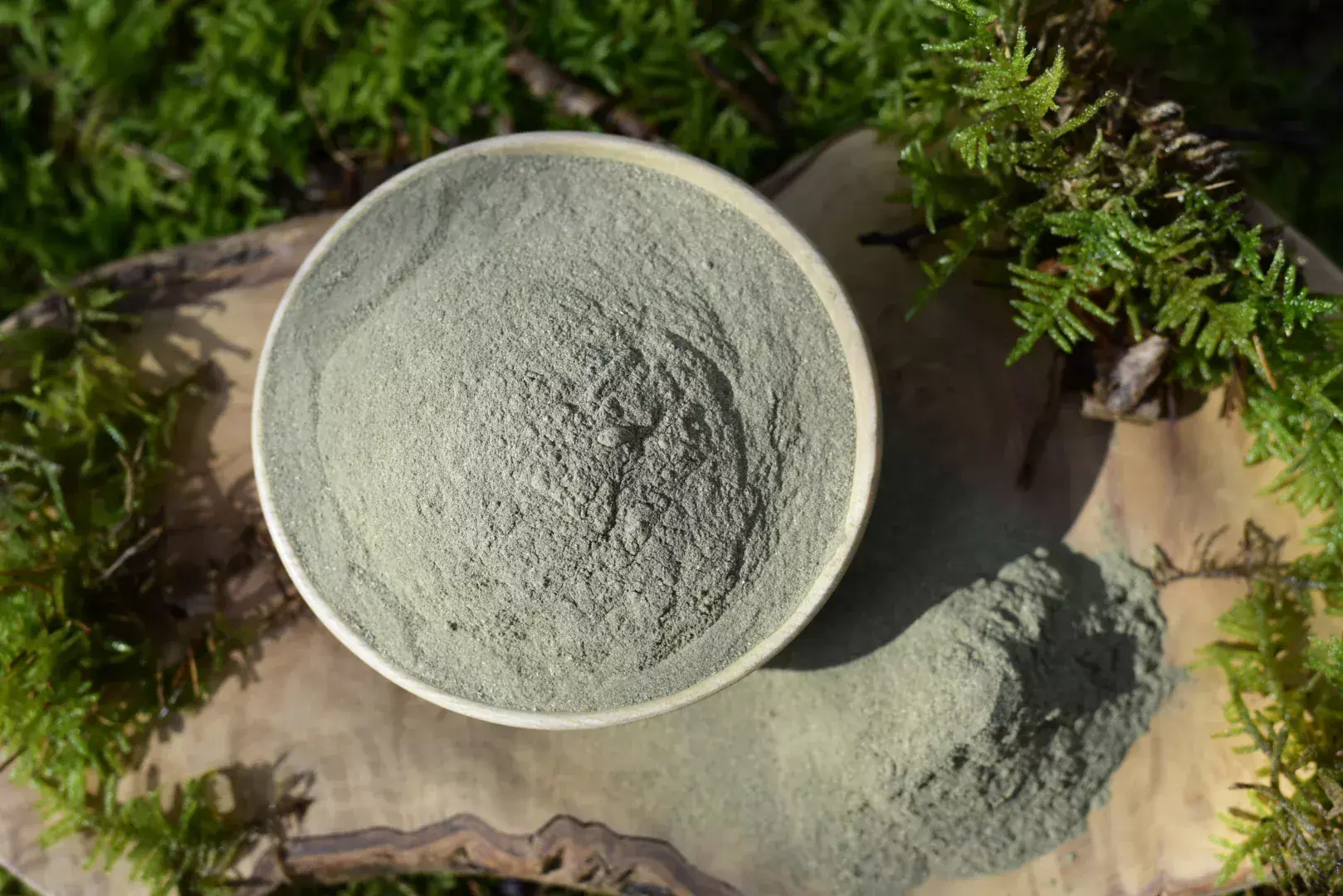
Brahmi
★4.9· 16 reviews
€8.88
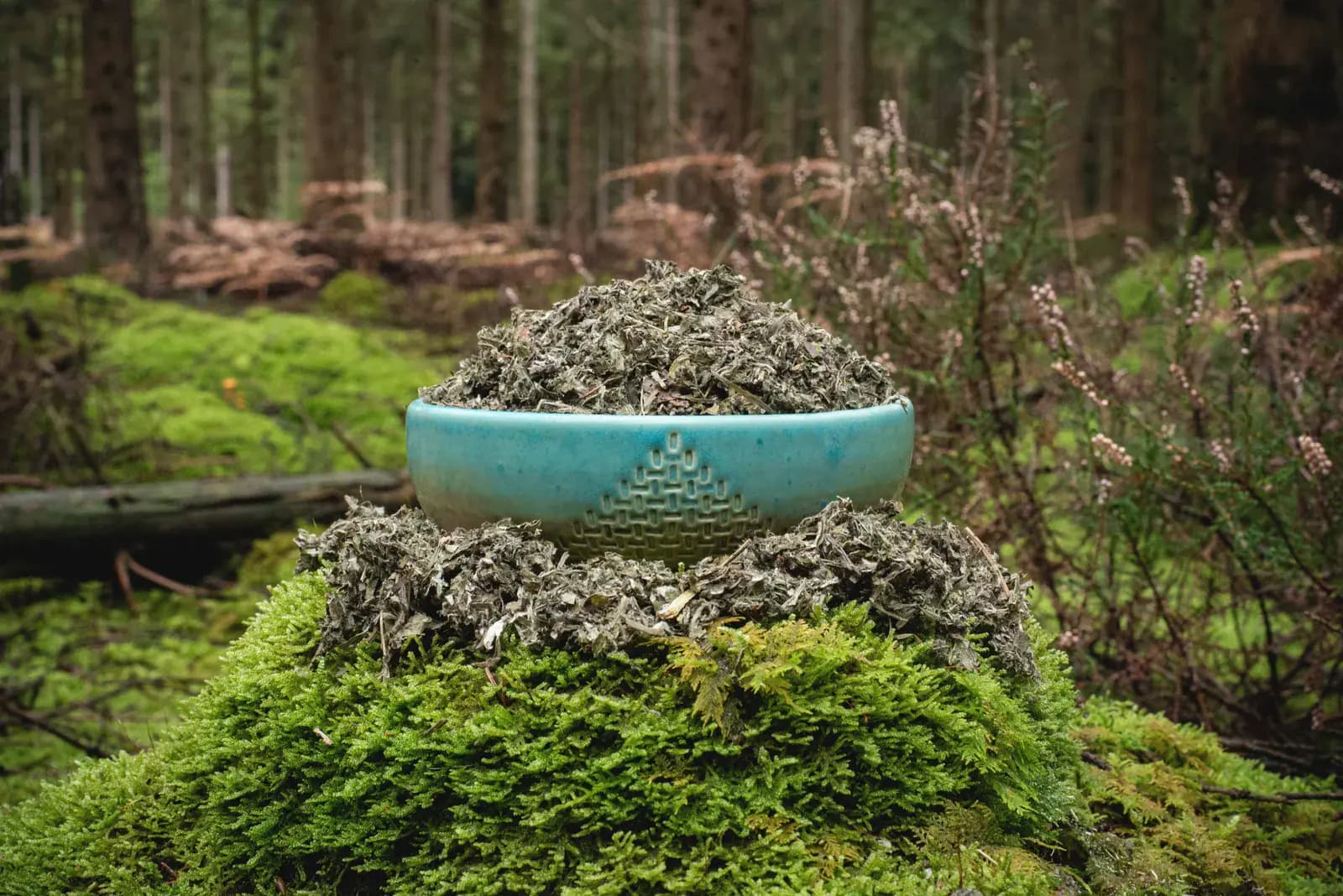
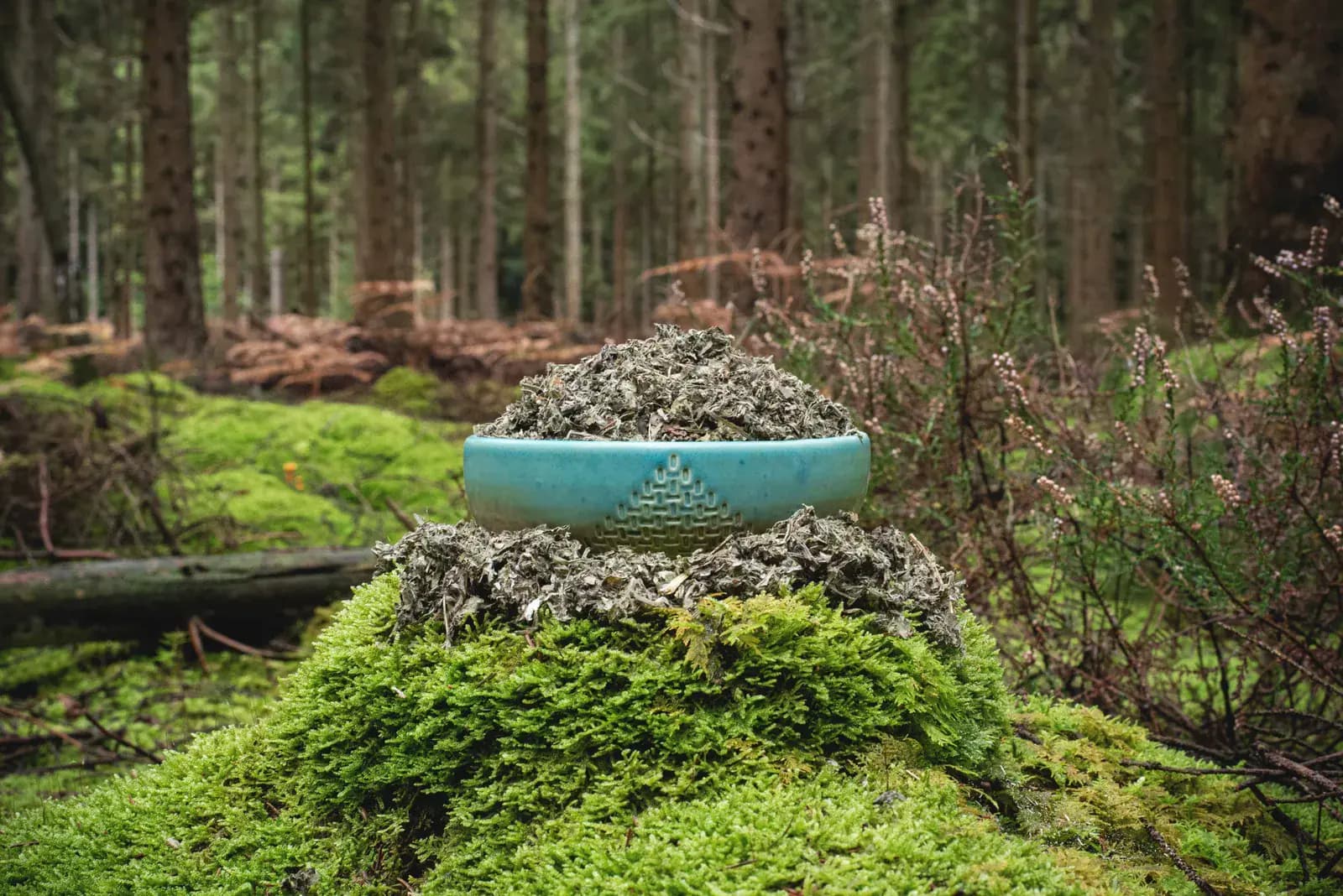
Eight plants to remember your dreams and dream clearly. Calea, guayusa, Brahmi, Aparajita.
Lucidity in dreams is prepared. It is a quality of attention cultivated by day that carries on into the night. These eight plants prepare the ground: a memory that holds, a consciousness that stays settled while the body sleeps.
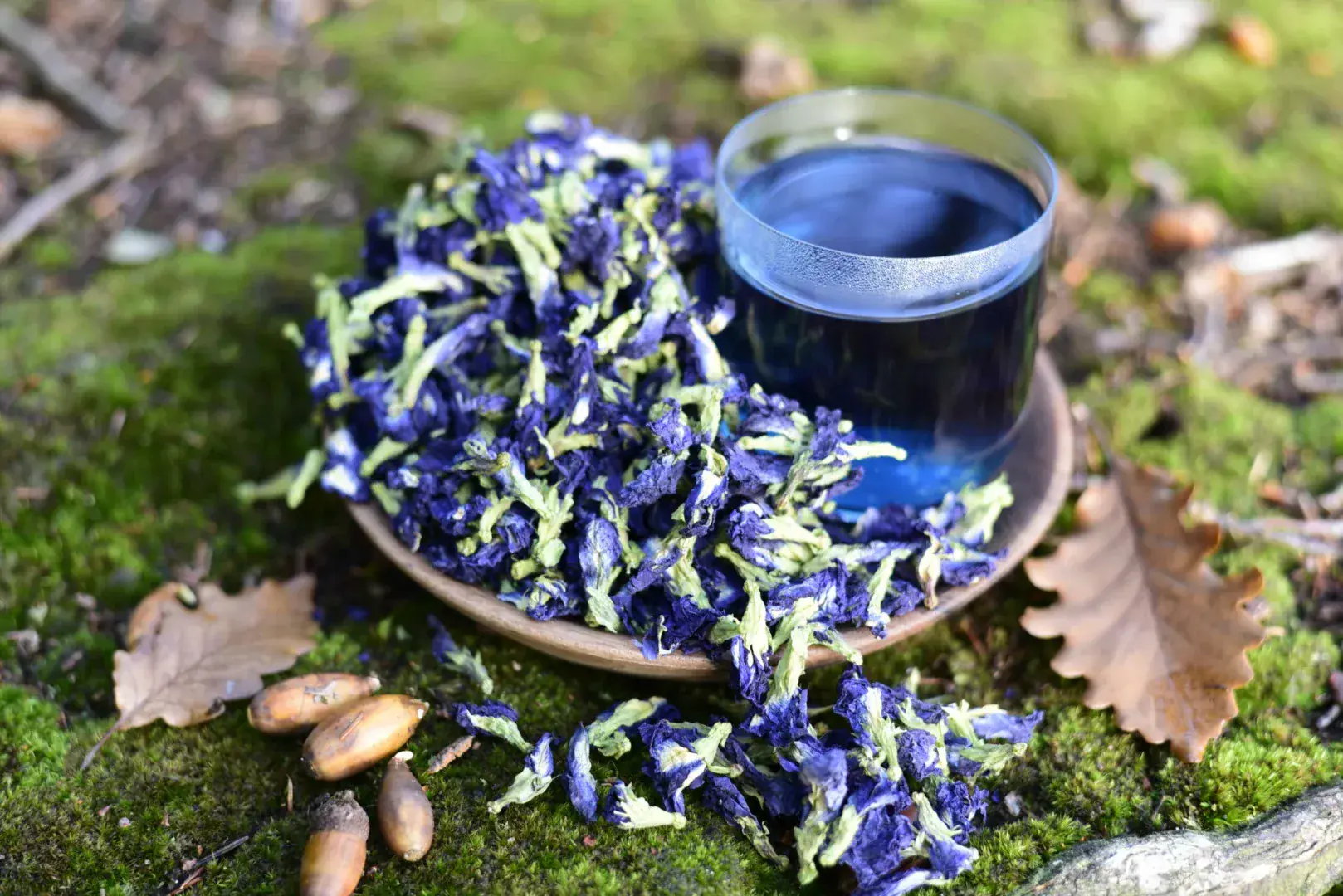
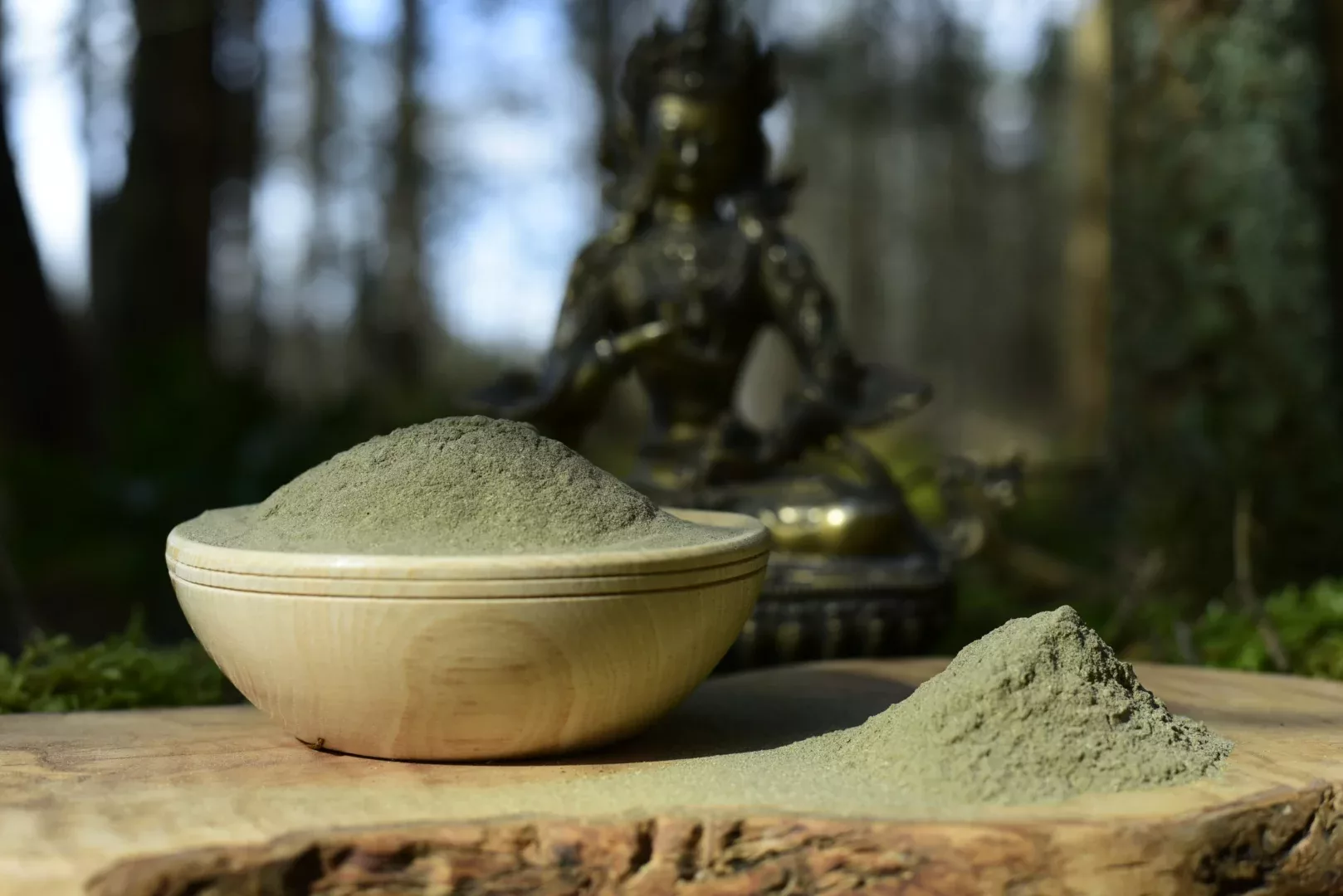
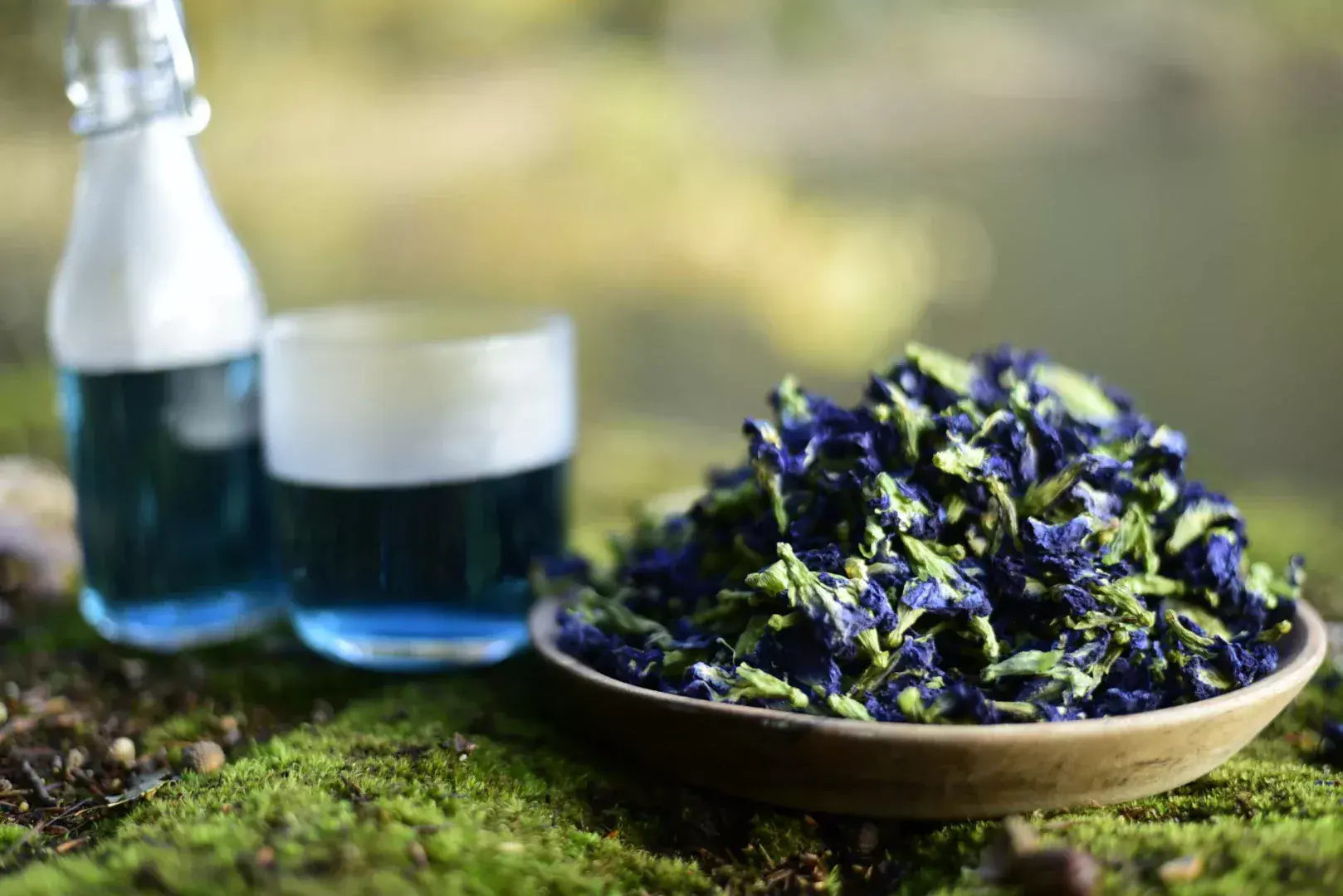
Brahmi (Bacopa monnieri) and Gotu Kola (Centella asiatica) have been used in Ayurveda for centuries for memory and mental clarity. Aparajita (Clitoria ternatea), the flower of Durga, belongs to the medhya, the medicines of clear memory.
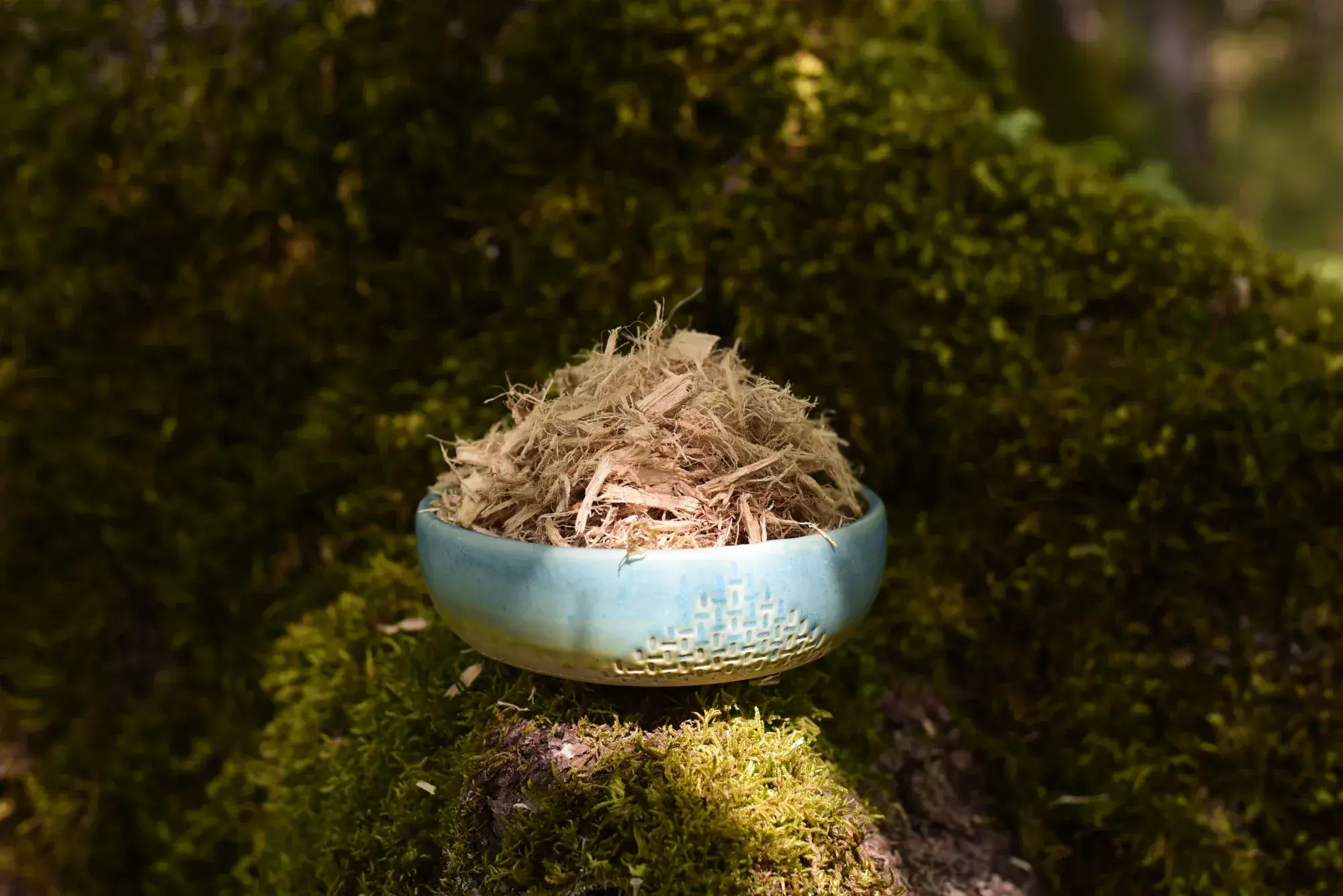
In many traditions, a dream matters because it is kept and told. Among the Kichwa of the Amazon, the wayusa upina begins before dawn: guayusa is drunk around the fire, and the dreams of the night are interpreted together (Espinosa Andrade & Vásquez-Castillo, 2026). We know her for a lucidity that reaches into dreams: memorable dreams, easier awakenings.
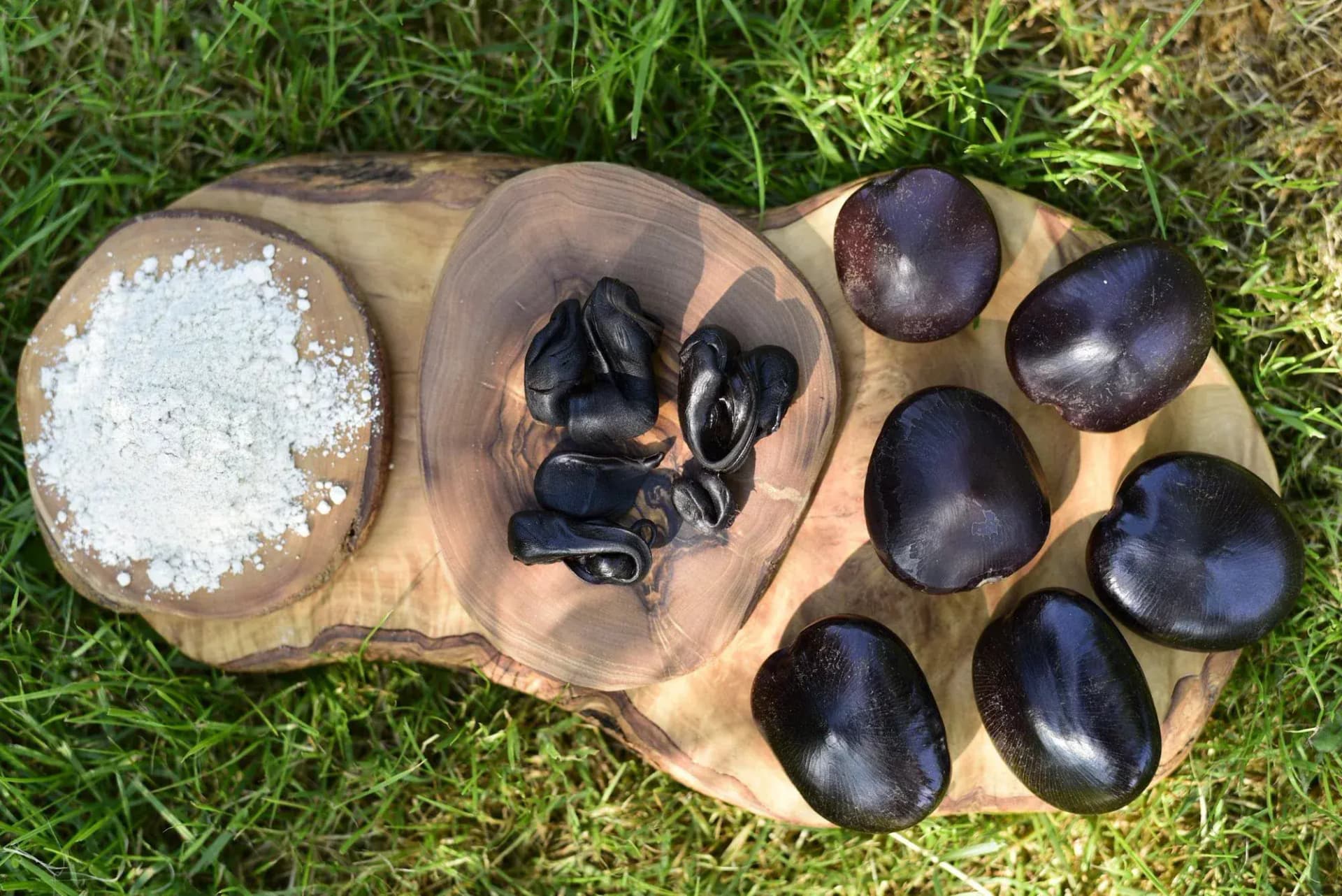
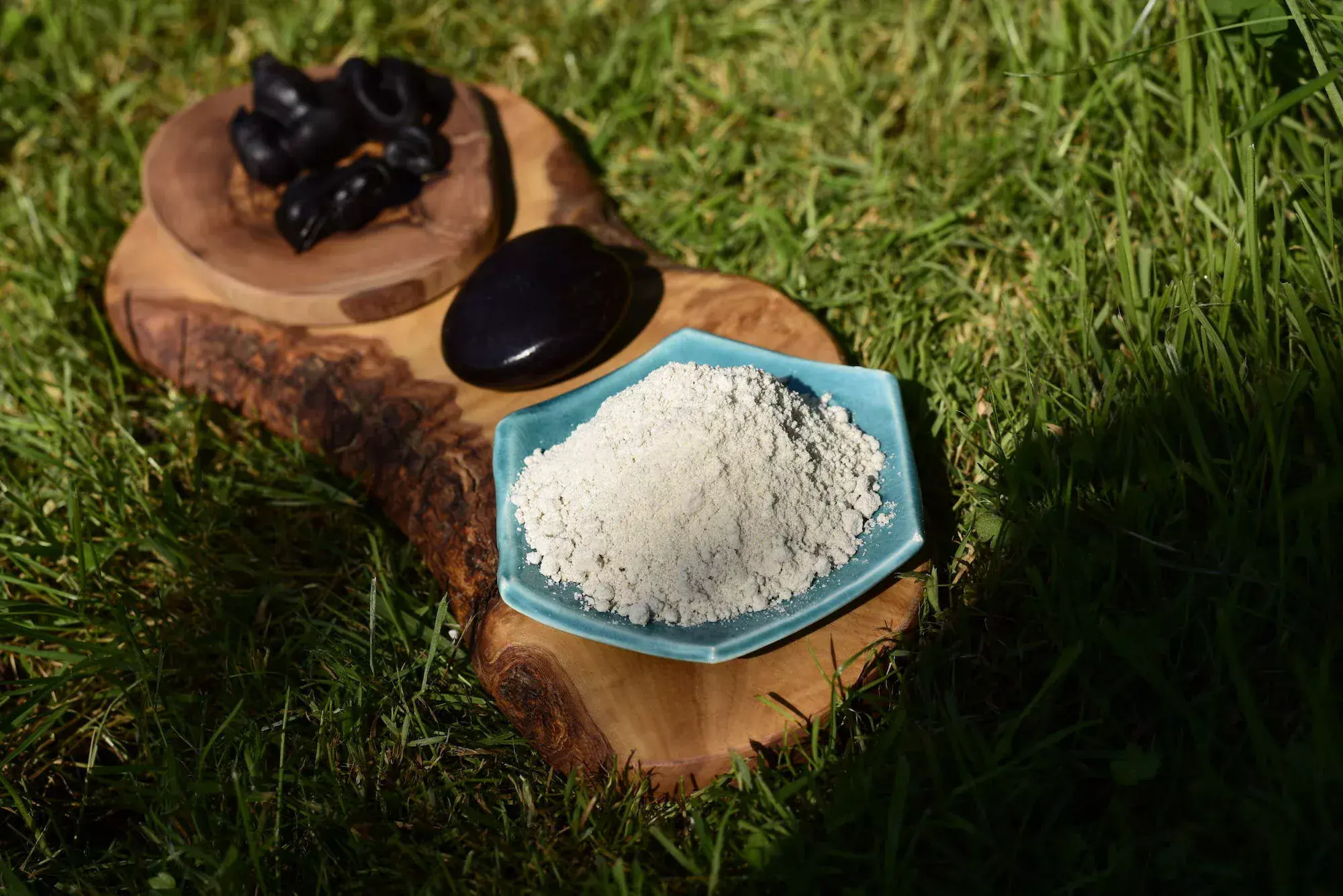
Of all our plants, Calea is the one our dreamers link most often to dream recall. In South Africa, diviners used the seed of Entada, the African dream bean, to remember their dreams (Sobiecki, 2008).
“insightful dreams, lots of colour and symbols, amazing dream recall.”
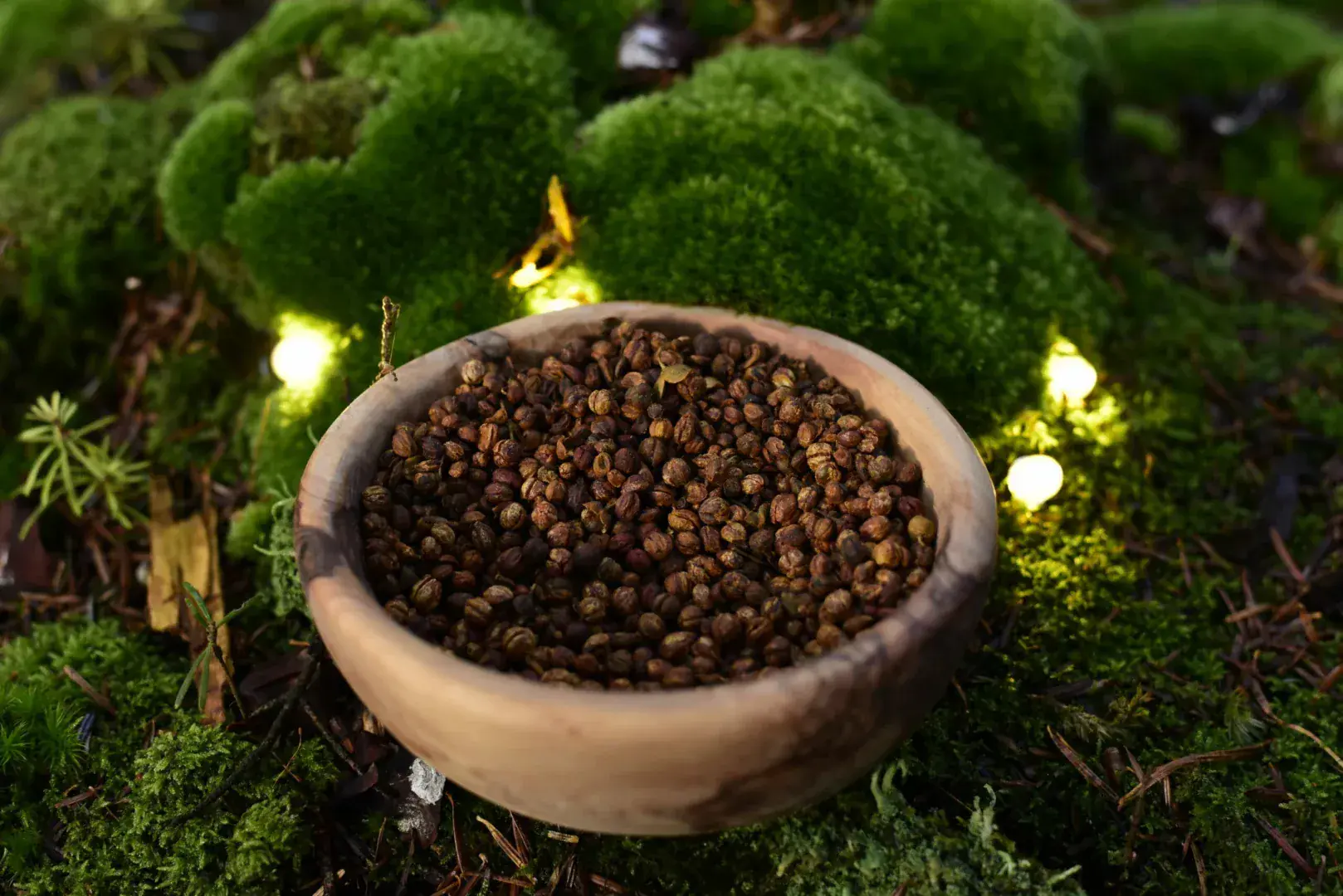
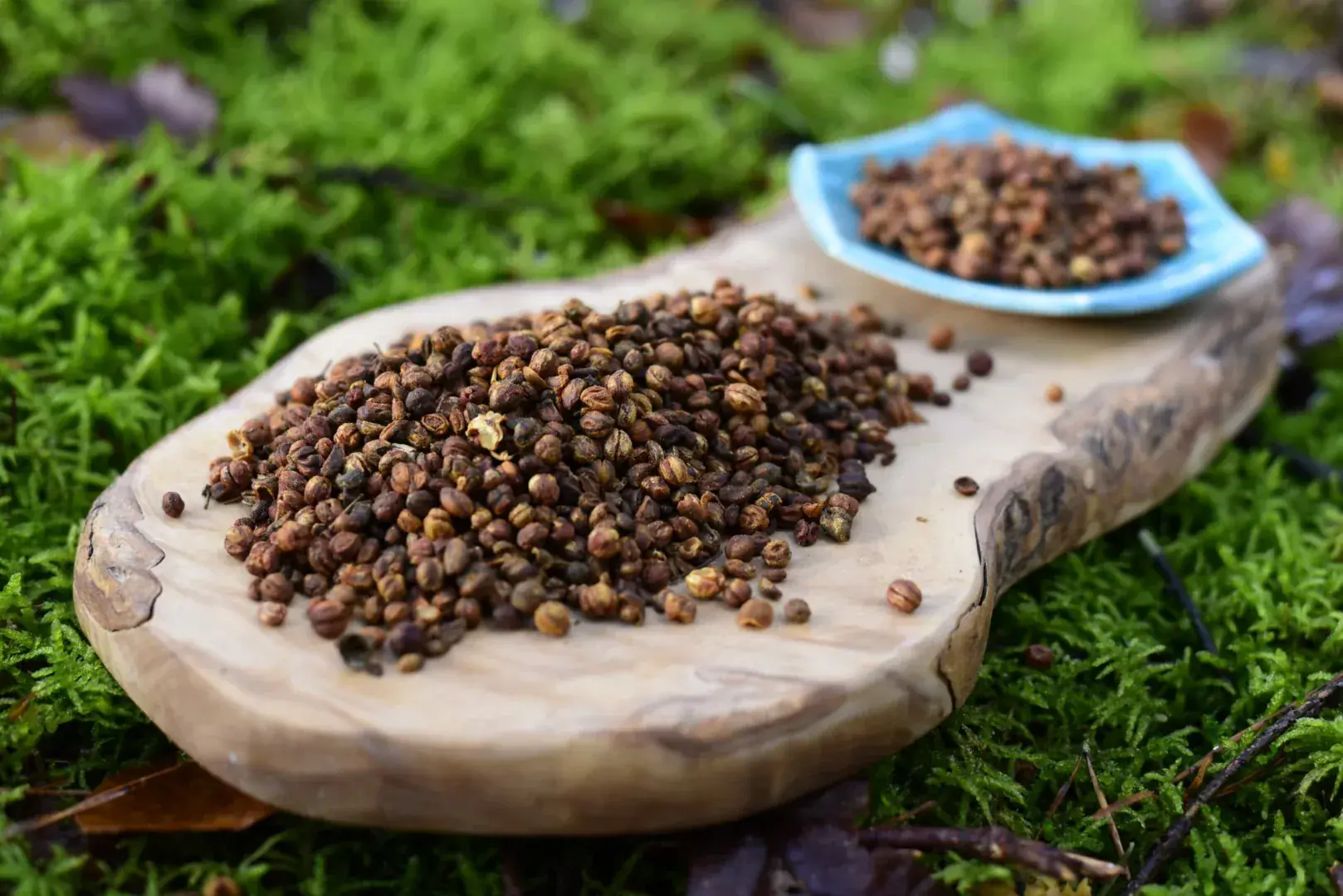
A lucid dream is a dream in which you know you are dreaming. It grows first from a vivid, well-remembered dream, and that is the ground these plants prepare. Brahmi, the plant of Saraswati, and Gotu Kola are drunk in Ayurveda for memory and clarity of mind. Aparajita, the flower of Durga, belongs to the medhya, the medicines of clear memory. Celastrus seeds, jyotishmati, “the luminous one”, are a plant of memory, and some dreamers find clearer dreams with them.
“I love the products bought in this store. They help a lot my dreams and concentration levels.”
For those drawn to lucidity: reality checks during the day, and waking in the middle of the night, then going back to sleep with the intention of recognising the dream. The plants and the ritual for this intention: herbs for lucid dreaming. Plant by plant: the guide to the best herbs for lucid dreaming.
Calea first, the one our dreamers link most often to dream recall. Then guayusa, drunk on waking, and the Entada seed, which South African diviners used to remember their dreams.
A dream fades fast when you jump out of bed. On waking, staying still for a moment with your eyes closed, then writing down one image or one word, is often enough to catch it. Night after night, recall comes more easily.
Lucidity is cultivated with practice, and it starts from a vivid, well-remembered dream. Among our dreamers, Calea and Undlela Ziimlophe, from the Ubulawu family, gather the most lucid-dream accounts.
Calea in the evening, as a tea. Guayusa in the morning: it contains caffeine, and the Kichwa drink it before dawn. Brahmi and Celastrus are taken as a course, over several weeks.
For keeping the trace. A few words written on waking, read again from time to time, reveal the motifs that come back: lucidity often arrives through them.
The journal is the core tool:
First: write as soon as you wake, before any other activity. A dream fades fast when you jump out of bed.
Second: write everything you can. Fragments, colors, sensations, places. The scraps are enough — the story will come later.
Third: re-read every Sunday. It is in the re-reading that motifs appear — and it is through motifs that lucidity settles in.
Voiced essays that extend these plants — traditions, gestures, lineages.