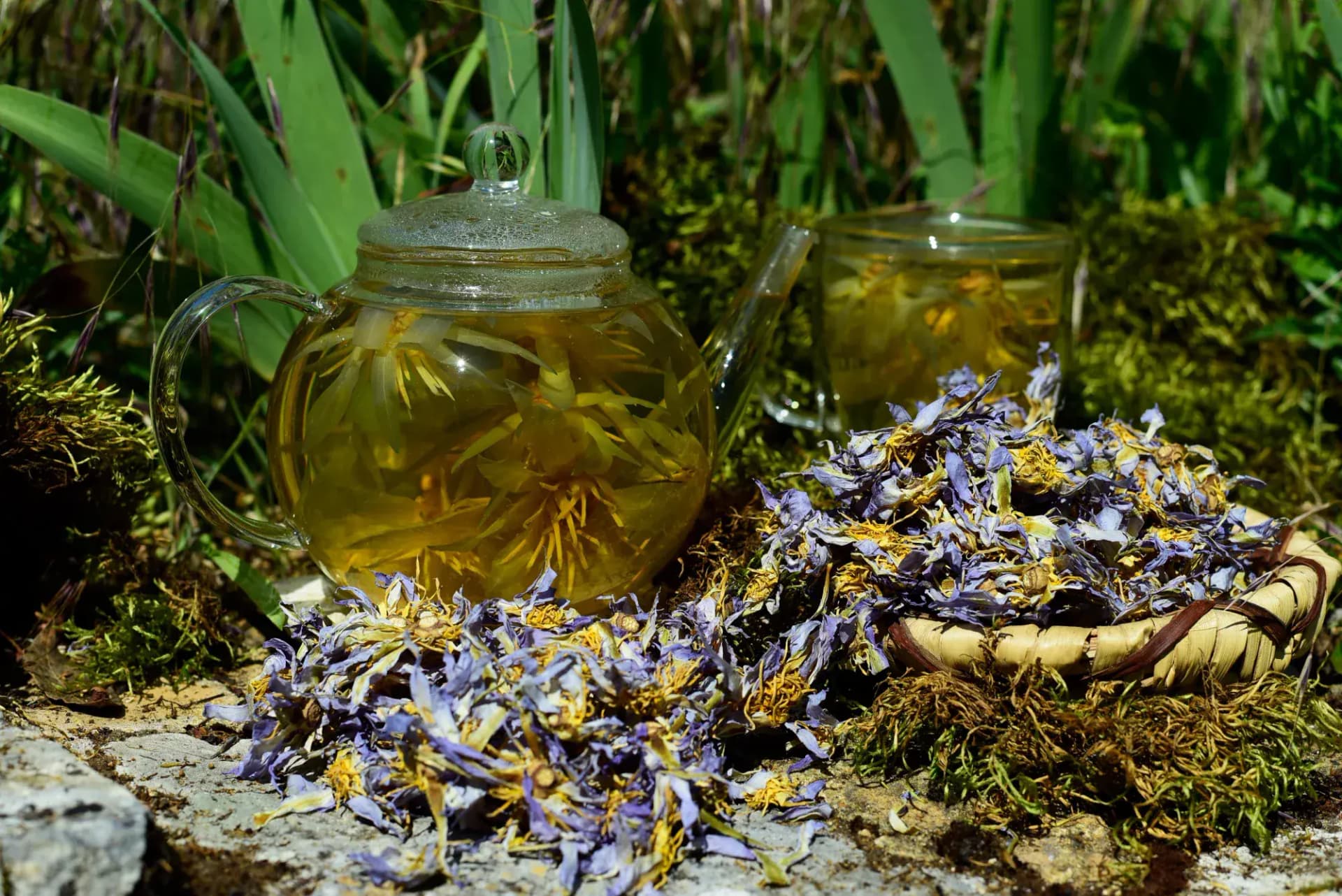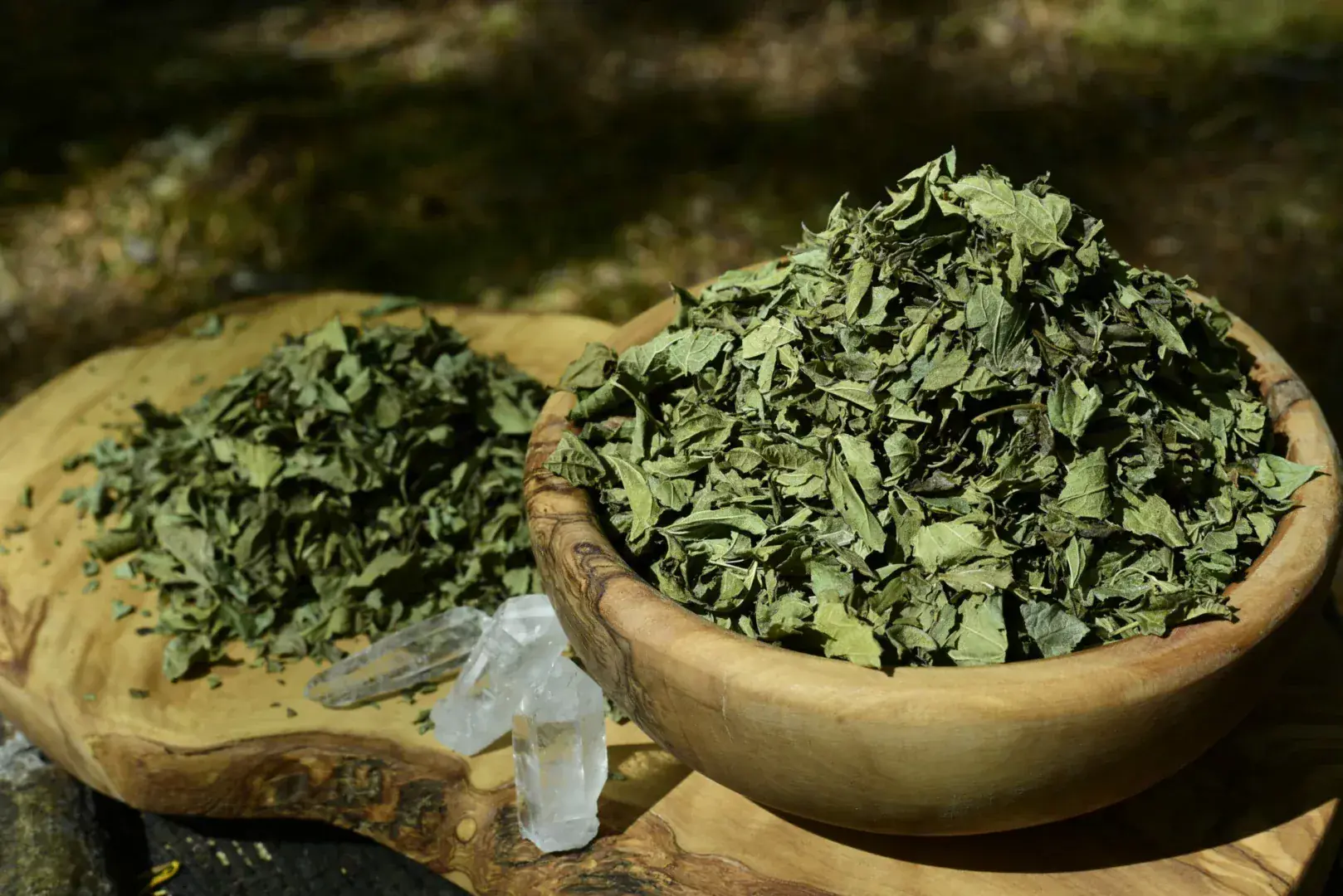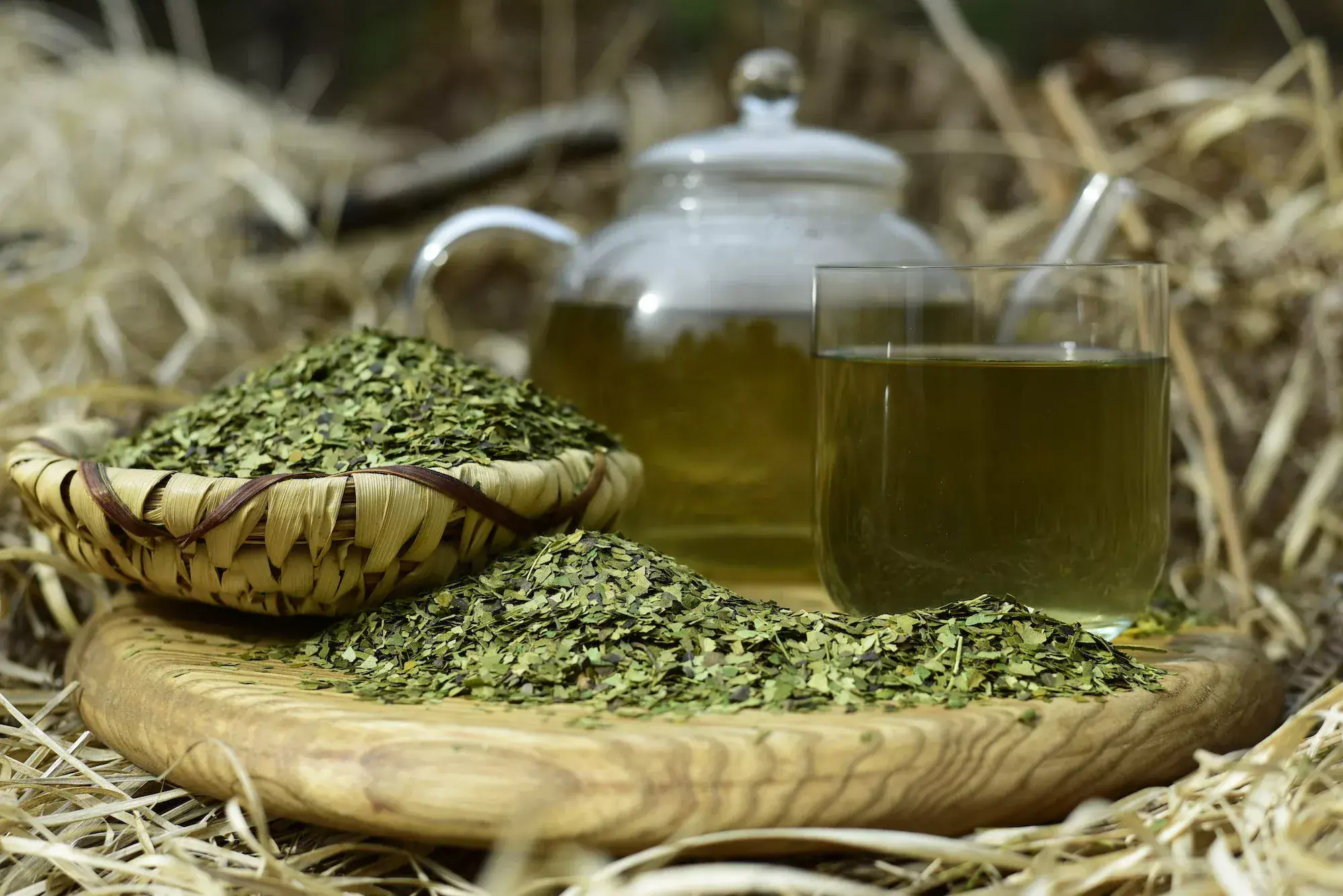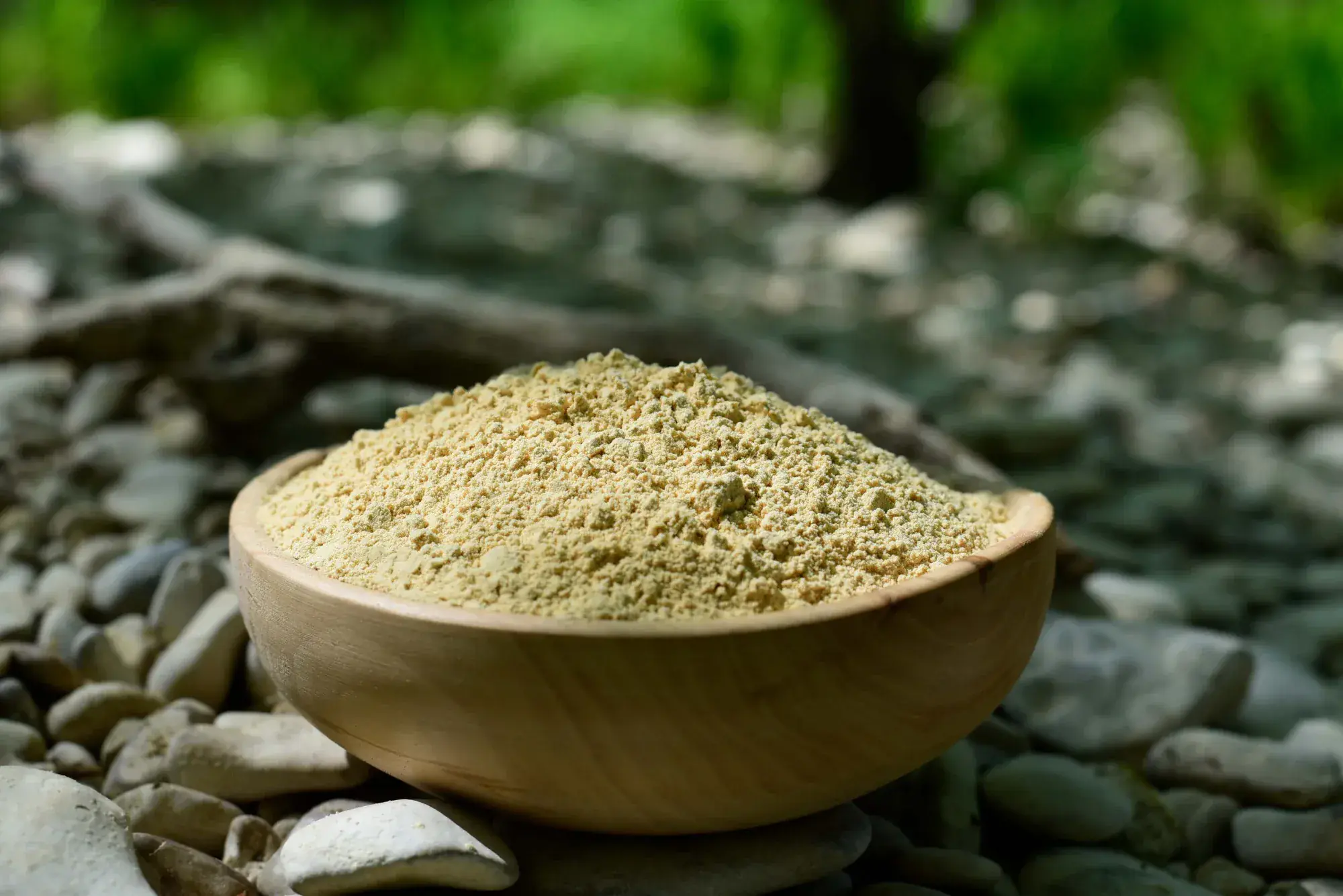
⊹ To weave around
To accompany Damiana
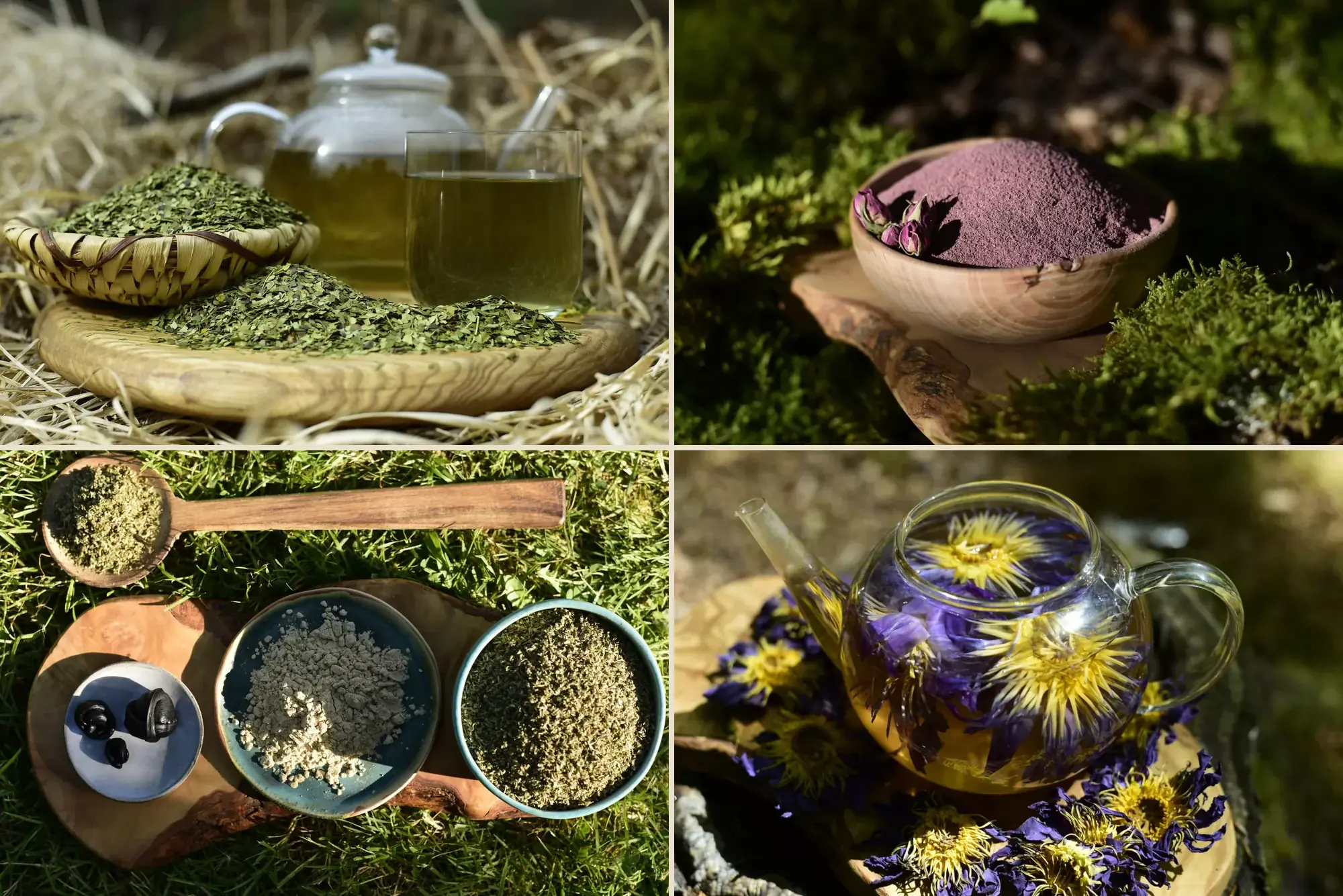
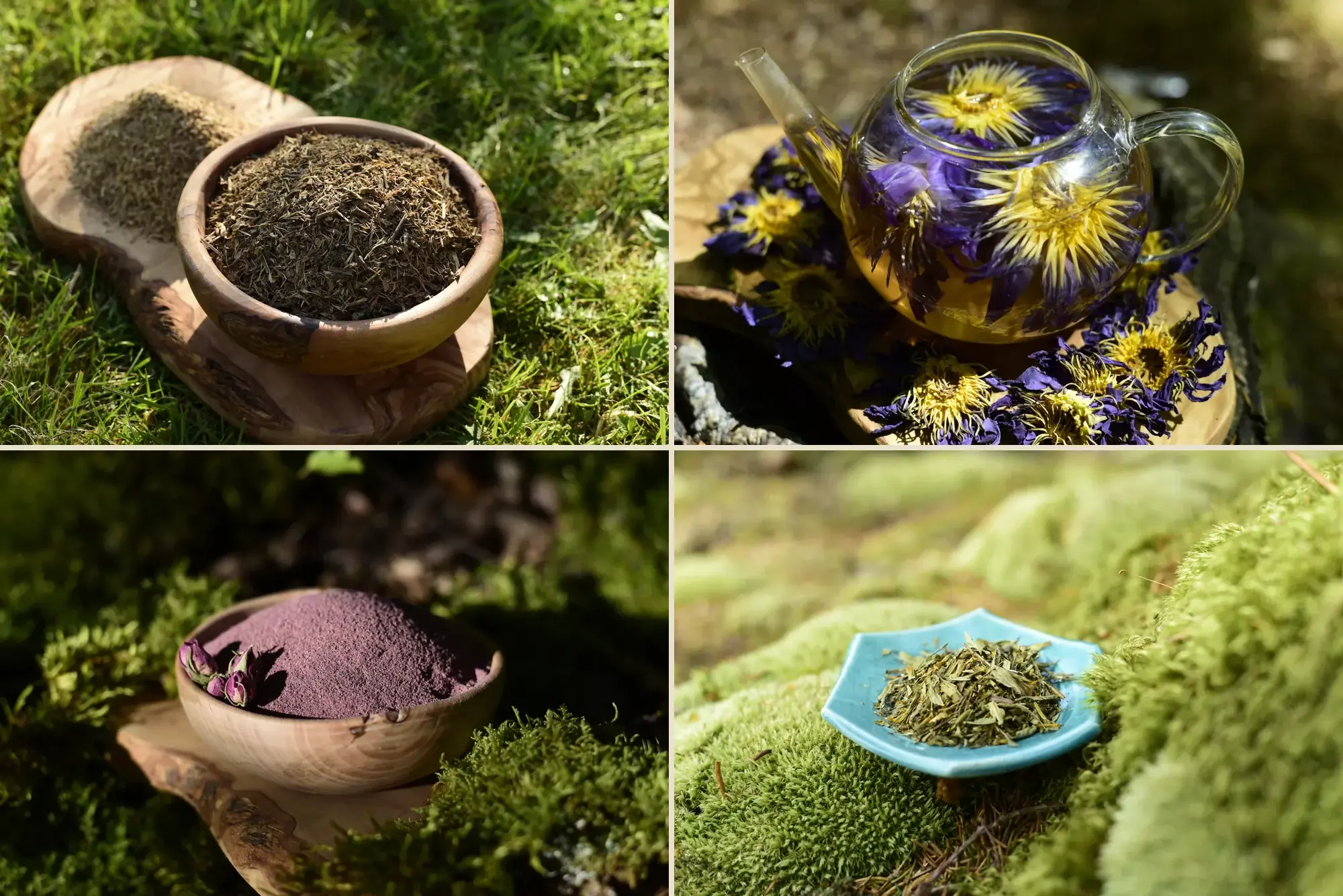
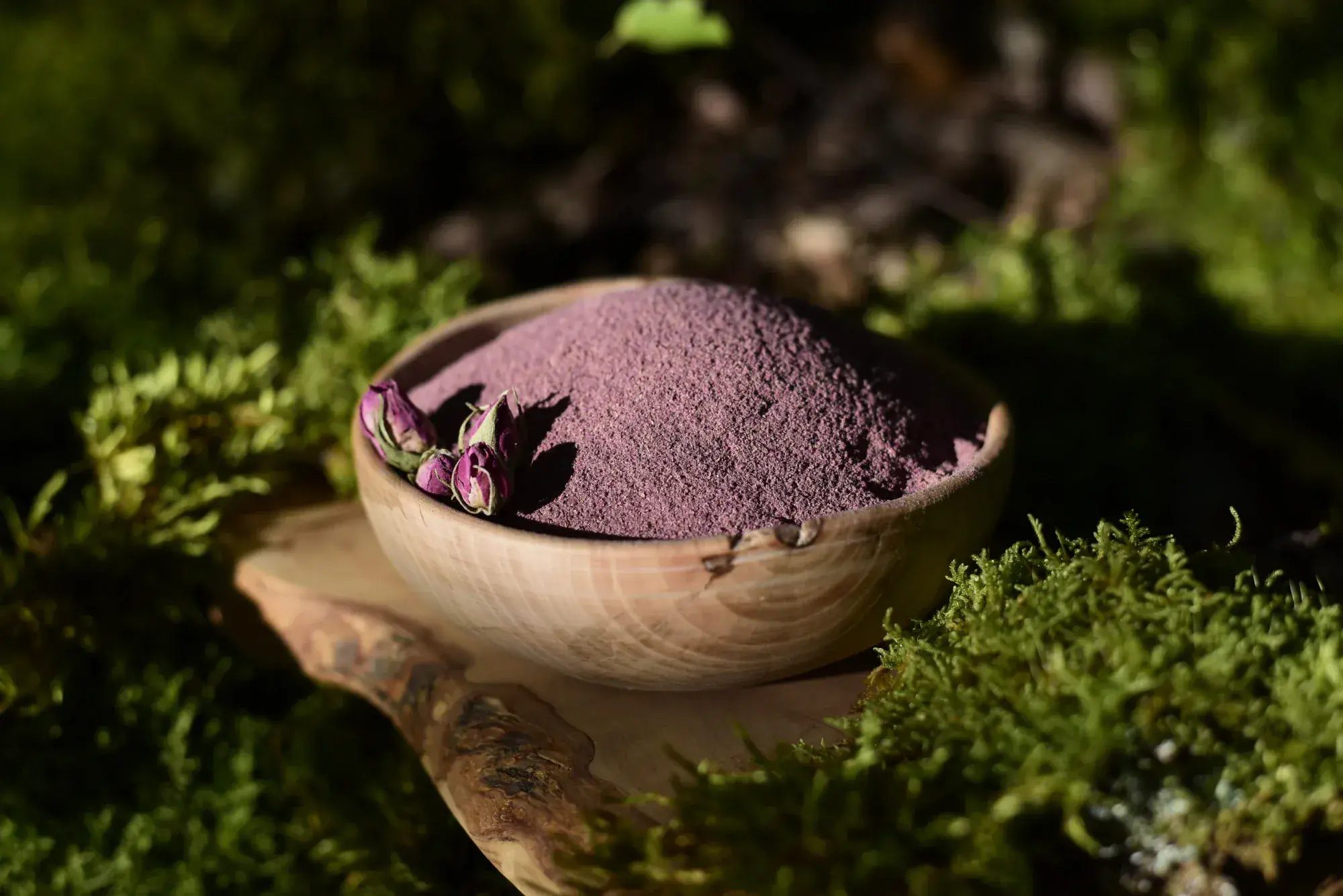
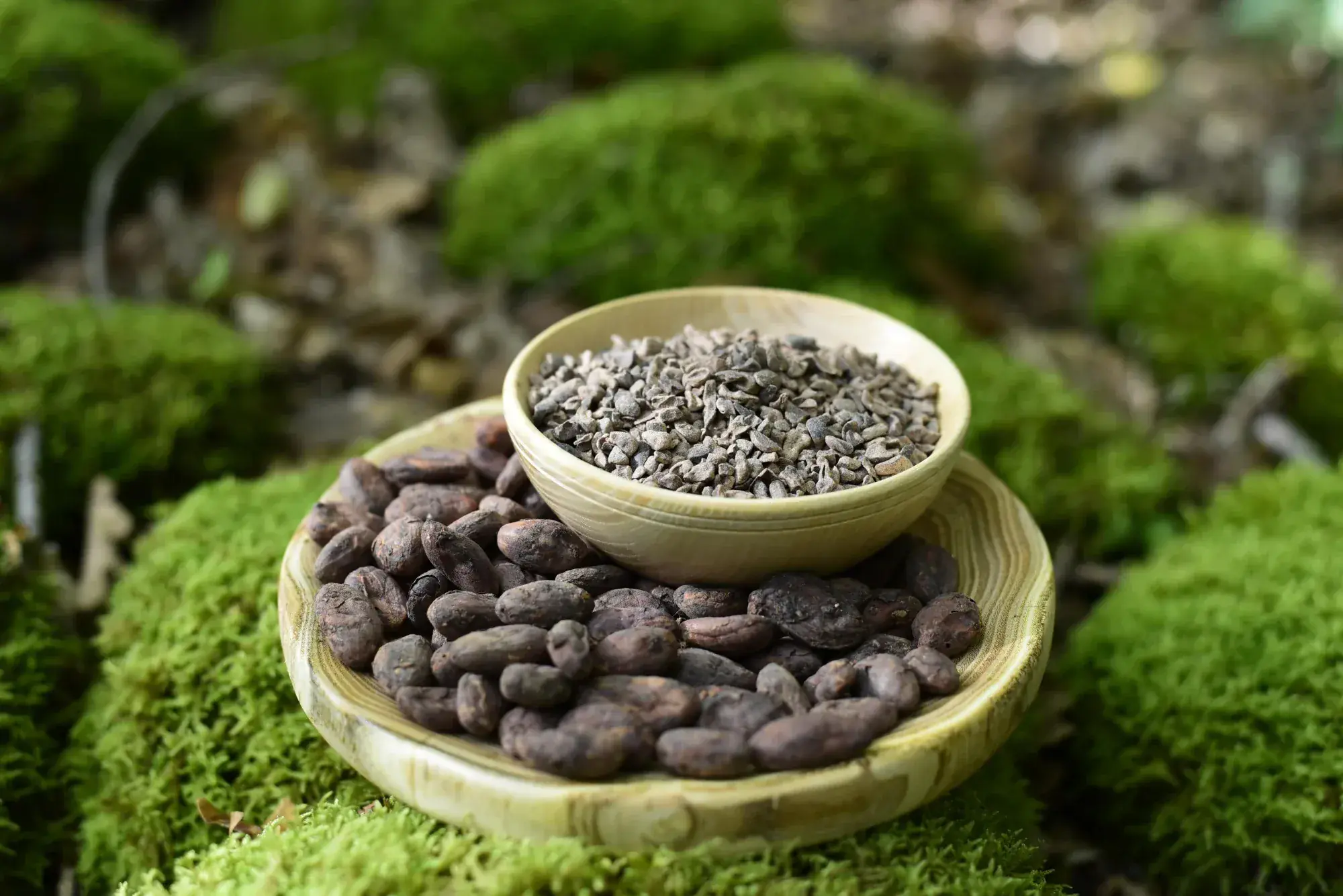
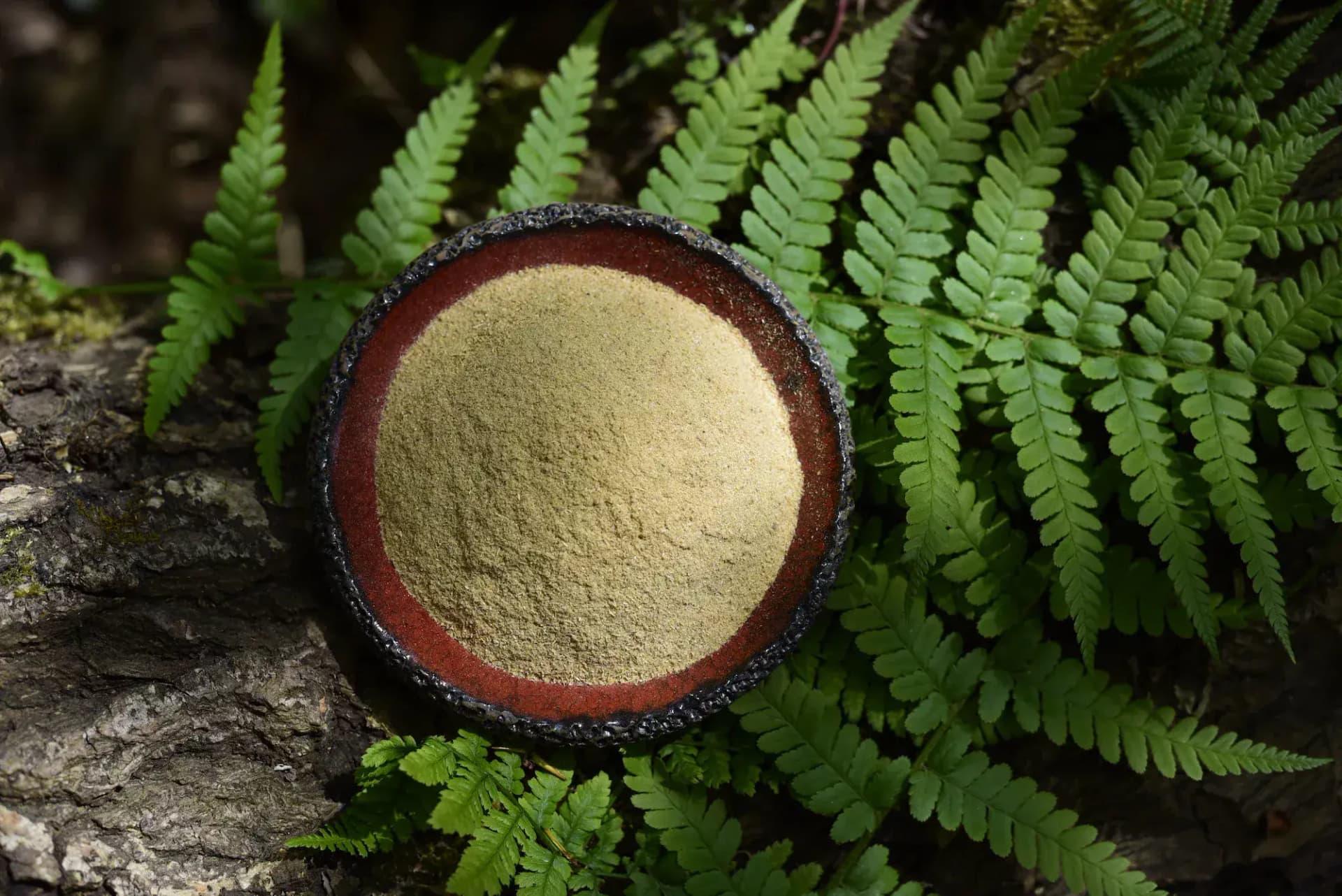
Click a card to see why it pairs — and choose your form.
⊹ Community voices
What the community murmurs.
4.9/585 reviews, including 84 left on our Etsy shop
Damiane has a spicy flavor, reminiscent of chamomile. It also has benefits that I don't deny myself, which makes the drink just as pleasant. Thank you very much for the much appreciated sample of Mexican Tarragon. I'll be back!
Túyyo
A wonderful scent comes from these herbs. I am 100% pleased with its effects. Relaxing in the evening and good for sleep.
Food
I mixed Damiana leaves into my smoking blend of stress relief/anti anxiety/lucid dreaming herbs - in addition - https://youtu.be/JJtDmftkzk8 and I feel a real difference, since Damiana was added. So that it why I ordered it for the second time. And delivery is really fast.
Mountain
✦ Damiana · in one breath ✦
Teacher of Sacred Play and Sensual Delight.
Sexy Muse, Priestess of love and intimacy.
Signature INFUSEIntensity · scored out of 10
| at ease in her skin | 10/10 | |
|---|---|---|
| presence as two | 10/10 | |
| horizontal heart | 9/10 | |
| house love philtre | 9/10 | |
| evening companion-plant | 9/10 |
Register Mizibcoc, the house love philtre, ritual bath · Yucatec Maya · ally of women — touch and be touched
⊹ The path of the plant
⊹ FREQUENT QUESTIONS ⊹
We answer.
What is damiana?
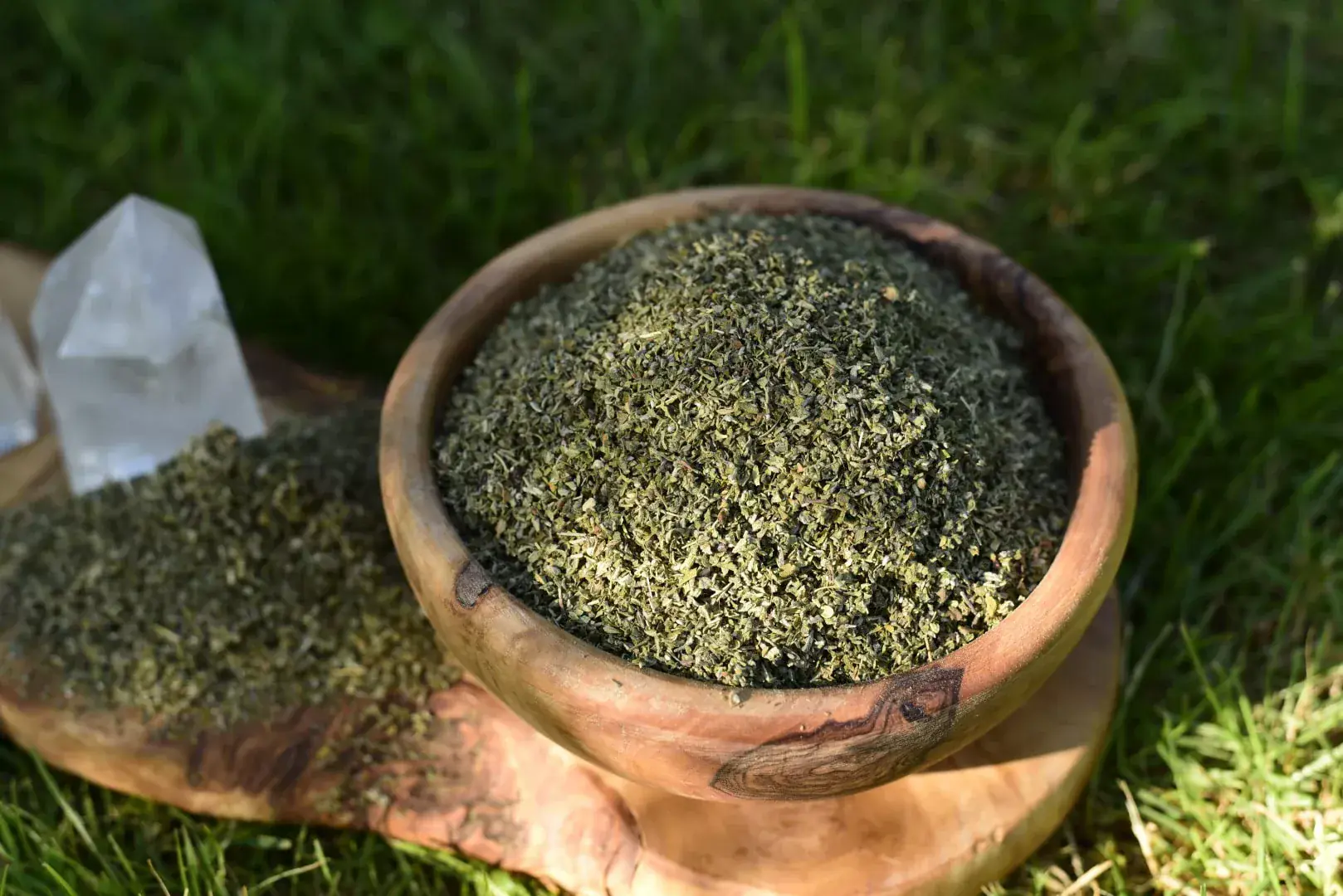
Damiana (Turnera diffusa) is a small aromatic shrub of Mexico, named mizibcoc in Yucatec Maya. Plant of the heart and the tenderness of the body, she is drunk as an evening infusion or smoked. INFUSE offers her as leaves, paste or powder, wild harvest from Mexico.
Is damiana really aphrodisiac?
Her reputation is old: around 1699, the Jesuit missionary Juan María de Salvatierra is said to have noted her use as an aphrodisiac in northern Mexico (Rätsch), and the United States National Formulary listed her as an aphrodisiac, among other uses, from 1888 to 1947. We promise no effect; we transmit a use.
How do I prepare a damiana infusion?
A teaspoon of leaves in a cup of simmering water (~80°C, never boiling — the oils evaporate), covered 5 to 10 minutes, then strain. The taste is soft, aromatic, slightly bitter, with notes of dried fig.
Why do we never drink damiana alone?
It is our rule of "presence in twos". Damiana is a companion (cum-panis, the one with whom we share bread): always accompany her with another plant (rose, blue lotus, cacao) or another person. It is her grammar: a plant of relation.
Can damiana be smoked?
Yes — she is an excellent smoking blend base to replace tobacco. Crumble the dried leaves, alone or with other herbs, for a gentle and aromatic smoke.
Damiana and cacao, a love philtre?
Yes, in our house recipe. It is the accord of the two openings of the heart: cacao opens the vertical (upward), damiana the horizontal (toward the other, toward the body). Damiana leaves, grated cacao, rose petals, a drizzle of honey.
All questions
Leaves, paste or powder, which form of damiana to choose?
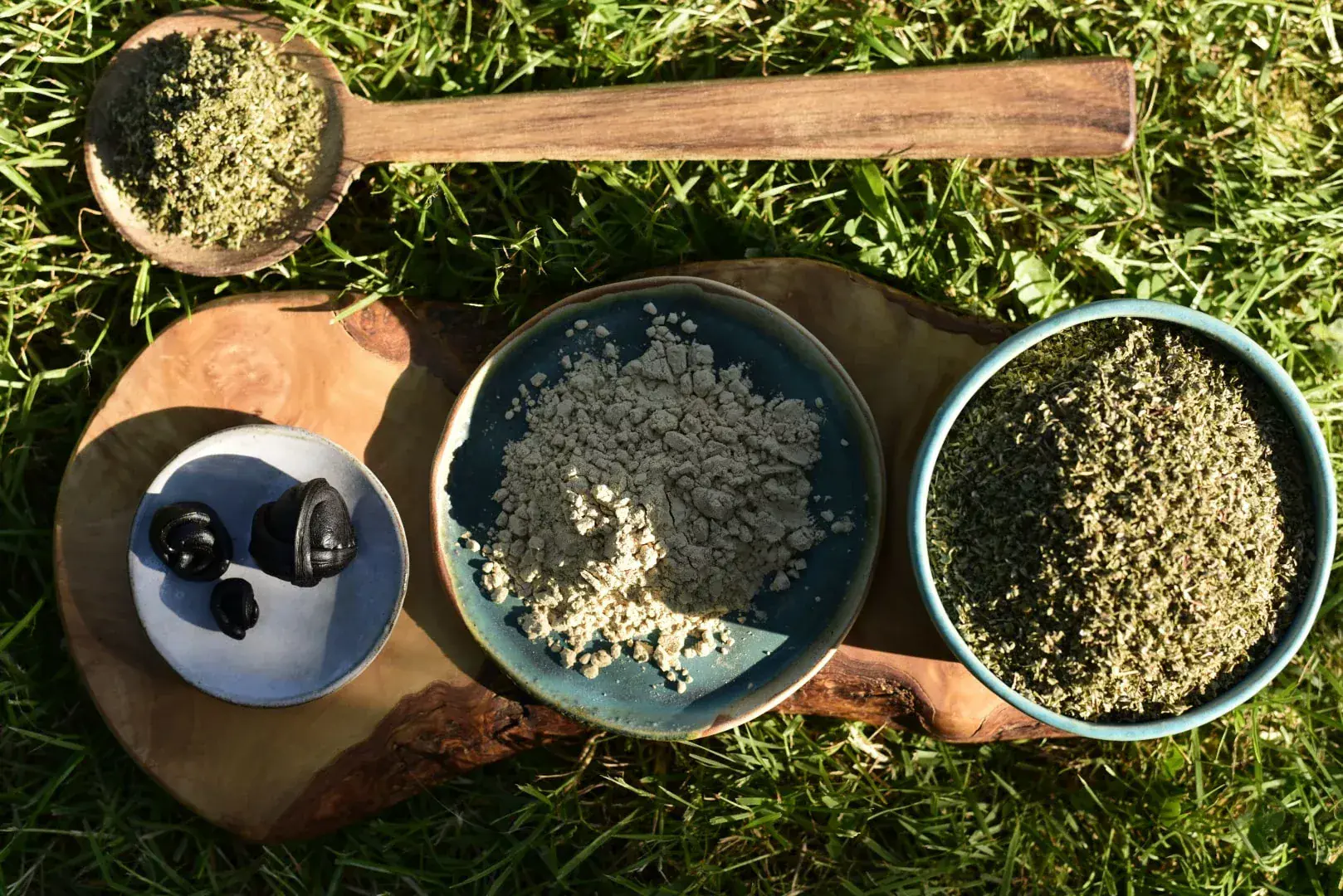
Whole leaves are the traditional way of infusion and smoke. The resin paste (a grain of rice to a chickpea, under the tongue or dissolved in a hot drink) and the powder extract (a teaspoon in warm plant milk) are concentrated and practical daily. For the ritual in twos, the leaves; for the quick evening tenderness, the paste or the powder.
Does damiana have precautions?
Yes. To avoid during pregnancy, desire for pregnancy and breastfeeding (light uterus-active action). Caution with antidepressants (MAO-B inhibition in vitro, GABA action), in case of diabetes (light hypoglycemic action), before surgery, and in case of seizure history. To use in windows — three times a week maximum, not every day.
⊹ Chapter · Questions ⊹
Ask, answer, share.
One question, one answer — sometimes several voices. The community answers first; INFUSE steps in when it should.
Nobody has opened a thread yet about this plant. You can be the one — a real question, a use, a doubt, a detail.
In depthbotany · phytochemistry · historyRead
The name as signature
Turnera honours the English botanist William Turner (16th century); diffusa comes from the Latin diffundere, "to spread". The binomial already names a plant that spreads, from the Mexican highlands to the rest of the Americas and then the world. In Yucatec Maya she is mizibcoc (also written misibkook). The name damiana is sometimes linked to Saint Damian, patron saint of physicians. In Mexico she is also hierba del pastor, the shepherd's herb.
The plant as a person
In the INFUSE reading, damiana is an ardent young woman, simply at ease in her body. She is drunk in twos, smoked in company, infused for the bath, blended with cacao for sacred meetings — a plant of the threshold between the everyday and the intimate. The right words for her: at ease in her skin. Damiana teaches one to become so too.
Living lineage
The first written mention is attributed to the Jesuit missionary Juan María de Salvatierra, around 1699, who is said to have noted her use as an aphrodisiac among the peoples of northern Mexico (Rätsch). The North American eclectic physicians took her up in the late 19th century, and she was listed in the United States National Formulary from 1888 to 1947, as an aphrodisiac, nerve tonic, mild laxative and general stimulant. In Mexico she remains a plant of the rural home.
What the plant contains (descriptive)
Dozens of compounds have been identified in Turnera diffusa, among them flavonoids (apigenin above all, which binds to GABA-A receptors), phenolics (arbutin), damianin (specific to the plant, its role still unclear), an aromatic essential oil (pinenes, eucalyptol) and beta-sitosterol. Laboratory and animal studies describe an anxiolytic effect in mice, with diazepam as the comparison (Kumar & Sharma, 2005), an inhibition of the enzyme MAO-B by one isolated flavone in vitro (Chaurasiya et al., 2019), and a binding of damiana extracts to progesterone receptors in cell tests (Zava et al., 1998). These findings describe the plant's chemistry and carry no promise of effect.
The first margarita, a legend
A Baja California legend has it that the first margarita was made with damiana liqueur in place of triple sec. The liqueur is still sold in a bottle shaped like a female figure, often described as a goddess.
The love philtre & the smoking blends
The love philtre first, our house recipe: a teaspoon of leaves, a spoonful of grated ceremonial cacao, a pinch of yauhtli (Tagetes lucida), a few rose petals and a drizzle of honey. Hot water (about 85 °C), covered, twelve minutes; drink it in twos, slowly, in silence and then in conversation. Then the smoking blends: damiana makes a soft, aromatic base for blends without tobacco. Three compositions: evening unwind (50% damiana · 30% mullein · 20% wild dagga), sensual blend (40% damiana · 30% blue lotus · 20% rose petals · 10% bobinsana) and everyday blend (50% damiana · 50% mullein). And the ritual bath: a large handful of leaves in a litre of boiling water, infused for thirty minutes, then added to a warm bath.
Botany & safety
Turnera diffusa, of the Passifloraceae family (formerly Turneraceae), is a cousin of the passionflower — a small yellow-flowered shrub of northern Mexico, Texas and the Caribbean, with a scent of dried figs. A companion for set periods: courses of three weeks at most, then a pause, about three courses a year. Red lines: avoid during pregnancy, when trying to conceive and while breastfeeding (mild effect on the uterus); take care with antidepressants (MAOIs, SSRIs — MAO-B inhibition and GABA action), with diabetes (mild blood-sugar-lowering action), before surgery (stop two weeks before) and with a history of seizures (high doses); overdose beyond 10 g of fresh leaves (dizziness, paradoxical insomnia). In case of doubt: a practitioner before the plant.
Sources: Christian Rätsch, The Encyclopedia of Psychoactive Plants · United States National Formulary (1888–1947) · Kumar & Sharma, Evidence-Based Complementary and Alternative Medicine (2005) · Chaurasiya et al., Molecules (2019) · Zava, Dollbaum & Blen, Proceedings of the Society for Experimental Biology and Medicine (1998).
Read in the ForestThe articles that mention her.Read
⊹ Path of the Heart