⊹ To weave around
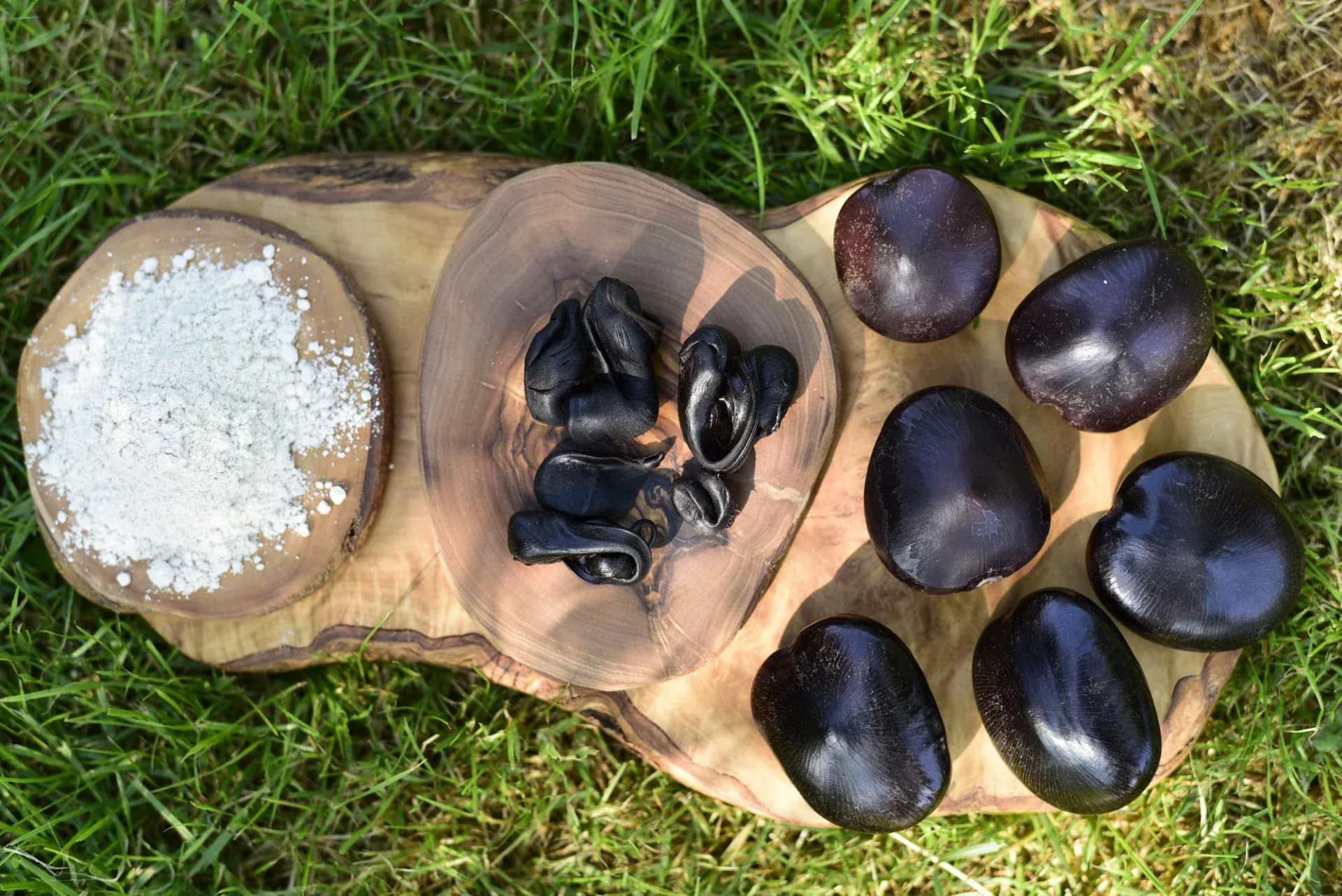
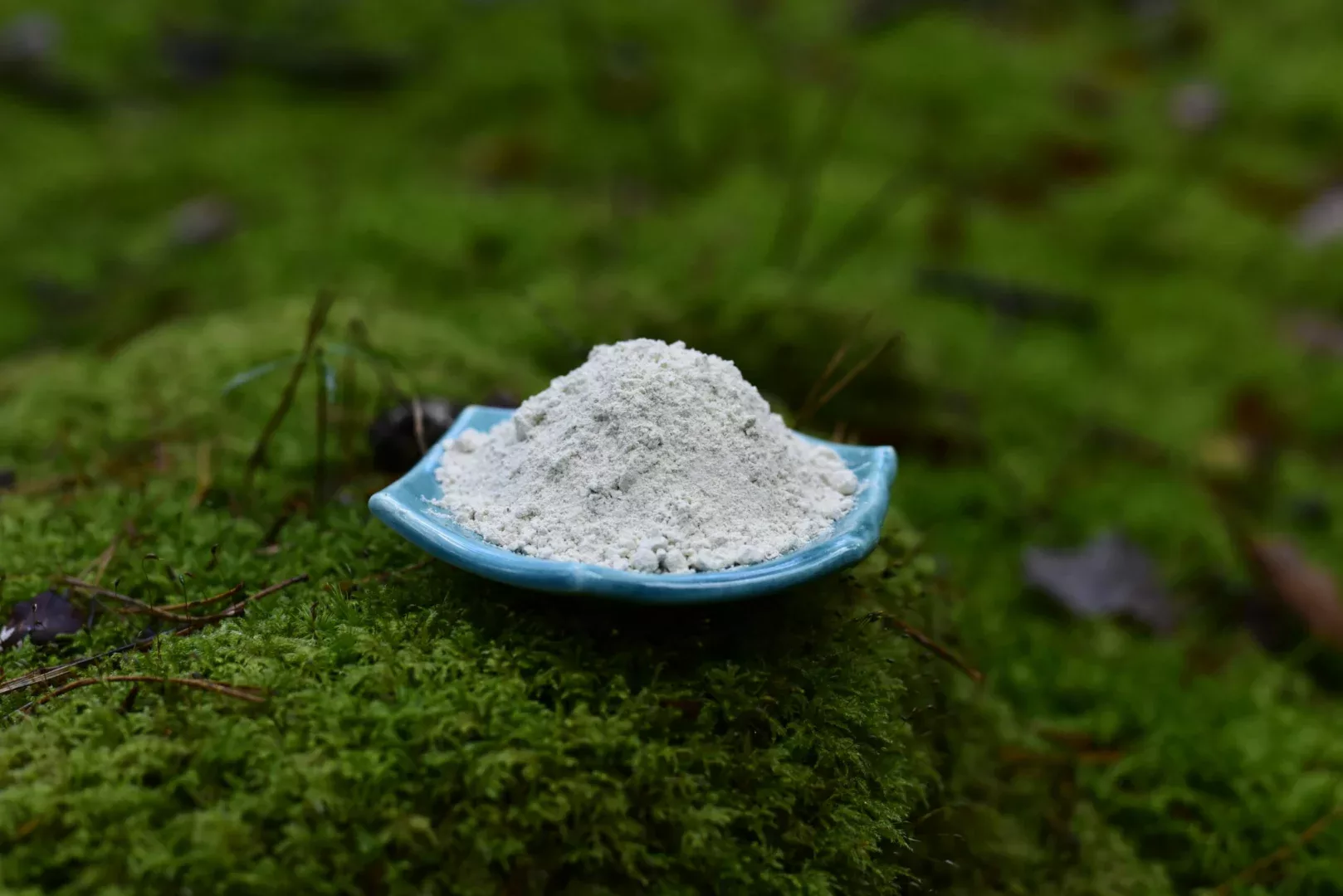
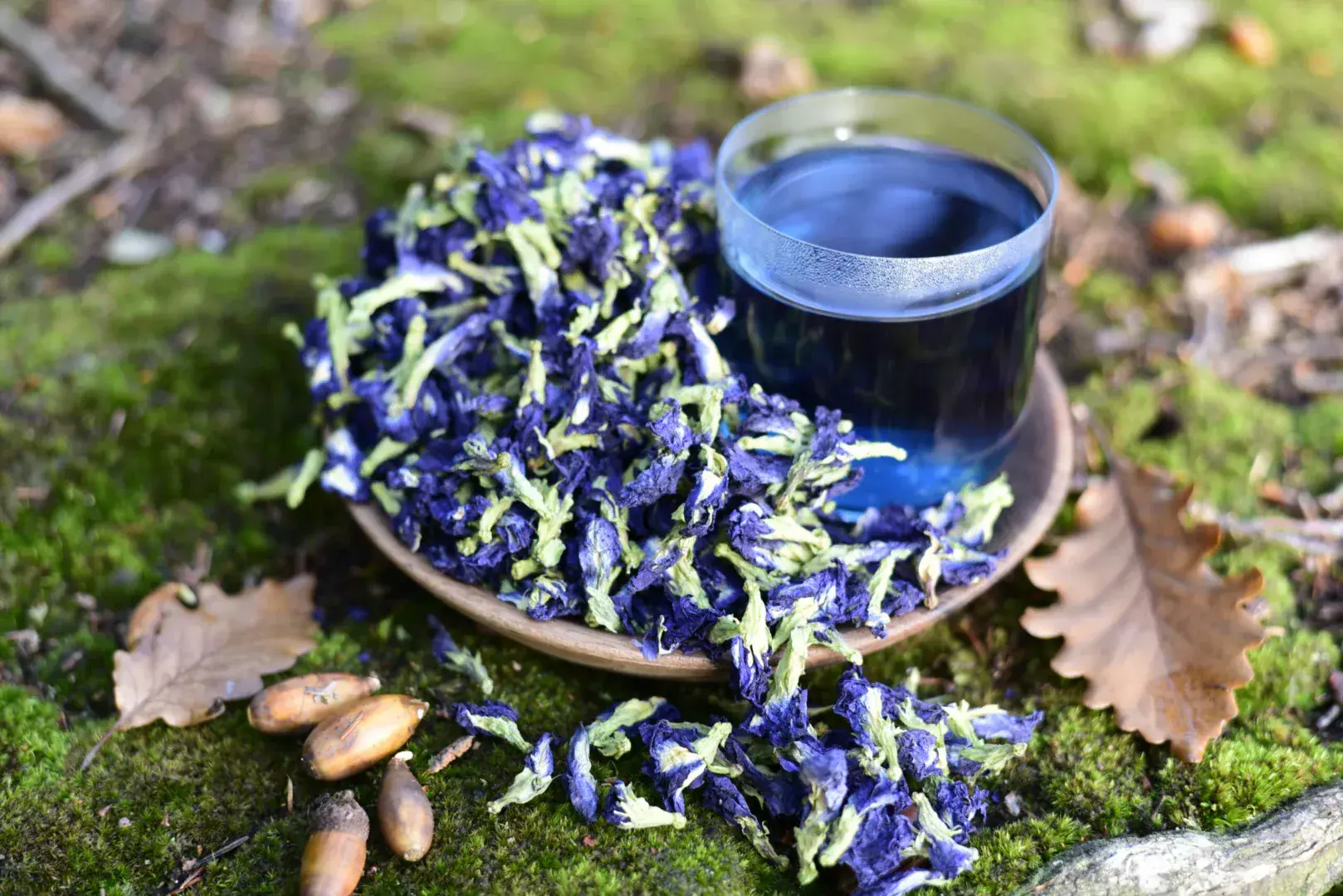
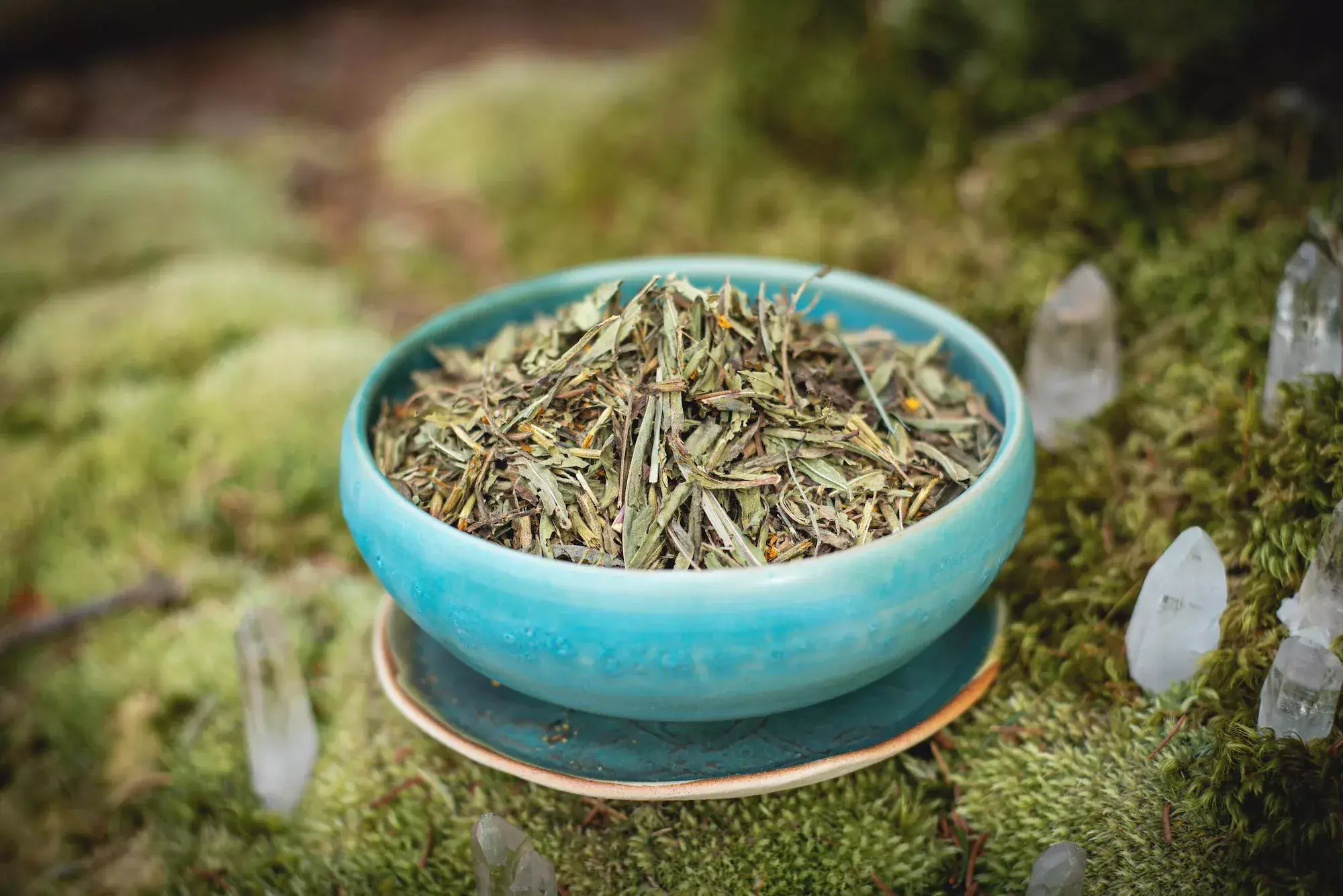
To accompany Celastrus Seeds
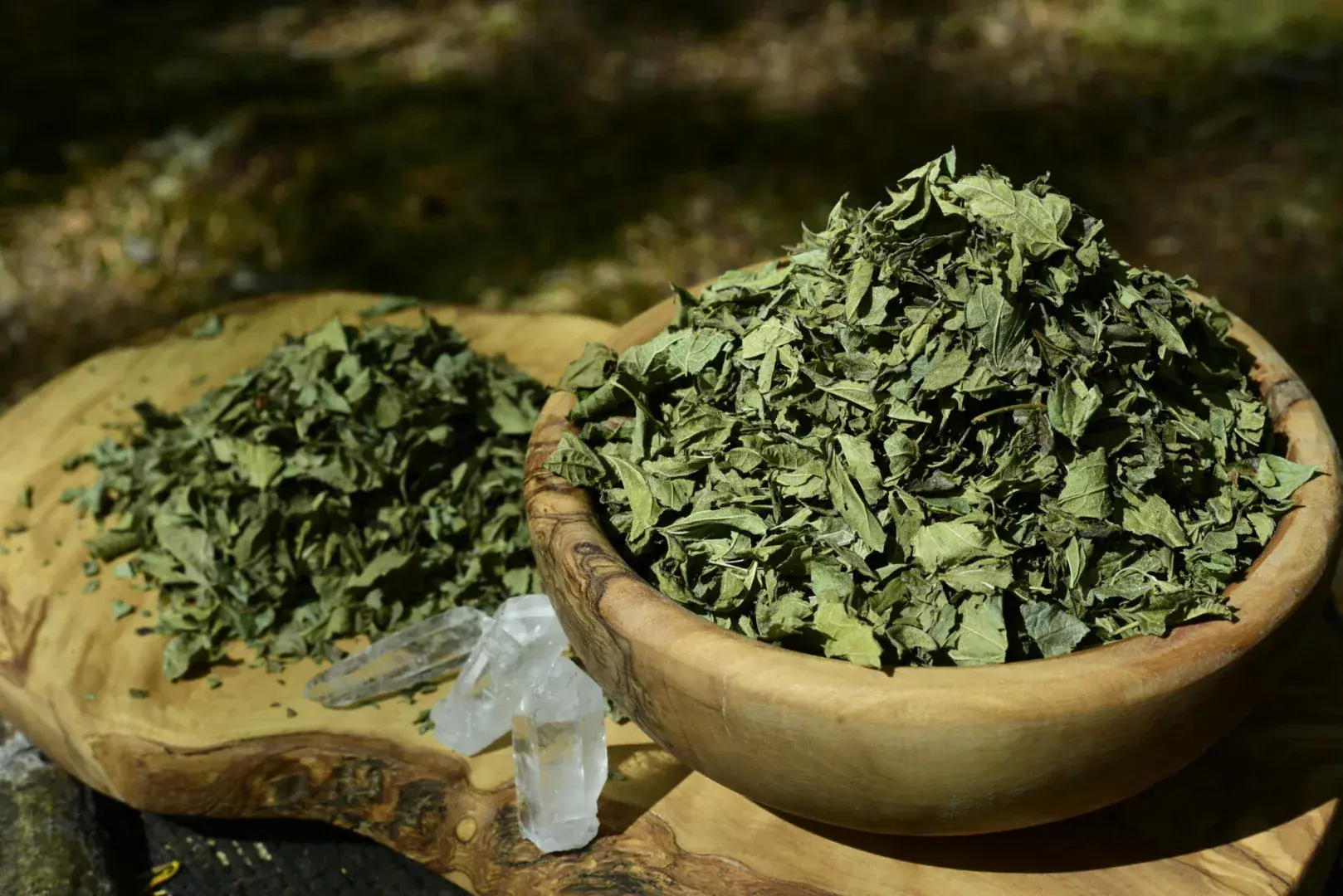
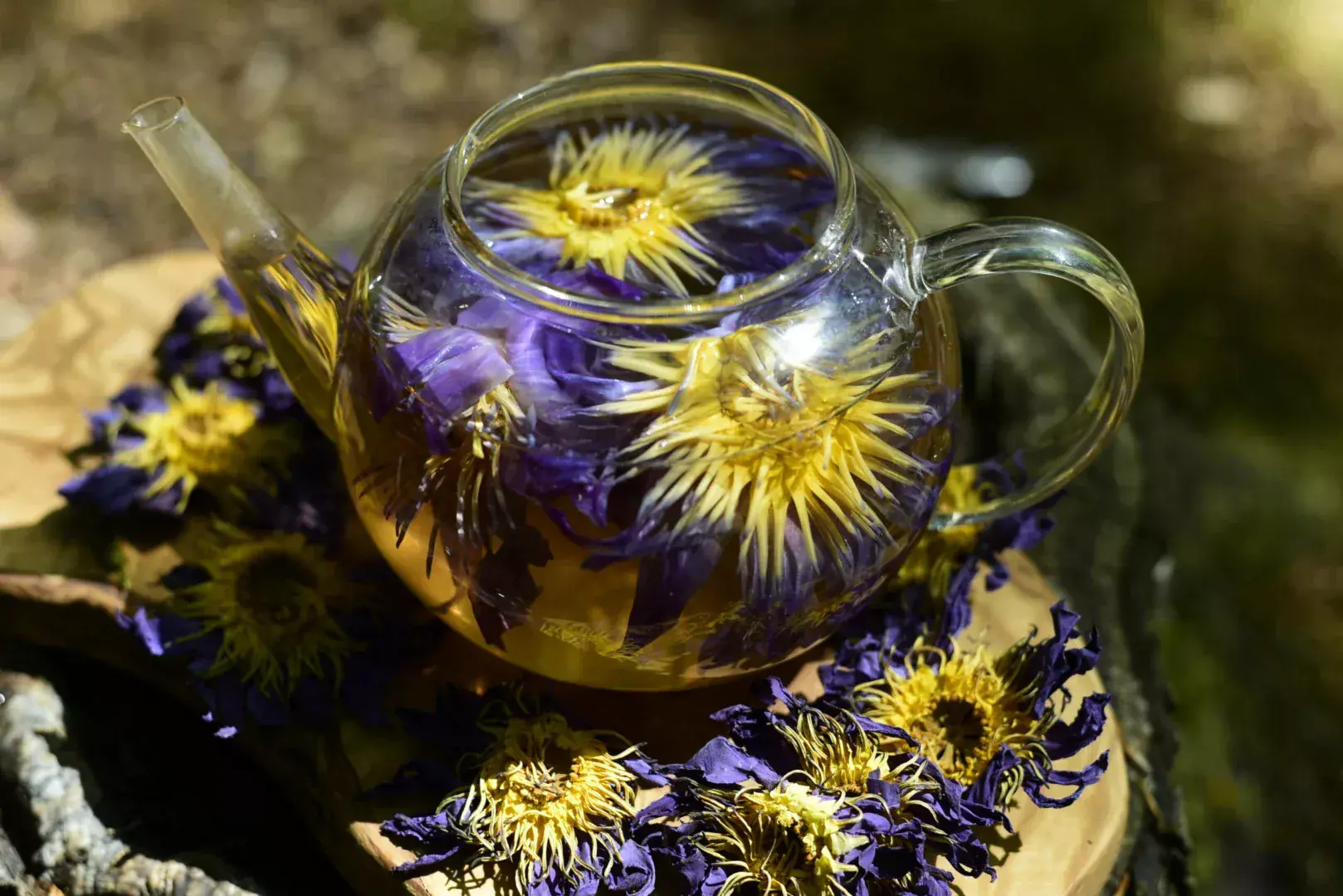
Click a card to see why it pairs — and choose your form.
⊹ Community voices
What the community murmurs.
4.9/581 reviews, including 78 left on our Etsy shop
the intellect tree seeds definitely worked for me! increased mental focus noticeable. Also I love the gift that came with and the paper packaging :-)
Charles
A handful of seeds provides brain clarity and focus for several hours. I have ADD and found them to be better then any other stimulants. No anxiety from them either. Highly recommend!
Paula
I love the products bought in this store. They help a lot my dreams and concentration levels.
Fabiola Gitirana
Read Celastrus Seeds through your world
The page reads from the night side: sleep, dreams, what stays with you on waking.
✦ Celastrus Seeds · in one breath ✦
Sparks of clarity and inspiration; at night, more vivid dreams and a sharper recall on waking.
Signature INFUSEIntensity · scored out of 10
| intellect | 9/10 | |
|---|---|---|
| dream recall | 10/10 | |
| clarity | 8/10 | |
| regular cure | 8/10 |
Register tree of intellect, vivid dreams, recall on waking · Ayurveda · Arab tradition · dreamer communities
⊹ The path of the plant
⊹ FREQUENT QUESTIONS ⊹
We answer.
What is Celastrus paniculatus (Jyotishmati)?
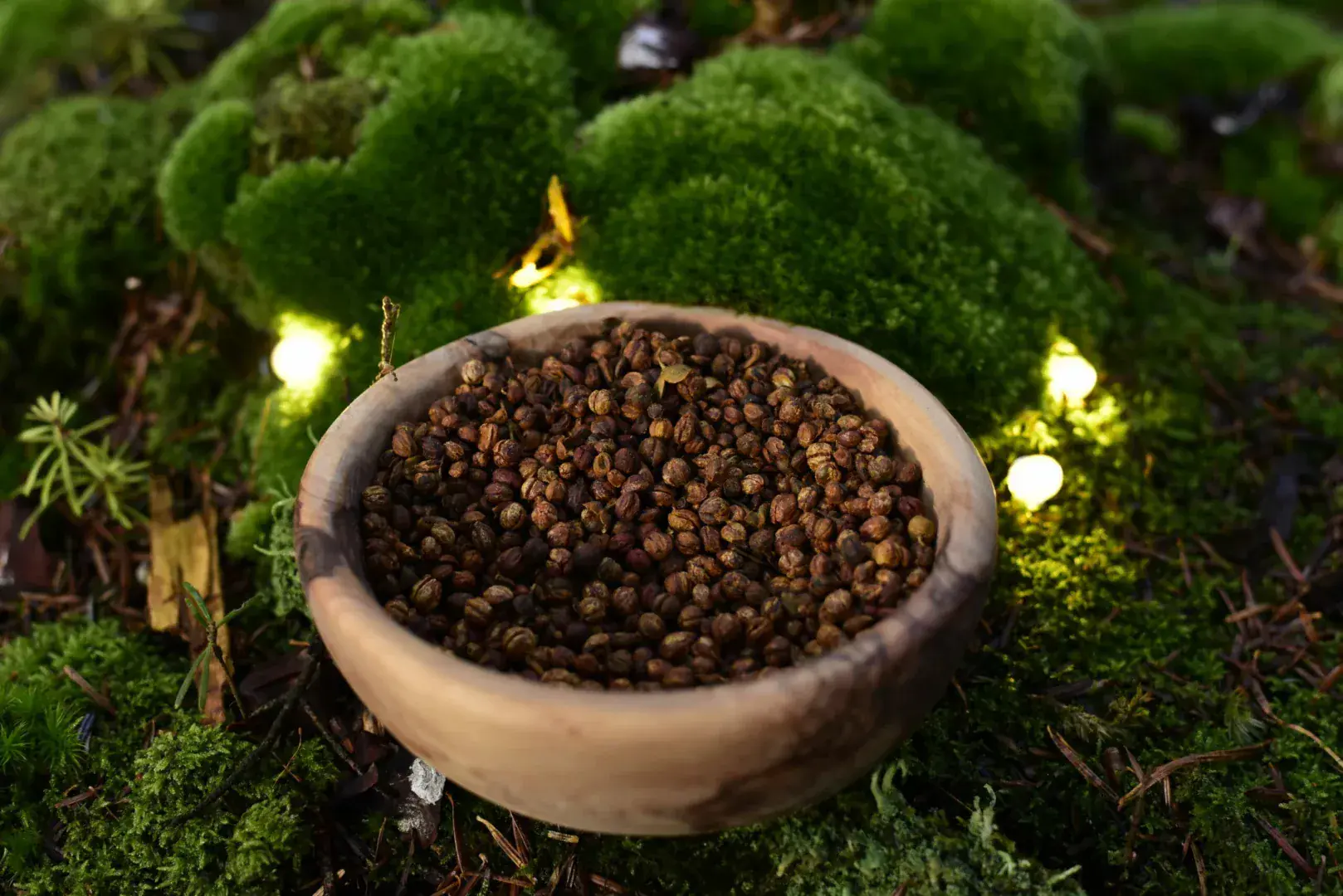
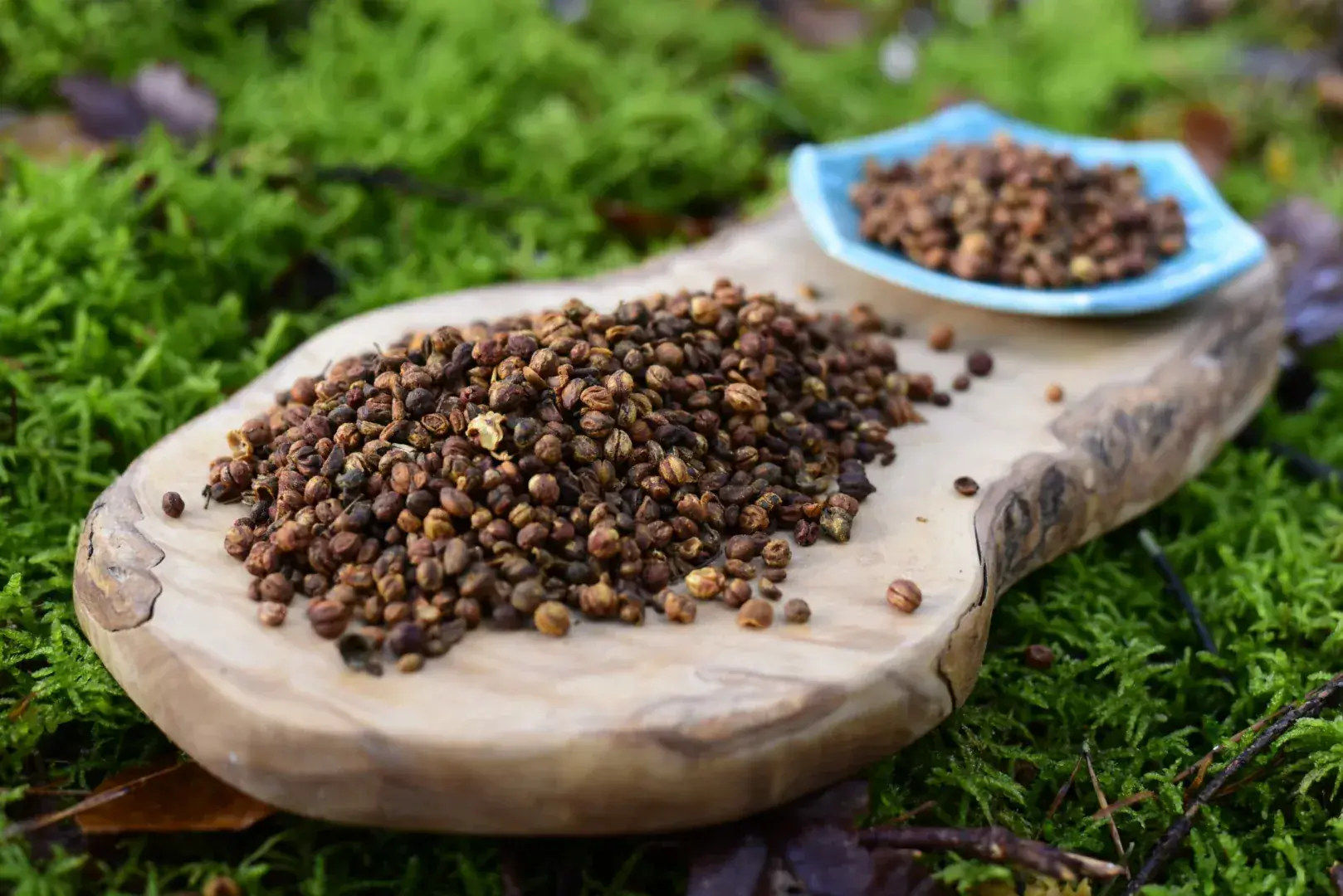
Celastrus paniculatus is a woody climbing liana of the Celastraceae family, native to the Indian subcontinent. Its small reddish-brown oilseeds have been used by Ayurveda for thousands of years. It is called the tree of intellect, and in Sanskrit Jyotishmati.
How do you consume celastrus seeds?
INFUSE offers the whole seeds, to grind just before use. The simplest way — half a teaspoon of ground seeds in a warm drink or an infusion, in the evening. Tradition also knows the decoction (seeds simmered 20 to 30 minutes), raw chewing, or incorporation into a truffle with cacao and honey to soften the bitter-earthy taste.
Does celastrus favour dreams?
Celastrus seeds are associated, in contemporary dreamer practices, with vivid dreams and dream recall at waking. This is a modern use, distinct from the classic Ayurvedic lineage which prized her mostly as a plant of clarity and subtle perception.
What do celastrus seeds taste like?
The taste is strong, earthy and bitter-acrid, characteristic. Many soften her with warm plant milk, a little honey, or by shaping a truffle with cacao. The long decoction rounds the bitterness.
How long before I feel something?
It is taken regularly, 7 to 21 days in a row, with regular pauses. It is a plant of cumulative effect: better to observe it over two to three weeks before concluding.
Celastrus paniculatus side effects and contraindications?
Avoid in case of pregnancy or breastfeeding (potential abortifacient effects), upcoming surgery, diabetes, blood-clotting disorder or blood pressure treatment, autoimmune disease or immunosuppressant treatment, and gastrointestinal, liver or kidney disorder. Start with small quantities; at high dose, the seeds can give a sensation of heat or digestive discomfort. When in doubt, ask a healthcare professional's advice.
All questions
What's the difference between celastrus and coffee?
Coffee works through caffeine; celastrus seeds contain none. Ayurveda counts them among the plants of intellect and memory, taken as a regular cure over several weeks.
Does celastrus help memory?
That is its traditional use: Ayurveda counts jyotishmati among the medhya plants, those of intellect and memory. Our dreamers also speak of concentration and clearer dreams. No medical promise: it is a tradition, and a companionship of a few weeks.
What do people who tried celastrus say?
Of 76 reviews published on INFUSE, 2 speak of clearer dreams. Fabiola: 'They help a lot my dreams and concentration levels.'
Jyotishmati, malkangni, intellect tree: is it the same plant?
Yes, these are three names for Celastrus paniculatus. Jyotishmati is its Sanskrit name, "she who illumines"; malkangni (also spelt malkangani) is its Hindi name; in English it is the intellect tree, or the black oil plant, after the dark oil pressed from its seeds. At INFUSE we sell the whole seeds.
Celastrus seeds or oil: what is the difference?
Celastrus oil (jyotishmati or malkangni oil) is pressed from these same seeds; it gives the plant its English name of black oil plant. INFUSE offers the seeds, in bags of 25 to 200 g, to take ground in a hot drink, as a decoction or chewed, as tradition describes.
Is celastrus legal?
Freely sold in France. Check the law in your country.
⊹ Chapter · Questions ⊹
Ask, answer, share.
One question, one answer — sometimes several voices. The community answers first; INFUSE steps in when it should.
Nobody has opened a thread yet about this plant. You can be the one — a real question, a use, a doubt, a detail.
In depthbotany · phytochemistry · historyRead
For those who want to go below the page: botany, then four voices, each one named. ◆ what the tradition left in writing, ◇ what research has measured, ● what our dreamers tell us, ☾ what the House says.
Botany
Celastrus paniculatus Willd. is a woody climbing vine of the Celastraceae, native to the Indian subcontinent. The part used is the seed, red-brown and oily. She is known as the tree of intellect, and in Sanskrit as *Jyotishmati*, "the luminous one".
◆ The documented tradition
In Ayurveda, jyotishmati, "the luminous one", is a plant of intellect and memory (medhya). Its link to dreaming is modern, born among today's dreamers.
◇ The studies
Its effect on dreaming is still to be studied.
● Our dreamers
Of 76 reviews published on INFUSE, 2 speak of clearer dreams (read one by one in September 2026):
"Très bon pour la concentration et aussi pour la clarté des rêves" — Gina (very good for concentration, and for the clarity of dreams)
"They help a lot my dreams and concentration levels." — Fabiola
☾ The House
Bringing sparks of clarity and inspiration, these beautiful seeds are remarkable for their capacity to relax the nervous system while equally enhancing its faculties. Celastrus seeds are recognised by contemporary dreamer communities for helping achieve lucidity, generating strong, vivid dreams, as well as enabling dream recall.
How does Ayurveda use jyotishmati?
In Ayurveda, the seeds of the tree of intellect are a medhya rasayana, a plant that nourishes the intellect and memory; they were also known to Arab medicine. Modern pharmacological research on Celastrus remains mostly animal and *in vitro*, with no large clinical trial in people to date. What we share belongs to traditional use and contemporary practice, and makes no medical claim.
Does celastrus bring dreams? A use of our time
Among today's dreamers, these seeds have become associated with vivid dream images and recall on waking. This is a modern use, distinct from the classical Ayurvedic lineage, which knows Jyotishmati as a plant of the mind and of memory. We keep her in our dream collection as a plant of memory.
Going further
The Forest gives the plant a monograph: Celastrus, jyotishmati, the lamp plant. Celastrus sits among our plants for dream recall and lucid dreaming; all our dream herbs are gathered on one page; and what our dreamers lived is told in 174 accounts.
Sources for the four voices: Ayurvedic texts on the medhya plants · our customers' reviews.