Ashwagandha
The strength of the horse
from €6.86
Ashwagandha, shatavari, tulsi, brahmi, gotu kola, bala: the Sanskrit name, the botanical name, the part of the plant that goes into the cup, and what Ayurveda tells of each.
In Sanskrit, āyurveda breaks down into āyus, life, and veda, knowledge.
Its plants carry names that are portraits in themselves.
The strength of the horse
from €6.86
Queen of Herbs
from €7.00
The Queen of the vegetal realm
€12.50
« Everything arrived as described, quickly and well packaged, and with 2 bonuses (Thank you very much!) The herbs are of good quality, as always. I recommend »
« Great quality, delivered quickly and there was a small gift, thank you very much. The 2nd order has already been made :) »
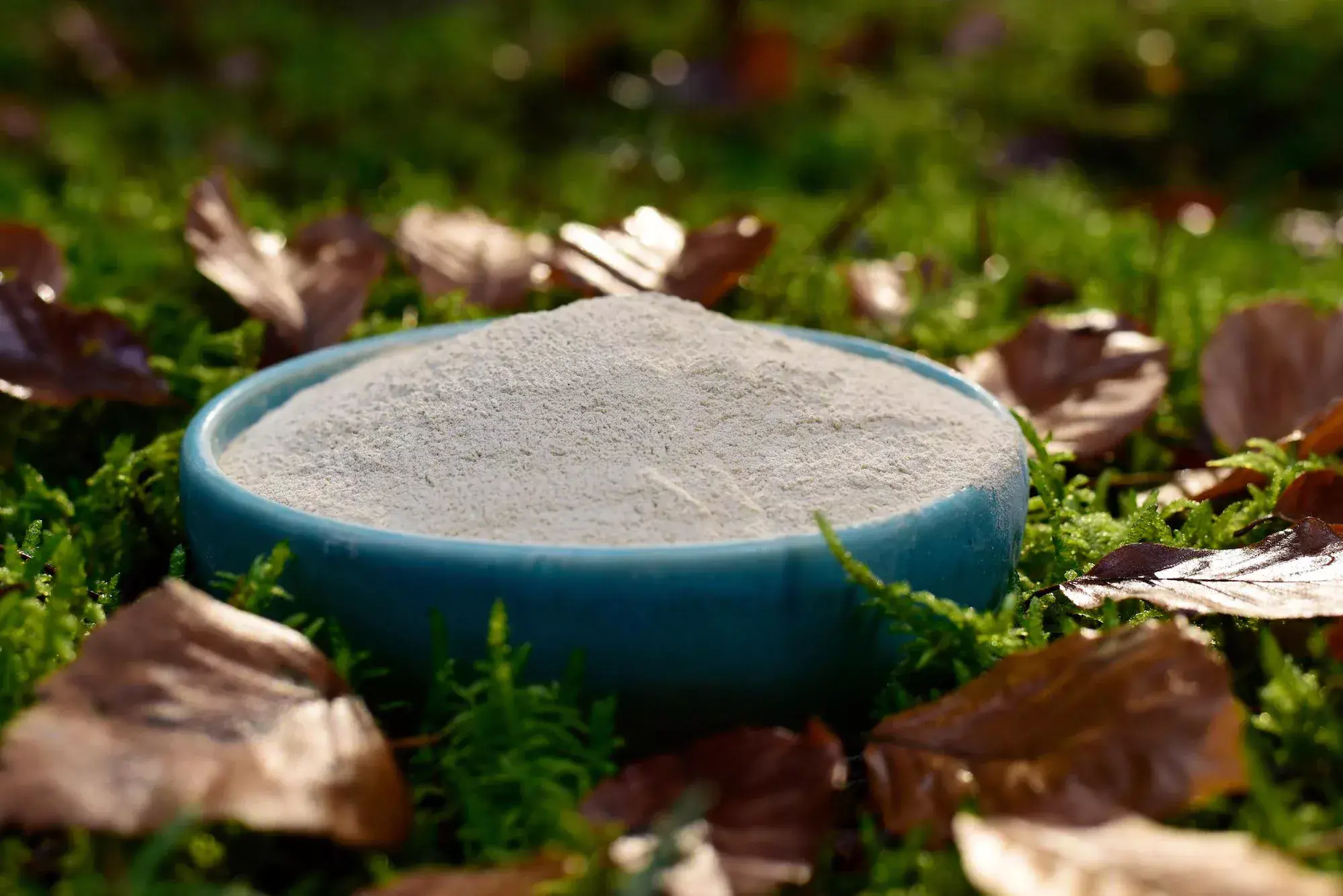
The Sanskrit name tells what the tradition sees in the plant; the botanical name tells which species it is. With brahmi, both matter: in India, the same name is used for bacopa and for gotu kola.
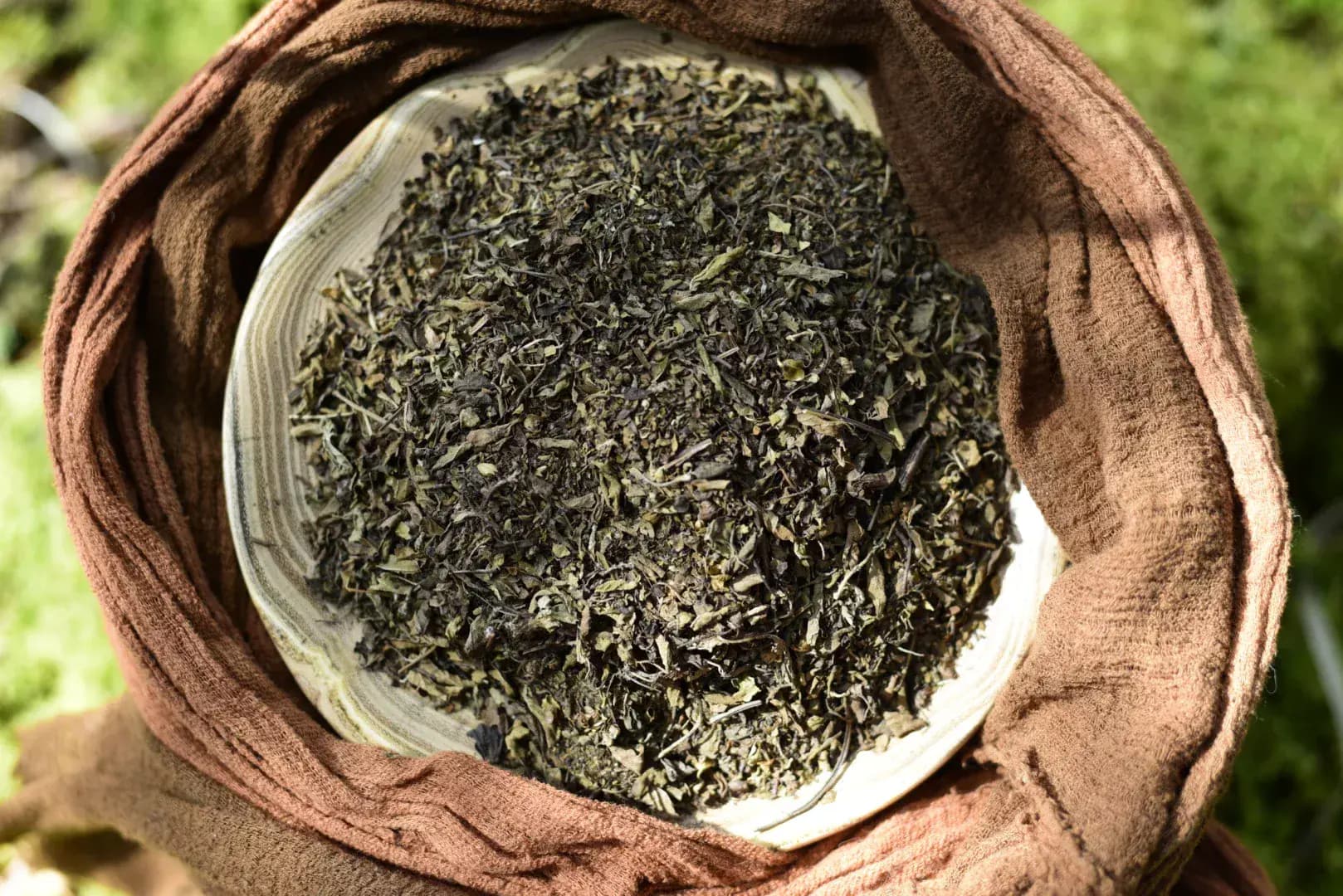
Ayurveda knows a plant by its taste and by its warmth. Ashwagandha is held to be warming, shatavari cooling. David Frawley and Vasant Lad draw from this the meaning of the word *yoga*: the right use, and the right combination.
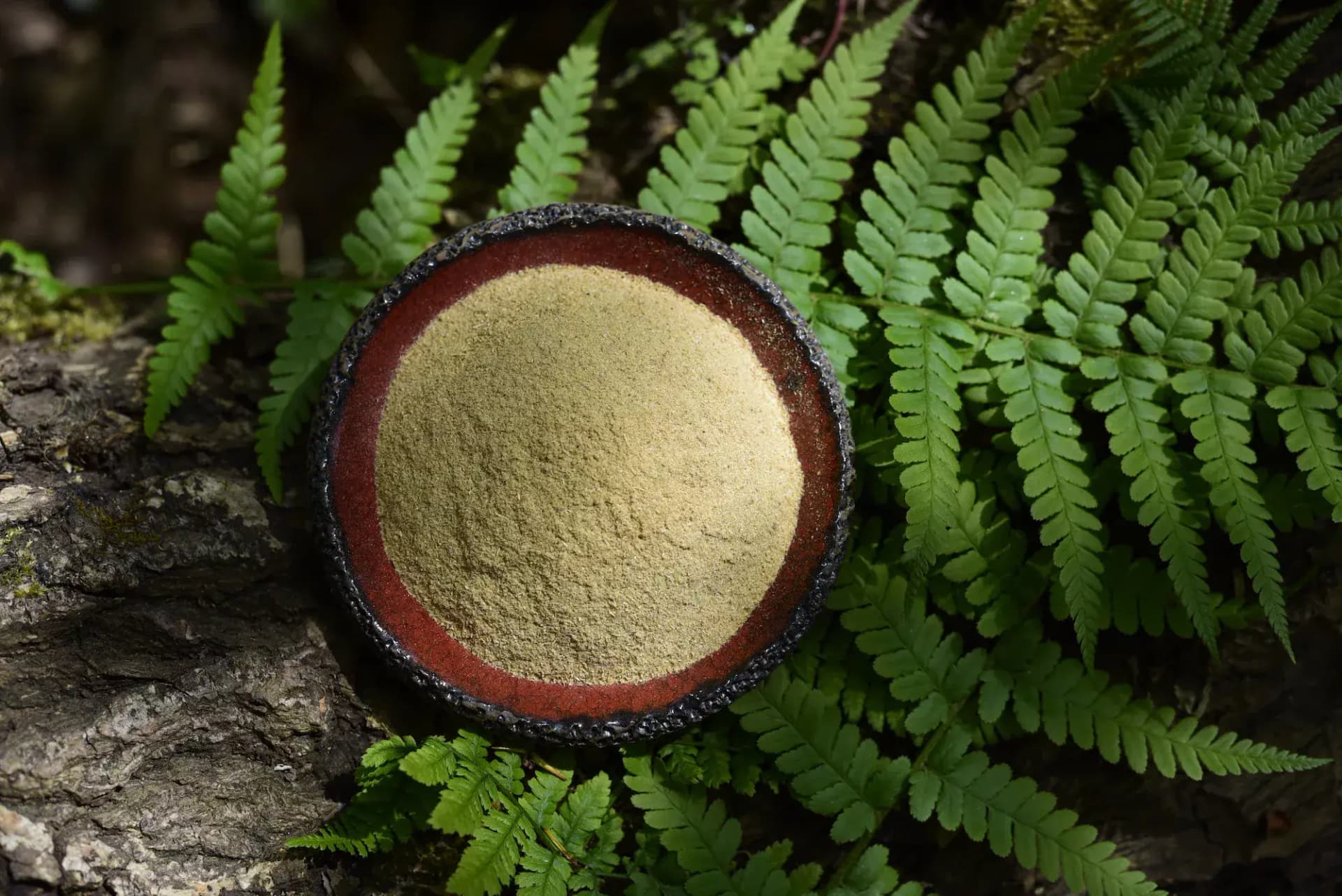
The roots are often drunk in hot milk: a teaspoon of ashwagandha or shatavari in 250 ml, a pinch of cardamom, five minutes at a simmer. Tulsi is simply infused: one to two teaspoons of leaves, 5 to 10 minutes in water at 90 °C.
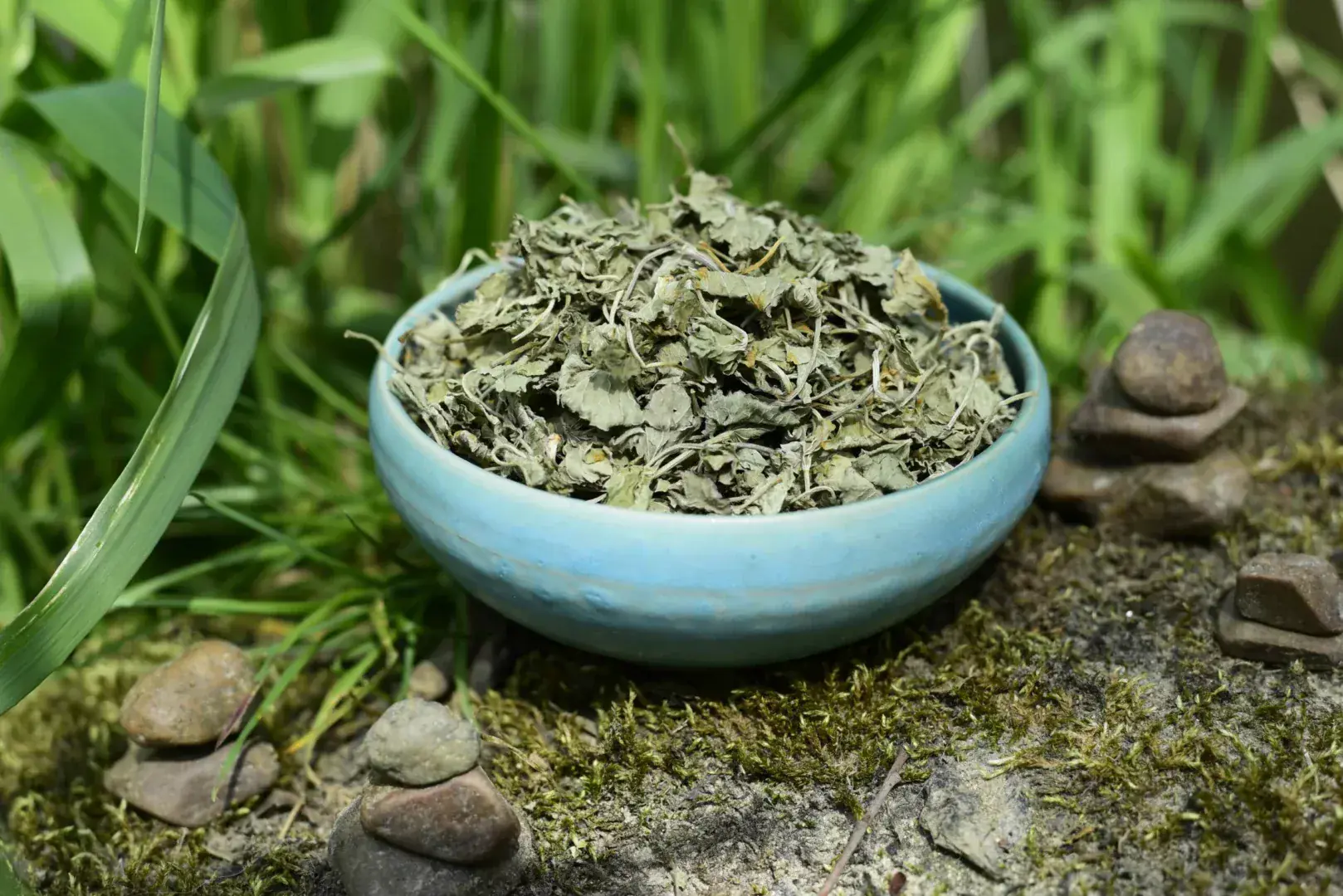
The tradition takes its *rasayana* over time. Tulsi is drunk in cycles of 7 to 21 days, one to two cups a day, with a pause between cycles. Bala stands apart: a concentrated resin, taken now and then, the size of a grain of rice.
Ayurveda is the traditional medicine of India. Its name joins two Sanskrit words, āyus, life, and veda, knowledge. An Ayurvedic herb is a plant of its pharmacopoeia: it has a Sanskrit name, a place in the texts, a way of being prepared.
Three great early texts have come down to us: the Charaka Samhita, the Sushruta Samhita and the Bhela Samhita. In the form we read it today, the Charaka Samhita dates from between the second and fifth centuries CE. The medicine they describe turns on three doshas, vata, pitta and kapha, and each plant is described by what it does to each of them.
Each row leads to the plant's page, with its preparation and its precautions.
| Plant | Botanical name | What the name says | What we offer |
|---|---|---|---|
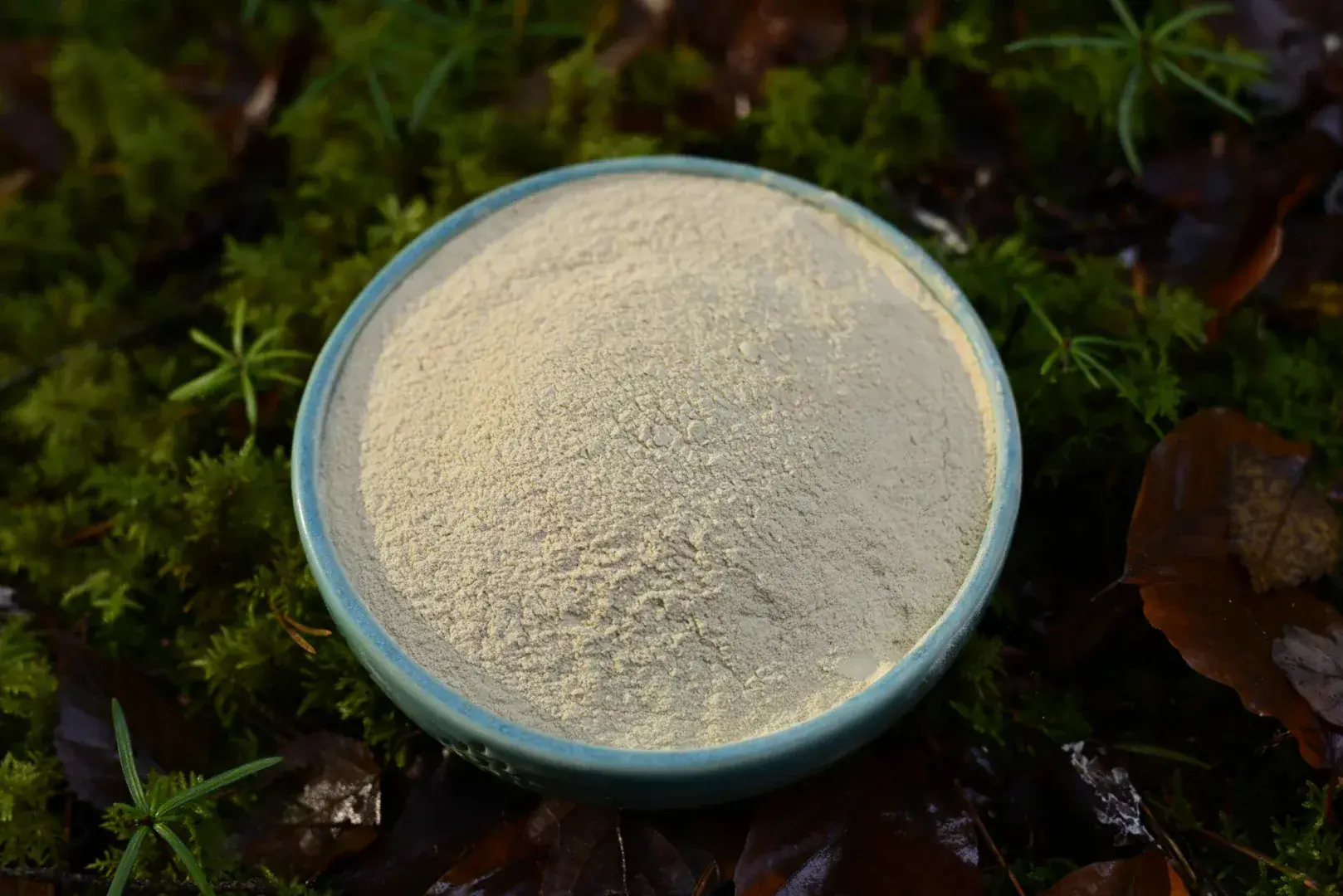
| Ashwagandha | Withania somnifera | ashva, horse, and gandha, smell: the root is said to smell of horse | Whole root powder, from India, organic |
| Shatavari | Asparagus racemosus | “she of the hundred roots” | Root powder, from India, organic |
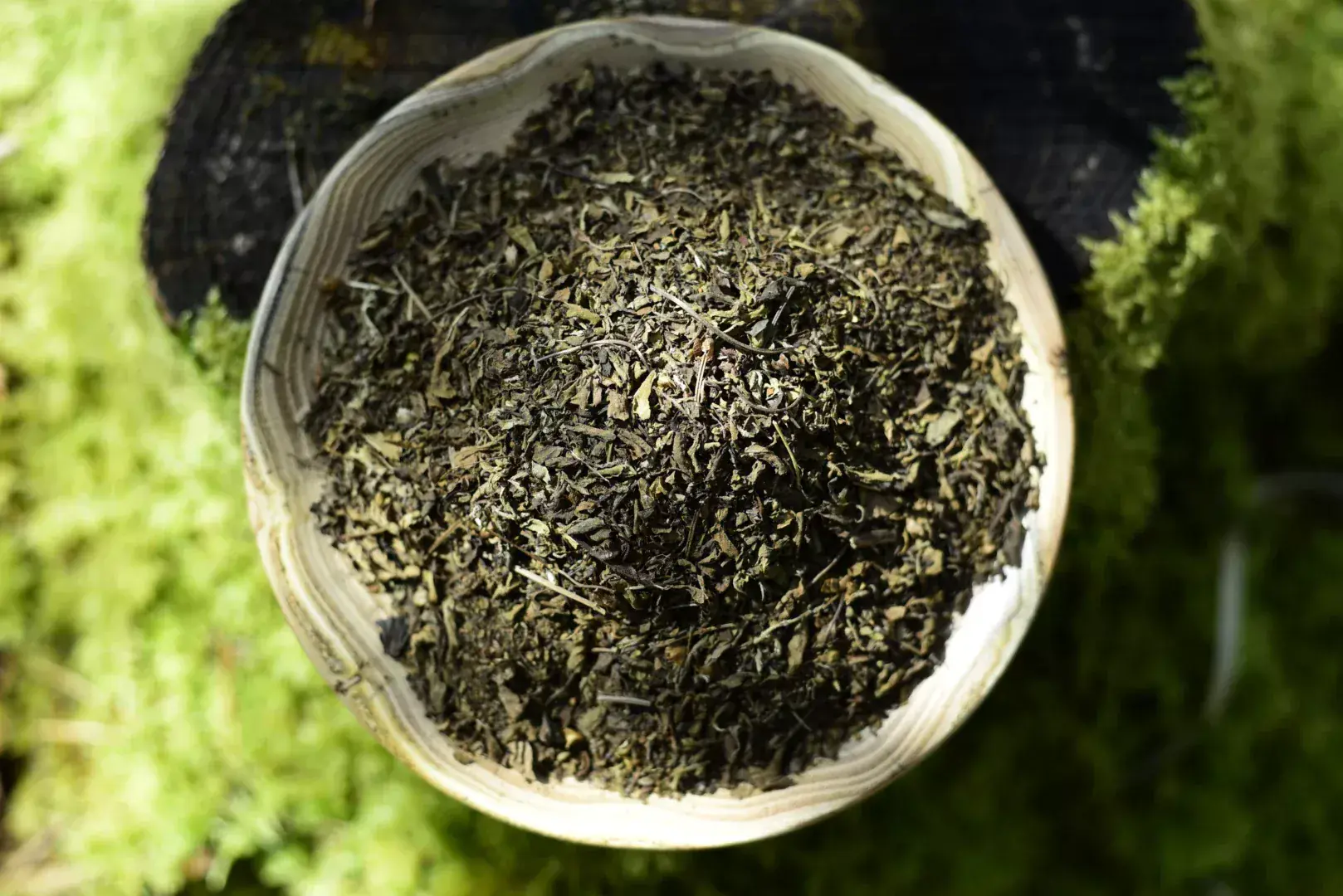
| Tulsi | Ocimum tenuiflorum (syn. Ocimum sanctum) | holy basil, called “the Incomparable One” | Dried leaves, from India, organic |
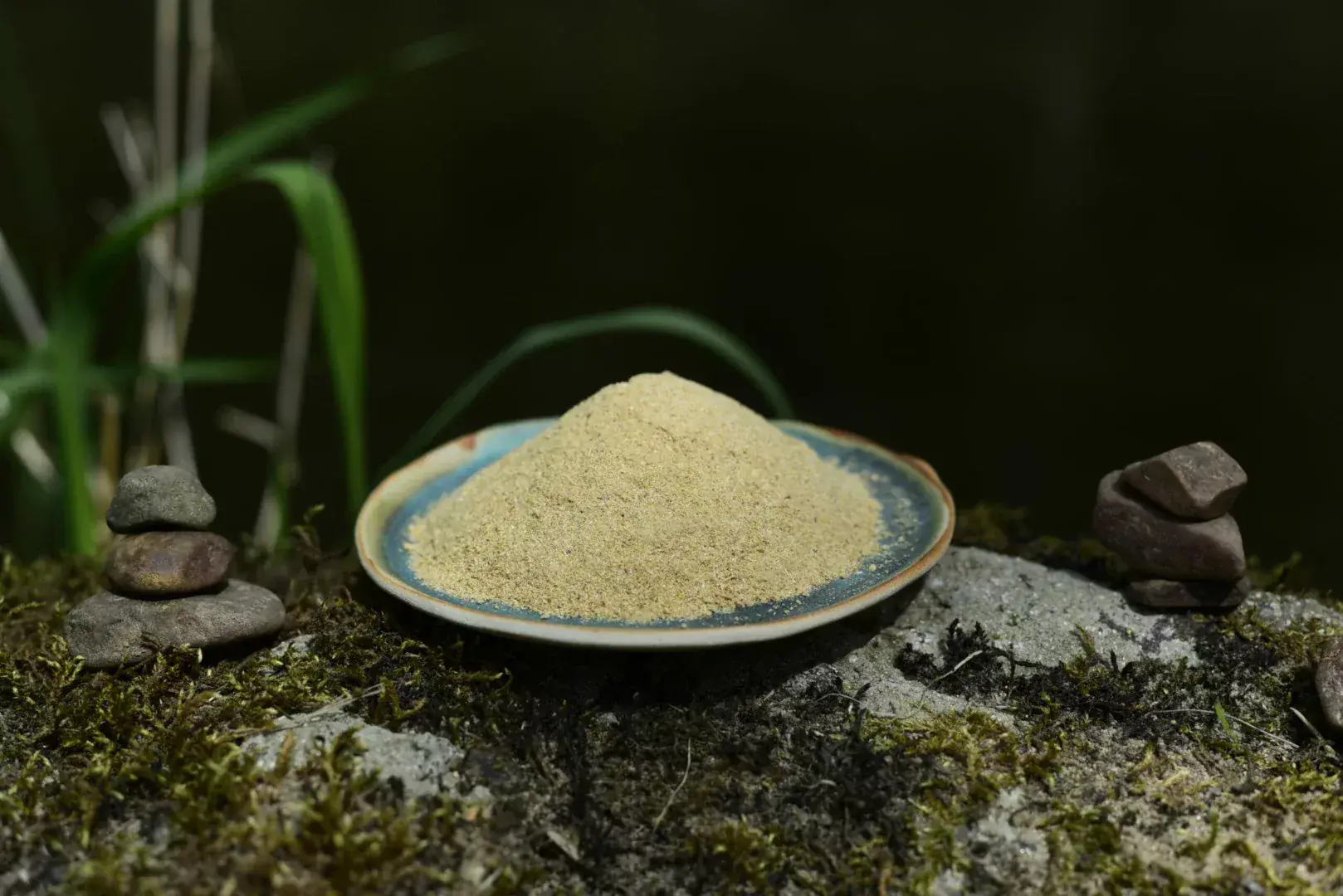
| Brahmi | Bacopa monnieri | the plant of Brahma | Powder, organic |
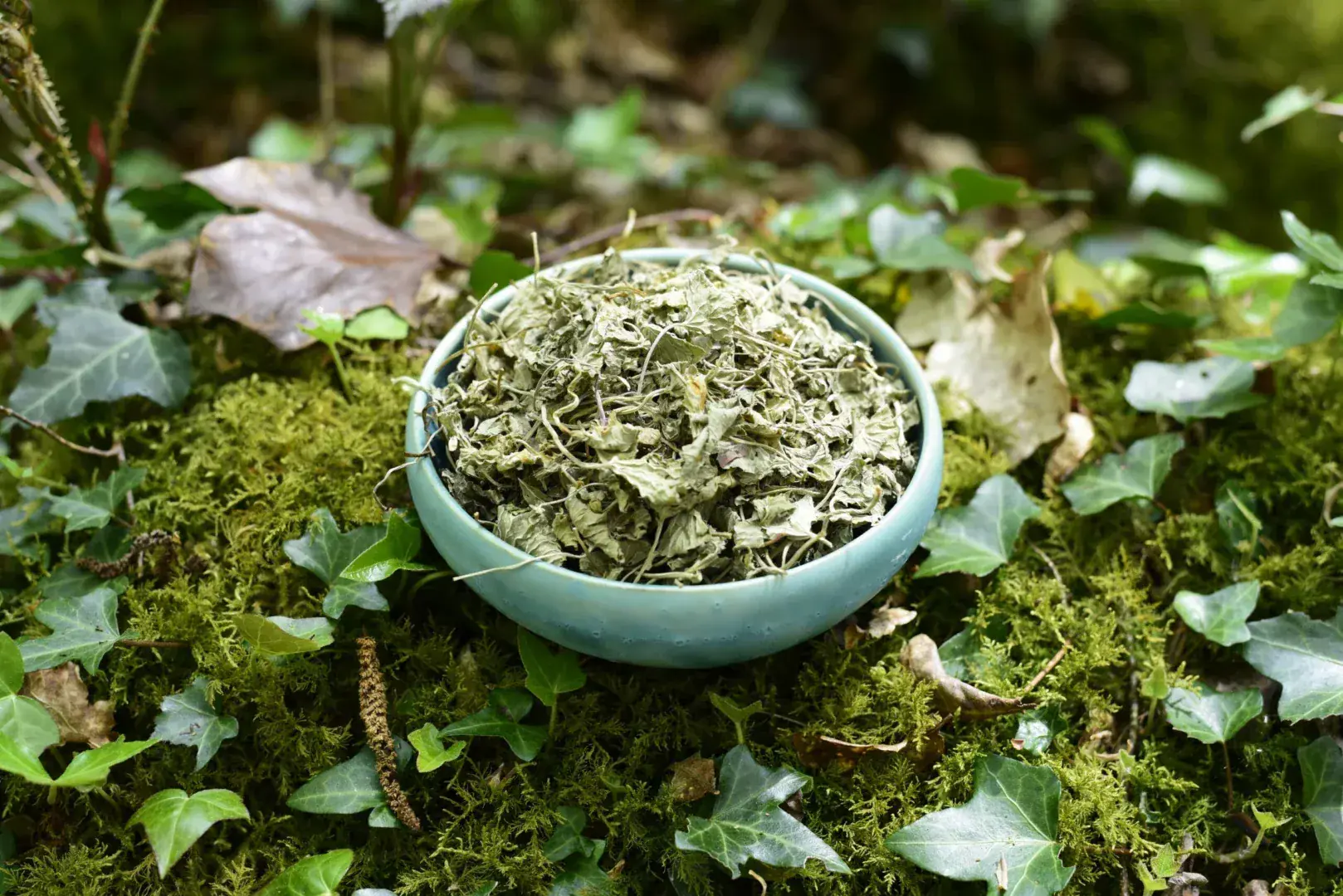
| Gotu kola | Centella asiatica | mandukaparni, the leaf shaped like a frog's foot | Leaf powder |
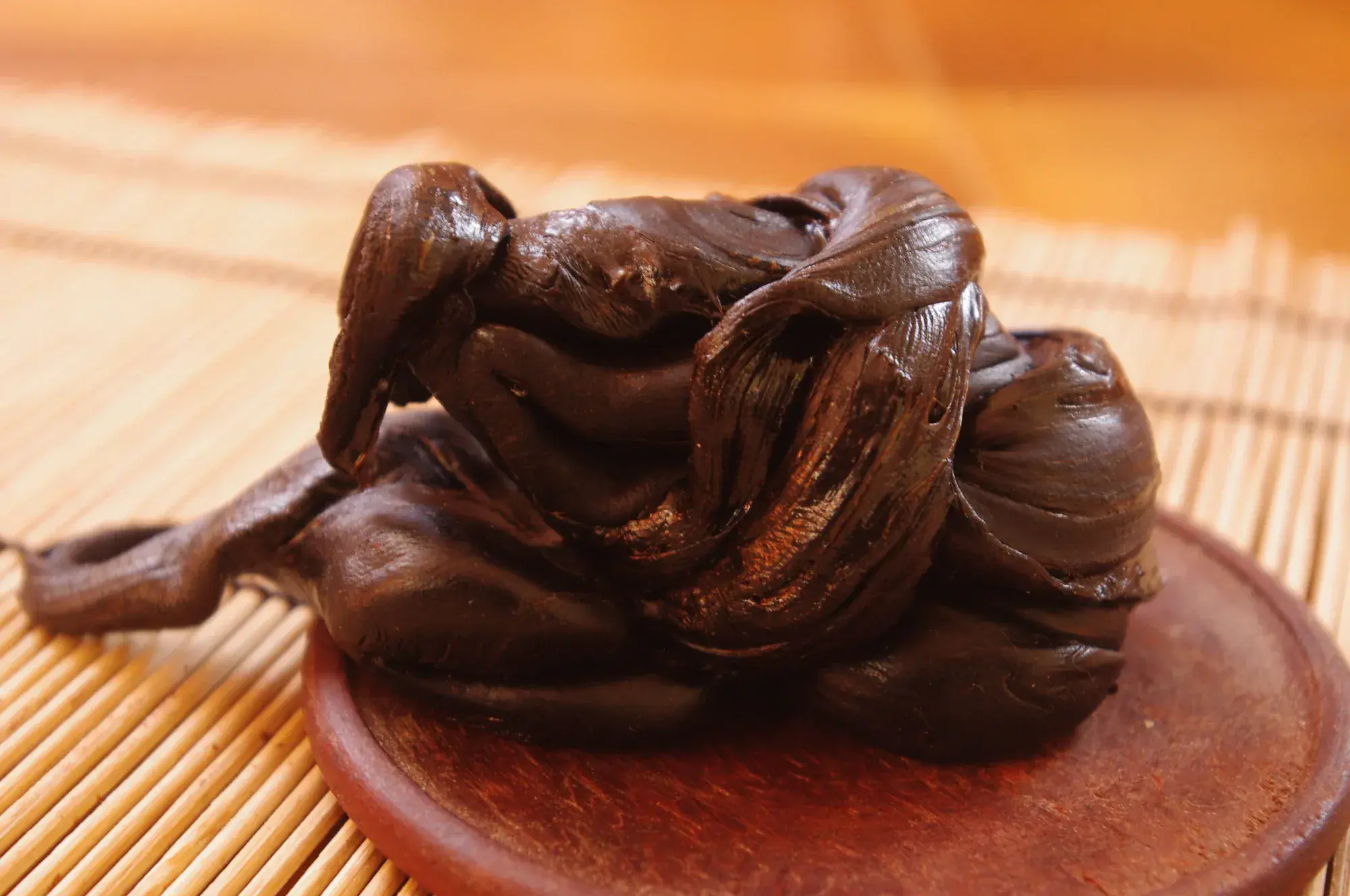
| Bala | Sida cordifolia | bala, strength | Concentrated resin, 5 g and 20 g jars |
In India, brahmi does not always mean the same plant. Sourav Mukherjee of Bharati Vidyapeeth University in Pune and colleagues give the reason in the journal AYU in 2011: a Sanskrit verse of the Bhavaprakasha Nighantu makes brahmi a synonym of two plants, jalabrahmi, Bacopa monnieri, and mandookaparni, Centella asiatica. They come from two different botanical families and look nothing alike. Bacopa is a creeping, somewhat succulent herb of wet places; centella bears simple, lobed leaves, each on its own stalk.
Here, our brahmi is bacopa and our gotu kola is centella: two pages, two powders. Bacopa takes its name from Brahma the creator: Indian tradition tells that he offered the plant to Saraswati, goddess of wisdom.
Ayurveda knows a plant by what it does to the body that receives it: its taste, rasa, and its warmth, virya, which warms or cools. In The Yoga of Herbs, David Frawley and Vasant Lad describe ashwagandha as a warming root, bitter, astringent and sweet in taste. For them, the same plant suits one nature and unsettles another: hence the meaning they give to the word yoga, the right use and the right combination.
The word rasayana breaks down into rasa-ayana, the path that rasa, the body's first essence, takes, as David Winston and Steven Maimes explain in Adaptogens. They also note that the tradition prepared its rasayana as a paste, with ghee and honey: the vehicle is part of the preparation. Our plant pages keep the gesture with warm milk: ashwagandha and shatavari simmer in it for five minutes, with a pinch of cardamom.
In many Hindu homes, tulsi has its place at the centre of the courtyard, in a small pot or on a platform called the tulsi vrindavana. Every morning, a woman of the house waters it, lights a lamp, says a prayer, walks around the plant and touches a leaf to her forehead. In Hindu legend, tulsi is the earthly form of Vrinda, a devotee of Vishnu. Her whole story is told in the Forest: Tulsi, myths and Ayurvedic tradition.
We offer it as dried leaves.
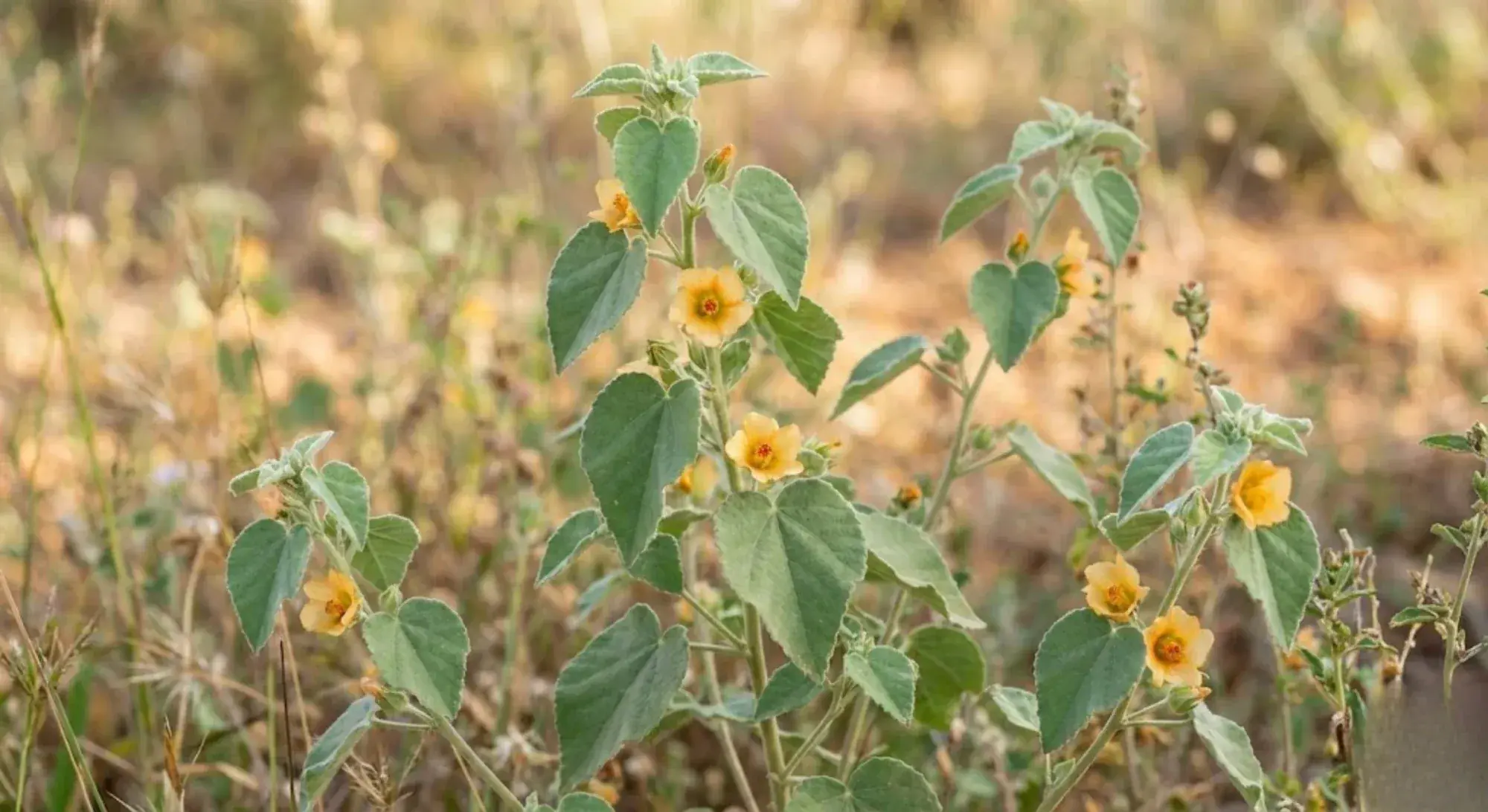
Bala is Sida cordifolia, a plant of the mallow family. Ayurvedic tradition makes an oil from it, ksheerabala, prepared with its roots, milk and sesame oil. The bala we offer is a concentrated resin, taken in small doses, the size of a grain of rice.
It is a stimulant plant. Avoid during pregnancy and breastfeeding, for minors, with a heart disorder, hypertension, a thyroid or anxiety disorder, with other stimulants or large amounts of caffeine, while on antidepressants or MAOIs, and before driving. When in doubt, your doctor before the plant. Our plants are freely sold in France and the European Union; the law varies from country to country, so check the law in your country before ordering.
A plant of the pharmacopoeia of Ayurveda, the traditional medicine of India. Each has a Sanskrit name and is described by its taste and its warmth. With us: ashwagandha, shatavari, tulsi, brahmi, gotu kola and bala.
It joins two Sanskrit words, āyus, life, and veda, knowledge: the knowledge of life.
Bacopa (Bacopa monnieri) and centella (Centella asiatica): a verse of the Bhavaprakasha Nighantu makes brahmi a synonym of both, though they belong to different families. Our brahmi is bacopa; our gotu kola is centella.
Often with a vehicle: warm milk, ghee, honey. Ashwagandha and shatavari are often drunk in warm milk with a pinch of cardamom; tulsi is infused for 5 to 10 minutes in water at 90 °C. Bala, a resin, dissolves in a hot drink or melts under the tongue.
Yes, plant by plant, and each page gives its own. Bala, a stimulant plant, is to be avoided during pregnancy and breastfeeding, with a heart disorder or hypertension, and with other stimulants. Ashwagandha calls for caution with a thyroid disorder or during pregnancy. Shatavari is set aside during pregnancy, unless a practitioner is guiding you, and calls for medical advice if you are on hormonal treatment. On any treatment, ask your doctor before taking any plant.
OTHER INTENTIONS · Daily